
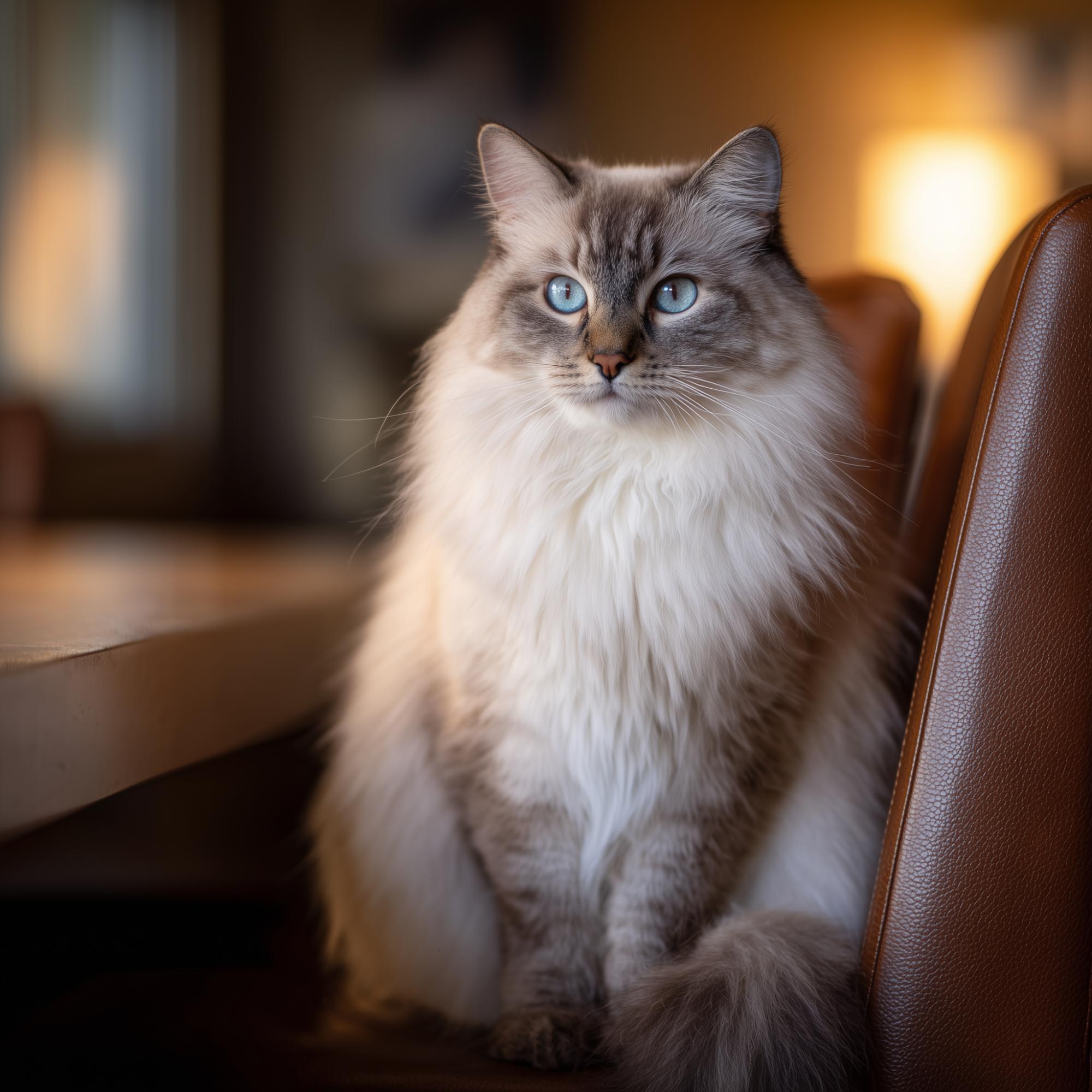
Neva Masquerade vs Siberian Cat: Differences, Price, Care & Lifespan
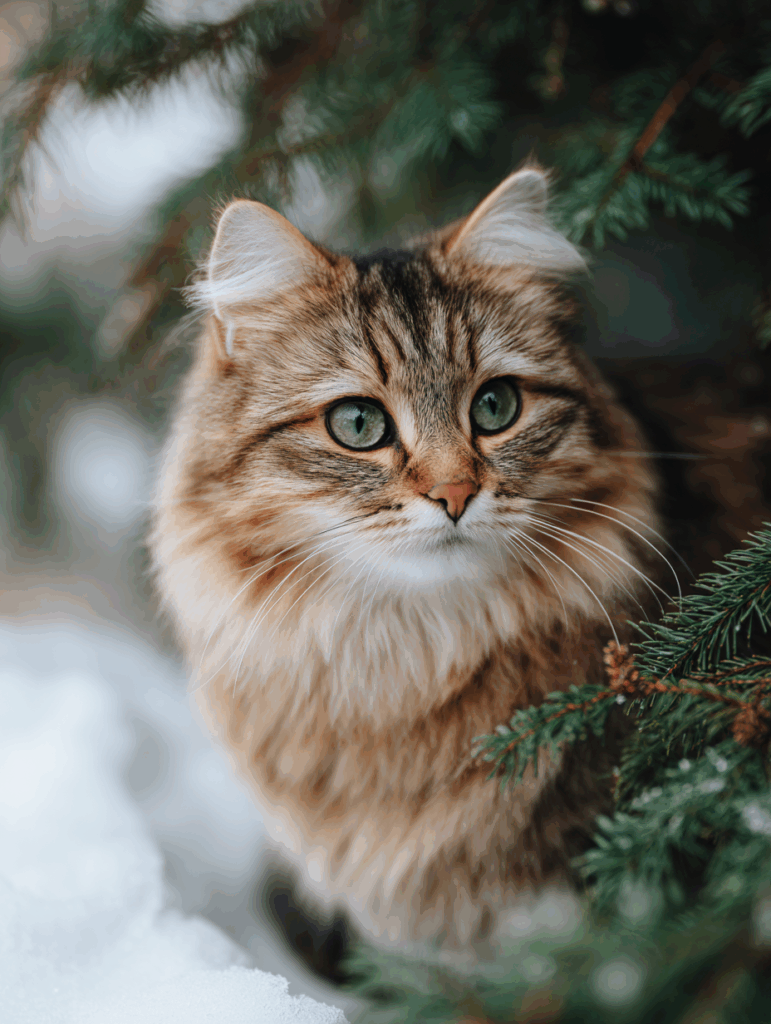
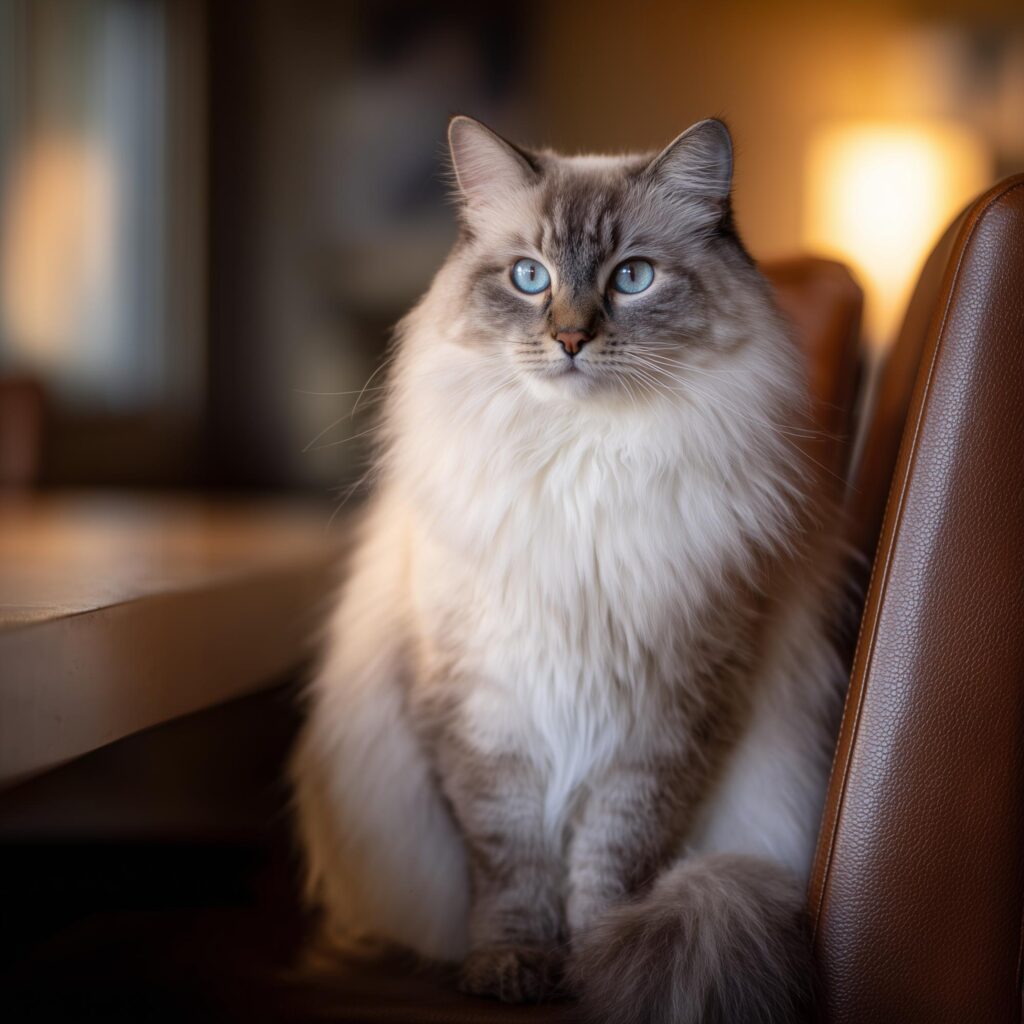
Neva Masquerade vs Siberian cat is often misunderstood because these are not two different breeds. The Neva Masquerade is a color
point variety of the Siberian cat, and they share the same genetics, temperament, health profile, grooming needs, and lifespan.
The real differences are appearance and price. Neva Masquerades have blue eyes and colorpoint markings and are usually more expensive, while traditional Siberians come in many colors with green or gold eyes and a lower purchase cost.
This post explains the differences buyers need to know, including coat care, shedding, personality, activity level, diet, health, lifespan, and kitten prices, so you can choose the Siberian cat that best fits your home.
What Is the Difference Between the Neva Masquerade vs Siberian Cat?
The Neva Masquerade vs Siberian cat comparison is one of the most misunderstood in the cat world. Unlike many breed matchups, this is not a case of two unrelated cats that merely look alike. The Neva Masquerade is not a separate breed—it is a colorpoint variety of the Siberian cat.
Because Neva Masquerades have striking blue eyes and colorpoint markings, many people assume they are a crossbreed or influenced by Siamese cats. In reality, Neva Masquerades and traditional Siberians share the same foundation, structure, temperament, health expectations, and breed standard. The difference lies almost entirely in coat color genetics, not in behavior or care.
Both originated in Russia’s harsh climates, both evolved as natural forest cats, and both are known for their intelligence, athleticism, and deep attachment to their families. The distinction matters mostly for buyers who care about appearance, registry terminology, or allergen expectations—not lifestyle compatibility.
This comparison breaks down what actually differs (appearance, genetics, registry naming) and what does not (personality, grooming needs, health, and home fit).
Quick Comparison Table: Neva Masquerade vs Siberian Cat
| Trait | Neva Masquerade | Siberian |
|---|---|---|
| Breed Status | Colorpoint variety of the Siberian | Foundation breed |
| Coat Pattern | Colorpoint with mask, points, blue eyes | All colors except colorpoint |
| Eye Color | Always blue | Green, gold, copper (never blue) |
| Body Structure | Muscular, powerful, rounded | Muscular, powerful, rounded |
| Coat Type | Dense triple-layer coat | Dense triple-layer coat |
| Personality | Affectionate, social, confident | Affectionate, social, confident |
| Activity Level | Moderate to high | Moderate to high |
| Grooming Needs | Moderate to high (seasonal shedding) | Moderate to high (seasonal shedding) |
| Health Risks | Same as Siberian (line-dependent) | Same as Neva Masquerade |
| Lifespan | 12–18 years | 12–18 years |
| Allergen Myth | Often marketed as “more hypoallergenic” | Same allergen reality |
| Best For | Families wanting blue eyes & points | Families wanting traditional colors |
Breed Origins and History
Siberian Origins
The Siberian is one of the oldest naturally developed cat breeds in the world, with documented history spanning centuries in Russia’s forests, farms, monasteries, and villages. These cats survived extreme cold, food scarcity, and rugged terrain through natural selection, not human design.
Their defining traits—
• dense triple coat
• powerful hindquarters
• strong bone structure
• high intelligence
• confident, social temperament
—exist because they were necessary for survival.
Siberians were working cats long before they were show cats. Their role as rodent hunters shaped a breed that is agile yet substantial, independent yet deeply bonded to people. When the breed was formally exported and standardized in the late 20th century, the goal was preservation—not reinvention.
All modern Siberians, regardless of color, trace back to this same foundation.
Neva Masquerade Origins
The Neva Masquerade emerged within Siberian populations, not alongside them. The colorpoint gene existed naturally and produced kittens with pale bodies, darker extremities, and vivid blue eyes. These cats were always Siberians by type, temperament, and function.
The name “Neva Masquerade” comes from the Neva River region near St. Petersburg, where these masked colorpoint Siberians were noted and later distinguished in registries—particularly in European systems.
Importantly:
- Neva Masquerades were not created by crossing Siamese cats
- They were not selectively bred for temperament differences
- They were not developed as a separate working type
They are simply Siberians expressing a specific color pattern.
Some registries classify them under the Siberian breed; others list them as a named variety. This registry distinction is the source of much public confusion, but biologically and behaviorally, there is no separation.
Bottom Line: Neva Masquerade vs Siberian Cat
The Neva Masquerade is a Siberian cat.
If you love:
- blue eyes
- dramatic colorpoint markings
- a slightly more “exotic” look
you may prefer a Neva Masquerade.
If you love:
- traditional forest-cat colors
- gold or green eyes
- classic Siberian appearance
a standard Siberian may suit you better.
In every other meaningful way—temperament, care, intelligence, health expectations, and family compatibility—there is no functional difference.
The right choice comes down to appearance preference, breeder ethics, and honest education—not myths about separate breeds or exaggerated hypoallergenic claims.
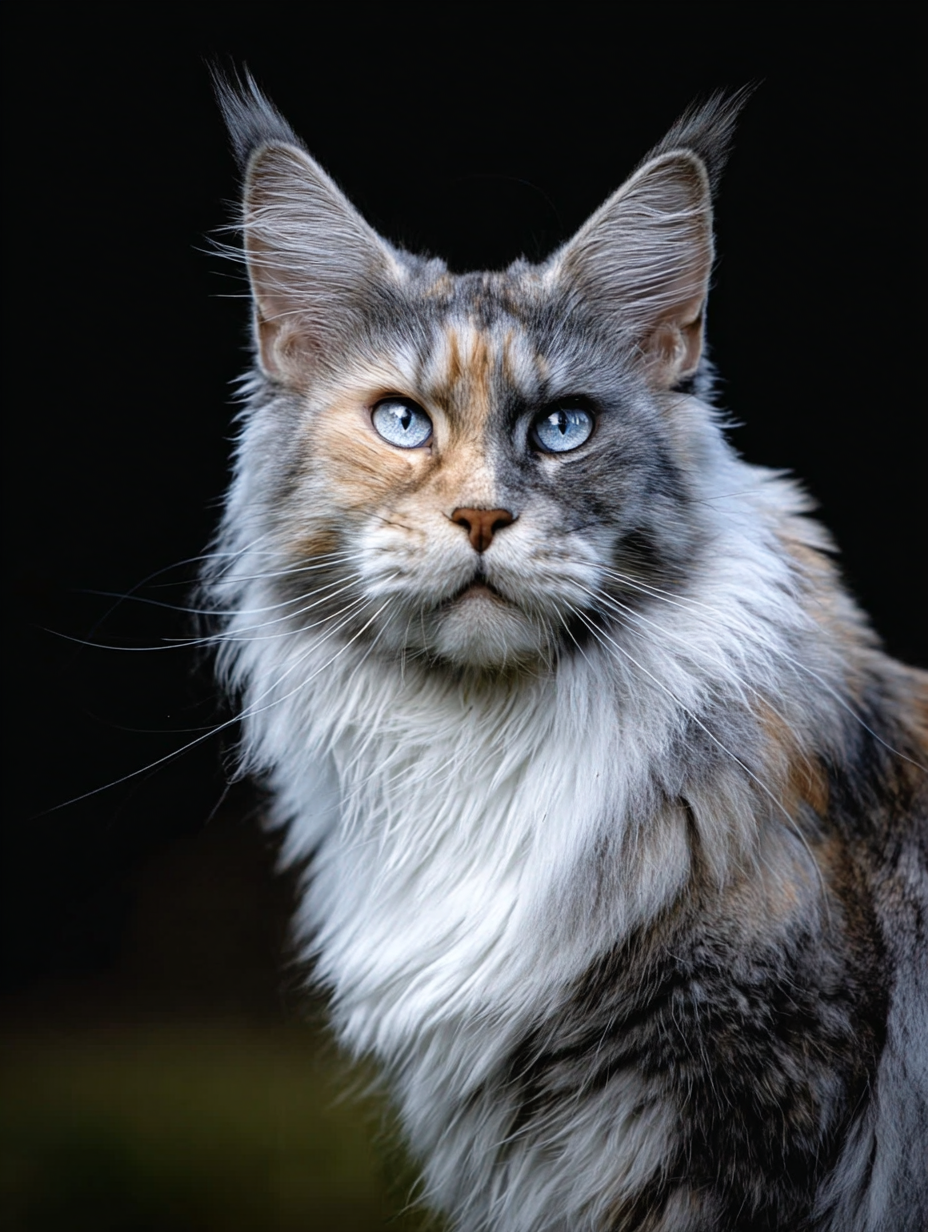
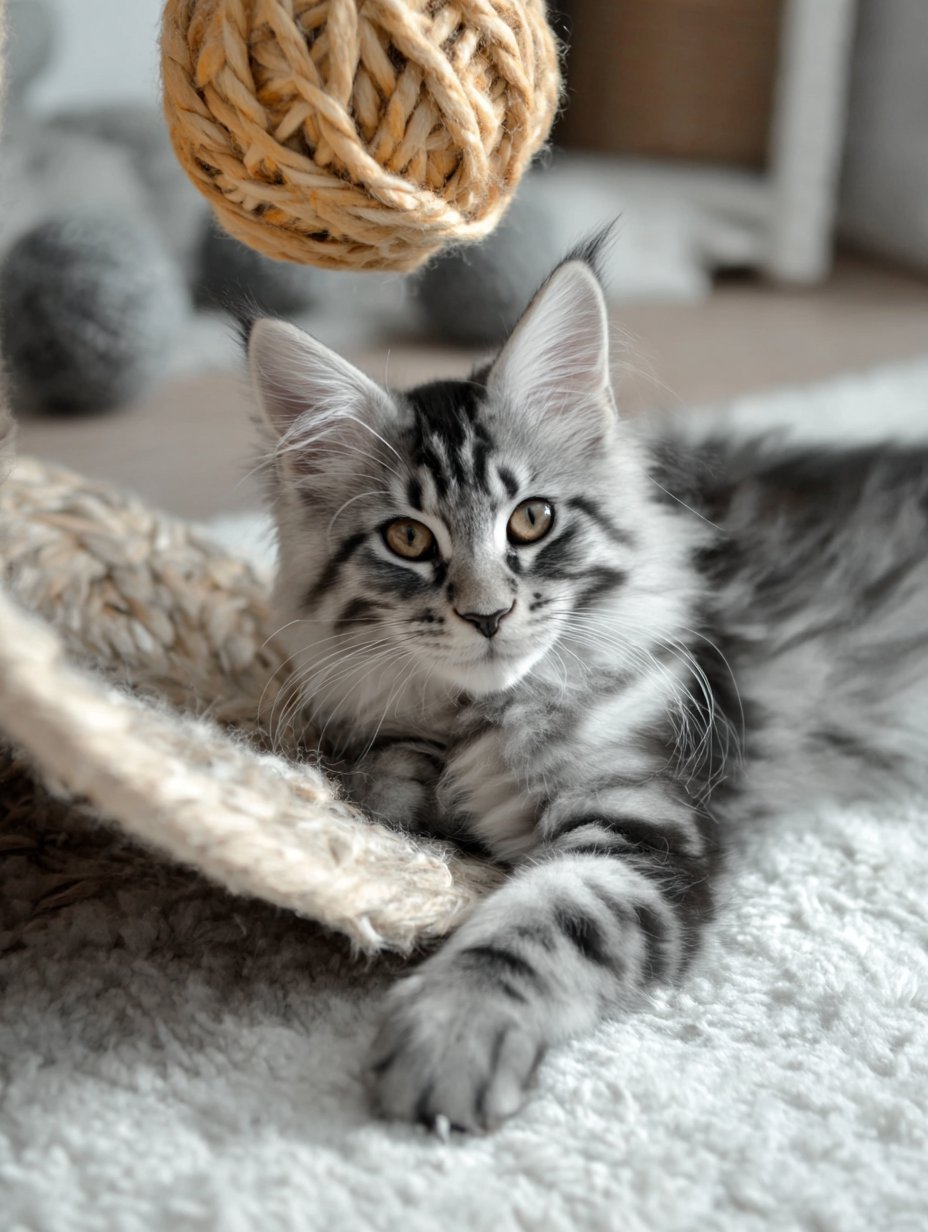
Neva Masquerade vs Siberian Cat Appearance
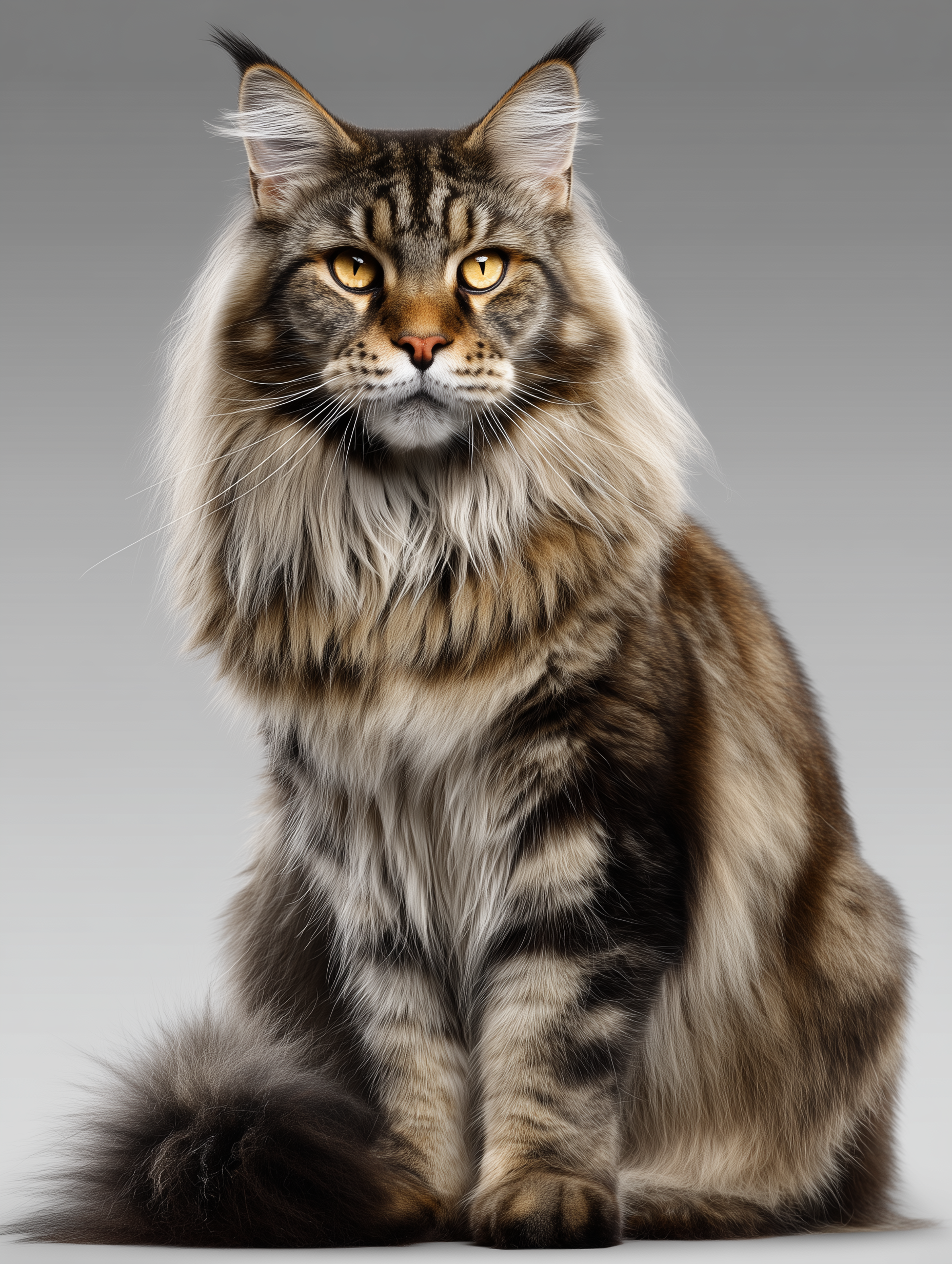
Siberian Appearance
Traditional Siberian cats are known for:
- a rounded, powerful body with heavy bone and dense muscle
- a broad head with gentle curves and full cheeks
- medium to large, expressive eyes in shades of gold, green, or copper
- medium-sized ears with rounded tips and light furnishings
- a thick, semi-long triple coat with a pronounced ruff, britches, and a full, bushy tail
- an extremely wide range of colors and patterns excluding colorpoint
The overall impression of a Siberian is compact strength. These cats look sturdy rather than tall or elongated, and they feel surprisingly heavy when lifted. Their bodies are barrel-chested and solid, built for power and agility rather than elegance alone.
Seasonally, the coat changes dramatically. In winter, Siberians develop an imposing, plush silhouette with a thick mane and dense undercoat. In summer, the coat lightens but never loses its protective function. Even in a sleeker phase, the Siberian still carries substance.
Visually, many people are drawn to the Siberian’s softer, rounder facial structure. They look like strong, capable forest cats with a warm, approachable expression rather than a sharp or extreme show profile.
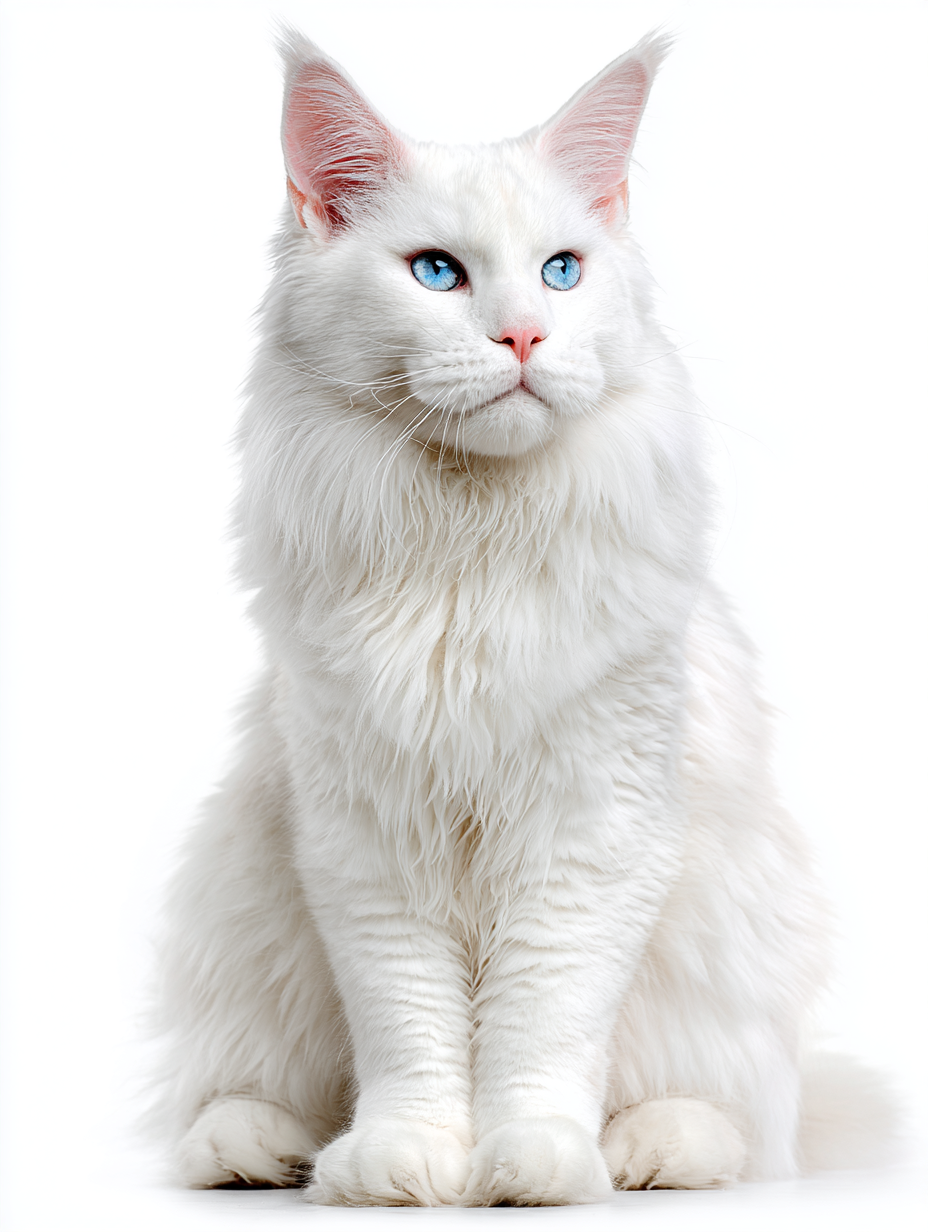
Neva Masquerade Appearance
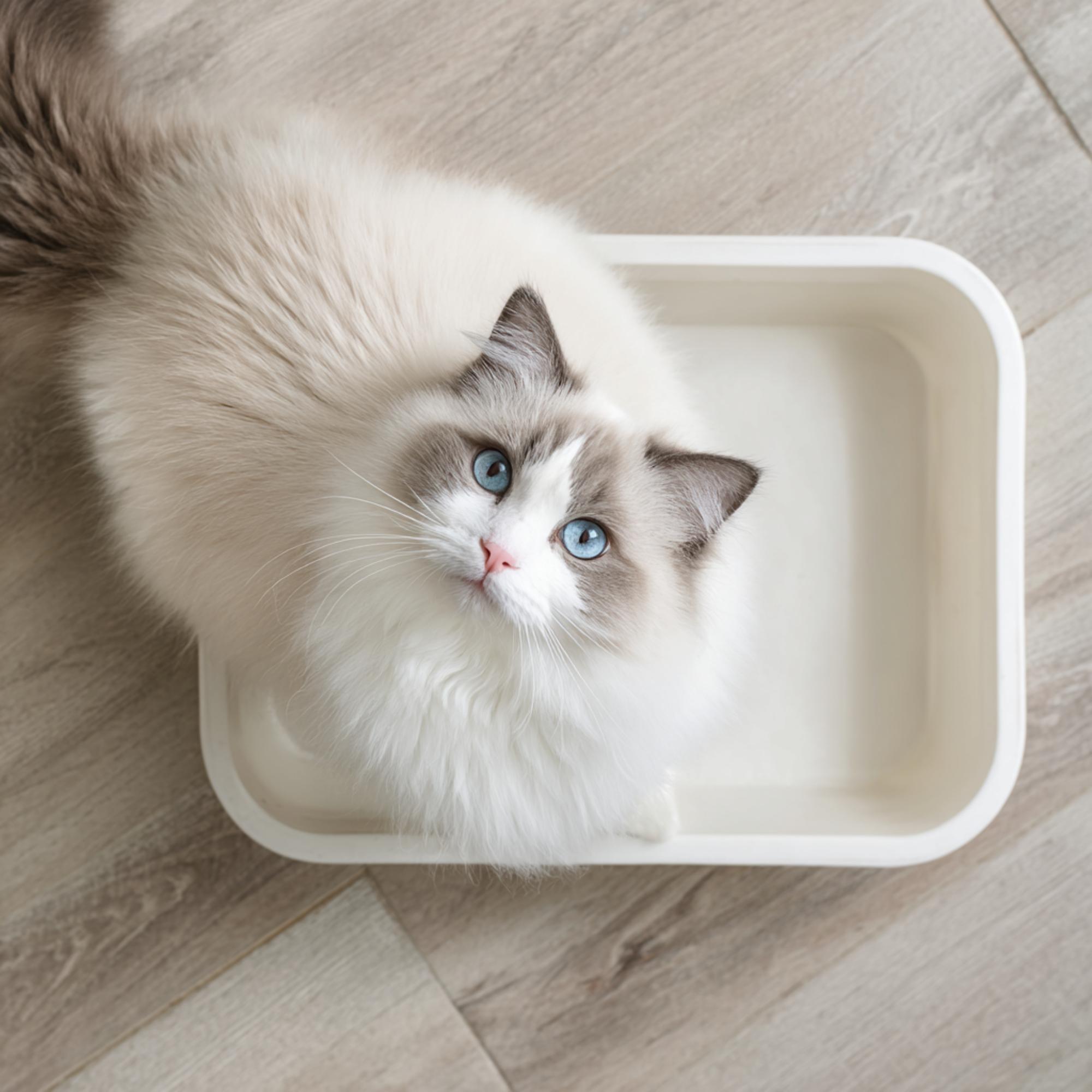
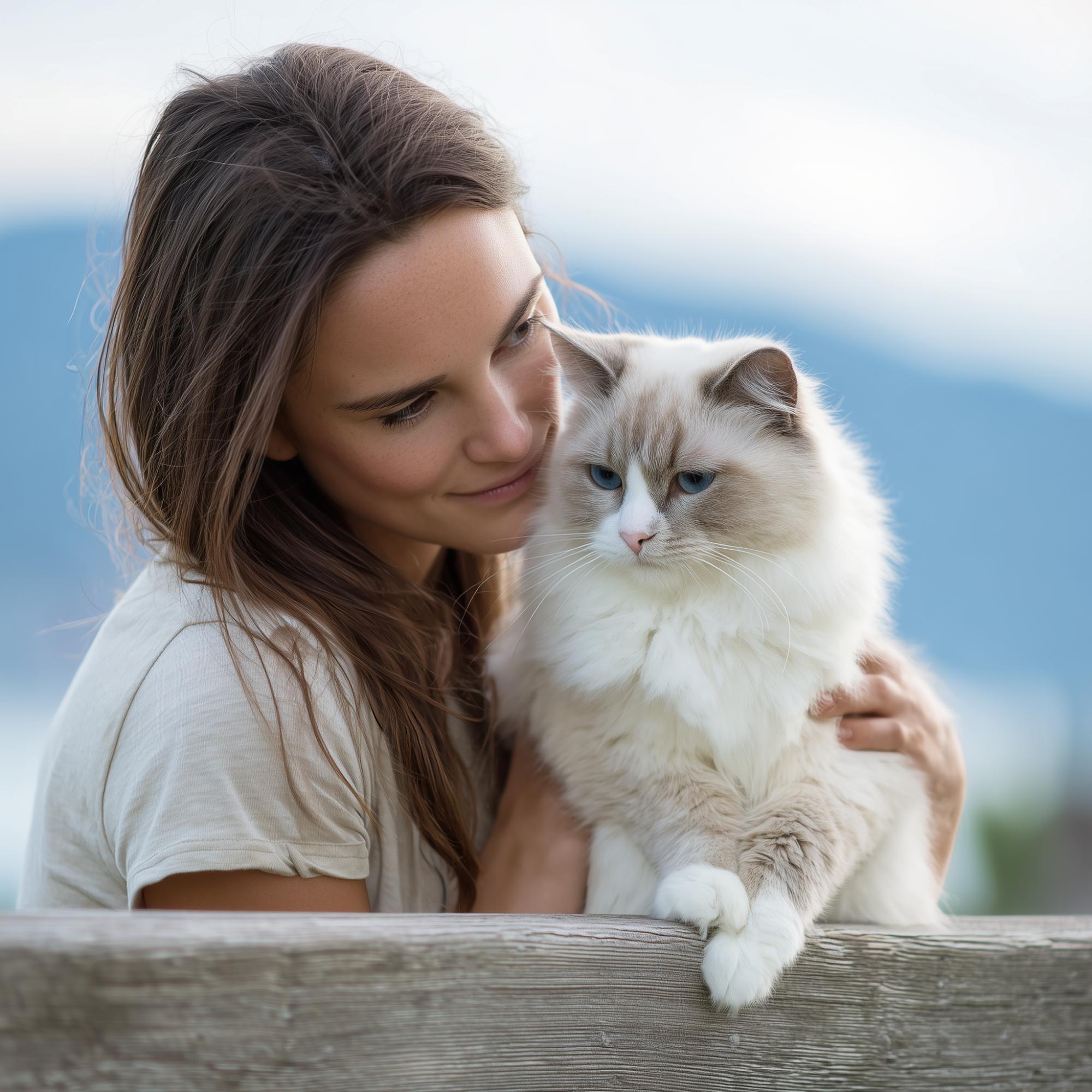
Neva Masquerades share the exact same structure and coat type as Siberians, but differ in color genetics. They are characterized by:
- a colorpoint pattern with darker points on the face, ears, legs, and tail
- a pale to cream body that contrasts with the points
- always blue eyes, ranging from soft aqua to deep sapphire
- the same muscular body, rounded contours, and triple coat as Siberians
- identical seasonal coat changes and density
Structurally, there is no distinction. A well-bred Neva Masquerade should look like a Siberian wearing a mask—nothing more, nothing less.
The colorpoint pattern creates a more dramatic, high-contrast appearance that many people perceive as “exotic” or “luxurious.” The facial mask can visually sharpen the expression, sometimes making Nevas appear slightly more angular at first glance, but this is an illusion created by color placement, not anatomy.
In hand, a Neva Masquerade feels just as dense, solid, and powerful as any other Siberian.
Key appearance takeaway:
There is no body-type difference. The Neva Masquerade is a Siberian cat with colorpoint markings and blue eyes, not a separate physical type.
Personality & Temperament
Siberian Temperament
Siberian cats are widely loved for being:
- affectionate and people-oriented
- confident without being demanding
- playful well into adulthood
- emotionally stable and adaptable
- intelligent and responsive
- social with children, dogs, and other cats
- comfortable in active, engaged households
Siberians thrive when they are included in daily life. They enjoy interactive play, mental stimulation, and companionship, but they are not frantic or overwhelming. Many display distinctly doglike traits: greeting family members at the door, following their people from room to room, and maintaining close bonds with multiple humans rather than attaching to just one.
They balance energy beautifully—happy to play, climb, and explore, but equally content to settle near their people and relax. This versatility is a major reason the breed fits so many lifestyles.
Neva Masquerade Temperament
Neva Masquerades share the same temperament profile as Siberians:
- affectionate and socially confident
- people-focused without being clingy
- playful, intelligent, and curious
- steady and emotionally resilient
- adaptable to new environments and routines
There is no consistent, breed-level personality difference between Neva Masquerades and traditional Siberians. Claims that Nevas are calmer, more sensitive, more vocal, or more hypoallergenic are individual-line or individual-cat traits, not differences created by the colorpoint gene.
In well-bred lines, Neva Masquerades are just as social, trainable, and family-friendly as any Siberian. They enjoy interactive play, puzzle toys, climbing structures, and shared space with their humans.
If personality differences are observed, they almost always come down to:
- breeder selection priorities
- early socialization
- individual temperament
—not the Neva designation itself.
Temperament Recap
Because the Neva Masquerade is a Siberian, the comparison is straightforward:
- Both are outgoing, affectionate, and people-centered
- Both combine athleticism with calm companionship
- Both adapt well to families, children, and multi-pet homes
- Both benefit from engagement, routine, and mental stimulation
The deciding factor between a Neva Masquerade and a traditional Siberian is appearance preference, not behavior.
If you want blue eyes and dramatic contrast, the Neva Masquerade may speak to you.
If you prefer classic forest-cat coloring and warmer eye tones, a traditional Siberian may feel right.
Temperament-wise, you are choosing the same cat.
Health & Genetic Considerations: Neva Masquerade vs Siberian Cat
Because the Neva Masquerade is a colorpoint variety of the Siberian, their health profile is the same. There are no breed-specific diseases that separate Neva Masquerades from traditional Siberians, and the colorpoint gene does not introduce unique medical risks on its own.
Any health differences seen between individual cats come from:
- specific breeding lines
- genetic diversity and selection practices
- early nutrition and socialization
- long-term weight management and lifestyle
—not from whether the cat is a Neva Masquerade or a non-colorpoint Siberian.
Both are considered among the most naturally robust longhaired breeds, with balanced structure and no extreme physical exaggerations. Responsible breeding and preventative care remain the biggest determinants of long-term health.
Common Health Considerations in Siberians (Including Neva Masquerades)
Hypertrophic Cardiomyopathy (HCM)
HCM is the primary inherited heart condition monitored in Siberian lines. It does not affect all Siberians and is highly line-dependent.
- Responsible breeders perform routine echocardiograms on breeding cats
- Tracking cardiac history across generations significantly reduces risk
- Well-managed lines show low incidence compared to many other purebred cats
HCM is the most important health factor prospective owners should discuss openly with breeders.
Gastrointestinal & Food Sensitivities
A small percentage of Siberians—Nevas included—may show mild digestive sensitivity. Common contributors include:
- abrupt food changes
- low-quality, carbohydrate-heavy diets
- poultry sensitivities in some individuals
Most Siberians thrive on high-protein, meat-forward diets with gradual transitions. These sensitivities are individual, not breed-defining.
Dental Health
Siberians generally have normal jaw structure and good bite alignment. However, like many cats, they can develop:
- tartar buildup
- gingivitis
- early periodontal inflammation without routine care
Preventive measures such as home brushing, dental treats, or periodic professional cleanings help maintain long-term oral health.
Joint & Orthopedic Considerations
Siberians are powerful, athletic cats with strong hindquarters and impressive jumping ability. Over time, some individuals—especially heavier-bodied adults—may experience:
- mild joint strain
- early stiffness in senior years
- reduced mobility without weight management
Maintaining a healthy body condition, providing appropriate climbing outlets, and supporting joint health in senior years are beneficial.
Coat & Skin Maintenance
The Siberian’s dense triple coat is highly insulating and protective. Without consistent grooming—especially during seasonal coat changes—cats may experience:
- undercoat matting
- dry skin near the roots
- increased shedding-related irritation
Regular combing during coat blow periods prevents nearly all coat-related issues.
Stress & Behavioral Health
Siberians, including Neva Masquerades, are emotionally balanced cats, but prolonged stress can still manifest as:
- reduced appetite
- over-grooming
- withdrawal or changes in routine behavior
Stable schedules, environmental enrichment, and regular social interaction support both emotional and physical health.
Key Health Takeaway
There is no health distinction between a Neva Masquerade and a traditional Siberian cat.
- Same genetic foundation
- Same structural strengths
- Same potential risks
- Same preventative care needs
Choosing a Neva Masquerade is an aesthetic decision, not a medical one. The most important health factors are breeder transparency, genetic screening, diet quality, and long-term lifestyle support—not coat pattern or eye color.
Health Summary Table: Neva Masquerade vs Siberian Cat
| Health Factor | Neva Masquerade | Siberian |
|---|---|---|
| Breed Relationship | Colorpoint variety of the Siberian | Foundation breed |
| Overall Health | Robust, naturally developed | Robust, naturally developed |
| Genetic Differences | None (same gene pool) | None |
| Primary Inherited Concern | Hypertrophic cardiomyopathy (line-dependent) | Hypertrophic cardiomyopathy (line-dependent) |
| Cardiac Screening | Echocardiograms recommended for breeding cats | Echocardiograms recommended for breeding cats |
| Digestive Sensitivities | Possible in some individuals | Possible in some individuals |
| Dental Health | Tartar or gingivitis without routine care | Tartar or gingivitis without routine care |
| Joint & Mobility | Athletic; joint strain possible in seniors or overweight cats | Athletic; joint strain possible in seniors or overweight cats |
| Coat & Skin | Triple coat; matting or dryness without grooming | Triple coat; matting or dryness without grooming |
| Stress Sensitivity | Appetite or grooming changes under chronic stress | Appetite or grooming changes under chronic stress |
| Lifespan Expectation | 12–18 years | 12–18 years |
| Health Takeaway | Same health profile as Siberian | Same health profile as Neva Masquerade |
Bottom line: Health outcomes are driven by breeder practices, genetics, diet, weight management, and long-term care—not coat pattern or eye color.
Neva Masquerade vs Siberian Cat Lifespan: Is There Any Difference?
There is no lifespan difference between a Neva Masquerade and a traditional Siberian cat. Because the Neva Masquerade is a colorpoint variety of the Siberian, both share the same genetics, structure, and long-term health expectations.
Any variation in longevity is driven by breeding quality, health screening, diet, weight management, and lifestyle, not coat pattern or eye color.
Siberian Lifespan — 12 to 18 Years
Siberians are widely recognized for their durability and longevity. Most live 12–18 years, with many well-bred individuals reaching the upper end of that range.
Key contributors to Siberian longevity include:
- naturally balanced body structure
- strong immune resilience
- lack of extreme physical traits
- careful breeder screening for HCM
- steady temperament that ages well
With proper nutrition, routine veterinary care, dental maintenance, and weight control, Siberians often remain active and comfortable well into their senior years.
If you want a deeper breakdown of aging stages, early warning signs, and lifespan optimization, see the full Siberian Cat Lifespan post.
Neva Masquerade Lifespan — 12 to 18 Years
Neva Masquerades have the same lifespan range: 12–18 years.
The colorpoint gene does not shorten lifespan, increase disease risk, or alter aging patterns. A Neva Masquerade from a well-managed Siberian breeding program should age exactly like any other Siberian.
Longevity in Neva Masquerades depends on:
- the same HCM screening practices
- maintaining lean body condition
- consistent dental and coat care
- low-stress, enriched home environments
Well-bred Nevas frequently remain playful, social, and mobile into their mid to late teens.
Lifespan Takeaway
- Neva Masquerade = Siberian cat
- Same genetics, same aging pattern
- Same lifespan potential
Choosing between a Neva Masquerade and a traditional Siberian does not affect how long your cat is likely to live. The most important factors are breeder transparency, health testing, nutrition, and lifelong care—not color or eye color.
If lifespan is a priority, your decision should focus on the breeder and the line, not the Neva designation.
Diet & Nutrition: Neva Masquerade vs Siberian Cat
Because the Neva Masquerade is a colorpoint variety of the Siberian, there is no difference in dietary needs between the two. They share the same metabolism, body structure, coat type, and activity patterns. Any variation in diet tolerance or preferences is individual, not related to coat pattern or eye color.
Both benefit from nutrient-dense, species-appropriate diets designed to support:
- strong musculature
- an exceptionally dense triple coat
- steady energy without excess weight gain
- long-term kidney, urinary, and digestive health
Siberian Diet Needs (Applies Fully to Neva Masquerades)
Siberians evolved as cold-climate forest cats with powerful bodies and high-quality coats. Their physiology favors high-protein, meat-forward nutrition with careful attention to hydration.
High-Protein, Meat-Forward Diets
Siberians thrive on diets rich in animal protein to support muscle mass and daily activity. Commonly well-tolerated proteins include poultry, rabbit, beef, and fish. Diets that are too carbohydrate-heavy can contribute to weight gain and digestive fluctuation.
Moderate Fat for Energy & Coat Health
A moderate fat content supports sustained energy levels and maintains coat insulation and shine. Extremely low-fat diets may negatively affect coat quality.
Limited Carbohydrates
While not highly carb-sensitive, Siberians do best when fillers are minimized. Diets high in corn, wheat, or soy may lead to:
- soft stools
- gas
- dull or brittle coat
- unnecessary weight gain in lower-activity homes
Wet or Raw Food for Hydration
The Siberian’s dense coat increases overall hydration needs. Wet food or raw-inclusive feeding helps:
- protect kidney and urinary health
- support skin and coat condition
- prevent chronic low-grade dehydration
Sensitive-Stomach or Limited-Ingredient Diets (When Needed)
Some individuals show sensitivity to poultry or abrupt diet changes. Limited-ingredient diets and slow transitions help stabilize digestion.
Structured Feeding Routines
Predictable mealtimes support digestion and behavioral balance, even though Siberians are generally resilient and adaptable.
Summary:
Siberians—and Neva Masquerades—do best on high-protein diets with moderate fat, minimal fillers, and strong hydration support. Gradual food transitions are key for sensitive individuals.
Neva Masquerade Diet Needs
Neva Masquerades have identical nutritional requirements to traditional Siberians.
- Same protein needs
- Same fat tolerance
- Same hydration priorities
- Same potential for mild digestive sensitivity
Claims that Neva Masquerades require special food, different protein sources, or allergy-specific diets beyond individual needs are marketing myths, not biological realities.
A Neva Masquerade should be fed exactly as you would feed any well-bred Siberian cat—based on age, activity level, body condition, and individual tolerance.
Diet Comparison Summary: Neva Masquerade vs Siberian
| Diet Category | Neva Masquerade | Siberian |
|---|---|---|
| Breed Relationship | Colorpoint Siberian | Foundation Siberian |
| Protein Needs | High; supports muscle & coat | High; supports muscle & coat |
| Fat Requirements | Moderate; energy & coat health | Moderate; energy & coat health |
| Carbohydrate Tolerance | Moderate; best kept low | Moderate; best kept low |
| Hydration Needs | Important for coat & urinary health | Important for coat & urinary health |
| Digestive Sensitivity | Mild in some individuals | Mild in some individuals |
| Wet/Raw Diet Benefit | Highly beneficial | Highly beneficial |
| Feeding Routine | Predictable schedules preferred | Predictable schedules preferred |
| Weight Management | Usually stable with quality diet | Usually stable with quality diet |
| Joint Support | Normal needs; supplements optional | Normal needs; supplements optional |
| Dietary Difference | None | None |
Diet Takeaway
There is no dietary distinction between a Neva Masquerade and a Siberian cat.
The best diet choice depends on:
- individual digestion
- activity level
- life stage
- body condition
- ingredient quality
—not on whether the cat is colorpoint or traditional. Choosing a reputable breeder and feeding a consistent, high-quality diet will matter far more than the Neva label itself.
Activity Level & Energy: Neva Masquerade vs Siberian Cat
There is no activity-level difference between a Neva Masquerade and a traditional Siberian cat. Because they are the same breed, they share the same athletic ability, stamina, play style, and enrichment needs. Any perceived difference comes from individual personality, age, and upbringing, not coat pattern.
Both are best described as moderate-to-high energy cats with excellent balance—athletic and playful, yet capable of settling calmly when their needs are met.
Siberian Activity Level (Applies Fully to Neva Masquerades)
Siberians are known for being:
- naturally athletic and agile
- playful well into adulthood
- interactive and people-focused
- confident climbers and powerful jumpers
- enthusiastic about toys, wand play, and puzzle feeders
- energetic but emotionally balanced
They enjoy daily play that allows them to sprint, leap, and chase. Their energy is purposeful rather than frantic. Many Siberians show a joyful, engaged play style and actively seek interaction with their humans.
They are not hyperactive cats, but they do need consistent physical and mental stimulation to prevent boredom and weight gain. When their enrichment needs are met, they settle beautifully and are content to relax nearby.
Siberians adapt well to active households, families with children, and homes where people are present and engaged throughout the day.
Neva Masquerade Activity Level
Neva Masquerades have the same activity profile as Siberians:
- moderate-to-high energy
- strong climbers and jumpers
- interactive and curious
- intelligent and enrichment-driven
- capable of independent play, but happiest with engagement
There is no evidence that Neva Masquerades are calmer, lazier, or more intense than non-colorpoint Siberians. Differences in activity are best explained by:
- individual temperament
- kitten socialization
- access to enrichment
- age and health status
A Neva Masquerade raised in an engaging environment will be just as playful, athletic, and interactive as any Siberian.
Activity Recap
Because Neva Masquerades are Siberians, the comparison is simple:
- Both have moderate-to-high activity levels
- Both enjoy daily interactive play
- Both excel at climbing, jumping, and problem-solving
- Both balance energy with calm companionship
If you want a cat that plays enthusiastically, enjoys human interaction, and still knows how to relax, either a Neva Masquerade or a traditional Siberian is an excellent fit.
The deciding factor is appearance preference, not energy level.
Grooming & Shedding: Neva Masquerade vs Siberian Cat
There is no difference in grooming or shedding needs between a Neva Masquerade and a traditional Siberian cat. Because the Neva Masquerade is a colorpoint Siberian, both share the same dense triple coat, seasonal shedding patterns, and maintenance requirements.
Any variation in shedding intensity or coat texture is influenced by:
- individual genetics
- indoor vs outdoor lifestyle
- climate and season
- diet and hydration
- grooming consistency
Siberian Coat Structure (Applies Fully to Neva Masquerades)
Both Siberians and Neva Masquerades have a triple-layer coat, designed for survival in extreme cold:
- a soft, insulating undercoat
- a dense middle layer for warmth retention
- longer guard hairs that provide protection and water resistance
This coat structure is what gives Siberians their plush feel—and what drives both grooming needs and seasonal shedding.
The coat is not prone to constant matting like some longhair breeds, but it does require routine maintenance, especially during coat blow periods.
Grooming Needs: What to Expect
Routine Grooming
For most of the year, both Siberians and Neva Masquerades do well with:
- brushing or combing 1–2 times per week
- a stainless-steel comb to reach the undercoat
- light attention to friction areas (armpits, belly, behind ears)
Their coat texture tends to resist tangling when maintained consistently.
For a complete, step-by-step breakdown of tools, frequency, and technique, refer to your Siberian Cat Grooming Guide (link to your main Siberian grooming post).
Seasonal Coat Blow
Twice per year—typically spring and fall—Siberians and Neva Masquerades experience heavy seasonal shedding, often called a “coat blow.”
During this time:
- daily or near-daily combing is recommended
- loose undercoat releases in large amounts
- mats can form quickly if grooming is skipped
- shedding increases dramatically for several weeks
This is normal and expected for the breed.
For a detailed explanation of shedding cycles, timelines, and how to manage coat blow effectively, link to your Siberian Cat Shedding Guide (your main shedding post).
Bathing
Siberian cats do not need to be bathed regulary, but occasional baths can help during heavy shedding periods.
- Siberians tolerate water better than many breeds
- bathing during coat blow can reduce loose fur
- always use cat-safe shampoos
Bathing frequency should remain low unless medically indicated or recommended by a groomer.
Neva Masquerade Coat Considerations
The colorpoint pattern does not change coat care.
Neva Masquerades:
- shed the same amount
- require the same grooming frequency
- experience the same seasonal coat changes
One visual difference is that shedding may appear more noticeable on dark fabrics due to the contrast of lighter body fur, but this is purely cosmetic.
Grooming & Shedding Summary Table
| Care Factor | Neva Masquerade | Siberian |
|---|---|---|
| Coat Type | Dense triple coat | Dense triple coat |
| Shedding Pattern | Heavy, seasonal | Heavy, seasonal |
| Grooming Frequency | Weekly; daily during coat blow | Weekly; daily during coat blow |
| Matting Risk | Low with routine care | Low with routine care |
| Bathing Needs | Occasional, optional | Occasional, optional |
| Coat Difference | None | None |
Grooming & Shedding Takeaway
There is no grooming or shedding difference between a Neva Masquerade and a Siberian cat.
- Same coat
- Same seasonal shedding
- Same maintenance requirements
If grooming and shedding are major considerations, your decision should focus on whether you are comfortable with a triple-coated, seasonally heavy-shedding breed, not on coat color or eye color.
For full care details, continue to your in-depth resources:
Those two guides apply equally to both Neva Masquerades and traditional Siberians.
Cost, Price Ranges, and Lifetime Maintenance: Neva Masquerade vs Siberian Cat
Because the Neva Masquerade is a colorpoint variety of the Siberian, their care, maintenance, and lifetime ownership costs are the same. The key difference is purchase price, where Neva Masquerades typically command a higher premium due to rarity, demand, and breeding limitations.
Both are considered luxury, premium natural breeds with above-average upfront costs and moderate, predictable lifetime expenses centered around nutrition, grooming, and preventative veterinary care.
Siberian Cost
Traditional (non-colorpoint) Siberian kittens in the U.S. typically range:
- $2,000–$4,500 for well-bred pet-quality kittens
- Higher prices for show lineage, imported lines, or exceptional structure
- Breeding or show prospects may exceed this range
Pricing reflects:
- limited numbers of ethical breeders
- high demand from families
- extensive health screening and socialization
- slow maturation and high rearing costs
Ongoing Siberian Ownership Costs
- high-quality, high-protein diet
- grooming tools for seasonal coat blow
- possible professional grooming during heavy shedding
- routine veterinary care, including cardiac monitoring in screened lines
- dental care and preventative maintenance
- enrichment items such as cat trees, shelves, and interactive toys
Siberians are behaviorally easy to live with, but their coat and enrichment needs are the main contributors to lifetime cost.
Neva Masquerade Cost (Colorpoint Siberian)
Neva Masquerades are typically priced higher than traditional Siberians.
Typical Neva Masquerade pricing:
- $5,000–$8,000 for pet-quality kittens
- Higher for elite color contrast, rare point colors, or imported lines
- Limited availability often results in long waitlists
Higher pricing reflects:
- fewer breeders producing true, well-typed Nevas
- stricter selection due to the colorpoint gene
- strong demand for blue-eyed, colorpoint Siberians
- increased marketing visibility and global demand
Importantly, the higher price is not due to higher care costs or better health—it is purely a market and rarity premium.
Ongoing Costs for Neva Masquerades
Ongoing expenses are identical to traditional Siberians:
- same diet
- same grooming needs
- same veterinary monitoring
- same enrichment requirements
There is no added lifetime maintenance cost associated with the Neva designation.
Neva Masquerade vs Siberian Kitten Price Comparison
| Price Category | Neva Masquerade | Siberian |
|---|---|---|
| Pet-Quality Kitten (Typical) | $5,000–$8,000 | $2,000–$4,500 |
| Show/Breeding Quality | Higher, depending on lineage | Higher, depending on lineage |
| Rare/Imported Lines | Often premium-priced | Premium-priced but generally lower than Neva |
| Waitlist Likelihood | High due to rarity & demand | Common due to overall breed demand |
| Price Drivers | Colorpoint/blue eyes, limited availability | Demand, health testing, breeder reputation |
| Lifetime Care Costs | Same as Siberian (no added cost) | Same as Neva (no added cost) |
Summary: Neva Masquerade kittens are typically significantly more expensive at purchase due to rarity and market demand, but their lifetime care expenses are identical to traditional Siberian cats.
Which Is Easier to Own?
Siberian (Including Neva Masquerade): Active, Social, and Adaptable
Because they are the same breed, both Siberians and Neva Masquerades are:
- highly social and people-oriented
- excellent with children and other pets
- adaptable to busy or quiet homes
- emotionally stable and confident
- playful without being overwhelming
They are often recommended for families new to longhaired breeds because their temperament is forgiving and predictable.
The main challenge for owners is coat management during shedding seasons, not behavior.
Family, Children, and Multi-Pet Compatibility
Siberians & Neva Masquerades
Both excel in family environments:
- gentle and interactive with respectful children
- friendly with dogs and other cats
- tolerant of household noise and activity
- resilient under routine changes
- thrive with daily interaction and play
They are particularly well suited for:
- families
- multi-cat homes
- households with friendly dogs
- people who want an engaged but balanced companion
Cost & Ownership Takeaway
- Neva Masquerade = Siberian cat
- Same care, same temperament, same maintenance
- Nevas cost more upfront (often $5,000–$8,000)
- Lifetime ownership costs are otherwise identical
Your decision should come down to:
- whether blue eyes and colorpoint markings justify the higher purchase price
- breeder quality and transparency
- long-term commitment to grooming and enrichment
From a care and lifestyle standpoint, you are choosing the same cat—only the appearance and entry price differ.
Neva Masquerade vs Siberian Cat — Pros & Cons
| Category | Neva Masquerade | Traditional Siberian |
|---|---|---|
| Breed Relationship | Colorpoint variety of Siberian (same breed) | Foundation Siberian |
| Appearance | Pro: Striking blue eyes and dramatic colorpoint contrast Con: Colorpoint may not suit everyone | Pro: Classic Siberian colors & eye diversity Con: Less visually dramatic |
| Personality & Temperament | Pro: Same loving, social Siberian temperament | Pro: Same loving, social Siberian temperament |
| Activity Level | Pro: Energetic, playful, interactive | Pro: Energetic, playful, interactive |
| Grooming & Shedding | Pro: Same plush triple coat Con: Heavy seasonal shedding | Pro: Same plush triple coat Con: Heavy seasonal shedding |
| Health Profile | Pro: Same robust health expectations | Pro: Same robust health expectations |
| Diet & Nutrition | Pro: Same needs | Pro: Same needs |
| Lifespan Potential | Pro: ~12–18 years | Pro: ~12–18 years |
| Kitten Price (Typical) | Con: Higher — often $5,000–$8,000 | Pro: Lower — typically $2,000–$4,500 |
| Breeder Availability | Con: Scarcer & longer waitlists | Pro: More widely available |
| Market Demand | Pro: High desirability value | Pro: Strong demand with broader pool |
| Allergen Myths | Con: Misleading “hypoallergenic” marketing | Con: Same allergen reality, but less marketed |
| Suitability for Families | Pro: Excellent companion | Pro: Excellent companion |
Summary
Neva Masquerade
- Stunning points & blue eyes
- Same wonderful Siberian personality
- Unique luxury appearance that many people seek out
- Higher price and more limited availability
- Same grooming and shedding requirements as all Siberians
Traditional Siberian
- Classic Siberian aesthetics
- Easier market access and lower entry price
- Identical temperament, health, and care needs
- May be less striking in appearance for some buyers
Bottom line: You’re choosing between appearance and price — not temperament, care needs, or longevity. Both are inherently Siberians with the same core traits; Neva Masquerade is simply the colorpoint version with blue eyes and greater rarity.
Neva Masquerade vs Siberian Cat: FAQ
1. Is the Neva Masquerade a separate breed from the Siberian cat?
No. The Neva Masquerade is a colorpoint variety of the Siberian cat, not a separate breed. They share the same genetics, structure, temperament, health profile, and care requirements. The only difference is coat pattern and eye color.
2. Why do Neva Masquerade cats have blue eyes while Siberians usually do not?
Neva Masquerades carry the colorpoint gene, which always produces blue eyes. Traditional Siberians do not carry this gene, so their eyes are typically green, gold, or copper. Eye color difference is purely genetic and cosmetic.
3. Are Neva Masquerade cats more hypoallergenic than Siberians?
No. Neva Masquerades are not more hypoallergenic than other Siberians. Both produce similar levels of Fel d 1 protein. Individual cats may vary, but coat color or pattern does not reduce allergens.
4. Do Neva Masquerades have a different personality than Siberians?
No. Neva Masquerades have the same temperament as Siberians: affectionate, social, confident, intelligent, and playful. Personality differences come from individual cats and breeding lines—not the Neva designation.
5. Why are Neva Masquerade kittens more expensive?
Neva Masquerades are typically priced higher (often $5,000–$8,000) due to:
- limited availability
- strong demand for blue eyes and colorpoint markings
- fewer breeders producing true, well-typed Nevas
The higher price is market-driven, not due to higher care or health costs.
6. Do Neva Masquerades require different grooming than Siberians?
No. Both have the same dense triple coat, shed heavily seasonally, and require the same grooming routine. Colorpoint fur does not change coat texture or maintenance needs.
7. Do Neva Masquerades live longer than Siberians?
No. Both have the same lifespan, typically 12–18 years, depending on genetics, diet, veterinary care, and lifestyle. Coat color has no impact on longevity.
8. Are Neva Masquerades more prone to health problems?
No. Neva Masquerades have the same health profile as Siberians. Potential concerns like hypertrophic cardiomyopathy (HCM) are line-dependent and unrelated to colorpoint genetics.
9. Can Neva Masquerades and Siberians be fed the same diet?
Yes. Their dietary needs are identical. Both thrive on high-protein, meat-forward diets with good hydration and minimal fillers. Any food sensitivities are individual, not breed-based.
10. Which is better for families: Neva Masquerade or Siberian?
Both are excellent family cats. Since they are the same breed, they are equally:
- good with children
- friendly with dogs and other cats
- adaptable to busy households
The decision comes down to appearance preference and budget, not family compatibility.
11. Are Neva Masquerade cats rarer than Siberians?
Yes. While Siberians themselves are not mass-produced, Neva Masquerades are significantly rarer. Fewer breeders work with the colorpoint gene, and producing well-typed Nevas while maintaining Siberian structure requires careful selection, which limits availability.
12. Do registries recognize Neva Masquerades differently than Siberians?
Some registries list Neva Masquerades as a named variety of the Siberian, while others include them under the Siberian breed without separate labeling. Regardless of registry terminology, they are genetically and structurally Siberians.
13. Can two Siberians produce Neva Masquerade kittens?
Yes. If both parents carry the recessive colorpoint gene, they can produce Neva Masquerade kittens—even if the parents themselves are not colorpoint. This is why ethical breeders track genetics carefully.
14. Are Neva Masquerades more vocal than Siberians?
No. Vocalization levels are individual traits, not color-based. Some Nevas are chatty, some are quiet—just like traditional Siberians. There is no breed-level difference in vocal behavior.
15. Do Neva Masquerades shed more than Siberians?
No. Both shed the same amount, with heavy seasonal coat blows in spring and fall. Any perceived difference usually comes from color contrast on furniture, not actual shedding volume.
16. Are Neva Masquerades better indoor cats than Siberians?
Neither is better or worse. Both are well suited to indoor life when provided with enrichment, climbing space, and interaction. Their safety and longevity are best supported indoors.
17. Is the Neva Masquerade a good choice for first-time cat owners?
Yes—if the owner is prepared for grooming. Siberians (including Nevas) are forgiving, social, and adaptable, making them excellent first longhair cats for committed owners.
18. Can Neva Masquerades live with dogs and other pets?
Yes. Like all Siberians, Neva Masquerades typically integrate well with respectful dogs and other cats. Their confidence and social nature make them strong multi-pet household companions.
19. Does the colorpoint pattern affect coat texture or quality?
No. The coat texture, density, and grooming requirements are the same. The colorpoint pattern only changes pigmentation, not fur structure.
20. How should I choose between a Neva Masquerade and a traditional Siberian?
Ask yourself:
- Do I prefer blue eyes and colorpoint markings?
- Am I comfortable with a higher upfront cost for a Neva?
- Have I found a breeder with transparent health testing and ethics?
If yes, a Neva Masquerade may be the right fit. If you prefer classic coloring and a lower purchase price, a traditional Siberian offers the same cat in every meaningful way.
Final Neva Masquerade vs Siberian Summary:
Choosing between a Neva Masquerade and a Siberian is not about temperament, care, or health—it is about appearance, availability, and budget. Both represent the same remarkable breed.
Looking for a Siberian or Neva Masquerade Kitten?
If you’re considering a Siberian or Neva Masquerade kitten, choosing the right breeder matters more than choosing the right color.
Well-bred kittens should come from programs that prioritize:
- documented health screening (including cardiac monitoring)
- stable, people-focused temperaments
- proper early socialization
- honest education about grooming, shedding, and long-term care
Whether you’re drawn to the classic forest look of the Siberian or the striking blue eyes of the Neva Masquerade, the right match is about structure, temperament, and transparency—not hype.
👉 Explore available kittens, join the waitlist, or learn how to choose a responsible breeder to find a Siberian that fits your home, lifestyle, and long-term expectations.
Neva Masquerade Related Posts
- Neva Masquerade Kitten Information
- Neva Masquerade Cat Complete Overview
- Are Neva Masquerade Cats Cuddly?
- Neva Masquerade Cat History
See More About Siberian Cats
If you’re continuing your research, these related posts cover Siberian cat care, development, and ownership considerations:
- Are Siberian Cats Hypoallergenic?
- Siberian Cat Grooming
- Siberian Cat Lifespan
- Male vs Female Siberian Cats and Allergies
- Siberian Cat Size, Growth, and Maturity Timeline
- Siberian Kitten Growth: What to Expect Month by Month
- Living With a Siberian Cat When You Have Allergies
- Siberian Cat Diet and Nutrition
- Siberian Cat Fel d 1 Explained
- Do Siberian Kittens Trigger Allergies More then Adults?
- Siberian Cat Complete Overview
- Siberian Cats vs Other Hypoallergenic Breeds
Sources & References
- The International Cat Association (TICA) – Siberian Breed Standard & Breed Information
https://tica.org/breed/siberian/ - CFA (Cat Fanciers’ Association) – Siberian Breed Overview
https://cfa.org/siberian/ - FIFe (Fédération Internationale Féline) – Siberian / Neva Masquerade Classification
https://www.fifeweb.org/ - UC Davis Veterinary Genetics Laboratory – Cat Coat Color & Colorpoint Genetics
https://vgl.ucdavis.edu/resources/cat-coat-color - PetMD – Siberian Cat Breed Profile (Health, Lifespan, Care)
https://www.petmd.com/cat/breeds/siberian - Cornell University College of Veterinary Medicine – Hypertrophic Cardiomyopathy in Cats
https://www.vet.cornell.edu/departments-centers-and-institutes/cornell-feline-health-center/health-information/hypertrophic-cardiomyopathy - Journal of Feline Medicine and Surgery – Fel d 1 Allergen Production in Cats
https://journals.sagepub.com/home/jfm - Catster – Neva Masquerade Breed Guide
https://www.catster.com/cat-breeds/neva-masquerade-cat/ - Wikipedia – Siberian Cat & Neva Masquerade (historical and registry overview)
https://en.wikipedia.org/wiki/Siberian_cat
https://en.wikipedia.org/wiki/Neva_Masquerade





Read the Comments +