
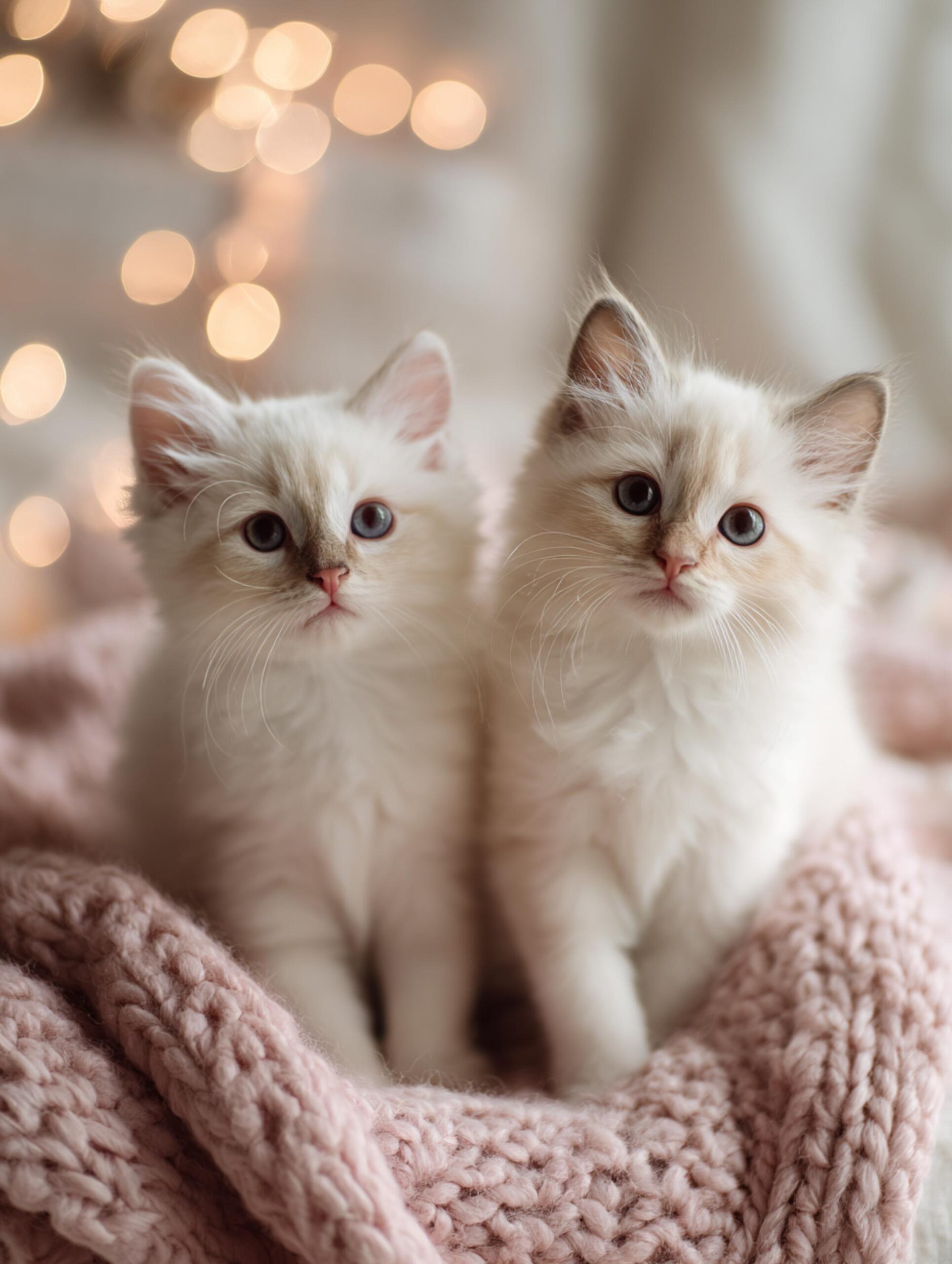
Should You Get One Ragdoll Kitten or Two?
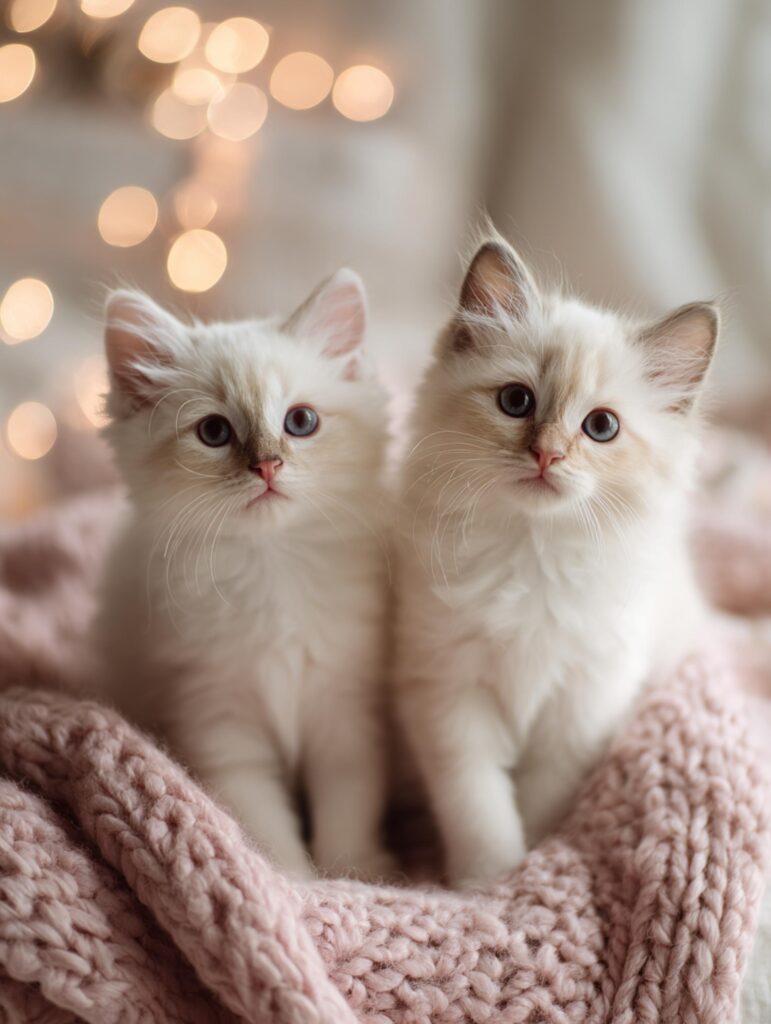
Many people wonder whether getting one Ragdoll kitten is enough or if two is actually better. In most real homes, the deciding factor is not the upfront price but how much time, consistency, and emotional availability you can offer. If you can afford two Ragdoll kittens and manage the added responsibility, two is very often the easier and more stable choice long term.
Why Two Ragdoll Kittens Are Often Better Than One
| Factor | One Ragdoll Kitten | Two Ragdoll Kittens |
|---|---|---|
| Social needs | Must be met primarily by humans | Met naturally by each other |
| Play & stimulation | Human-dependent | Kitten-driven and constant |
| Risk of clinginess | Moderate to higher | Lower |
| Independence | Develops slowly | Develops naturally |
| Emotional regulation | Human-managed | Peer-regulated |
| Stress during absences | Higher | Lower |
| Behavioral issues | More likely if needs are underestimated | Less common overall |
| Adolescence phase | Requires more human effort | Smoother and easier |
| Pressure on owners | Higher | Lower |
| Long-term ease | Depends heavily on owner availability | More forgiving of busy lives |
The Short Answer
- One Ragdoll kitten can thrive in the right home, especially when owners are present, consistent, and enjoy daily interaction.
- Two Ragdoll kittens usually thrive more easily, with fewer behavior challenges and less pressure on the humans.
- Neither option is “wrong,” but one requires more intentional effort, while two provide built-in support.
This is not about pressure or upselling. It is about fit. When budgets allow, two Ragdoll kittens tend to create a calmer, more balanced household with fewer long-term challenges for both the cats and their owners.
One kitten asks you to be the primary source of play, social regulation, and emotional stability. Two kittens share that load naturally. For many families, especially those with work schedules or busy homes, that difference matters more than the initial cost.
If you can comfortably afford two and want the smoothest experience raising Ragdolls, two is often the better choice.
Why This Question Comes Up So Often With Ragdolls
This question appears more frequently with Ragdolls than with many other breeds because of how their temperament is commonly misunderstood. Ragdolls are deeply people-oriented cats. They form strong attachments, track human routines, and prefer shared space over independence. That social orientation naturally raises concerns about whether one kitten will feel lonely or under-stimulated.
Their calm temperament also masks their social needs. Because Ragdolls do not vocalize constantly or act out when bored, many buyers assume they require less interaction than other breeds. In reality, they still need engagement. They simply express unmet needs quietly through increased proximity or withdrawal rather than disruptive behavior.
Buyers often confuse “calm” with “low-interaction.” Calm describes how Ragdolls regulate energy, not how little they require from their environment. When expectations are set too low, owners become surprised by how much presence a single kitten actually wants.
Reddit amplifies extreme experiences. Posts tend to come from people who are either overwhelmed or unusually successful. The middle ground, where most owners live, rarely gets shared. This creates the impression that raising one kitten always fails or that two is always mandatory. The reality is more nuanced, but the pattern is clear: two kittens usually reduce risk.
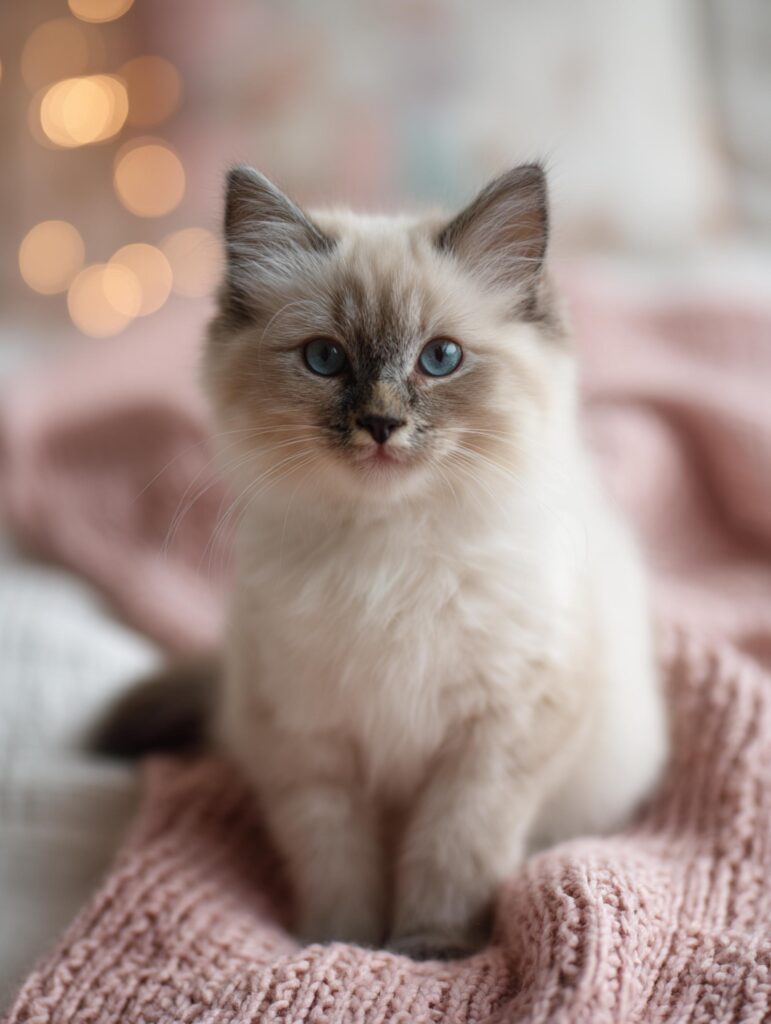
What Happens When You Raise One Ragdoll Kitten
Raising one Ragdoll kitten can work very well in the right circumstances. It simply places more responsibility on the human side of the relationship.
When One Ragdoll Kitten Does Well
One kitten thrives when humans provide the structure and engagement another kitten would otherwise supply.
This setup works best when there is:
- consistent human presence throughout the day
- a predictable daily routine
- a calm, low-chaos household
- owners who genuinely enjoy interactive play and companionship
In these homes, a single Ragdoll often forms a deep, satisfying bond and grows into a confident adult. The key is that the human fills the social role intentionally and consistently.
Common Challenges With One Kitten
When conditions are less ideal, predictable challenges tend to appear. These are not failures. They are signals that the kitten needs more support.
Over-attachment to humans is common. Without a feline play partner, the kitten may rely heavily on people for comfort and stimulation. This often shows up as increased following or constant proximity.
Shadowing increases because the kitten has limited social outlets. Humans become the center of all activity, whether they are available or not.
Owner guilt cycles develop when people feel responsible for the kitten’s every emotional need. This can lead to overcompensation when home and anxiety when away.
Limited play outlets also matter. Humans cannot replicate kitten-to-kitten play fully. Energy builds differently without a peer to wrestle, chase, and disengage from naturally.
These challenges are manageable, not failures. Many single kittens do beautifully with the right owners. Two kittens simply lower the margin for error and reduce pressure on everyone involved.
What Changes When You Raise Two Ragdoll Kittens
Raising two Ragdoll kittens changes the entire dynamic of the household. The kittens meet many of each other’s social and emotional needs naturally, which reduces pressure on the humans and creates a more balanced environment overall.
Built-In Social Regulation
Two kittens regulate each other in ways humans cannot replicate. They play together, wrestle, chase, and disengage on their own terms. This mutual play teaches boundaries, timing, and emotional regulation.
Energy balancing happens organically. When one kitten becomes overstimulated, the other often disengages, bringing the interaction to a natural close. This prevents escalation and reduces frustration.
Because the kittens meet each other’s play needs, humans no longer serve as the sole outlet for stimulation. Reduced pressure on humans leads to calmer interactions and more enjoyable companionship rather than obligation-driven engagement.
Emotional Security Benefits
Two kittens create emotional continuity. During absences, each kitten still has companionship, which lowers anxiety and reduces reliance on humans for reassurance.
Transitions become easier. Changes in routine, travel, or household activity feel less disruptive when a familiar peer remains present. This stability helps kittens adapt without stress-related behaviors.
Over time, two-kitten households often produce stronger independence. Secure kittens feel safe exploring their environment and developing confidence, knowing social support is always nearby.
Why Two Often Feel “Easier”
Two Ragdoll kittens frequently feel easier to raise, even though there are two animals involved. Behavioral questions decrease because many issues resolve through peer interaction rather than human intervention.
Boredom drops significantly. Kittens entertain each other in ways humans cannot sustain, especially during busy periods.
Adolescence becomes smoother. Energy spikes and boundary testing still occur, but they are absorbed through mutual play instead of redirected toward humans or household objects.
The Cost Question
Cost matters. It should be acknowledged honestly rather than minimized. Two kittens do cost more, but understanding where those costs sit helps buyers decide rationally.
Financial Reality of One vs Two
With two kittens, expenses increase in predictable ways:
- Food: higher monthly consumption
- Vet care: double routine exams and vaccinations
- Insurance: two policies instead of one
- Grooming: more frequent brushing and maintenance
These are real, ongoing commitments and should be planned for in advance.
Why Cost Alone Is the Wrong Deciding Factor
Upfront savings do not always equal long-term ease. When temperament and environment mismatch, the emotional cost can outweigh the financial difference.
Behavioral stress carries hidden expenses. Anxiety, over-attachment, and boredom-related behaviors often require additional time, training, or professional support.
If two kittens are financially comfortable rather than stretching the budget, the upfront expense often pays for itself in reduced stress, smoother development, and a more enjoyable experience for everyone involved.
When cost is the only reason to choose one, buyers often end up paying in other ways.
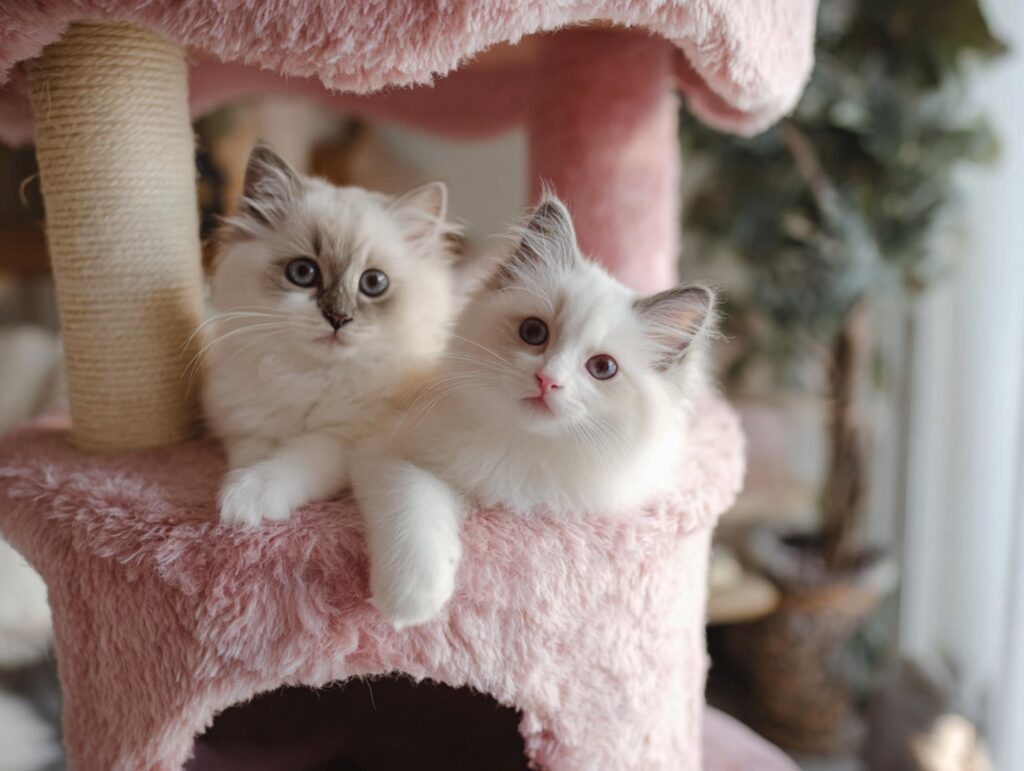
One vs Two Ragdoll Kittens — Honest Comparison
| Factor | One Ragdoll Kitten | Two Ragdoll Kittens |
|---|---|---|
| Human time required | Higher daily involvement | Lower day-to-day demand |
| Independence | Develops slowly | Develops naturally |
| Risk of clinginess | Moderate | Lower |
| Play stimulation | Human-dependent | Kitten-driven |
| Ease during adolescence | Moderate | Easier |
| Best fit for | Home-based owners | Busier households |
This comparison highlights why two kittens often feel easier in practice. One kitten relies heavily on human availability. Two kittens balance each other and reduce pressure on the household.
Situations Where One Ragdoll Is the Better Choice
One Ragdoll kitten can be an excellent choice when the home environment supports its social needs intentionally.
You work from home and enjoy regular interaction throughout the day. Your presence fills the social role another kitten would provide.
You want a very close, primary bond. Single kittens often attach deeply to their owners and prefer shared routines.
You already have a compatible cat with a calm, predictable temperament. In this case, the existing cat can serve as a social companion.
You prefer a lower overall cost and are prepared to invest more time instead. Choosing one kitten works best when the trade-off is conscious and comfortable.
When these conditions are met, one Ragdoll can thrive without issue.
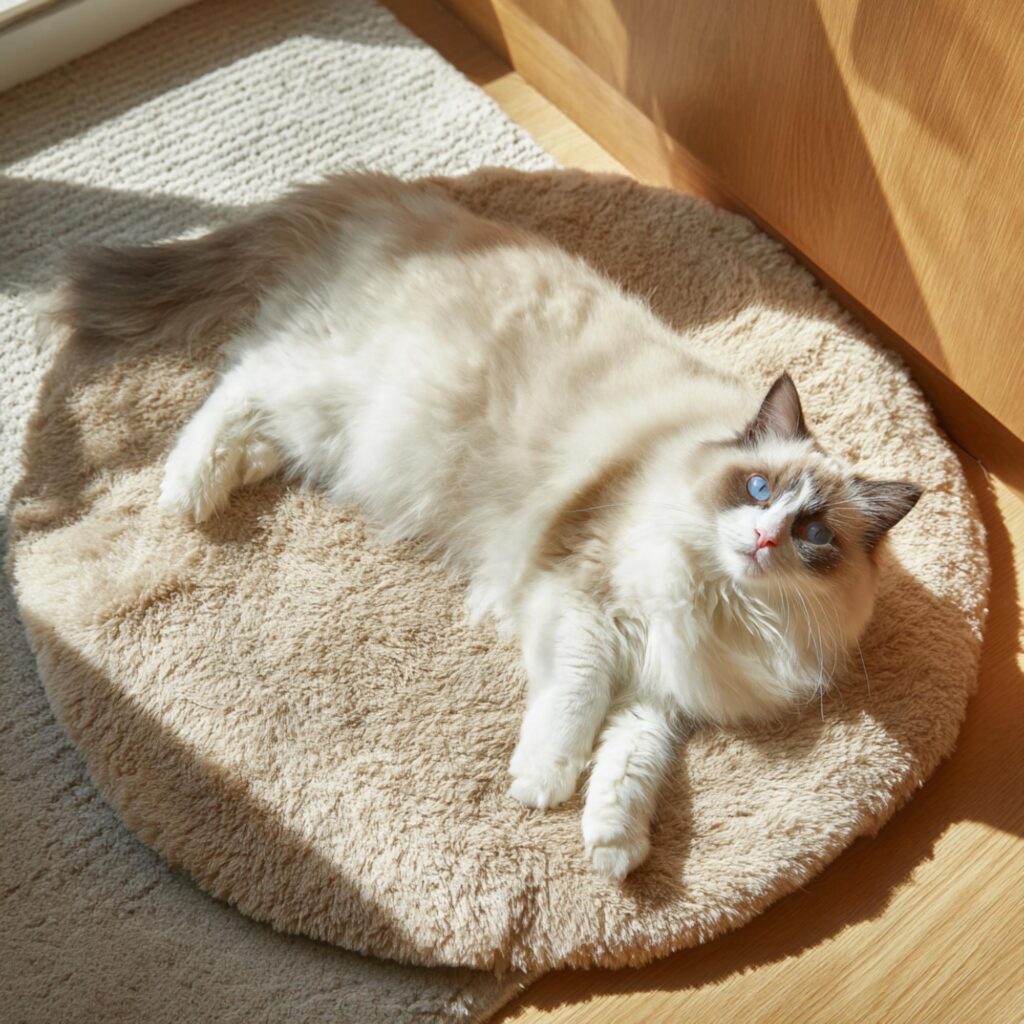
Situations Where Two Ragdolls Are Strongly Recommended
Two Ragdoll kittens are strongly recommended when daily life limits how much direct interaction you can consistently provide. In these situations, a second kitten does not replace human bonding. It stabilizes it.
If you work outside the home, long stretches of solitude place unnecessary pressure on a single kitten. Two kittens provide companionship during absences, which reduces anxiety and prevents reliance on humans for constant reassurance.
Long days amplify this effect. When mornings and evenings are busy, play and engagement windows shrink. Two kittens fill those gaps naturally, keeping each other stimulated and emotionally regulated.
If you want lower behavioral risk, two kittens are often the safer choice. Peer interaction reduces the likelihood of over-attachment, boredom-related behaviors, and frustration. Many common “issues” simply never develop.
If you value independence over intensity, two kittens support that goal. Single kittens often form intense, human-centered bonds. Two kittens develop balanced independence while still maintaining affectionate relationships with their people.
Will Two Ragdolls Bond With You Less?
This fear exists because people assume affection is a finite resource. If two kittens bond to each other, the assumption is that less affection remains for humans.
In practice, the opposite usually happens. Secure kittens feel less pressure to demand attention and are more relaxed around their owners. They choose interaction rather than relying on it.
Bonds differ, not weaken. Single kittens often form intense, highly focused attachments. Two kittens form calmer, more stable bonds that integrate naturally into daily life. Affection remains present, but it is less driven by need and more by choice.
Owners often report that two kittens are more confident, less anxious, and easier to live with long term. The relationship feels balanced rather than dependent, which many people find more rewarding over time.
What Ethical Breeders Actually See Long-Term
Ethical breeders have a long-term view that most buyers never see. They track how kittens settle into homes months and years after placement, not just at pickup.
Placement outcomes show a consistent pattern. Single kittens do well in homes with high human presence and stable routines. Pair placements tend to succeed across a wider range of households, especially those with work schedules or changing daily demands.
When breeders compare single versus pair success rates, pairs show fewer follow-up concerns related to anxiety, boredom, or over-attachment. This does not mean single kittens fail. It means pairs are more forgiving when life becomes busy or unpredictable.
Ethical breeders suggest pairs selectively. They look at work schedules, household energy, experience level, and expectations. A breeder recommending two kittens is not upselling. They are reducing risk and increasing the chance of a smooth, lasting placement.
Just as importantly, ethical breeders do not push two kittens blindly. If a buyer works from home, enjoys interactive play, or already has a compatible cat, one kitten may be the better fit. Responsible breeders match kittens to homes, not budgets to invoices.
Self-Filter Questions Before Deciding
Before deciding between one or two Ragdoll kittens, buyers should answer these questions honestly.
How many hours am I home daily?
Presence matters more than intention. Consistent availability supports single kittens.
Do I enjoy interactive play?
Single kittens rely on humans for stimulation. Two kittens share that role.
Do I want one intense bond or balanced companionship?
Single kittens often form intense attachments. Two kittens create calmer, more distributed bonds.
Am I choosing based on cost or fit?
Budget matters, but fit determines long-term satisfaction. The best choice is the one that aligns with how you actually live.
Deciding between one kitten or two is part of understanding what responsible ownership looks like. If you are still in the research phase, this post on how to buy a Ragdoll cat responsibly explains what the buying process involves and what to consider before taking the next step.
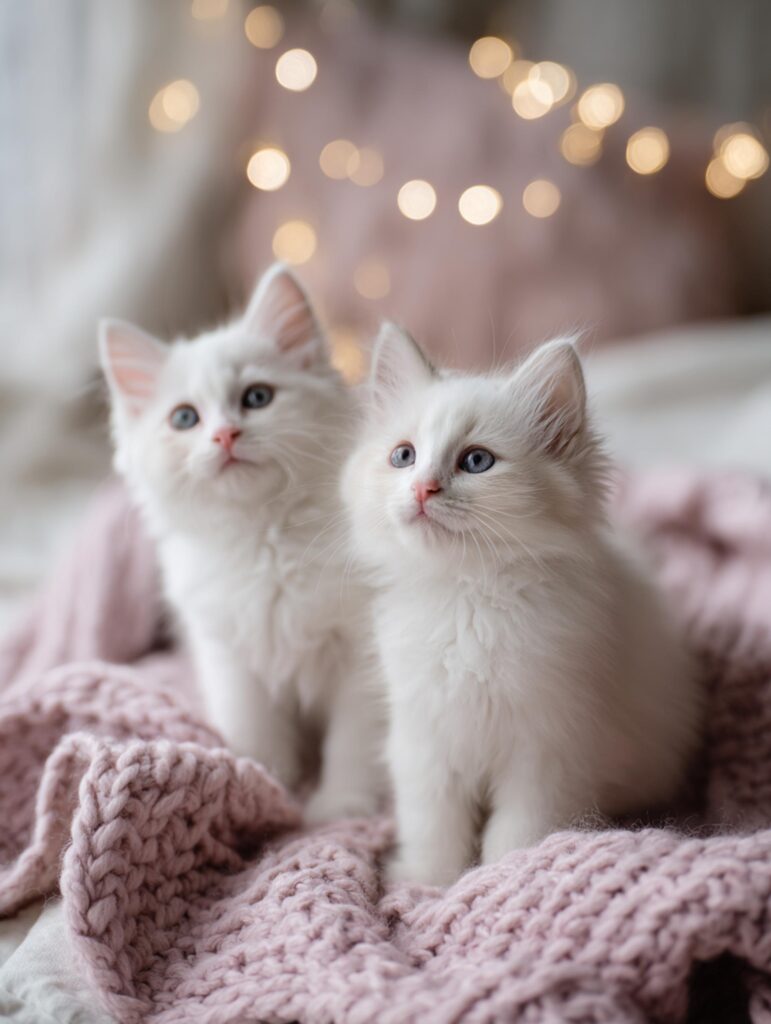
One or Two Ragdoll Kittens — FAQ
This FAQ answers the exact questions people ask on Google and Reddit when deciding between one Ragdoll kitten or two. The goal is clarity, not pressure.
Is it better to get two Ragdoll kittens instead of one?
In most households, yes. If you can comfortably afford two, raising a pair is usually easier long term. Two kittens provide companionship, play, and emotional regulation for each other, which reduces behavioral challenges and pressure on the owners.
Is it cruel to have only one Ragdoll kitten?
No. One Ragdoll kitten can thrive in the right environment. Homes with high human presence, predictable routines, and owners who enjoy interaction often do very well with a single kitten. The issue is fit, not morality.
Do two Ragdoll kittens create less work than one?
Day-to-day, often yes. While there are two cats to care for, many common challenges resolve naturally through kitten-to-kitten interaction. Owners frequently report fewer behavior questions and less need to constantly entertain.
Will two Ragdolls bond more with each other than with me?
They will bond with each other, but that does not reduce their bond with you. Secure kittens tend to form calmer, more balanced relationships with humans. Affection becomes a choice rather than a demand.
Can I add a second Ragdoll kitten later instead of getting two now?
Yes, but it is often harder. Introducing a second kitten later requires adjustment and careful management. Littermates or similarly aged kittens integrate more smoothly than staggered additions.
Are littermates better than two unrelated kittens?
Littermates integrate instantly, but unrelated kittens of similar age usually do just as well. The key factor is age and energy match, not genetic relationship.
Do two Ragdolls reduce clinginess?
Often, yes. When kittens have a peer, they rely less on humans for constant reassurance. This reduces shadowing and over-attachment in many homes.
What if I work long hours but want only one kitten?
One kitten can still work if you provide structured routines, enrichment, and consistent interaction when home. However, two kittens usually handle long days with less stress.
Is getting two kittens just a breeder upsell?
Ethical breeders recommend two kittens selectively, not automatically. The goal is placement success, not higher sales. Reputable breeders also say when one kitten is the better choice.
Do two kittens double the cost?
Not exactly. Some expenses scale directly, like food and vet care. Others, like enrichment or time investment, often feel easier with two. Cost should be considered alongside lifestyle and long-term ease.
Which option leads to fewer behavior problems?
Two kittens generally show fewer issues related to boredom, over-attachment, and adolescence-related challenges. One kitten can do just as well in the right home, but the margin for error is smaller.
Are two kittens always better than one?
No. Two kittens are better in many situations, not all. The right choice depends on presence, routine, and what kind of relationship you want with your cat.
What do most experienced Ragdoll owners choose?
Many experienced owners choose pairs after raising a single kitten previously. They often report smoother development, lower stress, and a more balanced household dynamic.
See Ragdoll Cat Temperament here.
Closing Thoughts: One vs Two Ragdoll Kittens
Ragdoll kittens are social, people-oriented cats whose calm temperament often hides real social needs. One Ragdoll kitten can thrive when owners are present, consistent, and enjoy daily interaction. Two Ragdoll kittens, when financially comfortable, usually create an easier, more balanced experience with fewer behavioral challenges and less pressure on the humans.
Getting two is not about obligation or upselling. It is about reducing risk. Two kittens regulate each other’s energy, provide companionship during absences, and develop independence more naturally. One kitten requires more intentional time, structure, and engagement to meet the same needs.
The best choice is not determined by what the internet insists, but by how you actually live. When you can spend enough of time with your ragdoll kitten, one can be enough. When life is busy and budgets allow, getting two kittens is a often easier.
Continued Ragdoll Reading
If you’re still deciding whether a Ragdoll fits your home, these posts expand on temperament, care, and long-term ownership realities:
- Ragdoll Cats Explained by a Breeder
A complete breakdown of temperament, care needs, health realities, and who the breed is truly suited for. - Ragdoll Cat Health Complete Health review of Ragdoll cats.
- Ragdoll Cat Diet Ragdolls thrive on diets that prioritize high-quality animal protein, consistent hydration, and structured portion control.
- Is A Ragdoll Right for You?
A Ragdoll is right for you if you want calm companionship, routine, and emotional presence - How Ragdoll Kittens are Raised Our Ragdoll kittens are raised through a structured, stage-based process that supports confidence, handling tolerance, and adaptability.
- Are Ragdoll Cats Hypoallergenic?
A realistic explanation of allergies, Fel d 1, and why coat type doesn’t equal allergy safety. - What Living With A Ragdoll is Like
Living with a Ragdoll doesn’t match the extremes you see online. - Ragdoll Cat Lifespan: Lifespan and health tips.
- Ragdoll Health Testing Explained
What breeders test for, what results actually mean, and why testing reduces risk but never guarantees outcomes. - Ragdoll Cat Shedding Ragdoll shedding is normal, consistent, and manageable when expectations match the reality of the breed.
- Ragdoll Cat Lifetime Cost Current care and veterinary realities, not best-case scenarios or outdated online advice.
Sources & References
- International Cat Care (ISFM). The Importance of Social Interaction and Companionship in Cats
https://icatcare.org/advice/social-behaviour-in-cats/ - International Cat Care (ISFM). Kittens: Development, Socialisation, and Learning
https://icatcare.org/advice/kitten-development/ - American Association of Feline Practitioners (AAFP). Feline Behavior Guidelines
https://catvets.com/guidelines/practice-guidelines/feline-behavior-guidelines - American Veterinary Medical Association (AVMA). Normal Cat Behavior and Social Needs
https://www.avma.org/resources-tools/pet-owners/petcare/cat-behavior - Bradshaw, J. (2013). Cat Sense: How the New Feline Science Can Make You a Better Friend to Your Pet. Basic Books
https://www.basicbooks.com/titles/john-bradshaw/cat-sense/9780465039713/ - Overall, K. (2013). Manual of Clinical Behavioral Medicine for Dogs and Cats. Elsevier
https://www.sciencedirect.com/book/9780323008907/manual-of-clinical-behavioral-medicine-for-dogs-and-cats - Rochlitz, I. (2005). A Review of the Housing Requirements of Domestic Cats (Felis silvestris catus). Applied Animal Behaviour Science
https://www.sciencedirect.com/science/article/pii/S0168159105001075 - Turner, D. C., & Bateson, P. (2000). The Domestic Cat: The Biology of Its Behaviour. Cambridge University Press
https://www.cambridge.org/core/books/domestic-cat/0D7E3D2A6E4A1C5B89EEC6F7F91E0F35






Read the Comments +