
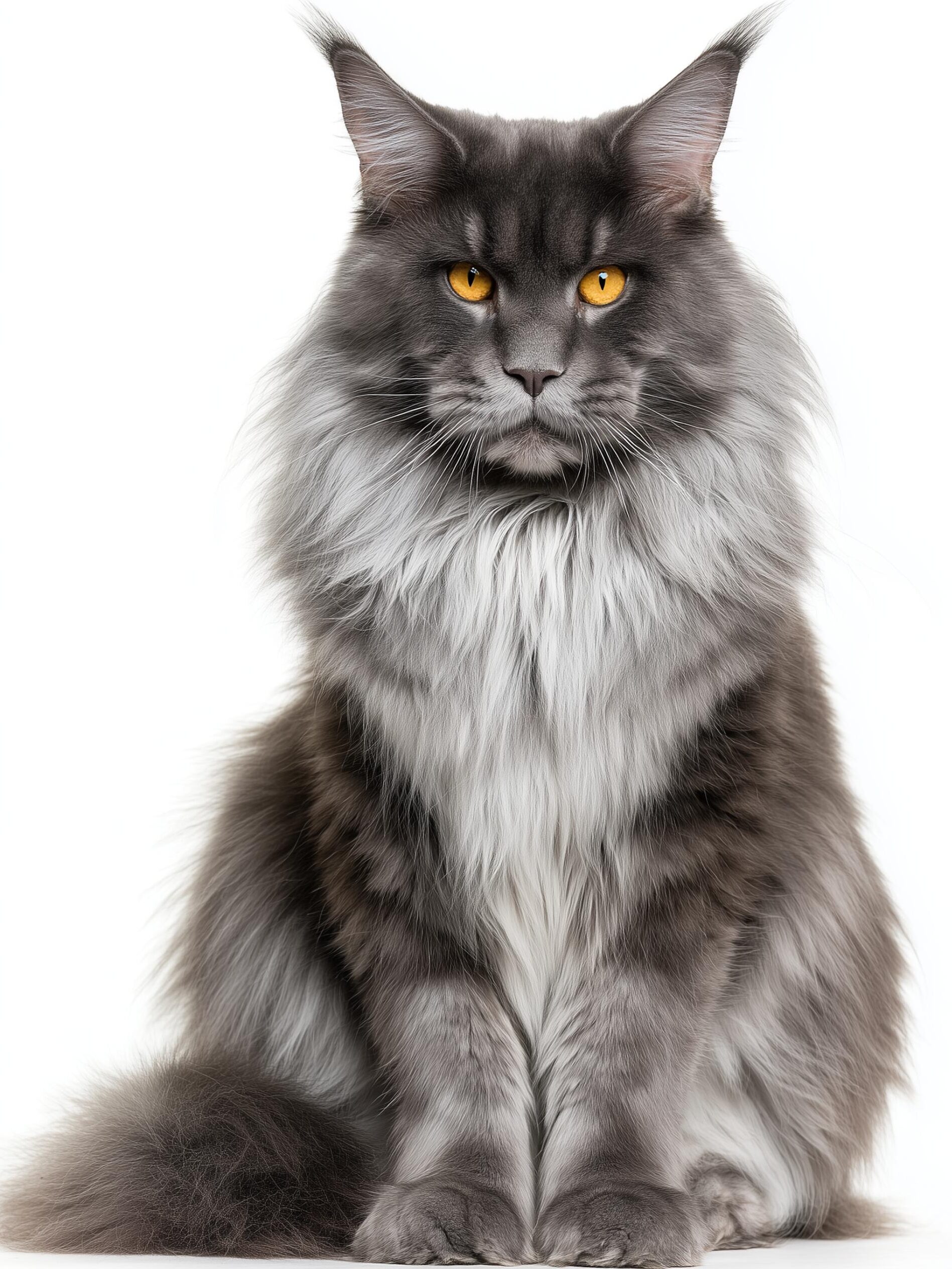
What “Pet Quality” Means in Maine Coons (And What It Does Not)
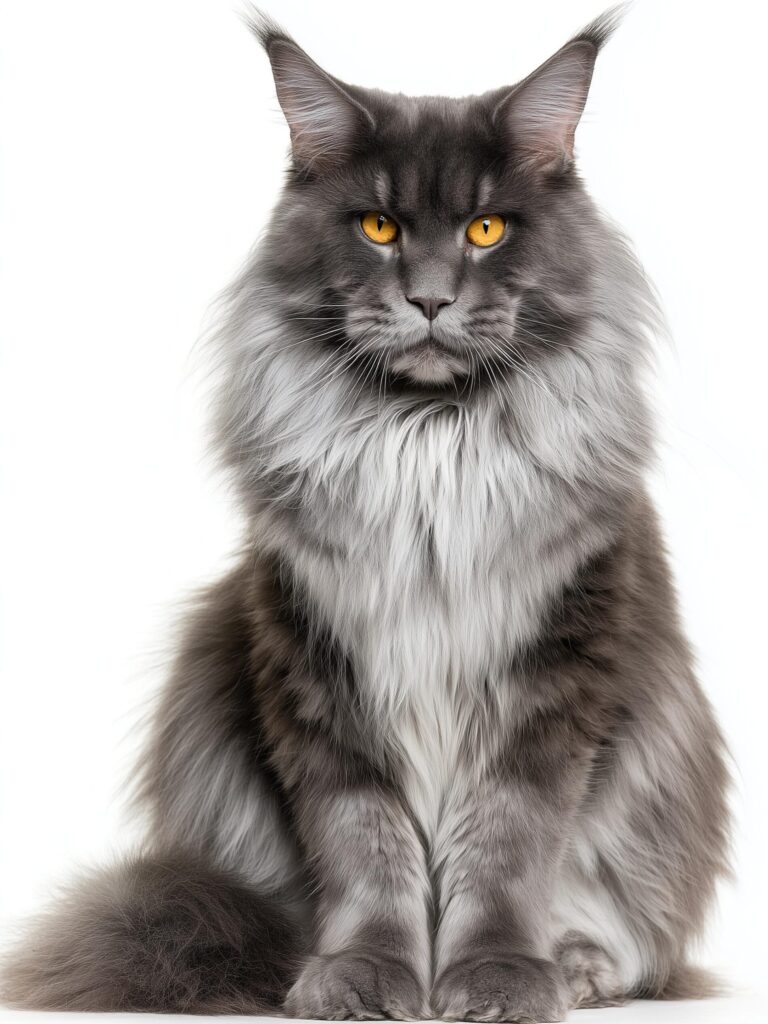
Intro: Why “Pet Quality” Is Confusing for Maine Coon Buyers
The term “pet quality” is widely misunderstood in the Maine Coon world. Buyers often hear it and assume it means a kitten is less healthy, less valuable, or the result of poor breeding.
In Maine Coons, that assumption is incorrect. “Pet quality” refers to how a cat aligns with show standards, not how suitable the kitten is as a companion. It has nothing to do with health testing, temperament, or the level of care a kitten receives.
Understanding this distinction helps buyers evaluate breeder claims, pricing differences, and marketing language more accurately, especially in a breed where show terminology is frequently used in sales conversations.
Summary: Pet Quality vs Show Quality in Maine Coons
| Topic | Pet Quality Maine Coon | Show Quality Maine Coon |
|---|---|---|
| What the term means | Does not fully match show standards | Closely matches show standards at evaluation |
| Breed status | Purebred Maine Coon | Purebred Maine Coon |
| Health testing | Same health testing as all kittens | Same health testing as all kittens |
| Temperament | Based on genetics and socialization | Based on genetics and socialization |
| Care and upbringing | Identical care and socialization | Identical care and socialization |
| Show eligibility | Not intended for the show ring | Potentially eligible for showing |
| Guarantee of wins | None | None |
| Development certainty | Structure may change with age | Structure may change with age |
| Pricing (ethical programs) | Not priced lower due to label | Not priced higher due to label |
| When pricing may vary | Color or availability factors | Color or availability factors |
| Companion suitability | Excellent family companion | Excellent family companion |
| What matters most | Health, temperament, placement | Health, temperament, placement |
Where the Term “Pet Quality” Comes From in Maine Coons
The language of “pet quality” and “show quality” originates in cat registry judging systems, particularly those used by organizations like the Cat Fanciers’ Association and The International Cat Association.
Breed standards were created to give judges a consistent framework for evaluating cats in the show ring. These standards describe an idealized version of the breed based on structure, balance, and overall presentation. They were never intended to define a cat’s value as a pet or companion.
Over time, these judging terms moved from the show hall into everyday breeder language. Structural ideals became shorthand in listings and conversations, and “pet quality” emerged as a way to describe kittens that do not perfectly match show criteria.
Maine Coons are particularly affected by this language because they are a popular show breed with detailed standards and a long development period. Small differences in structure are common, especially in kittens, which makes the pet versus show distinction more visible and more easily misunderstood by buyers.
Pet Quality vs Show Quality in Maine Coons
What “Show Quality” Means for a Maine Coon
When a breeder describes a Maine Coon as “show quality,” they are referring to how closely the kitten appears to align with the written breed standard at a specific point in time. Judges evaluate physical traits, not personality or companionship value.
Structural traits commonly considered include:
- Head shape and profile
- Ear size, placement, and set
- Body length, bone structure, and overall balance
- Coat texture, length, and stage of development
Importantly, show quality describes potential, not outcomes. A kitten may appear promising early on but still change significantly as it matures. No label can predict how a Maine Coon will ultimately develop or perform in the ring.
What “Pet Quality” Actually Means in a Maine Coon
A “pet quality” Maine Coon is a kitten that falls slightly outside show standards in one or more areas. These differences are typically cosmetic or proportional and do not affect how the cat functions, feels, or lives day to day.
Common examples include:
- Ear set that is correct but not ideal for the show ring
- Minor profile or muzzle shape variation
- Coat texture or timing differences during development
These traits do not impact health, temperament, or suitability as a companion. A pet quality Maine Coon is still a purebred Maine Coon, raised with the same care, health standards, and attention as any other kitten. The distinction exists for judging purposes only, not to measure worth or quality of life.
Pet Quality Does Not Mean Lower Health in Maine Coons
Pet quality has no connection to health status in Maine Coons. Ethical breeders apply the same health standards to every kitten in a litter, regardless of how closely an individual aligns with show criteria.
Health testing focuses on genetic and breed-specific risks, not on cosmetic structure. Breeders test parents for known Maine Coon health concerns and monitor kittens as they grow. These practices do not change based on whether a kitten is intended for the show ring or for a companion home.
Structural traits evaluated in shows, such as ear set or head shape, are separate from genetic health. A kitten can fall outside show standards and still have excellent health, strong development, and a long life ahead. For this reason, a “pet quality” Maine Coon can be just as healthy as any other kitten from the same breeding program.
Maine Coons Mature Slowly and Cannot Be Judged as Kittens
Maine Coons develop over a much longer timeline than many other breeds. Early assessments provide insight, but they do not lock in a cat’s future appearance or show potential.
Growth and Structure Change Over Years
Maine Coons mature over three to five years. During that time, the head broadens, the body lengthens, and proportions continue to balance out. Kittens often go through uneven growth phases that make early structure look better or worse than it will later.
Traits visible in kittenhood may improve, soften, or shift entirely as the cat matures. Because of this, breeders evaluate development repeatedly rather than relying on a single snapshot in time.
Coat and Size Development Are Unpredictable
Coat length, density, and texture evolve with age. Many Maine Coons do not develop their full coat until well into adulthood. Seasonal changes, hormones, and maturity all affect coat presentation.
Size and balance also change over time. Maine Coons continue filling out long after they reach adult height. These ongoing changes make early assessments educated guesses, not guarantees.
Why No One Can Guarantee a “Show Maine Coon”
Show success depends on many variables beyond a kitten’s early structure. Even a well-bred Maine Coon with strong traits may never earn titles, while another may exceed early expectations.
Show Outcomes Depend on More Than the Cat
Judges interpret breed standards differently. What one judge rewards, another may place lower. Competition quality also varies by region, show, and year, which directly affects outcomes.
Trends influence what wins as well. Preferences shift over time, and traits favored one year may lose emphasis the next. These factors sit outside a breeder’s control.
Why “Show Quality Guarantees” Are Misleading
No breeder can promise titles or wins. Show success depends on handling, conditioning, presentation, and the competition present on a given day.
Ethical breeders describe potential based on experience and observation, but they stop short of making promises. Honest placement focuses on transparency, not guarantees that no one can realistically provide.
Pricing Myths Around Pet Quality vs Show Quality in Maine Coons
Pricing language around “pet quality” and “show quality” often creates confusion for buyers. These labels describe show eligibility, not guaranteed outcomes, yet they frequently influence price in ways that do not reflect reality.
Why Some Breeders Charge More for “Show Quality”
Some breeders charge more for kittens labeled as “show quality” because buyers expect a higher price to signal higher value. The term carries perceived prestige, especially in a breed with a strong show presence like the Maine Coon.
Marketing language also plays a role. “Show quality” sounds definitive, even though it only describes how a kitten appears at a specific stage of development. In many cases, pricing reflects expectation and presentation rather than measurable outcomes.
Why Show vs Pet Price Differences Can Be Misleading
A higher price does not increase the likelihood of show success. Maine Coons continue developing for years, and no kitten’s future can be predicted with certainty.
Many kittens sold as “show quality” never enter the show ring at all. Owners may choose not to show, or circumstances may change. In those cases, the higher price did not correspond to a different experience for the cat.
Show-related expenses also fall on the owner, not the breeder. Entry fees, travel, grooming, and conditioning all occur after placement. Pricing a kitten higher based on a label does not change these realities.
Our Maine Coon Pricing Philosophy
We do not charge more or less based on whether a Maine Coon kitten is labeled pet quality or show quality. All kittens receive the same care, health testing, socialization, and placement standards.
Our pricing reflects the real costs of responsible breeding, including:
- Comprehensive health testing
- High-quality care and early socialization
- Long-term investment in our breeding program
When Pricing May Differ
Pricing may vary for rare or highly requested Maine Coon colors or for limited genetic combinations that require careful planning.
These differences relate to availability and genetics, not to show potential. Color pricing is separate from pet or show classification and does not imply higher or lower quality in any other sense.
Why “Pet Quality” Maine Coons Make Exceptional Companions
Pet quality Maine Coons often make outstanding companions because daily life with a cat depends on temperament, adaptability, and health rather than on show traits. How a Maine Coon interacts with people, handles routine changes, and fits into a household matters far more than how closely the cat matches a written standard.
Cosmetic differences do not affect daily life. Variations in ear set, profile, or coat texture have no impact on how affectionate, social, or stable a Maine Coon will be at home. These details only matter in the show ring.
Many families actively prefer traits that judges do not evaluate. A slightly softer expression, a different coat texture, or a slower maturation timeline can align better with a household’s preferences and lifestyle. Companion success is not measured by ribbons or titles but by how well a cat integrates into family life over many years.
How Ethical Maine Coon Breeders Use the Term Responsibly
Ethical Maine Coon breeders use the term “pet quality” to describe show eligibility, not value. The label explains whether a kitten is likely to meet show standards, nothing more.
Responsible breeders explain the term clearly to buyers so it does not create unnecessary concern or false expectations. They describe what the label means in practical terms and what it does not affect.
Ethical breeders never use “pet quality” to imply lesser care, importance, or attention. All kittens receive the same health testing, socialization, and placement consideration regardless of show classification.
What Maine Coon Buyers Should Focus On Instead
Labels matter less than the factors that actually shape a cat’s quality of life and long-term success.
Health Testing and Documentation
Buyers should ask what health tests were performed on the parents and why those tests matter for Maine Coons. Understanding screening protocols and documentation provides far more insight than any quality label.
Temperament and Lifestyle Fit
Temperament determines whether a Maine Coon thrives in a specific home. Energy level, sociability, and tolerance for activity should align with the household’s routines, other pets, and expectations.
Breeder Transparency and Support
Clear communication and honest expectations signal responsible breeding. Breeders who explain their process openly and remain available for questions provide stability and context long after a kitten goes home.
See Why Ethical Maine Coon Breeder’s Rarely Advertise on Marketplaces.
Common Myths About Pet Quality Maine Coons
“Pet quality Maine Coons are mixed breeds.”
Pet quality Maine Coons are purebred Maine Coons. The term does not indicate crossbreeding or mixed ancestry. It simply means the kitten does not fully match show standards. Registration, pedigree, and health testing determine breed status, not show labels. See Why Some Cats are Called Maine Coons and Aren’t for more info.
“Pet quality means lower health.”
Health has no connection to show eligibility. Ethical breeders apply the same health testing, veterinary care, and monitoring to every kitten. A pet quality Maine Coon can be just as healthy as any show prospect from the same litter.
“Show quality kittens always win.”
No kitten is guaranteed success in the show ring. Maine Coons change significantly as they mature, judges interpret standards differently, and competition varies. A show label reflects potential, not outcomes.
“Only show quality Maine Coons are well bred.”
Well-bred Maine Coons come from thoughtful pairings, health-tested parents, and responsible programs. Show alignment does not define breeding quality. Many excellent breeding programs place most of their kittens as companions.
FAQ: Pet Quality vs Show Quality in Maine Coons
What does “pet quality” mean in Maine Coons?
In Maine Coons, “pet quality” means a kitten does not fully align with show-ring standards at the time of evaluation. It does not describe health, temperament, care, or genetic quality. The term exists solely to indicate whether a kitten is likely to be competitive in cat shows.
A pet quality Maine Coon may differ from the written standard in small, cosmetic ways such as ear placement, head proportions, or coat development timing. These differences matter only in judging and have no impact on how the cat lives as a companion.
Are pet quality Maine Coons purebred?
Yes. Pet quality Maine Coons are purebred Maine Coons with documented lineage. The label has nothing to do with whether a cat is mixed or “less real.”
Purebred status comes from pedigree, registration, and breeding records. A kitten does not lose its breed identity because it does not meet show ideals. Many well-bred Maine Coon litters include both show-eligible and pet-placed kittens.
Does pet quality mean lower health or weaker genetics?
No. Ethical breeders apply the same health testing, veterinary care, nutrition, and early socialization to every kitten in a litter. Health is determined by genetics, screening, and responsible breeding practices, not by show eligibility.
Show traits are structural and cosmetic. Genetic health concerns in Maine Coons are unrelated to whether a kitten meets show standards. A pet quality Maine Coon can be just as healthy and long-lived as any other kitten from the same breeding program.
What makes a Maine Coon “show quality”?
A Maine Coon is considered show quality when it appears to align closely with the breed standard at a given stage of development. Judges look at physical traits such as head shape, ear size and placement, body balance, bone structure, and coat texture.
This evaluation reflects potential, not certainty. Maine Coons change significantly as they mature, and a kitten that looks promising early on may change in ways that affect show competitiveness. Show quality is an assessment, not a guarantee.
Can a pet quality Maine Coon still be shown?
In most cases, pet quality Maine Coons are placed as companions and are not intended for the show ring. The breeder has determined that the kitten is unlikely to be competitive based on structure or development.
Because Maine Coons mature slowly, traits can change over time, but ethical breeders make placement decisions using their best judgment and experience. Showing a cat also requires time, cost, and commitment from the owner, which many families do not intend to pursue.
Why can’t breeders guarantee show success?
No breeder can control how a Maine Coon will develop over several years. Head shape, body balance, size, and coat continue to change well into adulthood.
Judges interpret standards differently, competition varies by region and year, and trends shift over time. Even an excellent Maine Coon may never win if competition is strong or judging preferences differ. For these reasons, guarantees of show success are unrealistic and misleading.
Why do some breeders charge more for show quality Maine Coons?
Some breeders charge more for kittens labeled as show quality because buyers associate higher prices with prestige or success. The term can sound definitive, even though it only reflects early assessment.
In practice, a higher price does not increase the likelihood of show wins. Many kittens sold as show quality never enter the ring, and some do not remain competitive as they mature. Pricing based on labels often reflects marketing rather than outcomes.
Do all breeders price pet and show quality Maine Coons differently?
No. Many ethical breeders do not charge more or less based on pet versus show quality. They recognize that all kittens receive the same care, health testing, and investment regardless of show potential.
Some breeders prefer transparent pricing that reflects the cost of responsible breeding rather than speculative future outcomes. This approach avoids placing artificial value on labels that cannot be guaranteed.
Why might pricing vary if not based on quality?
Pricing may vary for rare or highly requested Maine Coon colors or for limited genetic combinations that require careful planning. These differences relate to availability and breeding logistics, not to show eligibility.
Color pricing is separate from pet or show classification. A kitten is not more valuable as a companion because of a label, and color availability does not change health or temperament.
Are pet quality Maine Coons good family cats?
Yes. Many pet quality Maine Coons make exceptional family companions. Daily life with a cat depends on temperament, adaptability, and health, not on how closely the cat matches a show standard.
Small cosmetic differences do not affect affection, intelligence, or bonding. Many families prefer traits that judges do not evaluate, such as a softer expression or a specific coat feel.
What should buyers focus on instead of quality labels?
Buyers should focus on health testing, documentation, temperament, and lifestyle fit. These factors determine whether a Maine Coon will thrive in a specific home.
Clear communication, honest expectations, and breeder transparency provide far more useful information than show labels. A well-placed kitten with the right temperament will always matter more than a ribbon.
How can buyers tell if a breeder uses the term responsibly?
Responsible breeders explain what “pet quality” means and what it does not mean. They do not use the term to imply lesser care, lower importance, or reduced value.
Ethical breeders remain consistent in health testing, care standards, and placement practices across all kittens. They use quality labels for clarity, not to upsell or downgrade kittens.
Final Perspective: What Matters in a Maine Coon
Pet quality refers to show standards, not worth. The label describes whether a kitten is likely to meet judging criteria, not how healthy, affectionate, or well cared for that kitten is.
Show labels describe possibility, not guarantees. Development, competition, and judging all influence outcomes in ways no breeder can control.
A Maine Coon’s value lies in health, temperament, and placement. These factors shape the cat’s quality of life far more than any show designation.
In Maine Coons, “pet quality” simply means a kitten is not intended for the show ring, not that it is less healthy, less valuable, or less well bred, and no breeder can guarantee show success regardless of the label.
Related Maine Coon Buyer Posts
- How to Find a Maine Coon Breeder You Can Trust
(Evaluating breeders, standards, and red flags before committing) - Maine Coon Health Overveiw: Health, Temperament, and Ethics
(What responsible breeding programs document and why it matters) - Why Reputable Maine Coon Breeders Have Waitlists
(How intentional breeding and placement works) - How Much Maine Coon Kittens Cost (Explained by a Breeder)
(What pricing reflects and what it does not) - How Maine Coon Kittens are Placed
(Common policies of ethical sellers and how this protects the buyer and kittens) - Questions to Ask a Maine Coon Breeder Before Buying
(What ethical breeders expect and how responsible programs communicate) - How to Tell if A Maine Coon Breeder is Legitimate
(Why location matters less than breeding standards) - Where to Buy a Maine Coon Kitten
- (What to look for and what to avoid)
- Maine Coon Cat Mix
(Appearance vs pedigree explained clearly) - Why Searching Maine Coon Kittens near me might be Risky
Sources & References
- Cat Fanciers’ Association (CFA)
Maine Coon breed standard, show judging criteria, and breeder guidance
https://cfa.org - The International Cat Association (TICA)
Maine Coon breed standard, judging framework, and registration practices
https://tica.org - Feline Breed Registration List (FBRL)
Registry recognition, breed classification, and governance overview
https://fbrl.org - American Veterinary Medical Association (AVMA)
Guidance on responsible breeding, health screening, and pet ownership responsibilities
https://avma.org - International Cat Care
Educational resources on kitten development, health, and welfare
https://icatcare.org





Read the Comments +