
Preparing for a British Longhair Kitten
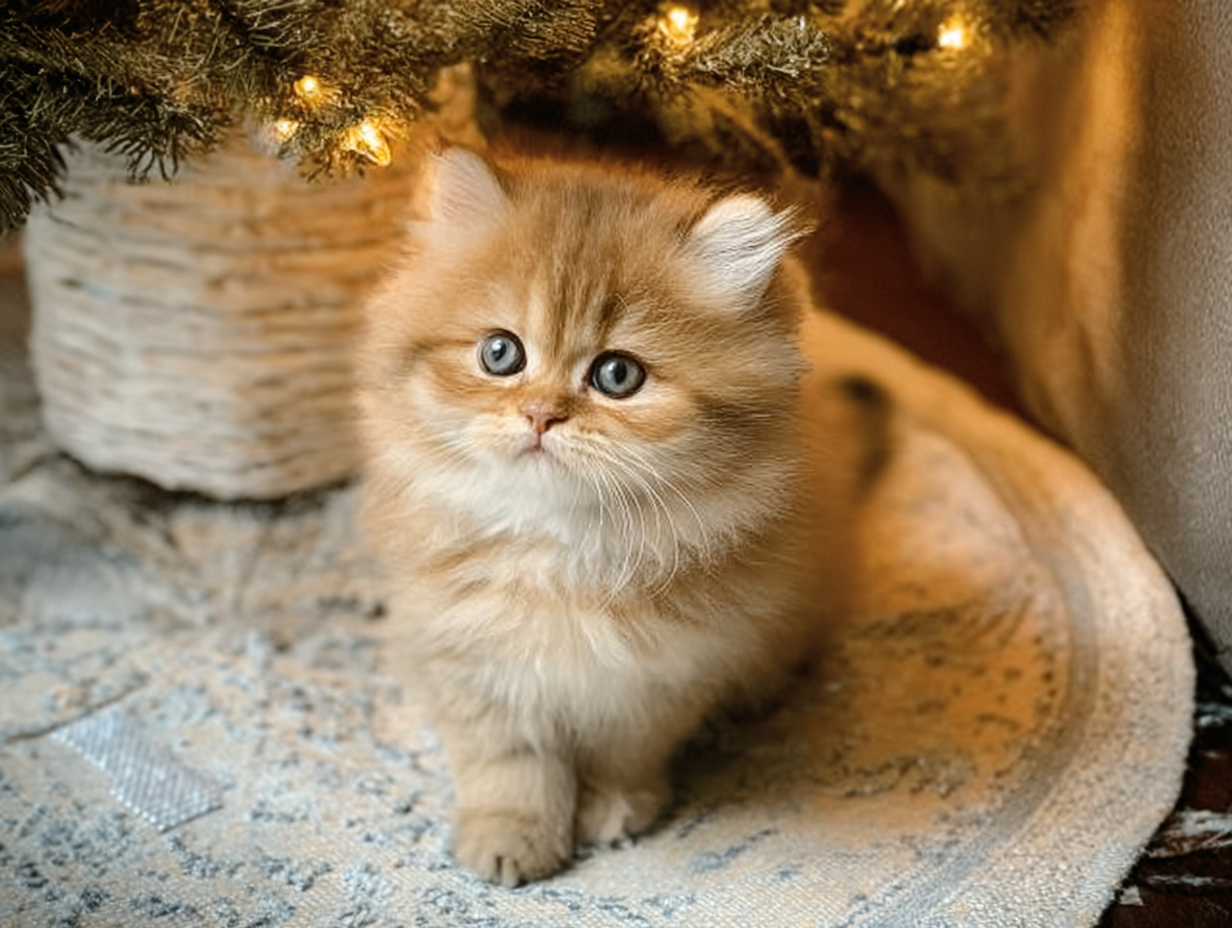
Bringing home a British Longhair kitten is an exciting experience, and the first few weeks play a major role in shaping a calm, confident adult cat. British Longhairs are gentle, observant, and emotionally steady, but they adjust best when their environment is predictable and thoughtfully prepared.
This guide covers what new owners need to know—feeding, pine pellet litter training, grooming, sleep routines, veterinary care, socialization, and household safety—so your British Longhair kitten can settle smoothly and thrive from day one.
British Longhair Kitten Care Summary
| Category | Quick Overview |
|---|---|
| Starter Room Setup | Quiet room with bed, food/water, pine pellet litter box, toys, and hiding spots. Calm, low-traffic environment. |
| Litter Training | British Longhair kittens are typically trained on pine pellets. Keep litter unscented and box placement consistent. |
| Feeding | 3–4 small meals per day. Wet + dry combination recommended. Transition foods slowly. Fresh water always available. |
| Grooming | Brush 2–3× weekly from kittenhood. Trim nails every 1–2 weeks. Baths rarely needed. |
| Health Care | First vet visit within 1 week. FVRCP boosters every 3–4 weeks until 16 weeks. Rabies per state law. Continue deworming schedule. |
| Behavior & Socialization | Slow introductions, gentle handling, gradual access to rooms. Short, calm play sessions. |
| Sleep & Routine | 16–20 hours of sleep daily. British Longhairs thrive on predictable feeding and play schedules. |
| Training Basics | Name recognition, scratcher training, carrier comfort, calm redirection of unwanted behavior. |
| Safety | Remove toxic plants, secure cords, avoid choking hazards. Provide stable climbing surfaces and screened windows. |
| Growth Milestones | Steady weekly weight gain. Teething: 3–6 months. Personality stabilizes around 10–12 months. Full maturity at 2–3 years. |
| When to Call the Vet | No eating for 24+ hours, vomiting, diarrhea, breathing changes, collapse, unusual hiding, or sudden behavior changes. |
Preparing Your Home Before Your Kitten Arrives
Starter Room Setup
British Longhair kittens adjust best in a small, calm starter room where they can observe and gain confidence at their own pace. A bathroom, laundry room, or quiet bedroom works well.
Include:
- A soft bed or covered sleeping area
- Food and water bowls
- A low-sided litter box
- A few simple toys
Keeping the environment contained helps prevent overstimulation and supports emotional security during the transition.
Litter Box Station
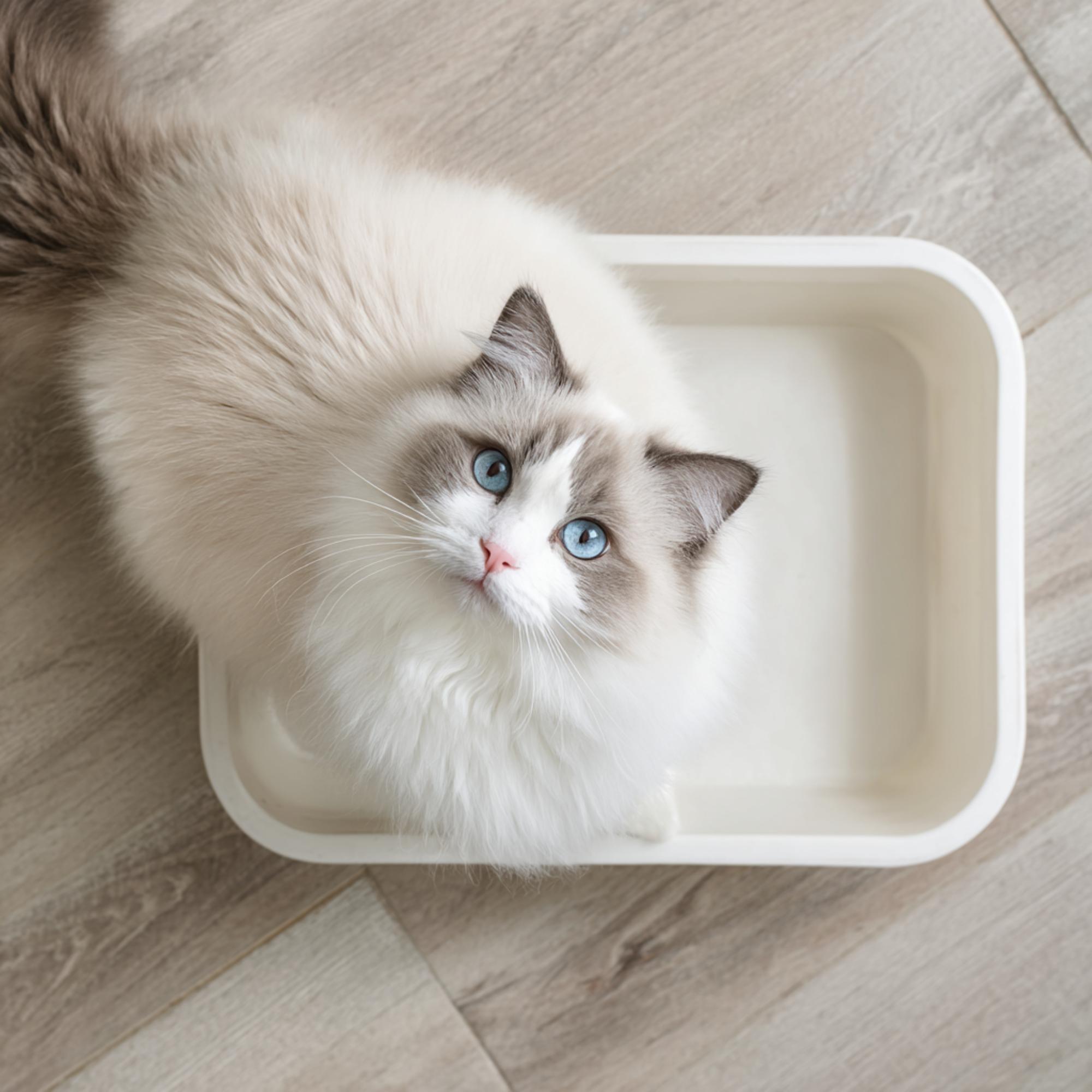
Place the litter box in a quiet corner of the starter room, away from food and water. Use an open, low-entry box to encourage easy access. British Longhair kittens appreciate consistency, so keep the box in the same location as they learn the routine.
Food & Water Setup
Use shallow ceramic or stainless-steel bowls in a dedicated feeding area. British Longhairs thrive on routine and prefer predictable placement. Refresh water daily and keep it separate from the litter area.
Grooming Preparation From Day One
British Longhairs have a dense, plush coat that benefits from early grooming habits.
- Begin gentle brushing 2–3 times per week
- Keep sessions short and calm
- Use soft brushes appropriate for kittens
Starting early helps prevent tangles later and makes grooming a normal, stress-free part of life.
Hiding Spots & Confidence-Building Layout
British Longhair kittens often watch before they engage. Provide simple hiding options such as a cardboard box or covered bed. These safe spaces give them control while adjusting and help prevent stress.
Keep pathways open and avoid crowding furniture so the kitten doesn’t feel cornered.
Household Safety
Remove or block access to toxic plants (lilies, pothos, philodendron, aloe). Secure cords, blind strings, and small objects. While British Longhairs are not reckless climbers, kittens still explore, and prevention matters.
Introducing Resident Pets
British Longhairs do best with slow, structured introductions.
- Start with scent swapping using blankets or toys
- Progress to closed-door interactions
- Allow short, supervised meetings
Their calm temperament can be disrupted by rushed introductions, so patience is key.
Temperature, Noise & Routine
British Longhair kittens thrive in quiet, stable environments. Keep the room warm, softly lit, and free from sudden noises. Predictable daily routines help them settle faster and build trust.
What to Expect the First 48 Hours With a British Longhair Kitten
Why Confinement Lowers Stress
British Longhair kittens adjust best when given a small, quiet starter space. They are naturally observant and prefer to take in new environments gradually. A contained room keeps everything they need—food, water, litter, and rest—within easy reach. This reduces stress, limits hiding, and supports consistent litter box use during the transition.
Normal Adjustment Behaviors
During the first day or two, it’s normal for a British Longhair kitten to:
- Observe quietly before exploring
- Move slowly and deliberately
- Sleep more than expected
- Eat lightly at first
- Vocalize briefly at night
These behaviors reflect adjustment, not distress. British Longhairs tend to settle calmly once routines become predictable.
Eating, Drinking & Litter Habits to Monitor
Within 12–24 hours, most British Longhair kittens will begin:
- Nibbling food regularly
- Using the litter box consistently
- Exploring their space at their own pace
Water intake may appear minimal, especially if wet food is part of the diet. Monitor:
- Appetite
- Stool consistency
- Urine output
- General alertness
Steady, gradual engagement is typical for this breed.
When to Contact Your Breeder or Veterinarian
Reach out promptly if your British Longhair kitten:
- Has not eaten for 24+ hours
- Shows labored or noisy breathing
- Has persistent vomiting or diarrhea
- Becomes unusually lethargic or withdrawn
British Longhairs are generally sturdy, but early attention prevents small issues from escalating.
Feeding & Nutrition Guide for British Longhair Kittens
Feeding Schedule by Age
British Longhair kittens benefit from 3–4 small meals per day. They mature slowly and develop gradually, so consistent portioned feeding supports healthy growth and weight control. As they mature, meals can be reduced to 2–3 per day.
Wet Food vs Dry Food
Wet food supports hydration and is gentle on developing digestive systems. Dry food may be offered alongside wet food but should not replace moisture-rich meals unless advised by your veterinarian. British Longhairs thrive on routine, so keep feeding times and formats consistent.
Transitioning Foods Without Upset
When changing foods:
- Transition over 5–7 days
- Mix small amounts of the new food into the current food
- Increase gradually
This reduces the risk of digestive upset and loose stool, which can occur during environmental changes.
Hydration & Water Intake
Fresh water should be available at all times. Some British Longhairs prefer fountains, which can encourage drinking. Wet food also contributes significantly to hydration.
Treat Guidelines
Treats should remain under 10% of daily calories. Choose soft, kitten-appropriate treats and avoid anything firm that could strain developing teeth.
Foods Unsafe for British Longhair Kittens
Avoid:
- Grapes and raisins
- Onions and garlic
- Chocolate
- Alcohol
- Raw dough
- Seasoned human foods
- Cooked bones
Dairy may cause digestive upset. Stick to cat-specific foods only.
Health Essentials for British Longhair Kittens
Vaccinations and Timing
British Longhair kittens typically begin core vaccinations around 8 weeks of age, with boosters every 3–4 weeks until approximately 16 weeks. These protect against:
- Panleukopenia
- Calicivirus
- Herpesvirus
Rabies vaccination timing depends on state law and veterinary guidance.
Deworming Schedule
Most British Longhair kittens are dewormed multiple times before going home. Continue the schedule provided by your breeder or veterinarian to prevent intestinal parasites. Proper parasite control supports steady growth and digestive stability.
Flea & Tick Prevention
Only use flea and tick products specifically labeled for kittens. Many adult formulations are unsafe for young British Longhairs. Always confirm age and weight requirements and consult your veterinarian if unsure.
Microchipping Your British Longhair Kitten
Microchipping provides permanent identification and is strongly recommended. Many British Longhair kittens are microchipped prior to placement. If not, schedule microchipping during a routine vet visit and register your contact information immediately.
Common Early-Life Health Changes
Mild digestive changes, temporary soft stool, or brief sneezing can occur as British Longhair kittens adjust to a new environment. These usually resolve within a short period. Monitor closely and seek veterinary advice if symptoms persist or worsen.
Normal vs Concerning Symptoms
Normal signs include:
- Calm exploration
- Regular meals
- Steady weight gain
- Reliable litter use
Concerning signs include:
- Refusing food
- Persistent vomiting or diarrhea
- Labored breathing
- Extreme lethargy or hiding
- Sudden behavior changes
British Longhair kittens are resilient, so noticeable deviations from normal behavior should be evaluated promptly.
Socialization & Behavior Development for British Longhair Kittens
Confidence-Building Exposure
British Longhair kittens are calm, observant, and emotionally steady. They prefer to watch first and engage second. Introduce new sounds, objects, and people gradually, allowing your kitten time to assess before interacting. This measured exposure builds confidence without overwhelming their sensitive, thoughtful nature.
Handling & Touch Desensitization
Practice gentle handling during quiet, relaxed moments. Lightly touch:
- Paws
- Ears
- Tail
- Mouth and chin
British Longhair kittens usually tolerate handling well when it’s calm and respectful. Early, positive exposure makes grooming, nail trims, and veterinary exams far less stressful later in life.
Introducing New Environments
Expand your kitten’s access to the home in stages. British Longhairs settle best when their world grows gradually rather than all at once. Short, supervised visits to new rooms help them build confidence while maintaining their sense of routine and security.
Building Positive Adult Habits
Start early with:
- Scratching post use
- Calm carrier entry
- Gentle, appropriate play
British Longhairs develop into predictable, well-mannered adults when consistent boundaries and routines are established in kittenhood.
Preventing Fear-Based Behaviors
Avoid rushed introductions, loud environments, or chaotic handling. British Longhair kittens thrive in steady, predictable households. Patient reinforcement and calm exposure support their naturally balanced temperament.
Play, Enrichment & Exercise for British Longhair Kittens
Age-Appropriate Toys
British Longhair kittens enjoy toys that allow chasing, batting, and gentle pouncing. Wand toys, soft kicker toys, and puzzle feeders encourage healthy activity without overstimulation. Short, focused play sessions suit their energy level better than long, intense bursts.
Safe Climbing Structures
Choose stable, low-to-moderate height cat trees and scratchers. British Longhairs are solidly built and prefer secure footing. Avoid tall, narrow, or unstable structures that wobble or shift under their weight.
Solo Play vs Interactive Play
Provide a mix of:
- Solo toys (balls, kickers, puzzle feeders)
- Interactive play (wand toys, gentle chase games)
Solo toys help occupy your kitten when you’re busy, while interactive play strengthens your bond and builds confidence.
Preventing Boredom Behaviors
Rotate toys regularly and offer multiple short play sessions throughout the day. A bored British Longhair kitten may chew household items, become restless, or seek excess attention. Varied enrichment channels their curiosity into positive outlets.
Sleep Patterns & Routine for British Longhair Kittens
Why British Longhair Kittens Sleep So Much
British Longhair kittens are slow-maturing and require extended rest. Sleeping 16–20 hours per day supports bone growth, immune development, and emotional regulation. Their calm temperament makes them natural deep sleepers, and long naps are a healthy part of development.
Creating Predictable Daily Routines
British Longhairs thrive on structure. Establish:
- Meals at consistent times
- Short, calm play sessions
- Quiet rest periods
Place beds in low-traffic areas with soft lighting. Predictable rhythms help reduce stress and encourage balanced adult behavior.
Preventing Nighttime Restlessness
Engage in gentle interactive play before bedtime, followed by a small meal. This sequence helps your kitten wind down naturally. If your kitten vocalizes at night, avoid stimulating responses. Calm reassurance and consistency reinforce healthy sleep habits.
Training Foundations for British Longhair Kittens
Name Recognition
British Longhair kittens learn names quickly when paired with meals, play, and gentle attention. Use short, positive repetitions so your kitten associates their name with good experiences.
Recall Training
Although not demanding or vocal, British Longhairs respond well to recall. Call your kitten’s name and reward them for approaching. This builds a useful safety behavior and supports smooth daily routines.
Carrier Training
Leave the carrier open in a familiar room with a soft blanket or treats inside. Allow your kitten to explore it freely. British Longhair kittens adapt best when introduced at their own pace, making future vet visits less stressful.
Scratching Post Training
Place scratchers near resting areas or where your kitten naturally stretches. Encourage use through play or gentle guidance. Redirect furniture scratching calmly and consistently to establish long-term habits.
Redirecting Unwanted Behaviors
Use redirection instead of correction. If biting occurs during play, offer a toy. If your kitten climbs inappropriate surfaces, move them to an acceptable alternative. British Longhairs respond best to calm boundaries and predictable guidance.
Creating a Safe Home Environment for British Longhair Kittens
Toxic Plants to Keep Away From British Longhair Kittens
British Longhair kittens are curious but not reckless. Still, kittens explore with their mouths, so toxic plants must be completely inaccessible. Remove or block access to:
- Lilies (extremely toxic to cats)
- Pothos
- Philodendron
- Dieffenbachia
- Aloe
- Sago palm
- Snake plant
Prevention is essential, especially during the first months when kittens are learning boundaries.
Kitchen & Bathroom Hazards
Secure all cleaning products, chemicals, and medications in closed cabinets. Keep toilet lids closed and trash covered. Remove access to sharp utensils, open dishwashers, hot stoves, and sinks.
British Longhair kittens are sturdy but still developing coordination, so thoughtful setup prevents accidents.
Small Objects & Choking Risks
Store items such as:
- Hair ties and rubber bands
- String and ribbon
- Jewelry
- Buttons and small toys
British Longhair kittens enjoy batting small objects, and their plush coat can sometimes hide items they drag off. Keeping surfaces clear reduces swallowing risks.
Windows, Balconies & Door Safety
Install secure window screens and supervise open doors. While British Longhairs are not impulsive jumpers, kittens can misjudge heights. Block balcony access entirely and monitor any elevated furniture or ledges during early exploration.
Veterinary Visits & Preventive Care for British Longhair Kittens
First Veterinary Visit Timeline
Schedule your British Longhair kitten’s first vet visit within the first week of coming home, unless your breeder advises otherwise. This confirms overall health, keeps vaccinations on schedule, and establishes a baseline after transition.
What to Expect at the First Appointment
Your veterinarian will check:
- Weight and growth
- Heart and lungs
- Eyes, ears, and teeth
- Joints and mobility
- Coat and skin condition
You’ll also review vaccination records, deworming history, and microchip information, and discuss any early adjustment questions.
Questions to Ask Your Veterinarian
Good early questions include:
- Recommended vaccination schedule for British Longhairs
- Safe flea and parasite prevention by age and weight
- Nutrition for slow, steady growth
- Ideal spay/neuter timing
- Which behavior or appetite changes warrant follow-up
Clear expectations early help support long-term health.
Preparing Your British Longhair Kitten for the Carrier & Car Ride
Place a familiar blanket or towel in the carrier to provide comfort. Keep the carrier level and the car temperature moderate. Speak softly and avoid sudden movements.
Calm, positive early travel experiences help British Longhair kittens remain relaxed for future vet visits.
Spay & Neuter Guidance for British Longhair Kittens
Ideal Age Ranges
Most British Longhair kittens are spayed or neutered between 4 and 6 months of age, though timing may vary based on size, development, and breeder guidance. Always follow veterinary recommendations specific to your kitten.
Health & Behavioral Benefits
Spaying or neutering:
- Reduces the risk of reproductive cancers
- Prevents hormone-driven behaviors
- Supports long-term emotional stability
British Longhairs are naturally calm and balanced, and hormone stabilization often enhances consistency and ease of living.
Post-Surgery Care Tips
After surgery:
- Keep your kitten in a quiet room for 24–48 hours
- Limit jumping and rough play
- Check the incision daily for redness or swelling
- Use a recovery suit or cone if licking occurs
Contact your veterinarian if you notice discharge, lethargy, or appetite changes.
Growth, Milestones & Development in British Longhair Kittens
Weight Expectations by Age
British Longhair kittens grow slowly and steadily, not in rapid spurts. Consistent weekly weight gain is expected, but dramatic jumps are not typical for the breed. British Longhairs mature over a longer timeline, so a gradual growth curve is normal and healthy. Sudden weight loss, stalled growth, or noticeable changes in appetite should be evaluated promptly.
Teething Stages
Teething usually begins around 3–4 months and continues until approximately 6 months. During this time, your British Longhair kitten may chew more frequently or show mild gum sensitivity. Offer safe chew toys and textured kitten toys, and avoid encouraging chewing on hands or clothing.
Behavioral Maturity Timeline
British Longhair kittens are playful and curious from about 3–9 months, but they begin to settle into their signature calm temperament as they approach their first birthday. Full physical and emotional maturity often occurs between 18 months and 3 years, reflecting the breed’s slow, balanced development.
When Personality Stabilizes
Early traits—quiet confidence, gentle curiosity, and independent play—often appear early, but true adult temperament becomes clearer around 10–12 months. Consistent routines and gentle socialization support the emotionally steady, easygoing nature British Longhairs are known for.
When Something Seems Off With a British Longhair Kitten
Warning Signs to Monitor
British Longhair kittens tend to be predictable in behavior. Watch for:
- Appetite changes
- Decreased activity or unusual lethargy
- Increased hiding
- Litter box avoidance
- Persistent coughing or sneezing
- Vomiting or diarrhea
- Limping or stiffness
- Any behavior that feels out of character
Comparing new behaviors to your kitten’s normal routine is often the quickest way to spot concerns.
Red Flags Requiring Immediate Veterinary Care
Seek urgent veterinary attention if your British Longhair kitten shows:
- Difficulty or labored breathing
- Continuous vomiting
- Bloody stool
- Sudden collapse or inability to stand
- Persistent crying or signs of pain
- No food intake for over 24 hours
While British Longhair kittens are generally sturdy, young kittens can decline quickly without timely care.
How to Document Symptoms for Your Veterinarian
To help your vet assess the situation accurately:
- Note when symptoms began
- Track frequency and severity
- Record changes in eating, drinking, litter use, and play
- Take photos or short videos if helpful
- Share any recent food changes, environmental changes, or exposures
Clear documentation supports faster diagnosis and appropriate treatment.
Supplies Checklist for British Longhair Kittens
(Buyer-Friendly Printable Section)
Food & Water Basics
Choose a high-quality kitten food formulated to support slow, steady growth. British Longhair kittens do best with predictable feeding routines.
- Wet food for hydration and easy digestion
- Dry food as recommended by your breeder or veterinarian
- Shallow stainless-steel or ceramic bowls
- Optional water fountain if your kitten prefers moving water
Avoid frequent food changes during the first weeks at home.
Litter Box Essentials
British Longhair kittens transition best when their litter remains familiar.
- Pine pellet litter (we send home what your kitten is already using)
- Low-sided, open litter box for easy access
- Litter scoop
- Litter mat to reduce tracking
- Unscented cleaner for daily maintenance
Keep the litter box location consistent to support routine.
Grooming Tools
British Longhair kittens benefit from early, gentle grooming habits.
- Soft brush suitable for kitten coats
- Gentle comb for the dense, plush coat
- Kitten-safe grooming wipes
- Nail trimmers
Store grooming tools in an accessible spot so brushing becomes a normal, low-stress routine as your kitten grows.
Toys & Enrichment
British Longhair kittens enjoy calm, steady play rather than intense bursts.
- Wand toys for interactive play
- Small chase toys and soft balls
- Puzzle feeders for mental stimulation
- Scratching posts or pads
- Stable, moderate-height climbing structure
Rotate toys weekly to keep enrichment fresh without overstimulation.
Carrier & Travel Items
A comfortable carrier setup helps British Longhair kittens stay relaxed during outings.
- Sturdy, well-ventilated carrier
- Soft blanket or towel with a familiar scent
- Disposable pads for easy cleanup
Leave the carrier out at home so your kitten becomes comfortable entering it voluntarily.
Cleaning & Sanitizing Supplies
A tidy environment supports healthy habits and reduces stress.
- Enzymatic cleaner for accidents
- Mild surface cleaners for daily use
- Trash bags
- Hand wipes
British Longhair kittens are naturally clean, and consistent maintenance helps reinforce good habits early.
British Longhair Kitten FAQ
Are British Longhair kittens good for first-time cat owners?
Yes, British Longhair kittens are often a good fit for first-time owners who want a calm, predictable companion. They are emotionally steady, not overly demanding, and adapt well to routine. New owners should be prepared for regular grooming and understand that this breed shows affection quietly rather than through constant physical contact.
How long does it take a British Longhair kitten to adjust to a new home?
Most British Longhair kittens need several days to a few weeks to fully settle. They tend to observe before engaging and build confidence gradually. Providing a quiet starter room, predictable routines, and gentle interaction helps speed up adjustment.
Do British Longhair kittens like to be held?
Some tolerate brief handling, but most British Longhair kittens prefer sitting beside their people rather than being carried. They enjoy closeness on their own terms. Respecting this preference builds trust and leads to stronger long-term bonding.
How much grooming does a British Longhair kitten need?
British Longhair kittens require moderate grooming. Brushing 2–3 times per week prevents tangles and helps them get used to coat care early. Starting grooming in kittenhood keeps sessions short, calm, and stress-free as the coat thickens with age.
Do British Longhair kittens shed a lot?
Shedding is moderate and mostly seasonal. Regular brushing removes loose hair and keeps shedding manageable. While they shed more than shorthaired breeds, British Longhairs do not typically shed excessively year-round when properly groomed.
What kind of litter should a British Longhair kitten use?
Most British Longhair kittens are started on pine pellet litter and transition best when kept on the same type initially. Pine pellets are low-dust, unscented, and easy to maintain. Any future litter changes should be gradual to avoid confusion or litter box avoidance.
How often should I feed my British Longhair kitten?
British Longhair kittens do best with 3–4 small meals per day. Their slow, steady growth benefits from scheduled feeding rather than free-feeding. As they mature, meals can gradually shift to 2–3 per day.
Do British Longhair kittens need wet food?
Yes, wet food is strongly recommended for hydration and digestive health. Dry food can be included if advised by your breeder or veterinarian, but wet food should remain a consistent part of the diet.
Are British Longhair kittens playful?
Yes, but their play style is gentle and short-lived. British Longhair kittens enjoy wand toys, light chasing, and puzzle feeders but are not hyperactive. Several short play sessions each day suit them better than long, intense activity.
Are British Longhair kittens good with children?
They do well with calm, respectful children. British Longhair kittens are patient but dislike rough handling. Teaching children to let the kitten approach and disengage freely is key to a positive relationship.
Can British Longhair kittens live with dogs?
Yes, many British Longhairs do well with calm, cat-savvy dogs. Introductions should be slow and structured. This breed prefers peaceful coexistence rather than constant interaction.
Can a British Longhair kitten be left alone during the workday?
British Longhair kittens tolerate standard workdays well once settled, especially if their environment is enriched. They value routine and quiet companionship rather than constant stimulation. Long absences without interaction are not ideal for very young kittens.
How much do British Longhair kittens sleep?
British Longhair kittens sleep 16–20 hours per day, especially during the first months. This is normal and supports growth, immune development, and emotional regulation. Their calm temperament makes them naturally good sleepers.
When do British Longhair kittens calm down?
They begin to settle around 9–12 months, but full physical and emotional maturity often takes 2–3 years. This slow development is normal for the breed and contributes to their steady adult temperament.
When should I take my British Longhair kitten to the vet?
Schedule the first vet visit within one week of bringing your kitten home, unless your breeder advises otherwise. Early visits confirm health, keep vaccinations on track, and establish a baseline for future care.
When should a British Longhair kitten be spayed or neutered?
Most are spayed or neutered between 4–6 months, depending on size, development, and veterinary guidance. Always follow your vet’s recommendations and your breeder’s contract.
Are British Longhair kittens prone to health problems?
When responsibly bred, British Longhairs are considered a healthy, stable breed. Like all cats, they benefit from routine veterinary care, proper nutrition, and weight management as they grow.
How long do British Longhair cats live?
With good care, British Longhairs commonly live 14–18+ years. Their moderate structure and calm lifestyle support long-term health and longevity.
Is a British Longhair kitten right for a busy household?
They do best in homes that value calm routines and predictability. Moderate household activity is fine, but constant noise, chaos, or frequent schedule changes may cause stress.
What kind of owner is the best fit for a British Longhair kitten?
British Longhairs suit owners who:
- Enjoy quiet companionship
- Respect feline boundaries
- Value routine and stability
- Are comfortable with moderate grooming
- Want affection without clinginess
See Is a British Longhair Right for Me?
Final Thoughts
It is so exciting to bring home your new kitten. Preparation, patience, and realistic expectations make the difference between a smooth transition and unnecessary stress.
More British Longhair Resources
See more posts about the British Longhair breed:
- British Longhair Kittens: Growth Week by Week
A guide to kitten growth stages, coat transitions, socialization, and early care. - British Longhair Breed Overview
A complete introduction to the breed’s temperament, structure, care needs, and suitability for different homes. - How to Choose a British Longhair Breeder
How to choose a reputable British Longhair breeder and what to expect throughout the process. - British Longhair Shedding and Grooming
Step-by-step coat care, tools, and maintenance routines for the semi-long double coat. - British Longhair Diet and Nutrition
Important diet recommendations, feeding charts and more. - British Longhair Size: How Big do British Longhairs Get?
See estimated size and growth charts. - British Longhair Cat Health
An overview of British Longhair health. - Best British Longhair Breeders in the USA See a list of the best breeders in the USA and what makes them awesome.
- How Much Does a British Longhair Kitten Cost? See current prices based on colors etc.
Sources & References
- The International Cat Association (TICA)
British Longhair & British Shorthair breed standards, temperament, and registration guidelines.
https://tica.org - Governing Council of the Cat Fancy (GCCF)
British Longhair recognition, breed structure, and welfare considerations.
https://www.gccfcats.org - Fédération Internationale Féline (FIFe)
Breed descriptions, coat characteristics, and general feline standards.
https://fifeweb.org - International Cat Care (ISFM / iCatCare)
Evidence-based guidance on kitten behavior, socialization, stress reduction, and home setup.
https://icatcare.org - American Association of Feline Practitioners (AAFP)
Feline life-stage care, preventive health, vaccination schedules, and behavior resources.
https://catvets.com - Cornell University College of Veterinary Medicine – Feline Health Center
Kitten development, growth milestones, nutrition, and early health monitoring.
https://www.vet.cornell.edu/departments-centers-and-institutes/cornell-feline-health-center - UC Davis Veterinary Genetics Laboratory
General information on feline genetics, inherited traits, and responsible breeding principles.
https://vgl.ucdavis.edu - ASPCA – Cat Care & Toxic Plant Database
Household safety guidance and plant toxicity references for kittens.
https://www.aspca.org
This guide is informed by established breed standards, veterinary best practices, and evidence-based feline welfare resources.







Read the Comments +