
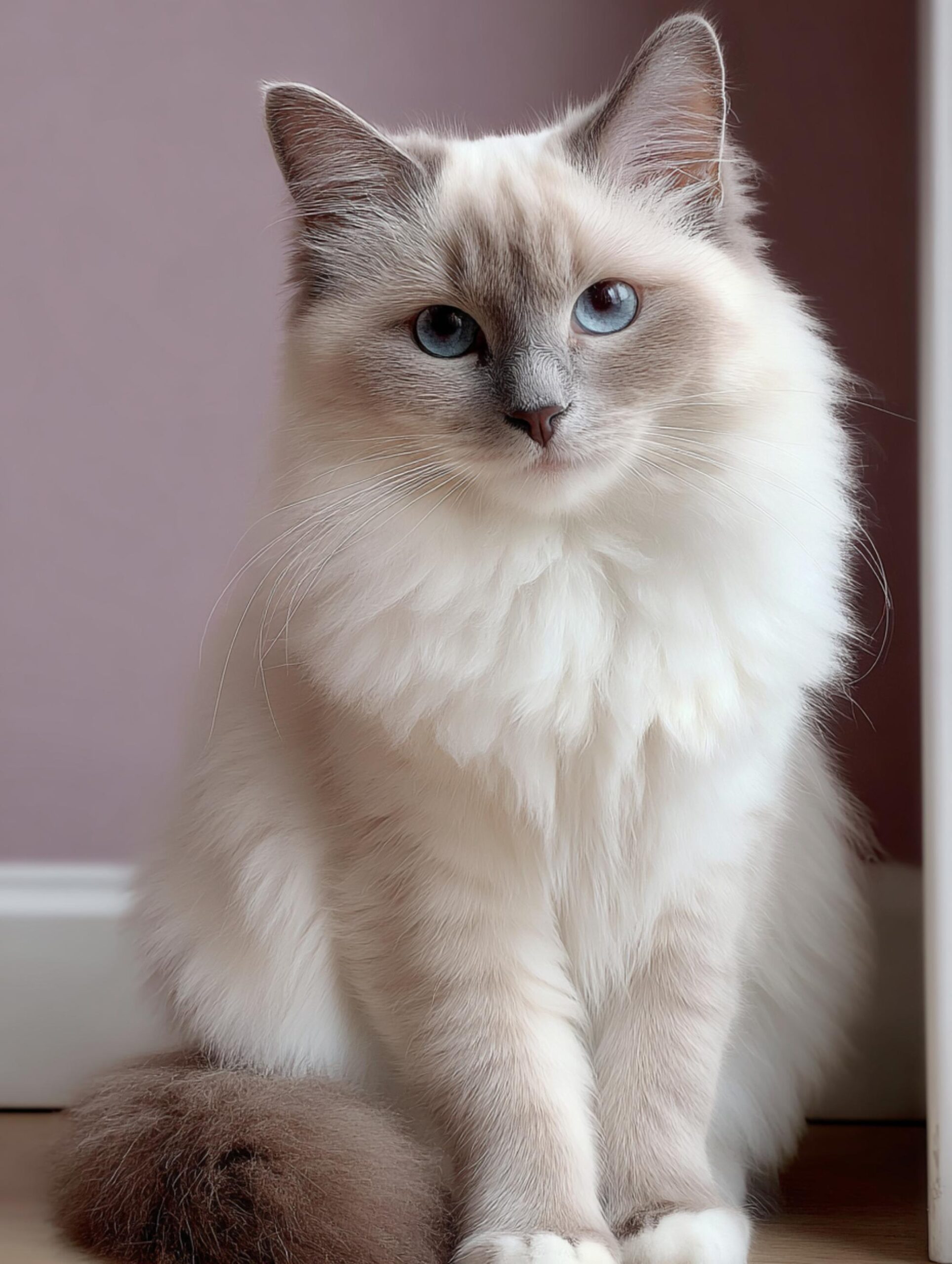
How to Protect Your Investment When Buying a Purebred Cat
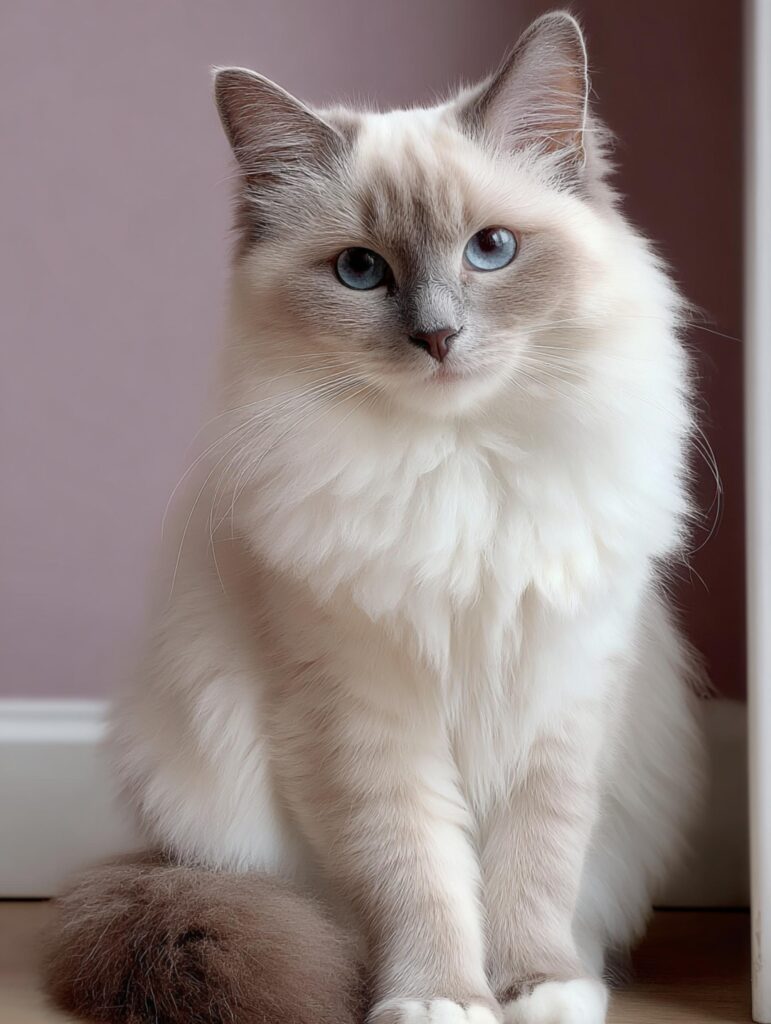
Buying a purebred cat is not just an emotional decision. It is a long-term financial and lifestyle commitment. While companionship is the primary motivation, responsible ownership also involves risk awareness, planning, and structured decision-making.
Most purebred cats live 15–18 years. Over that lifespan, veterinary costs can fluctuate significantly. Advanced diagnostics, specialty consultations, and emergency procedures have all increased in cost in recent years. Veterinary inflation alone has changed the financial landscape of pet ownership. When combined with breed-specific health considerations — such as cardiac conditions in certain large breeds — the importance of proactive planning becomes clear.
There is also the emotional cost of preventable illness. Avoidable health instability creates stress, disruption, and uncertainty. Financial strain often compounds emotional strain when a family feels unprepared. Protecting your investment means reducing preventable risk wherever possible.
That protection does not begin at the first veterinary visit.
- It begins before you bring the kitten home.
- It starts with selecting a preservation breeder who operates with documented health infrastructure, structured breeding standards, and long-term accountability.
- It continues with careful contract review, transparent documentation, and early activation of comprehensive pet insurance.
A purebred cat raised within a disciplined program is not a guarantee against illness. However, structured systems significantly reduce avoidable volatility and improve predictability across health and temperament.
Summary Table — How to Protect Your Investment When Buying a Purebred Cat
| Risk Factor | Protective Action | Long-Term Benefit |
|---|---|---|
| Genetic instability | Choose a preservation breeder with documented health testing | Reduced preventable medical volatility |
| Undetected cardiac issues | Verify repeat echocardiogram screening | Lower risk of unexpected specialty care |
| Hereditary conditions | Review DNA panel transparency and carrier management | Improved baseline predictability |
| Overproduction risk | Select programs with controlled litter frequency | Stronger oversight and health stability |
| Contract ambiguity | Carefully review written agreements | Reduced legal and emotional conflict |
| Unexpected illness or injury | Activate pet insurance immediately | Financial protection against large emergency expenses |
| Veterinary inflation | Plan long-term care budget and insurance coverage | Greater financial stability over 15–18 years |
| Transition instability | Prepare home and establish veterinary care early | Smoother adjustment and early detection |
| Impulse purchasing | Evaluate documentation before reserving | Reduced downstream regret |
| Immediate-availability sellers | Prioritize structured waitlists | Increased long-term predictability |
Protecting your investment in a purebred cat requires structured breeder evaluation, documented health testing, controlled breeding standards, written contracts, and early activation of pet insurance. Risk management begins at selection — not after purchase.
Step 1 — Choose a Preservation Breeder, Not a Volume Seller
Protecting your investment begins with selection. The breeder you choose has more influence on long-term stability than any decision made after placement.
A preservation breeder operates with multi-generational planning. Pairings are not chosen solely for immediate demand or aesthetic appeal. They are selected based on lineage depth, structural consistency, temperament stability, and health data tracked across generations.
Repeat cardiac screening is a strong indicator of seriousness in breeds with known heart risk. Responsible programs do not rely on a single early-life test. They rescreen breeding adults at appropriate intervals to monitor changes over time.
DNA testing transparency matters. Preservation breeders openly discuss panel results, carrier status, and how those results influence pairing decisions. They understand genetic management rather than simply advertising “DNA tested.”
Controlled litter frequency protects breeding adults and improves oversight quality. Females are rested appropriately, and production is limited to maintain health standards and individualized attention.
Registry documentation confirms traceable lineage and structured recordkeeping. Multi-generational pedigrees provide visibility into ancestry and help maintain breed integrity.
Upfront selection reduces downstream risk. While no breeder can eliminate health uncertainty entirely, choosing a preservation breeder significantly lowers preventable volatility by prioritizing structure over speed.
Comparison Overview
| Volume Seller | Preservation Breeder |
|---|---|
| Breeds for demand | Breeds for genetic stability |
| Limited documentation | Structured health records |
| Higher unpredictability | Managed risk baseline |
Step 2 — Verify Health Infrastructure
Once you identify a preservation-focused program, the next step is verification. Risk management depends on documented health systems, not assumptions.
Cardiac Screening
In breeds predisposed to cardiac conditions, echocardiograms performed by qualified professionals are critical. These ultrasounds evaluate heart structure and function and provide more meaningful insight than basic auscultation alone.
Equally important is the repeat schedule. Responsible programs rescreen breeding adults at defined intervals rather than relying on a one-time clearance.
Specialist involvement adds another layer of reliability. Board-certified veterinary cardiologists provide advanced expertise that strengthens diagnostic confidence.
Genetic Testing
A comprehensive DNA panel identifies known inherited mutations relevant to the breed. However, testing alone is not the standard — responsible interpretation is.
Preservation breeders practice carrier management, pairing carriers responsibly rather than eliminating valuable genetics unnecessarily. This approach maintains diversity while reducing expression risk.
Mutation awareness ensures that breeding decisions are informed by current genetic knowledge rather than outdated assumptions.
Infectious Disease Protocol
Closed breeding environments reduce early exposure risk. Controlled visitor policies, quarantine procedures when needed, and routine screening protocols protect both breeding adults and kittens.
Early-life health stability begins with prevention. Structured programs prioritize prevention over reaction.
Documented testing protects long-term value. Written health records, screening schedules, and transparent communication reduce uncertainty and strengthen confidence in the stability of your investment.
Step 3 — Understand the True Lifetime Cost
When evaluating how to protect your investment when buying a purebred cat, it is important to look beyond the initial purchase price.
The acquisition cost is visible. The lifetime cost is cumulative.
Purchase price
The upfront investment reflects breeding infrastructure, health testing, documentation, and early-life care. While this number receives the most attention, it represents only the starting point.
Routine veterinary care
Annual exams, vaccinations where appropriate, bloodwork, dental cleanings, and preventative care add up over 15–18 years. Preventative care is predictable and manageable, but it is ongoing.
Emergency care
Unexpected illness or injury can result in diagnostic imaging, hospitalization, or surgery. Even well-bred animals can experience unforeseen events. Emergency visits often involve higher fees and specialist referrals.
Breed-specific risks
Certain breeds may carry predispositions to specific conditions. Even with responsible genetic management, awareness and monitoring are part of long-term ownership.
Grooming (for longhair breeds)
Professional grooming, deshedding services, or high-quality grooming tools can represent a recurring expense, especially in large, long-coated breeds.
Nutrition
High-quality diets appropriate for size and developmental stage contribute to long-term health stability. Premium nutrition is an ongoing investment.
When viewed across a 15–18 year lifespan, the purchase price becomes a fraction of total ownership cost. Selecting a preservation breeder with structured health systems is logical within that context. Reducing preventable risk at the beginning can influence financial stability over the life of the cat.
Step 4 — Activate Pet Insurance Early
Insurance should be viewed as risk management, not fear-based planning.
Even with careful breeder selection, documented health testing, and structured pairing decisions, unpredictability cannot be eliminated entirely. Insurance provides a financial buffer against events that are difficult to forecast.
Why Insurance Matters
Unexpected illness
Infections, injuries, and acute conditions can arise without warning.
Breed predispositions
Even responsibly managed genetics cannot guarantee immunity from all inherited conditions.
Emergency surgery
Obstructions, trauma, or sudden complications may require immediate intervention.
Specialist referrals
Cardiology consultations, advanced imaging, and specialty diagnostics can carry significant cost.
Insurance must be activated immediately after placement to avoid pre-existing condition exclusions. Once a condition is documented in veterinary records, it is typically considered pre-existing and may not be covered.
What to Look for in Pet Insurance
When evaluating policies, consider:
- Comprehensive illness and accident coverage
- Coverage for hereditary and congenital conditions
- Explicit cardiac coverage where relevant
- Lifetime per-condition limits rather than annual caps
- Clear waiting periods and how they apply
Understanding policy structure in advance reduces confusion later.
When to Activate Coverage
Ideally, coverage should be activated within 24 hours of placement. In many cases, it is advisable to enroll before the first veterinary visit so that no early findings are categorized as pre-existing.
Early activation preserves maximum eligibility.
Why Purebred Cats Benefit from Insurance
Genetic predictability improves baseline stability, but it does not eliminate risk entirely. Advanced diagnostics such as echocardiograms, ultrasounds, or specialty bloodwork can be expensive. Cardiology consultations, in particular, can carry significant cost depending on region and provider.
Insurance allows families to make medical decisions based on veterinary recommendation rather than immediate financial limitation.
Approached calmly and proactively, insurance becomes part of a structured ownership plan — another layer of protection supporting long-term stability.
Step 5 — Review the Contract Carefully
A structured contract protects both the breeder and the buyer. It clarifies expectations before emotions are involved and reduces the likelihood of misunderstanding later.
Health guarantee structure
Understand what is covered, for how long, and under what conditions. Review timelines for reporting concerns, required veterinary documentation, and any follow-up obligations.
Return policy
Responsible breeders maintain a clear return clause. This protects the cat if circumstances change and prevents rehoming instability. A structured return policy reflects long-term accountability.
Breeder support terms
Contracts often outline what level of ongoing support is provided. Clarify whether lifetime guidance, behavioral support, or health consultation is included.
Spay/neuter expectations
Most companion placements include defined sterilization timelines. These expectations protect breed integrity and reduce unplanned breeding.
Replacement clauses
Some contracts include structured replacement provisions under specific circumstances. Understanding these terms in advance avoids emotional confusion if a difficult situation arises.
Clear contracts reduce ambiguity and emotional conflict later. When expectations are written and reviewed calmly at the beginning, long-term stability improves for everyone involved.
Step 6 — Plan for Stability, Not Just Acquisition
Protecting your investment does not end at purchase. Risk reduction continues after placement.
Home preparation
Creating a controlled, calm environment reduces stress during transition. Safe spaces, appropriate litter setups, and gradual introductions support early adjustment.
Veterinary selection
Establishing care with a trusted veterinarian early builds continuity. Choose a clinic comfortable with your breed’s size and potential health considerations.
Travel planning
If your household travels frequently, arrange reliable pet care in advance. Structured planning prevents last-minute instability.
Emergency fund
Even with insurance, deductibles and non-covered services may apply. Maintaining a modest emergency reserve prevents reactive decision-making.
Long-term nutrition
Consistent, high-quality nutrition supports immune health, weight stability, and overall longevity. Dietary planning should evolve with age and developmental stage.
Risk reduction continues after placement. Stability is created through systems, not single decisions.
Common Mistakes That Increase Financial Risk
Certain decisions can unintentionally increase long-term volatility.
- Choosing based on price alone may overlook infrastructure and documentation.
- Ignoring documented testing removes a key layer of risk management.
- Skipping insurance leaves unexpected illness fully exposed financially.
- Waiting too long to establish veterinary care can delay early detection.
- Buying from immediate-availability sellers without structured evaluation may increase unpredictability.
These are not moral judgments. They are planning considerations. Protecting your investment in a purebred cat involves evaluating systems carefully and making decisions that prioritize long-term stability over short-term convenience.
Frequently Asked Questions
1. Is buying a purebred cat considered an investment?
While a cat is not a financial investment in the traditional sense, it is a long-term financial and lifestyle commitment. Over 15–18 years, veterinary care, nutrition, grooming, and emergency expenses add up. Protecting your investment means reducing preventable risk through careful breeder selection and proactive planning.
2. How can I reduce health risks when buying a purebred cat?
Start by choosing a preservation breeder with documented health testing, repeat cardiac screening where relevant, transparent DNA panel results, and controlled breeding standards. Risk reduction begins before you bring the kitten home.
3. What health tests should a purebred cat breeder provide?
This varies by breed, but may include echocardiograms, DNA panels for known mutations, infectious disease screening, and structured veterinary records. Documentation is more important than verbal reassurance.
4. Should I get pet insurance for a purebred cat?
Yes. Pet insurance for purebred cats provides financial protection against unexpected illness, emergency surgery, and breed-related conditions. Insurance should be activated early to avoid pre-existing condition exclusions.
5. When should pet insurance be activated?
Ideally within 24 hours of placement and before the first veterinary visit if possible. Waiting too long can result in early findings being classified as pre-existing and excluded from coverage.
6. Does responsible breeding eliminate health risk?
No breeder can eliminate all health risk. However, structured health testing, genetic management, and controlled litter planning significantly reduce preventable instability.
7. Why are contracts important when buying a purebred cat?
A clear contract outlines health guarantees, return policies, breeder support terms, and sterilization expectations. Written agreements reduce ambiguity and prevent emotional conflict later.
8. What is the true lifetime cost of a purebred cat?
The purchase price is only one portion of lifetime cost. Routine veterinary care, emergency treatment, nutrition, grooming, and insurance all contribute over 15–18 years of ownership.
9. Is a higher purchase price always better?
Not necessarily. What matters is infrastructure — documented health testing, breeding discipline, veterinary transparency, and long-term accountability. Structured programs often require greater operational investment, which may be reflected in pricing.
10. What is the biggest mistake buyers make?
Making decisions based solely on price or immediate availability without verifying health documentation and breeding standards can increase long-term financial and emotional risk.
Sources & References
- The International Cat Association (TICA)
Breed standards, registration requirements, and pedigree documentation guidelines.
https://tica.org - Cat Fanciers’ Association (CFA)
Registry standards and preservation breeding framework.
https://cfa.org - Orthopedic Foundation for Animals (OFA)
Health screening databases and cardiac testing information for companion animals.
https://ofa.org - American College of Veterinary Internal Medicine (ACVIM)
Specialist guidelines for veterinary cardiology and inherited disease management.
https://www.acvim.org - UC Davis Veterinary Genetics Laboratory (VGL)
Genetic testing resources and DNA panel information for purebred cats.
https://vgl.ucdavis.edu - American Veterinary Medical Association (AVMA)
Pet ownership cost guidance and veterinary care standards.
https://www.avma.org - North American Pet Health Insurance Association (NAPHIA)
Industry data and information on pet insurance coverage trends.
https://naphia.org - World Small Animal Veterinary Association (WSAVA)
Global veterinary best practice recommendations.
https://wsava.org













Read the Comments +