

Pyometra in Maine Coons: Risk, Symptoms, Treatment & Spay Timing Considerations
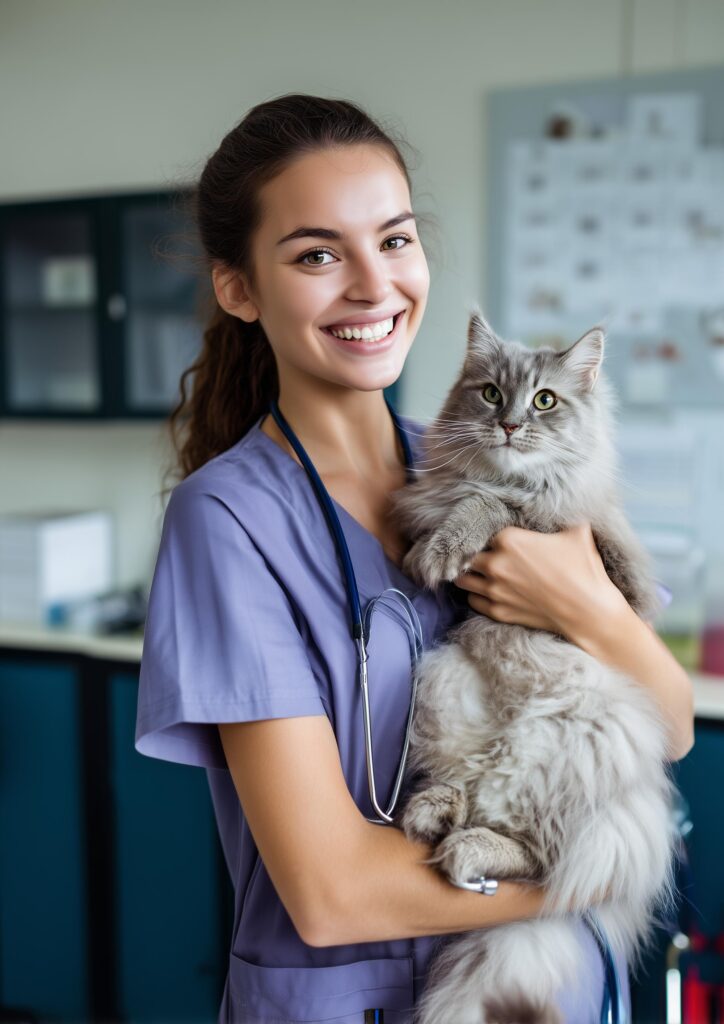
Pyometra is a life-threatening uterine infection that affects intact female cats, including Maine Coons. Despite their size, strength, and slower growth timeline, Maine Coons are not immune to reproductive disease. Pyometra develops due to hormonal cycling—specifically progesterone exposure after heat—and the underlying biology is the same across breeds.
An intact female Maine Coon that continues to cycle without being spayed carries the same uterine risk as any other intact cat. Large body size does not prevent infection, and extended growth periods do not shield the uterus from hormonal changes. The condition can progress rapidly, especially in closed pyometra, where no discharge is visible.
Early recognition dramatically improves survival. Prompt veterinary intervention often results in successful recovery, while delayed treatment increases the risk of sepsis and organ damage.
For a complete medical breakdown of causes, emergency timelines, and treatment protocols,
→ See our complete medical guide: Pyometra in Cats
Pyometra in Maine Coons follows the same hormone-driven pattern seen in all intact female cats, and prevention through spaying remains the only guaranteed protection.
Quick Summary — Pyometra in Maine Coons at a Glance
| Category | Key Takeaway for Maine Coon Owners |
|---|---|
| What It Is | A life-threatening uterine infection affecting intact female Maine Coons |
| Are Maine Coons at Higher Risk? | No proven breed predisposition — risk is hormone-driven, not breed-driven |
| Primary Risk Factor | Remaining unspayed and experiencing repeated heat cycles |
| When Risk Begins | After the first heat cycle due to progesterone exposure |
| Does Size Protect Them? | No — body size does not reduce infection or slow sepsis progression |
| Early Warning Signs | Lethargy, reduced appetite, increased thirst |
| Open Pyometra | Vaginal discharge may be visible |
| Closed Pyometra | No discharge, abdominal enlargement, higher danger |
| How Fast It Progresses | Can deteriorate within 24–72 hours once systemic |
| Gold Standard Treatment | Emergency ovariohysterectomy (spay surgery) |
| Medical Management | Possible in select open cases in breeding queens under strict supervision |
| Survival Rate | High with prompt surgery; significantly worse if delayed |
| Emergency Cost Range | Typically $1,500–$4,000+ depending on severity |
| Prevention | Spaying eliminates pyometra risk completely |
Bottom Line:
If your Maine Coon is intact and shows lethargy or appetite changes after a heat cycle, veterinary evaluation should not be delayed. Prevention through intentional spay timing remains the safest strategy.
Are Maine Coons More Prone to Pyometra?
Breed Predisposition
There is no strong evidence that Maine Coons have a unique genetic predisposition to pyometra.
Key points:
- Pyometra is not a breed-specific inherited disorder
- It is not linked to a known Maine Coon genetic mutation
- It is a hormone-driven condition
The disease develops due to progesterone exposure following heat cycles. While some hereditary conditions vary by breed, pyometra is primarily influenced by reproductive status rather than pedigree.
See Maine Coon Health for more info.
Large Breed Misconceptions
Because Maine Coons are one of the largest domestic cat breeds, some owners assume size changes reproductive risk. It does not.
Common misconceptions include:
- Larger cats are more resilient to infection
- Slower growth protects reproductive organs
- Delayed maturity reduces uterine risk
In reality:
- Size does not reduce hormonal exposure
- Slower skeletal growth does not alter uterine physiology
- The uterus responds to progesterone the same way across breeds
The reproductive system in a Maine Coon functions identically to that of other domestic cats. Hormonal cycling affects the uterus regardless of body size.
What Actually Determines Risk
Risk for pyometra in Maine Coons depends on the same factors seen in all intact females.
Primary risk determinants include:
- Intact status — spayed cats do not develop pyometra
- Number of heat cycles — cumulative progesterone exposure increases risk
- Progesterone influence — thickening of the uterine lining over time
- Breeding management practices — repeated cycling without pregnancy increases susceptibility
Each heat cycle exposes the uterus to progesterone. Over time, the lining thickens and may develop cystic changes, increasing vulnerability to bacterial infection.
To understand the underlying hormonal process in detail,
→ How Pyometra Develops in Cats
Why Pyometra Matters in Maine Coon Breeding Programs
In breeding programs, pyometra is not just a medical emergency — it is a reproductive management issue with long-term implications. Maine Coon breeders must balance growth timing, reproductive planning, and uterine health. Understanding how heat cycles influence risk is critical for protecting both the queen and the program.
Extended Heat Cycles
Maine Coons often mature more slowly than smaller breeds, and some queens may cycle seasonally depending on light exposure and environment.
Important considerations:
- Maine Coons may experience repeated seasonal heat cycles
- Indoor lighting can stimulate year-round cycling
- Repeated cycling increases cumulative progesterone exposure
Each heat cycle stimulates the uterine lining. If pregnancy does not occur, progesterone influence continues to thicken and alter the endometrium. Over time, this can lead to cystic endometrial hyperplasia — the structural change that predisposes to pyometra.
The longer a queen cycles without pregnancy or spaying, the greater the hormonal accumulation effect.
Breeding vs Non-Breeding Intact Females
Risk differs significantly between managed breeding queens and intact females that are not being bred.
Managed breeding females:
- Carefully timed matings
- Pregnancy interrupts repetitive cycling
- Reproductive plans are structured
- Veterinary oversight is routine
Females cycling without pregnancy:
- Repeated heat cycles
- Ongoing progesterone exposure
- No uterine reset through gestation
- Increased cumulative risk over time
A queen that cycles repeatedly without being bred may face greater pyometra risk than one managed within a structured breeding plan.
This distinction matters in breeding programs where timing decisions affect long-term reproductive health.
Medical Management in Breeding Queens
In actively managed breeding programs, medical treatment of open pyometra is not uncommon when the queen is stable and fertility preservation is desired.
Medical management may include:
- Prostaglandin therapy to induce uterine contractions
- Luteolysis to reduce progesterone influence
- Broad-spectrum antibiotics
- Serial ultrasound monitoring
- Intensive veterinary supervision
This approach is generally reserved for:
- Open pyometra cases
- Systemically stable queens
- High-value breeding animals
- Situations where uterine rupture risk is low
However, medical management carries important considerations:
- Recurrence risk is higher than surgical removal
- Close monitoring is mandatory
- Emergency surgery must remain available if deterioration occurs
- Future breeding decisions must be carefully timed
Closed pyometra is typically not managed medically due to rupture risk.
Symptoms of Pyometra in Maine Coons
The clinical signs of pyometra in Maine Coons mirror those seen in other breeds. Their large size does not alter how the disease begins or progresses. What may differ is how subtle early changes appear in a big, normally calm cat.
Early Signs
Early symptoms are often vague and easy to miss.
Watch for:
- Lethargy or decreased engagement
- Reduced appetite
- Increased thirst and urination
Because Maine Coons are typically steady and tolerant cats, mild behavior changes may be dismissed as “off days.” In intact females, especially after a recent heat cycle, these signs warrant attention.
Increased drinking is often one of the earliest physiologic clues due to toxin effects on kidney function.
Open vs Closed Presentation
Pyometra presents in two forms.
Open Pyometra
- Cervix remains open
- Vaginal discharge may be visible
- Discharge can be cream, yellow, brown, or blood-tinged
- Increased grooming may mask discharge
Owners may notice staining on bedding or matted fur under the tail.
Closed Pyometra
- Cervix is closed
- No visible discharge
- Uterus fills with pus internally
- Abdomen may appear enlarged or firm
Closed pyometra is more dangerous because pressure and toxins accumulate without outward signs. In a large Maine Coon, abdominal enlargement may be harder to detect until significant swelling has occurred.
Emergency Red Flags
Advanced pyometra is a medical emergency.
Immediate veterinary care is required if you observe:
- Collapse
- Pale or white gums
- Rapid or labored breathing
- Inability to stand
- Severe weakness
These signs indicate systemic compromise and possible septic shock. Delay significantly increases mortality risk.
Does Size Change the Survival Timeline?
A common assumption is that larger cats may tolerate illness longer. This is not supported by physiology.
24–72 Hour Deterioration Risk
Pyometra in Maine Coons can deteriorate within the same 24 to 72 hour window seen in other breeds.
Once bacterial toxins enter the bloodstream:
- Inflammation becomes systemic
- Blood pressure can drop
- Organ function may decline
- Sepsis can develop rapidly
The timeline does not slow because the cat is larger.
Larger Body Mass Myth
Body mass does not protect against toxin spread.
Important realities:
- Endotoxins circulate through the bloodstream
- Sepsis is a systemic inflammatory response
- Kidney injury and shock occur at the cellular level
The uterus in a Maine Coon responds to progesterone the same way as in any domestic cat. Once infection progresses beyond the uterus, systemic disease follows the same biological pathway.
Spay Timing in Maine Coons — Special Considerations
Maine Coons are a slow-maturing, large-breed cat. Because they continue growing and developing longer than many other breeds, spay timing often becomes a thoughtful discussion rather than a routine checkbox. This is where breed-specific management matters.
Early Spay vs Delayed Spay
There are two primary considerations when discussing timing.
Growth Considerations
- Maine Coons continue skeletal development well beyond 12 months.
- Some owners prefer to delay spay to allow natural hormonal influence during early growth.
- Growth plate closure and long-bone development are often part of the conversation.
Orthopedic Discussions
- Larger breeds may have higher orthopedic monitoring standards.
- Hormones influence muscle tone and bone density.
- However, definitive data tying spay timing to orthopedic outcomes in Maine Coons remains limited.
Hormonal Exposure Trade-Offs
- Delaying spay allows repeated progesterone exposure.
- Each heat cycle stimulates the uterine lining.
- The longer a cat cycles, the greater the cumulative risk for cystic endometrial hyperplasia and pyometra.
The decision becomes a balance between structural development goals and reproductive risk management.
For a full medical discussion on timing considerations,
→ When to Spay a Maine Coon Cat
→ Maine Coon Growth Timeline Guide
Risk After First Heat
The first heat cycle marks the beginning of measurable pyometra risk.
After ovulation:
- Progesterone thickens the uterine lining
- Uterine immune defenses decrease
- Glandular changes begin
Even a single cycle exposes the uterus to hormonal shifts that can predispose to infection.
Each additional heat:
- Reinforces endometrial thickening
- Increases cumulative hormonal exposure
- Raises long-term susceptibility
Risk compounds over time, even if the cat appears healthy between cycles.
Balancing Breed Development and Reproductive Safety
For Maine Coon owners and breeders, the key question is not whether pyometra is possible — it is how long hormonal cycling will continue before intervention.
Balanced decision-making includes:
- Understanding growth goals
- Monitoring heat cycles closely
- Recognizing early symptoms immediately
- Having a clear spay plan
There is no universal timeline that fits every Maine Coon. What matters most is informed planning rather than accidental delay.
Spaying eliminates pyometra risk entirely. Delaying spay increases cumulative exposure. The decision should be intentional, not incidental.
Cost of Pyometra in Maine Coons
Financial planning is rarely discussed upfront, but it matters.
Pyometra treatment is significantly more expensive than preventive spay.
Emergency Surgery Costs
Emergency ovariohysterectomy for pyometra in a Maine Coon typically falls within the same range as other large cats.
Important points:
- Surgery generally ranges from $1,500 to $4,000+
- Costs increase with emergency hospital care
- Septic or ruptured cases require higher-level intervention
- Size does not significantly alter surgical pricing
The complexity comes from infection severity, not body weight.
Preventive Spay Cost Comparison
Elective spay is:
- Far less expensive
- Lower surgical risk
- Performed under stable conditions
- Shorter recovery
Preventive spaying costs a fraction of emergency pyometra surgery and avoids hospitalization expenses.
Clinical Checklist for Maine Coon Owners
Because Maine Coons are large, calm, and often stoic, subtle illness can be easy to overlook. If your female Maine Coon is intact, use this structured checklist to assess risk.
Ask yourself:
- Is she intact?
If yes, pyometra is biologically possible. - Has she cycled multiple times?
Repeated heat cycles increase cumulative progesterone exposure and uterine changes. - Is she lethargic or less interactive than usual?
Even mild behavioral decline after a heat cycle is significant. - Is discharge present?
Cream, yellow, brown, or blood-tinged discharge is urgent. Excessive grooming may mask it. - Has her appetite decreased?
Appetite loss combined with lethargy in an intact female warrants veterinary evaluation.
If the answer to “intact” plus any illness symptom is yes, schedule a veterinary visit promptly.
If lethargy is accompanied by fever, vomiting, abdominal swelling, or weakness, seek emergency care.
For a full breakdown of risk categories and urgency levels,
→ Pyometra in Cats
Summary Table — Pyometra Risk in Maine Coons
| Factor | Maine Coon Risk | Action |
|---|---|---|
| Intact female | High | Monitor heat cycles closely |
| Multiple heats | Higher | Discuss spay timing with veterinarian |
| Vaginal discharge | Urgent | Schedule veterinary visit immediately |
| Lethargy + fever | Emergency | Seek emergency veterinary care |
| Collapse | Critical | Immediate ER treatment |
This table is not diagnostic, but it clarifies when monitoring shifts to urgent action.
FAQs — Pyometra in Maine Coons
Do Maine Coons get pyometra?
Yes. Maine Coons are not immune. Any intact female Maine Coon that goes through heat cycles can develop pyometra because the condition is hormone-driven, not breed-specific.
Are Maine Coons more prone to pyometra than other cats?
There is no strong evidence that Maine Coons have a higher genetic predisposition. Risk is determined by intact status and repeated progesterone exposure, not size or pedigree.
Can pyometra progress quickly in a Maine Coon?
Yes. Just like other breeds, pyometra can deteriorate within 24–72 hours once systemic infection develops. Size does not slow toxin spread.
What are the first signs in Maine Coons?
Early signs often include lethargy, reduced appetite, and increased thirst. In open cases, vaginal discharge may be visible. In closed cases, there may be no discharge at all.
Can a breeding Maine Coon be treated without spay surgery?
In carefully selected open pyometra cases, medical management may be attempted under strict veterinary supervision. However, recurrence risk exists, and surgery remains the gold standard treatment.
Does spaying eliminate pyometra risk?
Yes. Once the uterus is removed, pyometra cannot occur. Spaying is the only guaranteed prevention.
Final Perspective — Maine Coons Are Not Exempt
Maine Coons are powerful, resilient cats, but breed does not override biology.
Important realities:
- Breed size does not change uterine physiology.
- Pyometra is driven by progesterone exposure, not body mass.
- Early surgical treatment carries a strong survival rate.
- Spaying completely eliminates the risk.
For owners and breeders alike, reproductive decisions should be intentional. Whether choosing early spay, delayed spay with monitoring, or managed breeding, awareness of hormonal risk is essential.
Maine Coons are not uniquely protected from pyometra, and as with all intact female cats, timely reproductive management is the only reliable way to prevent this life-threatening condition.
Related Maine Coon Articles
If you’re researching Maine Coons, see more health articles here:
- Maine Coon Health Testing: What Owners Should Know
- Maine Coon Lifespan: How Long They Live and What Affects Longevity
- HCM in Maine Coons: Risks, Testing and Genetics
- Why Maine Coons are not for Everyone: An Honest Compatibility Breakdown
- Hip Dysplasia in Maine Coons: Screening, Genetics and Lifestyle
- Maine Coon Health Genetics: Testing, Carriers and More
- How to Increase a Maine Coons Lifespan
- Maine Coon Diarrhea: What is Normal and What is Not
- Maine Coon Size Health: Common Problems, Care & Prevention
- When to Neuter a Maine Coon
Sources & Veterinary References
The following veterinary resources support the medical information discussed in this Maine Coon–specific pyometra article:
- Merck Veterinary Manual — Pyometra in Small Animals
https://www.merckvetmanual.com/reproductive-system/uterine-diseases-in-small-animals/pyometra-in-small-animals - American College of Veterinary Surgeons (ACVS) — Pyometra
https://www.acvs.org/small-animal/pyometra - Cornell University College of Veterinary Medicine — Pyometra in Cats
https://www.vet.cornell.edu/departments-centers-and-institutes/cornell-feline-health-center/health-information/pyometra - VCA Animal Hospitals — Pyometra in Cats
https://vcahospitals.com/know-your-pet/pyometra-in-cats - Johnston, S.D., Kustritz, M.V.R., & Olson, P.N.S. — Canine and Feline Theriogenology
Elsevier / W.B. Saunders - Feldman, E.C. & Nelson, R.W. — Canine and Feline Endocrinology and Reproduction
Elsevier
These references outline the hormonal mechanism, clinical progression, diagnostic criteria, treatment options (surgical and medical), prognosis, and prevention strategies for pyometra in cats.










Read the Comments +