
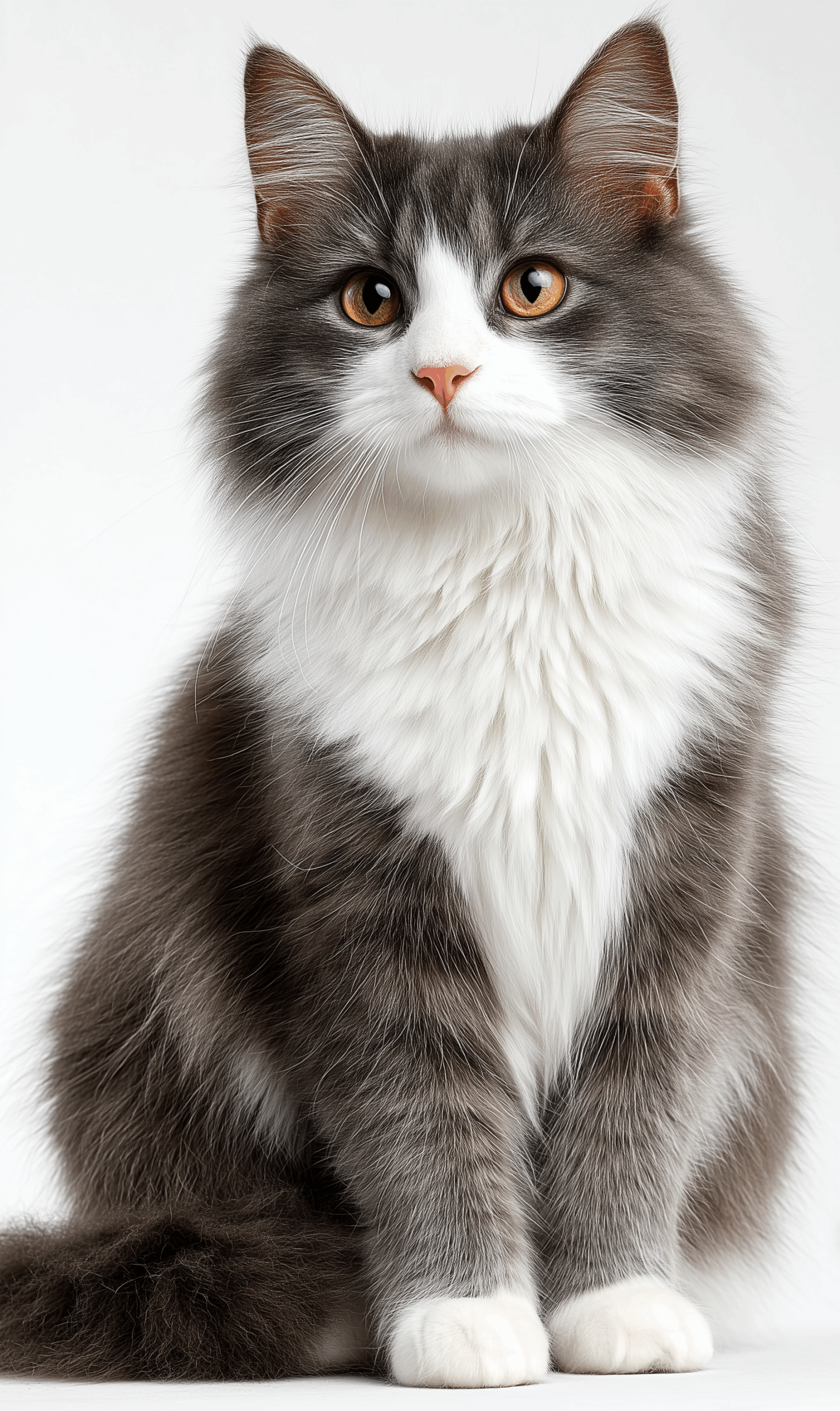
Ragamuffin Lifespan: How Long Do Ragamuffin Cats Live?
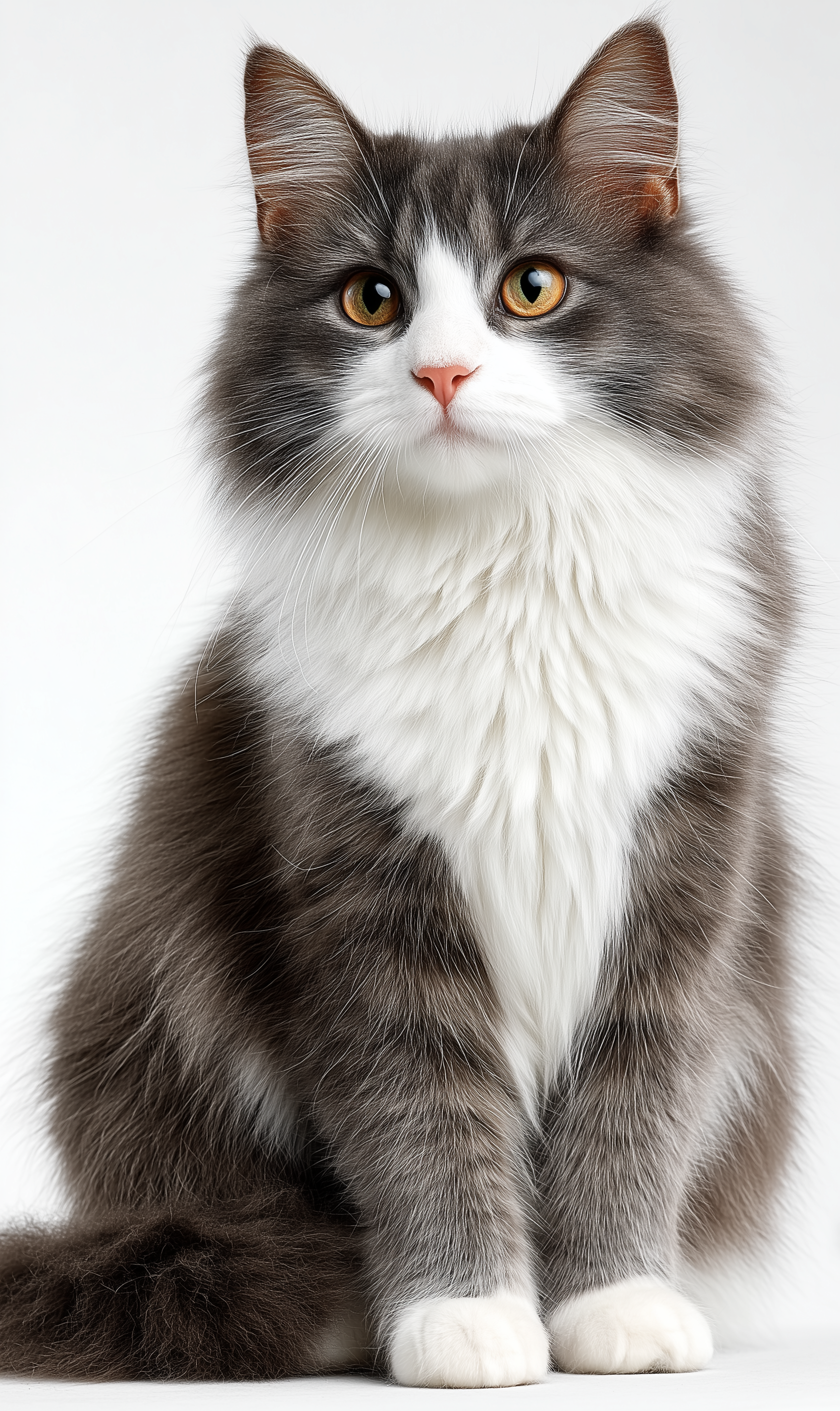
What is a Ragamuffins cats lifespan? Ragamuffins are known for their gentle temperament, teddy-bear appearance, and sweet, affectionate personalities — and one of the biggest questions families ask is how long a Ragamuffin cat typically lives. Fortunately, Ragamuffins are considered a long-lived breed, with many thriving well into their late teens when raised indoors with proper care.
Even though some registries handle Ragamuffin pedigrees differently, the lifespan of a true Ragamuffin is remarkably stable. Their longevity comes from their large genetic foundation, diverse ancestry, and calm, low-stress demeanor. This makes the Ragamuffin an excellent choice for families wanting a predictable, affectionate, companion-style cat with impressive long-term health potential.
Below you’ll find a full breakdown of the Ragamuffin average lifespan, indoor vs outdoor life expectancy, senior care guidance, what shortens or extends a Ragamuffin’s lifespan, and how Ragamuffins compare to similar breeds like Ragdolls.
Ragamuffin Lifespan Summary Table
| Category | Lifespan Range | Notes |
|---|---|---|
| Typical Ragamuffin Lifespan | 14–18 years | Many reach late teens with proper care |
| Indoor Ragamuffin Lifespan | 15–20 years | Indoor living greatly increases longevity |
| Outdoor Ragamuffin Lifespan | 8–12 years | Environmental risks shorten lifespan |
| Ragamuffin Mix Lifespan | 14–20 years | Often long-lived due to genetic diversity |
| Senior Ragamuffin Age | 10–12 years | Begin senior transition slightly later than average |
| Long-Lived Ragamuffins | 18–21+ years | Seen in cats with excellent genetics and weight control |
| Average Domestic Cat Lifespan | 12–15 years | Ragamuffins typically live longer than domestic cats |
Ragamuffin Lifespan: How Long Do Ragamuffins Live?
The Ragamuffin lifespan generally ranges from 14 to 18 years, with many well-bred indoor cats living into their late teens or early twenties. As one of the most people-oriented and relaxed cat breeds, Ragamuffins benefit from a naturally calm temperament that reduces stress — a key factor in promoting long-term health.
Their large genetic foundation and intentional development with multiple outcross breeds gave Ragamuffins a healthy, robust structure. While they share some ancestry with the Ragdoll, Ragamuffins tend to be slightly more genetically diverse, which supports longevity and overall vitality.
Ragamuffins also mature slowly, developing steadily over several years, which contributes to healthier joints, stronger bones, and a more stable aging process.
Families looking for a long-lived, affectionate companion often find Ragamuffins to be one of the best choices among large, cuddly, companion-style breeds.
Why Ragamuffins Live So Long
Ragamuffins have several traits that support their impressive lifespan:
1. Robust Genetic Foundation
Ragamuffins were intentionally developed using diverse longhair cats, which helped reduce inherited disease concentration and strengthened baseline health.
2. Calm, Low-Stress Temperament
Their gentle, mellow nature supports heart health, hormonal balance, and overall longevity.
3. Slow, Even Maturation
Ragamuffins grow slowly over 3–5 years, which places less strain on joints and metabolism compared to fast-growing breeds.
4. Highly Adaptable Personality
They thrive in stable, loving homes where emotional wellbeing directly supports physical health.
5. Strong Musculoskeletal Structure
Unlike some extreme breeds, Ragamuffins do not suffer from structural deformities that shorten lifespan.
These traits combine to make the Ragamuffin one of the longest-lived companion cat breeds.
Indoor vs Outdoor Ragamuffin Lifespan
Like all pedigreed cats, Ragamuffin lifespan varies dramatically depending on whether the cat lives indoors or outdoors.
Indoor Ragamuffin Lifespan: 15–20 Years
Indoor Ragamuffins benefit from:
- reduced risk of trauma
- consistent nutrition
- stable weight
- protection from predators
- fewer infections and parasites
- safer, controlled environment
- reduced stress and anxiety
An indoor Ragamuffins often display kitten-like affection well into their senior years thanks to low-impact living and predictable routines.
Outdoor Ragamuffin Lifespan: 8–12 Years
Outdoor living exposes Ragamuffins to hazards that significantly shorten lifespan, including:
- traffic
- predators
- territorial fights
- toxins
- infectious diseases
- harsh weather
- accidental injuries
Because Ragamuffins are trusting and people-oriented, they are not suited for outdoor life. Indoors, they live longer and remain safer, calmer, and healthier.
Ragamuffin Senior Age: When Does a Ragamuffin Become a “Senior”?
Ragamuffins typically enter their senior stage between 10 and 12 years old, slightly later than many breeds. Their slow, steady metabolism allows them to age gracefully, maintaining affectionate personalities and soft coats well into their teens.
Signs that a Ragamuffin is entering seniorhood include:
- deeper sleep cycles
- slower, more deliberate walking
- reduced jumping height
- increased napping
- mild stiffness after resting
- subtle muscle loss
Even in their senior years, Ragamuffins remain deeply bonded to their families, thriving on gentle affection and warm resting areas.
Ragamuffin Average Lifespan: Why Some Live Longer Than Others
While many Ragamuffins reach the 15–18 year range, several factors influence whether a cat lives toward the upper or lower end of that spectrum. These include:
Genetics
Well-bred Ragamuffins from multi-generation lines tend to have fewer inherited issues and reliably longer lives.
Indoor Lifestyle
Indoor Ragamuffins routinely live several years longer than outdoor cats.
High-Protein Diet
Moisture-rich, protein-focused diets promote heart, kidney, and joint health.
Healthy Weight
Obesity shortens lifespan dramatically — maintaining a lean body adds years to a Ragamuffin’s life.
Routine Veterinary Care
Early detection of dental disease, kidney changes, thyroid shifts, or joint stiffness preserves long-term health.
How Ragamuffins Age: Understanding Their Slow Maturation
Ragamuffins are a slow-maturing breed, taking 3 to 5 years to reach full size, coat density, and muscular development. This extended development period plays a significant role in their long-term health and lifespan. Unlike fast-growing breeds that experience rapid skeletal and metabolic stress during kittenhood, Ragamuffins grow steadily and evenly, allowing their joints, bones, and organs time to develop at a natural pace.
This slow maturation supports:
- stronger musculoskeletal structure
- healthier joint alignment
- reduced risk of early arthritis
- a more stable metabolism
- longevity well into the late teens
Even as adults, Ragamuffins show a “kitten-like” softness in personality. Their emotional evenness and low-stress behavior contribute directly to healthy aging. These cats avoid the adrenal surges common in more reactive breeds, which helps preserve long-term organ health.
Because Ragamuffins distribute energy steadily instead of in bursts, their bodies experience less wear over time. This is a major reason why the breed consistently falls into the upper range of cat lifespans.
Common Health Factors That Influence Ragamuffin Lifespan
While Ragamuffins are robust compared to many purebred cats, several health factors can affect their lifespan. Some are genetic; others are lifestyle-driven. Understanding these factors helps owners support long-term comfort and health.
1. Heart Health
Ragamuffins may inherit heart conditions occasionally seen in longhair breeds, though responsible lines are regularly screened. Early detection through routine veterinary care helps manage long-term wellbeing.
2. Obesity
Because Ragamuffins are calm and people-oriented, they can easily slide into a sedentary lifestyle. Excess weight is one of the most significant threats to their lifespan. Obesity increases the risk of:
- diabetes
- arthritis
- kidney disease
- heart strain
Maintaining a lean body is one of the strongest predictors of longevity.
3. Kidney Aging
Like many long-lived breeds, Ragamuffins may experience gradual kidney changes in late adulthood. Hydration support and wet food are essential for maintaining long-term organ health.
4. Dental Health
Dental disease is common in older Ragamuffins if not monitored. Chronic dental inflammation affects heart and kidney health, shortening lifespan.
5. Stress Levels
Ragamuffins do poorly in high-stress homes. Their emotional sensitivity means that chronic stress can reduce appetite, weaken immunity, and shorten lifespan. Calm, predictable homes support the best outcomes.
Understanding these factors allows families to create a proactive health plan that maximizes lifespan and comfort.
Indoor vs Outdoor Lifestyle: How Environment Changes Longevity
A Ragamuffin’s environment has a direct impact on lifespan — even more than breed genetics. Indoor Ragamuffins consistently live longer because they avoid physical dangers and emotional stress.
Ragamuffin Indoor Environment Benefits
Indoor Ragamuffins typically enjoy:
- stable temperatures
- reduced joint strain
- safe, soft landing areas
- consistent diet and hydration
- low exposure to parasites
- fewer traumatic injuries
Because the breed is gentle and trusting, they are not equipped to defend themselves outdoors. Their calm nature, while beautiful, makes them vulnerable in unpredictable environments.
Outdoor Risk Factors
Outdoor Ragamuffins face a dramatically shorter life expectancy (8–12 years). Risks include:
- speeding cars
- wildlife and stray animals
- cold weather that stiffens joints
- toxic plants or chemicals
- infections and parasites
- territorial conflicts
Outdoor life also increases stress hormones, which, when chronically elevated, reduce lifespan.
Compromise Option: Catios & Enclosed Spaces
For families wanting safe enrichment, catios or enclosed patios offer a perfect balance. Ragamuffins enjoy fresh air without the risks of free-roaming outdoor life.
Ragamuffin Senior Care: Supporting Healthy Aging
Ragamuffins generally enter seniorhood around 10–12 years old, but their aging process is gradual and graceful. With proper senior care, many live comfortably well into their late teens.
1. Joint Comfort & Accessibility
Even though Ragamuffins do not have structural deformities, senior joints benefit from:
- orthopedic beds
- ramps leading to favorite spots
- warm sleeping areas
- low-entry litter boxes
Supporting their mobility helps prevent discomfort and preserves independence.
2. Hydration Support
Senior Ragamuffins often drink less, placing strain on kidneys. Hydration boosters like wet food, fountains, broth toppers, or gentle water additives help increase fluid intake.
3. High-Quality Nutrition
Senior diets should be:
- high-protein
- moisture-rich
- low in unnecessary carbs
- fortified with joint-support supplements
A lean senior Ragamuffin will always live longer than an overweight one.
4. Twice-Yearly Veterinary Visits
Senior Ragamuffins benefit from biannual exams that screen for:
- kidney changes
- heart conditions
- thyroid shifts
- dental disease
- early arthritis
Early detection adds years to their comfortable lifespan.
5. Environmental Stability
Older Ragamuffins rely heavily on routine. Avoid sudden changes in furniture placement, feeding schedules, or household noise levels. Stability supports emotional wellbeing and reduces stress-related health issues.
Ragamuffin Lifespan vs Other Breeds
| Breed | Average Lifespan | Notes |
|---|---|---|
| Ragamuffin | 14–18 years | Calm, long-lived, genetically diverse |
| Ragdoll | 12–15 years | Softer structure, more sensitive systems |
| British Shorthair | 14–20 years | One of the longest-lived purebreds |
| Maine Coon | 13–15 years | Larger breed; slow to age |
| Siberian | 12–16 years | Moderate longevity |
| Domestic Longhair | 12–15 years | Highly variable |
| Persian | 12–15 years | Brachycephalic health factors can shorten lifespan |
Ragamuffins perform well compared to most purebreds, typically matching or outperforming domestic longhair cats in longevity. Their calm temperament and gentle metabolism support long-term health.
What Shortens Ragamuffin Lifespan?
Several avoidable factors can shorten a Ragamuffin’s lifespan. Managing these risks dramatically increases life expectancy.
1. Obesity
Extra weight accelerates arthritis, diabetes, heart strain, and kidney aging.
2. Chronic Stress
Stress weakens immunity, disrupts appetite, and reduces overall health longevity.
3. Poor Dental Care
Unchecked dental disease leads to systemic inflammation affecting the kidneys and heart.
4. Outdoor Living
Outdoor Ragamuffins face multiple life-threatening hazards that reduce lifespan by several years.
5. Lack of Preventive Veterinary Care
Without early detection, chronic conditions progress silently until they become difficult to treat.
6. Low-Quality Diet
Highly processed, low-protein diets contribute to obesity, poor coat health, and early organ decline.
7. Lack of Hydration
Dehydration is one of the most common health issues in senior cats and accelerates kidney disease.
A proactive lifestyle and attentive care can add years to a Ragamuffin’s life.
How to Increase a Ragamuffin’s Lifespan
Ragamuffins already have one of the longest lifespans among companion cat breeds, but targeted lifestyle management can extend their healthy years dramatically. Because Ragamuffins thrive in calm, cozy environments and bond closely with their families, daily choices around enrichment, nutrition, and wellness care play a pivotal role in determining both lifespan and overall comfort.
1. Keep Them Strictly Indoors
Indoor living consistently adds 3–6 extra years to a Ragamuffin’s lifespan. A secure home environment eliminates outdoor threats such as cars, predators, toxins, territorial fights, and infection exposure. Since Ragamuffins are gentle and trusting, they are particularly vulnerable outdoors.
2. Maintain a Lean, Muscular Body Condition
Obesity is one of the strongest predictors of early health decline in any cat breed — but especially in laid-back breeds like Ragamuffins. Lean cats live substantially longer, experience fewer joint issues, and maintain better kidney and heart health. Feeding controlled portions and encouraging light daily exercise can add years to their life.
3. Prioritize a High-Protein, Moisture-Rich Diet
Protein maintains muscle mass and supports organ function. Moisture-rich diets reduce strain on kidneys and urinary health, especially as cats age. Wet food, hydration toppers, and fountains help Ragamuffins stay hydrated and healthy for the long term.
4. Provide Regular Enrichment and Gentle Activity
While not as active as athletic breeds, Ragamuffins benefit from daily play sessions. Gentle wand toys, puzzle feeders, hide-and-seek toys, and window bird feeders help maintain muscle tone and mental stimulation — crucial factors for long-term health.
5. Maintain Routine Veterinary Care
Annual wellness exams (twice yearly for seniors) allow early detection of heart changes, kidney shifts, dental disease, and thyroid issues. Catching these early significantly improves lifespan.
6. Create a Low-Stress Home Environment
Ragamuffins are deeply emotional cats. Stable routines, soft voices, calm households, and gentle interactions positively influence their long-term health. Their physical health and emotional wellbeing are strongly linked.
Do Male or Female Ragamuffins Live Longer?
Ragamuffins show little to no difference in lifespan between males and females. Both sexes routinely reach 14–18 years, provided they are kept indoors and receive proper care.
However, several factors influence their longevity more than gender:
1. Spay/Neuter Status
Altered cats tend to live longer, as spaying and neutering:
- reduces hormone-driven stress
- lowers roaming behavior
- decreases risk of reproductive cancers
- stabilizes weight and metabolism
2. Body Condition
Lean cats — regardless of sex — live significantly longer.
3. Genetics
Lines bred with proper record-keeping and reduced inbreeding represent the longest-lived Ragamuffins.
4. Environment
Indoor, stable, low-stress homes support long-term health far more than gender.
In short, a well-cared-for Ragamuffin male can live just as long as a well-cared-for female. Lifestyle has a far stronger impact than sex.
Ragamuffin Mix Lifespan
Ragamuffin mixes tend to live 14–20 years, depending on inherited traits and lifestyle. Mixed-breed cats often benefit from genetic diversity, known as “hybrid vigor,” which may reduce the likelihood of certain inherited diseases.
If the mix inherits Ragamuffin temperament:
They may share the calm, affectionate, low-stress characteristics that support long life expectancy.
If the mix inherits Ragamuffin structure:
They typically maintain the breed’s healthy musculoskeletal build without extreme conformational traits.
If the mix inherits traits from a shorter-lived breed:
Lifespan may shift toward the shorter end, typically 12–15 years.
Indoor Ragamuffin mixes
These are the most long-lived, often reaching mid to late teens or early twenties, especially if they maintain a lean body condition and receive consistent veterinary care.
Ragamuffin Lifespan Chart
| Category | Lifespan Range | Notes |
|---|---|---|
| Ragamuffin Average Lifespan | 14–18 years | Typical for healthy indoor cats |
| Indoor Ragamuffin Lifespan | 15–20 years | Longer due to reduced risks |
| Outdoor Ragamuffin Lifespan | 8–12 years | Environmental dangers shorten lifespan |
| Long-Lived Ragamuffins | 18–21+ years | Strong genetics + excellent care |
| Senior Ragamuffin Age | 10–12 years | Begin to show gentle signs of aging |
| Ragamuffin Mix Lifespan | 14–20 years | Highly variable; often long-lived |
This chart can appear near the top or middle of your article for SEO snippet capture.
Environmental Factors That Influence Ragamuffin Longevity
Ragamuffins age best in quiet, stable households with soft surfaces, warm resting spots, and predictable routines. Because they are emotionally sensitive and strongly attached to their people, their environment has a direct influence on long-term wellbeing.
1. Stability Reduces Stress
Ragamuffins do not thrive in chaotic or constantly changing homes. Stress suppresses immunity and can shorten lifespan.
2. Soft Surfaces Protect Joints
Even though Ragamuffins don’t have structural deformities, senior joints benefit from padded landing zones and warm resting areas.
3. Temperature Regulation
Ragamuffins are more comfortable in warm environments, especially as they develop senior stiffness.
4. Safe Exploration Without Risk
Cat trees with gradual steps, window seats, and soft ramps support mobility throughout life.
5. Access to Hydration
Water fountains, broth toppers, and hydration stations reduce kidney strain and support overall health.
A thoughtful environment can add years to a Ragamuffin’s lifespan simply by reducing stress, protecting joints, and promoting hydration.
Do Ragamuffins Age Earlier or Later Than Other Cats?
Ragamuffins age later than most breeds due to their:
- slow maturation
- calm, steady metabolism
- low stress levels
- stable musculoskeletal build
Most cats enter seniorhood at 9–10 years old, while Ragamuffins often remain youthful until 10–12. Their coats stay soft, and their personalities remain sweet, social, and affectionate far into adulthood.
Signs of aging tend to appear gently — not abruptly — and gradually increase over several years. The gentleness of this transition is one reason Ragamuffins are beloved as long-term companion animals.
Ragamuffin vs Similar Breeds
| Breed | Lifespan | Notes |
|---|---|---|
| Ragamuffin | 14–18+ | Long-lived, calm, genetically diverse |
| Ragdoll | 12–15 | Shorter lifespan on average |
| Maine Coon | 13–15 | Large breed = shorter lifespan |
| Persian | 12–15 | Brachycephalic health |
| Siberian | 12–16 | Moderate longevity |
What Affects Ragamuffin Lifespan Most?
Although Ragamuffins are naturally long-lived, several key factors influence whether an individual cat reaches the upper end of the 18–21+ year range or closer to the 12–14-year range. Because the breed is emotionally sensitive and physically slow-maturing, both internal and external influences shape their longevity.
1. Genetics and Breeding Quality
Ragamuffins from multi-generation pedigrees and responsible programs typically enjoy stable, predictable health. Ethical breeders prioritize temperament, genetic diversity, and structural soundness — all longevity traits. Poorly bred lines may show earlier kidney changes, weaker dental constitution, or temperament-related stress, which shortens life expectancy.
2. Weight Management
Ragamuffins gain weight easily because they are calm and affectionate rather than athletic. Excess weight is one of the most significant threats to their health, influencing joint function, kidney performance, insulin regulation, and longevity overall.
3. Indoor vs Outdoor Lifestyle
Indoor Ragamuffins live substantially longer. Outdoor dangers — predators, cars, disease exposure, toxic plants, and territorial conflicts — shorten life expectancy dramatically. Ragamuffins should never free-roam outdoors due to their trusting nature.
4. Nutrition and Hydration Levels
High-quality diets rich in animal protein support muscle tone, heart function, and organ health. Hydration plays a major role in preventing kidney aging and urinary issues, especially as cats enter their senior years.
5. Stress and Emotional Stability
Ragamuffins are deeply dependent on environmental stability. Noise, chaos, aggressive pets, or unstable home environments can trigger stress reactions that disrupt appetite and immunity. Calm homes allow them to thrive into their late teens.
6. Access to Veterinary Care
Routine exams allow early detection of underlying issues like kidney decline, dental disease, thyroid shifts, or heart murmurs. Early intervention often adds years to a Ragamuffin’s healthy lifespan.
Early Signs of Aging in Ragamuffins
Ragamuffins age gracefully, but the earliest signs of aging often appear quietly. Understanding these subtle changes helps families take early steps to support comfort and long-term health.
1. Reduced Jumping Height
One of the earliest signs is difficulty jumping onto high surfaces. Ragamuffins may seek lower perches or require ramps for favorite spots.
2. Longer Recovery After Play
You may notice stiffness or extended naps after an active play session. This is normal as joints lose some elasticity with age.
3. Softer Muscle Tone
Muscle mass slowly diminishes around age 9–12 unless the cat receives consistent activity and good nutrition.
4. Increased Napping and Deep Sleep Cycles
Senior Ragamuffins may sleep 18–20 hours per day, and their sleep becomes deeper.
5. Gradual Weight Changes
Some seniors lose weight due to reduced muscle mass, while others gain weight due to decreased activity.
6. Slower Grooming Habits
Older Ragamuffins may groom less thoroughly, especially around the hindquarters. This is a common early senior sign.
7. Subtle Shifts in Personality
Changes may include quieter behavior, reduced exploration, or increased desire for closeness and reassurance.
Recognizing early aging signs helps owners adjust the environment and care routine to maintain comfort.
Diet for Longevity: What Ragamuffins Should Eat to Live Longer
Nutrition is one of the strongest predictors of how long a Ragamuffin will live. A high-quality diet maintains organ function, protects kidneys, stabilizes weight, and supports coat and skin health.
1. High-Protein Wet Food as the Foundation
Ragamuffins benefit from a diet based on moisture-rich, high-protein wet food. Protein maintains muscle tone, which stabilizes joints and metabolism. Hydration supports kidney health and reduces urinary issues.
2. Controlled Feeding, Not Free-Feeding
Because Ragamuffins love to graze and lounge, free-feeding easily leads to obesity. Measured meals support a lean body condition and long-term health.
3. Fish-Based Omega-3s
EPA and DHA support joint comfort, reduce inflammation, and improve cognitive function — especially in seniors.
4. Raw or Lightly Cooked Additives (Optional)
Small additions of cooked chicken, sardines packed in water, or freeze-dried treats can boost protein quality without overloading calories.
5. Low-Carbohydrate Formulas
Avoid carb-heavy dry foods, which promote weight gain and reduce hydration.
A healthy diet can easily extend a Ragamuffin’s lifespan by several years and significantly improve quality of life.
Ragamuffin Lifespan vs Ragdoll Lifespan
Ragamuffins and Ragdolls share ancestry, but their lifespans differ slightly due to breeding history, genetic diversity, and environmental influences.
Ragamuffin Lifespan: 14–18 Years (Often 20+)
Ragamuffins generally have broader genetic foundations due to early outcrossing. They are robust, calm, and slow-aging cats.
Ragdoll Lifespan: 12–15 Years
Ragdolls may have slightly shorter lifespans due to a narrower genetic base and more pronounced tendencies toward certain health concerns.
Temperament Influence
Ragamuffins are equally calm but slightly more adaptable than Ragdolls, which supports long-term emotional and physical wellbeing.
Which Lives Longer?
While both are affectionate, gentle breeds, Ragamuffins often live several years longer on average, especially when kept indoors.
Senior Ragamuffin Care: Extending the Later Years
Ragamuffins age gracefully but benefit greatly from targeted senior support between ages 10–12 and onward.
1. Provide Soft Bedding & Warm Sleeping Areas
Warmth helps reduce stiffness and supports comfortable movement.
2. Add Ramps and Lower Perches
As joints stiffen, accessing beds, sofas, and favorite windows becomes easier with gradual incline ramps.
3. Support Hydration
Senior kidneys require moisture. Wet food, fountains, and broth toppers should be routine components of daily care.
4. Maintain Gentle Exercise
Short play sessions support muscle tone, reduce stiffness, and help manage weight.
5. Increase Veterinary Monitoring
Twice-yearly exams help detect early kidney, thyroid, or heart changes typical of senior cats.
6. Adjust Litter Box Accessibility
Lower entry boxes help senior Ragamuffins avoid strain during elimination.
With proper support, senior Ragamuffins can enjoy comfort and stability well into their late teens.
Ragamuffin Lifespan FAQ
1. What is the typical Ragamuffin lifespan?
The average Ragamuffin lifespan is 14–18 years, with many living into the 19–21 year range when raised indoors with high-quality nutrition and consistent veterinary care. Their slow aging and gentle temperament support exceptional longevity.
2. Are Ragamuffins considered a long-lived breed?
Yes. Ragamuffins are among the longest-lived longhair breeds, consistently outperforming breeds like Persians, Maine Coons, Ragdolls, and Siberians. Their calm temperament and balanced structure contribute to this trait.
3. How long do Ragamuffins live indoors?
Indoor Ragamuffins generally live 15–20 years, with many reaching senior ages comfortably thanks to reduced environmental risks and low-impact lifestyles.
4. How long do Ragamuffins live outdoors?
Outdoor Ragamuffins typically live only 8–12 years. Cars, predators, territorial fights, toxins, and infections dramatically shorten lifespan. Because Ragamuffins are gentle and trusting, they should never roam outdoors.
5. What is the longest a Ragamuffin can live?
Exceptionally healthy Ragamuffins with excellent genetics often live 20–21+ years. These long-lived cats maintain lean body weight, remain indoors, and receive consistent preventive care.
6. Do male or female Ragamuffins live longer?
Both genders have similar lifespans. Spayed and neutered Ragamuffins typically live several years longer than intact cats due to reduced stress and lower cancer risks.
7. Do Ragamuffins live longer than Ragdolls?
Yes. While Ragdolls average 12–15 years, Ragamuffins average 14–18 years, often living several years longer because of broader genetic diversity and slightly more stable health.
8. What health issues affect Ragamuffin lifespan?
Most Ragamuffins are healthy, but lifespan may be influenced by:
- obesity
- dental disease
- kidney aging
- heart murmurs (uncommon but possible)
- thyroid shifts in old age
Good preventive care greatly reduces these risks.
9. Does stress shorten a Ragamuffin’s life?
Yes. Ragamuffins are emotionally sensitive and thrive on calm environments. Chronic stress suppresses the immune system and can shorten overall lifespan. Stable homes help them reach late-teen years.
10. Are Ragamuffins prone to obesity?
Yes. Their mellow temperament makes them low-activity cats by nature. Obesity is one of the most significant threats to their health and can reduce lifespan by several years.
11. How can I tell if my Ragamuffin is becoming a senior?
Senior signs often appear between 10–12 years and may include:
- deeper sleep
- slower jumping
- reduced grooming
- muscle softening
- slightly lower activity levels
Ragamuffins remain affectionate well into seniorhood.
12. What food helps Ragamuffins live longer?
A moisture-rich, high-protein diet with limited carbohydrates supports longevity. Wet food, omega-3s, and hydration boosters help maintain kidney and muscle health.
13. Do Ragamuffins get arthritis?
They can, particularly in late life — but not at the elevated rate seen in structurally extreme breeds. Maintaining lean weight helps delay or reduce arthritis severity.
14. Do Ragamuffins need special senior care?
Senior Ragamuffins benefit from:
- warm bedding
- lower litter box entry
- hydration support
- gentle daily exercise
- semiannual vet visits
These adjustments extend longevity and comfort.
15. How long do Ragamuffin mixes live?
Ragamuffin mixes often live 14–20+ years, especially when kept indoors. Mixed ancestry can increase genetic vigor, supporting longer lifespan.
16. Do Ragamuffins stay playful as they age?
Yes. Many remain kitten-like well into their teens, enjoying gentle play, cuddles, and routine-based enrichment.
17. Do Ragamuffins age slower than other breeds?
Yes. Ragamuffins tend to age more slowly due to their calm emotional profile and steady metabolism. They often do not show senior signs until 10+ years.
18. What shortens a Ragamuffin’s lifespan the most?
Major factors include obesity, outdoor hazards, dental neglect, chronic stress, dehydration, and lack of preventive care.
19. Can Ragamuffins live in apartments?
Absolutely. Their calm demeanor and low activity needs make apartments ideal, leading to safer, longer lives.
20. Does grooming affect Ragamuffin lifespan?
Indirectly, yes. Grooming helps prevent mats, reduces hairballs, and allows early detection of weight/mobility changes — all important for long-term health.
21. Does hydration impact how long Ragamuffins live?
Yes. Hydration is one of the biggest longevity factors. Wet food and fountains support kidney health and reduce urinary issues.
22. How often should senior Ragamuffins visit the vet?
Senior Ragamuffins benefit from twice-yearly exams to detect early kidney, heart, thyroid, and dental changes.
23. What is the best environment for a long-lived Ragamuffin?
A quiet indoor home with stable routines, warm sleeping areas, regular enrichment, and lots of affection.
24. Do Ragamuffins develop kidney disease?
Many long-lived cats do exhibit mild kidney changes in their late teens. Hydration and early detection help prolong comfort.
25. Do Ragamuffins have breathing problems like Persians?
No. They do not have brachycephalic features. Their nasal structure supports healthy breathing, which contributes positively to longevity.
26. Are Ragamuffins good with children and seniors?
Yes — and this emotional stability supports long-term health. Low-stress interactions are ideal for longevity.
27. Do Ragamuffins hide pain?
Like all cats, yes. Subtle signs include avoiding high jumps, reduced grooming, or increased napping.
28. What age do most Ragamuffins slow down?
Most show soft behavioral slowing around 9–11 years, though many remain very affectionate and interactive well past this point.
29. Is it normal for Ragamuffins to sleep more as they age?
Yes. Senior Ragamuffins often sleep 18+ hours a day, conserving energy and reducing physical strain — completely normal for long-lived cats.
30. Can a Ragamuffin realistically live past 20?
Yes. Many have. With clean indoor lifestyles, excellent genetics, hydration support, and regular veterinary care, 20–21 years is attainable.
More Articles from Almonte Cats
- Why You Need a Golden British Shorthair
- Russian Blue vs British Shorthair Comparison
- British Shorthair Kitten Growth Stages
- British Shorthairs with Green Eyes
- British Shorthair vs Ragdoll Cats
Sources & Veterinary References
- The International Cat Association (TICA) – British Shorthair Breed Standard
https://tica.org/breeds/breed-standards/british-shorthair-bs - Cat Fanciers’ Association (CFA) – British Shorthair Breed Profile
https://cfa.org/british-shorthair/ - Cornell Feline Health Center – General Feline Longevity & Senior Care
https://www.vet.cornell.edu/departments-centers-and-institutes/cornell-feline-health-center - American Association of Feline Practitioners – Senior Cat Care Guidelines (AAFP)
https://catvets.com/guidelines - Royal Veterinary College – Longevity & Causes of Death in Cats Study
https://www.rvc.ac.uk/vetcompass - National Library of Medicine – Longevity & Mortality in Domestic Cats (Peer-Reviewed Study)
https://pubmed.ncbi.nlm.nih.gov/30730974/ - American Veterinary Medical Association – Cat Health & Indoor vs Outdoor Safety
https://www.avma.org/resources/pet-owners/petcare/cats-and-outdoors - ASPCA – Indoor Cat Life Expectancy & Safety
https://www.aspca.org/pet-care/cat-care - Wisdom Panel / Optimal Selection – Feline Genetic Health Overview
https://www.wisdompanel.com/en-us/cat - PawPeds – British Shorthair Health Program & Genetic Guidance
https://www.pawpeds.com/cms/index.php/en/ - American College of Veterinary Nutrition (ACVN)
https://acvn.org/ - PetMD – Senior Cat Nutrition & Lifespan Health
https://www.petmd.com/cat






Read the Comments +