
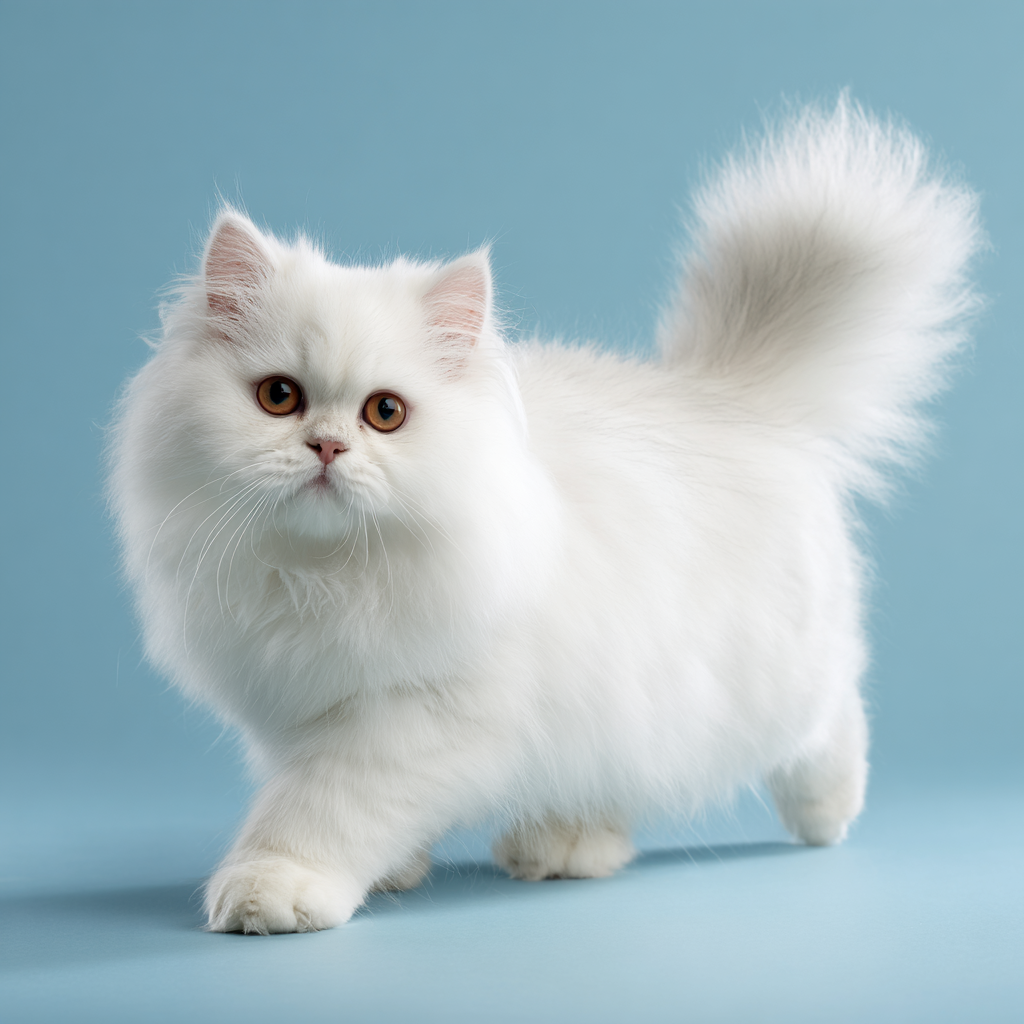
Ragamuffin vs Munchkin: Size, Temperament, Health & Breed Differences
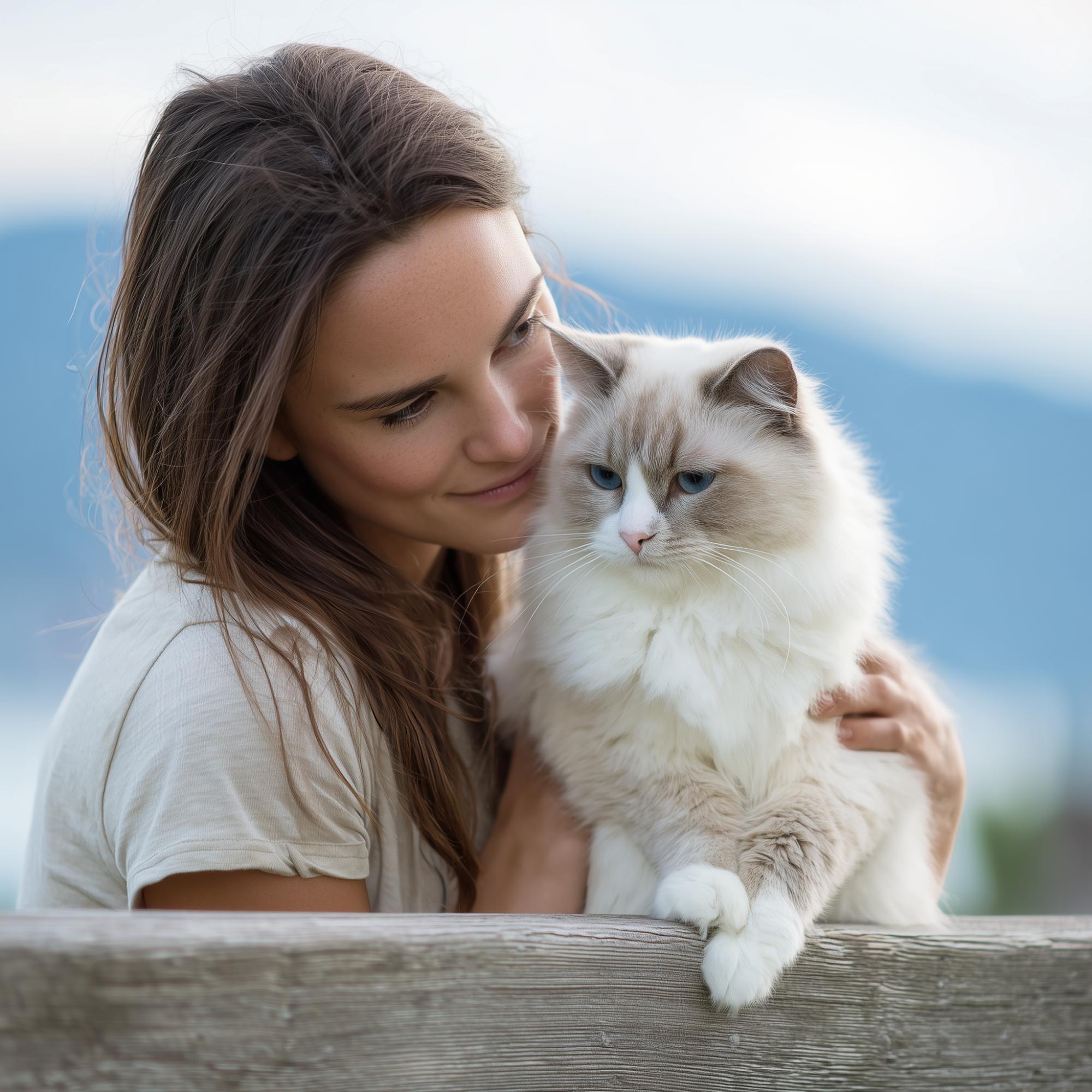
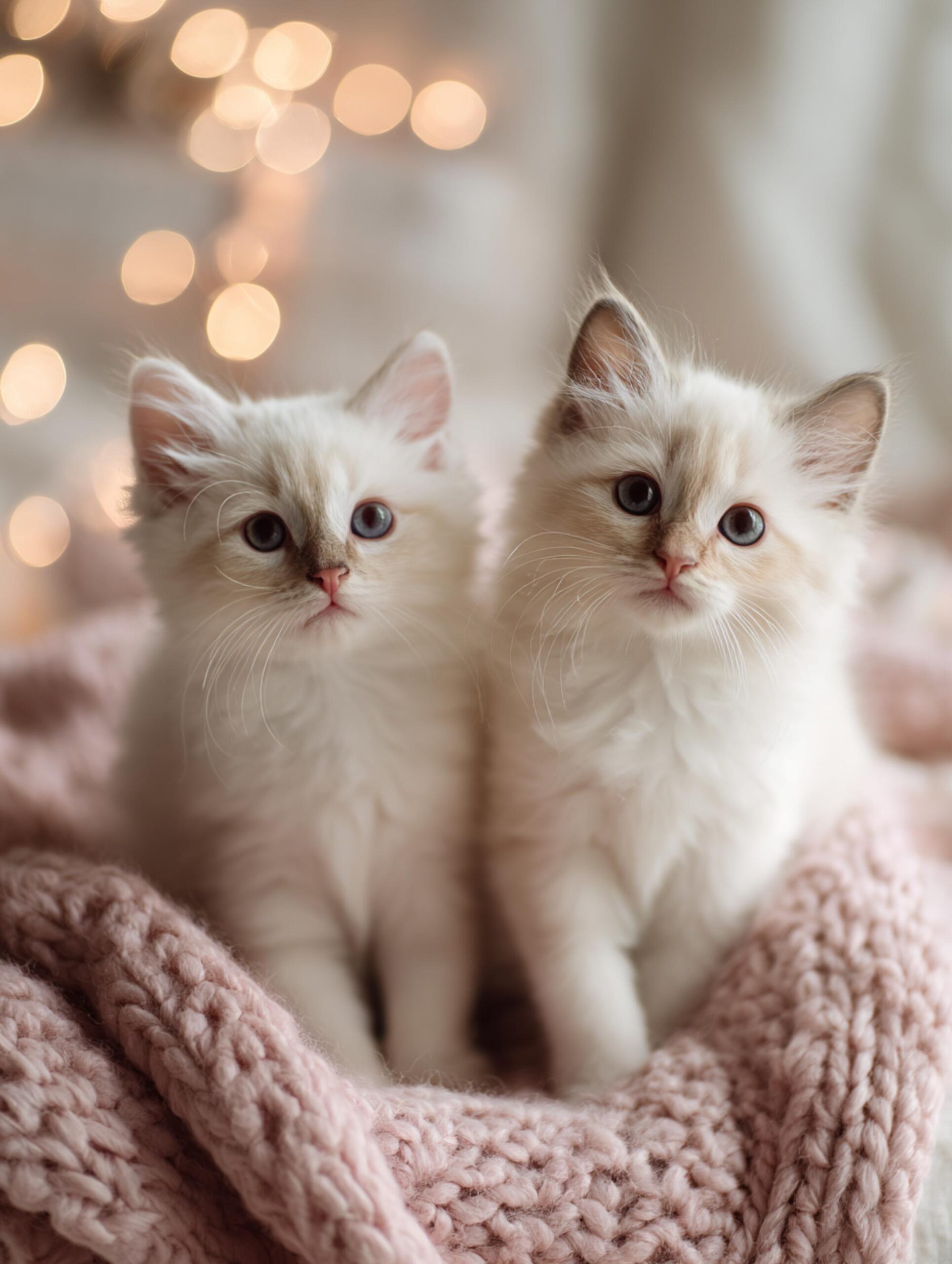
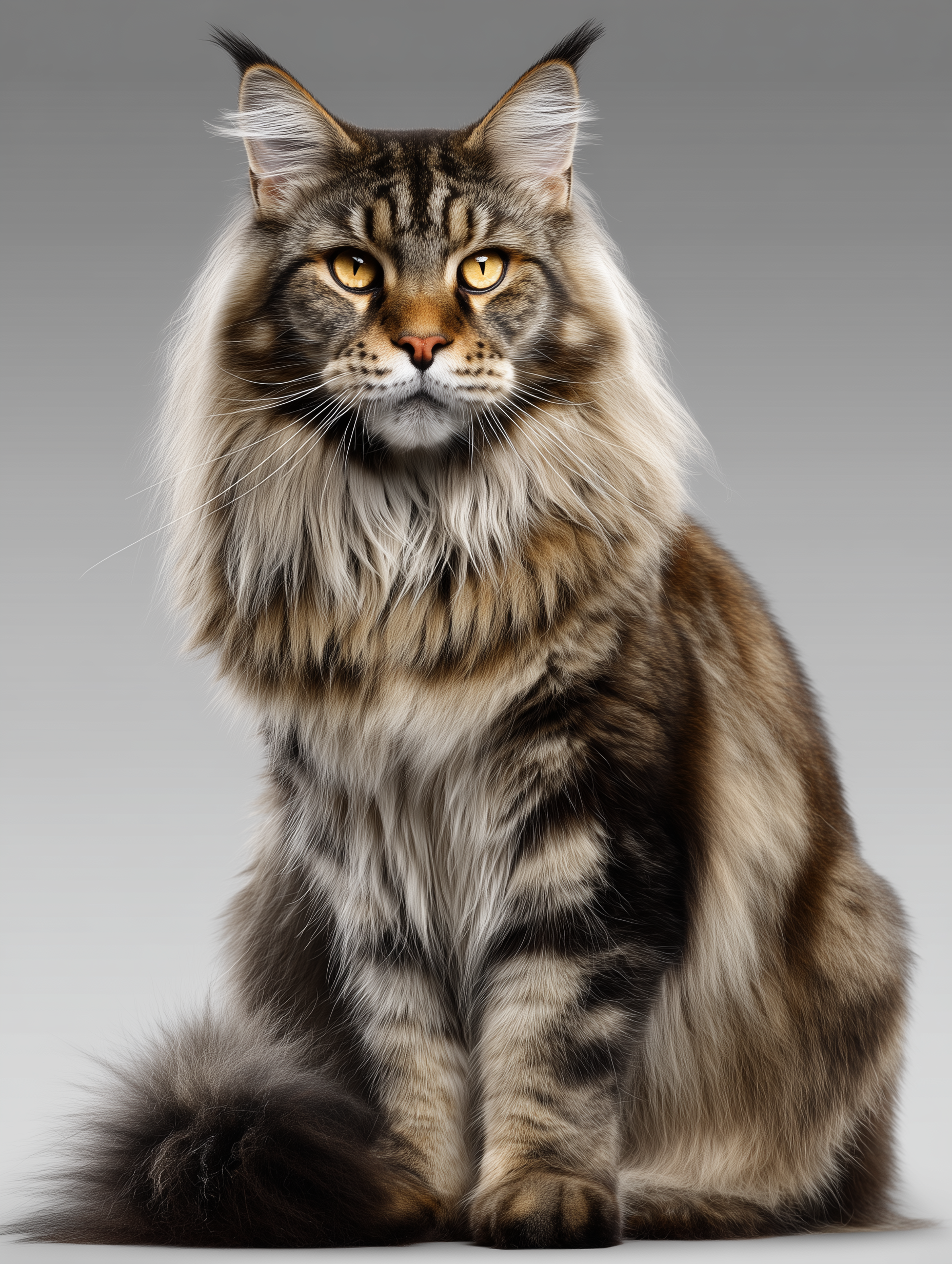
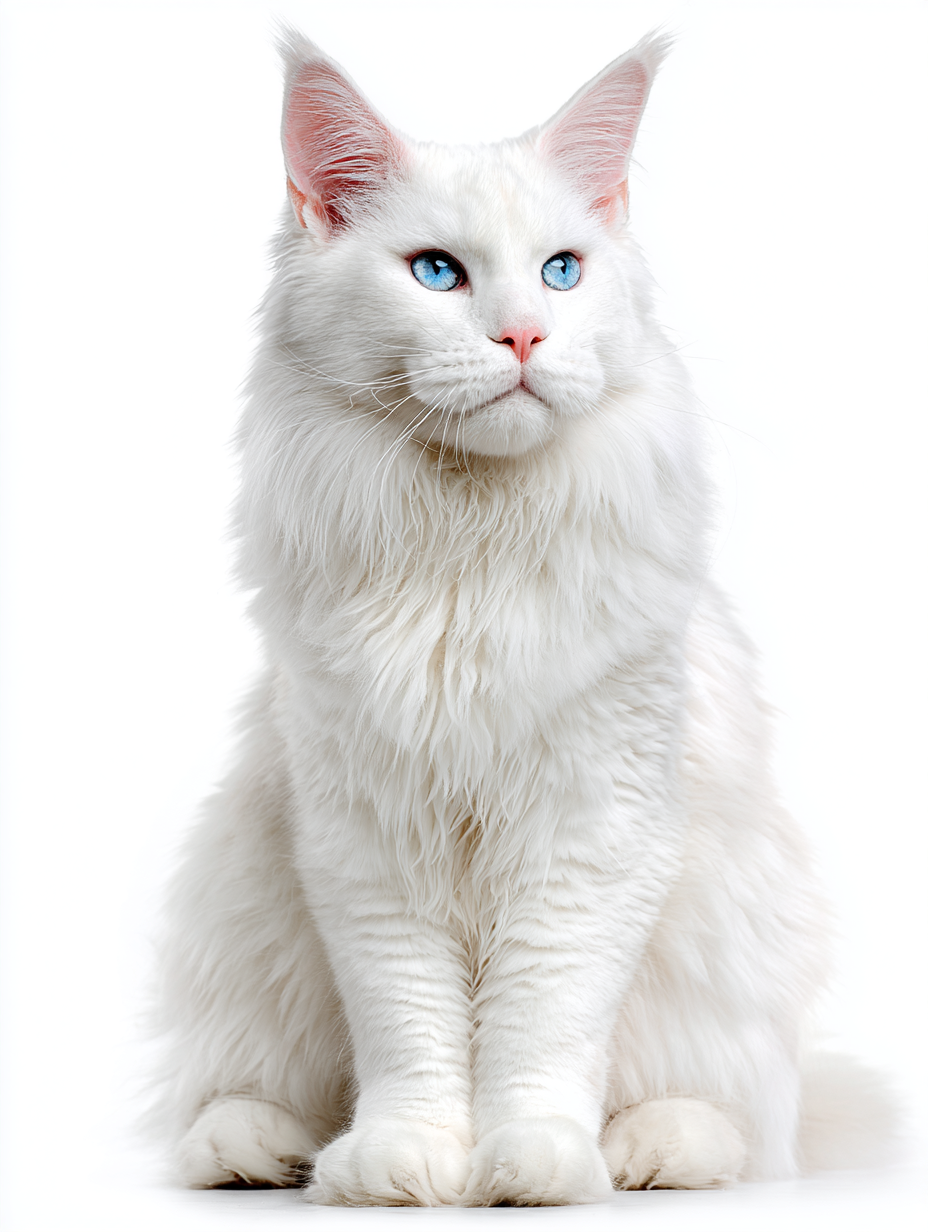
Ragamuffins and Munchkins are both affectionate, social cats with charming personalities — but physically, structurally, and historically, these two breeds couldn’t be more different. Ragamuffins are large, fluffy teddy-bear cats with long bodies, big bones, and round, expressive faces. Munchkins are small to medium cats known for their short legs caused by a natural genetic mutation.
While both breeds make loving companions, they differ dramatically in size, structure, movement, coat type, grooming needs, and predictability. This comparison explains every major difference so families can choose the cat that best fits their lifestyle.
Ragamuffin vs Munchkin: Quick Summary Table
| Feature | Ragamuffin | Munchkin |
|---|---|---|
| Breed Type | Large, gentle longhaired companion cat | Small–medium playful cat with short legs |
| Size | 10–20 lbs; big, plush, teddy-bear build | 6–9 lbs; compact, low-to-the-ground |
| Leg Length | Normal | Short (dominant dwarfism gene) |
| Body Shape | Full, round, heavily boned | Compact, agile, light-boned |
| Coat Type | Plush, dense, long coat | Short or long coat; lighter density |
| Shedding Level | Moderate–heavy | Moderate (short) / Moderate–heavy (long) |
| Temperament | Calm, gentle, affectionate, people-oriented | Playful, curious, energetic, social |
| Trainability | Very easy; calm, routine-driven | Quick learner; playful and toy-motivated |
| Jumping Ability | Normal jumping/climbing | Limited jumping height; prefers ramps |
| Breed Recognition | CFA | TICA (not recognized by CFA) |
| Ideal Home | Calm homes, families, seniors, cuddle-focused owners | Active homes, playful families, interactive owners |
History & Origins of the Ragamuffin and Munchkin
Ragamuffin History
The Ragamuffin is a relatively new breed, developed in the 1990s from Ragdoll lines that were intentionally mixed with Persians, Himalayans, and high-quality domestic longhairs. Breeders wanted to maintain the gentle Ragdoll temperament while introducing more genetic diversity, additional eye colors, and a plushier coat. Since Ragamuffins are newer and come from multiple foundation breeds, they are still less standardized than older breeds but have quickly become known for their sweetness and teddy-bear charm.
Munchkin History
The Munchkin originated in the 1980s when breeders observed naturally occurring short-legged cats in the U.S. The breed’s defining trait — short legs — comes from a spontaneous autosomal dominant mutation known as achondroplasia-like dwarfism. Ethical breeders pair short-legged Munchkins with normal-legged cats to ensure healthy offspring and avoid harmful double-mutation crosses. Today, Munchkins are recognized by TICA but not accepted by all registries due to debate around dwarfism traits.
Why These Breeds Differ So Dramatically
Ragamuffins develop their appearance from traditional longhaired breeds and emphasize size, coat quality, and sweetness.
Munchkins develop their appearance from a height-altering genetic mutation, emphasizing short legs, small stature, and playful agility.
Their origins directly impact their structure, mobility, and grooming needs — making this comparison especially important for new owners.
| Feature | Ragamuffin | Munchkin |
|---|
| Size | Large (10–20 lbs) | Small–medium (6–9 lbs) |
| Legs | Normal length | Short (dwarfism mutation) |
| Coat | Plush, dense, long | Short or long; lighter density |
| Shedding | Moderate–heavy | Moderate (short) / Moderate–heavy (long) |
| Temperament | Gentle, calm, affectionate | Playful, lively, social |
| Recognition | CFA | TICA |
| Jumping | Normal | Limited height |
Size & Structure: Ragamuffin vs Munchkin
Ragamuffin Size
Ragamuffins are one of the largest companion cat breeds.
- Males: 15–20+ lbs
- Females: 10–15 lbs
They have large frames, heavy bone, broad chests, and plush bodies with a rounded silhouette.
Munchkin Size
Munchkins are small to medium cats.
- Average weight: 6–9 lbs
- The short legs do not affect body size — only height.
They have compact bodies, moderate bone structure, and a low-to-the-ground posture.
Movement Differences
Ragamuffins move with a floating, soft, teddy-bear-like gait.
Munchkins move with a quick, “bunny-hop” style gait due to their shorter limbs.
Size Summary
If you want a large, fluffy, full-sized companion → choose a Ragamuffin.
If you prefer a small, playful, quirky cat → the Munchkin fits well.
Coat Texture, Shedding & Grooming
Ragamuffin Coat
Ragamuffins have:
- Plush, semi-long coats
- Cottony texture
- High density
- More tendency to mat than Ragdolls
- 2–4 brushings per week recommended
Shedding is moderate to heavy depending on season.
Munchkin Coat
Munchkins come in both short and longhair varieties:
- Shorthair coats are sleek and low-maintenance
- Longhair coats are soft with moderate undercoat
Shedding is moderate, and grooming needs depend heavily on coat length.
Shedding Comparison
- Ragamuffin: moderate–heavy, thicker fur
- Munchkin: moderate (shorthair) or moderate–heavy (longhair)
If minimal grooming is important, a shorthair Munchkin is easier to maintain.
Temperament & Personality Differences
Ragamuffin Personality
Ragamuffins are soft, sweet, and extremely people-oriented.
They enjoy:
- being held
- sitting on laps
- greeting visitors
- following their owners
- gentle play
They offer a cheerful but calm presence, making them excellent for families and seniors.
Munchkin Personality
Munchkins are playful, curious, and mischievous.
They love:
- racing around the house
- chasing toys
- climbing furniture
- socializing with people and pets
Despite their short legs, they have high energy and kittenlike enthusiasm into adulthood.
Temperament Summary
Ragamuffin = gentle, soothing, friendly
Munchkin = energetic, playful, quirky
Both are family-friendly, but they bring very different vibes into a home.
Trainability & Behavior Differences
Ragamuffin Trainability
Ragamuffins train easily because of their calm temperament and desire to please.
They excel at:
- grooming acceptance
- gentle trick training
- harness walking
- routine-based behavior
They are steady learners with high emotional intelligence.
Munchkin Trainability
Munchkins are smart but energetic. Their playful curiosity makes them quick learners, especially with food or toys as motivation. They respond well to enrichment and interactive games, but may be more distractible due to their lively nature.
Do Munchkins have mobility issues?
Munchkins can’t jump as high as full-sized cats, but they can still run, climb, and play. Ethical breeding reduces health concerns, although some lines may have spinal sensitivity.
Trainability Summary
If you want quiet, cooperative training → Ragamuffin.
If you want energetic, fun, toy-driven training → Munchkin.
Breed Recognition & Standardization
Ragamuffin Recognition
Ragamuffins are recognized only by the Cat Fanciers’ Association (CFA), which has played a major role in formalizing the breed’s standard. Because the Ragamuffin is a newer breed created in the 1990s from Ragdoll lines mixed with Persians, Himalayans, and domestic longhairs, it took time for a registry to adopt and stabilize the official traits. CFA recognition gave breeders a unified standard to work toward, but the breed is still evolving, and small variations in coat texture, eye shape, color range, and body fullness can appear between lines. Ragamuffins are valued within CFA for their sweetness, plush coats, large size, and people-oriented temperament, and the breed is steadily becoming more consistent with each generation.
Munchkin Recognition
Munchkins are recognized by TICA (The International Cat Association) and shown in championship categories within that registry. TICA accepts the short-legged trait as a natural genetic mutation and considers responsible Munchkin breeding ethical when done with strict health oversight. However, CFA does not recognize the Munchkin breed, and several European registries also decline acceptance, primarily due to concerns about dwarfism traits and the historical debate surrounding health implications. Despite this, Munchkins have become extremely popular for their playful personalities, small frames, and distinctive appearance. In TICA, the breed is well established and has clear standards for leg length, structure, and coat types.
Why Recognition Differs
The contrast between CFA and TICA acceptance reflects different registry philosophies:
- CFA favors breeds with long-term development, predictable structure, and clear hereditary patterns.
- TICA is more open to newer, emerging breeds and accepts certain natural mutations, including short legs.
As a result:
- Ragamuffins are nurtured within CFA as a young but steadily standardizing longhaired breed.
- Munchkins thrive in TICA as a mutation-based breed with high personality appeal and growing worldwide interest.
Recognition Summary
- Ragamuffin: CFA-recognized; valued for gentle temperament, plush coats, and steady breed refinement.
- Munchkin: TICA-recognized; loved for their novelty, playful energy, and distinctive short-legged trait.
Different registries reflect different priorities — whether emphasizing heritage and predictability or celebrating new and unique feline expressions.
Identification: How to Tell a Ragamuffin vs Munchkin
Body Type
- Ragamuffin: big, round, plush, full-sized
- Munchkin: small to medium, short legs, compact frame
Face
- Ragamuffin: round face, walnut eyes
- Munchkin: varies by line; often sweet, alert expression
Coat
- Ragamuffin: thick, plush, long
- Munchkin: short or long, lighter density
Movement
- Ragamuffin: smooth, floating gait
- Munchkin: quick, bouncy gait
Temperament
- Ragamuffin: soft, gentle, affectionate
- Munchkin: playful, confident, lively
Ragamuffin vs Munchkin Identification Table
| Trait | Ragamuffin | Munchkin |
|---|---|---|
| Size | Large (10–20 lbs) | Small–medium (6–9 lbs) |
| Leg Length | Normal | Short (dwarfism mutation) |
| Body Type | Round, teddy-bear, full-bodied | Compact, low-to-the-ground |
| Face Shape | Round, sweet, wide-eyed | Variable; alert, expressive |
| Eyes | Blue, aqua, green, gold, copper | Any color |
| Coat | Plush, dense, long | Short or long; lighter density |
| Movement | Smooth, soft gait | Quick “bunny-hop” gait |
| Temperament | Gentle, calm, affectionate | Playful, curious, energetic |
| Trainability | Easy, routine-based | Quick, toy-motivated |
| Recognition | CFA only | TICA only |
| Ideal Home | Calm or family households | Active homes, playful families |
Shedding Differences: Ragamuffin vs Munchkin
Ragamuffins typically shed more than Munchkins, especially compared to shorthair Munchkins. Their coat is thick, plush, and cottony, which means loose hairs get trapped in the undercoat unless brushed regularly. Seasonal changes increase shedding significantly, and owners often notice noticeable volume during the spring and fall months. Regular grooming keeps the coat healthy, but Ragamuffins require more consistent brushing than many other longhaired breeds.
Munchkins shed depending entirely on coat length.
- Shorthair Munchkins shed moderately and are low-maintenance.
- Longhair Munchkins shed similarly to domestic longhairs — not as heavily as Ragamuffins but still noticeable in warm months.
If a family wants minimal grooming and shedding, a shorthair Munchkin is the easiest option. Ragamuffins have far more hair volume overall, making grooming a natural part of their care routine.
Health & Lifespan Differences
Ragamuffin Health
Ragamuffins are generally healthy but can inherit genetic risks from their foundation breeds:
- Mild risk of HCM
- Occasional PKD risk from Persian ancestry (responsible breeders screen for this)
- Long lifespans of 12–16+ years
Reputable Ragamuffin breeders test for hereditary conditions and only breed from cleared lines.
Munchkin Health
The major debate surrounding Munchkins is the genetic mutation that causes short legs. Ethical breeders avoid pairing two short-legged Munchkins, which prevents the dangerous double-mutation that can cause nonviable kittens. Properly bred Munchkins usually live normal lives and enjoy average feline health.
Potential concerns include:
- Mild spinal sensitivity in some lines
- Lower jumping height, requiring ramps or steps
- Lifespans of 12–15+ years
When responsibly bred, Munchkins can be healthy, active cats with long, fulfilling lives.
Ragamuffin vs Munchkin Kitten Price
Ragamuffin Kitten Price (USA 2025)
- $1,800–$3,500+ for pets
- $4,000–$6,000+ for show/breeder potential
Pricing varies by eye color, coat quality, breeder reputation, and CFA registration.
Munchkin Kitten Price (USA 2025)
- $1,500–$4,000+ depending on leg length
- Short-legged Munchkins → more expensive
- Long-legged Munchkins → usually at the lower end
Longhair varieties may also cost slightly more due to demand.
Why price levels differ
Ragamuffins have complex grooming requirements, larger size, slower maturity, and CFA recognition, which influences value.
Munchkins are novelty-driven due to their short-legged trait, and responsible breeding practices increase costs.
Ideal Home: Which Breed Fits Your Lifestyle?
Ragamuffin Ideal Home
Ragamuffins thrive in:
- calm homes
- families with children
- households where someone is home often
- people who enjoy grooming
- multi-pet families
- owners who want a giant, affectionate lap cat
Ragamuffins are gentle, tolerant, and bond closely with their families, making them excellent companion cats.
Munchkin Ideal Home
Munchkins are perfect for:
- active families
- owners who enjoy playtime and interactive toys
- apartments with vertical spaces
- people who want a small, playful cat
- households where novelty and personality matter
Munchkins bring fun, humor, and high energy to the home and are excellent for households that love quirky, entertaining cats.
Movement, Jumping Ability & Mobility Differences
Ragamuffins move like plush, floating teddy bears. They jump normally, climb normally, and enjoy elevated spaces such as cat trees and shelves. Their large size means they are not as acrobatic as slim breeds, but they are fully capable movers.
Munchkins move differently due to their short legs. They run quickly and turn sharply, giving them a playful, “bunny-hop” style gait. They can climb well but usually cannot jump as high as long-legged cats. While they still use cat trees, they often prefer ramps or lower platforms. Ethical breeding ensures healthy mobility, but owners should provide appropriate furniture heights.
If jumping height matters in your home layout, this is an important difference.
Breed Predictability & Standard Consistency
Ragamuffins
Because Ragamuffins originate from multiple longhaired breeds, they are still developing consistency in:
- head shape
- coat length
- eye color
- coat density
- body proportion
CFA recognition has helped solidify their standard, but variation is still part of the charm of the breed.
Munchkins
Munchkins are consistent in one key trait — short legs — but variation appears in:
- head shape
- coat length
- color and pattern
- overall size
They have fewer structural requirements beyond leg length, which means Munchkin lines vary more widely.
Which breed is more predictable?
Ragamuffins are slightly more predictable in temperament and coat texture, while Munchkins are more predictable in stature and movement.
Ragamuffin vs Munchkin: FAQ Section
Are Ragamuffins more affectionate than Munchkins?
Ragamuffins are typically more affectionate in a calm, soft, teddy-bear way. They enjoy being held, cuddled, and staying close throughout the day, often following their owners from room to room. Munchkins are affectionate too, but their style is more playful and energetic. They show love through interaction, play, and curiosity rather than quiet snuggling. If you want a gentle, relaxing companion, choose a Ragamuffin. If you want a small cat who is fun, social, and lively, the Munchkin fits beautifully.
Do Munchkins have mobility or jumping limitations?
Yes, but mild ones. Munchkins can run, play, climb, and explore normally, but they generally cannot jump as high as long-legged cats. They often use lower platforms, ramps, or furniture instead of high shelves. Ethical breeding avoids serious spinal issues, and most Munchkins live active, normal feline lives. Owners simply need to adjust home setups slightly — lower perches, accessible cat trees, and safe landing spaces.
Are Ragamuffins easier to train than Munchkins?
Ragamuffins are easier to train in calm, routine-based tasks because of their mellow temperament and desire to please. They excel at grooming acceptance, harness training, and polite household manners. Munchkins are extremely smart, but their playful, curious nature means they need shorter, more engaging sessions. They learn quickly with toys and treats but may lose interest without interactive motivation. Both are trainable — the approach just differs.
Which breed sheds more: Ragamuffin or Munchkin?
Ragamuffins shed more due to their plush, dense, long coats with significant undercoat. Their fur requires frequent brushing to prevent mats and remove trapped loose hair. Munchkins vary: shorthair Munchkins shed moderately and are very easy to maintain, while longhair Munchkins shed similarly to domestic longhairs. Overall, Ragamuffins have higher shedding volume.
Which breed is healthier overall?
Both can be healthy when bred responsibly. Ragamuffins may inherit mild risk of HCM or PKD from their foundation breeds, but responsible breeders test for these conditions. Munchkins may experience mild spinal sensitivity or reduced jumping ability due to their short-legged gene. Ethical breeders avoid harmful double-mutation crosses. Both breeds typically live 12–16+ years with proper care.
Are Munchkins recognized by CFA?
No. CFA does not recognize the Munchkin breed because of concerns about inherited dwarfism traits. Munchkins are, however, fully recognized by TICA, where they are shown in championship classes. Ragamuffins are recognized by CFA only. Each breed belongs to a different registry system, which impacts predictability and breeder selection.
Are Ragamuffins calmer than Munchkins?
Yes — significantly. Ragamuffins are one of the calmest longhaired breeds, known for their sweet, even-tempered, gentle nature. They make wonderful therapy and companion cats. Munchkins are more playful, fast-moving, curious, and kitten-like well into adulthood. Both are friendly and people-oriented, but Ragamuffins bring calm serenity while Munchkins bring lively entertainment.
Do Munchkins get along with other pets?
Yes. Munchkins are social, confident cats and generally get along well with other cats, dogs, and pets. Their playful temperament makes them excellent companions in multi-pet households. Because they have short legs, owners should introduce them to larger pets carefully to prevent accidental bumps or falls, but overall they are friendly and adaptable.
Do Ragamuffins like to be held?
Absolutely. Ragamuffins are one of the most “holdable” cat breeds. They enjoy being picked up, cradled, and carried. Many Ragamuffins relax completely in their owner’s arms, though not as dramatically as Ragdolls. Their loving, gentle personality makes them excellent lap cats.
Which breed is better for small apartments?
Both can thrive in apartments, but for different reasons. Ragamuffins stay calm and content indoors, making them excellent for quiet homes with limited space. Munchkins do well in apartments too, but they appreciate more enrichment, toys, and playtime. Because they can’t jump high, they rely on floor-level play zones and accessible furniture. Both adapt well — Ragamuffins require less stimulation, while Munchkins need more interactive time.
Do Munchkins have trouble grooming themselves?
Generally no. Munchkins groom themselves normally despite their short legs. They may need help reaching certain spots if overweight or heavily coated, especially longhair Munchkins. Regular brushing ensures they stay clean and mat-free. Ragamuffins, with their dense coats, require more grooming assistance overall.
Which breed is more predictable in appearance and temperament?
Ragamuffins are more predictable because their breed standard is tied to CFA and refined through generations. Their coat texture, body shape, and personality are fairly consistent. Munchkins vary more widely because the short-leg gene can appear in cats of many coat lengths, patterns, and colors. Personality also varies more. If predictability is important, Ragamuffins are the safer match.
Are Munchkins more active than Ragamuffins?
Yes. Munchkins are lively, energetic, and playful — they stay kittenlike for much of their life. Ragamuffins have energy too, but it’s softer and gentler. They enjoy short play sessions but prefer relaxing, cuddling, and calm companionship.
Which breed is better for families with children?
Both are excellent with children, but their energy levels differ. Ragamuffins are patient, tolerant, and gentle, making them ideal for calm interactions. Munchkins are fun, playful, and engaging, making them great for active families who want a cat that keeps up with busy kids. Both are safe, loving breeds.
Looking for a Sweet, Gentle Longhaired Kitten?
If you love calm, affectionate companion cats, our Ragdoll and British Shorthair lines offer the same softness, beauty, and reliability families adore in Ragamuffins — but with fully standardized traits, predictable health, and exceptional temperament.
Your perfect baby might already be waiting for you.
Closing Summary
Ragamuffins and Munchkins are both affectionate, people-loving cats, but they offer completely different experiences in the home. Ragamuffins are large, fluffy, gentle, and deeply comforting companions with a predictable temperament and plush teddy-bear appearance. Munchkins are small, playful, and delightfully quirky, known for their short legs, high energy, and curiosity.
Choosing between them comes down to lifestyle. If you want a calm, cuddly, slow-paced companion with a big, lovable personality, choose a Ragamuffin. If you want a fun, active, low-to-the-ground cat who brings humor and joy into everyday life, the Munchkin is a wonderful match.
Related Posts
Article Sources
- 1. TICA – Ragdoll Breed Profile
https://tica.org/breeds/browse-breeds/breeds-r-z/ragdoll - 2. Cat Fanciers’ Association (CFA) – Ragdoll Standard
https://cfa.org/ragdoll/ - 3. VCA Animal Hospitals – Ragdoll Cat Overview
https://vcahospitals.com/know-your-pet/cat-breeds/ragdoll - 4. ASPCA – Cat Behavior & Training
https://www.aspca.org/pet-care/cat-care - 5. Hill’s Pet Nutrition – Feline Growth & Development
https://www.hillspet.com/cat-care/healthcare/cat-growth-stages - 6. Cornell Feline Health Center – Cat Health Library
https://www.vet.cornell.edu/departments-centers-and-institutes/cornell-feline-health-center





Read the Comments +