
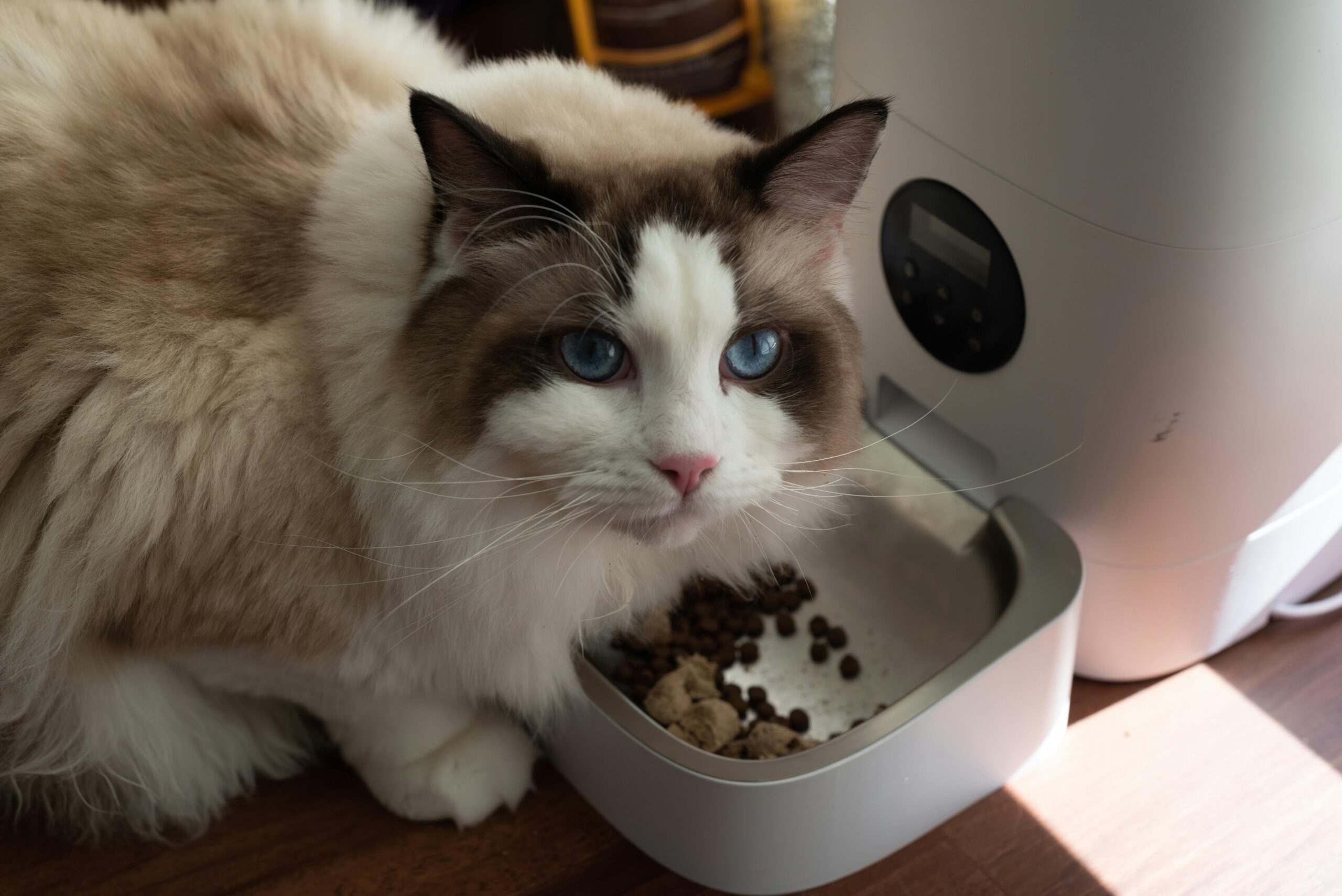
Ragdoll Diet Guidelines: Feeding for Size, Temperament, and Long-Term Health
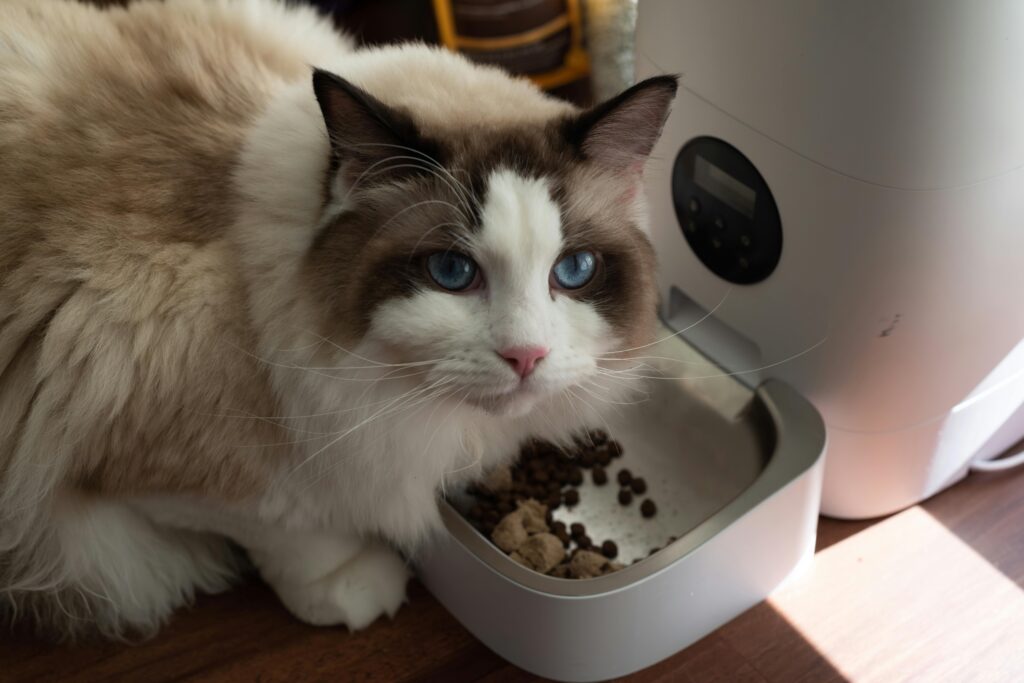
Ragdoll cat diet guidelines focus on high-quality animal protein, moisture-rich feeding, and portion control to support this breed’s large frame, slow maturation, and calm activity level. This summary explains how to feed Ragdoll kittens, adults, and seniors while maintaining healthy weight, muscle tone, and coat condition over a long lifespan.
Feeding a Ragdoll cat is not the same as feeding an average domestic cat. Ragdolls are large, slow-growing, and long-lived, with substantial bone structure, moderate muscle mass, and a calm, people-oriented temperament. Their energy output is steady rather than explosive, which means excess calories are easily stored if portions are not managed carefully.
A Ragdoll diet must balance:
- adequate protein to support muscle and size
- controlled calories to prevent gradual weight gain
- high moisture intake to support urinary and kidney health
- nutrients that maintain coat quality without encouraging obesity
This post explains:
- how to feed Ragdoll kittens, adolescents, adults, and seniors
- how much food Ragdolls actually need
- how to maintain a healthy weight in a calm, low-reactivity breed
- nutrients that support coat condition and skin health
- ingredients and feeding practices to avoid
- how to adjust portions based on age, lifestyle, and body condition
If you want a feeding structure tailored to a large, slow-maturing, people-oriented breed, this guide outlines how to support ideal weight, coat health, and long-term wellbeing at every life stage.
Ragdoll Diet Summary Table
Life Stage Feeding Overview
| Life Stage | Key Needs |
|---|---|
| Kittens (0–12 months) | High-protein kitten diet; 3–4 meals per day; wet food included; DHA for brain and vision; careful portions to support growth without excess fat |
| Adolescents (12–36 months) | Gradual transition toward adult formulas; support lean muscle development; controlled calories; hydration emphasis; monitor weight during extended growth phase |
| Adults (3–8 years) | Balanced maintenance diet; wet-only or wet + dry feeding; calorie control for calm activity level; ongoing hydration for urinary health |
| Seniors (8+ years) | Increased moisture; kidney and joint support; omega-3 fatty acids; calorie reduction as activity decreases; smaller, more frequent meals if needed |
Ragdolls mature slowly, and many do not reach full size until three to four years of age. Feeding should reflect this extended development rather than rushing into adult portions too early.
Daily Diet Structure for Ragdoll Cats
| Component | Notes |
|---|---|
| Protein | 30–45% of calories from animal sources; essential for maintaining muscle mass in a large-framed breed |
| Fat | Moderate levels; avoid overly rich diets that promote slow, unnoticed weight gain |
| Carbohydrates | Keep low; excess carbohydrates are easily converted to fat in calm, indoor Ragdolls |
| Hydration | Critical for urinary and kidney health; include wet food, broths, and water fountains |
Ragdolls are not high-energy cats, so diets designed for very active breeds often oversupply calories.
Portion Guidelines for Ragdoll Cats
| Weight / Stage | Daily Calories (Approximate) |
|---|---|
| Kittens | 80–120 kcal per pound depending on growth rate and body condition |
| Adults | 30–40 kcal per pound depending on activity level and body condition score |
| Seniors | Reduce calories unless weight loss or muscle loss is occurring |
Because Ragdolls have a plush coat and relaxed posture, weight gain can be difficult to notice until it is advanced. Regular body condition checks are more reliable than visual assessment alone.
Common Diet Problems in Ragdoll Cats
| Issue | Likely Cause |
|---|---|
| Soft stool | Rapid food changes, low-quality protein sources, or mild food sensitivities |
| Weight gain | Free-feeding, excess dry food, or diets too high in fat for activity level |
| Dull or flat coat | Insufficient protein, lack of omega-3 fatty acids, or chronic dehydration |
| Urinary issues | Low moisture intake or heavy reliance on dry food |
Most diet-related issues in Ragdolls develop slowly and quietly, which is why structured feeding and regular monitoring are essential.
Ragdoll Diet Needs: What Makes This Breed Different
Large Frame, Substantial Bone, and Slow Maturation
Ragdolls are a large, slow-maturing breed with substantial bone structure, moderate muscle mass, and a calm, low-reactivity temperament. Unlike many athletic or high-energy cats, Ragdolls grow gradually and often do not reach full physical maturity until three to four years of age.
Their combination of size, gentle activity level, and slow development means they are especially prone to gradual, unnoticed weight gain if fed like an average domestic cat.
Because of this, Ragdolls require:
- controlled, measured portions
- protein-forward diets
- limited carbohydrates
- consistent, predictable feeding schedules
Feeding a Ragdoll as though it were a more active or reactive breed often leads to excess body fat by adulthood. Their relaxed posture and plush coat can easily conceal early weight gain, making portion accuracy and body condition monitoring essential from kittenhood onward.
Muscle Support, Skeletal Health, and Coat Maintenance
The Ragdoll’s soft, substantial appearance is the result of strong bone, moderate muscle density, and a long, silky coat that lacks a heavy undercoat. Nutrition must support all three without encouraging excess weight.
A proper Ragdoll diet must provide:
- maintenance of lean muscle without overfeeding
- slow, steady growth during the extended juvenile phase
- ongoing support for bone and joint health
- connective tissue strength across a long lifespan
- nutrients that support coat softness and skin hydration
Protein quality is critical. When protein intake is inadequate or calories come primarily from fillers, Ragdolls tend to lose muscle tone while gaining fat, leading to a “soft but heavy” body condition that stresses joints and reduces long-term mobility. Coat texture can also become flat, dry, or dull when nutrition is unbalanced.
Calm Activity Level and Calorie Requirements
Ragdolls are affectionate, people-oriented cats who prefer proximity and routine over constant movement. While they enjoy daily play and interaction, their activity tends to occur in short, intentional bursts rather than prolonged physical exertion.
Because of this lifestyle, Ragdolls:
- burn fewer calories than highly active breeds
- gain weight easily with free-feeding
- benefit from pre-measured meals rather than open bowls
- require diets that match a steady, moderate metabolic rate
Their diet must support gentle daily movement and social engagement without oversupplying calories. Finding this balance is especially important given the breed’s size and long lifespan.
Understanding Ragdoll Nutritional Requirements
Protein: The Foundation of a Ragdoll Diet
Ragdolls require diets where animal-based protein forms the core of calorie intake. Protein supports muscle integrity, bone support, metabolic stability, and coat quality in a large, slow-growing breed.
Ideal protein sources include:
- chicken
- turkey
- rabbit
- duck
- quail
- limited amounts of beef
- salmon or whitefish in moderation
Animal proteins are highly digestible and complete. Plant proteins lack essential amino acids and should never replace meat as the primary protein source in a Ragdoll diet.
Fat: Necessary but Carefully Balanced
Dietary fat provides:
- sustained energy
- coat softness and skin health
- support for nutrient absorption
- metabolic consistency
However, Ragdolls do not do well on very high-fat diets due to their calm activity level. Excess fat contributes quickly to weight gain without improving muscle condition.
Ragdolls thrive on moderate fat levels combined with omega-3 fatty acids, which:
- support joint comfort
- reduce inflammation
- enhance coat quality
- do so without adding unnecessary calories
Balance matters more than richness.
Carbohydrates: Minimal and Secondary
Carbohydrates should remain a minor component of a Ragdoll’s diet. Excess carbohydrates can contribute to:
- gradual weight gain
- appetite instability
- reduced muscle tone
- inflammatory skin or coat changes
Small amounts of easily digestible carbohydrates such as pumpkin or limited potato can support stool quality, but carbohydrates should never dominate the ingredient profile. Ragdolls process protein and fat far more efficiently than sugars or starches.
Best Food Types for Ragdoll Cats: Wet, Dry, Freeze-Dried, Raw
High-Quality Wet Food
Wet food should form the foundation of a Ragdoll’s diet.
Ragdolls benefit strongly from wet food because it provides:
- high moisture content that supports urinary and kidney health
- naturally higher animal protein concentration
- fewer low-quality fillers than most dry foods
- easier digestion for a calm, slow-to-moderate metabolism
- hydration support for a long, silky coat and skin health
Most adult Ragdolls do best when 50–70% of their daily calories come from wet food. This is especially important for indoor cats, males prone to urinary issues, and individuals with a tendency toward gradual weight gain.
Wet food also allows for better portion control, which is critical in a large breed whose relaxed posture and coat can hide early weight changes.
Premium Dry Kibble (Used in Moderation)
Dry food can be included in a Ragdoll diet, but it should play a supporting role, not the main one.
Small amounts of dry food may be useful for:
- light dental friction
- measured calorie supplementation
- puzzle feeders or training rewards
However, Ragdolls should not be fed a dry-only diet. Their hydration needs, urinary health, and calm activity level all favor moisture-rich feeding.
When choosing kibble, prioritize:
- clearly named animal proteins as the first ingredients
- lower carbohydrate content
- controlled mineral levels, especially phosphorus and ash
- formulas that support skin and coat health
Free-feeding dry food is one of the most common causes of slow, unnoticed weight gain in Ragdolls.
Freeze-Dried Raw
Freeze-dried diets can be a good option for Ragdolls when used correctly.
Potential benefits include:
- concentrated, high-quality animal protein
- support for lean muscle maintenance
- firmer stool quality
- improved coat texture and shine
Freeze-dried food must always be fully rehydrated. Feeding it dry increases the risk of dehydration, which directly impacts urinary health and coat condition. For Ragdolls, moisture is non-negotiable.
Commercial Raw or Balanced Homemade Raw
Raw feeding can work well for Ragdolls only when properly formulated.
Appropriate raw diets must ensure:
- complete nutritional balance
- correct calcium-to-phosphorus ratios
- adequate taurine levels
- strict food safety and hygiene
Unbalanced homemade raw diets are unsafe and should never be fed. If raw feeding is chosen, use veterinary-approved recipes or reputable commercial raw products designed for cats.
Protein Requirements for Ragdoll Cats
Protein is the cornerstone of a healthy Ragdoll diet, but the goal is muscle maintenance and metabolic stability, not fueling constant high activity.
Ragdolls are large, slow-maturing cats with moderate muscle mass and calm energy output. Their protein needs center on maintaining structure, supporting long-term health, and preventing fat accumulation rather than driving athletic performance.
Why High-Quality Protein Matters for Ragdolls
Adequate animal protein supports:
- lean muscle mass and strength
- skeletal and connective tissue health
- immune system resilience
- stable metabolism over a long lifespan
- coat softness, strength, and reduced shedding
Because Ragdolls gain weight easily, protein quality matters more than sheer calorie count. High-quality protein helps maintain muscle while reducing the risk of excess fat storage.
Low-quality protein or filler-heavy diets often lead to:
- soft or inconsistent stool
- dull, flat, or greasy coat texture
- gradual weight gain at normal portions
- reduced muscle tone beneath the coat
Ragdolls often show diet-related changes first in their coat and body feel rather than on the scale.
Ideal Protein Sources for Ragdoll Cats
Ragdolls digest animal protein efficiently and rely on it for both structure and coat quality.
Prioritize:
- chicken
- turkey
- duck
- rabbit
- quail
- small amounts of beef or lamb for rotation
- whitefish or salmon occasionally
Plant proteins such as peas, lentils, and soy inflate protein percentages on labels but lack amino acid completeness and are less digestible for a calm, indoor breed like the Ragdoll.
Protein Percentage Targets for Ragdolls
- Wet food: 10–14% protein (as fed)
- Dry food: 32–45% protein
- Raw or fresh diets: predominantly animal protein, typically 85–99% depending on formulation
Kittens require the highest protein levels to support extended growth and skeletal development. Adults need consistent protein intake to preserve muscle and prevent creeping fat gain. Seniors benefit from high-quality, easily digestible protein to slow muscle loss.
Recognizing Poor Protein Quality
Warning signs that protein quality is inadequate include:
- vague ingredient terms like “meat meal” or “animal protein”
- formulas padded heavily with pea or plant protein
- strong-smelling or loose stool
- increased shedding or dull coat
- low engagement or reduced interest in play
Ragdolls respond quickly to dietary quality, especially in coat condition. When the coat loses softness or sheds excessively, protein quality and moisture intake are often the first areas to evaluate.
Fat and Omega Needs for Ragdoll Cats
Ragdolls benefit from balanced, carefully selected fat sources, not high-fat diets. Their large frame, calm activity level, and long, silky coat rely on fat quality rather than fat quantity. Too much dietary fat leads quickly to weight gain, while too little compromises coat texture and skin health.
Why Fat Is Important for Ragdolls
Dietary fat plays a critical role in Ragdoll health by supporting:
- coat softness and natural sheen
- skin hydration beneath the long coat
- joint comfort in a large, slow-maturing breed
- brain and vision development in kittens
- steady energy without overstimulation
Because Ragdolls burn calories slowly, excess fat is easily stored. Selecting high-quality fats in appropriate amounts is far more important than increasing total fat levels.
Ideal Fat Sources for Ragdolls
Ragdolls digest animal-based fats well when they are clean, species-appropriate, and balanced.
Preferred fat sources include:
- chicken fat
- salmon oil
- sardine oil
- anchovy oil
- duck fat in small amounts
- egg yolk
These fats support skin elasticity, reduce excessive shedding, and help maintain the soft texture Ragdolls are known for. Omega-rich fish oils are especially beneficial for a breed with a long coat and a tendency toward dry skin when hydration is inadequate.
Omega-3 and Omega-6 Balance
Ragdolls thrive when omega-3 and omega-6 fatty acids are properly balanced, not overloaded.
Omega-3 fatty acids support:
- joint comfort and mobility
- reduced inflammation
- healthier skin and coat
- kidney and heart health
Omega-6 fatty acids support:
- coat density and growth
- skin structure and barrier function
Many commercial dry foods contain excessive omega-6 from poultry fat and plant oils. This imbalance can contribute to inflammation, increased shedding, and stubborn weight retention. Supplementing with a small amount of salmon or sardine oil often restores balance and leads to visible coat improvement within weeks.
Fat Percentage Targets for Ragdolls
- Kittens: 18–24% fat (dry matter) to support growth and neurological development
- Adults: 14–20% fat depending on activity level and body condition
- Seniors: 12–18% fat based on mobility, weight stability, and health status
Maintaining appropriate fat levels helps prevent one of the most common Ragdoll issues: slow, unnoticed weight gain hidden beneath a plush coat.
Carbohydrates and Fiber for Ragdoll Cats
Carbohydrates are not a nutritional requirement for cats, yet they appear in many commercial diets. For Ragdolls, a large, calm, indoor breed with a slow metabolism, carbohydrate type and amount matter significantly.
Understanding Carbohydrates in the Ragdoll Diet
Cats are obligate carnivores with limited ability to process starch. Ragdolls, in particular, tend to struggle with carb-heavy diets because:
- excess carbohydrates are rapidly converted to fat
- carbohydrates are metabolized less efficiently than protein or fat
- high-starch formulas often cause appetite swings
- digestive sensitivity can show up as soft stool or bloating
Because Ragdolls expend energy steadily rather than intensely, carbohydrate overload is one of the fastest paths to weight gain in this breed.
Carbohydrates to Limit or Avoid
Many Ragdolls do poorly on diets high in:
- pea fiber or pea protein
- lentils and legumes
- chickpeas and beans
- corn and wheat
- potato, tapioca, or starch-heavy fillers
These ingredients often contribute to gas, inconsistent stool, increased hunger shortly after meals, and gradual weight gain even at recommended portions.
Beneficial Fiber Sources for Ragdolls
Fiber plays a supportive role by aiding digestion, improving stool consistency, and helping manage hairballs in a long-coated breed.
Better fiber options include:
- plain pumpkin
- small amounts of psyllium husk
- beet pulp in moderation
- limited oat fiber
Avoid synthetic fibers and filler-heavy blends, which offer little digestive benefit and can irritate sensitive systems.
Recommended Carbohydrate Limits for Ragdolls
- Wet food: under 10% carbohydrates
- Dry food: under 25% carbohydrates
- Raw or fresh diets: under 5% carbohydrates
Adult Ragdolls benefit most from lower-starch diets that match their calm lifestyle and reduce pressure on weight management.
Signs of Carbohydrate Intolerance in Ragdolls
Watch for:
- bloating or abdominal discomfort
- soft stool or diarrhea
- increased shedding or dull coat
- persistent hunger soon after meals
- sudden or unexplained weight gain
Reducing carbohydrate intake often improves digestion, stabilizes appetite, enhances coat quality, and helps restore healthy body condition in Ragdolls.
Hydration Needs for Ragdoll Cats
Why Hydration Matters for the Ragdoll Breed
Ragdolls are a large, long-coated breed with substantial bone structure, moderate muscle mass, and a calm, low-reactivity lifestyle. These traits make consistent hydration especially important and, at the same time, easy to overlook.
Ragdolls tend to rest frequently, move deliberately, and cope quietly, which means early signs of dehydration often go unnoticed. Adequate hydration supports:
- urinary tract health, particularly in males
- kidney function over a long lifespan
- smooth digestion and stool consistency
- temperature regulation beneath a long, insulating coat
- coat softness, reduced shedding, and skin hydration
- joint comfort and long-term mobility in a heavy-framed breed
Most cats meet the majority of their hydration needs through food rather than voluntary drinking. Because of this, Ragdolls benefit most from a hydration-forward feeding plan, especially indoor cats and males, who are statistically more prone to concentrated urine and urinary issues.
Water Intake Expectations for Ragdolls
A healthy adult Ragdoll should consume approximately 3.5–4.5 ounces of water per 5 pounds of body weight per day, including moisture from food.
Important considerations:
- Wet food supplies the majority of daily water needs.
- Dry-food-heavy diets require significantly more voluntary drinking, which many Ragdolls will not naturally achieve.
- A Ragdoll’s thick coat and relaxed daily rhythm can mask mild dehydration until it becomes more advanced.
Because their coat traps warmth, Ragdolls may require additional moisture during warm weather, heavy shedding periods, or times of increased activity or stress.
Common Hydration Challenges in Ragdolls
Ragdolls often face subtle hydration obstacles, including:
- a naturally low thirst drive
- preference against still or stale bowl water
- inadequate moisture intake when fed primarily dry food
- concentrated urine, particularly in warmer seasons
- mild dehydration during stress, travel, or household changes
- discomfort with deep or narrow bowls that cause whisker fatigue
Hydration is especially critical for neutered males, intact males, or any Ragdoll with a history of urinary sensitivity or crystal formation.
Hydration Strategies That Work for Ragdoll Cats
Water Fountains
Flowing water encourages increased intake and remains fresher longer. Many Ragdolls show a clear preference for fountains over still bowls because the water stays oxygenated and appealing.
Wet Food as the Dietary Base
Wet food typically contains 70–80% moisture, making it the most effective hydration strategy for Ragdolls.
Practical enhancements include:
- feeding primarily wet food rather than dry-only diets
- adding 1–2 tablespoons of warm water to each meal
- gently mixing food to increase moisture without reducing palatability
This approach supports hydration from the inside out and often improves coat texture and shedding patterns over time.
Multiple Water Stations
Place water sources in several quiet, low-traffic areas of the home, especially near resting and sleeping spots. Ragdolls are more likely to drink when water is easily accessible and not associated with activity or noise.
Wide, Shallow Bowls
Wide, shallow bowls reduce whisker fatigue and allow Ragdolls to drink comfortably without soaking the long fur around their muzzle or chest. Clean bowls daily to prevent odor buildup that discourages drinking.
Occasional Hydration Add-Ins
Used sparingly, these can increase fluid intake during heat, stress, or recovery periods:
- cat-safe bone broth with no salt, onion, or garlic
- tuna water from tuna packed in water only
- feline hydration toppers formulated specifically for cats
These should supplement, not replace, a moisture-rich diet.
Maintaining proper hydration is one of the most effective ways to support long-term urinary health, coat condition, and overall wellbeing in Ragdoll cats.
Signs a Ragdoll Needs More Water
Ragdolls often cope quietly with mild dehydration, so signs can be subtle and easy to miss. Monitor for:
- thick, sticky, or ropey saliva
- stronger-than-usual urine odor or darker urine
- firm, dry, or sandy litter clumps
- dry or tacky gums
- lower engagement or reluctance to play
- increased shedding, dandruff, or a dry, coarse coat texture
Because Ragdolls are calm and low-reactive, dehydration may show up first in coat quality, litter box changes, or reduced interest in activity rather than obvious illness.
Hydration is one of the most important and most commonly overlooked elements of Ragdoll care. Adequate moisture intake reduces urinary risk, protects kidney function over a long lifespan, supports coat softness and skin health, and contributes to overall comfort and mobility in this large, indoor-oriented breed.
Feeding Schedule and Portion Control for Ragdoll Cats
Why Ragdolls Need Structured Meal Timing
Ragdolls are a slow-maturing, large-framed breed that often does not reach full size, muscle development, and coat maturity until three to four years of age. Their calm temperament, steady energy output, and people-oriented lifestyle translate to a slow-to-moderate metabolism, especially once adulthood is reached.
Because of this, free-feeding dry food almost always leads to:
- gradual overeating
- slow, hidden weight gain beneath the coat
- reduced muscle tone
- inconsistent digestion
- difficulty noticing changes in appetite or health
A structured feeding plan is essential for maintaining a healthy Ragdoll body condition across all life stages.
Benefits of a Structured Feeding Plan for Ragdolls
Portioned, scheduled meals help:
- stabilize digestion and stool quality
- prevent creeping weight gain that is hard to see under a long coat
- support lean muscle development rather than fat accumulation
- reduce grazing, begging, and food-driven anxiety
- make appetite changes immediately noticeable
- keep calorie intake aligned with a calm activity level
- support hydration when meals include wet food
Ragdolls do best when meals are measured, predictable, and consistent. This structure supports their large frame and long lifespan while reducing the most common diet-related issues seen in the breed.
A feeding routine built around portion control and moisture-rich food allows Ragdolls to maintain their characteristic soft body condition without slipping into unhealthy weight gain.
Portion Guidelines by Age and Life Stage for Ragdoll Cats
Kittens (8 Weeks – 6 Months)
- 3–4 meals per day
- High-protein wet food as the foundation of the diet
- Limited dry food only if the kitten is underweight or exceptionally active
- Do not restrict calories prematurely, as this can compromise skeletal growth and coat development
Ragdoll kittens grow steadily but over a longer timeline than many breeds. They require nutrient-dense food to support bone growth, muscle development, and early coat formation. While they need adequate calories during this stage, portions should still be measured to avoid early fat accumulation, which can permanently affect adult structure and movement in a large-framed breed.
Adolescents (6 Months – 18 Months)
- 2–3 meals per day
- Increased portions during natural growth spurts
- Wet food as the primary source, with limited dry food if digestion allows
- Monitor stool quality and body condition closely
This stage often confuses owners because Ragdolls begin to “fill out.” Healthy development includes increased muscle and bone mass, but excess calories during adolescence easily turn into fat rather than structure. Because the coat becomes fuller during this phase, early overfeeding can be hidden visually. Hands-on body condition checks are more reliable than appearance alone.
Adults (18 Months – 5 Years)
- 2 structured meals per day
- Optional small snack only for intact males or very active households
- Diet should remain high in animal protein and moisture
- Strict portion control to maintain ideal weight
Adult Ragdolls are large, powerful cats with a calm daily rhythm. Their calorie needs are lower than many people expect for their size. Free-feeding or imprecise portions commonly lead to slow weight gain that goes unnoticed under the coat. Consistent measurement and routine feeding are among the most important aspects of adult Ragdoll care.
Seniors (7+ Years)
- 2 meals per day, sometimes smaller and more frequent if appetite fluctuates
- Consider lower-phosphorus foods if kidney values begin to change
- Hydration becomes critical for urinary and kidney support
- Omega-3-rich proteins such as sardines or anchovies can support joints and coat quality
- Regular monitoring of muscle tone and body condition
Senior Ragdolls often face a delicate balance. Protein that is too low accelerates muscle loss, while calories that remain too high contribute to fat gain. Because coat density can mask changes for months, individualized feeding based on hands-on assessment and veterinary guidance is essential at this stage.
Proper portioning across life stages supports healthy growth, protects joints, maintains coat quality, and helps Ragdolls age comfortably without unnecessary weight-related stress.
How Much Should a Ragdoll Eat Per Day?
General daily guidelines for most adult Ragdolls:
- Wet food: 5–9 ounces per day, depending on body size, sex, and activity level
- Dry food (optional): up to ¼ cup per day if used, measured precisely
- Mixed feeding: portions must be adjusted carefully to avoid calorie stacking
Intact males may require slightly more food due to higher lean mass and metabolism. Neutered Ragdolls usually require fewer calories, as neutering reduces overall energy expenditure and spontaneous activity.
Because Ragdolls have a long, plush coat and relaxed posture that can make them appear larger or “softer” than they are, feeding decisions should always be based on hands-on body condition, not visual appearance alone.
Signs Your Ragdoll Is Eating the Right Amount
A properly fed Ragdoll will show:
- stable, healthy weight over time
- a gentle but visible waist when viewed from above
- firm body condition beneath the coat
- consistently well-formed stool
- steady, calm daily energy
- a soft, silky coat with good density and shine
- minimal shedding outside normal seasonal changes
When lifted, a Ragdoll should feel solid and supported, not soft or rounded through the abdomen. A naturally plush coat can hide excess fat, so regular hands-on checks are essential.
Portion Control Mistakes to Avoid
Ragdolls are particularly sensitive to feeding missteps that lead to slow, unnoticed weight gain.
Common mistakes include:
- free-feeding dry food, which is the most common cause of obesity in this breed
- high-carbohydrate diets that drive persistent hunger
- inconsistent or unpredictable meal schedules
- sudden changes in food type or feeding times
- failing to adjust portions during adolescent growth and “fill-out” phases
- relying too heavily on dry food with insufficient moisture intake
A predictable feeding routine supports metabolic stability, healthy digestion, lean muscle maintenance, and proper hydration. These factors are critical for maintaining a Ragdoll’s body condition, coat quality, and long-term wellbeing.
Feeding Ragdoll Kittens (0–12 Months)
Unique Growth Needs of Ragdoll Kittens
Ragdoll kittens grow slowly, deliberately, and over an extended timeline compared to most cats. This breed does not reach full physical or coat maturity until three to four years of age, which means early nutrition plays an outsized role in shaping adult structure and long-term health.
Ragdoll kittens require consistent, high-quality nutrition to properly develop:
- large, sturdy bone structure
- balanced muscle mass without excess fat
- a stable, efficient metabolism
- a long, silky coat with proper texture and density
Early nutrition influences adult outcomes more strongly in Ragdolls than in many faster-maturing breeds. Underfeeding or feeding low-quality diets during kittenhood can result in:
- narrower skeletal frame
- reduced adult size
- weaker muscle development
- thin, flat, or uneven coat texture
- lower overall robustness
Some of these deficits cannot be fully corrected later, even with excellent adult nutrition. This makes proper kitten feeding foundational, not optional, for Ragdolls.
Why Ragdoll Kittens Benefit From Extended Access to Kitten Food
Many cats transition to adult food around 10–12 months. Ragdolls are different.
Most Ragdoll kittens benefit from remaining on kitten-formulated diets until at least 12–15 months, and many continue to benefit from kitten nutrition until 16–18 months, depending on growth rate, body condition, and coat development.
Kitten diets provide:
- higher animal protein to support prolonged muscle growth
- increased fat to fuel slow, steady development
- DHA for brain and vision development
- balanced calcium and phosphorus for large skeletal frames
- early coat development and skin hydration
Because Ragdolls mature structurally and neurologically longer than average, removing kitten nutrition too early can lead to:
- incomplete muscle development
- smaller adult size
- reduced bone density
- dull or underdeveloped coat
- delayed or incomplete coat maturity
Extended kitten feeding supports the breed’s long maturation timeline and helps prevent developmental shortcuts that show up years later.
Feeding Frequency by Age
Ragdoll kittens thrive on predictable, structured feeding schedules rather than constant access to food.
Recommended meal frequency:
- 0–3 months: 4–5 meals per day
- 3–6 months: 3–4 meals per day
- 6–12 months: 3 meals per day
- 12–18 months: 2–3 meals per day depending on growth and appetite
Despite their size, Ragdoll kittens should not be free-fed indefinitely. Free-feeding often leads to:
- early fat accumulation
- grazing instead of complete meals
- poor body composition
- disrupted hunger regulation
Ragdoll kittens develop healthier metabolisms when meals are intentional, portioned, and predictable.
Portion Guidelines Based on Weight
General daily calorie ranges for Ragdoll kittens:
- 2–3 lbs: 120–180 calories
- 4–6 lbs: 180–260 calories
- 7–10 lbs: 240–340 calories
These ranges vary depending on:
- individual metabolism
- growth spurts
- sex
- activity level
- coat development stage
Hands-on body condition scoring is essential. Ragdoll kittens should feel solid and substantial, not thin or fragile, and not soft or rounded. Their developing coat can easily hide early fat gain or underfeeding.
Wet vs Dry Food for Ragdoll Kittens
Why Wet Food Matters More
Wet food plays a critical role in healthy Ragdoll kitten development.
Benefits include:
- high moisture content for hydration and urinary health
- highly digestible animal protein
- improved stool quality
- stable appetite regulation
- early support for skin and coat hydration
A wet-food-forward diet helps Ragdoll kittens grow evenly, supports early coat quality, and reduces the risk of urinary concentration as they mature.
Dry Food (Use Intentionally)
Dry food can be useful in limited, controlled ways:
- supplemental calories during growth spurts
- training rewards or enrichment
- helping kittens learn varied textures
However, dry food should not be the primary diet. Overreliance on kibble can:
- encourage overeating
- increase carbohydrate intake
- reduce overall hydration
- negatively affect coat quality over time
Most experienced Ragdoll breeders recommend wet food as the foundation, with dry food used strategically rather than freely.
Common Growth Problems From Underfeeding Ragdoll Kittens
Underfeeding during this stage can cause:
- reduced muscle development
- delayed skeletal growth
- thin or patchy coat texture
- lower stamina and play engagement
- food anxiety or frantic eating later in life
Ragdoll kittens should never appear delicate or frail. Healthy growth produces kittens that feel dense, sturdy, and balanced, even when still lanky.
Should Ragdoll Kittens Free-Feed?
Free-feeding is generally not recommended for Ragdoll kittens.
This breed tends to:
- eat from boredom rather than hunger
- conserve energy rather than burn excess calories
- develop better appetite regulation with structure
Scheduled meals support:
- ideal adult body condition
- consistent digestion
- stable energy levels
- healthier long-term eating behavior
Free-feeding often undermines these outcomes, especially in a calm, indoor-oriented breed.
DHA and Brain Development Nutrients
During the first year, Ragdoll kittens benefit greatly from nutrients that support neurological and cognitive development.
Key nutrients include:
- DHA
- taurine
- marine-sourced omega-3 fatty acids
These nutrients support:
- brain and vision development
- learning ability and adaptability
- nervous system maturity
- early coat development and hydration
Kitten foods containing fish oil, algae oil, krill oil, or supplemental DHA contribute meaningfully to long-term cognitive health and coat quality in Ragdolls.
Feeding Adolescent Ragdolls (12–48 Months)
The Adolescent Appetite Shift in Ragdolls
Between 12 and 24 months, Ragdolls enter a prolonged adolescent phase that is often misunderstood. While many cats appear physically mature by one year of age, Ragdolls continue developing internally and structurally for several more years. Full maturity in this breed commonly occurs closer to three to four years of age.
During adolescence, Ragdolls undergo significant changes, including:
- gradual thickening of muscle
- increased bone density and skeletal strength
- widening of the chest and shoulders, especially in males
- stabilization and slowing of metabolism
- continued development of a long, silky adult coat
Because these changes happen slowly and evenly, Ragdolls may look “finished” on the outside while still actively developing internally. It is common for appetite to increase between 12 and 18 months, even as visible growth appears to slow.
Male Ragdolls often show the most dramatic structural changes during this period, developing broader heads, heavier bone, and increased body mass. Females also continue filling out, though usually with less dramatic width.
Many adolescent Ragdolls actually require more calories at 12–18 months than they did at 8–10 months, but only when those calories come from high-quality, protein-rich foods that support muscle, bone, and coat development rather than fat storage.
Transitioning Away From Kitten Food
Ragdolls should transition from kitten formulas to adult or all-life-stages diets gradually between 12 and 18 months, depending on individual growth rate, body condition, and coat maturity.
Transitioning too early may:
- limit muscle development
- reduce bone density gains
- result in a narrower chest or lighter frame
- delay full coat maturity and texture
Transitioning too late may:
- introduce excess calories once growth slows
- promote early fat accumulation
- reinforce constant hunger or overeating habits
The ideal transition occurs over 2–4 weeks, following a slow, structured schedule:
- Week 1: 75% kitten / 25% adult
- Week 2: 50% kitten / 50% adult
- Week 3: 25% kitten / 75% adult
- Week 4: 100% adult
This gradual approach protects digestion, stabilizes stool quality, maintains coat hydration, and prevents sudden appetite fluctuations that can occur in a slow-metabolizing breed.
Building Lean Muscle in the Adolescent Ragdoll
Ragdolls are not built to become lean, athletic sprinters. Their adult form is substantial, balanced, and powerful, with dense bone, moderate muscle, and a soft but solid body feel. Much of this structure is finalized between 12 and 36 months.
To support healthy development during this period, adolescent Ragdolls benefit from:
- 35–45% protein on a dry matter basis
- high-quality, animal-based protein sources
- steady caloric intake rather than restrictive feeding
- consistent hydration to support digestion and coat quality
- regular enrichment that encourages gentle movement
Ragdolls tend to prefer low-impact, confidence-building play, such as:
- wand toys that encourage controlled stalking
- hunting-style toys that simulate prey
- gentle climbing platforms
- short pouncing or sprinting sessions
- soft resistance toys
The goal during adolescence is not increasing activity intensity, but directing calories toward muscle, bone, and coat development, rather than allowing excess energy to be stored as fat.
Avoiding Early Obesity in Adolescent Ragdolls
Ragdolls are among the breeds most prone to slow, hidden weight gain during adolescence because:
- metabolism begins slowing after the first year
- appetite may increase even as visible growth slows
- daily activity remains moderate
- adult body mass develops gradually rather than dramatically
Their long, plush coat can easily hide fat accumulation until it becomes advanced.
Regular hands-on body condition checks are essential. Monitor for:
- a visible waist when viewed from above
- a gentle abdominal tuck when viewed from the side
- ribs that are easily felt with light pressure
- absence of soft bulging in the lower abdomen
If ribs become difficult to feel or the waist disappears, adjust feeding by:
- slightly reducing total calories
- increasing wet food to improve protein and hydration
- reducing dry food to lower energy density
Early, subtle adjustments during adolescence help prevent obesity from becoming a long-term issue in a breed designed for calm companionship and longevity.
Hydration During Activity and Growth Stages in Ragdoll Cats
Although Ragdolls are not highly athletic like Bengals or Abyssinians, their adolescent and early adult stages still involve meaningful physical and metabolic changes. Between 12 months and full maturity, Ragdolls experience:
- continued muscle development
- short bursts of energetic play
- metabolic stabilization after kittenhood
- ongoing coat length, texture, and density development
All of these processes increase hydration requirements, even in a calm, indoor breed.
Adequate moisture intake during growth and activity supports:
- kidney and urinary tract health
- proper muscle function and recovery
- digestive stability and nutrient absorption
- joint comfort in a large-framed breed
- coat softness, shine, and reduced shedding
Wet food remains especially important during adolescence and early adulthood. Ragdolls that rely too heavily on dry food during this period are more likely to develop concentrated urine, inconsistent stool, or dull coat texture.
Helpful hydration strategies include:
- adding warm water to meals
- offering cat-safe bone broth with no salt, onion, or garlic
- providing multiple water fountains in quiet locations
These practices are particularly important for male Ragdolls, who are more prone to urinary concentration issues.
Behavioral Feeding Needs in Ragdolls
Enrichment, Puzzles, and Slow Feeding
Ragdolls are intelligent, people-focused cats that can become under-stimulated around food if meals are too easy or predictable. During adolescence especially, boredom eating can contribute to unnecessary calorie intake and weight gain.
Many Ragdolls benefit from feeding strategies that:
- slow the pace of eating
- provide mental engagement
- reduce boredom-related grazing
- mimic natural hunting and foraging behaviors
- prevent gulping or overeating
Effective enrichment tools include:
- puzzle feeders
- slow-feed bowls
- treat-dispensing toys
- sniff mats
- scatter feeding of small portions
- motion-activated treat balls
These tools support digestion, reduce stress-related eating, and help channel curiosity into appropriate outlets rather than constant food-seeking behavior.
Feeding Adult Ragdolls (4–8 Years)
Establishing a Maintenance Diet
Adult Ragdolls require steady, controlled nutrition that matches their calm daily rhythm, large frame, and long coat. Once growth is complete, the focus shifts from development to preservation.
An effective maintenance diet prioritizes:
- high-quality animal protein to preserve muscle tone beneath the coat
- moderate fat to support skin, coat, and daily energy needs
- controlled carbohydrates to prevent slow weight gain
- moisture-rich meals to protect urinary and kidney health
Consistency is more important than variety. Free-feeding and frequent diet changes often destabilize appetite regulation and body condition in Ragdolls.
Ideal Meal Frequency for Adult Ragdolls
Most adult Ragdolls do best with:
- two scheduled meals per day
- an optional very small late-evening meal for cats that become hungry overnight
Because Ragdolls have a slow-to-moderate metabolism, predictable meal timing helps stabilize digestion, prevent grazing, and maintain steady energy levels.
Seasonal Appetite Shifts
Ragdolls commonly show seasonal changes in appetite:
- winter: slightly increased hunger and marginally higher calorie needs
- summer: reduced appetite and lower energy demand
Portion adjustments should be modest, usually 5–10%, and made gradually. Large or abrupt changes often lead to weight fluctuations or digestive upset.
Adjusting Protein Based on Activity Level
While Ragdolls are calm by nature, activity levels still vary by household.
Ragdolls in busy or interactive homes may require:
- slightly higher protein intake
- increased hydration
- small calorie adjustments to maintain muscle mass
Ragdolls in quieter environments often benefit from:
- reduced total calories
- equal or higher protein levels to prevent muscle loss
- moisture-rich meals to support kidney health
Protein should remain strong even when calories are reduced. Lowering protein to cut calories often leads to muscle loss rather than fat reduction.
Monitoring Body Condition Score (BCS)
Because a Ragdoll’s coat can hide early weight changes, monthly hands-on assessment is essential.
Healthy indicators include:
- ribs that are easily felt but not visible
- a defined waist when viewed from above
- a gentle abdominal tuck
- firm, supportive musculature beneath the coat
Signs that adjustment is needed:
- soft or rounded abdomen
- disappearing waist
- padding along the lower back or flanks
Early dietary changes prevent long-term obesity and joint strain.
Why Many Adult Ragdolls Benefit From Mixed Diets
A thoughtfully managed combination of wet and dry food often supports optimal health in adult Ragdolls by providing:
- increased hydration for urinary and kidney support
- predictable calorie control
- consistent digestion and appetite regulation
- coat and skin benefits from moisture and protein
Many adults do well on a wet-food-forward diet with small, measured amounts of dry food. Others thrive on wet-only feeding. The ideal balance depends on body condition, hydration status, and household routine rather than a fixed ratio.
Feeding Senior Ragdolls (8+ Years)
Muscle Preservation in Senior Ragdolls
Senior Ragdolls are particularly vulnerable to muscle loss hidden beneath a thick coat, which can make aging changes easy to miss until they are advanced. As Ragdolls age:
- metabolism slows
- spontaneous activity often decreases
- digestion becomes less efficient
- the balance between fat gain and muscle loss becomes more fragile
For this reason, protein should not be reduced simply because a Ragdoll is older. In fact, seniors often require high-quality, highly digestible animal protein to preserve strength and mobility.
Appropriate protein sources for senior Ragdolls include:
- poultry such as chicken or turkey
- rabbit
- duck in moderate amounts
- whitefish
- gently cooked or moisture-rich proteins for easier digestion
Adequate protein intake helps:
- maintain mobility and confidence in movement
- reduce frailty and weakness
- stabilize metabolism
- protect joints by supporting surrounding muscle
At this stage, muscle condition scoring (MCS) becomes just as important as weight checks. A senior Ragdoll may appear stable on the scale while quietly losing muscle under the coat.
Joint-Support Nutrients for Senior Ragdolls
Glucosamine, MSM, and Omega-3s
Ragdolls are large-framed, heavy-bodied cats even in older age. Their joints benefit significantly from nutritional support, especially as movement becomes more deliberate.
Key joint-support nutrients include:
- glucosamine
- chondroitin
- MSM
- omega-3 fatty acids (EPA and DHA)
These nutrients help:
- preserve cartilage integrity
- reduce low-grade inflammation
- support joint comfort and flexibility
- maintain coat softness and skin health
- contribute to cognitive health in aging cats
Omega-3 fatty acids are especially valuable for senior Ragdolls. They support joints, kidneys, heart health, coat condition, and overall inflammatory balance. Seniors often show visible coat improvement within weeks of appropriate omega-3 supplementation.
Kidney-Support Nutrition
Why Moisture Matters Most for Senior Ragdolls
As Ragdolls age, hydration becomes the single most critical nutritional factor. Senior cats are more prone to gradual kidney changes and urine concentration, even in the absence of overt disease.
Senior Ragdolls benefit from:
- wet food comprising 50–75% of the daily diet
- warm water added directly to meals
- unsalted, cat-safe broths for additional moisture
- low-sodium formulas
- controlled phosphorus levels when recommended by a veterinarian
Adequate hydration helps:
- support kidney filtration
- reduce strain on aging organs
- improve digestion
- protect urinary tract health
Dry-food-heavy diets place unnecessary stress on senior kidneys and should be minimized whenever possible.
When Lower-Calorie Diets Are Appropriate for Senior Ragdolls
Not all senior Ragdolls need calorie reduction. Many maintain good muscle tone and stable energy well into their later years.
Lower-calorie adjustments are appropriate only when:
- abdominal fat increases
- the waistline softens or disappears
- overall activity declines noticeably
Calories should be reduced carefully and gradually, while protein remains adequate. The goal is never weight loss at the expense of muscle. Fat reduction should occur while preserving strength, joint support, and organ health.
When Senior Ragdolls Benefit From Smaller, More Frequent Meals
Many senior Ragdolls thrive on three to four smaller meals per day rather than two large meals.
This approach helps with:
- reduced stomach capacity
- mild nausea after long fasting periods
- improved digestion and nutrient absorption
- steadier appetite and energy throughout the day
Smaller meals can also reduce the risk of empty-stomach vomiting, which is common in older cats due to increased gastric acid sensitivity.
Appetite and Eating Changes to Monitor in Senior Ragdolls
Any change in eating behavior in a senior Ragdoll should be taken seriously.
Watch for:
- interest in food but difficulty chewing
- preference for softer or warmer textures
- slower eating or incomplete meals
- unexplained weight loss
- increased water intake
- rejection of previously favored foods
These signs may indicate:
- dental disease
- early kidney changes
- thyroid imbalance
- gastrointestinal sensitivity
- pain or discomfort affecting appetite
Early recognition allows dietary adjustments and veterinary support before significant decline occurs.
Portion Sizes: How Much Should a Ragdoll Eat?
Calorie Formula by Weight
Ragdolls have a moderate metabolism paired with a large frame and calm energy style. They are not slow and sedentary like some compact breeds, but they are also not high-burn, athletic cats. Their size, bone structure, and people-oriented behavior mean calorie needs must be calculated carefully to avoid both underfeeding muscle and overfeeding fat.
A practical daily calorie guideline for most adult Ragdolls is:
Daily Calories = 20–24 calories per pound of ideal body weight
Ragdolls generally require more calories than compact, low-activity breeds, but fewer calories than highly athletic or constantly active cats. Feeding them like a Bengal or Abyssinian leads to weight gain. Feeding them like a very sedentary breed leads to muscle loss.
Examples for Adult Ragdolls
- 14-lb adult male → ~280–335 calories/day
- 12-lb adult female → ~240–290 calories/day
- Large-framed, intact males → may sit at the higher end of the range
- Senior Ragdolls → often do best at 18–22 cal/lb, adjusted for muscle tone, mobility, and kidney health
A well-conditioned Ragdoll should feel solid and muscular, not soft or doughy, even though the coat creates a plush appearance.
Because Ragdolls carry long, dense fur, excess fat is easy to miss visually. Hands-on body checks matter more than appearance.
Portion Chart for Ragdoll Kittens
Ragdoll kittens grow slowly and deliberately, with extended skeletal development and prolonged coat maturation. They do not explode in size early like some breeds, but they require consistent, nutrient-dense intake to build proper bone, muscle, and coat.
Their diet must support:
- skeletal growth and joint alignment
- steady muscle development
- neurological development
- coat density and texture
- metabolic programming for adulthood
8–12 Weeks
- 4–6 small wet meals per day
- Optional: a small amount of dry food if digestion remains stable
- 200–300 calories/day
At this stage, Ragdoll kittens should feel substantial and sturdy, never fragile or narrow. Early nutrition has a lasting impact on adult size and coat quality.
3–6 Months
- 3–4 meals per day
- 230–350 calories/day, depending on activity and metabolism
During this phase, Ragdoll kittens often look slightly rounder. This is normal growth combined with coat development. Owners should monitor body feel, not visual fluff, to distinguish healthy growth from true fat gain.
6–12 Months
- 3 meals per day
- 250–400 calories/day
This is a long, subtle growth phase for Ragdolls. Shoulders broaden, ribcages expand, and muscle layers develop gradually. Calories should not be restricted unless a veterinarian confirms unhealthy weight gain.
Ragdoll kittens should never be intentionally kept thin.
Strong early nutrition supports correct adult structure, joint health, and coat fullness.
Portion Chart for Adult Ragdolls
Adult portion needs depend on frame size, muscle mass, neuter status, and household activity level.
Indoor, Moderate-Activity Adults
- 220–300 calories/day
This is the most common range for neutered indoor Ragdolls who play daily but spend much of their time resting near people.
Large, Naturally Muscular Ragdoll Males
- 280–350 calories/day
Large males with heavy bone and strong muscle mass burn more calories even at rest and often need the upper end of the range to avoid muscle loss.
Active Homes or Enriched Environments
- 280–380 calories/day
Ragdolls living in highly interactive homes, using cat wheels, climbing extensively, or engaging in frequent structured play may require additional calories to maintain condition.
Why Wet Food Should Be Included Daily for Ragdolls
Wet food plays an important role in Ragdoll nutrition.
Including wet food helps:
- increase hydration, which supports urinary and kidney health
- reduce overall calorie density
- promote satiety and prevent overeating
- stabilize digestion
- support coat softness and skin health
Ragdolls do especially well when at least 50% of their daily intake comes from wet food. Some thrive on primarily wet diets with small, measured dry portions for structure or enrichment.
Activity-Based Adjustments for Ragdoll Cats
Ragdolls vary widely in activity level depending on age, environment, and whether they live alone or with another Ragdoll. Portion sizes should always reflect how the cat actually uses energy, not what the label suggests.
Increase Portions If Your Ragdoll:
- engages in daily interactive play sessions
- lives with another Ragdoll and plays or wrestles regularly
- uses vertical space frequently or moves between rooms following people
- has a naturally large, muscular frame
- maintains a visible waist but feels lean under the coat
- loses weight or muscle tone on standard portions
Ragdolls that are socially engaged or paired often burn more calories than expected, even if they are calm between activity periods.
Decrease Portions If Your Ragdoll:
- develops a soft or rounded abdomen
- sleeps significantly more than usual without interest in play
- free-feeds without self-regulation
- loses waist definition when viewed from above
- feels squishy rather than firm under the coat
Because the Ragdoll coat can disguise fat gain, hands-on body checks matter more than appearance.
Important:
All portion changes should be gradual. Adjust intake by 5–10% at a time, then reassess after 10–14 days to avoid digestive upset or stress-related hunger behaviors.
Ragdoll Portion Summary Table
| Life Stage / Category | Meals per Day | Daily Calories | Notes & Feeding Priorities |
|---|---|---|---|
| Kittens 8–12 Weeks | 4–6 meals | 200–300 kcal | Wet-food focused; supports skeletal growth, muscle development, and early coat formation. Optional dry only if digestion is stable. |
| Kittens 3–6 Months | 3–4 meals | 230–350 kcal | Slow, deliberate growth; monitor body feel to distinguish normal kitten fullness from early fat gain. |
| Kittens 6–12 Months | 3 meals | 250–400 kcal | Extended development phase; avoid calorie restriction unless medically necessary. |
| Adolescents 12–24 Months | 2–3 meals | 240–340 kcal | Appetite increases are common. Supports chest broadening, muscle thickening, and coat maturation. |
| Adult (Indoor, Moderate Activity) | 2 meals | 220–300 kcal | Most common range for neutered indoor Ragdolls; wet food recommended daily for hydration and appetite control. |
| Adult (Large, Muscular Males) | 2 meals | 280–350 kcal | Higher lean mass and resting needs; prioritize animal protein to prevent muscle loss. |
| Active Adults / Paired Ragdolls | 2–3 meals | 280–380 kcal | Social play and enrichment increase calorie needs; monitor body condition monthly. |
| Seniors (8+ Years) | 2–3 small meals | 180–260 kcal | Focus on hydration, joint support, muscle preservation, and moisture-rich kidney-supportive diets. |
Key Takeaway on Portions for Ragdolls
Ragdolls should never be fed based on looks alone. Their plush coat hides both weight gain and muscle loss. When portions match activity level, life stage, and body condition, Ragdolls maintain strong structure, healthy coats, and stable energy well into old age.
Preventing Overfeeding in Neutered Ragdoll Males
Neutered male Ragdolls are especially prone to gradual weight gain. This is not because they are lazy, but because the breed combines several factors that increase obesity risk after neutering:
- a reduced metabolic rate following neutering
- stronger appetite signaling driven by hormonal changes
- high food motivation and strong routine memory
- a genetic tendency toward storing fat along the abdomen and lower torso
- a calm, low-reactivity energy style that burns fewer daily calories
Because Ragdolls also carry a plush coat that disguises body shape, weight gain often goes unnoticed until it is already significant.
To prevent overfeeding, Ragdoll owners should:
- feed measured, portioned meals rather than free-feeding
- limit calorie-dense treats and avoid grazing between meals
- use puzzle feeders or slow-feeding tools to reduce rapid eating
- rely on wet food to increase satiety and hydration without excess calories
- provide daily, structured play to preserve lean muscle mass
Excess weight has a measurable impact on a Ragdoll’s lifespan and comfort. Obesity increases the risk of diabetes, joint strain, urinary issues, and reduced mobility. These outcomes are common in neutered males but largely preventable with consistent portion control and routine management.
Underfeeding Signs in Ragdoll Cats
Underfeeding is just as damaging as overfeeding, particularly in a breed whose correct structure depends on muscle tone, bone support, and steady nutritional intake.
Watch for these signs of underfeeding in Ragdolls:
- visible spine, hips, or shoulder blades through the coat
- poor muscle development or failure to fill out in adolescents
- reduced energy, play avoidance, or lethargy
- constant begging, pacing, or food fixation
- dull, dry, or thinning coat texture
- inability to maintain the breed’s characteristic solid body feel
- irritability, guarding food, or anxiety around mealtimes
Underfed Ragdolls frequently develop food obsession. This can lead to frantic eating, stress behaviors, and long-term metabolic instability. Ragdolls do not thrive on restrictive feeding. They require predictable, adequate calories delivered consistently, especially during growth and early adulthood.
Treats, Snacks, and Human Foods for Ragdoll Cats
Safe Treats for Ragdolls
Ragdolls digest animal-based, minimally processed treats best. Appropriate options include:
- cooked chicken or turkey
- freeze-dried single-ingredient meats
- cooked salmon or whitefish, fully deboned
- plain boiled beef in very small amounts
- unsalted, cat-safe bone broth
These treats support muscle maintenance and bonding without unnecessary carbohydrates or fillers.
Avoid treats with artificial colors, flavor enhancers, sugars, or grain fillers, as they contribute to weight gain without nutritional benefit.
High-Protein Training Treats
Ragdolls respond well to small, high-value rewards during training, grooming, or enrichment activities. Effective options include:
- freeze-dried chicken hearts
- freeze-dried liver
- rabbit or duck bites
- tiny fish flakes
Because Ragdolls gain weight easily, treats should be broken into very small pieces. One freeze-dried treat can often be divided into multiple rewards.
Unsafe Human Foods for Ragdolls
Ragdolls must never be given:
- onions or garlic
- chocolate or caffeine
- alcohol
- grapes or raisins
- xylitol
- raw or rising dough
- seasoned or heavily salted meats
- deli meats
- high-fat dairy products
Like most cats, Ragdolls are lactose intolerant. Milk, cheese, and cream frequently cause digestive upset and should be avoided.
Treat Portion Rules
Treats should account for no more than 5–10 percent of total daily calories.
Because Ragdolls have compact frames and slow metabolisms, treat calories add up quickly and are a common source of unintentional overfeeding.
Use treats intentionally for:
- training and reinforcement
- grooming tolerance
- food puzzles and enrichment
- positive bonding experiences
Treats should never replace meals or compensate for inconsistent feeding schedules.
Freeze-Dried Meat Treats: Pros and Cons for Ragdoll Cats
Pros
Freeze-dried meat treats can be useful for Ragdolls when used intentionally.
Benefits include:
- single-protein, minimally processed ingredients
- easy to break into very small training pieces
- naturally low in carbohydrates
- highly palatable for picky or routine-oriented eaters
These treats work well for grooming reinforcement, training calm behaviors, or food puzzles when portions are tightly controlled.
Cons
Despite their benefits, freeze-dried treats are extremely calorie-dense.
Potential downsides include:
- easy overfeeding, especially in indoor Ragdolls
- reduced water intake if used too frequently
- increased food fixation or begging behaviors
- calorie stacking when added on top of regular meals
Because Ragdolls have calm energy styles and relatively low daily calorie burn, freeze-dried treats should be used sparingly and counted as part of the daily intake, not added on top of it.
Avoiding High-Calorie Snacks
Ragdolls store fat easily, particularly around the abdomen and lower torso. Certain foods accelerate weight gain without providing meaningful nutritional benefit.
Avoid giving:
- cheese or dairy products
- bread or baked goods
- oil-packed tuna
- processed or cured meats
- commercial high-carbohydrate treat sticks
These foods contribute quickly to excess weight and do not support muscle tone, coat quality, or joint comfort in Ragdolls. Even small, frequent “extras” can lead to slow, unnoticed weight gain beneath the coat.
Digestive Issues in Ragdoll Cats
Common Causes of Soft Stool
Soft stool in Ragdolls is most often linked to diet management rather than disease. Common triggers include:
- sudden food changes
- excess carbohydrates
- overly rich or fatty foods
- inconsistent portion sizes
- heavy reliance on dry kibble
Ragdolls have efficient but sensitive digestion. Their systems do not tolerate:
- very large meals
- abrupt diet switches
- frequent food rotation
- calorie-dense, low-moisture feeding
Kittens and adolescents are especially prone to digestive fluctuations while gut bacteria and enzyme systems mature. Irregular feeding schedules or overly rich foods commonly result in softer stool.
Stable digestion requires:
- consistent meal timing
- slow, structured food transitions
- controlled portions
- a reliable primary protein source
Fast Eating and Vomiting
Many Ragdolls are enthusiastic eaters, particularly neutered males. Their food motivation combined with relaxed posture can lead to:
- gulping instead of chewing
- swallowing excess air
- regurgitation shortly after meals
This is often regurgitation rather than true vomiting.
To reduce fast eating:
- use slow-feeder bowls
- offer food on lick mats
- spread meals across wide, shallow plates
- use puzzle feeders to pace intake
- slightly elevate dishes for more comfortable swallowing
These strategies reduce air intake, improve digestion, and lower the risk of post-meal regurgitation.
Food Sensitivities in Ragdoll Cats
Protein Sensitivities Are More Common Than Grain Issues
True grain allergies are extremely rare in cats. Ragdolls, like most breeds, are far more likely to react to specific animal proteins.
Common trigger proteins include:
- chicken
- beef
- fish
Symptoms of food sensitivity may include:
- itching or skin redness
- chronic ear debris or wax buildup
- soft or inconsistent stool
- abdominal discomfort
- excessive grooming or belly barbering
Switching between grain-free foods usually does not resolve these issues. Instead, controlled protein rotation or a structured elimination diet is required to identify the trigger.
Sensitivity to Rich or Heavy Foods
Ragdolls often react poorly to:
- high-fat foods
- heavily processed treats
- human food scraps
- sudden access to rich proteins
Because their digestion is efficient but not highly adaptive, abrupt changes or fatty foods may cause:
- diarrhea
- vomiting
- temporary appetite loss
- gas or bloating
Consistency matters more for Ragdolls than variety. Stable protein sources and predictable feeding routines significantly reduce digestive upset.
Sudden Diet Changes
Ragdolls are particularly sensitive to abrupt dietary shifts. Rapid changes in:
- protein source
- fat content
- moisture level
- formula type
can lead to:
- gas and bloating
- loose stool or diarrhea
- appetite instability
- temporary food refusal
A 7–10 day transition is ideal, gradually increasing the percentage of the new food. Kittens are especially vulnerable because their gut microbiome is still developing.
When to Consider a Limited-Ingredient Diet for Ragdolls
A limited-ingredient diet may be appropriate when a Ragdoll shows:
- chronic or recurring soft stool
- persistent itching unrelated to parasites
- suspected protein sensitivity
- excessive grooming or belly barbering
- anal gland irritation
- long-term digestive instability despite consistent feeding
Limited-ingredient diets reduce complexity and make it easier to identify the specific ingredient causing irritation. They are most effective when paired with strict treat control and consistent feeding routines.
Probiotics and Digestive Enzymes for Ragdoll Cats
Probiotics
Daily probiotic support is highly beneficial for Ragdoll cats because of their sensitive digestion, calm metabolism, and tendency toward soft stool when routines or foods change.
Probiotics help Ragdolls by:
- stabilizing digestion and stool consistency
- supporting a healthy gut microbiome
- reducing stool odor and gas
- improving nutrient absorption
- supporting immune function
Ragdolls groom frequently and ingest a significant amount of hair. Probiotics help regulate how the digestive system processes swallowed fur, which can reduce hairball-related digestive upset and intermittent loose stool.
Ragdolls that benefit most from long-term probiotic use include:
- kittens transitioning between foods
- adults with recurring soft stool
- cats recovering from antibiotics or stress
- individuals prone to mild vomiting or digestive inconsistency
Consistent probiotic use often results in firmer stool, better appetite regulation, and improved overall digestive resilience.
Digestive Enzymes
Digestive enzymes can support Ragdolls that struggle to fully break down fats or proteins, particularly during life transitions or recovery periods.
They are most useful for:
- kittens adjusting to new diets
- adults recovering from gastrointestinal upset
- seniors experiencing reduced digestive efficiency
- cats showing signs of food intolerance despite good ingredient quality
Enzymes support smoother digestion, reduce bloating, and help prevent food-related vomiting. While not required for every Ragdoll, they can significantly improve comfort and nutrient utilization in cats with recurring digestive sensitivity.
Joint Health Support Through Diet for Ragdoll Cats
Why Joint Support Matters in Ragdolls
Ragdolls are not compact or stocky, but they are large-framed, heavy-bodied, and slow-moving, with much of their weight distributed across long limbs and a relaxed posture. This places ongoing stress on joints even at a healthy body weight.
Joint strain increases notably in:
- overweight Ragdolls
- neutered adults with reduced activity
- seniors whose movement naturally slows
Because Ragdolls are calm and tolerant, they often mask discomfort rather than display obvious pain, making proactive joint support especially important.
Nutrition plays a central role in maintaining long-term joint comfort and mobility in this breed.
Why Ragdolls Benefit From Early Joint Support
Ragdolls carry substantial body mass for a cat breed and often move with deliberate, low-impact motion rather than frequent bursts of activity. Even modest weight gain can increase joint load in:
- hips
- knees
- shoulders
- lower spine
Introducing joint-support nutrients as Ragdolls approach middle age, typically around 6–7 years, helps:
- reduce chronic low-grade inflammation
- preserve cartilage integrity
- maintain flexibility and mobility
- slow age-related joint degeneration
Because Ragdolls rarely show dramatic signs of discomfort, early nutritional support helps preserve quality of life before stiffness becomes visible.
Omega-3 Fatty Acids for Joint and Coat Health
Marine-based omega-3 fatty acids, specifically EPA and DHA, are highly effective for reducing inflammation and supporting joint health in Ragdolls.
A typical supportive dosage is:
- 100–150 mg combined EPA and DHA daily, adjusted for body weight and dietary fat intake
Omega-3 supplementation supports:
- healthier cartilage and joint cushioning
- reduced stiffness and inflammation
- improved mobility
- enhanced coat softness and sheen
- better skin hydration
- immune system balance
Omega-3s also provide cognitive and cardiovascular benefits, which are particularly valuable as Ragdolls age.
Glucosamine and Chondroitin for Ragdoll Joints
Glucosamine and chondroitin help:
- maintain joint lubrication
- support cartilage repair
- reduce stiffness
- protect load-bearing joints
Ragdolls who benefit most include:
- seniors over 8 years
- overweight adults
- cats showing hesitation when jumping
- individuals that still jump frequently despite their size
These supplements may be included in veterinary diets or added separately in carefully measured doses. Consistency matters more than high dosage.
Weight Control as the Most Important Joint Protection
Excess body fat is the single strongest risk factor for joint degeneration in Ragdolls.
Even one or two extra pounds can significantly increase stress on:
- hips
- knees
- shoulders
- the lumbar spine
Because the Ragdoll’s plush coat and relaxed posture can hide early weight gain, regular hands-on body condition checks are essential.
Long-term joint protection depends on:
- controlled, measured portions
- strong animal-based protein intake
- adequate hydration
- predictable feeding routines
Maintaining a lean, muscular body is the most effective way to preserve joint health, mobility, and comfort throughout a Ragdoll’s lifespan.
Hairball Prevention Nutrition for Ragdoll Cats
High-Fiber Formulas: When They Help and When They Don’t
Ragdolls have long, plush coats with significant seasonal shedding. While they are not a true double-coat breed, they still ingest a large amount of hair during grooming, especially in spring and fall. Their relaxed digestion and slower GI motility mean hair can accumulate if not managed properly.
Moderate, targeted fiber can help move swallowed hair through the digestive tract instead of allowing it to compact.
Helpful fiber sources include:
- beet pulp
- cellulose
- psyllium husk
- small, measured amounts of pumpkin
However, excessive fiber can create new problems, including:
- reduced calorie density
- unintentional weight loss
- bulky stools
- reduced absorption of protein and fat
Ragdolls do not need high-fiber “hairball formulas” as a default diet. These formulas often trade protein for fiber, which can undermine muscle tone and coat quality. Ragdolls do best with balanced diets that include purposeful fiber only when needed, not chronically elevated levels.
Wet Food and GI Motility
Moisture is one of the most effective tools for hairball prevention in Ragdolls.
Cats fed dry-heavy diets tend to experience:
- slower intestinal transit
- thicker stomach contents
- greater risk of hair compaction
Because Ragdolls shed consistently and groom frequently, daily wet food plays a major role in preventing hairball formation.
Wet food supports hairball control by:
- hydrating the entire digestive tract
- softening swallowed hair
- improving stool consistency
- supporting regular, predictable bowel movements
A moisture-rich diet significantly reduces both the frequency and severity of hairballs in Ragdolls, especially during seasonal coat changes.
Omega Oils for Coat Health and Shedding Control
Omega-3 fatty acids from marine sources such as salmon oil, fish oil, krill oil, or anchovy oil support coat health and directly reduce shedding in Ragdolls.
Benefits include:
- improved skin hydration
- reduced flakiness
- smoother, more resilient coat texture
- decreased inflammatory shedding
- improved stool lubrication
- less intense seasonal coat drop
Reduced shedding means less loose hair available to be swallowed, which directly lowers hairball risk.
Ragdolls respond best to consistent, small daily doses rather than occasional large amounts. Stability matters more than intensity for both coat quality and digestion.
Grooming Frequency and Its Impact on Digestive Health
Ragdolls require regular grooming despite their relaxed appearance. Their long, silky coat releases hair continuously, and unmanaged shedding quickly translates into hair ingestion.
During peak shedding seasons:
- brush 3–4 times per week
- use a metal comb or soft slicker to reach deeper layers
- pay close attention to friction areas such as the chest, armpits, belly, and tail base
External coat management is as important as nutrition for hairball prevention.
Consistent grooming results in:
- less hair collected on the tongue
- less hair swallowed
- fewer digestive slowdowns
- reduced hairball formation
Hairball Gels: When They Are Appropriate
Hairball gels can be helpful for Ragdolls that still experience hairballs despite good nutrition and grooming.
They are most useful during:
- heavy seasonal shedding periods
- senior years when intestinal motility slows
- recovery after digestive upset
- phases of excessive grooming due to stress or change
Hairball gels should be used sparingly and strategically. Overuse can interfere with nutrient absorption and mask underlying dietary issues.
Think of gels as a short-term support tool, not a long-term solution. Diet, hydration, and grooming should always be the primary prevention strategies.
Ragdoll Cat Dental Health and Diet
Crunchy Food Myths vs Reality
Dry food does not clean teeth, even for a large, strong-jawed breed like the Ragdoll. While Ragdolls have a broader head and solid bite compared to many cats, most still:
- swallow kibble with minimal chewing
- crack pieces only once or twice before swallowing
- generate insufficient friction to remove plaque
Even so-called “dental” kibble cannot prevent:
- plaque accumulation
- gum inflammation
- periodontal disease
- tooth resorption, which is extremely common in cats, including Ragdolls
Relying on kibble for dental care creates a false sense of security. Ragdolls are calm, tolerant, and non-reactive by nature, which means they often hide oral pain until dental disease is advanced.
Dry food is simply a feeding format.
It is not a dental care strategy.
What Actually Helps Ragdoll Teeth
Effective dental care requires mechanical cleaning plus biological support, not diet alone.
Proven dental strategies include:
- daily toothbrushing with feline-safe toothpaste
- enzyme-based dental gels or oral pastes
- veterinary-engineered dental diets designed to resist crumbling and mechanically scrape teeth
- professional dental cleanings to remove tartar beneath the gumline
Ragdolls often tolerate brushing better than more reactive breeds because of their relaxed temperament. When introduced gradually, many accept daily or near-daily brushing with minimal resistance.
A multi-layered approach is considered the gold standard for Ragdoll dental health.
Raw Meaty Bones and Dental Strength (Optional)
Some owners choose to offer raw meaty bones to encourage natural chewing and superficial plaque removal.
Examples may include:
- raw chicken necks
- raw chicken wings
- raw duck necks
If used, strict rules apply:
- bones must be fully raw, never cooked
- the cat must be supervised at all times
- bone size must be appropriate for the individual cat
- veterinary approval is strongly recommended
Because Ragdolls have powerful jaws and a tendency to bite decisively, some individuals may apply too much pressure, increasing the risk of tooth fractures. For this reason, raw bones should be viewed as optional enrichment, never a replacement for brushing or professional dental care.
Supplements That Support Oral Health
When brushing is inconsistent or still being trained, certain supplements can help reduce bacterial load and slow plaque formation.
Supportive options include:
- Ascophyllum nodosum seaweed powder, which interferes with plaque-forming bacteria
- oral probiotics that improve the balance of oral flora
- plaque-targeting water additives used daily
These supplements are supportive only. They cannot remove existing tartar or reverse established periodontal disease, but they can slow progression when combined with mechanical cleaning.
When to Use Dental Treats
Dental treats provide limited benefit and should be used carefully.
If used, they should be:
- low in calories
- soft enough to avoid tooth fractures
- offered sparingly
- treated as an adjunct, not a solution
Dental treats may help reduce soft plaque on tooth surfaces but cannot reach below the gumline, where most feline dental disease originates.
Training Ragdolls for Daily Toothbrushing
Ragdolls are generally patient, tolerant, and people-oriented, which makes them excellent candidates for brushing when introduced correctly.
A practical progression:
- Start with gentle cheek or muzzle touches using a finger. Reward immediately.
- Introduce toothpaste as a treat and allow licking.
- Use a finger brush to rub the outer surfaces of the teeth lightly.
- Transition to a small feline toothbrush once acceptance improves.
- Aim for 10–20 seconds per side, focusing on outer molars where plaque accumulates most.
Dental disease is silent, and Ragdolls rarely show discomfort early. Consistent brushing is the single most effective long-term dental habit for this breed.
Regular oral care protects comfort, reduces systemic inflammation, and significantly lowers the likelihood of advanced dental procedures later in life.
Supplements for Ragdoll Cats
Joint Supplements
Ragdolls are large-framed, heavy-bodied cats with relaxed movement patterns and relatively low-impact activity. While they are not compact like British Longhairs, their size and weight place steady load on:
- hips
- knees
- shoulders
- lower spine
This load increases significantly if a Ragdoll becomes overweight, which is common in neutered adults with calm energy levels.
Early joint support is one of the most effective ways to preserve mobility and comfort across a Ragdoll’s long lifespan.
Common, well-supported joint supplements include:
- glucosamine
- chondroitin
- MSM
- green-lipped mussel (GLM)
These nutrients help:
- protect cartilage integrity
- support joint lubrication
- reduce stiffness and low-grade inflammation
- maintain ease of movement as cats age
Ragdolls who benefit most from joint support include:
- senior cats
- overweight adults
- cats that hesitate before jumping
- individuals that still jump despite large body size
Because Ragdolls often mask discomfort behind calm behavior, joint decline is frequently missed until mobility is clearly affected. Proactive support matters.
Omega-3 Oils
Omega-3 fatty acids (EPA and DHA) provide broad, whole-body benefits for Ragdolls, particularly given their long, plush coats and tendency toward dry skin in indoor environments.
Omega oils help support:
- joint flexibility and inflammation control
- cardiovascular health
- immune balance
- skin hydration
- coat softness and shine
- reduced shedding and dandruff
- digestive stability
Because Ragdolls have long coats and spend most of their time indoors, omega-3s play an important role in preventing flaky skin and coat dullness, especially in heated or low-humidity homes.
Omega supplementation is especially helpful for:
- senior Ragdolls
- cats living in dry climates
- overweight individuals with joint stress
- cats with seasonal shedding or dry coat texture
Small, consistent daily doses are more effective than large, irregular amounts.
Probiotics
Ragdolls frequently have sensitive digestion, particularly during:
- kitten growth stages
- food transitions
- stress events
- antibiotic recovery
Their calm metabolism and slower GI transit mean digestive disruptions can linger without support.
Probiotics help Ragdolls by:
- stabilizing gut bacteria
- improving stool consistency
- reducing gas and stool odor
- supporting enzyme activity
- lowering hairball frequency
Probiotics are especially useful for:
- kittens transitioning foods
- adults with intermittent soft stool or vomiting
- cats recovering from medication
- Ragdolls prone to constipation or hairball issues
A stable microbiome also helps regulate appetite and weight, which is critical for a breed prone to slow, hidden weight gain.
Taurine Support
Most high-quality commercial diets provide sufficient taurine, but supplementation may be appropriate in specific cases.
Ragdolls may benefit from additional taurine if they are:
- fed homemade or raw diets
- under chronic stress
- intact or highly active males
- recovering from systemic illness
- showing early cardiac concerns
Taurine supports:
- heart health and protection against cardiomyopathy
- retinal and visual function
- neurological stability
- reproductive health in intact cats
Because taurine is essential, inexpensive, and water-soluble, supplementation is a practical safeguard for cats on non-standard diets.
Immune Support Supplements
Ragdolls tend to internalize stress quietly, which can subtly suppress immune response rather than triggering obvious behavioral changes.
Targeted immune support can be helpful during:
- respiratory flare-ups
- environmental allergy seasons
- stress events such as moving or new pets
- recovery from skin or viral issues
Helpful immune-support supplements include:
- L-lysine
- beta-glucans
- colostrum
These supplements should be used intentionally and temporarily, not continuously without reason.
When Supplements Are NOT Needed
Ragdolls generally do not require supplementation when:
- they eat a complete, balanced, high-quality commercial diet
- there are no signs of joint, coat, digestive, or immune issues
- nutrients are already present at adequate levels in the food
Excess supplementation can:
- disrupt digestion
- interfere with nutrient absorption
- place unnecessary strain on liver or kidneys
- create nutrient imbalances
Ragdolls benefit most from targeted, minimal supplementation, not layered products added “just in case.”
How to Transition a Ragdoll to a New Diet
Transition Schedule (7–14 Days)
Ragdolls strongly prefer dietary consistency. Sudden food changes often lead to:
- loose stool
- vomiting
- gas or bloating
- temporary appetite refusal
A slow, structured transition protects digestion and reduces food aversion.
A typical transition plan:
- Days 1–3: 75% old food, 25% new food
- Days 4–6: 50% old food, 50% new food
- Days 7–9: 25% old food, 75% new food
- Days 10–14: 100% new food
Ragdolls with sensitive digestion, including kittens and seniors, usually need the full 14 days.
Slower transitions are especially important when switching:
- dry food to wet food
- kibble to fresh or raw diets
- poultry to fish or red meat
- low-moisture to high-moisture feeding
A gradual approach keeps digestion stable, supports nutrient absorption, and prevents negative associations with new foods.
What Problems Show Up During Fast Transitions in Ragdoll Cats
Switching food too quickly can overwhelm a Ragdoll’s digestive system. Ragdolls have a calm metabolism and relatively slow gut adaptation compared to high-activity or athletic breeds, which makes abrupt changes especially disruptive.
Common signs the transition is moving too fast include:
- soft stool or diarrhea
- vomiting shortly after meals
- increased gas or abdominal bloating
- refusal to eat food that contains the new diet
- sudden hunger spikes caused by poor nutrient absorption
- pacing, restlessness, or visible belly discomfort
- future resistance to diet changes due to negative associations
These symptoms indicate that the gastrointestinal system has not had enough time to adjust to the new protein, fat level, moisture content, or formulation.
Ragdolls often tolerate discomfort quietly, so mild symptoms can persist longer than owners realize if the transition is rushed.
When to Pause a Food Switch
Pause the transition immediately if you observe:
- watery or very loose stool
- more than one episode of vomiting
- refusal to eat any mixture containing the new food
- signs of abdominal discomfort such as stretching, hunching, or guarding the belly
- unusual lethargy, withdrawal, or reduced engagement
Hold the current food ratio for 48–72 hours before attempting to move forward again. Most Ragdolls stabilize quickly once the pace slows.
If symptoms persist even at a reduced ratio, revert to the previous step and extend the transition timeline. Slow transitions protect digestion and prevent long-term food aversion.
Using Mix-Ins to Encourage Acceptance
Ragdolls can be cautious with food changes, especially when transitioning from highly palatable kibble to moisture-rich or protein-forward diets.
Helpful, low-risk mix-ins include:
- a small splash of warm water to increase aroma
- low-sodium, cat-safe broth
- freeze-dried toppers made from single proteins such as chicken, turkey, or rabbit
- a light sprinkle of probiotic powder such as FortiFlora
- gradually blending wet food and kibble in changing ratios
Avoid using:
- tuna water, which commonly creates picky eating habits
- gravy packets high in salt or thickeners
- human food seasonings
- overly strong or sweet-smelling additives
The goal is smooth acceptance, not long-term dependence on flavor enhancers.
Feeding Ragdolls in Multi-Cat Households
Preventing Resource Guarding
Ragdolls are typically gentle and non-confrontational, but food stress can still occur, particularly with confident cats or strong food motivation.
To prevent guarding and meal anxiety:
- provide separate feeding stations
- feed cats in different rooms when necessary
- use raised platforms for cats that prefer quieter spaces
- create visual barriers between feeding areas
- supervise meals if one cat consistently crowds others
Reducing stress at mealtime prevents under-eating, overeating, and long-term feeding conflict.
Feeding Large and Small Cats Together
Ragdolls often eat more slowly and require fewer calories than slimmer, athletic breeds. Problems commonly arise when:
- smaller or faster cats steal food
- Ragdolls overconsume food meant for others
- calorie-dense kitten food is freely accessible
Effective solutions include:
- feeding Ragdolls on raised surfaces they naturally prefer
- using scheduled meals instead of free-feeding
- separating kitten diets from adult diets
- employing microchip-activated feeders for accuracy
Individualized feeding is essential for weight control and nutritional precision in Ragdolls.
Portion Control With Multiple Cats
Common mistakes in multi-cat homes include shared bowls, unmeasured portions, and assuming cats self-regulate.
To avoid these issues:
- measure food for each cat individually
- reserve free-feeding only for kittens when appropriate
- assess each cat’s body condition weekly
- observe who finishes first, who walks away, and who steals extras
A Ragdoll that appears constantly hungry may actually be losing part of its portion to another cat.
Using Microchip Feeders for Ragdoll Diet Management
Microchip-activated feeders are particularly valuable in households with:
- overweight Ragdolls needing strict calorie control
- seniors on kidney-support diets
- cats requiring high-protein or prescription formulas
- cats needing medications mixed into food
- homes with kittens and adults on different diets
These feeders:
- prevent food theft
- maintain consistent long-term nutrition
- allow individualized feeding schedules
- protect slow-eating or sensitive cats
Because Ragdolls typically eat at a slower, more relaxed pace, microchip feeders significantly reduce feeding stress and support healthier, more predictable nutritional outcomes.
Common Ragdoll Feeding Mistakes to Avoid
Overfeeding Dry Food
Ragdolls often enjoy kibble, but their calm temperament, low daily energy output, and slower metabolism make them especially vulnerable to overconsumption. Heavy reliance on dry food frequently leads to:
- gradual weight gain that goes unnoticed under a plush coat
- chronic low-grade dehydration
- insufficient moisture for urinary and kidney health
- constipation or irregular stool
- increased shedding and drier coat texture
Dry food can be included in a balanced diet, but Ragdolls do best when wet food forms the foundation of daily feeding. Their long coat, relaxed lifestyle, and low thirst drive make moisture-rich meals essential for long-term health.
Changing Diets Too Quickly
Ragdolls prefer routine and digestive consistency. Rapid food changes commonly cause:
- soft stool or diarrhea
- vomiting
- bloating or gas
- hesitation or refusal of new foods
Because Ragdolls are sensitive to changes in protein source, fat level, and moisture content, diet transitions must be slow and deliberate. Rushing a switch often leads to lingering digestive instability and food aversion.
Ignoring Hydration Needs
Ragdolls are indoor-focused, calm cats that often drink less water than they need. Inadequate hydration increases the risk of:
- urinary tract irritation
- concentrated urine
- constipation
- early kidney strain
- stress-related digestive issues
A Ragdoll’s long coat and relaxed activity level make hydration one of the most important aspects of their diet. Including wet food daily is the simplest and most reliable way to maintain adequate moisture intake.
Feeding the Wrong Life Stage
Life-stage feeding mistakes are common with Ragdolls because they mature slowly and age quietly.
Frequent errors include:
- transitioning kittens off kitten food too early
- leaving seniors on calorie-dense adult diets
- allowing overweight adults to free-feed dry food
- mistaking “big and fluffy” for healthy weight
Ragdolls have:
- prolonged growth into early adulthood
- a strong tendency toward weight gain
- decreasing mobility as they age
Feeding the wrong life stage undermines muscle tone, metabolic stability, and long-term joint health.
Low-Protein Diet Risks
Ragdolls require high-quality animal protein to maintain their large frame, lean muscle, and silky coat. Diets that are too low in protein often result in:
- reduced muscle firmness
- dull or dry coat texture
- lower engagement and energy
- hunger-driven overeating
Ragdolls maintain optimal body condition and coat quality on protein-forward diets that preserve muscle while limiting excess calories.
Treat Overuse
Ragdolls are affectionate, people-oriented, and highly food-motivated. Treat overuse is one of the most common causes of weight gain.
Excessive treats can lead to:
- creeping obesity
- digestive upset
- pickiness toward regular meals
- nutrient imbalance
Treats should stay under 10 percent of daily calories, and often much less for indoor Ragdolls with low activity levels.
Poor-Quality Ingredients
Ragdolls digest animal-based diets far better than plant-heavy formulas. Avoid foods that rely on:
- vague meat meals such as “meat meal” or “animal meal”
- heavy legume fillers like peas, lentils, or chickpeas as primary ingredients
- artificial colors or dyes
- soy-based protein boosters
Clearly labeled animal proteins support stable digestion, consistent stool quality, and long-term coat health in this breed.
Sample Ragdoll Feeding Plans
Below are practical, real-world feeding templates aligned with Ragdoll needs: large frame, calm energy style, long coat, and a tendency toward weight gain without portion control.
Kitten Sample Menu (0–12 Months)
- 3–4 wet meals per day
- optional high-quality kitten kibble between meals only if digestion remains stable
- 1–2 teaspoons of protein toppers if appetite support is needed
- multiple water sources or a fountain to encourage hydration
- small daily omega-3 doses to support early coat and skin development
Ragdoll kittens grow steadily and build both frame and coat volume. Consistent calories, not oversized portions, support proper development.
Adult Sample Menu (1–7 Years)
- 2 wet meals per day (3–5 ounces each depending on size and activity)
- optional measured portion of high-protein, lower-carb dry food
- omega-3 oils 2–3 times weekly for coat quality and shedding control
- puzzle feeders or slow-feed bowls to manage pace
- regular hands-on body checks since fat accumulation is easily hidden
Adult Ragdolls thrive on moisture-rich, protein-forward, calorie-controlled routines.
Senior Sample Menu (7+ Years)
- 2–3 smaller wet meals per day to increase hydration and ease digestion
- kidney-support wet formulas if advised by a veterinarian
- glucosamine, MSM, or omega-3s to support aging joints
- body condition checks every 4–6 weeks
- probiotics to support gut health as digestive efficiency declines
Senior Ragdolls maintain muscle and coat quality best with high-quality protein and moisture, not protein restriction.
Raw-Based Sample Menu
- nutritionally complete commercial raw diet only
- rehydrated freeze-dried raw mixed with warm water
- protein rotation such as chicken, turkey, rabbit, or pollock
- supplemental taurine if recommended
Ragdolls do not tolerate unbalanced or improvised raw diets well. Professional formulation is essential.
Budget-Friendly Feeding Plan
- reliable mid-tier wet food twice daily
- measured kibble portions to control calories
- gentle protein rotation every 2–3 months
- bulk purchasing or auto-ship programs to manage cost
This approach keeps feeding moisture-forward and protein-focused while remaining practical for multi-cat households.
Higher-Calorie Plan for Active Ragdolls
For unusually active environments with heavy enrichment:
- higher-calorie wet food with strong animal protein
- freeze-dried meat toppers used sparingly
- increased omega-3 intake for joints and coat
- multiple smaller meals for steady energy
- added hydration through broth or lightly watered food
While Ragdolls are not high-energy cats by default, some individuals benefit from slightly increased calories when activity levels are genuinely higher.
FAQ: Ragdoll Diet, Feeding, Hydration, Portions, and Nutrition
How much should a Ragdoll eat per day?
Most adult Ragdolls require approximately 18–22 calories per pound of ideal body weight per day, adjusted for age, activity level, and neuter status.
Because Ragdolls are calm, slow-moving cats with large frames and plush coats, they typically need fewer calories than people expect for their size.
Feeding should always be based on body condition, not appearance. A Ragdoll’s coat and relaxed posture can hide weight gain for months if portions are not measured.
Is wet food really necessary for Ragdolls?
Yes. Wet food is strongly recommended for Ragdolls and should form at least 50 percent of the daily diet, and often more.
Ragdolls tend to:
- drink less water than they need
- develop concentrated urine on dry-heavy diets
- carry large body mass that benefits from moisture-rich digestion
Wet food supports hydration, urinary health, kidney function, digestion, and coat quality. Dry food can be used in measured amounts, but it should not be the dietary foundation.
Can Ragdolls eat dry food only?
They can, but it is not ideal and increases long-term health risks.
Dry-only diets are associated with:
- chronic mild dehydration
- urinary tract issues, especially in males
- constipation
- faster weight gain
- increased shedding and duller coats
If dry food is used, it should be carefully measured and paired with daily wet meals and multiple water sources.
Do Ragdolls need more protein than other cats?
Ragdolls do best on high-quality animal-based protein diets, not because they are highly athletic, but because protein preserves muscle mass under a large frame and supports coat health.
Low-protein diets often lead to:
- muscle loss hidden under fur
- increased fat gain
- constant hunger and begging
- dry or thinning coat
Protein quality matters more than protein percentage. Named animal proteins should always be the primary ingredients.
Are grain-free diets better for Ragdolls?
Grain-free does not automatically mean better.
What matters is low carbohydrate load and high animal protein, not whether grains are present.
Ragdolls often struggle with:
- legume-heavy foods (peas, lentils, chickpeas)
- carb-padded formulas marketed as grain-free
Small amounts of digestible grains can be tolerated, while plant protein boosters often cause digestive issues and weight gain.
How often should I feed my Ragdoll?
Most adult Ragdolls thrive on two structured meals per day.
Some benefit from a third small meal, especially seniors or cats prone to overnight hunger.
Free-feeding is rarely appropriate for Ragdolls because it leads to:
- overeating
- loss of portion awareness
- hidden weight gain
Predictable meals support digestion, appetite regulation, and metabolic stability.
Why does my Ragdoll always seem hungry?
Common reasons include:
- portions that are too small for muscle needs
- diets too high in carbohydrates
- insufficient protein
- another cat stealing food
- feeding dry food without enough moisture
True hunger should be evaluated with hands-on body condition checks, not begging behavior alone. Many Ragdolls beg out of routine or food motivation rather than caloric need.
Do neutered Ragdoll males need fewer calories?
Yes. Neutering reduces metabolic rate and spontaneous activity in most Ragdolls.
Neutered males are especially prone to:
- abdominal fat storage
- slow, unnoticed weight gain
Portions should be reduced gradually after neutering and adjusted based on body condition, not appetite alone.
How can I tell if my Ragdoll is overweight under all that fur?
You should be able to:
- feel ribs easily with light pressure
- see a gentle waist from above
- feel firm muscle, not softness, along the abdomen
If the waist disappears or the belly feels rounded and soft, calorie intake should be adjusted.
Are treats bad for Ragdolls?
Treats are not bad, but they are easy to overuse.
Treats should make up no more than 5–10 percent of daily calories, and often less for indoor Ragdolls.
High-protein, single-ingredient treats are best. Human food and carb-heavy treats contribute quickly to weight gain.
Do Ragdolls need supplements?
Not always.
Supplements may be helpful when:
- joint stiffness begins
- digestion is inconsistent
- coat quality declines
- the diet is homemade or raw
Ragdolls do not benefit from supplement stacking without reason. Excess supplementation can disrupt digestion or nutrient balance.
Are probiotics good for Ragdolls?
Yes. Probiotics are commonly helpful for Ragdolls because of their sensitive digestion and frequent hair ingestion.
They can:
- firm stool
- reduce gas and odor
- support gut stability during diet changes
- reduce hairball-related GI upset
Many Ragdolls do best with ongoing low-dose probiotic support.
How do I prevent hairballs through diet?
Hairball prevention works best with:
- daily wet food
- consistent grooming
- adequate omega-3 intake
- moderate, targeted fiber only when needed
High-fiber “hairball formulas” are usually unnecessary and can reduce nutrient absorption.
Should Ragdoll kittens free-feed?
Usually no.
Ragdoll kittens benefit from frequent, structured meals, not unlimited access to food. Free-feeding often leads to poor eating habits and early fat gain.
Kittens should feel solid and sturdy, not fragile, but portions should still be intentional.
When should I switch my Ragdoll from kitten food to adult food?
Most Ragdolls transition between 12 and 18 months, depending on growth and coat development.
Switching too early can limit muscle and coat development. Switching too late can encourage fat gain. A slow transition over 2–4 weeks is ideal.
Why do diet changes upset my Ragdoll’s stomach so easily?
Ragdolls have slower digestive adaptation than high-energy breeds.
Fast transitions often cause:
- loose stool
- vomiting
- food refusal
Transitions should take 7–14 days, longer for sensitive cats.
Is raw feeding safe for Ragdolls?
It can be, but only if the diet is professionally formulated and nutritionally complete.
Unbalanced homemade raw diets are risky for Ragdolls due to:
- slow metabolism
- large body mass
- joint density
Commercial, balanced raw or properly rehydrated freeze-dried raw are safer options.
Do Ragdolls need more water than other cats?
Ragdolls benefit from higher moisture intake because:
- they drink less voluntarily
- they are prone to concentrated urine
- they carry large body mass
- they live mostly indoors
Wet food, fountains, and multiple water stations are strongly recommended.
What are the biggest feeding mistakes Ragdoll owners make?
The most common mistakes are:
- overfeeding dry food
- ignoring hydration
- feeding the wrong life stage
- underestimating treat calories
- assuming “big and fluffy” means healthy
Most long-term health problems in Ragdolls are diet-management problems, not genetic inevitabilities.
Can feeding mistakes shorten a Ragdoll’s lifespan?
Yes.
Chronic overfeeding, dehydration, and poor protein quality contribute to:
- obesity
- joint degeneration
- diabetes
- urinary disease
- reduced mobility in later life
Correct feeding dramatically improves quality of life and longevity in this breed.
Summary: Ragdoll Diet, Feeding, Hydration, and Portion Control
Ragdolls thrive on diets that prioritize high-quality animal protein, consistent hydration, and structured portion control. Despite their large size, they are calm, slow-moving cats with lower daily energy needs than many people expect. This makes them especially vulnerable to quiet weight gain, dehydration, and digestive issues when fed like an average cat.
A Ragdoll’s diet should be wet-food forward, with dry food used only in measured amounts if at all. Moisture intake is critical for urinary health, kidney support, digestion, and coat quality. Feeding routines should be predictable, portioned, and adjusted by life stage, neuter status, and body condition rather than appetite or appearance.
Protein quality matters more than protein quantity. Ragdolls maintain muscle mass, healthy coats, and stable metabolism best on animal-based proteins with limited carbohydrates. Overreliance on fillers, frequent diet changes, free-feeding, and excessive treats are among the most common causes of long-term health problems in this breed.
From kittenhood through senior years, proper nutrition directly influences growth, joint health, coat density, digestion, and lifespan. Ragdolls do not need complicated feeding plans, but they do require intentional ones. When hydration, portions, and protein quality are managed correctly, Ragdolls remain sturdy, comfortable, and healthy well into old age.
Continued Ragdoll Reading
If you’re still deciding whether a Ragdoll fits your home, these posts expand on temperament, care, and long-term ownership realities:
- Ragdoll Cats Explained by a Breeder
A complete breakdown of temperament, care needs, health realities, and who the breed is truly suited for. - Ragdoll Cat Health Complete Health review of Ragdoll cats.
- Is A Ragdoll Right for You?
A Ragdoll is right for you if you want calm companionship, routine, and emotional presence - How Ragdoll Kittens are Raised Our Ragdoll kittens are raised through a structured, stage-based process that supports confidence, handling tolerance, and adaptability.
- Are Ragdoll Cats Hypoallergenic?
A realistic explanation of allergies, Fel d 1, and why coat type doesn’t equal allergy safety. - What Living With A Ragdoll is Like
Living with a Ragdoll doesn’t match the extremes you see online. - Ragdoll Cat Lifespan: Lifespan and health tips.
- Ragdoll Health Testing Explained
What breeders test for, what results actually mean, and why testing reduces risk but never guarantees outcomes. - Ragdoll Cat Shedding Ragdoll shedding is normal, consistent, and manageable when expectations match the reality of the breed.
- Ragdoll Cat Lifetime Cost Current care and veterinary realities, not best-case scenarios or outdated online advice.
Sources & Further Reading
- American Association of Feline Practitioners (AAFP)
Feline Nutrition Guidelines, hydration, body condition scoring
https://catvets.com/guidelines/practice-guidelines/feline-nutrition - World Small Animal Veterinary Association (WSAVA)
Global Nutrition Guidelines for Cats
https://wsava.org/global-guidelines/global-nutrition-guidelines/ - Cornell University College of Veterinary Medicine
Feline nutrition, obesity, hydration, kidney health
https://www.vet.cornell.edu/departments-centers-and-institutes/cornell-feline-health-center/health-information - Tufts University Cummings School of Veterinary Medicine
Clinical nutrition articles, wet vs dry food, feeding practices
https://vetnutrition.tufts.edu/category/cat-nutrition/ - Ohio State University Veterinary Medical Center
Body condition scoring, calorie needs, preventive nutrition
https://vet.osu.edu/vmc/companion/our-services/nutrition-support-service - International Cat Care (formerly ISFM)
Feeding behavior, hydration, hairballs, stress-related eating
https://icatcare.org/advice/feeding-your-cat/ - National Research Council (NRC)
Nutrient Requirements of Cats and Dogs (foundational reference)
https://nap.nationalacademies.org/catalog/10668/nutrient-requirements-of-dogs-and-cats - Merck Veterinary Manual
Digestive health, obesity, kidney disease, senior nutrition
https://www.merckvetmanual.com/cat-owners - Journal of Feline Medicine and Surgery
Peer-reviewed feline nutrition and health research
https://journals.sagepub.com/home/jfm - American Veterinary Medical Association (AVMA)
Life-stage feeding, obesity prevention, diet-related disease
https://www.avma.org/resources-tools/pet-owners/petcare/nutrition
This guide is also informed by long-term breeder observation, real-world feeding outcomes, and multi-generation Ragdoll placement experience, which often reveals patterns not visible in short-term clinical studies.

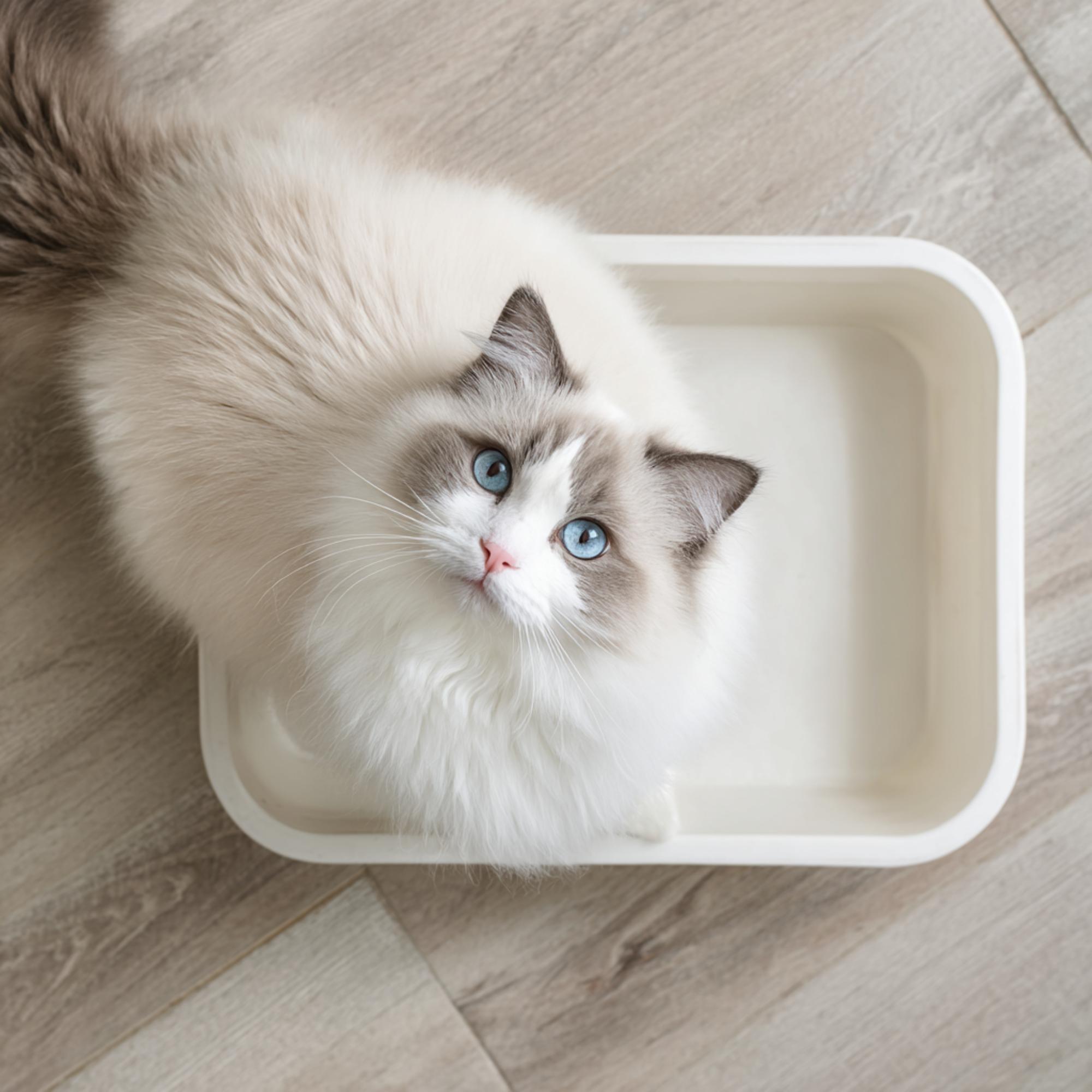

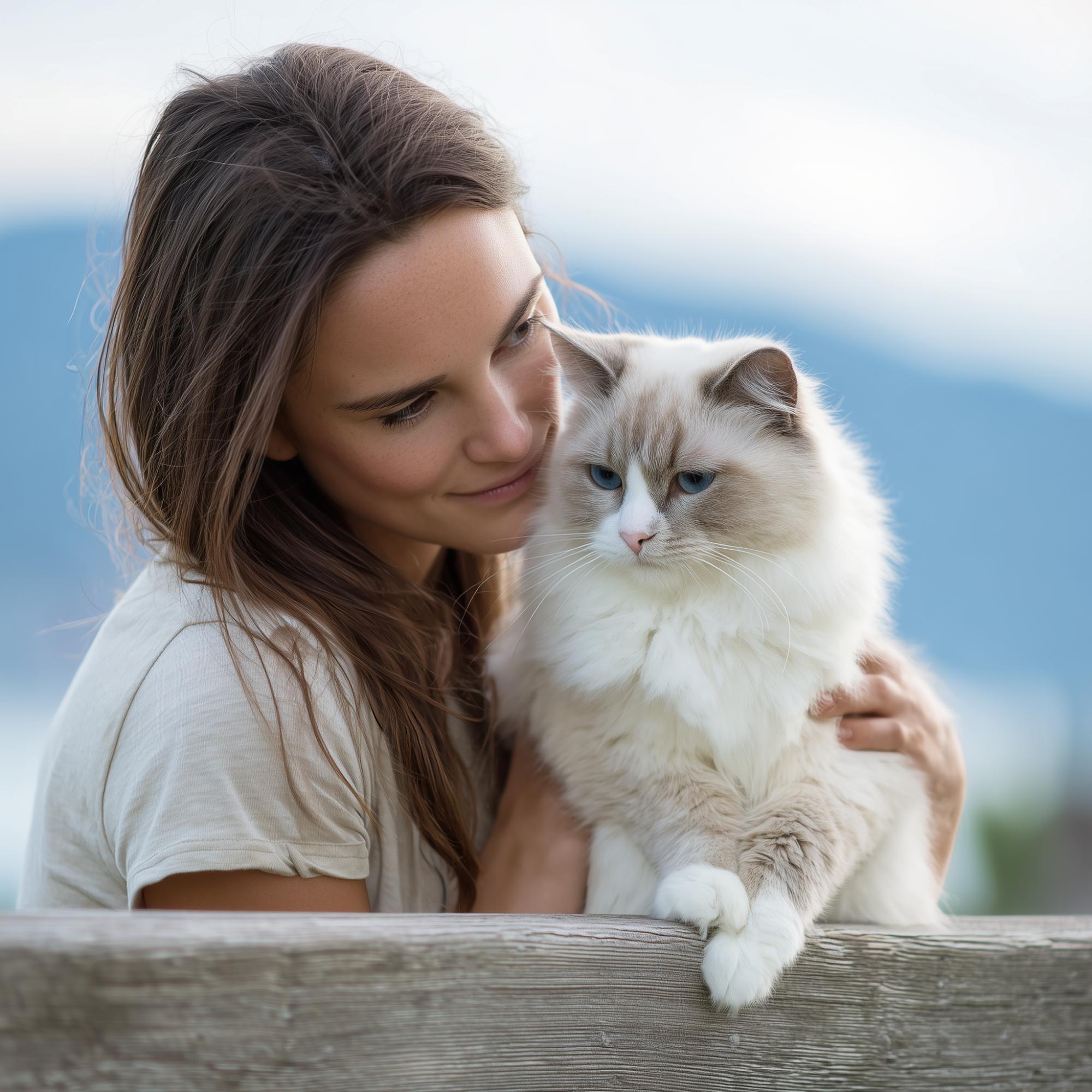





Read the Comments +