
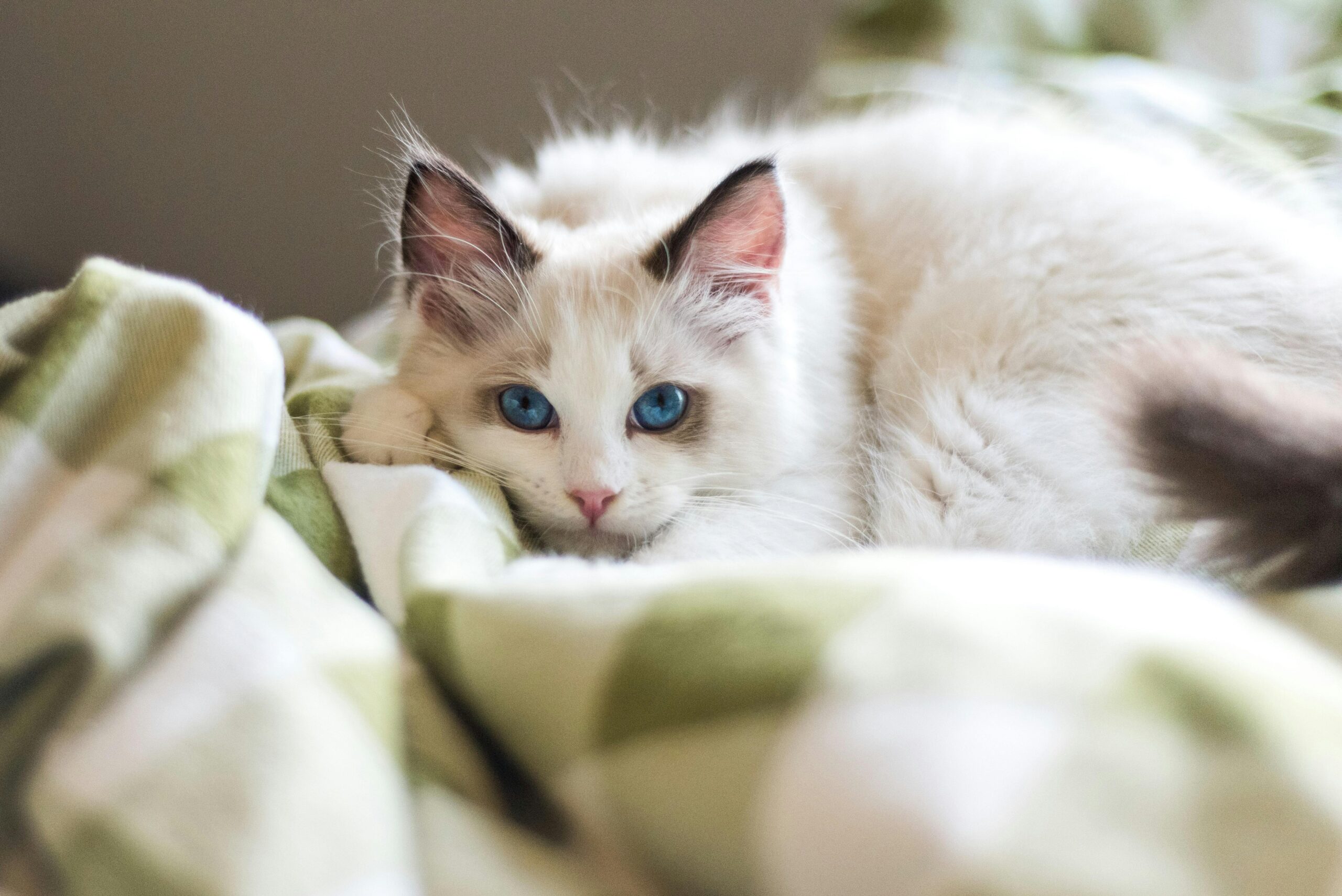
Ragdoll Cat Growth Stages: From Kitten to Adult
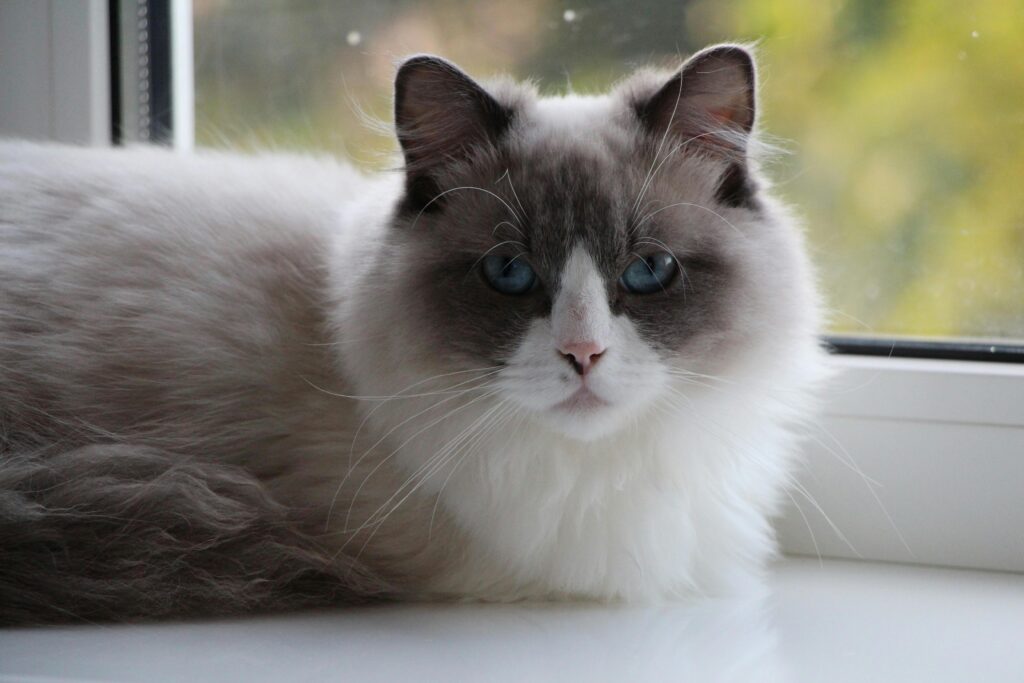
Ragdoll cats are one of the slowest-maturing cat breeds in the world. While most domestic cats reach their full size by one year of age, Ragdolls continue growing and developing for up to three or even four years. This extended growth period often surprises new owners and leads to unnecessary worry about size, weight, and development.
This guide explains Ragdoll growth stages from kitten to adult, including how fast Ragdolls grow, typical weight ranges by age, physical and coat development milestones, and when Ragdoll cats stop growing. If you are wondering whether your Ragdoll is growing normally, this page will help you understand what is expected at every stage of development.
This article focuses specifically on physical growth and maturation, not on choosing between kittens and adult cats or the buying process. Its purpose is to give owners a clear, accurate picture of how Ragdolls grow over time.
How Fast Do Ragdoll Cats Grow Compared to Other Cats
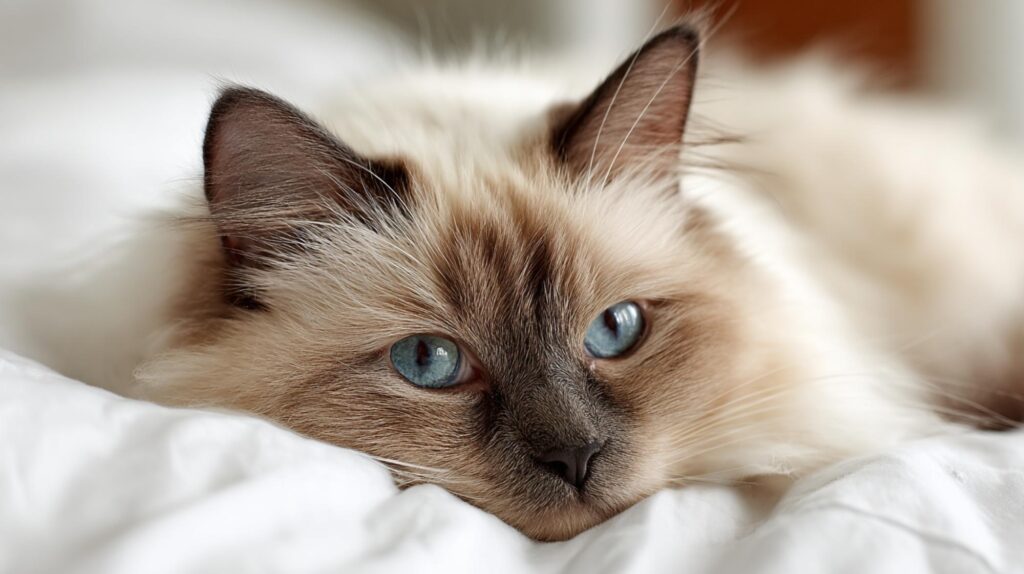
Ragdoll cats grow significantly more slowly than most domestic cat breeds. While the average house cat reaches full physical maturity by around 12 months of age, Ragdolls follow an extended growth timeline that can last three to four years.
This slow growth is a defining characteristic of the breed. Ragdolls were developed to be large, heavy-boned cats with substantial muscle mass and a dense, semi-long coat. All of these traits take longer to fully develop than those of lighter, faster-maturing breeds.
During the first year, Ragdoll kittens grow steadily in height and length but often remain lean. By the second year, their frame continues expanding and muscle begins to fill out. True adult proportions, including full chest width, bone density, and coat maturity, typically do not appear until the third or fourth year, particularly in males.
Because of this extended timeline, it is normal for young Ragdolls to look smaller, lankier, or less “finished” than other cats of the same age. Slow, consistent development is expected and healthy for the breed.
Ragdoll Growth Pace and Typical Development Pattern
Ragdoll cats are known for a slower, extended growth pattern compared to most domestic breeds. Their skeletal structure, muscle mass, and coat density develop gradually, which is why Ragdolls often continue filling out until three to four years of age, particularly males.
During the first year, growth focuses primarily on length and height rather than bulk. In the second year, muscle mass increases and body proportions begin to balance. Full adult structure and coat maturity typically appear later, once growth plates close and physical development stabilizes.
Average Ragdoll Growth by Age
- By 6 months: most Ragdoll kittens weigh approximately 4–8 lbs
- By 12 months: weight commonly ranges from 8–15 lbs, depending on sex and genetics, with growth still ongoing
- By 24 months: body shape becomes more proportional, and coat density increases
- By 3–4 years: Ragdolls reach full adult size and physical maturity
- Males often weigh 15–20+ lbs
- Females typically range between 10–15 lbs
These ranges represent healthy development for the breed rather than fixed targets. Individual growth patterns vary based on genetics, nutrition, and overall health.

Ragdoll Kitten Growth Timeline: From Birth to Full Maturity
Birth to 8 Weeks: Newborn Development
Typical weight: Birth to approximately 2–3 lbs by 8 weeks
During the newborn stage, Ragdoll kittens grow rapidly relative to their size. Weight often doubles within the first week. Eyes usually open between 7–10 days, coordination improves steadily, and social interaction with littermates begins around weeks 3–4.
At this stage, kittens remain with their mother. Growth is supported through nursing, early weaning, and careful monitoring by the breeder. Early handling and gentle exposure during this period influence long-term confidence and temperament.
2 to 6 Months: Rapid Structural Growth
Typical weight: approximately 4–8 lbs by 6 months
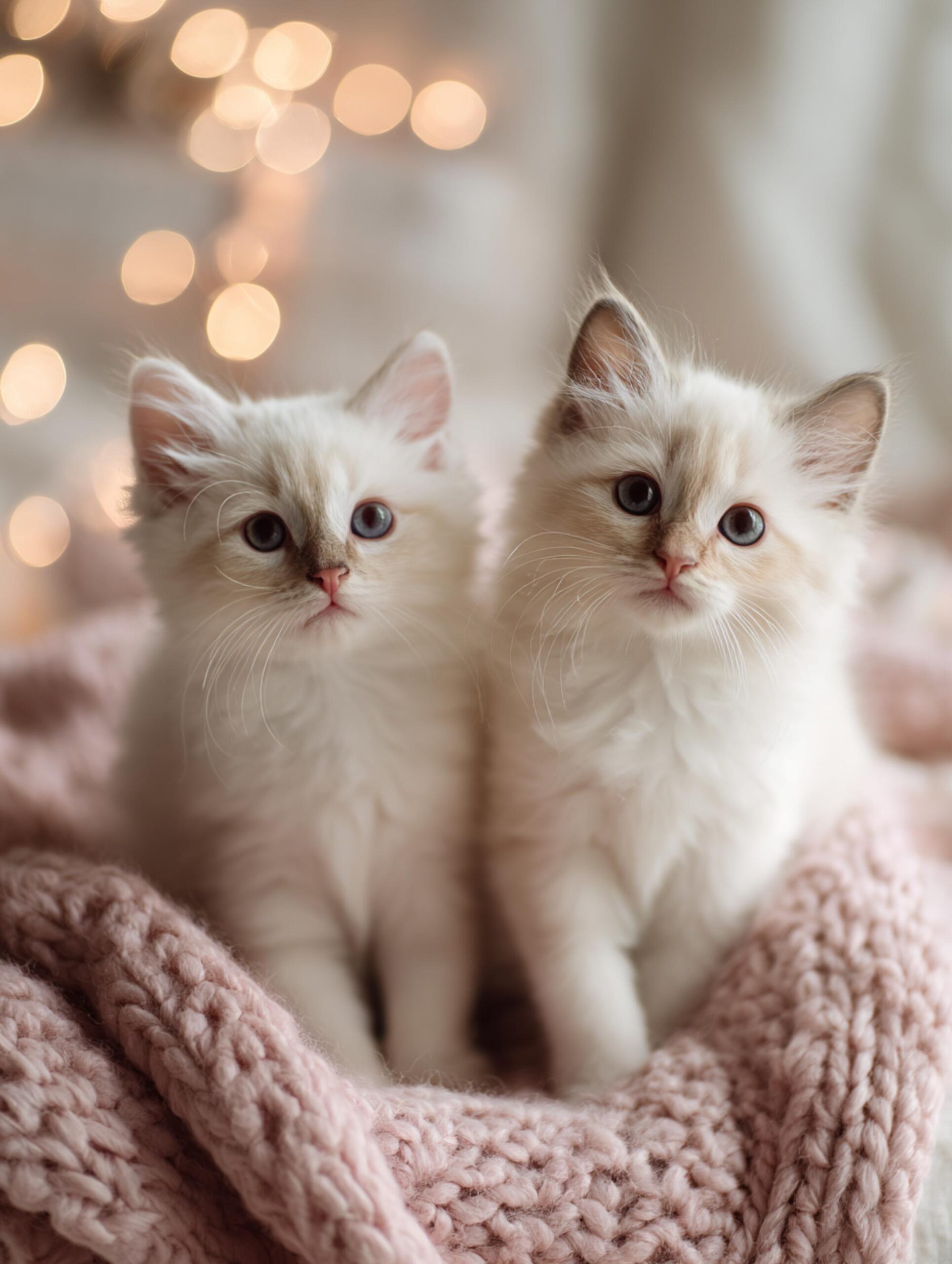
Between two and six months, Ragdoll kittens experience their fastest visible growth. Bones lengthen, limbs appear long, and ears and paws may look oversized compared to the body. This phase often gives kittens an awkward or lanky appearance.
Muscle development begins but has not yet filled out. Energy levels are high, coordination improves quickly, and play behavior becomes more purposeful. This is a key developmental window for learning household routines and handling.
6 to 12 Months: Adolescent Stage
Typical weight: approximately 8–15 lbs, depending on sex and genetics
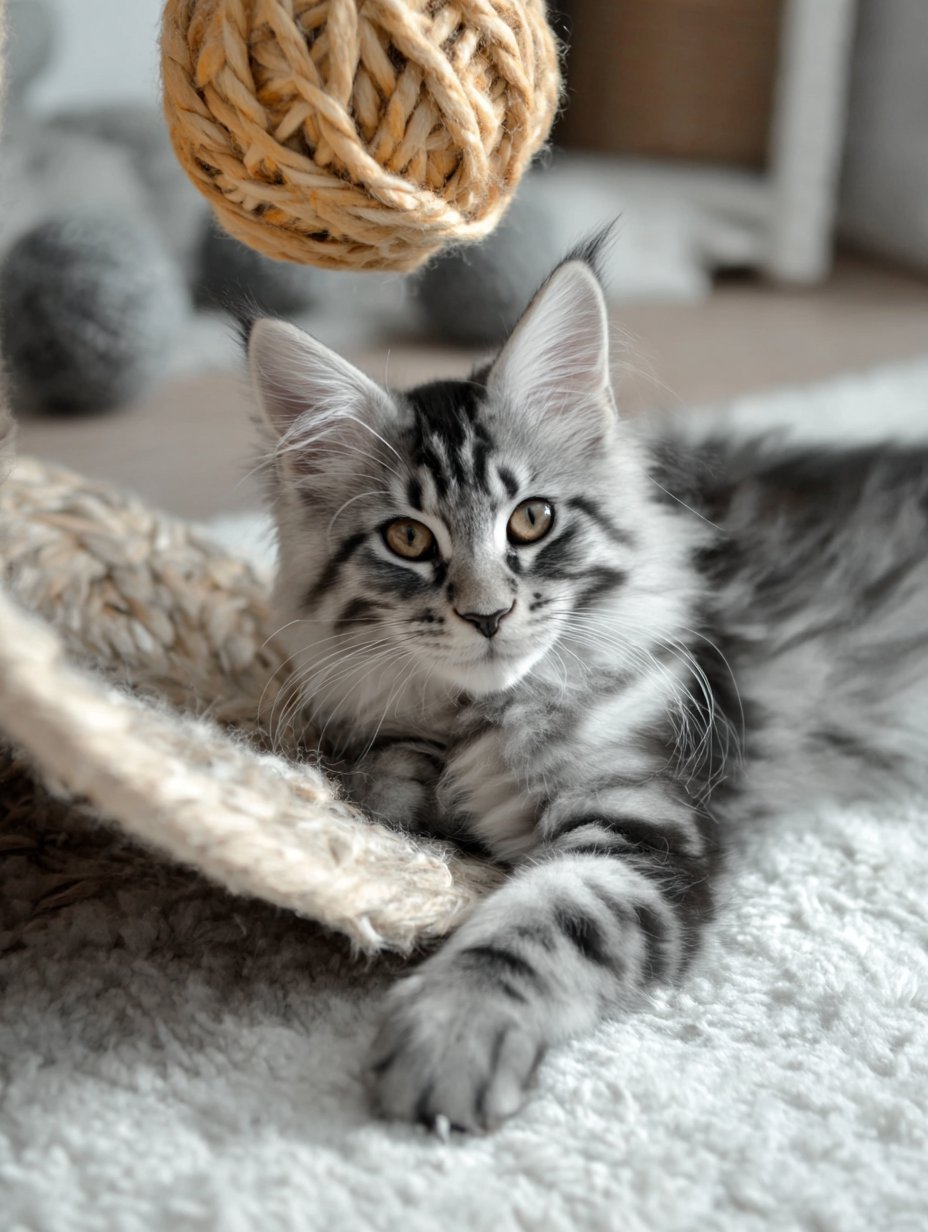
From six months to one year, growth continues at a slower but steady pace. Ragdolls often look tall and lean during this phase, with body proportions still catching up to skeletal growth. Male kittens may appear especially lanky.
Hormonal changes occur during this period, and growth plates remain open. While size increases, Ragdolls are not yet close to their final adult form.
1 to 2 Years: Young Adult Development
Typical weight:
- Males: ~12–18 lbs
- Females: ~10–15 lbs
During the second year, muscle mass increases and body proportions begin to balance. The chest broadens, the frame fills out, and the coat starts to gain density and length. Personality also becomes more stable and predictable.
Although many owners assume growth is complete at this stage, Ragdolls are still developing both physically and structurally.
2 to 4 Years: Full Adult Maturity
Typical weight:
- Males: often 15–20+ lbs
- Females: typically 12–16 lbs
Between two and four years of age, Ragdolls reach full physical maturity. Growth plates close, muscle mass is fully developed, and the semi-long coat reaches its final texture and fullness.
At this stage, the body appears proportionate and substantial rather than lanky. Behavioral maturity is also complete, with reduced kitten-like energy and a calmer, more settled temperament.
Ragdoll Cat Growth Chart (Approximate)
Because Ragdolls grow more slowly than most cats, it helps to have a reference chart to compare your kitten’s progress. Keep in mind that every cat is unique — genetics, nutrition, and overall health all influence how fast they grow. Some Ragdolls stay on the lighter end of the scale until they suddenly “catch up” in their second or third year.
Here’s a general guideline for healthy Ragdoll growth:
| Age | Male Weight Range | Female Weight Range | Notes |
|---|---|---|---|
| 8 weeks | 2–3 lbs | 2–3 lbs | Weaning, starting solid food, early play. |
| 6 months | 6–9 lbs | 5–8 lbs | Lanky phase; bones growing fast. |
| 12 months | 10–15 lbs | 8–12 lbs | Adolescence; coat thickening. |
| 2 years | 12–18 lbs | 10–15 lbs | Body starts to balance, muscles fill out. |
| 4 years | 15–20+ lbs | 12–16 lbs | Full maturity; plush coat and steady temperament. |
How to Use This Chart
- Don’t panic if your kitten falls slightly above or below these numbers. Growth isn’t linear — many Ragdolls gain weight in spurts.
- If your cat is significantly underweight or overweight for their age, consult your veterinarian to rule out health concerns.
- Focus on body condition (muscle tone, energy levels, coat quality) as much as the scale number.
Ragdoll Breeder Insight
In breeding programs, it’s common to see males shoot up in size after the first year, while females grow steadily and more proportionally. For example, a male that weighs 11 lbs at 1 year may suddenly jump to 16 lbs by age 2 without changes in diet.
Many owners also worry their Ragdoll is “too small” at 12 months. Remember — most of the breathtaking photos you see online are of cats that are 3–4 years old, not yearlings.
When Do Ragdoll Cats Stop Growing?
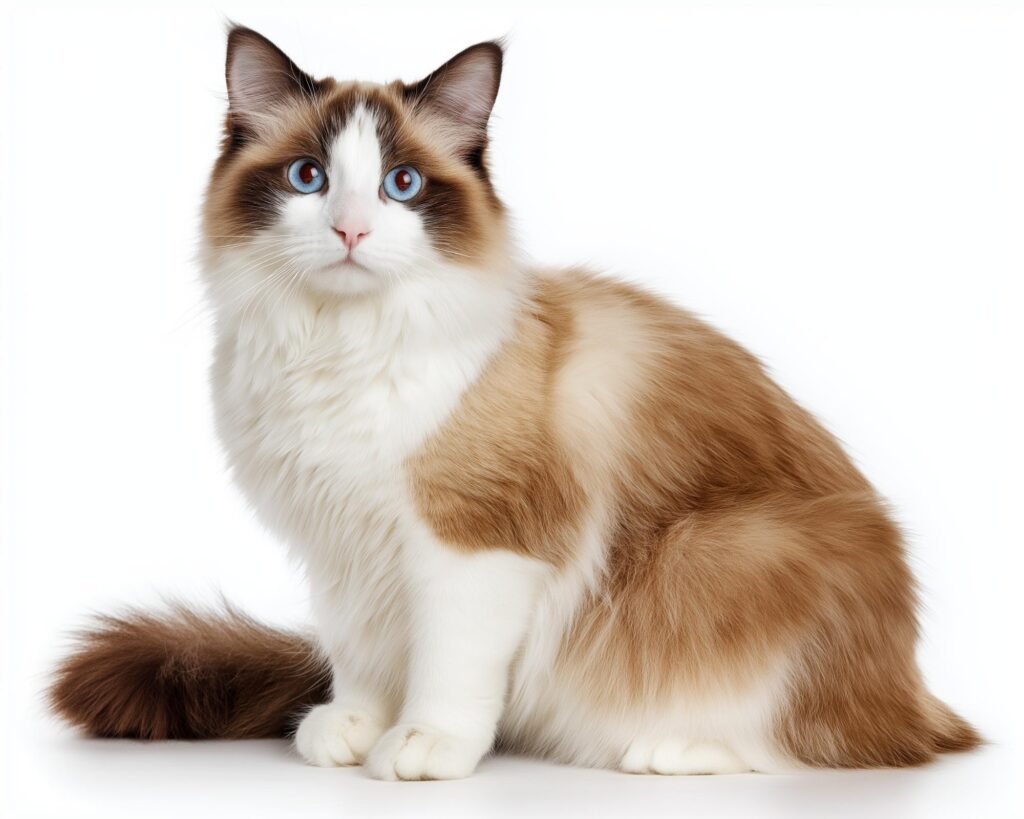
Ragdoll cats stop growing much later than most domestic cat breeds. While many cats reach their adult size by 12 to 18 months, Ragdolls typically continue growing until they are between 3 and 4 years old. This extended timeline applies to height, muscle mass, bone structure, and coat development.
Growth does not stop all at once. Instead, it slows gradually as different parts of the body mature at different rates.
What “Finished Growing” Actually Means in Ragdolls
For Ragdolls, full maturity includes several milestones:
- Skeletal growth usually slows significantly after 18–24 months, though bones may continue to strengthen into year three
- Muscle mass continues to fill out after the first year, especially in males
- Body proportions even out as the chest broadens and the frame becomes more substantial
- Coat development often completes last, with full density and length appearing closer to 3–4 years
Because of this staggered development, a Ragdoll may appear adult-sized in height but still look lean or unfinished well into the second year.
Differences Between Male and Female Ragdolls
Sex plays a major role in how long growth continues:
- Male Ragdolls often take the longest to mature. Many remain lanky until 18–24 months, then gain noticeable muscle mass and weight during years two and three.
- Female Ragdolls tend to grow more evenly and often look closer to finished earlier, though coat and final weight may still improve into the third year.
This difference is one reason owners sometimes worry about male Ragdolls looking “behind” at one year. In most cases, they are simply still developing.
Signs Your Ragdoll Has Reached Full Maturity
Your Ragdoll has likely finished growing when:
- Weight has remained stable for several months
- The body looks proportionate rather than lanky
- The chest and shoulders are fully developed
- The coat has reached full length and density
- Energy levels are calmer and more predictable
At this point, growth plates have closed, muscle mass is established, and further size changes are minimal.
Why This Timeline Matters
Understanding when Ragdoll cats stop growing helps owners make better decisions about:
- Nutrition: avoiding overfeeding during the lanky adolescent stage
- Weight expectations: recognizing that size differences at one year are normal
- Health monitoring: focusing on steady development rather than speed
Ragdolls are designed to mature slowly. A long growth period is not a delay or problem — it is a defining trait of the breed.
Factors That Affect Ragdoll Cat Growth
While genetics set the foundation for how large a Ragdoll will become, several additional factors influence how steadily and healthily that growth occurs. Understanding these variables helps owners interpret normal variation without assuming something is wrong.
Genetics and Bloodlines
Genetics are the strongest predictor of adult size, bone structure, and growth speed. Some Ragdoll lines consistently produce larger, slower-maturing cats, while others mature earlier with a more moderate frame. Parental size and structure provide the most reliable reference point for expected adult development.
Nutrition During the Growth Period
Ragdolls require sustained, high-quality nutrition throughout a longer-than-average growth window.
- Adequate animal-based protein supports muscle development
- Balanced fat levels provide energy without encouraging excess weight
- Poor-quality diets can lead to uneven growth or delayed muscle development
Growth should be steady rather than rapid. Overfeeding does not speed healthy development and can place unnecessary stress on joints.
Sex Differences
Male and female Ragdolls grow differently.
- Males typically grow for a longer period and experience later muscle development
- Females often mature more evenly and reach their adult appearance earlier
Comparing growth between sexes can create misleading expectations. Each follows a distinct developmental pattern.
Spay and Neuter Timing
Sterilization timing can subtly influence body shape, though it does not prevent normal adult size.
- Earlier sterilization may result in slightly longer limbs
- Later sterilization may allow earlier muscle development
In all cases, Ragdolls continue following their genetic growth trajectory regardless of timing.
Overall Health and Veterinary Care
Health challenges during kittenhood can temporarily affect growth rate.
- Parasites can interfere with nutrient absorption
- Chronic illness may slow weight gain
- Routine veterinary care supports consistent development
Monitoring weight trends over time is more meaningful than focusing on isolated measurements.
Activity Level and Environment
Muscle development depends not only on nutrition but also on movement.
- Regular play supports strength and coordination
- Climbing and jumping encourage balanced muscle tone
- Sedentary environments may lead to softer body condition
Healthy activity supports proper physical development without influencing final size.
Important Perspective for Owners
Ragdoll growth is not linear. Some kittens grow quickly early and slow later, while others appear small for long periods before filling out suddenly. Variation within healthy ranges is expected and normal for the breed.
This section explains why two Ragdolls of the same age may look very different while still developing appropriately.
FAQs About Ragdoll Growth
1. Why is my Ragdoll so small at 1 year old?
This is completely normal. Ragdolls often look lean or lanky at 12 months because they are still in their teenage growth stage. Most will continue filling out until 3–4 years of age.
2. Do male Ragdolls grow bigger than females?
Yes. Adult males typically reach 15–20+ lbs, while females average 10–15 lbs. Males also tend to have a later “growth spurt” between 18 months and 3 years.
3. When do Ragdolls stop growing?
Most Ragdolls reach their full size and coat maturity by 3–4 years old. Some lines, especially larger males, may continue developing slightly past that age.
4. Why does my Ragdoll look lanky?
During adolescence (6–18 months), it’s common for Ragdolls to look tall and skinny, with oversized paws or tails. This stage is temporary — as they age, their body balances out and fills in with muscle.
5. How big should a Ragdoll be at 6 months?
Most Ragdoll kittens weigh between 4–8 lbs by 6 months. Some grow faster, some slower, but as long as your kitten is playful, eating well, and steadily gaining weight, they are on track.
6. Can nutrition affect how large my Ragdoll gets?
Yes, but only within genetic limits. A high-quality diet rich in protein supports healthy growth, while poor-quality food may stunt development or lead to obesity. Genetics will ultimately set the maximum size.
7. Are Ragdolls bigger than Maine Coons?
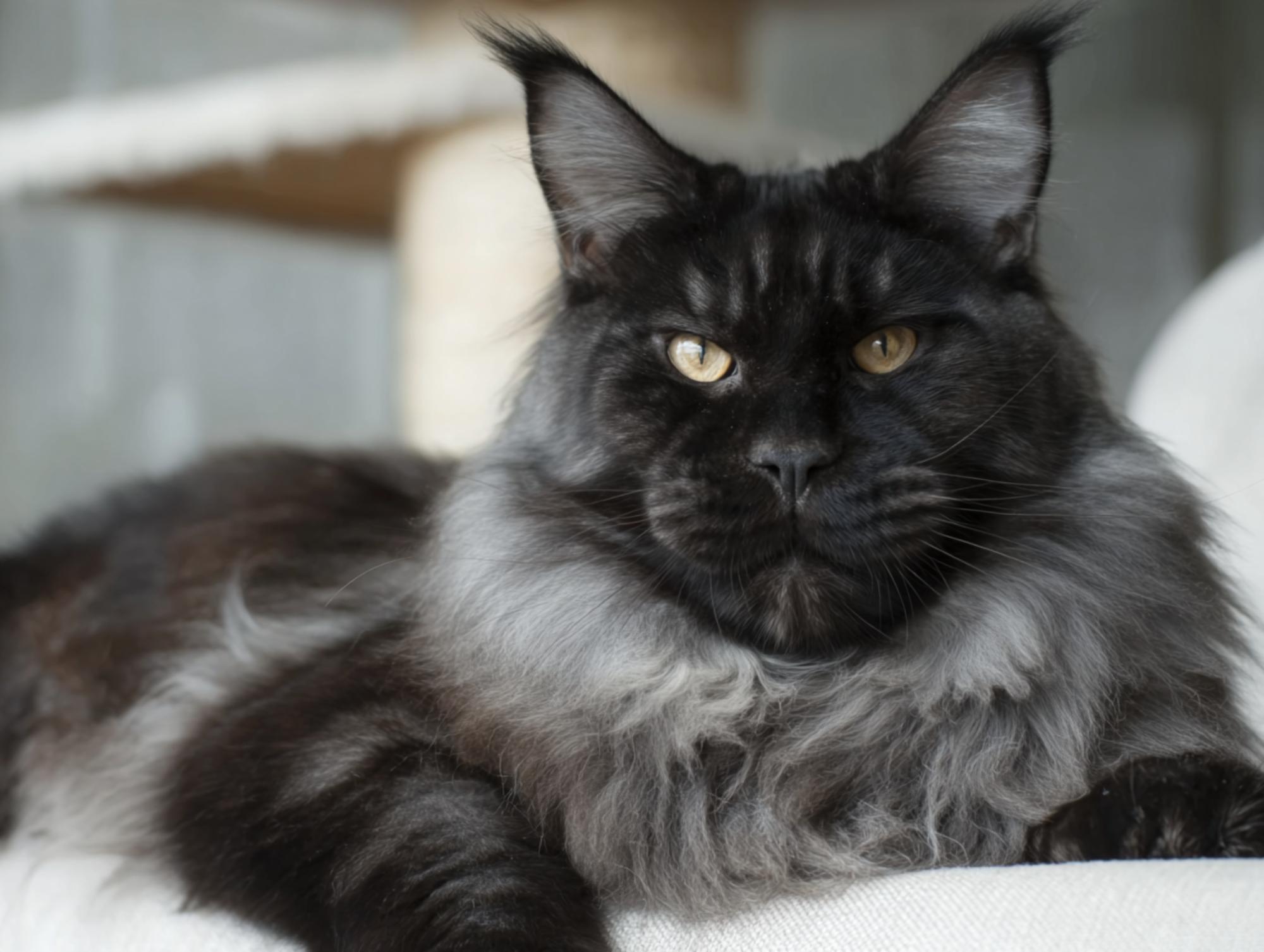
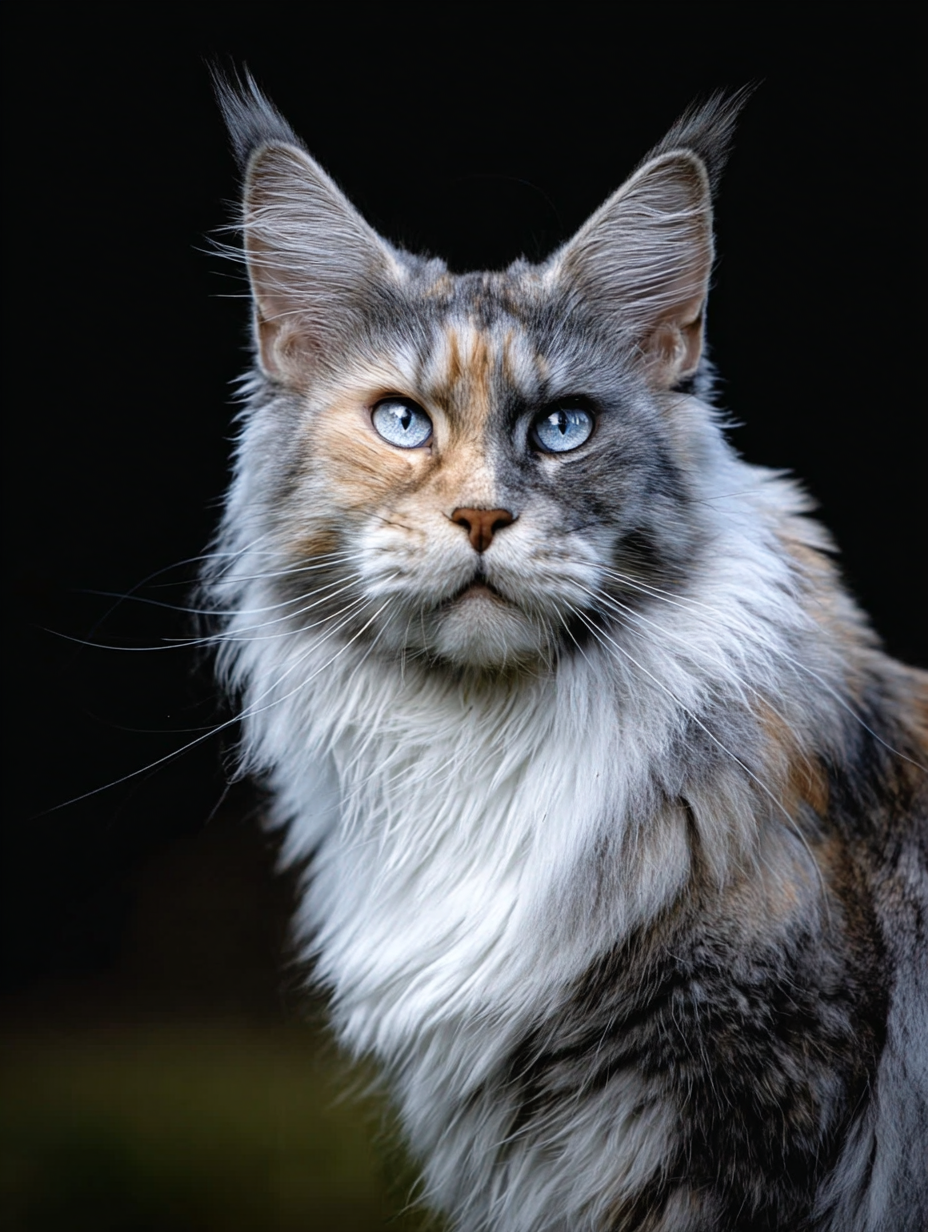
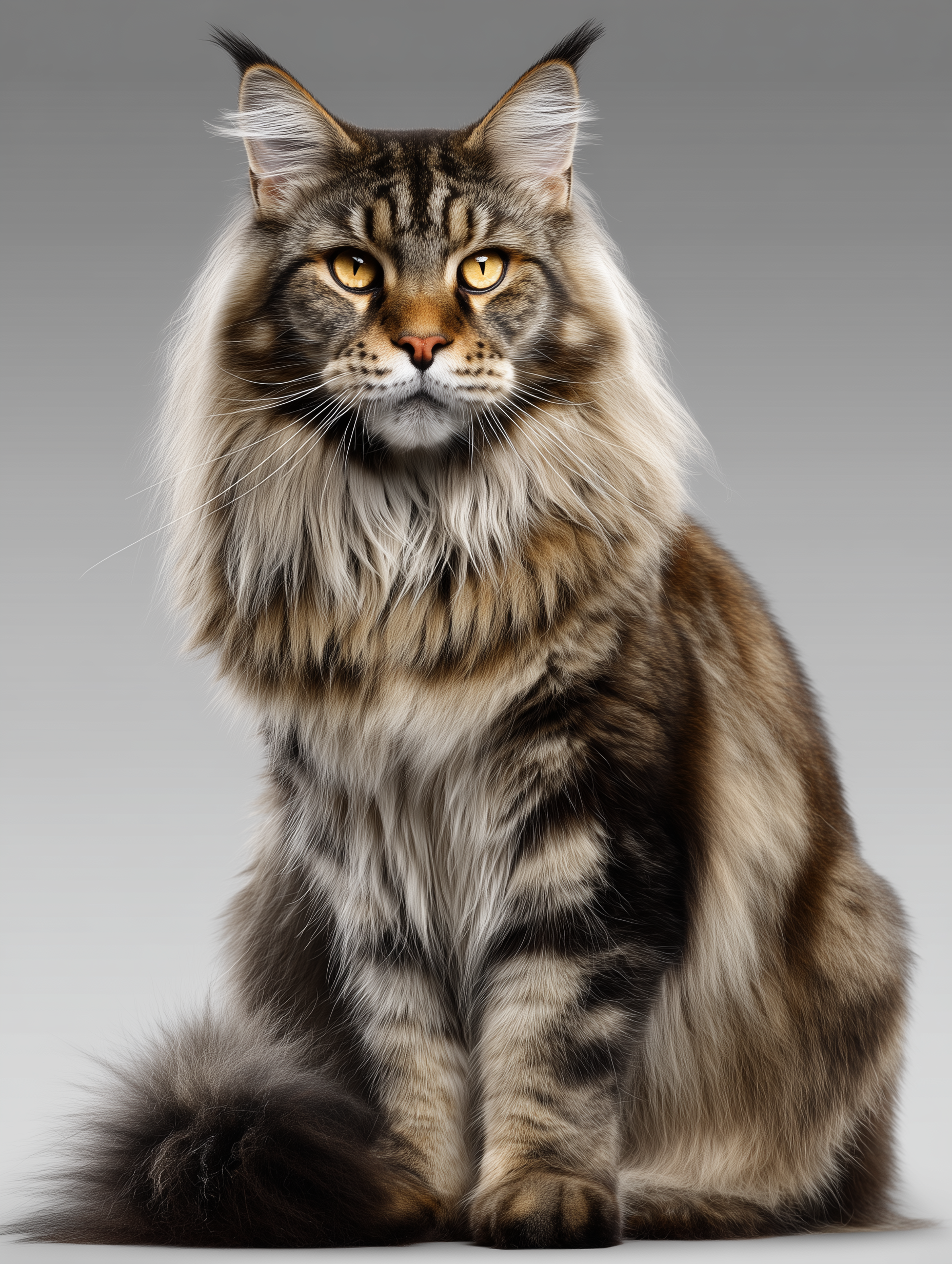
Maine Coons are usually larger, often reaching 18–25 lbs for males. Ragdolls are still one of the biggest cat breeds, but their build is softer and less rugged than the Maine Coon’s.
8. Do Ragdolls grow slower than other cats?
Yes. Most domestic cats finish growing by 12 months, but Ragdolls take 3–4 years. Their slow development is part of why they grow so large and maintain a kitten-like sweetness longer.
9. Should I worry if my Ragdoll isn’t gaining weight?
If your kitten hasn’t gained weight for more than a month, or seems lethargic, consult your veterinarian. Parasites, illness, or nutritional issues can sometimes slow growth.
10. Does neutering/spaying affect growth?
Sterilization timing can influence body shape slightly, but it won’t prevent your Ragdoll from reaching normal adult size. Cats neutered earlier may look taller and slimmer, while those fixed later may fill out more heavily.
11. When will my Ragdoll get its full coat?
The kitten coat is soft and fluffy but thin. By 18–24 months, you’ll see a thicker ruff around the neck and fuller tail. The true adult coat usually appears between 3–4 years.
12. How can I track my Ragdoll’s growth?
Keep a monthly weight log until at least 2 years of age. Compare against growth charts, but focus more on steady progress, appetite, energy, and coat health than on hitting exact numbers.
Final Thoughts on Ragdoll Cat Growth
Ragdoll cats grow and mature at a much slower pace than most domestic cat breeds. While many cats reach their adult size within the first year, Ragdolls continue developing in height, muscle mass, and coat quality for up to three or four years. This extended growth timeline is a normal and defining trait of the breed.
Understanding each stage of Ragdoll development helps owners set realistic expectations and recognize healthy variation. Lanky adolescent phases, delayed muscle filling, and gradual coat changes are all part of normal growth. Comparing a young Ragdoll to a fully mature adult often leads to unnecessary concern.
Rather than focusing on exact numbers on a scale, the most useful indicators of healthy growth are steady progress over time, good energy levels, strong appetite, and overall body condition. With proper nutrition, routine veterinary care, and patience, Ragdolls naturally reach their full size and mature into the calm, substantial cats they are known for.
Related Ragdoll Posts
If you want to understand the Ragdoll breed beyond growth and development, these posts expand on related topics owners commonly search next:
- Ragdoll Kitten vs Adult Cat
Understand the lifestyle, time commitment, and adjustment differences between raising a kitten and adopting an adult Ragdoll. - Ragdoll Cat Buy: How the Buying Process Works
A step-by-step overview of what responsible Ragdoll placement looks like and what buyers should expect before moving forward. - What to Expect After a Kitten Goes Home
Learn what is normal during the first days and weeks after bringing a kitten home, including behavior changes and adjustment patterns. - Complete Ragdoll Colors and Patterns Guide
A visual and genetic overview of Ragdoll colors, patterns, and how coat appearance develops over time. - Ragdoll Cat Health and Longevity
An in-depth look at common health considerations, preventive care, and what supports a long, healthy life in Ragdolls. - Should You Get One Kitten or Two?
A practical guide to deciding whether one kitten or a pair is the better fit for your home and lifestyle.
Resources & References on Ragdoll Cat Growth
The information in this guide is based on established breed standards, veterinary growth research, and long-term observations of Ragdoll development.
- The International Cat Association (TICA)
Official Ragdoll breed standard, including size, structure, and development expectations
https://tica.org/breeds/browse-all-breeds?view=article&id=201:ragdoll&catid=48 - Cat Fanciers’ Association (CFA)
Ragdoll breed overview and physical characteristics
https://cfa.org/ragdoll/ - UC Davis Veterinary Genetics Laboratory
Genetics, growth considerations, and inherited traits relevant to purebred cats
https://vgl.ucdavis.edu - Cornell Feline Health Center
Evidence-based guidance on feline growth, nutrition, and long-term health
https://www.vet.cornell.edu/departments-centers-and-institutes/cornell-feline-health-center - International Cat Care (iCatCare)
Cat development stages, body condition scoring, and welfare guidelines
https://icatcare.org - American Veterinary Medical Association (AVMA)
General feline development, preventive care, and growth monitoring
https://www.avma.org/resources-tools/pet-owners








Read the Comments +