
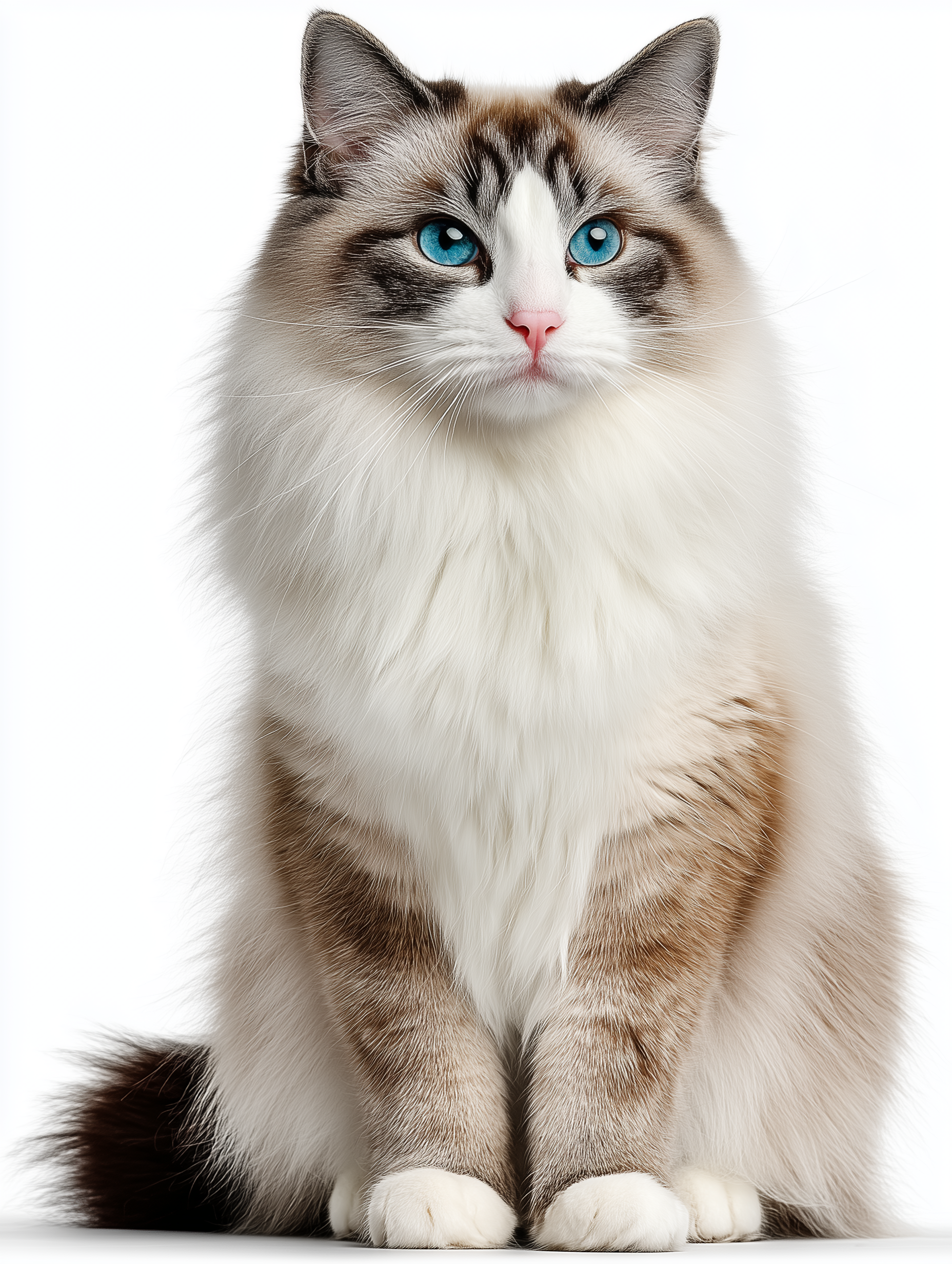
How Much Do Ragdoll Cats Shed?
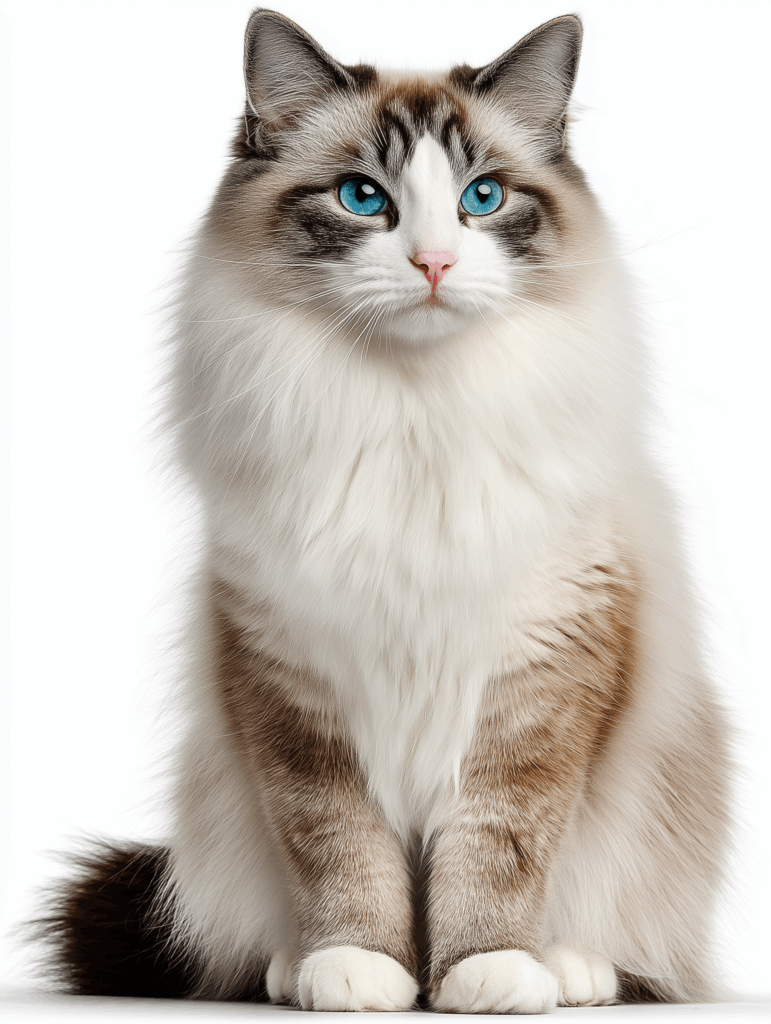
Ragdoll cats shed a moderate, predictable amount due to their plush, semi-long coat and low-density undercoat. This article explains normal Ragdoll cat shedding patterns, what influences coat release, how to reduce loose fur without damaging coat quality, when shedding signals a problem, and the grooming, nutrition, and home strategies that keep a Ragdoll’s coat healthy year-round.
Ragdolls do shed—but they shed differently from many long-haired breeds. Their coat lacks the dense, woolly undercoat seen in breeds like Persians or British Longhairs. Instead, Ragdolls have a silky, flowing coat that releases hair more gradually and mats less when properly maintained. Shedding is completely normal for the breed, and with consistent care, it remains manageable and predictable.
Ragdolls typically shed lightly to moderately year-round, with noticeable increases during spring and fall as coat density adjusts. Because the coat is soft and tends to hold loose hair until brushed, owners often notice less hair scattered around the home and more hair released during grooming sessions.
Understanding Ragdoll cat shedding allows owners to maintain coat condition, reduce household fur, and catch early warning signs of health or stress-related issues.
Ragdoll Cat Shedding — Summary Table
| Topic | Key Takeaway |
|---|---|
| Overall Shedding Level | Moderate, steady shedding that is predictable and manageable |
| Coat Type | Semi-long, silky coat with minimal undercoat |
| Year-Round Shedding | Present at low levels due to continuous coat renewal |
| Seasonal Changes | Most noticeable in spring; milder adjustment in fall |
| Indoor Living Impact | More even shedding throughout the year due to stable light and temperature |
| Kitten Coat Transition | Baby coat sheds between 4–6 months as adult coat develops |
| Spay/Neuter Effects | Coat may feel fuller; slightly increased routine shedding |
| Senior Coat Changes | Shedding may increase due to drier skin and reduced self-grooming |
| Grooming Frequency | 2–3× weekly; 3–4× during seasonal shedding periods |
| Best Grooming Tools | Steel comb, soft slicker, pin brush, rubber grooming brush |
| Bathing | Optional; helpful during seasonal shedding peaks |
| Diet Influence | High-quality protein and omega fats support coat health |
| Hydration Role | Proper hydration reduces dryness-related shedding |
| Environmental Support | Balanced humidity, air purifiers, routine cleaning |
| Normal vs Abnormal | Even shedding is normal; patchy loss or skin changes are not |
| When to See a Vet | Bald spots, skin irritation, sudden shedding, behavior changes |
| Allergy Considerations | Ragdolls are not hypoallergenic despite moderate shedding |
| Owner Expectation | Shedding cannot be eliminated, only managed consistently |
How Much Do Ragdoll Cats Shed?
Ragdolls shed at a moderate, steady rate throughout the year. Their coat is longer than a shorthaired cat’s but lacks the thick, compact undercoat that causes heavy seasonal blowouts in some breeds. Most shedding comes from normal hair turnover, not sudden coat dumps.
Because the fur is soft and slightly plush, loose hair often stays trapped near the skin until brushed out. This can create the impression that Ragdolls “don’t shed much,” followed by large amounts of hair appearing during grooming. This pattern is typical and healthy.
Key points:
- Ragdolls shed continuously as part of normal coat renewal
- Shedding increases during spring and fall transitions
- The coat releases hair gradually rather than in dense clumps
- Indoor Ragdolls shed more consistently due to stable temperatures
- A full, glossy coat with even density indicates normal shedding
As long as shedding remains even and the coat looks healthy, the amount is normal for the breed.
Why Ragdoll Cats Shed the Way They Do
Ragdoll cat shedding is shaped by coat structure, genetics, and environment rather than coat length alone.
Coat Structure
Ragdolls have a semi-long coat with:
- Minimal undercoat
- Soft, flowing guard hairs
- Low tendency to felt or pack down
This structure allows hair to release smoothly instead of compacting into thick mats or shedding explosively.
Genetics
The breed was developed for:
- Low-maintenance coat texture
- Reduced matting compared to heavy long-haired breeds
- A softer, silkier feel that sheds predictably
Environment
Indoor living affects shedding patterns significantly:
- Artificial lighting reduces sharp seasonal changes
- Climate control leads to more even, year-round shedding
- Dry air can increase static and breakage, not true shedding
When Do Ragdoll Cats Shed the Most?
Seasonal Shedding Cycles
Ragdolls experience seasonal shedding, but their cycles are milder and more gradual than breeds with dense double coats. Because the Ragdoll coat has minimal undercoat, shedding tends to increase in noticeable phases rather than dramatic coat “blowouts.”
Spring Coat Release
Spring is typically the most noticeable shedding period for Ragdolls. As daylight increases, older winter fur loosens and releases.
Owners commonly notice:
- Increased hair coming out during brushing
- More loose fur on bedding and resting areas
- Fine, silky hair appearing on clothing or furniture
This shedding is usually spread out over several weeks. Regular brushing during this period prevents tangling and keeps loose fur from accumulating in the coat.
Fall Coat Adjustment
In fall, Ragdolls adjust coat density rather than shedding heavily. The coat becomes slightly fuller and more plush as temperatures cool.
During this transition:
- Shedding is lighter than in spring
- Fur releases gradually as the coat renews
- Changes are subtle and easy to manage with routine grooming
Most owners notice consistency rather than sudden increases.
Indoor Lifestyle Effects
Indoor Ragdolls often shed more evenly year-round. Artificial lighting and climate control reduce strong seasonal triggers, so shedding may occur in smaller waves every few months instead of distinct seasonal peaks.
This pattern is normal and reflects environmental stability, not a health issue.
Age and Hormonal Factors That Influence Ragdoll Shedding
Kitten to Adult Coat Transition
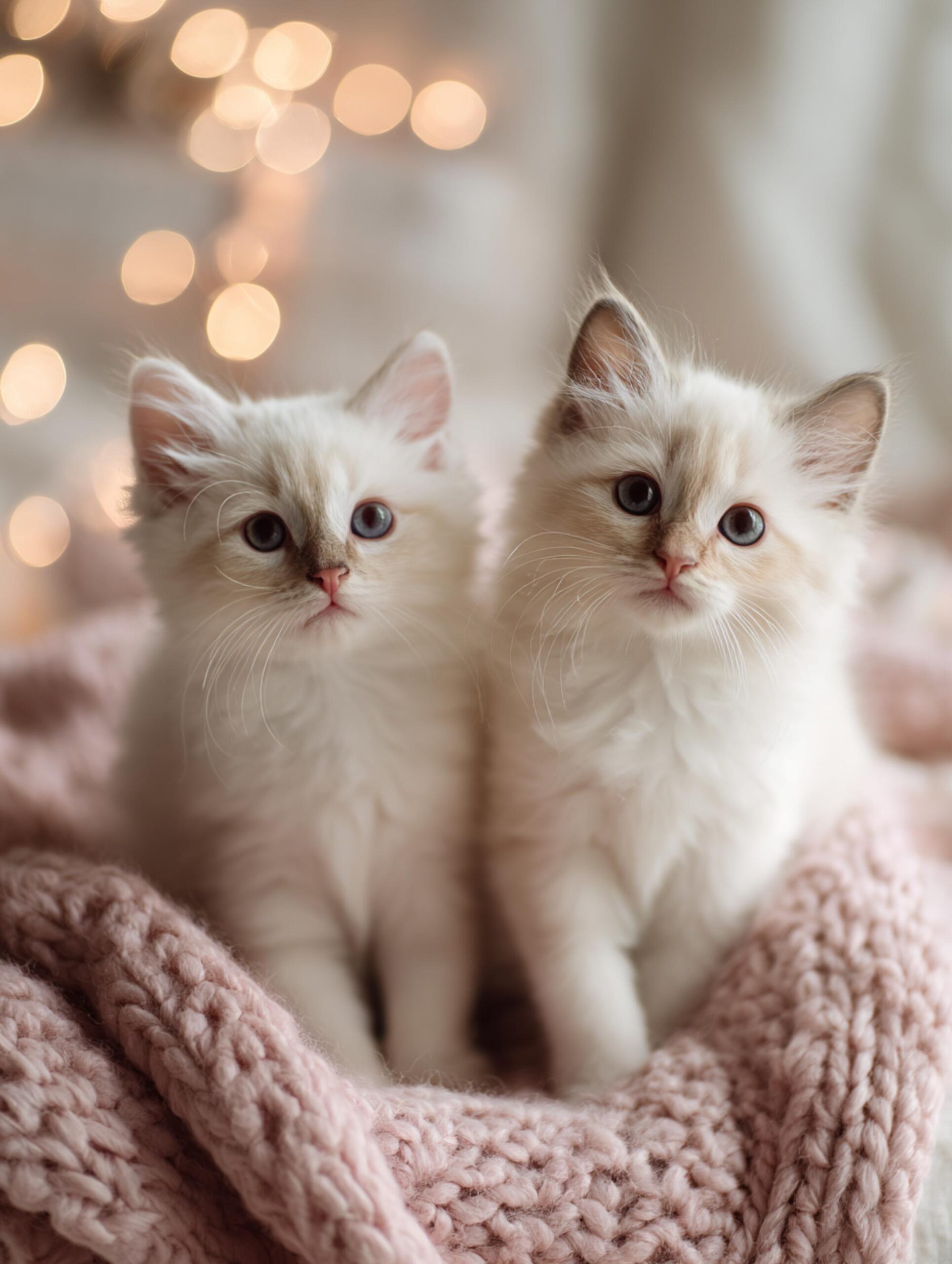
Ragdoll kittens shed their soft baby coat as they mature, usually between 4 and 6 months of age. During this period:
- Fine fluff and loose hair are common
- The adult semi-long coat begins to develop
- Texture becomes more defined and silky
Shedding stabilizes once the adult coat is fully established.
Effects of Spay or Neuter
After spaying or neutering, many Ragdolls develop a softer, fuller-feeling coat. Hormonal changes lengthen the hair growth cycle, which can:
- Increase routine shedding slightly
- Make the coat feel heavier or plusher
- Require more consistent brushing
This change is expected and does not indicate abnormal coat loss.
Senior Coat Changes
As Ragdolls age, coat condition can shift due to:
- Slower skin cell turnover
- Reduced natural oil production
- Decreased self-grooming flexibility
Older cats may appear to shed more because loose hair stays trapped in the coat. Increasing brushing frequency helps maintain coat health, prevents buildup, and keeps the fur looking even and comfortable.
These shedding changes are part of the normal lifecycle of a Ragdoll cat. Understanding when and why they occur allows owners to adjust grooming routines proactively and maintain coat quality at every stage of life.
What Causes Excessive Shedding in Ragdoll Cats?
Normal vs Abnormal Shedding
Ragdolls naturally shed a steady, light-to-moderate amount each day as part of normal coat renewal. Seasonal changes—most noticeably in spring—can cause predictable increases in shedding.
Shedding becomes abnormal when you notice:
- visible bald spots
- irritated or red skin
- sudden, sharp increases in shedding
- overgrooming or repetitive licking
- a dull or brittle coat
- flakes or heavy dandruff
These signs point to something beyond normal coat turnover and always warrant evaluation.
Common Triggers
Stress or Routine Disruption
Ragdolls are sensitive to changes in their environment. Moving, schedule disruptions, new pets, or unfamiliar surroundings can temporarily increase shedding. Stress hormones speed up the hair cycle, so increased shedding may appear before other stress behaviors become obvious.
Diet Quality
Diet quality is a major factor in excessive shedding. Diets low in animal protein, heavy in fillers, or lacking essential fatty acids weaken coat structure. Ragdolls require high-quality protein and balanced fats to maintain coat softness, shine, and normal shedding patterns.
Parasites or Skin Conditions
Fleas, mites, fungal infections, or bacterial skin issues can cause patchy hair loss, itching, and excessive grooming. Even mild symptoms require veterinary attention to prevent progression.
Allergies
Ragdolls may shed more when affected by food sensitivities or environmental allergies. Common signs include redness, increased grooming of specific areas, paw licking, or irritation around the face or chin.
Seasonal Dryness or Humidity Shifts
Dry indoor air during winter or low-humidity environments can dry the skin and increase shedding. High humidity can also affect coat turnover. Maintaining balanced indoor air quality helps stabilize the coat and reduce excess hair loss.
Grooming Routine to Reduce Shedding in Ragdoll Cats
Brushing Frequency
Ragdolls benefit from a consistent grooming routine because their semi-long, silky coat tends to hold loose hair until it is brushed out. Brushing 2–3 times per week keeps routine shedding manageable. During seasonal shedding periods, increasing brushing to 3–4 times per week helps prevent loose fur from accumulating in the coat.
Best tools for Ragdolls include:
- steel comb for gently reaching loose hair near the skin
- soft slicker brush for surface and mid-coat layers
- pin brush for maintaining coat flow and releasing loose guard hairs
- rubber grooming brush to lift loose fur without pulling
Aggressive deshedding tools should be used cautiously, as the Ragdoll coat lacks a dense undercoat and can be damaged or thinned by overly harsh tools.
Brushing Technique
With Ragdolls, technique matters more than pressure. Begin by brushing in the direction of coat growth using calm, short strokes. Once the outer layers are clear, use a steel comb in small sections to release loose hair near the skin, supporting the coat with your fingers to avoid tugging.
Ragdolls are less prone to severe matting than heavily coated longhaired breeds, but loose hair can collect in friction areas such as the armpits, thighs, and belly—especially during shedding seasons. Slow, careful combing keeps these areas comfortable and preserves coat texture.
Bathing and Coat Maintenance
Ragdolls do not require frequent bathing, but occasional baths can help manage shedding during coat transitions. Bathing every 2–3 months, or only during spring and fall shedding periods, supports coat condition without stripping natural oils.
Use cat-safe shampoos formulated to hydrate the skin and support coat health. Light conditioning during shedding seasons helps reduce static, loosen trapped hair, and keep the coat smooth and manageable.
Nutrition and Supplements That Support Coat Health in Ragdolls
Diet Quality
A Ragdoll’s coat condition closely reflects diet quality. High-quality, animal-based protein supports healthy skin and maintains the soft, flowing coat typical of the breed. Balanced omega-3 and omega-6 fatty acids help strengthen the hair shaft, support natural sheen, and reduce excessive shedding during normal turnover.
Insufficient nutrition often shows up as increased shedding, dryness, or uneven coat texture.
Hydration
Consistent hydration supports skin stability and helps prevent dryness-related shedding. Ragdolls benefit from multiple, easily accessible water sources.
Helpful hydration strategies include:
- incorporating wet food into daily meals
- using water fountains to encourage regular drinking
- offering plain, additive-free broth as an occasional topper
Proper hydration supports stronger hair follicles and more consistent shedding patterns.
Supplements
Fish oil supplements provide omega-3 fatty acids that support skin moisture and coat condition in Ragdolls. Some cats also benefit from skin and coat formulas containing biotin or additional fatty acids. Supplements should be introduced gradually, and veterinary guidance is recommended for cats with sensitivities or underlying health conditions.
Home Environment Tips to Reduce Visible Shedding in Ragdoll Cats
Managing Fur in the Home
Routine home care helps keep Ragdoll shedding manageable, especially during seasonal coat changes. Vacuuming once or twice a week with a pet-specific attachment removes loose hair from carpets, rugs, and upholstery. Lint rollers and washable throw blankets are useful in high-traffic areas where Ragdolls rest most often.
Pairing regular grooming with consistent cleaning prevents loose fur from accumulating and becoming noticeable.
Air Quality
Indoor air quality directly affects a Ragdoll’s coat and skin. Dry air from winter heating can dry the skin and increase shedding. Using a humidifier helps maintain balanced moisture levels in the home.
Air purifiers reduce airborne dander and loose hair particles, making shedding less visible on surfaces and improving comfort for allergy-sensitive households.
Stress Reduction
Stress influences shedding in Ragdolls as it does in other breeds. Maintaining a predictable daily routine helps minimize shedding triggered by environmental changes. Providing vertical spaces, quiet resting areas, and secure retreats supports emotional stability, particularly in busy or multi-pet homes.
Calm, predictable environments support coat health and help prevent stress-related increases in shedding.
When to See a Vet About Shedding in Ragdoll Cats
Shedding becomes a medical concern in Ragdolls when it includes:
- bald patches or thinning areas
- red, flaky, or irritated skin
- sudden increases in shedding outside normal seasonal changes
- behavioral changes such as excessive grooming, hiding, or irritability
- appetite changes, weight loss, or lethargy alongside coat changes
These signs may indicate allergies, parasites, infections, hormonal imbalances, or other conditions that require veterinary evaluation.
Common Myths About Shedding in Ragdoll Cats
Myth 1: Ragdolls shed more than most longhaired cats.
Ragdolls shed moderately, not excessively. Their semi-long coat has minimal undercoat and releases hair gradually, which keeps shedding predictable when grooming is consistent.
Myth 2: Seasonal shedding only affects outdoor or shorthaired cats.
Ragdolls experience seasonal coat changes just like other breeds. Daylight changes influence shedding regardless of coat length or indoor living.
Myth 3: Indoor Ragdolls shed less.
Indoor Ragdolls shed more evenly, not less. Artificial lighting and stable temperatures reduce sharp seasonal peaks, spreading shedding out over the year.
Myth 4: Because the coat is easy to maintain, shedding is minimal.
Ragdolls are lower-maintenance than some longhaired breeds, but they still shed. Their coat holds loose hair until brushed, making regular grooming essential.
Myth 5: Deshedding tools eliminate shedding.
Deshedding tools can help release loose hair, but they do not stop shedding. Overuse can damage the Ragdoll’s coat, which is softer and less dense than double-coated breeds.
Myth 6: Excessive shedding means the breed is unhealthy.
Shedding is normal. Only shedding accompanied by bald spots, skin irritation, itching, or behavior changes signals a potential health issue.
Myth 7: Ragdolls do not need baths.
Baths are optional but can help during shedding peaks. Occasional bathing loosens trapped hair and supports coat turnover when done correctly.
Myth 8: Ragdolls are hypoallergenic because they shed gently.
Ragdolls are not hypoallergenic. Shedding level does not determine allergen production. Like all cats, they produce Fel d 1, and grooming only reduces, not eliminates, exposure.
Myth 9: Grain-free diets stop shedding.
No diet stops shedding. High-quality, balanced nutrition supports coat health and reduces excess shedding but cannot override the natural hair growth cycle.
Myth 10: Older Ragdolls shed less because they move less.
Senior Ragdolls often shed more. Aging skin becomes drier, and self-grooming decreases, making increased grooming support necessary as the cat ages.
When Ragdoll Cat Shedding Is Not Normal
Shedding is normal for Ragdolls, but it becomes abnormal when changes are sudden, uneven, or accompanied by skin or behavior issues. These signs indicate something beyond routine coat turnover and should not be ignored.
Shedding is not normal when you notice:
- Bald patches or thinning areas, especially if they appear suddenly
- Red, inflamed, flaky, or scabby skin
- Sharp increases in shedding that do not align with seasonal changes
- Excessive grooming or licking, particularly in specific areas
- Dull, brittle, or greasy coat texture
- Visible dandruff or heavy flakes
- Behavior changes such as hiding, irritability, or restlessness
- Systemic changes including appetite loss, weight change, or lethargy
In Ragdolls, abnormal shedding is most commonly linked to stress, allergies, parasites, skin infections, nutritional deficiencies, or hormonal imbalances. Because their coat normally sheds evenly, patchy loss or skin irritation is a clear signal that something is wrong.
Any shedding accompanied by skin changes, discomfort, or behavioral shifts warrants veterinary evaluation. Early assessment helps prevent minor issues from progressing into chronic skin or coat problems.
Ragdoll Cat Shedding — Extensive FAQ
Do Ragdoll cats shed a lot?
Ragdolls shed a moderate, predictable amount. They are not heavy shedders compared to dense double-coated breeds, but they do shed year-round with seasonal increases.
Do Ragdolls shed less than other longhaired cats?
Generally, yes. Ragdolls tend to shed less dramatically than longhaired breeds with thick undercoats because their coat is silky and lighter in density.
Do Ragdolls shed more than shorthaired cats?
Yes. Even though their coat is easier to manage than many longhaired breeds, Ragdolls still shed more visibly than shorthaired cats.
Is Ragdoll Cat shedding seasonal?
Yes. Shedding usually increases in spring and mildly in fall, though indoor Ragdolls may shed more evenly throughout the year.
Do indoor Ragdolls shed year-round?
Yes. Artificial lighting and climate control reduce strong seasonal cues, leading to consistent, low-level shedding year-round rather than sharp seasonal blowouts.
Why does my Ragdoll seem to shed more when brushed?
Loose hair often stays trapped in the coat until brushing. Grooming releases hair all at once, which can make shedding appear sudden or excessive.
Are Ragdolls hypoallergenic because they shed less?
No. Ragdolls are not hypoallergenic. Shedding level does not determine allergen production, and Ragdolls still produce Fel d 1 like all cats.
Does Ragdoll kitten shedding mean something is wrong?
No. Ragdoll kittens naturally shed their baby coat between 4–6 months as the adult coat develops. This is normal and temporary.
Do Ragdolls shed more after being spayed or neutered?
Often, yes—but mildly. Hormonal changes can make the coat feel fuller and slightly increase routine shedding, which is normal and manageable with grooming.
Do male or female Ragdolls shed more?
There is no consistent difference. Shedding varies more by individual coat type, hormones, and environment than by sex.
Does coat color affect Ragdoll cat shedding?
No. Coat color does not change how much a Ragdoll sheds. Light-colored fur may be more visible on dark surfaces, creating the impression of heavier shedding.
Why does my Ragdoll shed more in winter?
Dry indoor air from heating can dry the skin and increase shedding. This is common in winter and often improves with humidity control.
Does stress cause Ragdolls to shed more?
Yes. Stress can accelerate the hair cycle. Environmental changes, routine disruptions, or new pets may increase shedding temporarily.
Can diet really affect shedding?
Yes. Poor nutrition is a common cause of excess shedding. Low protein or lack of essential fatty acids weakens coat quality and increases hair loss.
Will switching to a grain-free diet stop shedding?
No. No diet stops shedding. A balanced, high-quality diet can reduce excessive shedding, but natural coat turnover will still occur.
Do supplements stop Ragdoll cat shedding?
Supplements can support coat health, not eliminate shedding. Omega-3s may reduce dryness and breakage but do not stop normal shedding.
How often should I brush my Ragdoll to control shedding?
Most Ragdolls do well with 2–3 brushing sessions per week, increasing to 3–4 times weekly during seasonal shedding.
What grooming tools work best for Ragdolls?
Gentle tools work best: steel combs, soft slickers, pin brushes, and rubber grooming brushes. Aggressive deshedding tools should be used sparingly.
Can deshedding tools damage a Ragdoll’s coat?
Yes. Overuse can thin or break the coat because Ragdolls lack a dense undercoat designed for heavy deshedding.
Do Ragdolls need baths to reduce shedding?
Baths are optional. Occasional bathing during shedding peaks can help loosen trapped hair but is not required for routine coat care.
Why does my Ragdoll shed more on the belly or armpits?
Friction areas collect loose hair more easily. These spots require gentle, regular grooming to prevent buildup.
Is matting related to shedding in Ragdolls?
Loose hair can contribute to small tangles, especially during shedding seasons. Regular brushing prevents this.
When is Ragdoll cat shedding considered abnormal?
Shedding is abnormal if it includes bald patches, skin redness, flaking, excessive grooming, or sudden unexplained increases.
Can allergies cause shedding in Ragdolls?
Yes. Food or environmental allergies often cause increased shedding along with skin irritation or overgrooming.
Do parasites cause shedding?
Yes. Fleas, mites, or fungal infections can cause patchy hair loss and require veterinary treatment.
Can overgrooming cause bald spots?
Yes. Overgrooming is a common cause of localized hair loss and often signals stress, allergies, or discomfort.
Do older Ragdolls shed less?
No. Senior Ragdolls often shed more, not less, because skin becomes drier and self-grooming decreases.
Does vacuuming more reduce shedding?
Vacuuming does not reduce shedding, but it reduces visible fur in the home when paired with regular grooming.
Will air purifiers reduce shedding?
They do not reduce shedding itself, but they reduce airborne fur and dander, making shedding less noticeable.
Can humidifiers help with shedding?
Yes. Balanced humidity supports skin health and can reduce dryness-related shedding.
Is shedding linked to behavioral changes?
Yes. Sudden shedding increases paired with behavior changes often indicate stress or health issues.
Should I see a vet for shedding alone?
Seasonal, even shedding does not require a vet visit. Shedding with skin changes, hair loss, or behavior changes does.
Is it normal for shedding to change year to year?
Yes. Aging, environment, diet, and stress levels can slightly alter shedding patterns over time.
Can shedding be completely eliminated?
No. Shedding is a normal biological process. The goal is management, not elimination.
Is Ragdoll cat shedding a sign the breed is high maintenance?
No. Ragdolls are considered moderate-maintenance. Consistent care keeps shedding predictable and manageable.
What is the biggest mistake owners make about Ragdoll cat shedding?
Expecting little to no shedding. Ragdolls shed normally—just more evenly and gently than many longhaired breeds.
Final Perspective on Ragdoll Cat Shedding
Ragdoll shedding is normal, consistent, and manageable when expectations match the reality of the breed. Their silky, semi-long coat releases hair gradually rather than in heavy bursts, which is why shedding often shows up during brushing instead of all over the home.
Most concerns around shedding come from misunderstanding what normal looks like. Seasonal increases, kitten coat transitions, and mild changes after spay or neuter are all expected. With routine grooming, proper nutrition, stable indoor conditions, and low-stress handling, shedding stays predictable.
Shedding becomes a concern only when it is uneven, sudden, or paired with skin or behavior changes. In those cases, it is not a grooming issue—it is a health signal.
For most households, living with a Ragdoll means accepting shedding as part of the breed, not fighting it. Consistency—not perfection—is what keeps the coat healthy, the home manageable, and expectations realistic.
Continued Ragdoll Reading
If you’re still deciding whether a Ragdoll fits your home, these guides expand on temperament, care, and long-term ownership realities:
- Ragdoll Cats Explained by a Breeder
A complete breakdown of temperament, care needs, health realities, and who the breed is truly suited for. - Ragdoll Cat Health Complete Health review of Ragdoll cats.
- Is A Ragdoll Right for You?
A Ragdoll is right for you if you want calm companionship, routine, and emotional presence - How Ragdoll Kittens are Raised Our Ragdoll kittens are raised through a structured, stage-based process that supports confidence, handling tolerance, and adaptability.
- Are Ragdoll Cats Hypoallergenic?
A realistic explanation of allergies, Fel d 1, and why coat type doesn’t equal allergy safety. - What Living With A Ragdoll is Like
Living with a Ragdoll doesn’t match the extremes you see online. - Ragdoll Cat Lifespan: Lifespan and health tips.
- Ragdoll Health Testing Explained
What breeders test for, what results actually mean, and why testing reduces risk but never guarantees outcomes.
Sources & References
- Cornell Feline Health Center – https://www.vet.cornell.edu/departments-centers-and-institutes/cornell-feline-health-center
- Merck Veterinary Manual (Cats: Skin & Coat Disorders) – https://www.merckvetmanual.com/cat-owners/skin-disorders-of-cats
- VCA Animal Hospitals (Cat Shedding & Hair Loss) – https://vcahospitals.com/know-your-pet/cat-shedding-and-hair-loss
- International Cat Care (iCatCare) – https://icatcare.org/advice/
- Cat Fanciers’ Association (Ragdoll Breed Standard) – https://cfa.org/ragdoll/
- The International Cat Association (Ragdoll Breed Info) – https://tica.org/ragdoll/
- Tufts University Cummings School of Veterinary Medicine (Nutrition) – https://vetnutrition.tufts.edu/
- WSAVA Global Nutrition Guidelines – https://wsava.org/global-guidelines/global-nutrition-guidelines/
- National Library of Medicine (Fel d 1 / Cat Allergens) – https://pubmed.ncbi.nlm.nih.gov/





Read the Comments +