
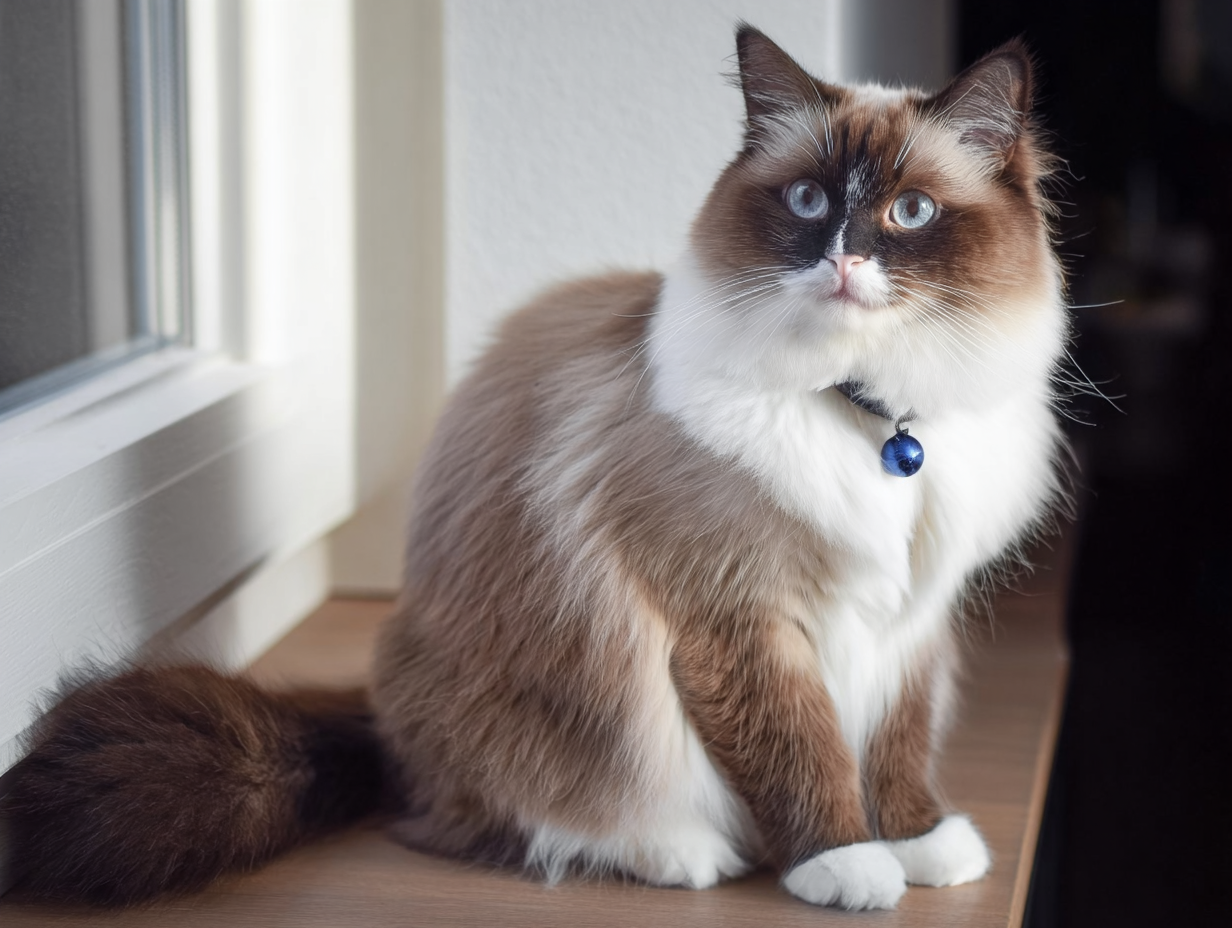
Ragdoll Cat Temperament for You: Calm, Clingy, or Misunderstood?
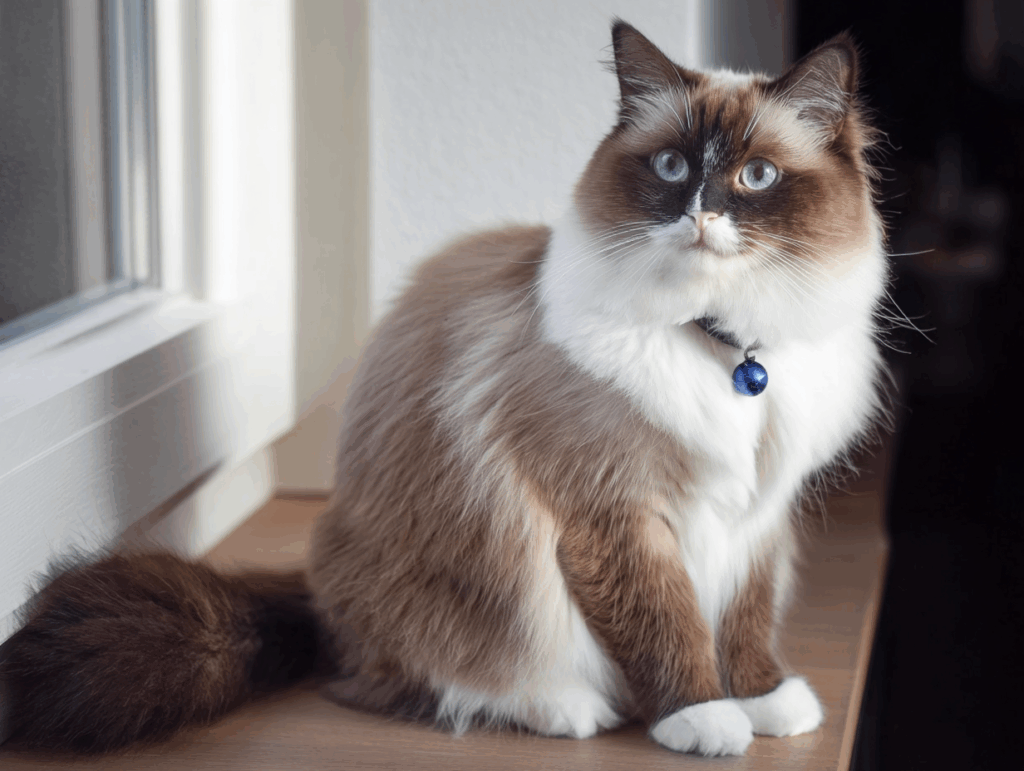
Ragdoll cats are known for their calm, affectionate temperament, but many buyers misunderstand what that actually looks like in daily life. They are not lazy, fragile, or universally “easy” cats that thrive without guidance. This guide explains real Ragdoll temperament traits, how they develop over time, and what owners must provide for long-term success.
Ragdoll Cat Temperament Summary Table
| Temperament Trait | What It Actually Looks Like | Common Misunderstanding |
|---|---|---|
| Calm demeanor | Quiet observation, measured movement, efficient energy use | “Lazy” or inactive |
| Affection level | Seeks proximity and shared space | “Clingy” or needy |
| Attachment style | Bonds through routine and presence | Demands constant attention |
| Activity level | Short, intentional play sessions | Boring or uninterested |
| Emotional awareness | Sensitive to tone, mood, and routine | Overly sensitive |
| Handling tolerance | Accepts handling calmly when supported | Likes being held constantly |
| Social behavior | Polite, observant, selective engagement | Aloof or shy |
| Response to stress | Withdraws or becomes quieter | Independent or unfriendly |
| Interaction preference | Near you, not on you 24/7 | Wants nonstop affection |
| Development over time | Calms and deepens with maturity | Personality “changes” |
| Best environment | Predictable, calm, emotionally present home | Any home will do |
| Poor fit signs | Withdrawal, over-attachment, hiding | “Bad temperament” |
What “Ragdoll Temperament” Really Means (Not Marketing Claims)
Ragdoll temperament is often reduced to a handful of buzzwords: docile, floppy, easygoing. Those labels sound appealing, but they strip away the context that actually determines how a Ragdoll behaves in a real home.
Temperament is not a personality trick or a guaranteed set of behaviors that appear regardless of circumstances. It is a baseline tendency that shows up through interaction. A Ragdoll’s calm nature emerges when their environment, routine, and human relationships support it. Without those pieces, the same cat can appear withdrawn, overly dependent, or misunderstood.
Calling Ragdolls “docile” also creates confusion. Docile does not mean passive. Ragdolls think, observe, and make choices. They simply express themselves quietly. They are less reactive than many breeds, but that does not mean they lack needs, preferences, or boundaries. When those boundaries are ignored, problems are often mislabeled as personality flaws instead of environmental mismatches.
One of the biggest myths is that a calm cat has low needs. In reality, Ragdolls have low chaos tolerance, not low emotional or social requirements. They thrive on predictability. Regular feeding times, consistent human presence, and stable routines allow their calm temperament to surface naturally. When those elements disappear, the same cat may become clingy, anxious, or disengaged.
Ragdoll temperament is shaped daily by:
- the emotional tone of the household
- the consistency of routines
- how humans respond to proximity-seeking behavior
- whether calm engagement is encouraged or ignored
This is why two Ragdolls can behave very differently in different homes, and why forum anecdotes often contradict each other. Temperament is interaction-based, not fixed. A Ragdoll does not arrive “pre-programmed” to be perfect. Their calm, affectionate nature develops in response to how they are lived with.
Understanding this distinction is what separates owners who experience Ragdolls as effortless companions from those who feel confused by behaviors they were told would “never happen.”
Core Ragdoll Temperament Traits (Foundational)
Calm Presence, Not Inactivity
Ragdolls are calm because they conserve energy, not because they lack interest in their environment. This breed evolved to observe first and respond second. Instead of pacing, vocalizing, or constantly demanding stimulation, Ragdolls assess what is happening around them and choose when to engage. That choice is the key difference between calmness and inactivity.
Calm behavior does not mean a Ragdoll is uninterested or disengaged. Healthy Ragdolls still play daily, follow household routines, and show curiosity about changes in their environment. They simply do so without frantic movement or noise. Calm presence looks like watching from a nearby perch, stretching into play instead of exploding into it, and settling quickly after activity.
Lethargy, by contrast, shows up as:
- refusal to engage even when encouraged
- lack of response to favorite stimuli
- prolonged hiding or isolation
- noticeable changes in appetite or grooming
A calm Ragdoll still participates. A lethargic cat withdraws.
Healthy daily activity for a Ragdoll includes:
- short but intentional play sessions
- movement tied to routine (meal times, greeting owners, evening activity)
- interactive engagement rather than solo chaos
When a Ragdoll becomes too quiet, owners should pay attention. Sudden stillness, avoidance, or loss of interest often signals stress, environmental pressure, or illness rather than “good temperament.” Calm is steady and responsive. Silence without engagement is not.
Affectionate Without Demanding Constant Attention
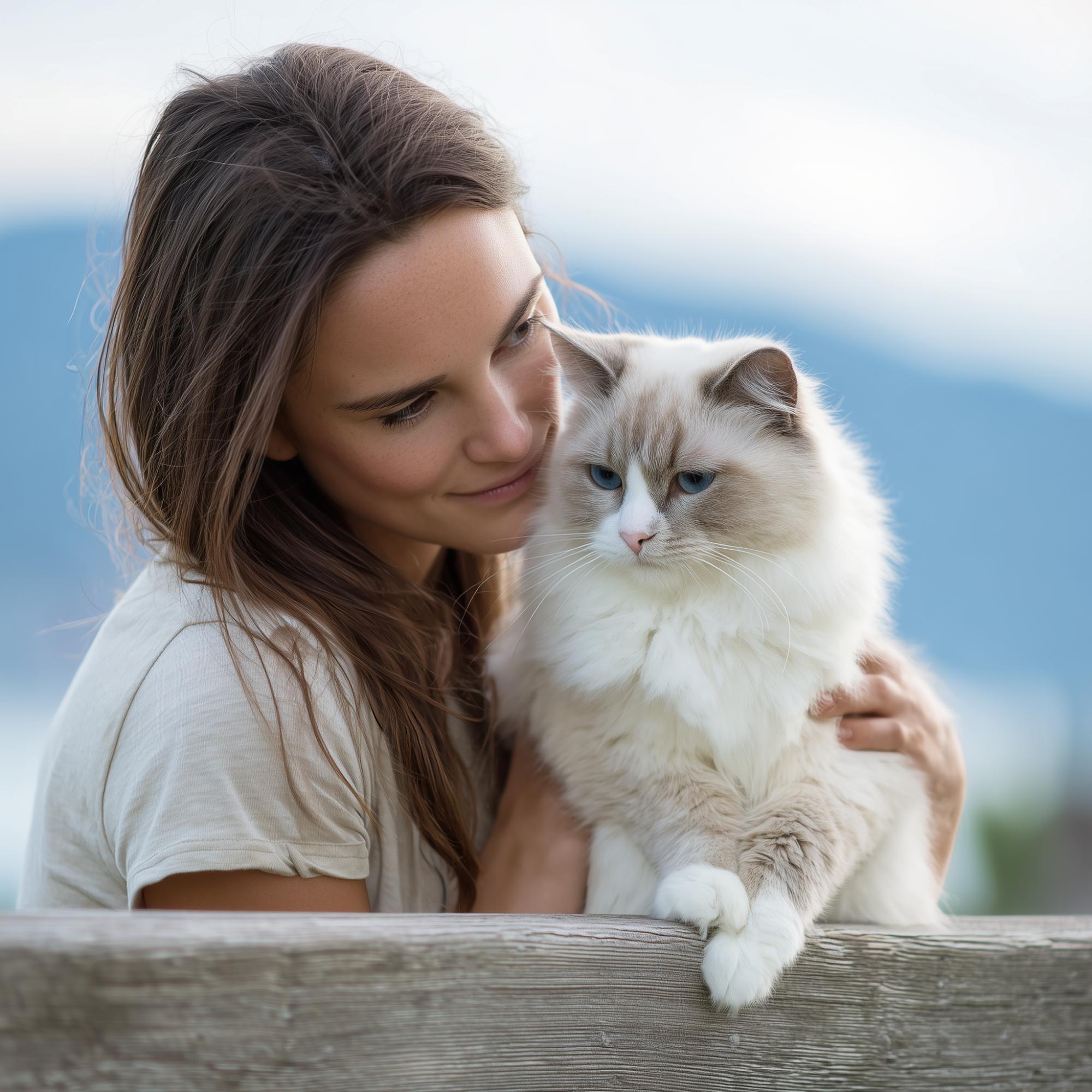
Ragdolls are affectionate in a low-pressure way. They seek closeness without insisting on constant physical contact. Instead of climbing onto laps every hour, they position themselves nearby. They sit beside you, behind you, or at your feet. This proximity-based affection is one of the most misunderstood aspects of the breed.
Ragdolls often follow their people from room to room, a behavior commonly referred to as shadowing. Shadowing is not a demand for attention. It is a form of social orientation. The cat is choosing to remain within your presence while maintaining autonomy. This is how Ragdolls bond.
They prefer:
- being in the same room
- sharing space quietly
- brief but meaningful interaction
- predictable affection rather than constant handling
Most Ragdolls do not want to be touched nonstop. They want to know where you are and feel included in your routine. When owners mistake proximity for a request and respond with excessive handling, some Ragdolls pull away or become overstimulated.
This is why many people say Ragdolls are “clingy” while others describe them as independent. Both observations come from how the human responds to proximity. Ragdolls thrive when affection remains available, not imposed.
Emotionally Attuned to Their Household
Ragdolls are emotionally observant cats. They track tone, rhythm, and emotional energy with precision. Calm households reinforce calm behavior. Chaotic households create confusion and stress, even when physical care is excellent.
This breed reacts strongly to:
- raised voices
- unpredictable schedules
- frequent changes in environment
- emotional inconsistency from humans
When a home lacks routine, Ragdolls often attempt to regain stability by increasing proximity-seeking behaviors. Owners frequently interpret this as neediness, when it is actually a response to uncertainty.
Emotional mismatch happens when:
- a household expects a “low-maintenance” cat
- humans are emotionally unavailable but physically present
- routines shift constantly without warning
In these situations, the Ragdoll does not become needy. The environment becomes destabilizing. Once structure and predictability return, the same cat often relaxes and becomes more independent again.
Are Ragdoll Cats Clingy? (Reddit Myth Breakdown)
Short answer: sometimes.
Accurate answer: usually only when expectations are mismatched.
Attachment and anxiety are not the same thing. Healthy attachment looks like proximity, routine awareness, and calm companionship. Anxiety looks like distress vocalization, frantic following, destructive behaviors, or panic when left alone.
Ragdolls often get labeled clingy because they:
- prefer human presence
- disengage poorly from chaotic environments
- show visible stress when routines disappear
Under-stimulated Ragdolls also appear clingy. When mental and emotional needs are unmet, proximity becomes their primary form of engagement. This is not dependence. It is compensation.
Predictable routines reduce shadowing dramatically. Scheduled play, consistent feeding times, and intentional quiet interaction allow Ragdolls to settle. As confidence grows, many naturally increase independent behaviors.
Clinginess also tends to fade with maturity. Adolescent Ragdolls seek reassurance as they navigate developmental changes. Most adults between two and four years old show significantly more emotional stability and independence when raised with structure.
Attachment Style Comparison
| Breed | Attachment Style | Common Mislabel |
|---|---|---|
| Ragdoll | Proximity-oriented, calm bonding | “Clingy” |
| Siamese | Vocal, interactive, attention-driven | “Needy” |
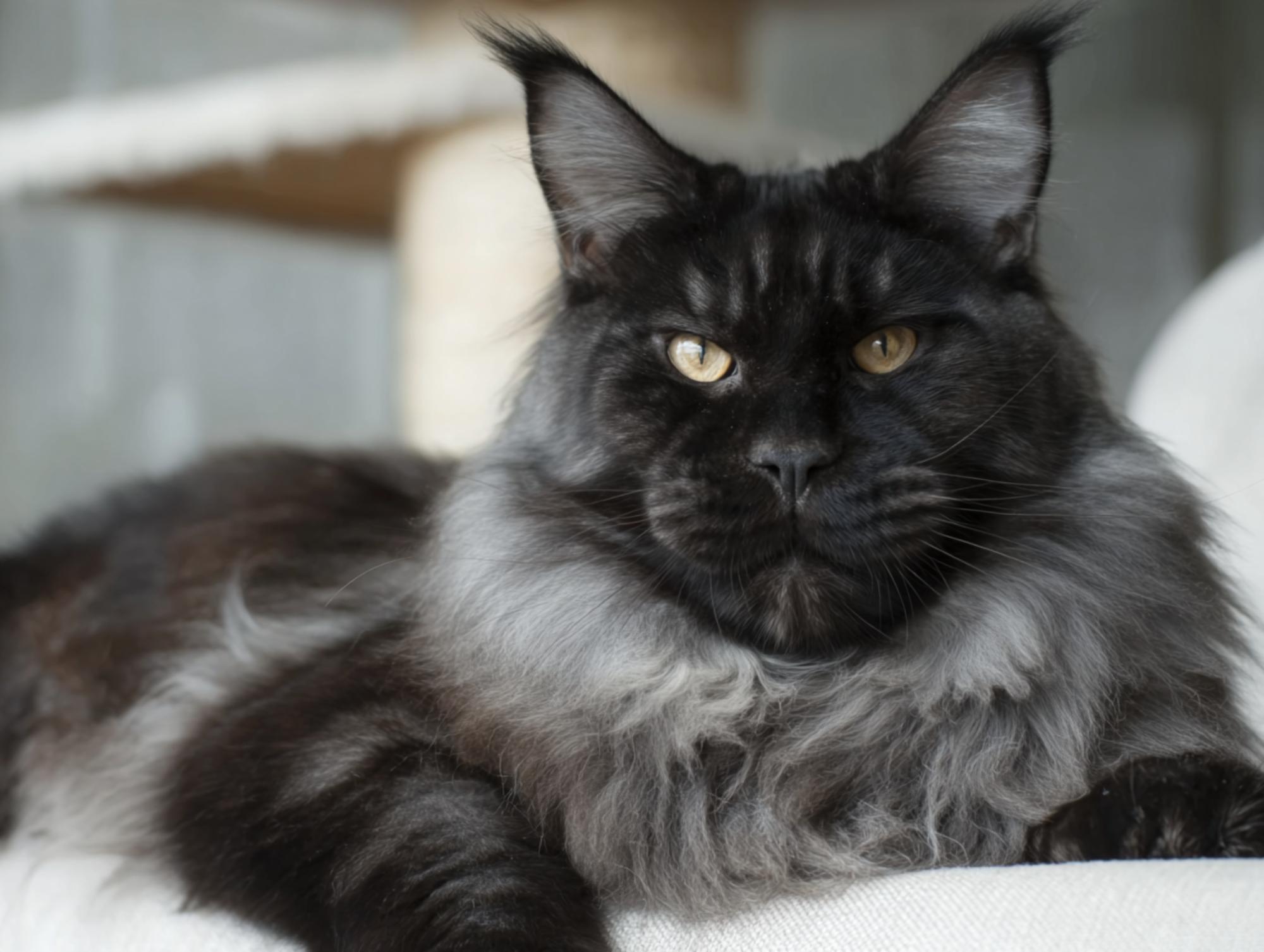
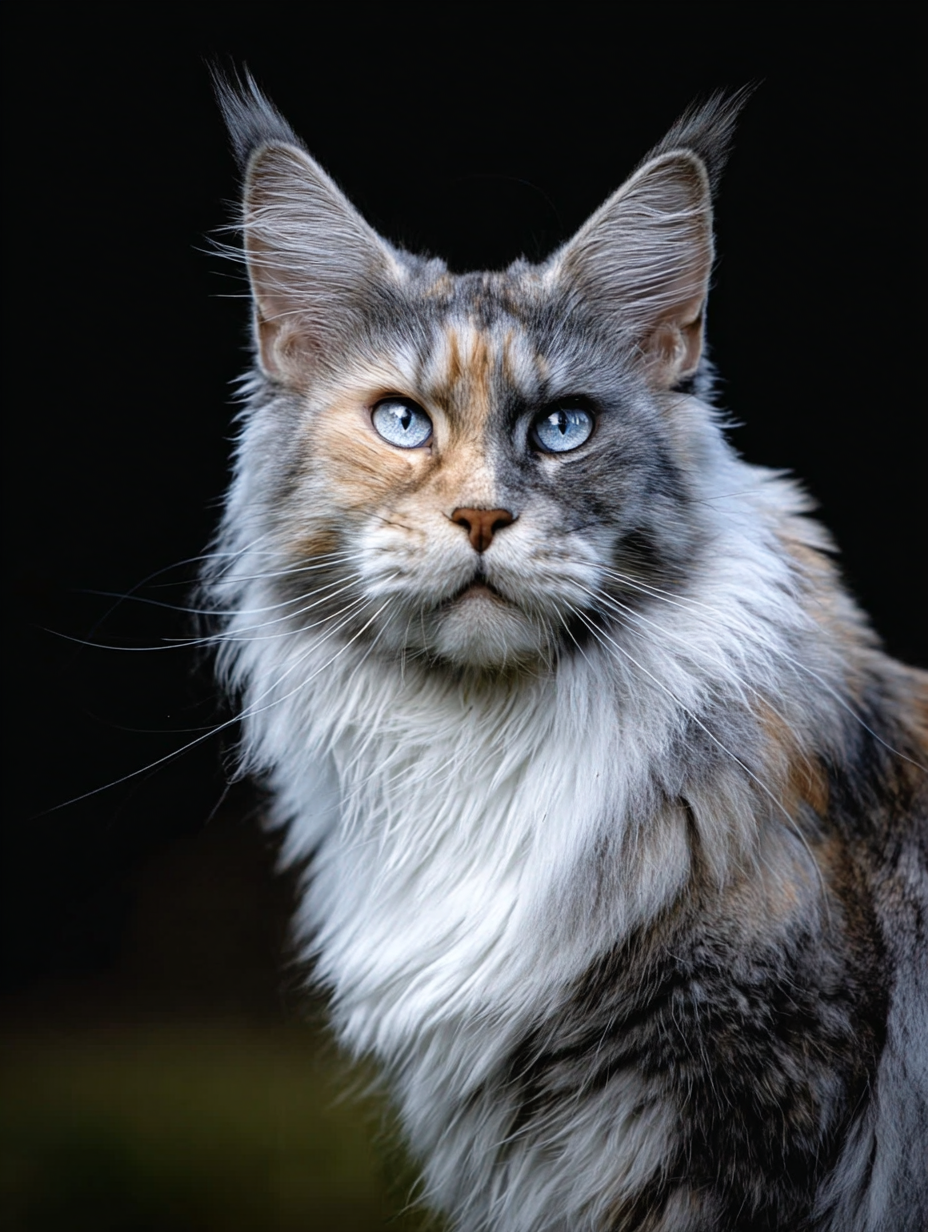
| Maine Coon | Social but activity-focused | “Independent” |
Ragdolls bond quietly. That quiet attachment often confuses people who expect affection to look loud or dramatic. When understood properly, it becomes one of the breed’s greatest strengths.
Ragdoll Temperament With Humans (Adults, Kids, Guests)
Ragdoll cats are deeply people-oriented, but they express that connection in quiet, intentional ways. Their temperament around humans depends less on the number of people in the home and more on how those people behave. Tone, predictability, and respect for boundaries shape nearly every interaction.
With Calm Adults
Ragdolls thrive with adults who offer presence-based companionship rather than constant stimulation. The ideal Ragdoll owner does not need to entertain their cat all day. They remain emotionally available, predictable, and attentive to subtle cues.
Ideal traits in adult owners include:
- consistent routines
- calm vocal tone and body language
- respect for personal space
- enjoyment of quiet cohabitation
Ragdolls bond by sharing space. They settle into the same room, mirror daily habits, and learn household rhythms quickly. Instead of seeking nonstop engagement, they attach through repeated, low-pressure interactions. Sitting together, brief play, gentle conversation, and predictable affection build trust far more effectively than excessive handling.
Over time, Ragdoll bonds deepen rather than intensify. Many owners notice that affection becomes more selective and meaningful as the cat matures. A bonded adult Ragdoll chooses proximity, checks in regularly, and shows loyalty without demanding attention. This slow-burn attachment often surprises people expecting instant devotion.
With Children
Ragdolls generally tolerate handling better than most cat breeds. Their calm baseline, reduced startle response, and tendency to freeze rather than lash out make them more forgiving in family settings. This does not mean they are limitless or stress-proof.
Ragdolls tolerate:
- gentle holding
- predictable touch
- quiet companionship
They struggle with:
- sudden grabbing
- rough play
- loud, chaotic movement
Tolerance has limits. Even the gentlest Ragdoll will withdraw when those limits are crossed repeatedly. Because they often respond by freezing instead of reacting aggressively, stress can go unnoticed until behavior changes appear later, such as hiding or avoidance.
Supervision matters, even with gentle cats. Adults must teach children how to read subtle signals and respect boundaries. Proper guidance protects the cat’s emotional well-being and preserves the trusting temperament Ragdolls are known for. When children learn calm interaction, Ragdolls often form strong, patient bonds with them.
With Strangers and Visitors
Ragdoll responses to strangers vary widely, and both reactions are normal. Some Ragdolls greet visitors with curiosity. Others observe quietly from a distance. Neither response indicates fear or poor temperament.
Initial reserve often looks like:
- watching from another room
- remaining still until the environment settles
- slow approach after voices calm
Friendliness emerges once the cat feels the emotional tone of the space. Visitors who move slowly and ignore the cat initially often earn trust faster than those who reach out immediately.
Early social exposure plays a significant role in confidence with guests. Kittens raised with calm handling, varied voices, and controlled new experiences tend to approach visitors sooner. Cats without that exposure may remain cautious but still emotionally stable.
Importantly, hiding is not a failure. It is a self-regulation strategy. Ragdolls that choose distance often reappear once stimulation decreases. Forcing interaction undermines trust. Allowing choice preserves the breed’s calm, confident temperament.
When respected, Ragdolls navigate social environments thoughtfully. They do not perform for attention. They assess, adapt, and engage on their own terms.
Ragdoll Temperament With Other Animals
Ragdolls are socially tolerant cats, but tolerance does not mean unlimited adaptability. Their success with other animals depends on predictability, respectful interaction, and how much control they have over proximity. When introductions honor those needs, Ragdolls integrate smoothly. When they do not, stress often gets misread as incompatibility.
With Other Cats
Ragdolls generally do best with polite, predictable cats. They prefer companions that respect personal space, communicate clearly, and avoid ambush-style play. Because Ragdolls rely on subtle signals rather than forceful correction, they struggle with cats that ignore boundaries.
Social compatibility works best when:
- the other cat has a calm or moderate energy level
- interactions remain predictable
- resources are clearly separated and accessible
Ragdolls often disengage instead of escalating conflict. This can make them appear submissive, but it is actually a self-regulation strategy. In balanced pairings, this leads to peaceful coexistence. In mismatched pairings, it can allow more dominant cats to push boundaries.
Dominance issues arise when:
- another cat controls access to food, litter, or resting spaces
- play turns into repeated physical pressure
- humans misinterpret withdrawal as “getting along”
Ragdolls rarely initiate dominance conflicts, but prolonged imbalance can erode confidence. Proper introductions, resource management, and respect for retreat spaces prevent most issues before they develop.
With Dogs
Many Ragdolls do well with dogs because of their calm demeanor and reduced prey-drive response. They do not panic easily, which helps dogs remain relaxed. This compatibility depends heavily on the dog’s temperament.
Dog traits that work well with Ragdolls include:
- calm curiosity rather than fixation
- predictable movement
- respectful distance when the cat disengages
Dogs that create stress for Ragdolls tend to:
- stare intensely
- chase or herd
- vocalize excessively
- ignore disengagement cues
Livestock guardian dogs and other high-drive breeds can overwhelm Ragdolls unintentionally. Even without aggression, their size, vigilance, and constant motion disrupt the Ragdoll’s sense of safety. Ragdolls require environments where they can observe calmly, not stay on alert.
When dog-cat relationships succeed, it is because humans manage interactions early, protect escape routes, and allow the cat to control proximity. Ragdolls do not need friendship with dogs. They need respectful coexistence.
Ragdoll Kitten Temperament vs Adult Temperament
Ragdoll temperament changes dramatically over time. Many misunderstandings come from assuming kitten behavior represents the adult cat. It does not.
What Ragdoll Kittens Are Like (8–16 Weeks)
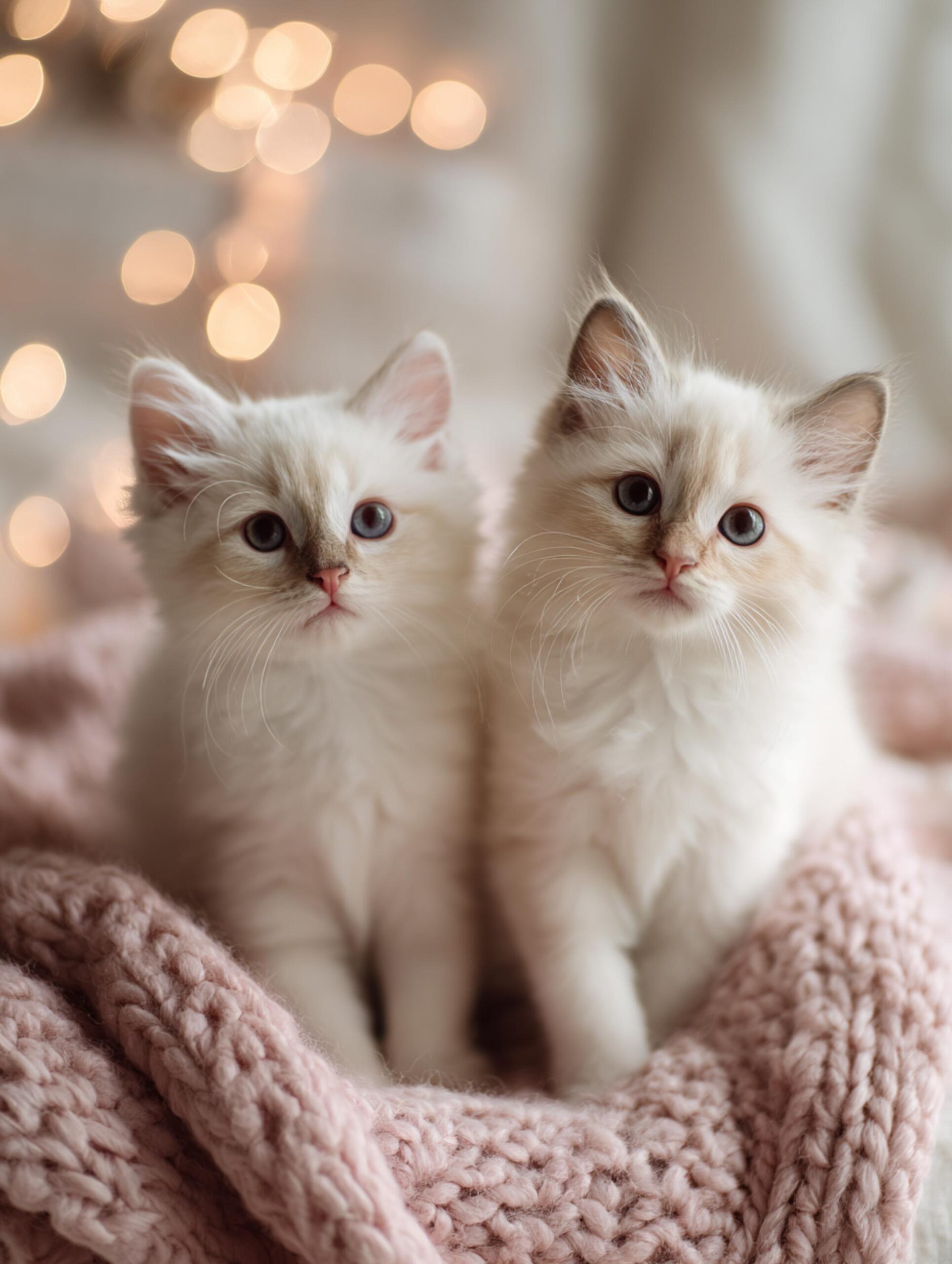
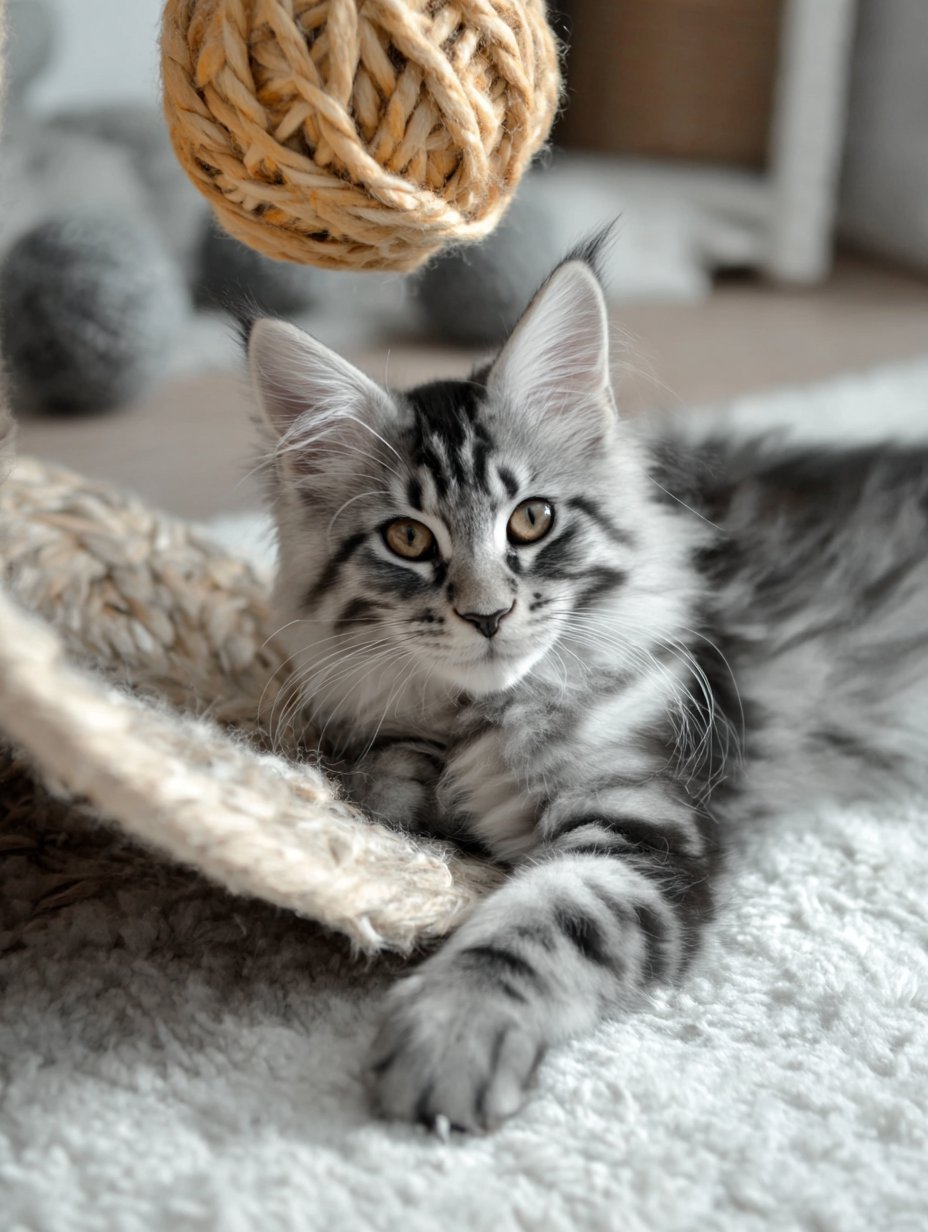
Ragdoll kittens surprise many buyers. They play hard, move fast, and show curiosity that contradicts the breed’s calm reputation. This is normal developmental behavior, not a sign of incorrect temperament.
Kittens are not calm yet because:
- their nervous systems are still developing
- play builds coordination and confidence
- emotional regulation has not matured
At this stage, kittens explore constantly. They test surfaces, climb, chase, and wrestle. Expecting calmness during this phase creates frustration. Healthy Ragdoll kittens should be playful, responsive, and socially curious.
Developmental expectations during this period include:
- high activity bursts
- short attention spans
- rapid learning through repetition
Adolescence (6–18 Months)
Adolescence brings noticeable energy spikes. Ragdolls become more confident, more independent, and more willing to test boundaries. This phase fuels many online claims of “personality changes.”
In reality, this is behavioral maturation, not a temperament shift.
Common adolescent behaviors include:
- increased play intensity
- selective listening
- testing access to spaces and routines
Reddit often labels this phase as a change in personality because owners expect kitten sweetness to persist unchanged. When independence emerges, it feels unfamiliar. With structure and consistency, this phase resolves naturally.
Mature Adult Temperament (2–4 Years)
True Ragdoll temperament settles between two and four years of age. This is when the breed’s reputation for calm companionship becomes accurate.
Adult Ragdolls feel easier because:
- energy levels stabilize
- emotional regulation improves
- routines feel familiar and safe
As adults, Ragdolls show deeper emotional awareness. They anticipate routines, recognize emotional cues, and choose engagement intentionally. Affection becomes more selective and meaningful rather than constant.
This maturity explains why many experienced owners prefer adult Ragdolls. The bond feels calmer, richer, and more reciprocal.
👉 Internal link opportunity: Ragdoll Kitten vs Adult Cat
Understanding these stages prevents unrealistic expectations and allows owners to appreciate the temperament Ragdolls grow into, rather than misjudging the behavior they temporarily outgrow.
Are Ragdoll Cats Lazy?
Short answer: no.
Accurate answer: Ragdolls are efficient.
Ragdolls manage energy deliberately. They do not waste movement, attention, or vocalization unless there is a clear reason to do so. This efficiency often gets mislabeled as laziness by people accustomed to more reactive or vocal breeds.
Energy Budgeting Explained
Ragdolls operate on an energy-budget system. They engage when there is purpose and disengage when there is not. Instead of pacing, calling out, or inventing chaos, they wait. This does not mean they lack motivation. It means they assess whether an action is worth the expenditure.
You will see this in how Ragdolls:
- play in short, focused sessions rather than long marathons
- move directly toward goals instead of wandering
- rest deeply between periods of engagement
This pattern reflects emotional regulation, not apathy.
Why They Don’t Pace or Vocalize Constantly
Many cats pace or vocalize because they feel unsettled, under-stimulated, or anxious. Ragdolls typically avoid these behaviors because their temperament favors internal stability. They rely on observation and proximity instead of noise to communicate.
Silence does not equal disengagement. A content Ragdoll tracks activity quietly, responds when invited, and settles again without protest. This contrasts sharply with breeds that vocalize to self-stimulate or relieve stress.
Boredom vs Contentment: The Common Mix-Up
Owners often confuse contentment with boredom. A bored cat shows agitation, restlessness, or destructive behavior. A content Ragdoll shows stillness with awareness.
Signs of boredom include:
- repetitive attention-seeking
- destructive play
- frustration vocalization
Signs of contentment include:
- relaxed posture with alert eyes
- predictable engagement at routine times
- calm response to environmental changes
Ragdolls lean toward contentment when their emotional needs are met. When those needs are ignored, even this breed will show signs of frustration.
Signs of Healthy Engagement
A healthy Ragdoll:
- responds to interactive play
- greets familiar humans
- maintains grooming and appetite
- alternates between activity and rest
Laziness implies disinterest. Ragdolls remain interested. They simply choose calm over chaos.
Do Ragdolls Really Go Limp When Held?
The idea that Ragdolls universally “go limp” when picked up is one of the breed’s most persistent myths. It originated from early descriptions meant to explain the breed’s reduced startle response, not a guaranteed physical reaction.
Origin of the Myth
Early breeders noticed that many Ragdolls relaxed when held instead of stiffening or struggling. Over time, this observation turned into an exaggerated expectation. Marketing language simplified tolerance into submission.
Why Some Do and Many Do Not
Some Ragdolls relax fully when held because they feel secure and supported. Others remain alert, adjusting their body to maintain balance. Both reactions are normal.
Factors that influence response include:
- individual confidence
- prior handling experiences
- physical support during lifting
- age and joint comfort
There is no single correct reaction.
Handling Tolerance vs Preference
Tolerance means a cat allows handling without distress. Preference means a cat actively enjoys it. Many Ragdolls tolerate being held well. Fewer actively seek it out.
Misinterpreting tolerance as desire leads to overhandling. Over time, this erodes trust and causes avoidance behaviors.
Why Forcing “Ragdolling” Damages Trust
Forcing a cat to relax teaches the opposite of security. When humans ignore subtle resistance cues, Ragdolls respond by withdrawing or freezing. Freezing is often mistaken for calm, but it is a stress response.
True trust looks like:
- choosing to approach
- relaxed body language
- voluntary physical contact
A Ragdoll that feels safe will show calm naturally. One that is forced will eventually stop offering connection.
Understanding this distinction protects the breed’s temperament and strengthens the human-cat bond instead of undermining it.
I prefer this response
Emotional Intelligence in Ragdoll Cats
Ragdolls show a high level of emotional intelligence, especially in how they read and respond to the people they live with. This intelligence does not present as tricks or performative behavior. It shows up in awareness, anticipation, and emotional attunement to routine.
Ragdolls recognize daily patterns quickly. They learn feeding schedules, bedtime rituals, work routines, and household transitions with precision. Once learned, these routines provide emotional security. A Ragdoll that understands what comes next remains calm. One that cannot predict the day often seeks reassurance through proximity or withdrawal.
Anticipation behaviors appear early and strengthen with maturity. Many Ragdolls position themselves before events occur, waiting near feeding areas, doorways, or resting spots in advance. This anticipation reflects planning, not impatience. It is a sign of cognitive engagement and environmental understanding.
Ragdolls also respond strongly to owner moods. They track changes in voice, movement, and emotional energy. Elevated stress, tension, or conflict often leads to behavioral shifts such as increased shadowing, reduced play, or quiet withdrawal. Calm households reinforce calm cats. Emotional instability disrupts the breed’s sense of safety.
Emotional neglect causes withdrawal, not misbehavior. When interaction becomes inconsistent or purely functional, many Ragdolls disengage. They do not escalate through destruction or noise. They retreat. Owners sometimes interpret this as independence, when it is actually emotional detachment. Restoring predictable, low-pressure engagement often reverses this pattern.
Temperament Differences Between Lines and Breeders (Critical Authority Section)
Why Not All Ragdolls Act the Same
Not all Ragdolls share the same temperament because temperament develops through both genetics and environment. Breeding choices influence baseline behavior, while early handling and placement shape how that behavior expresses itself.
Genetics establish thresholds for reactivity, sociability, and stress tolerance. Environment determines whether those traits stabilize or fragment. When breeders prioritize appearance over behavior, temperament becomes inconsistent. Cats may look correct but lack emotional resilience.
Ethical breeders track behavior intentionally. They observe:
- response to handling
- stress recovery time
- social interest
- adaptability to change
These observations guide breeding decisions. Temperament is treated as a measurable, repeatable trait rather than a marketing assumption.
How Ethical Breeders Evaluate Temperament
Ethical breeders do not rely on labels like “sweet” or “floppy.” They evaluate specific behaviors under controlled conditions.
Handling tests assess tolerance without forcing compliance. A well-tempered Ragdoll accepts handling calmly and recovers quickly when released. Prolonged tension or freezing signals stress, not gentleness.
Recovery from stress matters more than avoidance of stress. Ethical breeders expose kittens to mild, appropriate challenges and watch how quickly they return to baseline. Fast recovery indicates emotional resilience.
Social curiosity shows up as interest without panic. Kittens that approach new people or environments calmly, pause to observe, and then re-engage demonstrate balanced temperament.
Human engagement levels reveal how kittens orient socially. Ethical breeders note whether a kitten seeks proximity, responds to voices, and maintains relaxed body language around people.
These evaluations separate true temperament from surface behavior. They also protect buyers by matching kittens to appropriate homes rather than selling on appearance alone.
Common Temperament Problems (And Why They Happen)
Most temperament-related issues in Ragdoll cats do not stem from the cat itself. They emerge when the environment works against the breed’s emotional needs. Because Ragdolls internalize stress rather than externalize it, problems often appear subtle at first and get misattributed to personality flaws.
Withdrawal or Hiding
Withdrawal is one of the most common signals that a Ragdoll feels overwhelmed. Rather than reacting aggressively or destructively, this breed removes itself from stimulation.
Environmental mismatch is the primary cause. Homes that are loud, unpredictable, or constantly changing disrupt the Ragdoll’s sense of safety. Without stability, retreat becomes a coping strategy.
Too much stimulation also drives hiding. Excessive handling, frequent guests, or constant noise overload a breed that relies on calm observation. Ragdolls need quiet spaces where nothing is expected of them.
Lack of safe zones intensifies the issue. When cats cannot retreat to elevated, enclosed, or low-traffic areas, stress compounds. Withdrawal escalates because the cat has no way to regulate exposure.
Hiding is not defiance. It is communication. Addressing the environment restores confidence far more effectively than attempting to “encourage” sociability.
Over-Attachment
Over-attachment develops when predictability disappears. Ragdolls form secure bonds through routine. When schedules shift constantly, they seek stability through proximity.
Inconsistent schedules create confusion. Irregular feeding, unpredictable absences, or changing sleep routines leave the cat unsure of what comes next. Increased following behavior fills that gap.
Over-reinforcement of dependency compounds the problem. When owners respond to every proximity cue with attention, the cat learns that reassurance only comes through constant contact.
Owner guilt cycles often reinforce this pattern. Feeling bad about leaving or being unavailable leads to overcompensation when present. The cat never learns that separation is safe and temporary.
Correcting over-attachment requires structure, not distance. Consistent routines reduce anxiety and restore independence naturally.
Litter Box Avoidance (Temperament-Linked)
Litter box issues in Ragdolls frequently correlate with stress rather than defiance. Because this breed avoids confrontation, environmental pressure often shows up through elimination changes.
Stressors include:
- competition for resources
- lack of privacy
- household conflict
- sudden routine changes
Environmental pressure differs from “bad behavior.” A Ragdoll that feels unsafe or overstimulated may avoid a location that no longer feels secure. Correcting the environment resolves the behavior more effectively than punishment or restriction.
Litter box avoidance should always prompt a veterinary evaluation first. Once medical causes are ruled out, environmental and emotional factors deserve careful review.
Who Thrives With a Ragdoll Temperament
Ragdolls thrive in environments that mirror their emotional design. The most successful homes share a few consistent traits.
People who value routine provide the predictability Ragdolls need to relax. Regular schedules support emotional stability.
Home-based professionals often form strong bonds with Ragdolls because of shared presence. Quiet companionship suits both parties.
Calm households allow the breed’s natural temperament to surface without suppression. Low chaos encourages confidence.
Emotionally present owners recognize subtle communication. They respond thoughtfully rather than reactively.
When these elements align, Ragdoll temperament feels effortless. When they do not, even a well-bred cat can struggle.
Who Often Struggles With Ragdoll Temperament
Ragdoll cats are adaptable, but they are not indifferent. Certain environments consistently clash with how this breed processes the world. When struggles appear, they are usually predictable and preventable.
Highly chaotic homes create ongoing stress. Constant noise, unpredictable schedules, frequent visitors, or emotional volatility overwhelm a breed that depends on stability. Ragdolls do not compete with chaos. They retreat from it. Over time, that retreat looks like withdrawal, over-attachment, or disengagement.
Hands-off owners often feel confused by Ragdolls. While this breed does not demand nonstop attention, it does require emotional presence. Owners who provide food and litter care but little interaction often describe their cat as distant or “not very affectionate.” In reality, the bond never had space to form.
People wanting a decorative cat struggle as well. Ragdolls are visually striking, but they are not ornamental. They notice, attach, and respond. When treated as background pets rather than companions, they disengage emotionally and behaviorally.
Buyers expecting “easy” instead of “interactive” experience the most disappointment. Ragdolls are calm, not self-sufficient. They participate quietly in daily life and expect reciprocal awareness. Owners who equate calmness with zero effort often misinterpret normal needs as flaws.
Ragdoll Temperament Over Time (Life Stages)
Ragdoll temperament evolves gradually. Understanding these stages prevents unrealistic expectations and helps owners recognize healthy development instead of assuming something has gone wrong.
Kittenhood brings curiosity and energy. Ragdoll kittens play actively, explore constantly, and test their environment. Calmness has not developed yet. This phase builds confidence and coordination.
Adolescence introduces independence. Energy spikes, boundaries get tested, and behaviors shift. Many online complaints originate here. This is not a temperament change. It is emotional growth.
Prime adulthood reflects true Ragdoll temperament. Energy stabilizes, routines feel secure, and emotional depth increases. This is when the breed’s calm, affectionate reputation becomes accurate.
Senior years bring quieter companionship. Ragdolls often become more selective with interaction but remain emotionally tuned to their households. Predictability becomes even more important.
Ragdoll Temperament Timeline
| Life Stage | Typical Behavior | Common Misinterpretation |
|---|---|---|
| Kitten (8–16 weeks) | Playful, curious, active | “Not calm like expected” |
| Adolescent (6–18 months) | Energy spikes, boundary testing | “Personality changed” |
| Adult (2–6 years) | Calm, emotionally stable, bonded | “Finally easy” |
| Senior (7+ years) | Quiet presence, selective affection | “Less affectionate” |
Ragdoll temperament does not appear instantly. It develops through time, routine, and relationship. Owners who understand this progression experience confidence instead of confusion, and companionship instead of disappointment.
Is the Ragdoll Temperament Right for You?
Ragdoll temperament works best when owners evaluate themselves honestly before committing. This breed does not demand perfection, but it does require alignment. Asking the right questions early prevents frustration for both cat and owner.
Do I enjoy quiet companionship?
Ragdolls share space more than they perform. They sit nearby, observe, and engage gently. If you prefer constant activity or visible entertainment, this temperament may feel underwhelming. If you appreciate calm presence, it feels grounding.
Can I offer routine?
Predictability matters more than novelty. Ragdolls settle when days follow a recognizable rhythm. Inconsistent schedules, frequent changes, or long absences disrupt their sense of security. Routine supports independence and confidence.
Am I emotionally available?
Ragdolls notice tone, mood, and emotional shifts. They do not require constant interaction, but they do respond to emotional presence. Owners who acknowledge subtle communication build stronger bonds than those who focus only on physical care.
Do I value presence over performance?
This breed does not entertain on demand. Affection appears quietly and consistently rather than dramatically. If you value shared presence over tricks, constant play, or visual spectacle, Ragdoll temperament aligns well.
Ragdoll Cat Temperament FAQ (Real Questions, Clear Answers)
This FAQ addresses the questions people ask most often on Reddit, Google, and breeder forums — calmly, directly, and without myths.
Are Ragdoll cats actually calm, or are they just sleepy?
Ragdoll cats are genuinely calm, not sedated or uninterested in life. Calmness in this breed shows up as measured reactions, quiet observation, and efficient use of energy rather than constant motion. A healthy Ragdoll still plays, explores, and engages daily, just without frantic pacing or noise.
Are Ragdoll cats lazy?
No. Ragdolls are deliberate. They engage when something matters and rest when it does not. This efficiency often gets mislabeled as laziness by owners who expect constant activity as a sign of happiness.
Why does my Ragdoll follow me everywhere?
Following behavior usually reflects attachment and routine awareness, not neediness. Ragdolls prefer proximity to their people and often position themselves nearby as part of bonding. This behavior typically decreases as routines stabilize and the cat matures.
Are Ragdoll cats clingy compared to other breeds?
Ragdolls are more proximity-oriented than many breeds, but they are not inherently clingy. They prefer being near their people rather than constantly touched. When labeled clingy, it is often due to inconsistent schedules or under-stimulation rather than temperament flaws.
Do Ragdolls bond to one person or the whole family?
Most Ragdolls bond to the household as a whole but may show a preference for the most predictable or emotionally available person. This preference is usually subtle and does not exclude others. Strong bonds grow through routine, not favoritism.
Do Ragdoll cats like to be held?
Many tolerate being held better than other breeds, but tolerance is not the same as preference. Some enjoy brief holding, others prefer sitting beside you. Forcing prolonged handling damages trust, even in tolerant cats.
Do Ragdolls really go limp when you pick them up?
Sometimes, but not reliably. The myth originated from early descriptions of handling tolerance, not a guaranteed response. Muscle relaxation depends on trust, support, and individual comfort, not breed programming.
Are Ragdoll cats good for first-time cat owners?
They can be, if expectations are realistic. Ragdolls suit owners who value routine, calm interaction, and emotional presence. First-time owners expecting a completely hands-off or decorative pet may struggle.
Do Ragdoll cats get anxious when left alone?
Ragdolls tolerate alone time when routines are predictable and their emotional needs are met. They may struggle with long, irregular absences or sudden schedule changes. Anxiety usually reflects environmental inconsistency rather than breed weakness.
Can Ragdolls get depressed?
Ragdolls can withdraw emotionally if they experience prolonged stress, instability, or emotional neglect. This looks like hiding, reduced interaction, or disengagement rather than destructive behavior. Restoring routine and calm interaction often resolves the issue.
Why does my Ragdoll hide when guests come over?
Hiding is a normal self-regulation behavior. Some Ragdolls prefer to observe new situations from a distance before engaging. Allowing choice builds confidence, while forcing interaction increases stress.
Are Ragdolls good with children?
They generally tolerate children better than many breeds due to their calm baseline. However, tolerance has limits. Supervised, gentle interaction is essential to prevent stress and preserve trust.
Are Ragdolls good with dogs?
Many Ragdolls coexist well with calm, respectful dogs. Problems arise with high-drive, chasing, or overly vocal dogs. Compatibility depends more on the dog’s behavior than the cat’s temperament.
Are Ragdoll kittens calm like adults?
No. Ragdoll kittens are playful, curious, and energetic. Calm temperament develops gradually with maturity. Expecting adult behavior from a kitten leads to unnecessary concern.
Why does my Ragdoll seem calmer as they age?
Emotional regulation improves with maturity. As adults, Ragdolls understand routines, feel secure in their environment, and engage more selectively. This creates the calm presence the breed is known for.
Is it normal for my Ragdoll to be quiet?
Yes, as long as the cat remains responsive and engaged. Sudden silence paired with withdrawal, appetite changes, or avoidance may signal stress or illness and should be evaluated.
Are male or female Ragdolls calmer?
Sex differences are minor compared to individual temperament and upbringing. Neutered males may appear slightly more social, while females may show independence, but these trends are not universal.
Do Ragdolls need constant attention to be happy?
No. They need predictable, meaningful interaction, not constant engagement. Quiet presence, routine play, and emotional awareness meet their needs effectively.
Why does my Ragdoll suddenly act distant?
Distance often reflects environmental stress, routine disruption, or emotional overload. Ragdolls withdraw instead of acting out. Identifying and correcting the stressor usually restores engagement.
Are Ragdolls low-maintenance cats?
They are low-chaos, not low-responsibility. Ragdolls require grooming, emotional presence, and routine. Owners who equate calmness with zero effort often feel unprepared.
Do Ragdolls change personality over time?
Their personality matures rather than changes. Increased independence during adolescence and deeper calm in adulthood are normal developmental phases, not temperament shifts.
What kind of home is best for Ragdoll temperament?
Homes with predictable routines, calm energy, and emotionally present owners suit Ragdolls best. They thrive where presence matters more than performance.
Final Thoughts
Ragdoll cats are not lazy, fragile, or universally easy.
They are calm, emotionally aware companions that thrive in predictable, attentive homes.
When matched correctly, their temperament feels effortless. When mismatched, it gets misunderstood.
Continued Ragdoll Reading
If you’re still deciding whether a Ragdoll fits your home, these posts expand on temperament, care, and long-term ownership realities:
- Ragdoll Cats Explained by a Breeder
A complete breakdown of temperament, care needs, health realities, and who the breed is truly suited for. - Ragdoll Cat Health Complete Health review of Ragdoll cats.
- Ragdoll Cat Diet Ragdolls thrive on diets that prioritize high-quality animal protein, consistent hydration, and structured portion control.
- Is A Ragdoll Right for You?
A Ragdoll is right for you if you want calm companionship, routine, and emotional presence - How Ragdoll Kittens are Raised Our Ragdoll kittens are raised through a structured, stage-based process that supports confidence, handling tolerance, and adaptability.
- Are Ragdoll Cats Hypoallergenic?
A realistic explanation of allergies, Fel d 1, and why coat type doesn’t equal allergy safety. - What Living With A Ragdoll is Like
Living with a Ragdoll doesn’t match the extremes you see online. - Ragdoll Cat Lifespan: Lifespan and health tips.
- Ragdoll Health Testing Explained
What breeders test for, what results actually mean, and why testing reduces risk but never guarantees outcomes. - Ragdoll Cat Shedding Ragdoll shedding is normal, consistent, and manageable when expectations match the reality of the breed.
- Ragdoll Cat Lifetime Cost Current care and veterinary realities, not best-case scenarios or outdated online advice.
Sources & References
- International Cat Association (TICA). Ragdoll Breed Profile & Breed Standards
https://tica.org/breeds/browse-all-breeds?view=article&id=810 - Cat Fanciers’ Association (CFA). Ragdoll Breed Description & Temperament Overview
https://cfa.org/ragdoll/ - American Association of Feline Practitioners (AAFP). Feline Behavior Guidelines
https://catvets.com/guidelines/practice-guidelines/feline-behavior-guidelines - American Veterinary Medical Association (AVMA). Understanding Normal Cat Behavior
https://www.avma.org/resources-tools/pet-owners/petcare/cat-behavior - International Society of Feline Medicine (ISFM). Environmental Needs & Emotional Welfare of Cats
https://icatcare.org/advice/the-five-welfare-needs/ - Overall, K. (2013). Manual of Clinical Behavioral Medicine for Dogs and Cats. Elsevier
https://www.sciencedirect.com/book/9780323008907/manual-of-clinical-behavioral-medicine-for-dogs-and-cats - Bradshaw, J. (2013). Cat Sense: How the New Feline Science Can Make You a Better Friend to Your Pet. Basic Books
https://www.basicbooks.com/titles/john-bradshaw/cat-sense/9780465039713/ - Horwitz, D., & Mills, D. (2009). BSAVA Manual of Canine and Feline Behavioural Medicine. BSAVA
https://www.bsava.com/library/sectors/manuals/





Read the Comments +