
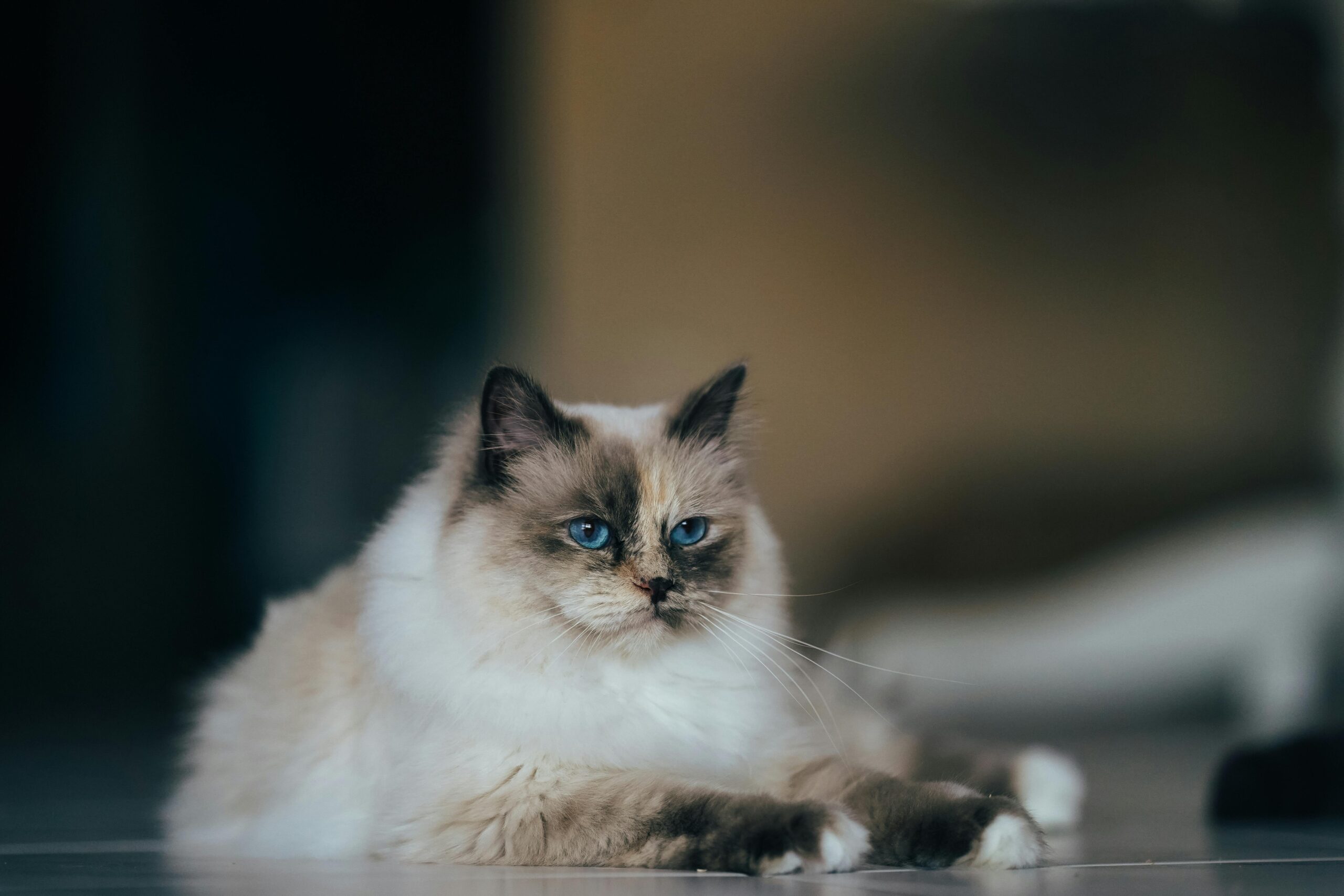
How Ragdoll Cats Communicate Discomfort (Quiet Signals Owners Often Miss)
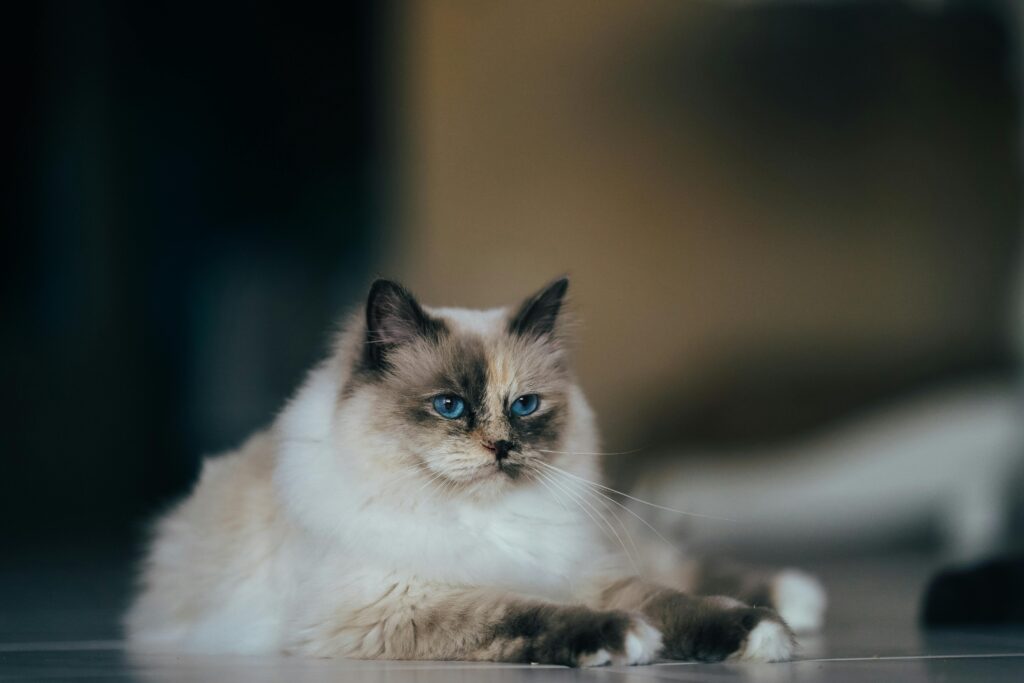
Ragdoll cats rarely express discomfort through loud or disruptive behavior. Instead, they communicate stress, pain, or unease through subtle changes that many owners overlook. This guide explains how Ragdolls signal discomfort, why their calm temperament masks problems, and how to respond before issues escalate.
How Ragdoll Cats Communicate Discomfort — Summary Table
| Signal Category | What You May Notice | What It Often Means | Why It’s Easy to Miss |
|---|---|---|---|
| Social behavior | Less following, more distance | Emotional stress or discomfort | Ragdolls are calm by nature |
| Activity level | Reduced play, more sleeping | Pain, stress, or fatigue | Looks like normal calmness |
| Grooming | Dull coat, matting, overgrooming | Physical discomfort or anxiety | Grooming decline is gradual |
| Movement | Hesitation jumping, slower motion | Joint pain or soreness | Changes happen slowly |
| Facial cues | Tight eyes, brief ear flattening | Stress or unease | Signals appear briefly |
| Vocalization | Becoming quieter than usual | Coping response to discomfort | Silence feels “peaceful” |
| Litter box | Hesitation or avoidance | Stress, pain, or discomfort | No accidents at first |
| Appetite | Walking away mid-meal, pickiness | Illness, dental pain, stress | Eating doesn’t stop completely |
| Routine response | Withdrawal after changes | Environmental sensitivity | Owners normalize adjustments |
How to Use This Table
- Look for changes, not single moments
- Compare behavior to your cat’s normal patterns, not other cats
- Multiple small shifts matter more than one obvious sign
Key reminder:
Ragdoll discomfort shows up as quiet change, not loud protest. Recognizing these patterns early protects comfort, health, and trust.
Why Ragdoll Discomfort Looks Different Than Other Cats
Ragdoll discomfort often goes unnoticed because it does not look like what many people expect from an unhappy or unwell cat. Owners are taught to watch for loud vocalizing, aggression, or obvious avoidance. Ragdolls usually do none of those things.
Calm temperament vs expressive behavior
Ragdolls are naturally calm and emotionally regulated. This means they respond to stress by slowing down rather than speeding up. While some cats express discomfort through noise or dramatic behavior, Ragdolls tend to become quieter, more still, and less demanding.
Why low reactivity masks distress
Low reactivity helps Ragdolls cope, but it also hides problems. They tolerate discomfort longer without drawing attention to it. Because nothing appears urgent, owners often assume the cat is fine, when in reality the cat is simply enduring.
Withdrawal instead of escalation
When something feels wrong, Ragdolls usually withdraw instead of escalating. They may stop following as closely, choose quieter resting spots, or reduce interaction. These changes are easy to miss because the cat is not causing disruption.
Why owners mistake tolerance for comfort
Ragdolls often allow handling, routine changes, or mild discomfort without protest. This tolerance gets misread as comfort. In truth, tolerance means the cat is coping, not that the situation is ideal.
Key expectation shift:
Silence does not equal wellbeing.
In Ragdolls, quiet often is the signal.
Understanding this difference is the foundation for recognizing discomfort early and responding before small issues turn into larger problems.
Discomfort vs Misbehavior (Critical Reframe)
One of the biggest mistakes owners make with Ragdolls is assuming that discomfort will show up as misbehavior. In reality, Ragdolls rarely “act out,” even when something is wrong.
Why Ragdolls rarely “act out”
Ragdolls have a calm, tolerant temperament. When they feel stressed or uncomfortable, they do not usually escalate with aggression, destruction, or loud protest. Instead, they conserve energy and reduce engagement. This coping style keeps the household peaceful but hides problems.
Stress responses vs behavior problems
A behavior problem is an action meant to change an outcome. Discomfort responses are protective. When a Ragdoll withdraws, sleeps more, or avoids certain spaces, it is not being stubborn or difficult. It is trying to cope quietly.
How mislabeling delays care
When owners label withdrawal as laziness, aloofness, or attitude, they stop looking for causes. Grooming issues, environmental stress, or early pain can go untreated for weeks or months because nothing seems urgent.
Why punishment worsens withdrawal
Correcting or punishing a Ragdoll for stress responses increases fear and confusion. The cat becomes quieter, less visible, and harder to read. Trust erodes, and the original issue remains unresolved.
The critical shift is this:
If a Ragdoll changes behavior quietly, assume discomfort first, not misbehavior.
Early Behavioral Signs of Discomfort in Ragdolls
Ragdolls communicate early discomfort through small, gradual changes. These signals are easy to miss unless you know what to watch for.
Subtle Withdrawal
Withdrawal is one of the earliest and most common signals.
- Spending more time alone:
A Ragdoll that usually stays nearby may begin resting in separate rooms or hidden spaces. - Leaving shared spaces:
The cat may avoid busy rooms and choose quieter areas of the home. - Reduced following behavior:
Many Ragdolls follow their people casually. A decrease in this behavior often signals stress or discomfort.
These changes happen slowly, which makes them easy to overlook.
Changes in Daily Rhythm
Discomfort often disrupts a Ragdoll’s normal daily pattern.
- Sleeping more or at odd times:
Increased sleep or shifting sleep hours can signal stress, pain, or emotional overload. - Reduced play interest:
Play sessions become shorter or stop altogether, even with favorite toys. - Less curiosity:
The cat shows less interest in normal household activity or new stimuli.
Because Ragdolls are already calm, these changes can look normal unless you compare them to the cat’s usual behavior.
Altered Social Engagement
Social changes are often subtle but meaningful.
- Less eye contact:
The cat avoids direct gaze or disengages more quickly during interaction. - Shorter interactions:
Affection becomes brief. The cat leaves sooner than usual. - Choosing distance over proximity:
Instead of resting near you, the cat chooses space.
These signals do not mean the cat is becoming unfriendly. They indicate that something feels off and the cat is conserving emotional energy. Ragdolls do not announce discomfort loudly. They communicate by changing how much they engage. Recognizing these early signals allows you to respond before discomfort deepens into illness, anxiety, or long-term withdrawal.
Physical Signals Owners Commonly Miss
Ragdolls often show physical discomfort through small body changes rather than obvious distress. Because these cats remain calm and cooperative, the signals can blend into daily life unless you know what to look for.
Grooming Changes
Grooming is one of the earliest areas where discomfort shows up.
- Decreased self-grooming:
A Ragdoll that feels unwell may groom less overall. The coat starts to look dull or unkempt, especially along the back and hindquarters. - Uneven coat or matting:
Mats form in places the cat avoids touching. This often points to stiffness, soreness, or stress rather than neglect. - Overgrooming specific areas:
Some cats lick one spot repeatedly. This can signal localized pain, skin irritation, or emotional stress.
Because Ragdolls tolerate handling, owners may brush over these changes without realizing they reflect discomfort.
Posture and Movement Shifts
Movement changes tend to be gradual and easy to dismiss.
- Hesitation before jumping:
The cat pauses, reassesses, or chooses a lower surface instead of jumping as usual. - Slower movements:
Walking looks more deliberate. Transitions from lying down to standing take longer. - Favoring certain resting positions:
The cat avoids curling tightly, stretches out more often, or consistently chooses one side.
These shifts do not always mean aging. They often signal early pain or physical unease.
Facial and Body Language Cues
Ragdolls rarely exaggerate discomfort, but their faces and bodies still communicate.
- Flattened ears held briefly:
Ears may press back for a moment, then return to neutral. The timing matters more than the duration. - Tension around eyes or mouth:
The eyes may look narrower or less relaxed. The mouth appears tight rather than soft. - Tail held close or tucked:
A tucked or tightly wrapped tail can indicate stress or uncertainty, even when the cat remains still.
These cues often appear during interaction or handling, then disappear, which makes them easy to miss.
Litter Box Changes as Communication
The litter box is one of the clearest ways Ragdolls communicate discomfort, even though the message is often misunderstood.
Avoidance vs accidents
Avoiding the box is not the same as forgetting how to use it. A Ragdoll may hesitate, pause nearby, or choose a different surface because something about the box feels uncomfortable.
Stress-related box hesitation
Changes in location, litter type, noise, or routine can make a sensitive cat uneasy. Ragdolls often stop short of protest and simply delay using the box.
Why quiet cats stop signaling vocally
Ragdolls rarely cry or complain when something feels wrong. When vocal signaling fails, behavior shifts become the message.
When box changes indicate pain
Repeated hesitation, frequent trips with little output, or sudden avoidance can point to urinary discomfort, joint pain, or digestive issues. These signs warrant attention sooner rather than later.
Appetite and Feeding Behavior Changes
Appetite changes in Ragdolls are often subtle, but they matter.
Eating less vs eating differently
Some cats reduce quantity. Others eat the same amount but change timing or pace. Both can signal discomfort.
Walking away mid-meal
Leaving food unfinished, especially favorite meals, often indicates nausea, dental pain, or stress.
Increased pickiness
A cat that suddenly refuses certain textures or temperatures may be responding to oral discomfort or digestive upset.
Why appetite changes matter more in calm cats
Because Ragdolls remain quiet and cooperative, appetite shifts may be the only visible clue that something is wrong. Waiting for dramatic signs often delays care.
Key reminder:
Ragdolls communicate discomfort through changes, not chaos. Watching for small physical shifts allows you to respond early, protect comfort, and preserve trust.
Vocalization Changes (Not Always More Noise)
When owners think about vocal signals of discomfort, they often expect more noise. With Ragdolls, the opposite is often true.
Becoming quieter than usual
Ragdolls are already quiet cats, which makes further reductions easy to miss. A cat that once chirped softly, greeted you, or responded during interaction may stop doing so. This drop in vocal response can signal stress, fatigue, or discomfort.
Rare but meaningful vocal cues
When a Ragdoll does vocalize during discomfort, the sound is often brief and specific. A short cry when jumping, a low sound during handling, or a sudden protest during grooming matters more than volume or frequency. These isolated cues deserve attention.
Why sudden silence can signal distress
Silence is sometimes a coping strategy. Instead of asking for help, a Ragdoll may conserve energy and avoid interaction. Owners often misread this as the cat being content or “extra relaxed,” when it can indicate the opposite.
Occasional nighttime vocalization explained
A normally quiet Ragdoll that vocalizes at night may be experiencing confusion, discomfort, or anxiety. Pain, digestive upset, or stress from daytime changes can surface when the environment becomes quiet. Night vocalization is not always behavioral and should not be dismissed.
Environmental Triggers That Cause Discomfort
Ragdolls are sensitive to their surroundings. Changes that seem minor to people can feel significant to this breed.
Noise and chaos
Frequent loud sounds, raised voices, or constant activity increase stress. Ragdolls rarely protest; they withdraw instead.
Routine disruption
Late meals, irregular schedules, or changes in daily rhythm create unease. Predictability helps Ragdolls feel secure.
New people or animals
Guests, new pets, or temporary visitors shift the emotional balance of the home. Even friendly interactions can overwhelm a sensitive cat.
Furniture rearrangement
Changing layouts removes familiar landmarks. Ragdolls rely on known paths and resting spots. Rearrangement can lead to avoidance or hesitation.
Seasonal or schedule changes
Shifts in daylight, work routines, or household activity affect feeding, sleep, and social patterns. These transitions often trigger subtle stress responses.
These triggers explain why some Ragdolls appear “difficult” in unstable homes. The behavior reflects discomfort, not temperament failure — a key theme that ties directly into who should not get a Ragdoll cat.
Who Should Not Get a Ragdoll Cat
Emotional Discomfort vs Physical Pain
In Ragdolls, emotional discomfort and physical pain often look very similar. This overlap makes it easy for owners to miss early warning signs.
Overlapping signals
Both emotional stress and physical pain can cause withdrawal, reduced play, appetite changes, and altered sleep patterns. A cat that feels anxious may behave much like a cat that feels sore or unwell. Because the signals look the same, it is important not to guess.
Why calm cats hide pain
Ragdolls cope quietly. Their calm temperament allows them to tolerate discomfort without drawing attention to it. This is not strength. It is survival behavior. By the time pain becomes obvious, it has often been present for a while.
How emotional stress mimics illness
Stress can affect digestion, appetite, grooming, and energy levels. A change in routine, environment, or emotional load can produce physical symptoms even when no disease is present. This makes it tempting to dismiss concerns as “just stress” or “just mood.”
Why both require attention
Whether the cause is emotional or physical, the response should be the same: slow down, observe carefully, and investigate. Emotional discomfort deserves care just as much as physical pain. Ignoring either allows problems to deepen.
Why Owners Miss These Signals
Most owners do not miss discomfort because they do not care. They miss it because the breed makes it easy to overlook.
Breed reputation as “easy”
Ragdolls are often described as low-problem cats. This reputation trains owners to expect stability and ignore small changes that would raise concern in other breeds.
Lack of dramatic behavior
Ragdolls rarely cry, scratch, or destroy things when something feels wrong. Without dramatic cues, owners assume nothing is urgent.
Quiet coping style
Instead of escalating, Ragdolls cope by withdrawing. They become less visible, not more demanding. This coping style hides distress in plain sight.
Owners adjusting expectations instead of environment
Many people normalize changes by saying the cat is “just calmer,” “getting older,” or “extra relaxed.” Adjusting expectations feels easier than adjusting the environment or seeking answers.
What NOT to Do When a Ragdoll Shows Discomfort
How you respond to discomfort matters as much as noticing it.
Ignoring subtle changes
Small shifts are often the first signal. Waiting for obvious symptoms delays help and increases stress.
Forcing interaction
Picking up, holding, or engaging a withdrawn Ragdoll increases discomfort. Respecting distance preserves trust.
Increasing stimulation
More toys, louder play, or extra handling can overwhelm a stressed cat. Calm breeds need less input, not more.
Assuming “they’re just lazy”
Labeling changes as laziness dismisses the message the cat is sending. Calm behavior does not rule out discomfort.
Key reminder:
Ragdolls communicate discomfort quietly. The absence of drama does not mean the absence of a problem.
How to Respond When You Notice Discomfort
When a Ragdoll shows signs of discomfort, the most helpful response is calm and intentional. These cats do not benefit from urgency, pressure, or overcorrection. They benefit from stability, observation, and thoughtful adjustment.
The goal is not to immediately “fix” the behavior, but to create conditions where the cat feels safe enough to recover or reveal what is wrong.
Immediate Adjustments
The first step is to reduce the overall emotional and physical load on the cat.
Lower stimulation wherever possible. Reduce noise, limit visitors, and avoid unnecessary handling. Even well-meaning interaction can feel overwhelming when a Ragdoll is already coping quietly.
At the same time, return daily life to familiar patterns. Restore feeding times, play routines, and sleeping arrangements to what the cat knows best. Ragdolls rely on rhythm, and even small disruptions can compound discomfort.
Predictability matters more than novelty. Avoid rearranging furniture, introducing new animals, or changing household rules while the cat is unsettled. Stability gives the nervous system space to reset.
These adjustments do not resolve every issue, but they remove background stress so the true cause becomes easier to see.
Observation and Tracking
Because Ragdolls communicate discomfort subtly, careful observation becomes essential.
Start paying attention to patterns rather than moments. One skipped play session or quiet afternoon is rarely meaningful on its own. Repeated changes across days or weeks tell a clearer story.
Keeping a simple behavior journal can help. Note appetite, sleep habits, grooming, litter box use, mobility, and social interaction. You do not need to record everything in detail. Even brief notes make trends easier to recognize.
Pattern recognition allows you to separate temporary stress from ongoing discomfort. If behaviors remain altered despite environmental stability, or if multiple areas shift at once, concern should increase.
Observation turns uncertainty into useful information. It also provides valuable context if veterinary care becomes necessary.
When to Contact a Vet
Ragdolls benefit from earlier evaluation than many owners expect.
Because calm cats hide pain, waiting for obvious symptoms often delays care. If a Ragdoll stops eating, avoids the litter box, shows hesitation with movement, or withdraws significantly, professional input matters.
Timeline matters. Subtle changes that persist beyond a few days, especially when appetite, elimination, or mobility is involved, should not be dismissed. Early assessment often prevents more serious issues later.
Veterinary visits are not an admission of failure. They are part of responsible care, especially for breeds that communicate quietly.
Long-Term Prevention Strategies
Preventing discomfort in Ragdolls depends less on constant intervention and more on consistent support.
Routine stability forms the foundation. Regular feeding times, predictable interaction, and familiar environments help Ragdolls maintain emotional balance. When life feels steady, they cope better with minor stressors.
Consistent grooming does more than maintain coat health. It allows early detection of changes in skin, movement, or tolerance to handling. Grooming becomes both care and observation.
Environmental enrichment should remain gentle. Window views, soft play sessions, and vertical spaces provide engagement without overstimulation. Ragdolls do not need constant novelty. They need thoughtful options.
Finally, respect quiet boundaries. Allow the cat to initiate closeness and retreat when needed. Trust grows when the cat’s signals are honored rather than challenged.
FAQ: How Ragdoll Cats Communicate Discomfort
How do Ragdoll cats show discomfort if they don’t cry or act out?
Ragdolls usually show discomfort through quiet behavior changes, not loud signals. They may withdraw, sleep more, play less, or change how they interact with people and their environment. These shifts are easy to miss because they are subtle.
Why doesn’t my Ragdoll meow or complain when something is wrong?
Ragdolls have a low-reactivity temperament. Instead of escalating stress through vocalization or aggression, they cope by becoming quieter and less visible. Silence is often their way of managing discomfort, not a sign that everything is fine.
How can I tell the difference between discomfort and normal calm behavior?
The key is change. Calm behavior stays consistent. Discomfort shows up as a departure from your cat’s normal routine, interaction level, or habits. Comparing current behavior to past patterns is more useful than comparing your cat to others.
Is withdrawal always a sign that something is wrong?
Not always, but it should be taken seriously when it is new, persistent, or combined with other changes like reduced appetite, grooming changes, or litter box hesitation. Temporary withdrawal can happen, but ongoing withdrawal deserves attention.
Can stress look like illness in Ragdolls?
Yes. Emotional stress can cause appetite changes, digestive upset, overgrooming, or lethargy. Because these symptoms overlap with physical illness, it is important not to dismiss changes as “just stress” without observation or evaluation.
Why do Ragdolls hide pain so well?
Calm cats evolved to avoid drawing attention when they feel vulnerable. Ragdolls tolerate discomfort longer than many breeds, which means pain often becomes visible later. This makes early detection especially important.
Should I force my Ragdoll to play or interact if they seem off?
No. Forcing interaction increases stress and damages trust. When a Ragdoll pulls back, the best response is to reduce stimulation and allow the cat to choose engagement.
Are litter box changes really a sign of discomfort?
Yes. Hesitation, avoidance, or changes in litter box behavior often signal stress or pain. These behaviors are communication, not misbehavior, and should never be punished.
Does sudden silence mean something is wrong?
It can. If your Ragdoll becomes noticeably quieter than usual, especially after environmental changes or during routine disruptions, silence may indicate discomfort or emotional overload.
When should I contact a vet about subtle changes?
If changes last more than a few days, worsen, or involve appetite, mobility, elimination, or social withdrawal, contact a vet. With calm breeds like Ragdolls, earlier evaluation leads to better outcomes.
Why do owners miss discomfort signals in Ragdolls so often?
Because the breed is labeled as “easy” and “low-problem.” Owners expect stability and may normalize changes instead of questioning them. Quiet coping styles hide distress unless you know what to watch for.
Can senior Ragdolls communicate discomfort differently than younger cats?
Yes. Older Ragdolls may show discomfort through increased sleep, reduced movement, subtle stiffness, or less grooming rather than obvious pain behaviors. Aging increases the importance of monitoring small changes.
What is the most important thing to remember about Ragdoll discomfort?
Ragdolls do communicate discomfort — they just do it quietly.
Noticing small changes early protects their comfort, health, and trust in the relationship.
Closing Thoughts
With Ragdolls, discomfort rarely announces itself loudly. Responding well means slowing down, stabilizing the environment, and paying attention to small changes over time. Calm, consistent care is not just effective — it is exactly what this breed needs to feel safe again.
Ragdoll cats do communicate discomfort.
They simply do it quietly and without drama.
Understanding their signals is not about watching harder or hovering more closely. It is about knowing which small changes matter and recognizing when calm behavior shifts from normal to concerning. When owners learn to read these subtle cues, they protect the cat’s comfort, address problems earlier, and preserve the trust that makes the relationship feel safe for both sides.
Continued Ragdoll Reading
If you’re still deciding whether a Ragdoll fits your home, these posts expand on temperament, care, and long-term ownership realities:
- Ragdoll Cats Explained by a Breeder
A complete breakdown of temperament, care needs, health realities, and who the breed is truly suited for. - Ragdoll Cat Health Complete Health review of Ragdoll cats.
- Ragdoll Cat Diet Ragdolls thrive on diets that prioritize high-quality animal protein, consistent hydration, and structured portion control.
- Is A Ragdoll Right for You?
A Ragdoll is right for you if you want calm companionship, routine, and emotional presence - How Ragdoll Kittens are Raised Our Ragdoll kittens are raised through a structured, stage-based process that supports confidence, handling tolerance, and adaptability.
- Are Ragdoll Cats Hypoallergenic?
A realistic explanation of allergies, Fel d 1, and why coat type doesn’t equal allergy safety. - What Living With A Ragdoll is Like
Living with a Ragdoll doesn’t match the extremes you see online. - Ragdoll Cat Lifespan: Lifespan and health tips.
- Ragdoll Health Testing Explained
What breeders test for, what results actually mean, and why testing reduces risk but never guarantees outcomes. - Ragdoll Cat Shedding Ragdoll shedding is normal, consistent, and manageable when expectations match the reality of the breed.
- Ragdoll Cat Lifetime Cost Current care and veterinary realities, not best-case scenarios or outdated online advice.
- Ragdoll Owner Regrets Ragdoll owner regret is rarely about the cat.
It is about unmet expectations, not unmet potential.
Sources
- International Cat Care (ISFM) – Understanding Cat Behaviour
https://icatcare.org - American Association of Feline Practitioners (AAFP) – Feline Environmental Needs Guidelines
https://catvets.com - Cornell University College of Veterinary Medicine – Feline Behavior & Stress
https://www.vet.cornell.edu






Read the Comments +