
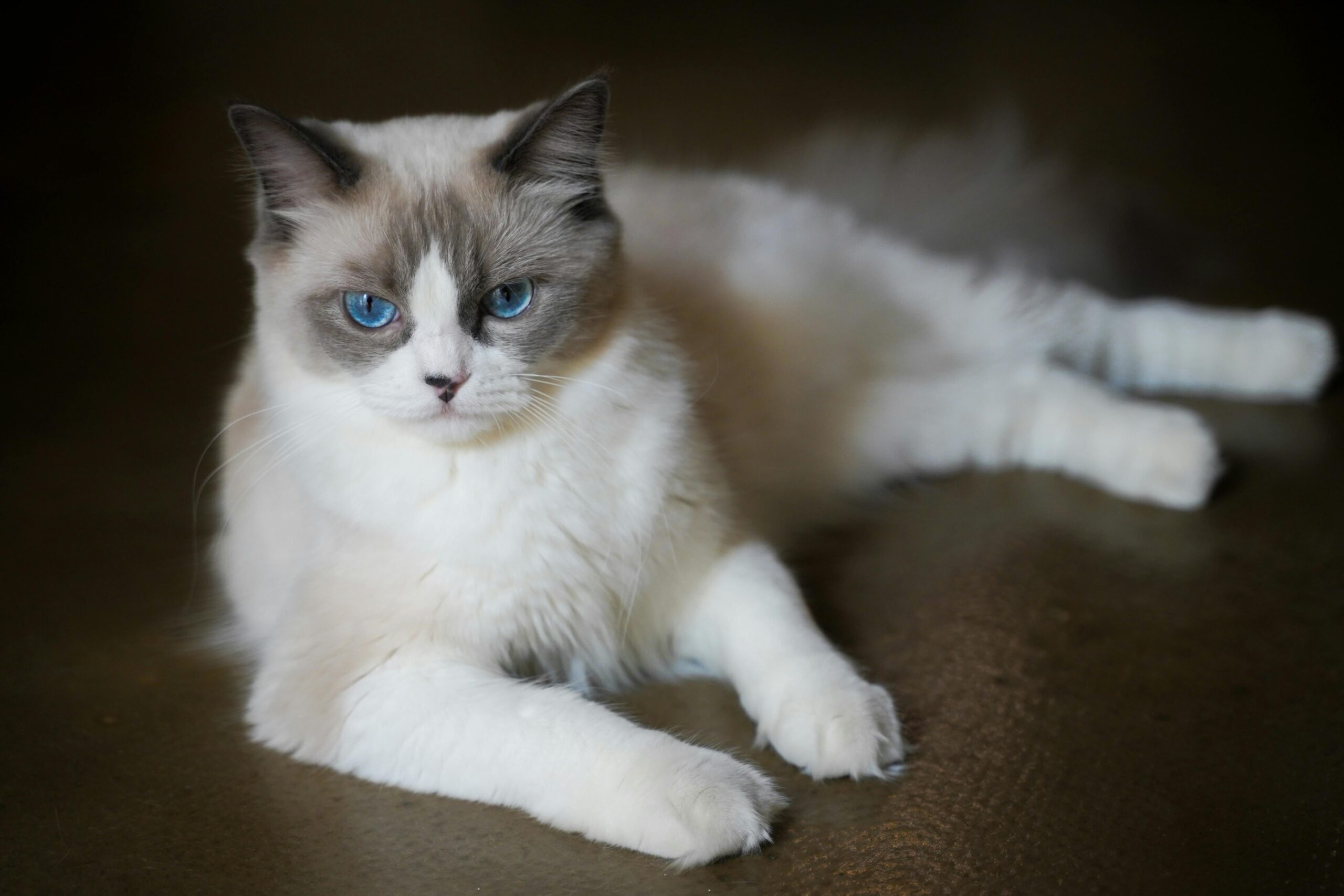
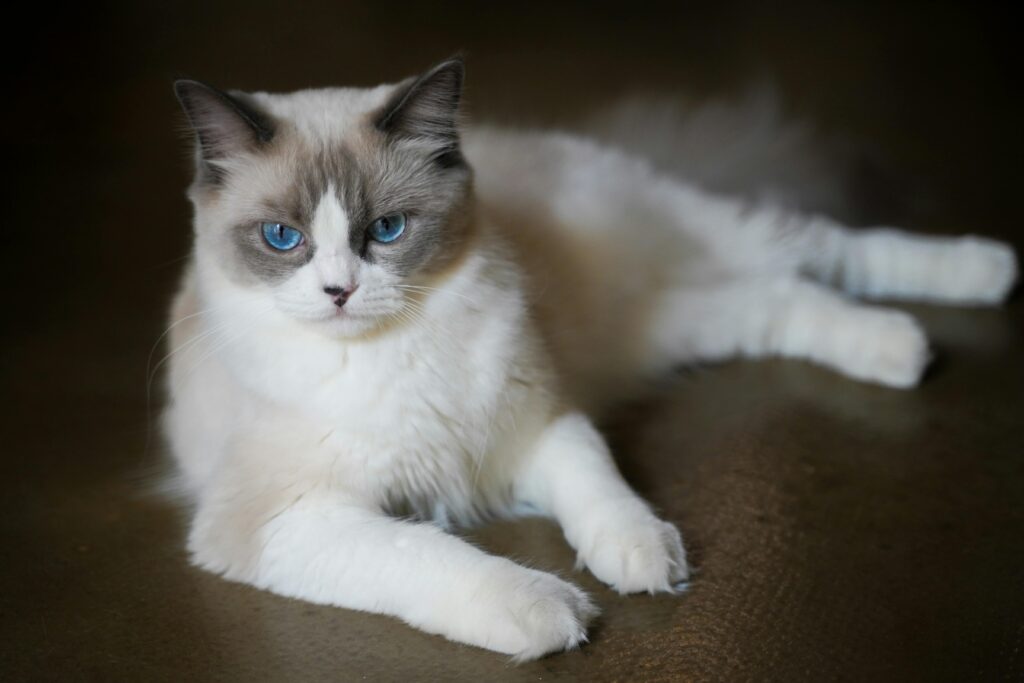
Ragdoll Energy Levels Explained: Calm, Playful, or Lazy?
Introduction: Why Ragdoll Energy Is So Often Misunderstood
Ragdolls are frequently labeled “lazy” online, especially in forums and Reddit threads where people compare them to more reactive or high-energy cats. This label usually comes from observing how much time Ragdolls spend resting and how rarely they engage in frantic behavior.
The problem is that calm behavior is often mistaken for low needs. Many people assume that if a cat is not running, climbing, or causing disruption, it must require very little engagement. With Ragdolls, that assumption is inaccurate.
Online anecdotes also tend to exaggerate extremes. One person describes a Ragdoll that sleeps all day and concludes the breed is inactive. Another describes a playful kitten and assumes the calm reputation is false. Both observations can be true in isolation, but neither explains the full picture.
This article clarifies:
- what Ragdoll energy actually looks like in real life
- how energy levels change as Ragdolls grow and mature
- how playfulness, calmness, and motivation coexist in this breed
- how Ragdolls compare to other cats in terms of energy and engagement
Understanding Ragdoll energy requires looking beyond surface behavior and into how that energy is expressed.
Summary Table: Ragdoll Energy Levels at a Glance
| Topic | What to Know |
|---|---|
| Overall Energy Style | Calm, emotionally regulated, and socially oriented rather than hyperactive |
| Are Ragdolls Lazy? | No. They conserve energy and engage intentionally instead of reacting constantly |
| Typical Play Pattern | Short, focused play sessions followed by long rest periods |
| Best Type of Play | Interactive, human-led play rather than solo or frantic activity |
| Daily Energy Rhythm | Play, rest, social presence woven throughout the day |
| Kittens vs Adults | Kittens and adolescents are active; adults settle into predictable calm |
| Seniors | Reduced stamina, not reduced interest in play or interaction |
| Signs of Healthy Energy | Regular interest in play, balanced rest, stable routines |
| Signs Needs Aren’t Met | Excessive sleeping, reduced curiosity, withdrawal |
| Effect of a Second Ragdoll | Often increases natural play and social energy in a healthy way |
| Overstimulation Risk | Yes. Too much or poorly timed play causes stress, not enrichment |
| Best Home Fit | Homes that value calm companionship and predictable routines |
| Poor Fit | Owners expecting nonstop activity or a fully hands-off pet |
What “Energy Level” Actually Means in Cats
Energy vs Reactivity vs Motivation
Energy level in cats is often confused with reactivity. Reactive cats respond quickly and visibly to stimulation. Calm cats respond slowly and selectively. That difference says more about temperament than energy.
Ragdolls tend to have low reactivity, not low energy. They conserve energy, engage intentionally, and avoid unnecessary escalation. When they do play, they often do so with focus rather than frenzy.
Motivation also matters. Some cats are motivated by movement, novelty, or territory. Ragdolls are more often motivated by social engagement. They may wait to play until a person is involved or until interaction feels meaningful.
This is why quiet cats are not low-energy. Their energy is simply expressed in different ways.
Explosive Energy vs Sustained Energy
Many high-energy cats display explosive bursts: zoomies, sudden leaps, and chaotic play. Ragdolls are less likely to show this pattern.
Instead, Ragdolls often show sustained, moderate energy:
- short, focused play sessions
- steady interest rather than frantic bursts
- engagement that tapers naturally instead of escalating
This makes their energy less obvious, but not absent.
Why Calm Cats Are Misread as Lazy
Low Drama Behavior
Ragdolls are emotionally regulated. They do not typically escalate quickly, overreact to noise, or engage in destructive behavior when bored. Because they are not disruptive, their needs are often underestimated.
A cat that rests calmly and waits for interaction can look “lazy” next to a cat that demands attention loudly. In reality, the calm cat is simply self-regulated.
Lack of Destructive Outlets
Some cats show unmet energy needs through scratching, knocking things over, or vocalizing. Ragdolls are less likely to do this. They cope quietly, which makes it easier for owners to miss signs of under-engagement.
Energy Expressed Socially Instead of Physically
Ragdoll energy is often social rather than physical. Following people, choosing shared spaces, and engaging during calm moments are all expressions of energy and interest.
Because this energy is not chaotic or attention-seeking, it is easy to overlook. But it is still energy, and it still needs appropriate outlets through play, interaction, and routine.
Calling Ragdolls “lazy” misses the point. They are calm, intentional, and socially motivated, not inactive.
Ragdoll Temperament and Energy Style
Ragdoll energy is shaped by temperament as much as by physical ability. This breed was developed to integrate smoothly into human homes, and that history explains why their energy looks different from more reactive cats.
Why Ragdolls Are Calm by Design
Ragdolls were selectively bred for stability. Over time, this produced cats that regulate their emotions well and avoid unnecessary escalation.
Key traits include:
- Breed selection for emotional regulation
Ragdolls were bred to remain relaxed around people, tolerate handling, and adapt to indoor environments without becoming reactive. - Low reactivity and slow escalation
Instead of responding instantly to every stimulus, Ragdolls tend to pause, assess, and engage selectively. This makes them appear calmer even when they are alert and engaged.
This calmness is intentional and functional. It allows Ragdolls to live comfortably in busy households without becoming overwhelmed.
Calm Does Not Mean Inactive
Ragdolls are not sedentary cats. They simply express energy differently.
Rather than engaging in constant motion, they prioritize:
- social engagement over physical hyperactivity
Ragdolls often wait for interaction rather than initiating chaotic play on their own. - proximity over chaos
Being near people, observing activity, and participating calmly are preferred over running, climbing, or dramatic bursts of energy.
This is why they are often described as relaxed companions rather than high-energy entertainers.
Typical Ragdoll Energy Patterns (Real Life)
Daily Rhythm
In everyday life, most Ragdolls follow a predictable rhythm:
- short bursts of play, often tied to routine times
- long rest periods between activity
- social engagement woven throughout the day, even during rest
They may appear inactive while resting, but they remain aware and socially connected.
Play Style
Ragdoll play tends to be intentional and interactive rather than frantic.
Common patterns include:
- interactive play over solo play
Many Ragdolls show greater interest when a person initiates play. - preference for human-led games
Wand toys, gentle chase games, and structured play are favored. - less interest in frantic zoomies
While occasional bursts happen, sustained chaotic play is uncommon.
This play style reflects a cat that is engaged and motivated, just not hyperactive.
Ragdoll Energy by Life Stage
Ragdoll energy is best understood as a continuum, not a fixed trait. The breed’s reputation for calmness is accurate in adulthood, but it develops gradually. Many misunderstandings come from evaluating a Ragdoll at one stage and assuming that behavior is permanent.
Kittens
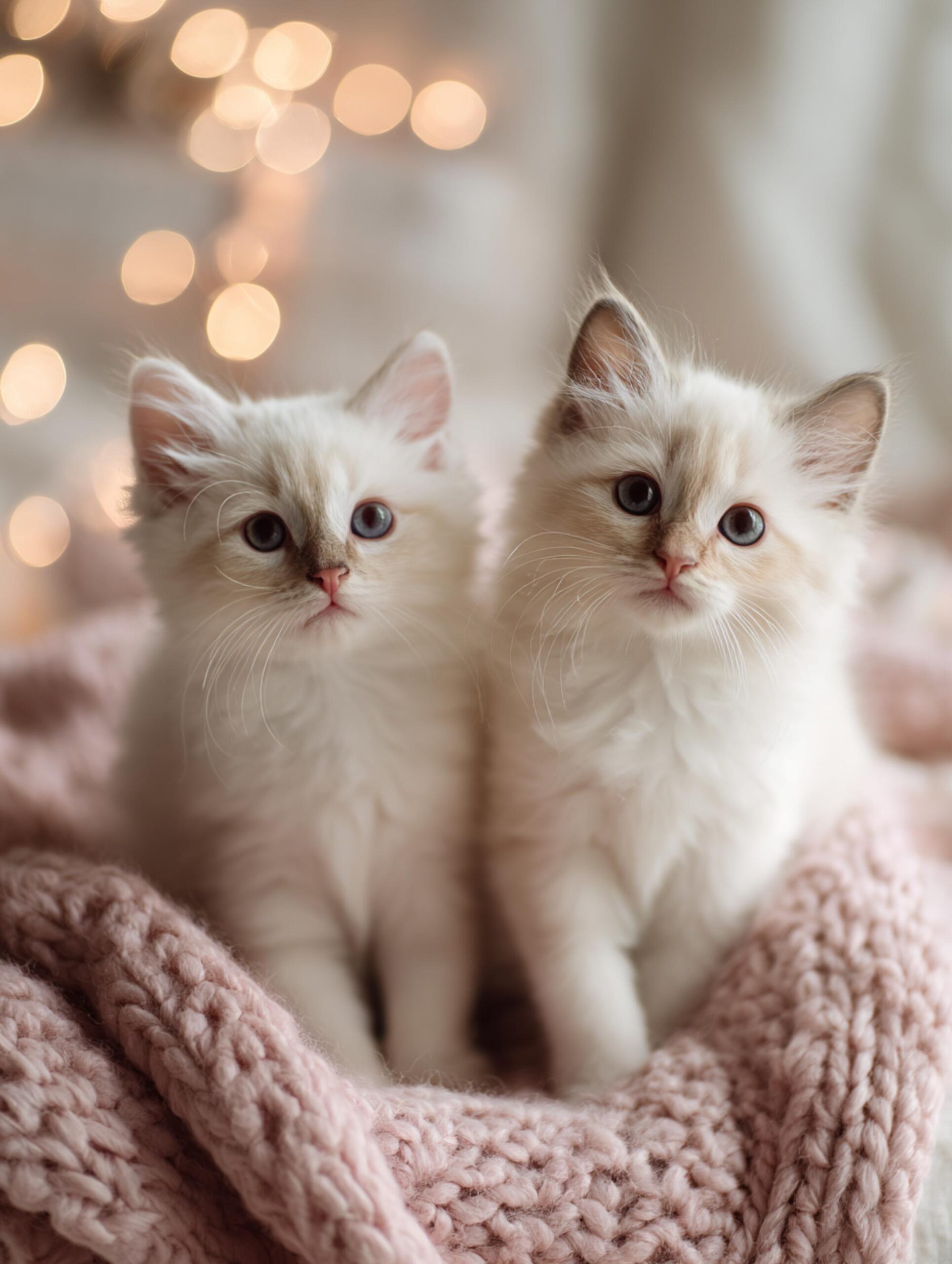
Ragdoll kittens are not calm in the way adults are. In fact, they often show:
- high play drive, especially during short, intense bursts
- strong curiosity about people, objects, and movement
- greater tolerance for activity, noise, and handling
Kittens play hard, nap deeply, and repeat this cycle many times a day. This stage can be surprisingly active for new owners expecting immediate calm. Early impressions are misleading because kitten energy reflects growth and neurological development, not adult temperament. Ragdolls mature slowly, and their characteristic regulation takes time to emerge.
Adolescents
Adolescence is often the most challenging and misunderstood stage.
During this period, Ragdolls typically show:
- peak energy and curiosity
- increased confidence and physical coordination
- a tendency to test boundaries, including climbing, exploring, and pushing limits
This phase surprises owners because it temporarily contradicts the breed’s calm reputation. Adolescents may appear more demanding or restless, but this is a normal developmental phase rather than a temperament flaw. With structure, routine, and appropriate play outlets, this stage resolves as maturity sets in.
Adults
Adult Ragdolls settle into the energy pattern the breed is known for.
Common traits include:
- predictable, stable energy levels
- long periods of rest interspersed with intentional activity
- a calm presence paired with social awareness
Adults are not inactive. They engage regularly, but they choose when and how to expend energy. Play becomes more focused, less chaotic, and often more social than physical.
Seniors
Senior Ragdolls change how they use energy, not whether they have it.
Older cats often show:
- reduced stamina, meaning shorter play sessions
- continued curiosity and interest in interaction
- increased reliance on routine and familiarity
Seniors still benefit from play and engagement, but at a gentler pace. Regular, low-impact activity supports mental health and prevents disengagement.
Ragdolls vs Other Cats: Energy Comparison
Ragdoll energy looks different because it is expressed through connection and regulation, not reactivity.
Ragdolls vs Domestic Shorthairs
Domestic shorthairs vary widely in energy and temperament. Some are highly active, others very independent.
Compared to many domestic cats, Ragdolls tend to show:
- more predictable energy patterns across days and environments
- lower reactivity to noise and movement
- calm engagement rather than self-directed bursts
Domestic cats often entertain themselves. Ragdolls frequently wait for interaction, which can be mistaken for laziness rather than preference.
Ragdolls vs High-Energy Breeds
High-energy breeds are typically driven by motion, novelty, and stimulation. They require frequent outlets to prevent frustration.
Ragdolls differ in that they prioritize:
- social focus over physical output
- emotional engagement over constant movement
- presence over performance
This is why Ragdolls are calmer without being disengaged. Their energy is directed inward toward people and routine rather than outward through constant activity.
Signs Your Ragdoll’s Energy Level Is Healthy
A healthy Ragdoll energy level is not measured by constant motion. It is reflected in balance, curiosity, and emotional regulation.
Common indicators include:
- Regular interest in play
A healthy Ragdoll shows consistent curiosity during play opportunities, even if sessions are short. They may not initiate chaos, but they respond when engagement is offered. - Balanced rest and engagement
Long rest periods are normal, but they are followed by purposeful interaction rather than prolonged disengagement. - Stable routines
Eating, sleeping, play, and social interaction occur predictably without sudden changes in behavior.
These patterns indicate that energy needs are being met and that the cat feels secure in its environment.
Signs Energy Needs Are Not Being Met
When energy needs go unmet, changes tend to develop gradually rather than dramatically.
Warning signs include:
- Excessive sleeping
While Ragdolls sleep a lot, consistently sleeping through play opportunities can signal under-stimulation rather than contentment. - Reduced curiosity
A lack of interest in toys, people, or routine interaction often reflects disengagement rather than calmness. - Behavioral changes mistaken for “laziness”
Decreased activity, withdrawal, or dull behavior are often misinterpreted as low energy when they may indicate unmet physical or emotional needs.
These signs are subtle and easy to miss, especially in calm breeds.
Common Myths About Ragdoll Energy Levels
“Ragdolls are lazy”
Ragdolls are emotionally regulated, not lazy. They conserve energy and engage intentionally rather than reacting to every stimulus. Their calm demeanor reflects temperament, not lack of motivation.
“They don’t need play”
Ragdolls need regular play to maintain physical health and mental engagement. They simply prefer shorter, structured sessions over frantic or prolonged activity.
“Calm cats don’t need stimulation”
Calm cats still require stimulation. Ragdolls just express unmet needs quietly rather than destructively, which makes it easier to overlook their need for enrichment.
“If they’re resting, they’re fine”
Resting is normal, but rest without engagement can indicate under-stimulation. Healthy Ragdolls rest deeply and then re-engage willingly when interaction is offered.
Understanding these distinctions helps owners support healthy energy without confusing calm behavior with inactivity.
How to Support Healthy Energy in Ragdolls
Supporting healthy energy in Ragdolls is about working with their temperament, not trying to turn them into a different kind of cat. This breed thrives on intentional engagement, not constant stimulation.
Play That Works for This Breed
Ragdolls respond best to play that is predictable, interactive, and tied into daily routine.
Effective play for Ragdolls includes:
- Short, structured play sessions
Multiple brief sessions are more effective than one long, intense one. Five to ten minutes of focused play often meets their needs better than prolonged activity. - Interactive toys
Wand toys, feather teasers, and slow chase games engage both mind and body. Ragdolls are far less motivated by toys that require solo play. - Timing play around routines
Play before meals or at consistent times each day helps regulate energy and reinforces natural rhythms. Ragdolls feel more secure when play fits into a predictable pattern.
When play is intentional, Ragdolls remain engaged without becoming overstimulated or frustrated.
Why Overstimulation Backfires
More activity is not always better. Ragdolls are emotionally regulated cats, and overstimulation can create stress rather than enrichment.
Signs overstimulation is occurring include:
- sudden disengagement
- avoidance or walking away mid-play
- tension or reduced responsiveness
Stress differs from enrichment in that it overwhelms rather than satisfies. Knowing when to stop is as important as knowing when to start. Ending play while the cat is still engaged helps preserve interest and prevents fatigue or frustration.
Energy, Pairing, and Companionship
Ragdoll energy expression changes significantly depending on whether the cat lives alone or with another Ragdoll.
How Another Ragdoll Affects Energy
Adding a second Ragdoll often leads to:
- play regulation
Cats take cues from each other, balancing activity and rest naturally. - social motivation
Play becomes more frequent and spontaneous when another Ragdoll is present.
This social interaction allows energy to be expressed in ways humans cannot replicate.
Single vs Paired Energy Expression
Single Ragdolls often appear calmer and more reserved, especially during the day. Paired Ragdolls frequently seem “more active,” which is a positive sign.
In pairs:
- play occurs naturally without human initiation
- energy is expressed socially rather than suppressed
- confidence and curiosity often increase
Increased activity in paired Ragdolls reflects emotional security, not hyperactivity. It is a sign that the cat feels safe enough to engage fully rather than conserving energy or coping quietly.
Supporting healthy energy in Ragdolls means honoring their social nature, providing structure, and recognizing that calm does not mean inactive.
Who Ragdolls Are (and Are Not) a Good Fit For
Ragdolls thrive in environments that match their energy style and emotional needs. Understanding fit helps prevent disappointment and supports long-term wellbeing.
Good Fit
Ragdolls are well suited for:
- people who value calm companionship
They prefer shared space, quiet interaction, and emotional presence over constant activity. - homes with routine
Predictable schedules help Ragdolls regulate energy and remain emotionally secure.
In these environments, Ragdolls are relaxed, engaged, and socially connected without being demanding.
Poor Fit
Ragdolls are often a poor match for:
- owners expecting constant activity
They are not high-energy entertainers and do not provide nonstop stimulation. - people wanting a hands-off pet
While calm, Ragdolls are socially responsive and need consistent interaction.
In mismatched homes, they may appear disengaged or misunderstood rather than truly inactive.
Frequently Asked Questions: Ragdoll Energy Levels
Are Ragdoll cats actually lazy?
No. Ragdolls are often labeled lazy because they are calm and low-reactive, not because they lack energy. They conserve energy and engage intentionally rather than displaying constant movement or chaos. A healthy Ragdoll plays, explores, and interacts regularly, but in shorter, more focused bursts. Calm behavior reflects emotional regulation, not inactivity.
How much play do Ragdolls really need each day?
Most Ragdolls do best with several short play sessions spread throughout the day rather than one long session. Five to ten minutes of interactive play, one to three times daily, is usually sufficient when it is consistent. The key is predictability and engagement, not duration. Skipping play entirely often leads to disengagement rather than visible hyperactivity.
Do Ragdolls become less active as they grow?
Yes, but this is normal and expected. Ragdoll kittens and adolescents are much more energetic and curious than adults, which often surprises new owners. As they mature, energy becomes more regulated and predictable. Adult Ragdolls still enjoy play, but they engage with intention rather than nonstop activity.
Are Ragdolls lower energy than other cat breeds?
Ragdolls are calmer than many breeds, but they are not lower energy in a negative sense. Compared to high-energy or highly reactive breeds, Ragdolls express energy socially rather than physically. Compared to domestic shorthairs, their energy tends to be more predictable and less chaotic. This makes them feel calmer without being disengaged.
Why does my Ragdoll sleep so much?
Sleeping long hours is normal for cats, including Ragdolls. What matters is what happens when they are awake. A healthy Ragdoll wakes easily for play, interaction, or routine activities. Excessive sleeping paired with reduced curiosity or interaction may indicate unmet needs rather than contentment.
Do Ragdolls need stimulation even if they seem calm?
Yes. Calm cats still need stimulation to stay physically and mentally healthy. Ragdolls simply show unmet needs quietly rather than through destructive behavior. Regular play, social interaction, and environmental enrichment are essential even if the cat appears relaxed.
Will getting another Ragdoll increase activity levels?
Often, yes, and this is a positive change. Paired Ragdolls frequently play more, move more, and show increased curiosity because social motivation is higher. This does not mean they become hyperactive. It means energy is expressed naturally instead of being conserved or suppressed.
Is it normal for a single Ragdoll to seem less active?
Yes. Single Ragdolls often appear calmer, especially during the day, because they wait for human interaction. This does not automatically mean something is wrong, but it does mean energy expression depends more heavily on people. Pairing often reveals a fuller range of normal Ragdoll behavior.
How can I tell if my Ragdoll’s energy level is healthy?
A healthy energy level includes regular interest in play, stable routines, and balanced rest and engagement. The cat should rest deeply but re-engage willingly. Sudden or gradual loss of curiosity, withdrawal, or persistent disengagement suggests energy needs are not being fully met.
Can overstimulation be a problem for Ragdolls?
Yes. Ragdolls can become stressed if play is too intense, too long, or poorly timed. Overstimulation often leads to disengagement rather than excitement. Ending play sessions while the cat is still interested helps maintain motivation and prevents stress.
See How Much Attention Do Ragdolls Need?
Are Ragdolls a good fit for very active households?
They can be, but only if activity is structured. Ragdolls handle normal household noise well but do not thrive in constant chaos or unstructured stimulation. They do best in homes where activity is balanced with predictable quiet periods.
Are Ragdolls calm, playful, or lazy?
Ragdolls are calm and playful, not lazy. Their energy is real, but it is expressed through social engagement and intentional play rather than frantic movement.
Final Answer: Are Ragdolls Calm, Playful, or Lazy?
Ragdolls are calm and playful, not lazy. Their energy is expressed through intentional engagement rather than chaotic movement.
They rest deeply, play purposefully, and seek connection through proximity and routine. When their needs are met, they remain emotionally stable and quietly engaged.
Ragdolls are not low-energy cats. They are emotionally regulated cats.
Continued Ragdoll Reading
If you’re deciding whether a Ragdoll fits your lifestyle, these articles expand on temperament, social needs, and long-term ownership realities:
- How Much Attention Do Ragdoll Cats Need?
A clear breakdown of daily interaction needs, emotional presence, and how Ragdolls handle alone time. - Are Ragdoll Cats Indoor Only?
Safety, temperament, lifespan, and why indoor living is the ethical standard for this breed. - Do Ragdolls Like to Be Held?
What the “floppy cat” reputation really means, how genetics and early handling matter, and realistic handling expectations. - Are Ragdolls Good for First-Time Owners?
An honest look at temperament, care demands, cost, and lifestyle fit for beginners. - Are Ragdolls Good With Children and Families?
How Ragdolls interact with kids, what supervision matters, and when family homes are a good match. - Ragdoll Temperament Explained
A breeder-level explanation of pros and cons, personality traits, emotional sensitivity, and predictability. - Ragdoll Cat Lifetime Costs
Why Ragdolls are a long-term financial commitment beyond the kitten price. - Ragdoll Cat Shedding
What normal shedding looks like, seasonal patterns, and how to manage coat care realistically. - How Ragdoll Kittens Are Raised
Why early socialization, handling, and environment shape adult confidence and bonding. - Are Ragdoll Cats Good with Children Ragdoll cats are known for being kid friendly cats.
- Do Ragdoll Cats Get Lonely? Ragdolls are not fragile, but they are more socially oriented than many cats.
Sources
- International Cat Care (iCatCare) – Understanding Cat Behaviour, Play, and Activity Levels
https://icatcare.org/advice/understanding-your-cats-behaviour/ - American Association of Feline Practitioners (AAFP) – Environmental Enrichment Guidelines
https://catvets.com/guidelines/practice-guidelines/environmental-enrichment - Cornell University College of Veterinary Medicine – Normal Feline Behavior and Activity
https://www.vet.cornell.edu/departments-centers-and-institutes/cornell-feline-health-center/health-information/normal-feline-behavior - UC Davis School of Veterinary Medicine – Feline Behavior and Development
https://www.vetmed.ucdavis.edu/hospital/animal-behavior - International Society of Feline Medicine (ISFM) – Cats’ Physical and Emotional Needs
https://icatcare.org/veterinary-guidance/cat-care-guidelines/ - Turner, D.C. & Bateson, P. (eds.) – The Domestic Cat: The Biology of Its Behaviour
Cambridge University Press





Read the Comments +