
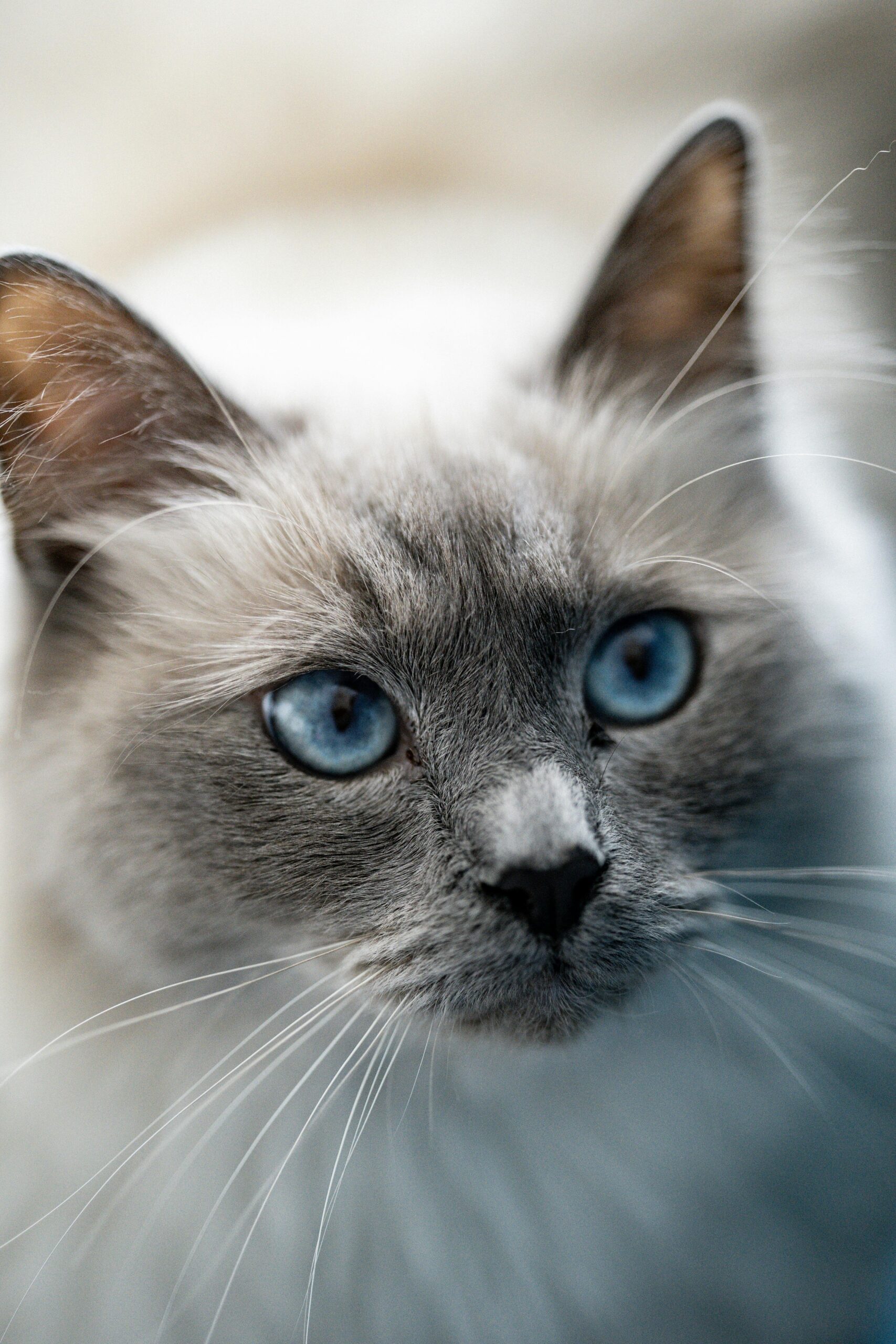
Ragdoll Kitten Pricing Explained: Why Prices Vary So Much
Ragdoll kitten prices can feel confusing, even contradictory. Two kittens described as “purebred Ragdolls” may be listed at dramatically different prices, leaving buyers unsure what actually justifies the gap. This section breaks down why that variation exists—without ranking breeders or assigning blame—so buyers can interpret pricing with clarity instead of pressure.
Ragdoll Pricing Explained — At a Glance
| What Buyers Often Look At | What Actually Explains the Price |
|---|---|
| Sticker price alone | The breeding model behind the kitten |
| Breed label | How the kitten was raised and placed |
| Availability timing | Whether litters are planned or produced on demand |
| Social media presence | Program structure and limits |
| Colors and Patterns | Early handling, routine, and observation |
| Claims or guarantees | Risk management and transparency |
| Upfront affordability | Long-term cost and responsibility |
| Speed of placement | Thoughtful matching and readiness |
| Informal communication | Clear processes and documented policies |
| One-time transaction | Ongoing support and breeder accountability |
Why Ragdoll Prices Seem All Over the Map
It’s common for buyers to encounter Ragdoll kittens priced at $1,200 and others at $4,500 or more, all labeled as the same breed. This range feels arbitrary until you look at what sits behind the number.
Why buyers see wildly different prices for the “same breed”
The term Ragdoll describes a breed standard, not a uniform production method. Kittens may share a breed label while coming from programs with entirely different goals, limits, and levels of responsibility. Price reflects those upstream decisions, not just the kitten itself.
How online listings flatten very different breeding models
Online platforms and social media reduce complex programs into a few photos and a caption. A high-investment breeding program and a low-overhead seller can look identical at a glance. When the process is invisible, price becomes the only visible difference—without context.
Why price confusion leads to rushed or emotional decisions
Without understanding what pricing represents, buyers may assume higher prices are arbitrary or lower prices are lucky finds. That uncertainty often leads to rushing, overemphasizing availability, or making decisions based on emotion rather than preparation. This section exists to provide context, not judgment, so pricing can be evaluated thoughtfully.
What Ragdoll Kitten Pricing Is Actually Reflecting
Ragdoll pricing is less about the kitten you see and more about the system that produced it. The number reflects choices made months or years before a kitten is ever offered.
Breeding Model Differences
Hobby seller vs structured breeding program
Some kittens are raised casually with minimal infrastructure. Others come from structured programs with defined protocols, limits, and long-term planning. These two models carry very different costs and responsibilities, which show up in pricing.
Planned litters vs constant availability
Programs that plan limited litters around health, recovery, and placement naturally produce fewer kittens. Constant availability often reflects a supply-driven model. Scarcity isn’t the goal—sustainability is—and that difference affects cost.
Program limits vs volume output
Limiting the number of breeding cats and litters reduces revenue potential while increasing per-kitten investment. Volume output lowers the cost per kitten by spreading expenses across many litters, but it also limits individual attention.
Early Raising and Development Investment
Time spent per kitten
Time is one of the most expensive inputs in ethical breeding. Daily handling, observation, cleaning, record keeping, and structured routines require consistent labor that cannot be automated.
Handling, routine, and observation windows
Critical developmental windows happen early and quickly. Programs that invest heavily during this period spend more time per kitten, even though the results—confidence, adaptability, and stability—are difficult to photograph or market.
Why this labor is invisible but expensive
Buyers rarely see the hours invested before a kitten is ever listed. That invisible labor doesn’t show up in photos, but it significantly affects cost. Lower prices often reflect lower time investment, not better efficiency.
Placement and Support Costs
Screening and matching time
Ethical placement requires time spent reviewing applications, communicating with families, and matching kittens based on fit rather than speed. This work happens behind the scenes and is built into pricing.
Post-placement guidance
Support after pickup—answering questions, guiding transitions, and helping families navigate challenges—requires availability and expertise. Even if a buyer never needs it, the capacity to provide support still carries cost.
Why support is built into pricing even if never “used”
Pricing reflects readiness, not just usage. Ethical programs price for the responsibility of being available long-term, not just the moment of sale. That safety net is part of what buyers are paying for, whether they ever draw on it or not.
How Coat Color Can Influence Ragdoll Pricing
Coat color can affect Ragdoll kitten pricing, but it is rarely the primary driver on its own. When color influences price, it usually reflects breeding complexity and predictability, not aesthetic value alone.
Some colors and patterns are:
- Less common within certain lines
- More difficult to produce intentionally
- Dependent on specific genetic pairings
- Slower to evaluate accurately as kittens mature
These factors can increase the cost of producing a kitten with a particular appearance, especially when breeders limit litters and avoid breeding solely for color.
That said, ethical Ragdoll breeders do not price kittens based on color popularity alone. Color is one variable within a much larger framework that includes health planning, temperament development, and placement responsibility.
Why Color Sometimes Affects Price
- Certain colors require more selective pairings
- Predictability can take longer to confirm
- Some patterns limit available matches within ethical programs
- Breeders may retain kittens longer for evaluation
These factors increase time and opportunity cost, which can be reflected in pricing.
Why Color Is Never a Guarantee of Value
Color does not predict:
- Temperament
- Health outcomes
- Compatibility with a household
- Long-term satisfaction
A visually striking kitten raised with fewer safeguards often costs less in the long run than a thoughtfully raised kitten of a more common color.
How Ethical Breeders Treat Color in Pricing
Responsible breeders treat color as:
- A preference, not a priority
- Secondary to health and temperament
- Part of placement discussions, not a selling hook
When color significantly drives price, it should be explained clearly and calmly — not used as leverage or urgency.
Color can influence Ragdoll pricing, but ethical breeders price for process and responsibility first. Appearance may affect cost at the margins, but it never replaces structure, limits, or long-term care.
Why Ethical Ragdoll Breeders Cost More (and Place Fewer Kittens)
Ethical Ragdoll breeding is built around limits. Those limits protect the cats, but they also reduce output and increase cost per kitten.
Limited litters and long gaps between them
Responsible Ragdoll breeders plan a small number of litters and space them intentionally. Time between litters allows for physical recovery, emotional stability, and careful evaluation. Fewer litters mean fewer kittens overall, which naturally raises the cost of doing things well.
Retained kittens and unplaced outcomes
Not every kitten is placed immediately—or at all. Ethical programs may hold back kittens for longer observation, keep them as future breeding prospects, or delay placement if the right home isn’t available. These kittens still require the same level of care, food, veterinary attention, and time, even when they aren’t generating income.
Financial risk absorbed by the breeder, not the buyer
Ethical breeders absorb uncertainty so buyers don’t have to. Missed litters, smaller-than-expected litters, health-related changes, and placement delays all carry real financial impact. Higher pricing reflects that risk being managed by the breeder rather than passed down the line through rushed sales or reduced standards.
👉 Why Ethical Ragdoll Breeders Have Waitlists and Take Deposits
What a Higher Price Reflects — and What It Is Not Meant to Do
Price does not make decisions for buyers. It signals how a breeding program operates, the limits it enforces, and the responsibility the breeder assumes long before a kitten is ever offered. When buyers interpret price correctly, it adds context. It never replaces discernment.
What a Higher Price Reflects
Intentional planning
Breeders who charge higher prices plan litters with intention instead of urgency. They limit output, space breedings carefully, and make decisions based on long-term outcomes rather than short-term availability.
Reduced scale with deeper investment
By producing fewer Ragdoll kittens, breeders invest more time, attention, and oversight into each one. They concentrate care, observation, and development instead of spreading resources thin. That depth of investment is built directly into the price.
Professional structure and continuity
Breeders who operate responsibly maintain clear waitlists, documented agreements, defined placement criteria, and ongoing post-placement support. These systems protect both the kittens and the families who welcome them, and they require real infrastructure with ongoing costs.
A higher price does not signal status or exclusivity. It reflects limits, responsibility, and long-term commitment — the choice to do fewer things and do them well.
What Price Cannot Promise
Perfect health
No price eliminates biological risk. Ethical breeders manage risk through planning, monitoring, and transparency, not through guarantees.
Guaranteed temperament
Genetics, environment, and development shape temperament together. Even with excellent early raising, individual variation always exists.
Zero future costs
An upfront price does not replace ongoing responsibility. Veterinary care, grooming, nutrition, and long-term support remain part of Ragdoll ownership regardless of the purchase amount.
Buyers should read a higher price as evidence of process and limits, not as a promise of perfection. Understanding that difference protects expectations and reinforces trust in ethical breeding practices.
Why “Cheap” Ragdoll Kittens Exist
Lower-priced Ragdoll kittens exist for many reasons, and price alone does not automatically indicate bad intent. In most cases, it reflects different cost structures, not different breed labels.
Different cost structures
Some sellers operate with minimal overhead. They may breed more frequently, invest less time per kitten, or offer limited post-placement involvement. Lower operating costs naturally result in lower prices, even when the kittens are labeled the same breed.
Fewer safeguards built into the process
Lower prices often reflect fewer built-in protections. This can include less time for observation, limited screening, fewer placement checks, or reduced availability for support after pickup. These safeguards require time and infrastructure, which raise costs.
Short-term affordability vs long-term cost
A lower upfront price can feel like a win, especially when buyers are focused on immediate budget. However, reduced early investment often shifts cost forward in the form of stress, mismatches, unexpected challenges, or lack of guidance. The price difference doesn’t disappear—it changes when and how it’s paid.
Price vs Value in Ragdoll Ownership
Price is a moment. Value unfolds over years.
Upfront cost vs lifetime expense
The purchase price is only one part of Ragdoll ownership. Veterinary care, grooming, nutrition, insurance, and ongoing support far outweigh the initial number over the life of the cat. Evaluating price without context ignores the bigger financial picture.
Emotional cost of poor fit
The emotional toll of a poor match—stress, frustration, or uncertainty—often exceeds any savings gained at purchase. Cats thrive when placement, preparation, and support are aligned. When those pieces are missing, the cost shows up emotionally, not just financially.
Why regret is often more expensive than price
Regret carries compound costs: rehoming stress, behavioral challenges, and the feeling of having rushed a decision. Paying less upfront doesn’t always mean spending less overall. Thoughtful decisions tend to cost less in the long run.
Common Buyer Misunderstandings About Ragdoll Pricing
“They all come from the same breed”
Breed label alone doesn’t account for how a kitten was raised, observed, or placed. Two Ragdolls can share a name and look similar while coming from entirely different systems.
“More expensive means elitist”
Higher pricing often reflects limits, not luxury posturing. Producing fewer kittens, investing more time, and maintaining long-term support naturally raises cost without implying exclusivity.
“Cheaper means I got lucky”
Occasionally, buyers do find lower-priced kittens that work out well. But relying on luck rather than evaluation introduces risk. Understanding why a price is lower matters more than celebrating the number itself.
How to Evaluate Ragdoll Price Without Comparing Number
Comparing prices across listings rarely gives buyers the clarity they want. Numbers do not explain why a Ragdoll kitten costs what it does, and they do not predict long-term outcomes. Buyers gain far more insight by evaluating the systems behind the price. When you focus on process instead of numbers, pricing becomes understandable rather than confusing.
Transparency of Process
Ethical breeders explain how their program operates from start to finish. They describe how they plan litters, raise kittens, evaluate development, and manage selection timelines. Transparency does not require oversharing. It means buyers never feel left guessing or chasing answers.
When a breeder explains their process clearly and calmly, price stops feeling arbitrary. It reflects planning, structure, and accountability rather than mystery or markup.
Placement Philosophy
A breeder’s placement approach reveals more than any price tag. Ethical Ragdoll breeders prioritize fit over speed. They evaluate household dynamics, expectations, and each kitten’s temperament before making placement decisions.
Thoughtful placement requires time. Breeders observe kittens, guide matches, and sometimes decline placements that are not ideal. That invisible work shapes outcomes and directly influences pricing, even though it never appears in photos or listings.
Communication Clarity
Clear communication costs time and structure. Defined update points, consistent messaging, and predictable responses do not happen by accident. Breeders who communicate clearly run organized programs and reduce surprises for buyers.
When communication feels rushed, vague, or inconsistent, lower prices often conceal higher downstream risk. Clarity protects both sides, and that protection carries real value.
Support After Pickup
Post-placement support remains part of the breeder’s responsibility long after a kitten goes home. Ethical breeders stay available for questions, transitions, and guidance as families adjust.
That availability requires experience, boundaries, and ongoing commitment. Even if a buyer never uses that support, the breeder must maintain the capacity to provide it. Evaluating whether support exists, how it is offered, and how long it lasts offers far more insight than comparing price points alone.
👉 How to Choose a Ragdoll Breeder: Red Flags, Green Flags, and Reality
FAQ: Ragdoll Pricing Explained
Why do Ragdoll kitten prices vary so much?
Ragdoll prices vary because breeders operate under very different models. Pricing reflects how kittens are bred, raised, observed, placed, and supported—not just the breed name. Two kittens can look similar online while coming from programs with completely different levels of planning, limits, and responsibility.
Are higher-priced Ragdoll kittens actually better?
Not automatically. A higher price often signals intentional planning, lower volume, and structured processes, but it does not guarantee perfection. Price should prompt better questions about process and support rather than serve as a shortcut for evaluation.
Why are some Ragdoll kittens much cheaper?
Lower prices usually reflect lower overhead, fewer safeguards, or less time invested per kitten. This does not always mean poor intent, but it does mean fewer built-in protections. The cost difference often shifts forward into the ownership experience rather than disappearing.
Does coat color affect Ragdoll pricing?
Sometimes, but usually at the margins. Certain colors or patterns may cost more to produce due to breeding complexity or limited availability within ethical programs. Color should never be the primary driver of price and does not predict temperament, health, or long-term satisfaction.
Why don’t ethical breeders just lower prices to be more competitive?
Ethical breeders price according to what it costs to operate responsibly. Lowering prices often requires increasing volume, reducing time per kitten, or cutting support. Programs that limit output and absorb financial risk cannot sustainably compete with volume-based pricing.
Is it a red flag if a Ragdoll kitten is very inexpensive?
Not always—but it warrants questions. Buyers should ask how kittens are raised, how placement works, and what support exists after pickup. Price alone is not the red flag; lack of clarity is.
Why do ethical Ragdoll breeders place fewer kittens?
Limiting litters allows breeders to protect the health of breeding cats, invest more time in each kitten, and make thoughtful placement decisions. Fewer kittens mean higher per-kitten cost, but better long-term outcomes.
Does price include support after pickup?
In ethical programs, yes. Pricing typically includes the breeder’s availability for guidance, transitions, and questions. Even if a buyer never needs that support, the breeder must maintain the capacity to provide it.
Can a higher price guarantee health or temperament?
No. Living beings do not come with guarantees. Ethical breeders manage risk through planning, observation, and transparency—not promises. Any breeder offering certainty is oversimplifying reality.
Why do breeders say price reflects “process” instead of the kitten?
Because the work that shapes outcomes happens long before a kitten is listed. Planning, limiting output, early development, placement decisions, and post-placement responsibility all contribute to cost, even though they are largely invisible to buyers.
Is it elitist to charge more for Ragdoll kittens?
Higher pricing does not signal elitism. It usually reflects limits, responsibility, and reduced scale. Producing fewer kittens while investing more deeply in each one costs more, regardless of branding.
Should I choose a breeder based on price range?
Price should be one data point, not the deciding factor. Evaluating transparency, placement philosophy, communication clarity, and support after pickup provides far more insight than comparing numbers across listings.
Why does regret often cost more than price?
Rushed decisions can lead to mismatches, stress, lack of support, or rehoming situations. These outcomes carry emotional and financial costs that far exceed the difference between price points at purchase.
How can I tell if a Ragdoll price is justified?
Ask what the price supports:
- How are litters planned?
- How are kittens raised and evaluated?
- How does placement work?
- What support exists after pickup?
Clear, consistent answers matter more than the number itself.
Final Perspective — Ragdoll Pricing Is About Structure, Not Status
Ragdoll pricing is often misunderstood because buyers are taught to look for numbers instead of systems. But price isn’t arbitrary, and it isn’t about prestige. It’s the outcome of dozens of decisions made long before a kitten is ever listed.
Recap:
- Price reflects decisions made long before the kitten is listed
- Ethical breeding costs more because it intentionally limits output
- The cheapest option is not always the least expensive long term
Ragdoll pricing isn’t about finding the lowest number. It’s about understanding what systems, limits, and responsibilities that number represents.
Related Posts
Continue learning about ethical Ragdoll breeding and buyer expectations:
- How to Choose a Ragdoll Breeder: Red Flags, Green Flags, and Reality
Understand how ethical breeders operate and how to evaluate programs beyond availability and marketing. - Are Ragdoll Cats Hypoallergenic? What Breeders Should Explain Honestly
Clarifies common misconceptions and why guarantees are a red flag. - Ragdoll Cats: From a Breeder Perspective
Sets realistic expectations for personality, emotional needs, and daily life. - Ragdoll Kitten vs Adult: Which Is the Better Fit for Your Home?
Helps buyers decide timing and fit rather than rushing for availability. - How Ragdoll Kittens Are Raised From birth to go home.
- Deposits, Contracts, and Payments: How Reputable Breeders Operate
Explains ethical payment structures and what buyers should expect.
Sources & References
- The International Cat Association (TICA)
Breed standards, breeder participation, and ethical breeding frameworks
https://tica.org - Cat Fanciers’ Association (CFA)
Registration standards, breeder ethics, and breed stewardship principles
https://cfa.org - International Cat Care
Evidence-based guidance on kitten development, welfare, and responsible breeding
https://icatcare.org - American Veterinary Medical Association (AVMA)
Animal welfare, responsible breeding, and buyer education position statements
https://www.avma.org - Cornell University College of Veterinary Medicine
Research on feline reproduction, development, and long-term health considerations
https://www.vet.cornell.edu
Ragdoll pricing reflects documented breeding standards, animal welfare principles, and responsible placement practices—not marketing claims or short-term availability.






Read the Comments +