
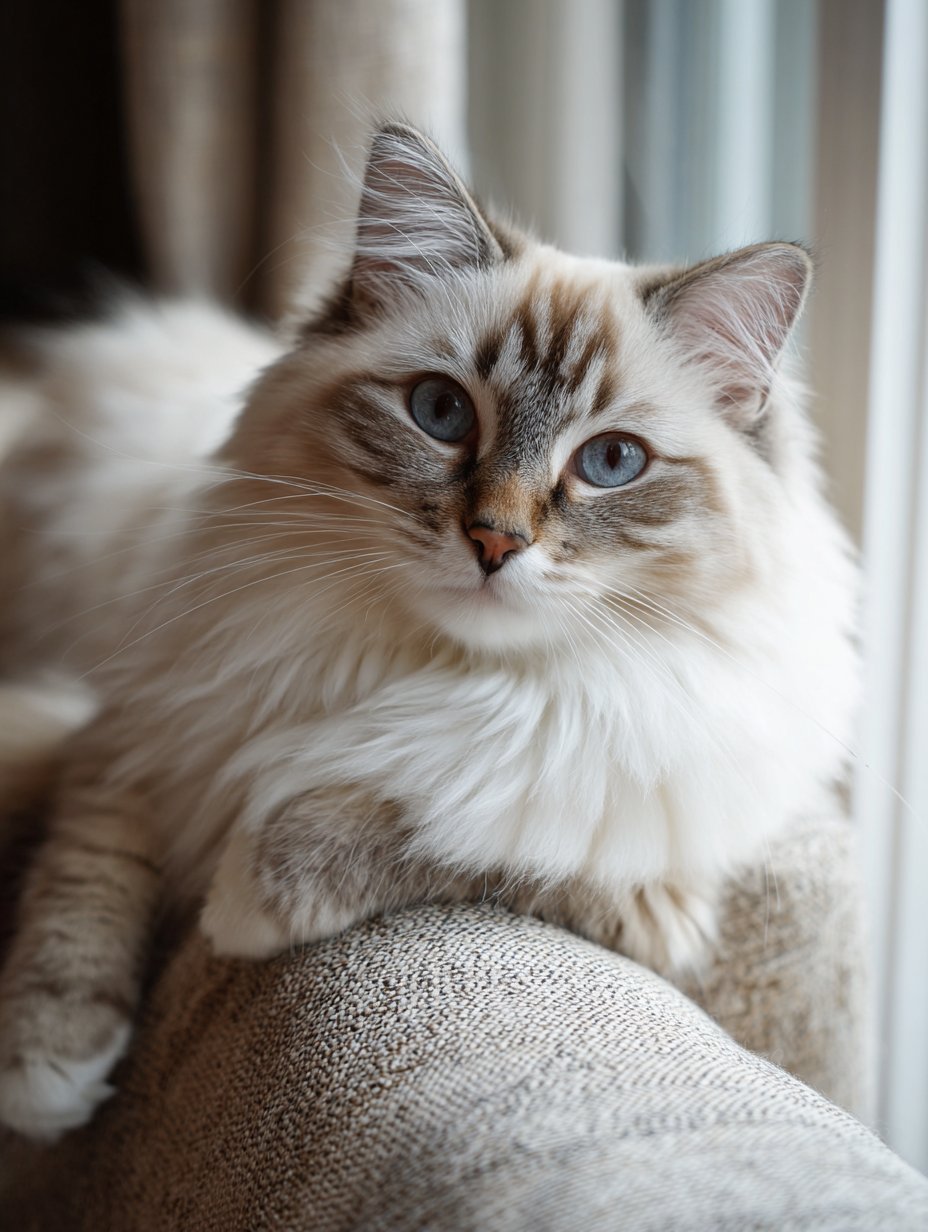
Ragdoll vs Regular Cat: Size, Temperament, Personality & Home Life Differences
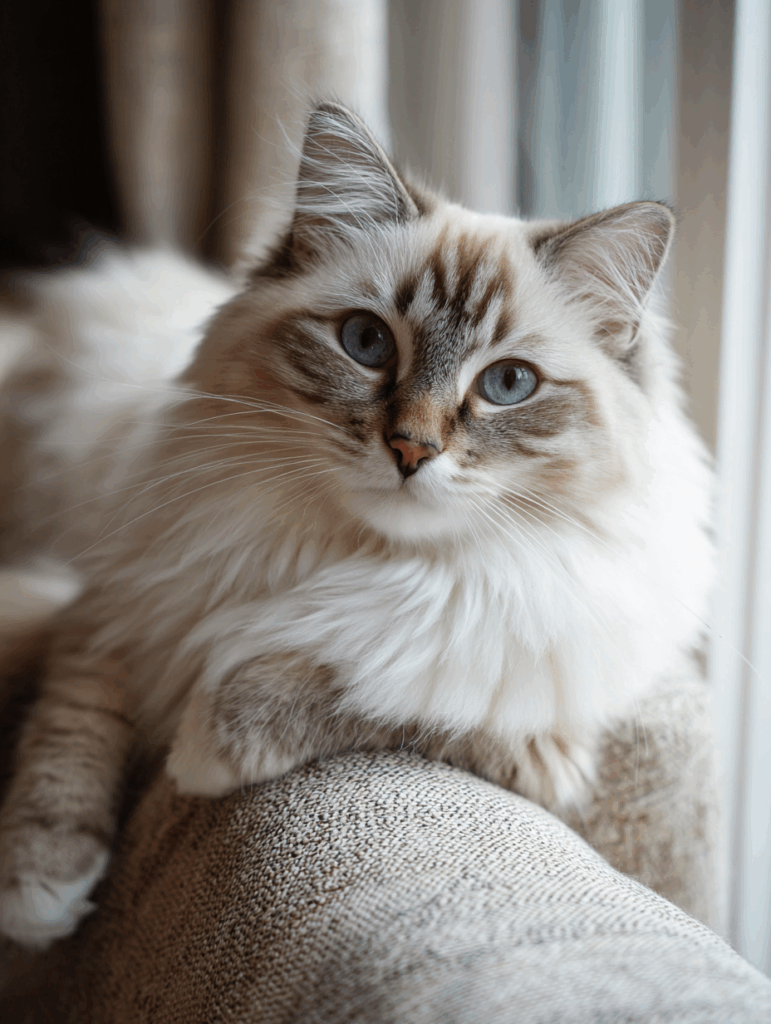
At first glance, the Ragdoll looks like a dreamy, longhaired version of the traditional house cat — but the similarities end there. Ragdolls are one of the most affectionate, predictable, people-oriented cat breeds in the world. Their size, temperament, trainability, grooming needs, and vocal style are dramatically different from a regular domestic cat.
If you’re comparing a Ragdoll vs a normal cat, this guide breaks down every key difference, from size and weight to behavior, lifestyle suitability, grooming, and family compatibility.
Ragdoll vs Regular Cat Snippet Summary
| Feature | Ragdoll | Regular Domestic Cat |
|---|---|---|
| Size | 10–15 inches tall; long, heavy frame | 9–10 inches tall; compact frame |
| Weight | 15–20+ lbs males, 10–15 lbs females | 8–10 lbs typical |
| Growth Timeline | Grows for 3–4 years | Grows for 12–18 months |
| Temperament | Gentle, social, people-focused | Varies widely; often independent |
| Coat | Silky semi-long, low matting | Short–long; unpredictable texture |
| Affection Level | Very high; “puppy-like” | Varies by cat |
| Price | $2,000–$4,500+ | $50–$150 adoption |
Ragdoll vs Regular Domestic Cat Size
Ragdolls are one of the largest companion cat breeds, and their size is noticeably bigger than the average house cat.
Regular Domestic Cat Size
A typical domestic shorthair reaches 9–10 inches tall, weighs 8–10 lbs, and has a compact, athletic body type. Their proportions are balanced but small-boned, and they finish most of their growth by 12 months.
Ragdoll Size
Ragdolls grow much larger, often reaching 10–15 inches tall, and they develop a long, substantial body with heavy bone structure. They are slow-maturing, taking 3–4 years to reach full size.
Their semi-long coat and large frame create a more luxurious, cloudlike appearance compared to a regular cat’s sleek outline.
Ragdoll vs Regular Cat Weight
The weight difference is one of the most searched comparisons online.
Regular Cat Weight:
8–10 lbs on average.
Ragdoll Weight:
- Males: 15–20+ lbs
- Females: 10–15 lbs
Ragdolls carry weight in their chest, shoulders, and hindquarters, giving them a “soft giant” silhouette. Even smaller females feel heavier than they look because of their bone density.
Size & Weight Comparison Table
| Category | Ragdoll | Regular Cat |
|---|---|---|
| Height | 10–15 inches | 9–10 inches |
| Body Length | Long, substantial | Short to medium |
| Weight Range | 15–20+ lbs males | 8–10 lbs |
| Bone Structure | Heavy, large-boned | Light to medium-boned |
| Growth Rate | 3–4 years | 1 year |
Growth Rate Differences
Regular domestic cats finish most of their development by 12–18 months.
Ragdolls grow significantly slower:
- Year 1: Long, lanky adolescence
- Year 2: Filling out the frame
- Year 3–4: Full adult coat, chest, musculature
This slow growth is intentional and foundational to the breed’s iconic size and gentle structure. A domestic cat may be fully mature before a Ragdoll kitten has even completed its teenage phase.
Temperament: Ragdoll vs Regular Cat Personality
The Ragdoll personality is the biggest reason families choose this breed over a typical house cat.
Regular Domestic Cat Personality
Normal cats are loving, but often independent, territorial, or selective about affection. Many bond with one person. Some dislike being picked up or handled for long periods.
Ragdoll Personality
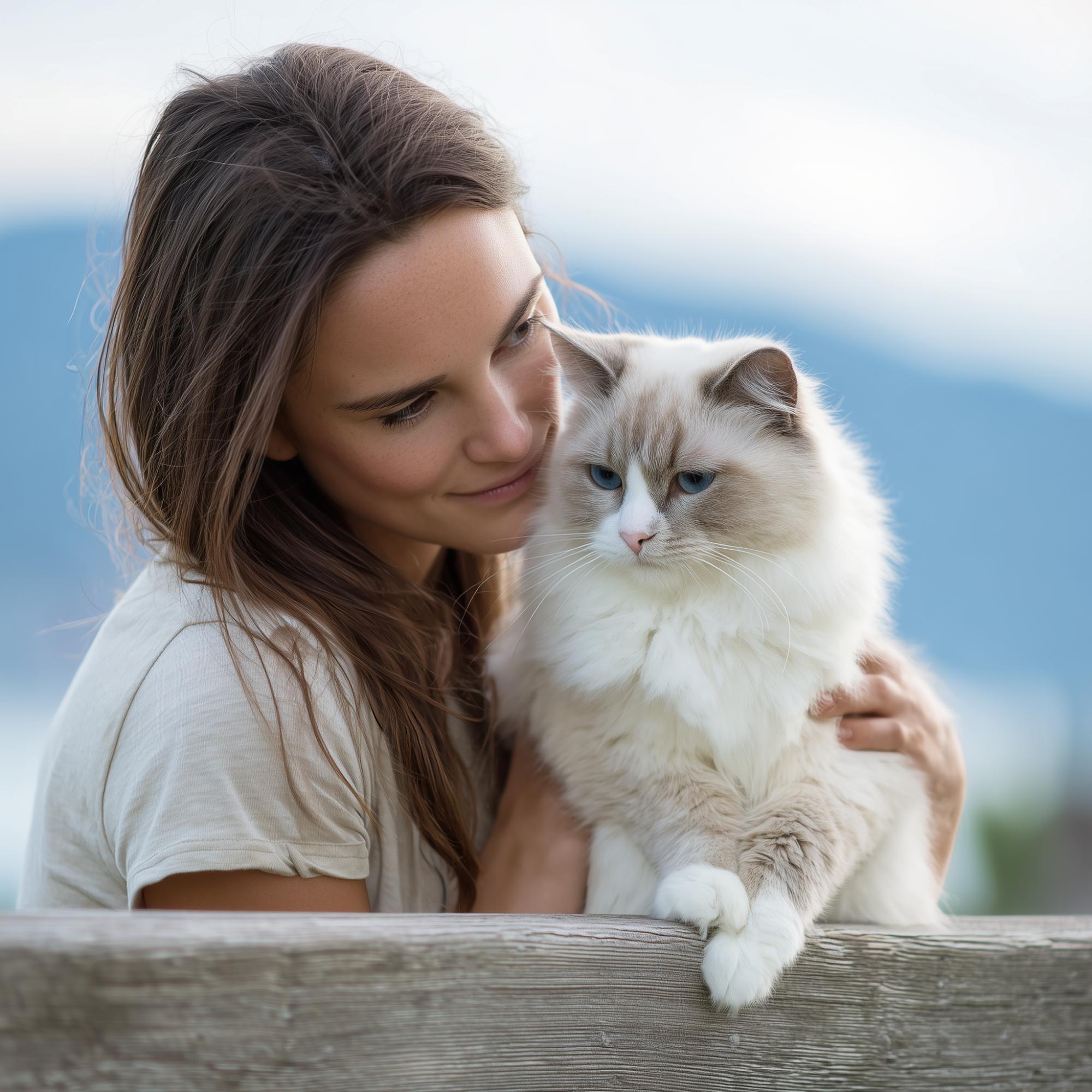
Ragdolls are famously gentle, calm, and people-oriented. They love being in the same room, following you, sitting beside you, and seeking physical contact. They tolerate handling extremely well and are known for their relaxed, floppy posture when held.
This temperament consistency is predictable across the breed, unlike domestic cats which vary widely.
Temperament & Behavior Comparison Table
| Trait | Ragdoll | Regular Domestic Cat |
|---|---|---|
| Sociability | High; follows people | Ranges from social to aloof |
| Affection Level | Very affectionate | Depends on personality |
| Trainability | Excellent; doglike | Moderate; variable |
| Vocalization | Soft, sweet, quiet | Wide variation |
| Handling Tolerance | Very high | Varies widely |
| Child-Friendly | Excellent | Depends on individual cat |
Affection Level & Human Bonding
Ragdolls score extremely high in affection, making them one of the best breeds for families, apartments, and first-time cat owners.
They typically:
- Sleep beside or on their owners
- Follow people from room to room
- Greet their families at the door
- Enjoy grooming and gentle petting
- Form strong bonds with all household members
Regular domestic cats can be affectionate too, but the intensity and reliability of a Ragdoll’s affection is unmatched.
Trainability & Behavior Differences
Ragdolls are highly trainable compared to most cats.
They commonly learn:
- Their name quickly
- Fetch-style games
- Walking on a leash
- Coming when called
- Being carried calmly
- Riding in a stroller or carrier
Regular domestic cats vary widely. Some train well, others are completely uninterested.
Ragdolls, however, treat training as social interaction — which makes them unusually responsive and reliable.
Vocalization Differences
Ragdolls have a soft, sweet voice. Their meows tend to be gentle, quiet, and polite. Many owners joke that Ragdolls communicate with “whispers.”
Normal cats meow louder and with more variation depending on personality and breed mix.
If you want a peaceful, soft-voiced cat, the Ragdoll wins every time.
Coat, Grooming, and Shedding Differences
Ragdolls have a signature semi-long coat that looks plush and luxurious, but the grooming needs are surprisingly manageable. Their fur is silky rather than wooly, which means it resists matting far better than most long-haired cats. A weekly brushing is usually enough to keep their coat smooth, glossy, and free of tangles. Ragdolls do shed, especially seasonally, but the shedding tends to be soft and airy rather than heavy clumps.
Regular domestic cats usually have short coats that require almost no grooming, though some medium or longhair mixes may shed more heavily. Domestic shorthairs rarely mat, while longhair mixes can be much more maintenance than a Ragdoll. Coat texture and density vary tremendously with regular cats, while Ragdolls have predictable, easy-care coats across the breed.
Activity Level and Energy Differences
Ragdolls have a calm, balanced energy level. They enjoy playtime and enrichment, but they aren’t hyper, frantic, or constantly zooming around. Instead, their activity comes in soft bursts followed by long periods of relaxed companionship.
Regular cats vary greatly: some are high-energy hunters that zoom through the house, while others are couch potatoes. Ragdolls fall into the middle — playful but not demanding, active but not chaotic, gentle but not boring. Their calm energy makes them ideal for apartments, families with children, and people who work full days but still want affectionate interaction when they’re home.
Intelligence and Problem-Solving Differences
Ragdolls are highly intelligent, but unlike some breeds that use intelligence for mischief, Ragdolls use it to bond with their people. They learn routines quickly and adapt well to structure. They recognize schedules, household habits, and cues such as when it’s bedtime or when you’re settling down to relax.
A regular domestic cat may be equally smart but expresses that intelligence differently. Some regular cats get into cabinets, solve problems independently, or use their cleverness to find hidden treats. Ragdolls use intelligence socially — to connect, communicate, and understand emotional tones — which feels very different from typical feline behavior.
Ideal Home for a Ragdoll vs Regular Domestic Cat
Ragdolls thrive in homes where companionship, routine, and calm energy are valued. They are one of the few breeds that consistently do well with children, seniors, multi-pet households, and first-time cat owners. Their gentle temperament and floppy, relaxed nature make them perfect for families who want a sweet, predictable companion.
Regular domestic cats are adaptable but vary widely. Some are affectionate, others independent; some love kids, others do not. They fit almost any home environment, but their personalities are not guaranteed. Ragdolls offer consistency and predictability, making them ideal for people who want a set temperament rather than surprises.
Cost Difference: Ragdoll vs Regular Cat
The cost contrast is substantial.
Regular Domestic Cat
Most regular cats come from shelters or rescues with adoption fees between $50–$150. Their lineage, health history, and genetic risks are usually unknown, but they make wonderful and loving pets.
Ragdoll
Ethically bred Ragdolls typically range from $2,000–$4,500+, depending on color, pattern, pedigree, and breeder standards. This reflects:
- genetic health testing (HCM, PKD, blood type compatibility)
- documented pedigree
- specialized socialization
- temperament consistency
- coat and eye-color reliability
- breeder support for life
- high-quality nutrition and veterinary care
People don’t buy a Ragdoll for the novelty — they commit because they want the entire Ragdoll experience, not a surprise-personality cat.
Lifespan and Health Comparison
Ragdolls typically live 12–16 years, with some reaching 17–18 in well-bred, genetically tested lines. They have predictable breed-specific health risks, particularly HCM and PKD, but responsible breeders test thoroughly to reduce these risks.
A regular domestic cat often lives 14–18 years, sometimes into their twenties due to genetic diversity. However, their health tendencies are unpredictable because they’re not bred for specific traits. The upside is hybrid vigor; the downside is a lack of lineage history. Ragdolls offer clarity and consistency, which many families value.
How to Identify a Ragdoll vs a Regular Domestic Cat
Body Size and Structure
Ragdolls are noticeably larger than regular cats, with long rectangular bodies, heavy bone structure, and a wide, sturdy chest. Even young Ragdolls look “big-framed,” while domestic cats tend to be compact and lighter-boned. A full-grown Ragdoll often feels twice as substantial in your arms compared to a normal cat of the same length.
Eye Color
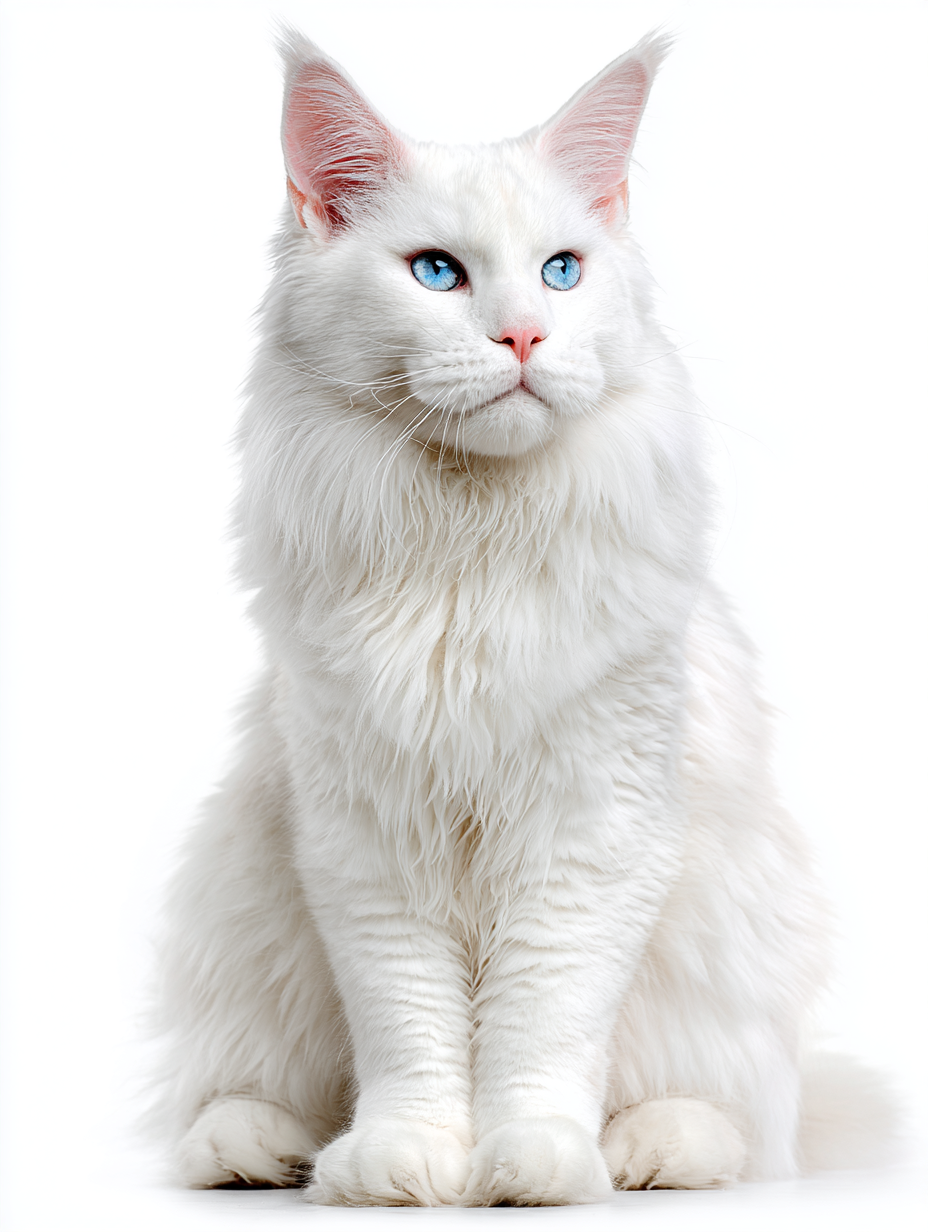
True Ragdolls always have blue eyes. The shade ranges from soft sky-blue to deep sapphire, but it is always blue. Regular domestic cats can have green, gold, copper, hazel, or blue eyes, but consistent blue eyes in adults are a major Ragdoll indicator.
Coat Texture
Ragdolls have a silky, non-matting semi-long coat that feels smooth and luxurious. The fur lies lightly on the body and does not clump easily. Domestic cats can have any coat type—sleek, coarse, plush, cottony, or prone to mats. Coat unpredictability is one of the biggest differences between the two.
Color and Pattern
Ragdolls are always colorpointed or mitted, meaning they have darker faces, ears, tails, and legs with lighter bodies. Regular cats can appear pointed too, but their patterns are less defined and not tied to specific breed standards. Non-pointed cats are never purebred Ragdolls.
Head and Face Shape
Ragdolls have a gentle, rounded wedge-shaped head with full cheeks and a sweet, open expression. Their ears are medium-sized, rounded at the tips, and tilt slightly forward. Domestic cats vary dramatically in facial structure and often have sharper features or narrower heads.
Personality and Temperament
Ragdolls are famously gentle, docile, and people-focused. They follow their owners, seek constant companionship, and remain calm during handling. Domestic cats range from affectionate to independent, but they rarely show the Ragdoll’s consistent “puppy-like” behavior or relaxed, floppy posture.
Floppy Behavior When Held
One of the easiest ways to tell a Ragdoll apart is the famous “flop.” When picked up, many Ragdolls relax completely in your arms, limbs loose and body soft. Domestic cats—unless exceptionally mellow—tend to hold tension, brace their body, or wiggle away.
Growth Timeline
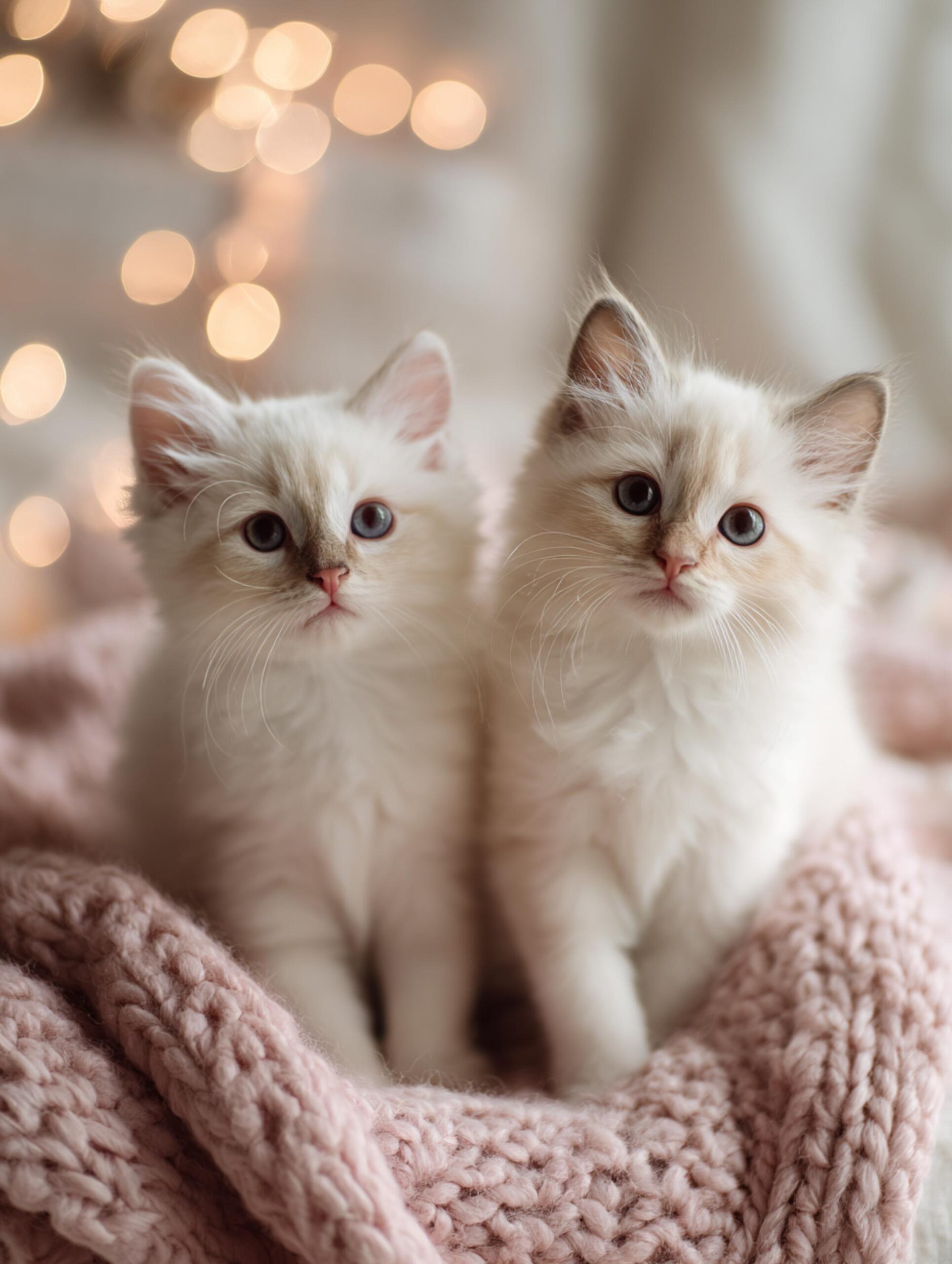
Ragdolls grow for 3–4 years, slowly filling out their frame and reaching their full luxurious coat. Regular domestic cats complete almost all growth by 12–18 months. A cat that keeps growing past age two is far more likely to be a Ragdoll.
Ragdoll vs Regular Cat Identification Table
| Identification Trait | Ragdoll | Regular Domestic Cat |
|---|---|---|
| Body Size & Structure | Large, long-bodied, heavy-boned | Small–medium, compact frame |
| Eye Color | Always blue | Any color (green, gold, hazel, copper, blue) |
| Coat Texture | Silky, semi-long, low matting | Short–long; can be coarse, cottony, or prone to mats |
| Coat Pattern | Always pointed or mitted | Any pattern or color |
| Head Shape | Rounded wedge, soft expression | Varies widely; often narrower or angular |
| Ears | Medium, rounded tips, slight forward tilt | Varies; can be tall, small, rounded, or pointed |
| Temperament | Gentle, relaxed, people-focused | Can be affectionate or independent; unpredictable |
| Floppiness When Held | Often goes limp or relaxed in arms | Usually holds tension or wiggles |
| Growth Timeline | Grows for 3–4 years | Fully grown by 12–18 months |
| Overall Predictability | Highly consistent breed traits | Varies extensively by cat |
Frequently Asked Questions: Ragdoll vs Regular Domestic Cat
How can you tell the difference between a Ragdoll and a regular domestic cat?
Ragdolls have a noticeably larger body, a silky semi-long coat, and bright blue eyes that are a hallmark of the breed. They carry themselves with a relaxed, floppy posture and tend to stay calm in your arms, unlike most domestic cats. Their personality is also different — they follow people, stay close by, and enjoy human contact more consistently. Domestic cats vary in size, behavior, and coat type, and their personalities can range from very affectionate to very independent. The combination of size, coat, eyes, and temperament makes Ragdolls easy to identify.
Are Ragdolls bigger than normal cats?
Yes, Ragdolls are significantly larger. While a regular cat weighs around 8–10 lbs, a Ragdoll commonly reaches 15–20 lbs for males and 10–15 lbs for females. Their frame is long, wide, and heavily boned, which makes them feel much more substantial. The breed’s slow growth also contributes to their impressive size, as they continue developing for years. Even if a domestic cat is big, it usually lacks the skeletal structure of a true Ragdoll.
Are Ragdolls more affectionate than regular cats?
Ragdolls are famously affectionate and often described as “puppy-like” because of their desire to be near their owners. They follow people around the home, enjoy being held, and bond closely with every member of the family. Domestic cats can be very affectionate too, but their personalities vary widely depending on genetics and early socialization. Ragdolls offer predictability — nearly every well-bred Ragdoll has the same calm, loving personality. If you want a reliably gentle and snuggly cat, the Ragdoll is one of the best breeds.
Do Ragdolls shed more than regular house cats?
Ragdolls do shed, especially seasonally, but their fur is silky rather than cottony, which means it mats far less than other longhaired breeds. Weekly brushing is often enough to manage shedding. Regular domestic cats can shed as much or more depending on their coat type. Short-haired cats shed year-round, while long-haired mixes can shed heavily and mat easily. The Ragdoll coat is luxurious but surprisingly manageable.
Are Ragdolls good for people who work all day?
Yes. Ragdolls are calm, stable, and emotionally secure, which makes them excellent for owners with full-time work schedules. They nap during the day and greet you warmly in the evening without becoming destructive or stressed. Domestic cats, depending on personality, may also handle alone time well, but some get bored or overstimulated. Ragdolls balance laid-back independence with warm companionship, making them ideal for busy households.
Do Ragdolls require more grooming than regular cats?
Surprisingly, no. Although they have a long, plush coat, Ragdolls need only weekly grooming because their fur is not prone to thick matting. Regular cats vary widely — some need none, while longhair mixes may require daily brushing. The predictability of the Ragdoll coat makes them easier to care for than many domestic longhaired cats. Their grooming routine is simple, gentle, and highly enjoyable for most of them.
Do Ragdolls act differently from regular cats?
Ragdolls have a unique personality that sets them apart from most domestic cats. They are calm, gentle, and extremely people-focused. Many enjoy belly rubs, being carried, and lying in a relaxed “floppy” posture. Domestic cats can also be calm and sweet, but their behavior is less predictable. The Ragdoll temperament is one of the most consistent traits in the entire cat world.
Are Ragdolls more expensive to own than normal cats?
Yes, primarily due to their purchase price and their need for high-quality nutrition. Ragdolls also require larger carriers, larger litter boxes, and sturdier cat furniture because of their size. Vet care is similar, but many breeders recommend routine HCM screening for peace of mind. Regular cats typically have lower startup and maintenance costs. The extra investment in a Ragdoll reflects their predictability, social temperament, and breed-specific care.
Can a regular domestic cat look like a Ragdoll?
Some long-haired domestic cats may resemble Ragdolls in coat length or color, but they usually lack the breed’s signature traits. Ragdolls have sapphire-blue eyes, a silky coat, a calm, floppy demeanor, and large frames. Domestic lookalikes typically lack consistent temperament, predictable size, or the characteristic structure of a true Ragdoll. Even colorpoint domestic cats don’t display the same gentle, easygoing behavior. Appearance alone does not make a cat a Ragdoll.
How do I know if my cat is part Ragdoll?
Look for the combination of size, blue eyes, point coloration, relaxed body language, and high affection levels. A part-Ragdoll cat may display some of these traits but rarely all. Ragdoll mixes tend to have unpredictable temperaments and structures, unlike purebred Ragdolls who consistently show calm, docile personalities. DNA testing can offer clues, but only pedigree documentation confirms true heritage. The more “Ragdoll traits” your cat displays, the stronger the possibility of influence.
Do Ragdolls tolerate children better than regular cats?
Yes. Ragdolls are gentle, patient, and tolerant, which makes them one of the best cats for households with respectful children. They enjoy soft handling and rarely use claws during play. Domestic cats can also be fantastic with kids, but personality varies significantly. Ragdolls offer consistency, which is why families with children often choose them over unknown-temperament cats.
Are Ragdolls easier to train than normal cats?
Ragdolls are far easier to train due to their intelligence and desire to please. They enjoy clicker training, fetch, harness walking, and learning commands. Domestic cats may or may not show interest depending on personality. Ragdolls naturally gravitate toward human interaction, making training sessions feel like bonding time rather than work. Their ability to learn routines quickly is one of the breed’s standout traits.
Do Ragdolls scratch furniture less than regular cats?
Generally, yes. Ragdolls tend to be calm and controlled in their scratching behavior when provided with appropriate scratch posts. Their temperament makes them less likely to act out through destructive behaviors. Domestic cats vary widely — some scratch aggressively, while others show almost none. Ragdolls respond well to training and redirection, making them one of the easiest breeds to manage in a furnished home.
Do Ragdolls get along with other pets better than regular domestic cats?
Yes. Ragdolls are famously tolerant and sociable, making them excellent companions for dogs, other cats, and even gentle children. Domestic cats can be either highly social or very territorial depending on their background. The Ragdoll’s friendliness is consistent across the breed, which makes multi-pet households smoother and more predictable. Their patient demeanor helps them integrate seamlessly into almost any environment.
Looking for a Pedigreed Ragdoll Kitten With Predictable Size, Coat, and Temperament?
Well-bred Ragdolls offer everything families love most — gentle temperament, stunning looks, and consistent, reliable personality traits you simply cannot guarantee with a regular domestic cat.
If you’re dreaming of a calm, affectionate, people-focused companion, explore our available and upcoming Ragdoll litters.
Article Sources
- 1. TICA – Ragdoll Breed Profile
https://tica.org/breeds/browse-breeds/breeds-r-z/ragdoll - 2. Cat Fanciers’ Association (CFA) – Ragdoll Standard
https://cfa.org/ragdoll/ - 3. VCA Animal Hospitals – Ragdoll Cat Overview
https://vcahospitals.com/know-your-pet/cat-breeds/ragdoll - 4. ASPCA – Cat Behavior & Training
https://www.aspca.org/pet-care/cat-care - 5. Hill’s Pet Nutrition – Feline Growth & Development
https://www.hillspet.com/cat-care/healthcare/cat-growth-stages - 6. Cornell Feline Health Center – Cat Health Library
https://www.vet.cornell.edu/departments-centers-and-institutes/cornell-feline-health-center






Read the Comments +