
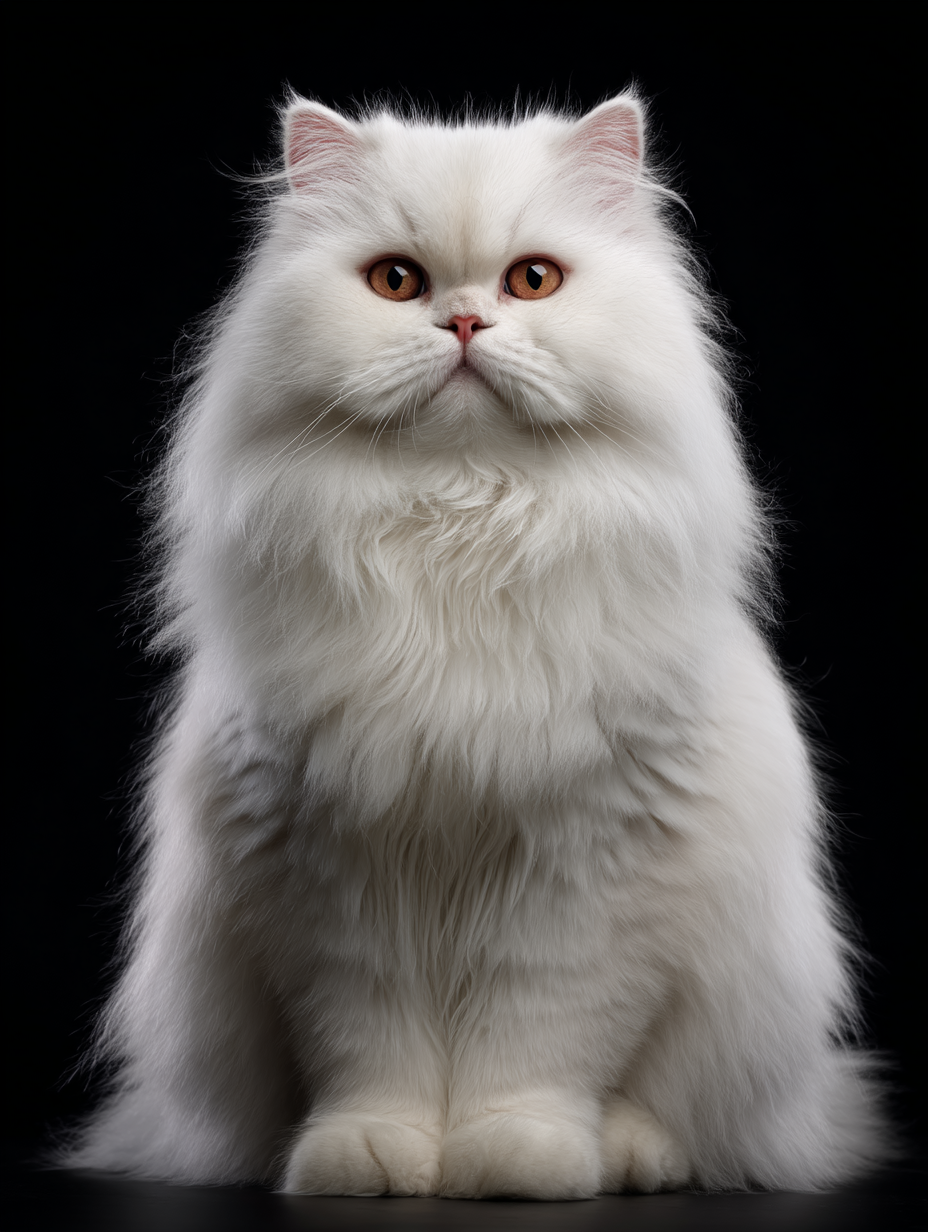
Ragdoll vs Persian Cat: Understanding the Differences Between These Two Luxury Breeds
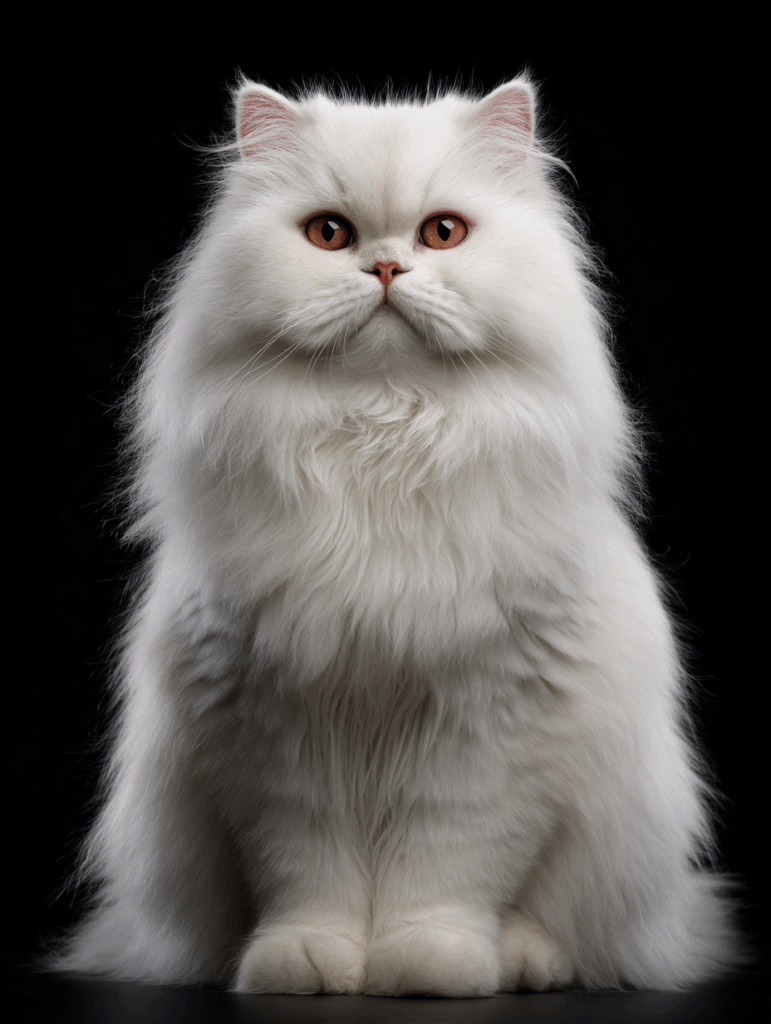
What are the differences between Ragdolls vs Persian cats? At first glance, both the Ragdoll and the Persian look like elegant, fluffy, gentle-natured cats — but the similarities end there. These two breeds come from completely different parts of the world, have totally different grooming needs, personalities, facial structures, and lifestyles. One is floppy, social, and interactive. The other is peaceful, quiet, and dignified.
If you’re deciding between the Ragdoll and the Persian, or researching both to choose the breed that fits your home and lifestyle, this detailed comparison covers everything: history, coat texture, grooming needs, personality, behavior with kids and other pets, health, lifespan, size, and price.
👉 View Available Ragdoll & Persian Kittens | Almonte Cats — European Lines, Rare Colors, Raised In-Home
Ragdoll vs Persian: Quick Breed Overview
| Trait | Ragdoll | Persian |
|---|---|---|
| Origin | USA (1960s) | Persia/Iran (ancient) |
| Coat Type | Silky, semi-long, low matting | Long, dense, high matting |
| Face Type | Soft profile, medium muzzle, blue eyes | Doll-face or flat-face, large eyes |
| Body Type | Large, muscular, semi-cobby | Medium-large, compact, cobby |
| Energy Level | Low–moderate | Very low |
| Grooming | Moderate | High–very high |
| Temperament | Affectionate, floppy, people-oriented | Gentle, quiet, dignified |
| Vocalization | Soft meows/chirps | Very quiet |
| Health Focus | HCM in some lines | PKD in older lines, tear-staining |
| Best For | Families, kids, multi-pet homes | Calm households, adults, seniors |
Origins and History
Ragdoll Origins (1960s, California)
The Ragdoll breed is relatively new. Created by breeder Ann Baker, the Ragdoll was selectively developed from calm, affectionate domestic longhairs known for their relaxed, floppy temperament. The goal was to create a cat that:
- Loved people
- Enjoyed being held
- Bonded deeply with families
- Had a soft, silky, low-maintenance coat
Through structured breeding and careful selection, the modern Ragdoll became one of the top family cat breeds in the world.
Persian Origins (Ancient Persia)
Persians are one of the oldest cat breeds ever documented. Originating in the region of Iran, they were brought to Europe in the 1600s and quickly became prized by royalty. By the Victorian era, Persians were the premier show cat and were selectively bred for:
- Luxurious long coats
- Round faces
- Large, expressive eyes
- Calm personalities
Today, Persians remain synonymous with elegance and tranquility.
Which breed is older?
Persian — by hundreds of years.
Ragdolls are modern; Persians are ancient.
Coat and Grooming Differences
Ragdoll Coat
Ragdolls have a unique semi-long coat that is:
- Silky
- Low-matting
- Plush, but not dense like Persians
- Easy to brush
- Lighter underneath, heavier around ruff and tail
Weekly brushing is usually enough for most Ragdolls.
Persian Coat
The Persian coat is considered the most demanding of all cat breeds. It is:
- Extremely long
- Triple-layered
- Dense underneath
- Prone to knots and mats
- Thickest around neck, shoulders, and hindquarters
Daily brushing is required to prevent tangles, especially in flat-faced lines where tear-staining also increases washing demands.
Which coat is easier?
Ragdoll — dramatically easier.
Persians require full-time coat management.
Face and Head Structure Differences
Ragdoll Facial Structure
- Gentle “doll-like” face
- Medium-length muzzle
- Soft cheek lines
- Large, oval to slightly rounded blue eyes
- No extremes in facial flattening
Ragdolls have a natural, expressive look that does not interfere with breathing or tear ducts.
Persian Facial Structure
Persians come in two primary facial types:
1. Traditional/Doll-Face Persian
- Medium muzzle
- Rounded head
- Less extreme flattening
- Better respiratory function
2. Show/Flat-Faced Persian
- Ultra-short nose
- Wide-set eyes
- Extremely round skull
- Heavy tear production
- Requires additional cleaning
Both types are beautiful, but flat-faced Persians need more care.
Eye Color Differences
Ragdoll Eyes
- Always blue
- Colors range from pale blue to deep sapphire
- Blue intensity often improves with age
Persian Eyes
Eye color depends on the coat color:
- Copper
- Gold
- Blue (white Persians)
- Green (chinchillas, silvers)
- Odd-eyed combinations
Persians have the broadest eye color palette of any longhaired breed.
Size and Body Type Differences
Ragdoll Size
Ragdolls are a large breed, often reaching:
- Males: 15–20 lbs
- Females: 10–15 lbs
They are long, muscular, and heavier than they appear.
Persian Size
Persians are medium-large, reaching:
- Males: 8–12 lbs
- Females: 7–10 lbs
They look rounder due to their compact, cobby bodies, but weigh less than Ragdolls.
Personality Comparison: Ragdoll vs Persian
Ragdoll Temperament
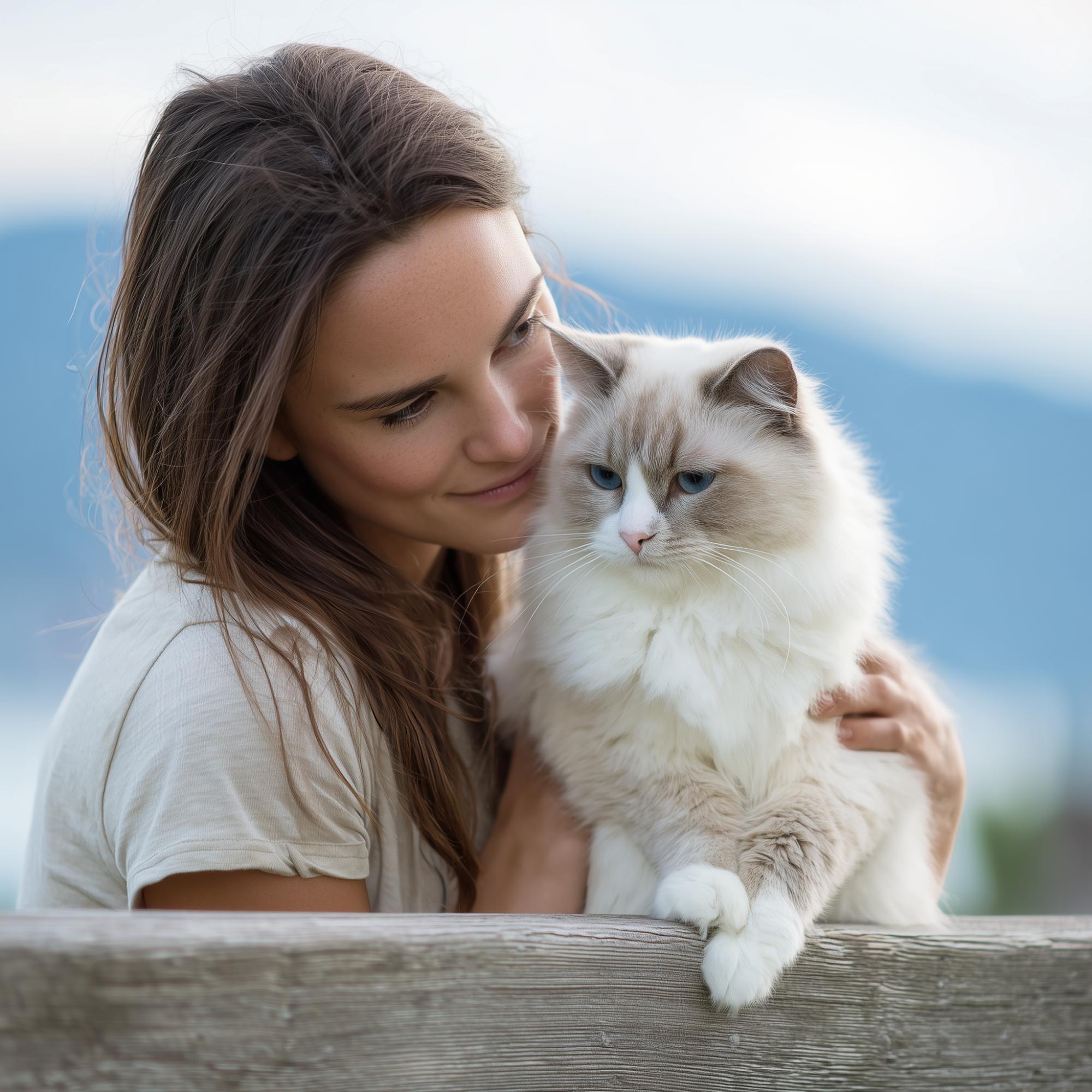
Ragdolls are famous for their calm, loving, people-oriented nature. They are one of the few cat breeds that reliably follow their owners from room to room, flop when picked up, and enjoy being carried. They thrive in busy families, adapt well to children and other pets, and show steady affection without being demanding.
Ragdolls are interactive, social, and deeply bonded companions.
Persian Temperament
Persians are peaceful, quiet, and dignified. They form strong bonds with their families but are more independent than Ragdolls. They enjoy calm environments, soft routines, and lounging in comfortable spots around the home. Persians tend to be affectionate but express it through gentle closeness rather than active participation or constant interaction.
Persians bring serenity and grace to the household.
Key Difference
Ragdolls = social & interactive
Persians = calm & serene
Which Breed Makes the Best Pet?
Both breeds are wonderful, but they shine in different lifestyles.
Choose a Ragdoll if you want:
- A cat who follows you everywhere
- A floppy, snuggly companion
- A family-friendly cat great with kids and dogs
- A cat who participates in daily life
- A playful but gentle personality
Choose a Persian if you want:
- A quiet, elegant, low-energy cat
- A breed that is comfortable relaxing for long periods
- A lap cat who enjoys peaceful environments
- A visually stunning companion with a luxurious coat
- A calm, predictable presence
Ragdolls thrive in active, affectionate homes.
Persians thrive in tranquil, low-stimulation homes.
Lifestyle Comparison Table
| Category | Ragdoll | Persian |
|---|---|---|
| Energy Level | Low–moderate | Very low |
| Affection Level | Very high | Moderate–high |
| Sociability | Very social | Reserved, gentle |
| Vocalization | Soft, conversational | Quiet, subtle |
| Grooming Needs | Moderate | High–very high |
| Adaptability | Highly adaptable | Prefers routine |
| Interaction Style | Wants to be with you | Wants to be near you |
| Family-Friendly | Excellent | Excellent for calm homes |
| Independence | Low–medium | Medium–high |
| Ideal Home | Families, kids, multi-pet homes | Adults, seniors, quiet households |
Grooming, Shedding, and Maintenance
Ragdoll Grooming
Ragdolls have one of the easiest longhaired coats to maintain. Their silky texture prevents heavy matting, and weekly brushing usually prevents tangles. They rarely need full baths and typically do not have tear-stain issues. Ragdolls shed moderately but consistently throughout the year.
Persian Grooming
The Persian coat requires daily brushing to prevent matting because of its dense undercoat. Grooming must include:
- combing behind ears
- brushing armpits
- detangling hindquarters
- maintaining a clean facial area (especially in flat-faced lines)
- occasional baths
Persians shed heavily and require full coat maintenance to preserve health and hygiene.
**Who needs more grooming?
Persian — significantly more.**
Health and Lifespan Comparison
Ragdoll Health Concerns
Ragdolls may be predisposed to:
- HCM (Hypertrophic Cardiomyopathy) — screening recommended
- Kidney/urinary sensitivity in some lines
- Early tooth maintenance
- Weight management due to low activity levels
Overall, they are sturdy, healthy cats when responsibly bred.
Persian Health Concerns
Persians may be predisposed to:
- PKD (Polycystic Kidney Disease) — responsible breeders test
- Tear staining and eye discharge
- Respiratory issues in extreme flat-faced lines
- Dental overcrowding
- Skin sensitivities due to dense coat
- Heat sensitivity
Ethical breeders focus on moderate faces for improved health outcomes.
Lifespan
- Ragdoll: 12–17 years
- Persian: 12–16 years
Both breeds have excellent longevity with proper care.
Behavior With Children, Dogs, and Other Pets
Ragdolls in Family Homes
Ragdolls are known as one of the most child-friendly breeds. They tolerate handling well, rarely use claws inappropriately, and enjoy interactive games. Their calm nature also makes them excellent with dogs, including large breeds. They adapt quickly to multi-pet homes.
Persians in Family Homes
Persians are also good with children, but they prefer gentle households. They do not enjoy rough play or unpredictable noise. Persians do well with calm dogs and other cats when given gradual introductions. Their peace-loving nature makes them ideal for quiet families.
Which is better for families with young children?
Ragdoll.
Persians thrive in peaceful, predictable homes.
Coat Color Comparison
Both breeds have stunning color options, but their patterns and genetics differ significantly.
Ragdoll Colors
Ragdolls come in pointed patterns (meaning their bodies are lighter and their extremities are darker), including:
- Seal
- Blue
- Chocolate
- Lilac
- Red/Flame
- Cream
And these patterns:
- Colorpoint
- Mitted
- Bicolor
- Lynx (tabby overlay)
- Tortie
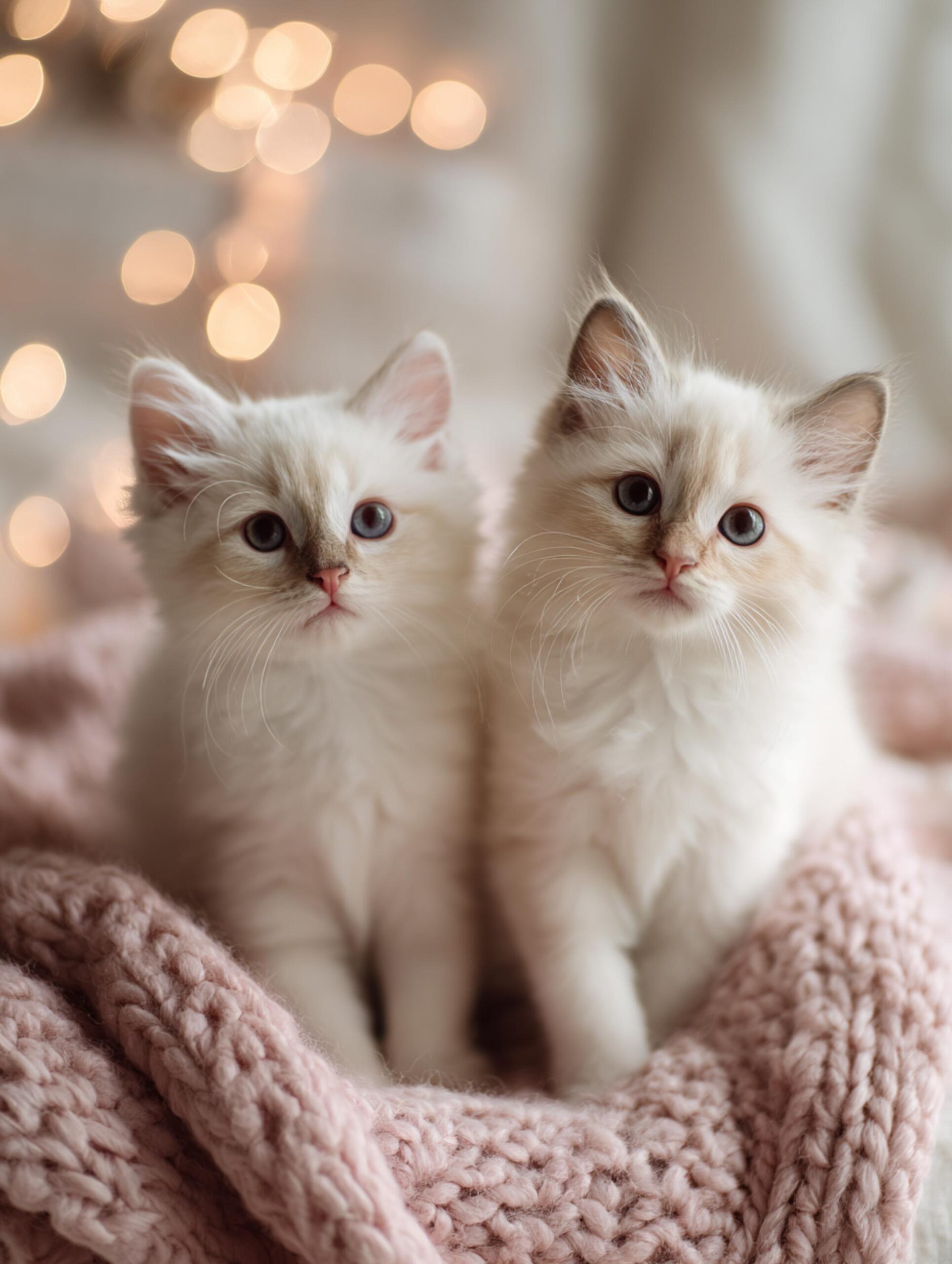
All Ragdolls are born white and develop color gradually, completing around 2–3 years old.
Persian Colors
Persians come in the widest color range of any longhaired breed, including:
- Solids (black, white, blue, red, cream)
- Silvers and goldens
- Shaded and shell (chinchilla)
- Tabby (classic, mackerel, spotted)
- Smokes
- Calico
- Tortie
- Bi-colors
- Himalayan (Persian-pointed category)
Persians do not need to be pointed — only Himalayans carry the pointed gene.
Key Difference
Ragdolls = always pointed
Persians = every color variety, including some Ragdoll-like shades
Size and Weight Comparison
| Breed | Male Weight | Female Weight | Body Type |
|---|---|---|---|
| Ragdoll | 15–20 lbs | 10–15 lbs | Large, semi-cobby, muscular |
| Persian | 8–12 lbs | 7–10 lbs | Medium-large, compact, cobby |
Ragdolls are significantly larger, longer, and heavier.
Persians appear rounder because of their cobby shape but weigh much less.
Activity Level and Enrichment Needs
Ragdoll Activity Level
Ragdolls enjoy:
- Wand toys
- Puzzle feeders
- Gentle play
- Following you from room to room
They’re not hyperactive but benefit from interactive enrichment to prevent boredom. Ragdolls are naturally curious but rarely destructive.
Persian Activity Level
Persians have one of the lowest activity levels of any breed. They love:
- Quiet windowsill lounging
- Wand toys in short bursts
- Cozy resting places
- Nap cycles lasting several hours
Persians are ideal for owners who want a calm, gentle companion with minimal daily exercise requirements.
Who needs more enrichment?
Ragdolls, although both breeds remain low-energy overall.
Mixed-Breed Lookalikes and Misidentification
Because both are longhaired and luxurious, many domestic longhairs are mislabeled as “Ragdoll mix” or “Persian mix.” Purebreds, however, have predictable traits.
Ragdoll Lookalikes
A true Ragdoll should have:
- Blue eyes
- Pointed coat
- Large build
- Floppy temperament
- TICA/CFA registration
If the cat is not pointed or not blue-eyed, it is not a pure Ragdoll.
Persian Lookalikes
A true Persian typically has:
- Round head
- Cobby body
- Small ears
- Long flowing coat
- Dense undercoat
- Pedigree documents
Without registration, coat length alone cannot confirm the breed.
Important Note
Only CFA/TICA pedigrees verify purity — appearance is not enough.
Price Comparison: Ragdoll vs Persian
| Breed | USA Price Range | Price Factors |
|---|---|---|
| Ragdoll | $2,000 – $4,500+ | Pattern, eye color intensity, lineage, breeder program |
| Persian | $2,000 – $6,000+ | Face type, coat quality, color rarity, PKD testing, imports |
Why Ragdolls Cost What They Do
- Always blue-eyed
- Limited color patterns
- Large, slow-maturing breed
- High family demand
- Strong TICA/CFA lines
Why Persians Can Be More Expensive
- Rare colors (chinchilla, silver shaded, golden shaded)
- Extreme facial type in show lines
- Heavy grooming needs from birth
- International breeding programs
- PKD screening and monitoring
Show-quality Persians can exceed $7,000–$10,000+.
How to Choose Between a Ragdoll and a Persian
Choosing the right breed depends entirely on your lifestyle and the type of companionship you prefer.
Choose a Ragdoll if you want:
- A cat who follows you everywhere
- A big, floppy, cuddly family pet
- A breed that engages socially
- Low-maintenance grooming (for a longhair)
- A cat with predictable color genetics and patterns
- A great match for kids and dogs
Ragdolls are ideal for homes with activity, attention, and affection.
Choose a Persian if you want:
- A quiet, calm, elegant lap companion
- A cat who enjoys peaceful home environments
- A luxurious coat you enjoy maintaining
- A breed with a classic, aristocratic look
- A cat who loves routine and gentle affection
Persians are ideal for calm homes, adults, and seniors who appreciate beauty and tranquility.
If both sound perfect
Many families eventually choose both —
the Ragdoll as the interactive companion,
and the Persian as the peaceful, serene presence.
Frequently Asked Questions: Ragdoll vs Persian
Are Ragdolls and Persians the same type of cat?
No. Ragdolls and Persians are two completely separate breeds with different origins, genetics, coat types, and personalities. Ragdolls come from the United States and are modern, people-oriented, and floppy. Persians come from ancient Persia and are calm, quiet, and dignified. They look similarly fluffy but behave very differently.
Which breed is more affectionate, Ragdoll or Persian?
Ragdolls are generally more outwardly affectionate and social. They follow their owners, enjoy being held, and often relax or “flop” when picked up. Persians are affectionate too but in a calmer, more subtle way—they prefer gentle closeness rather than interactive engagement. Both form deep bonds, but Ragdolls are more demonstrative.
Which cat is calmer: Ragdoll or Persian?
Persians are calmer overall. They enjoy long periods of rest, predictable routines, and peaceful environments. Ragdolls are also calm but more interactive—they like being near their people and participating in daily life. For low-energy, quiet homes, Persians are ideal.
Do Ragdolls and Persians get along with children?
Yes, but Ragdolls are usually a better match for households with active children. They tolerate handling well, enjoy playing, and rarely react aggressively. Persians prefer gentle children who understand boundaries and quiet interactions. Both can thrive with kids if they are treated respectfully.
Which breed is better with dogs?
Ragdolls tend to adapt more quickly to dogs because of their social, easygoing personalities. They are confident around other pets and often enjoy the company. Persians coexist well with calm dogs but may avoid energetic or loud breeds. Slow introductions help both succeed.
Which breed is bigger, Ragdoll or Persian?
Ragdolls are significantly larger. Males often reach 15–20 pounds, while Persian males usually average 8–12 pounds. Ragdolls have long, muscular bodies, whereas Persians have compact, cobby bodies that make them look rounder but weigh less. Ragdolls are one of the largest domestic cat breeds.
Which breed has the softer coat?
Both breeds have soft coats, but in different ways. The Ragdoll coat is silky, smooth, and low-matting, which feels light and luxurious. The Persian coat is dense, plush, and thick with a triple undercoat that feels fuller and more velvety. Persians feel fluffier; Ragdolls feel silkier.
Which breed sheds more: Ragdoll or Persian?
Persians shed more because of their dense, triple-layered coat. They also have heavier seasonal blowouts that require daily grooming. Ragdolls shed moderately year-round but mat less and are easier to maintain. If shedding is a concern, Ragdolls are simpler to care for.
Are Ragdolls hypoallergenic?
No. Ragdolls produce normal levels of Fel d 1, the main cat allergen. Their coat texture may spread allergens differently, but they are not truly hypoallergenic. People with allergies may react to Ragdolls the same as other longhaired breeds.
Are Persians hypoallergenic?
No. Persians are also not hypoallergenic. Their thick coat can trap dander, which can increase reactions if not groomed frequently. Allergy-sensitive families should consider breeds known for lower Fel d 1 instead, like Siberians.
Which breed needs more grooming?
Persians need dramatically more grooming. Their long, dense coat mats easily without daily maintenance, especially behind the ears, under the arms, and on the hindquarters. Ragdolls require weekly brushing and rarely mat. Owners who want low-maintenance grooming should choose a Ragdoll.
Do Persians have more health problems than Ragdolls?
Persians have more breed-specific concerns due to facial structure and coat density. They may experience tear staining, breathing issues in flat-faced lines, PKD (if untested), and skin/coat sensitivities. Ragdolls are generally sturdy but can inherit HCM if not screened. Ethical breeding greatly reduces risks for both.
Do Ragdolls have health issues?
Ragdolls may be predisposed to hypertrophic cardiomyopathy (HCM), urinary sensitivities, and occasional dental concerns. They may also become overweight if their low energy level is not balanced with proper diet. Responsible breeders screen for HCM and focus on strong genetic lines to ensure long-term health.
Which breed lives longer: Persian or Ragdoll?
Both breeds have excellent lifespans. Ragdolls average 12–17 years, while Persians average 12–16 years. Doll-face Persians tend to have fewer respiratory concerns and may live slightly longer than extreme flat-face lines. With proper care, either breed can reach late senior years.
Are Ragdolls or Persians more playful?
Ragdolls are more playful and enjoy interactive toys, puzzle feeders, and gentle activity. Persians enjoy play too but in shorter, calmer sessions. They tend to lounge more and have fewer energetic bursts. For families who want engagement and interaction, Ragdolls are a better match.
Do Ragdolls like being held?
Yes. Ragdolls are famous for going limp or “floppy” when picked up, which is a signature trait of the breed. They enjoy physical contact, cuddles, and gentle handling. Persians may tolerate being held but generally prefer sitting beside their humans rather than being carried.
Are Persians good lap cats?
Yes—Persians are one of the best lap cat breeds in the world. They love relaxing on soft surfaces, sitting with their owners, and enjoying quiet companionship. They are ideal for people who want a peaceful, elegant lap companion. Ragdolls cuddle too but tend to follow more than sit still.
Which breed is quieter?
Persians are quieter. They typically have soft, delicate voices and rarely vocalize unless they want food or comfort. Ragdolls are also soft-spoken but tend to vocalize slightly more, especially through gentle meows and chirps.
Which breed adapts better to change?
Ragdolls adapt more easily to new environments, new people, and new routines. They are social extroverts who settle quickly. Persians prefer stable, predictable environments and may take longer to adjust to major changes. Both benefit from slow introductions to new situations.
Which breed is more independent?
Persians are more independent. They enjoy companionship but are comfortable relaxing alone for several hours. Ragdolls prefer staying close to their owners and may follow them from room to room. Homes looking for a more self-contained cat often prefer Persians.
Can Ragdolls and Persians live together?
Yes. Both breeds are gentle and non-territorial. Ragdolls bring playful, affectionate energy, while Persians bring calm and serenity, so they complement each other well. Introductions should be gradual, but this pairing is one of the easiest combinations for multi-cat households.
Which breed is better for seniors?
Persians are perfect for seniors because of their calm energy and love for quiet companionship. They enjoy gentle routines and peaceful environments. Ragdolls also do well with seniors but may want slightly more interaction and movement.
Which breed is better for busy families?
Ragdolls are typically a better fit for busy families with children or dogs. Their patient temperament and social nature help them adjust to active households. Persians can handle family life too, but they prefer gentle, predictable environments.
Which breed is easier to find from ethical breeders?
Ragdolls are more widely available in the U.S. and globally due to large TICA and CFA programs. Persians are also popular but vary greatly depending on whether you want doll-face, show-face, or rare colors such as golden, chinchilla, smoke, or shaded. Finding a well-bred Persian with PKD testing and moderate face structure may require more research.
Which breed is right for me?
Choose a Ragdoll if you want a social, affectionate, interactive, floppy cat who loves people and thrives in family environments.
Choose a Persian if you want a calm, elegant, low-energy cat who enjoys peaceful routines, quiet companionship, and long grooming sessions.
Both are gentle, loving breeds — but the best match depends on your lifestyle and the type of bond you want.
Related Cat Comparison and Breed Posts
- British Shorthair Lifespan
- British Shorthair vs Scottish Fold
- Maine Coon vs British Shorthair
- Ragdoll vs Siberian
- Maine Coon vs Siberian
- Maine Coon vs Ragdoll Cat
- Russian Blue vs British Blue
- British Shorthair Kitten Growth Stages
- British Shorthair vs Ragdoll
Article Sources
Cat Fanciers’ Association (CFA) – Breed Standards
Ragdoll Standard:
https://cfa.org/ragdoll/
Persian Standard:
https://cfa.org/persian/
The International Cat Association (TICA) – Breed Pages
Ragdoll Breed Overview:
https://tica.org/breeds/browse-breeds/breeds-rag
Persian Breed Overview:
https://tica.org/breeds/browse-breeds/breeds-per
VCA Animal Hospitals – Feline Breed & Health Guides
Ragdoll Cat Guide:
https://vcahospitals.com/know-your-pet/cat-breeds/ragdoll
Persian Cat Guide:
https://vcahospitals.com/know-your-pet/cat-breeds/persian
General Longhair Coat Care:
https://vcahospitals.com/know-your-pet/haircoat-and-skin
EveryCat Health Foundation (formerly Winn Feline Foundation)
PKD & Hereditary Disease Research:
https://everycat.org/health-information/
HCM Research:
https://everycat.org/research/projects/





Read the Comments +