
Ragdoll vs Ragamuffin: What’s the Real Difference?
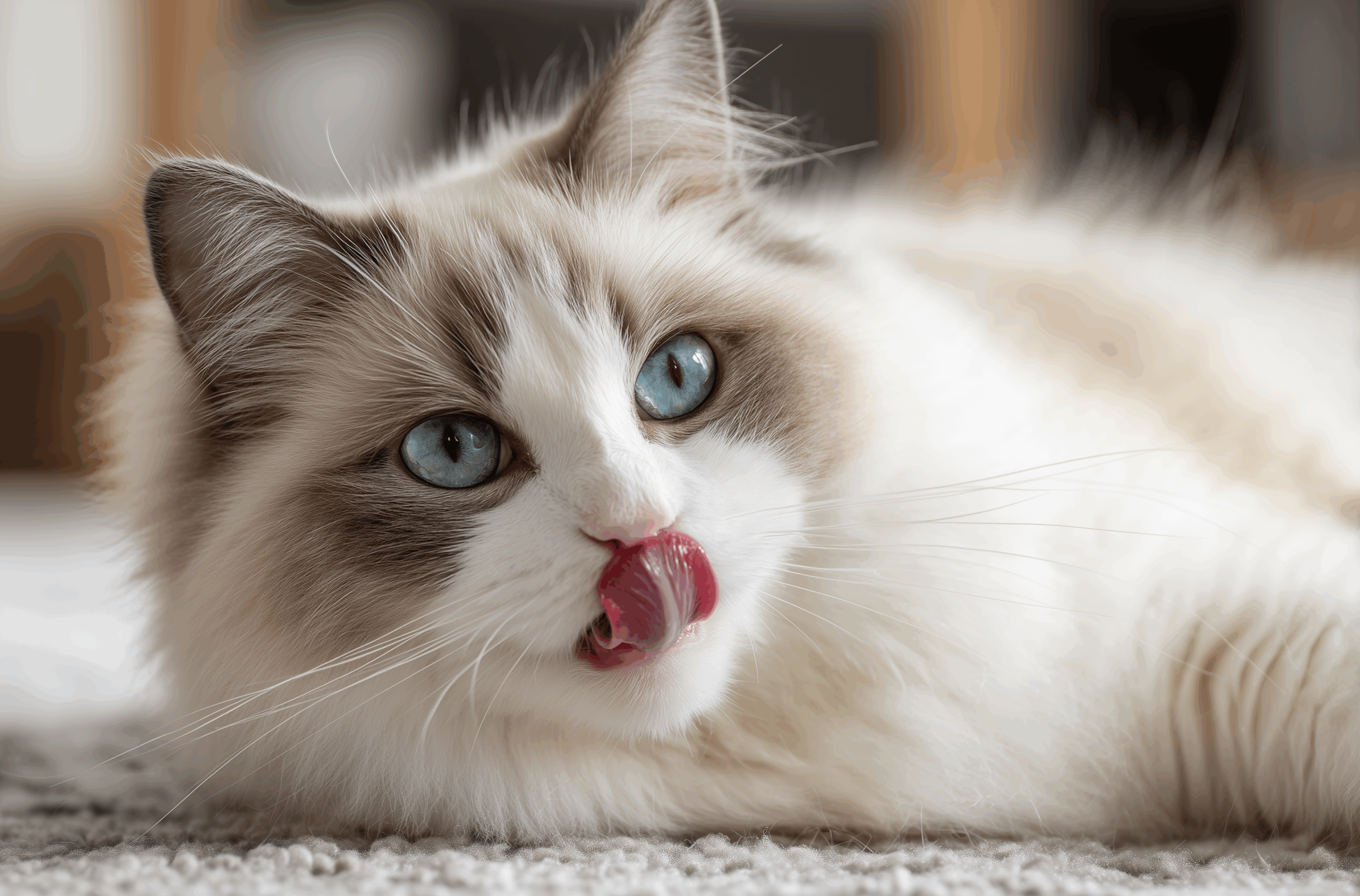
Ragdolls and Ragamuffins look almost identical at first glance — large, plush, affectionate, longhaired teddy-bear cats — but the breeds are not interchangeable. Ragdolls are an older, standardized breed with predictable traits and strict registration requirements. Ragamuffins are a newer, still-developing breed created by crossing Ragdolls with Persians, Himalayans, and other longhaired cats after a split in the original Ragdoll community. Because Ragamuffins come from multiple breeds, they tend to show more variation in coat texture, eye color, facial structure, and personality, whereas Ragdolls remain highly consistent and recognizable.
Ragdoll vs Ragamuffin Quick Summary Table
| Feature | Ragdoll | Ragamuffin |
|---|---|---|
| Breed Status | Established since the 1960s; fully standardized | Newer breed (1990s); still gaining consistency |
| Origins | Created by Ann Baker from specific lines | Developed from Ragdolls mixed with Persians, Himalayans & longhairs |
| Breed Recognition | Recognized by all major registries (CFA, TICA, GCCF, FIFé) | Only CFA recognizes as a separate breed |
| Body Type | Long, rectangular, athletic under coat | Round, full, teddy-bear silhouette |
| Eyes | Always blue | Blue, aqua, green, gold, copper |
| Coat Texture | Silky, flowing, low matting | Plush, dense, more cottony; higher grooming |
| Shedding | Moderate, seasonal | Moderate-heavy due to thicker undercoat |
| Temperament | Calm, floppy, gentle, relaxed | Outgoing, cheerful, social, slightly more playful |
| Behavior When Held | Often goes limp; “floppy cat” trait | May relax, but rarely flops dramatically |
| Trainability | Very easy; routine-driven & cooperative | Easy but more playful/distracted as kittens |
| Kitten Price (Pet) | $2,000–$4,500+ | $1,800–$3,500+ |
| Ideal Home | Calm homes, seniors, first-time owners | Families, kids, multi-pet homes, social households |
History & Origins of the Ragdoll and Ragamuffin
The History of the Ragdoll
The Ragdoll breed began in California in the 1960s, founded by breeder Ann Baker. She selectively bred large, gentle, longhaired cats with calm temperaments and striking blue eyes, which eventually produced the foundation Ragdolls we know today. These cats became famous for their relaxed, floppy behavior when held, their affectionate nature, and their predictable, people-oriented personalities. Over time, responsible breeders refined the breed’s structure, eye color, coat patterns, and temperament until the Ragdoll became one of the most recognizable and standardized breeds in the world. Today, the Ragdoll is accepted by every major cat registry, including CFA, TICA, and GCCF, with strict requirements for blue eyes, point coloration, and temperament consistency.
The History of the Ragamuffin
The Ragamuffin is a much newer and more complex breed, created in the 1990s after a group of Ragdoll breeders separated from the original breeding program. Because they were not permitted to use the Ragdoll name, these breeders introduced Persians, Himalayans, and high-quality domestic longhaired cats into their lines to expand the gene pool and produce a distinct new breed. This mixed ancestry is why Ragamuffins have a rounder face, wider variety of eye colors, and a plushier, more cottony coat compared to the silky coat of a Ragdoll. It also explains why Ragamuffins can show a wider range of traits and are less standardized in structure and temperament.
Why the Two Breeds Diverged
The split between Ragdoll and Ragamuffin breeders was centered around breeding rights, naming control, and the level of restriction placed on Ragdoll lines at the time. The breeders who left wanted more freedom to outcross, reduce inbreeding, and develop a breed with its own identity. Their goal was to create a cat with the gentle, loving Ragdoll personality but with a broader genetic base and a softer, plushier coat.
Breed Recognition Differences
Because Ragamuffins developed later and used multiple foundation breeds, they have taken longer to gain widespread acceptance. To this day:
- CFA is the only major registry that formally recognizes the Ragamuffin as a separate breed.
- TICA does not recognize the Ragamuffin; it only recognizes the Ragdoll.
- Some associations still view the Ragamuffin as a “Ragdoll derivative” or a variant rather than a distinct breed.
Meanwhile, the Ragdoll has enjoyed global recognition and strict standardization for decades, which is why their appearance and temperament are far more consistent.
What This Means for Families
Because Ragdolls have a longer, tightly defined history, families can expect:
- always blue eyes
- consistent body type
- predictable temperament
- established bloodlines
- long-term breed stability
Because Ragamuffins come from multiple longhaired ancestors, families can expect:
- more variety in eye color
- a wider range of coat textures
- rounder facial structure
- a slightly more playful personality
- ongoing development as the breed matures
Both breeds are affectionate and gentle — the key difference is that the Ragdoll is an established, standardized breed, while the Ragamuffin is a younger, evolving breed with more variation.
Breed Origins: What Two Breeds Make a Ragamuffin? Why Are They Less Standardized?
This is one of the biggest distinctions between the two breeds and a crucial part of understanding their differences.
The Ragamuffin breed began when a group of breeders split from the original Ragdoll program and introduced new bloodlines to widen the gene pool. These included:
- Persians
- Himalayans
- Domestic longhairs
- Other similar longhaired cats
Because of this multi-breed origin, Ragamuffins are considered a newer and less standardized breed. Their traits can vary more — eye color, coat texture, face shape, body proportion — depending on the mix behind their lines.
Ragdolls, however, have a long, tightly controlled breeding history with very specific, established traits and strict registration.
Is the Ragamuffin recognized by CFA?
Yes — CFA is the only major registry that recognizes the Ragamuffin.
TICA, the other major registry, does not recognize the breed as separate from the Ragdoll, which further reinforces the idea that Ragamuffins are newer and still developing.
| Feature | Ragdoll | Ragamuffin |
|---|
| Eyes | Always blue | Blue, aqua, green, gold, copper |
| Coat | Silky, low matting | Plush, dense, higher matting |
| Body Type | Long, rectangular | Round, teddy-bear-like |
| Behavior When Held | Often goes limp | Rarely flops |
| Temperament | Calm, quiet, relaxed | Playful, social, outgoing |
| Breed Recognition | All major registries | CFA only |
Ragdoll vs Ragamuffin: Size, Temperament, Coat & Personality Differences
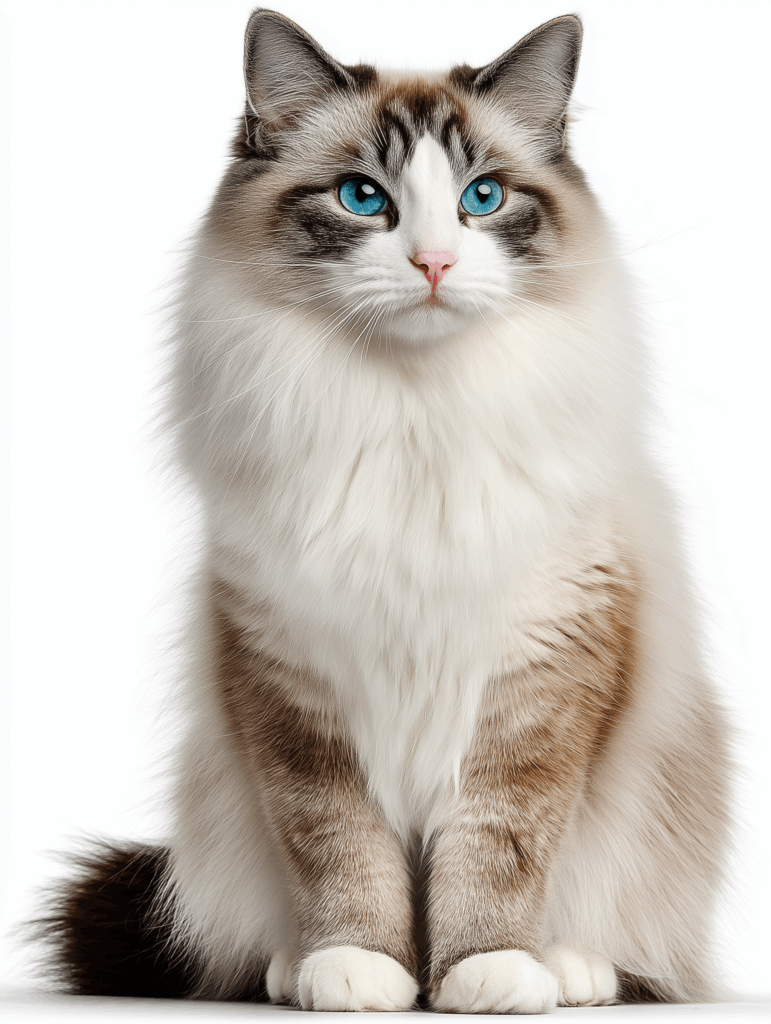
Ragdolls and Ragamuffins look incredibly similar — both large, soft, longhaired cats with sweet expressions and blue or gold eyes. Because of this resemblance, many people confuse the two or assume they’re essentially the same breed. But while they share a gentle, loving nature and a teddy-bear appearance, there are clear differences in size, coat texture, eye color, temperament, and even how they bond with their families.
If you’re comparing Ragdoll vs Ragamuffin, here is everything you need to know to tell them apart and choose the breed that fits your home best.
Ragdoll vs Ragamuffin Size
Both breeds are large, substantial cats — some of the biggest companion breeds available.
Ragdoll Size
Ragdolls are long, heavy-boned, and rectangular in body shape, with weights ranging:
- Males: 15–20+ lbs
- Females: 10–15 lbs
Their length, plush coat, and muscular frame create the “giant teddy bear” look the breed is known for.
Ragamuffin Size
Ragamuffins are often even larger in bone and width, with a rounder body and thicker shoulders.
- Males: 15–20+ lbs
- Females: 10–15 lbs
They mature slowly, developing their full size over 3–4 years, similar to Ragdolls.
Size Summary
Both are giant breeds — but Ragamuffins are rounder and broader, while Ragdolls are longer, more rectangular, and have a slightly more athletic feel.
Ragdoll vs Ragamuffin Weight
Both breeds fall into the same weight range, but carry weight differently.
- Ragdolls carry weight in length, chest, and muscle.
- Ragamuffins carry weight in width, roundness, and overall fullness.
A Ragamuffin often looks larger due to its rounder silhouette, even if both weigh the same.Ragdoll vs Ragamuffin Size & Structure
Ragdolls and Ragamuffins are both giant companion breeds, but their body shapes differ in important ways.
Ragdolls have a long, rectangular frame with heavier bone and muscle concentrated through the chest and hindquarters. Their structure is athletic beneath the fluff, giving them a smoother, flowing outline. Ragamuffins, on the other hand, tend to be rounder and fuller, with broad shoulders, a wide ribcage, and a teddy-bear silhouette.
Both breeds mature slowly, often taking 3–4 years to fully develop their adult size, but Ragamuffins often look larger because their bodies are more rounded and their coats are thicker. If you want a long, elegant giant cat, the Ragdoll fits. If you prefer a plush, cuddly, round-bodied companion, the Ragamuffin leans that way.
Ragdoll vs Ragamuffin Coat Texture, Shedding & Grooming
One of the biggest differences between these breeds is in the coat texture.
Ragdolls have a silky, cool, semi-long coat that drapes smoothly along the body. Their fur rarely mats and usually requires only weekly brushing. Their shedding is moderate and seasonal — noticeable, but manageable.
Ragamuffins, however, have a plusher, denser, more cottony coat that traps more undercoat. Because of this, they are slightly more prone to matting, especially in humid climates or if brushing is inconsistent. Ragamuffins shed more than Ragdolls on average, especially during spring and fall.
Do Ragamuffins shed like Ragdolls do?
Yes — but it depends what their ancestry is. Owners should expect brushing several times a week to keep their coats smooth.
If a family wants long fur without heavy mats, a Ragdoll is the lower-maintenance choice. For people who enjoy grooming and want a plushier, denser-coated cat, a Ragamuffin is a wonderful fit.
Eye Color & Facial Expression Differences
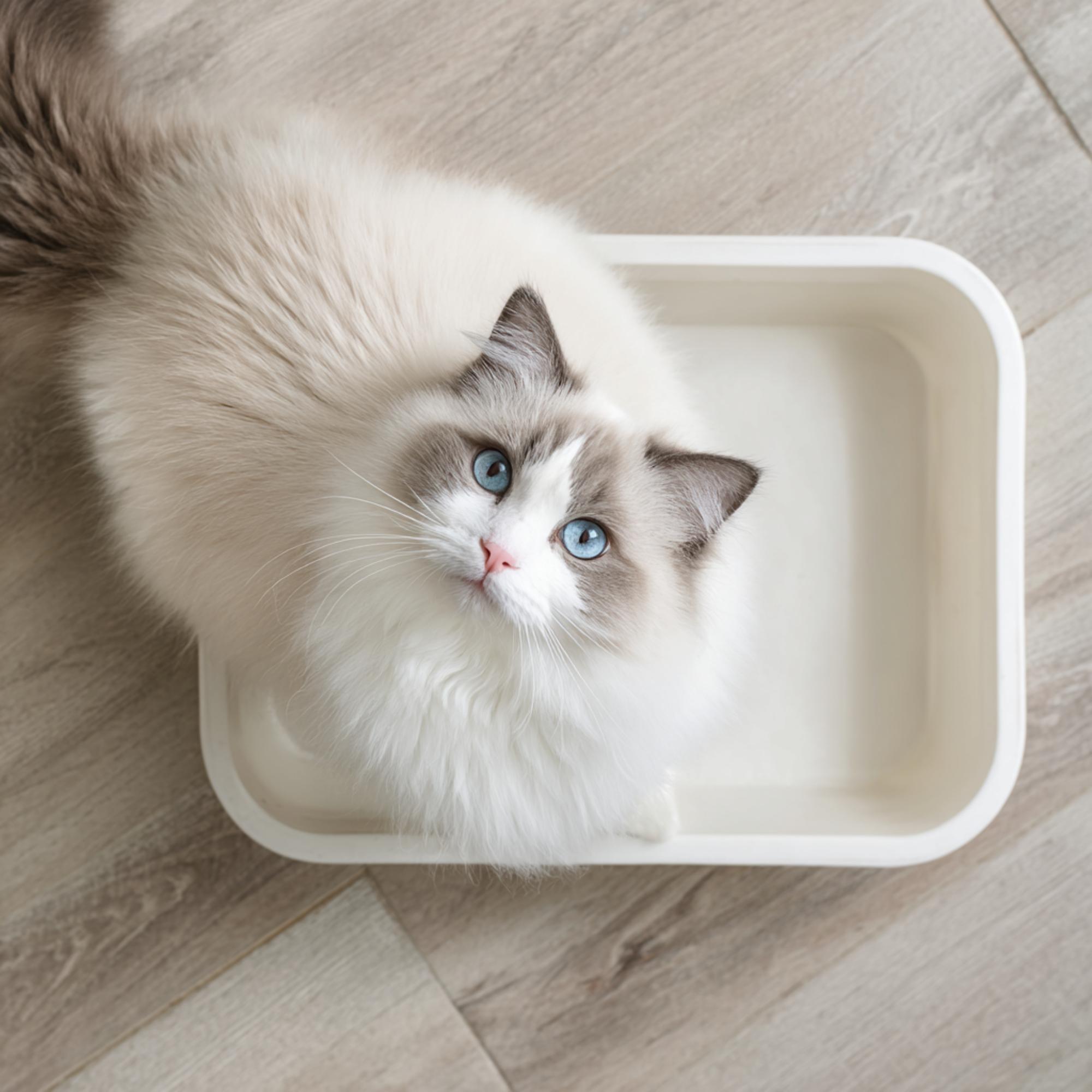
Ragdolls have blue eyes in all varieties, which is their defining feature. The shade varies from pale blue to deep sapphire, but a true Ragdoll will always have blue eyes as part of the breed standard.
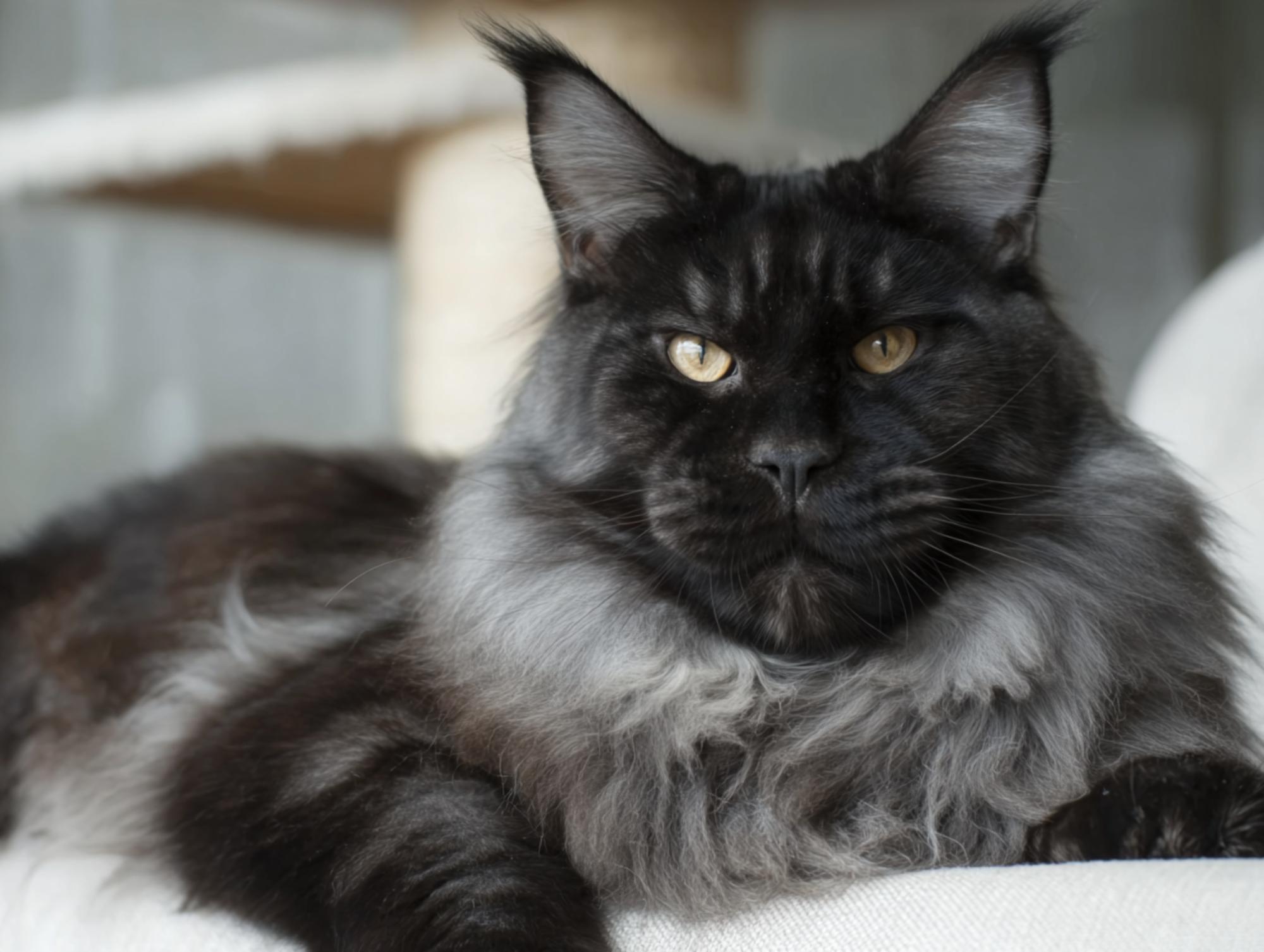
Ragamuffins, however, may have blue, aqua, green, gold, or copper eyes depending on their color and pattern. Their eyes are typically very large and walnut-shaped, giving them a sweet, wide-eyed, doll-like expression. This is partly because Ragamuffins were developed from Ragdolls mixed with Persians and other longhaired breeds, many of which contribute rounder features and additional eye colors.
Facially, Ragdolls have a gentle wedge with slightly rounded contours. Ragamuffins have a fuller, rounder face with more obvious “sweetness” and softer edges. The difference is subtle to the untrained eye but very noticeable to breed enthusiasts.
Temperament: Ragdoll vs Ragamuffin Personality
Temperament is where these two breeds are remarkably similar — and meaningfully different.
Ragdolls are famous for their relaxed, floppy, quiet nature. They enjoy being held, handled, and carried like babies. They follow their owners from room to room, offer peaceful companionship, and prefer calm routines. Their personalities are highly predictable; reputable breeders consistently produce calm, affectionate cats.
Ragamuffins share the gentleness of Ragdolls but tend to be more outgoing, curious, and interactive. They are people-oriented, enjoy greeting visitors, and usually have a more cheerful, playful approach to daily life. Ragamuffins often retain kittenlike energy and friendliness longer into adulthood.
If you want the calmest, softest, most angelic personality available in the cat world, choose a Ragdoll. If you want a slightly more social, playful, extroverted giant breed, the Ragamuffin may be the better match.
Do Ragamuffins Go Limp Like Ragdolls Do?
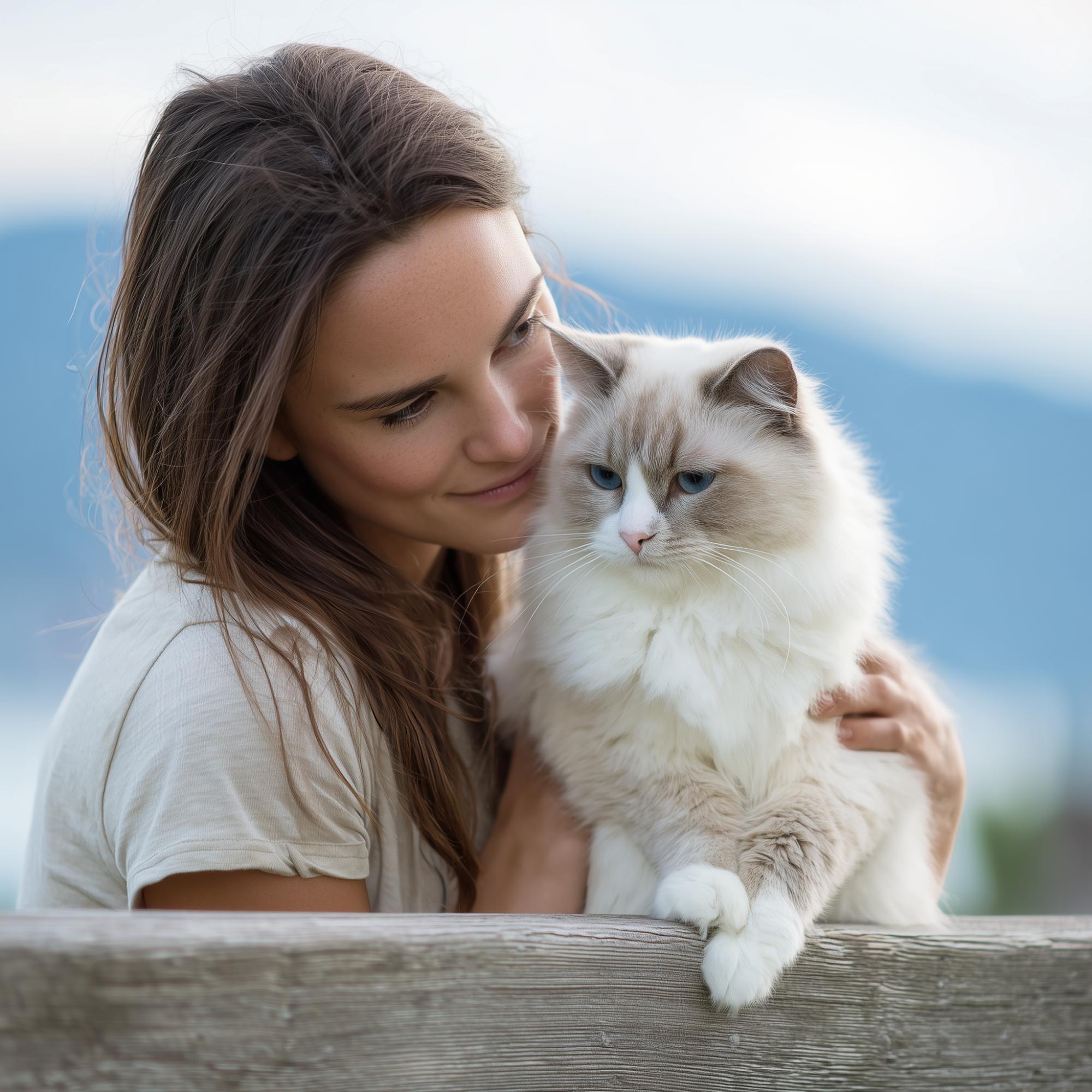
Ragdolls are famous for their “floppy” trait — relaxing their bodies fully when picked up, melting into their owner’s arms like a soft stuffed animal. This trait was intentionally selected for in early Ragdoll breeding and remains one of the defining characteristics of the breed.
Ragamuffins, however, do not consistently go limp. Some individual Ragamuffins may relax in your arms because they are gentle and trusting, but the dramatic “flop” is much less common and is not a formal or expected trait in the Ragamuffin standard.
Families who specifically want a cat that flops like a baby when held will be happiest with a Ragdoll.
Are Ragamuffins or Ragdolls Easier to Train?
Both breeds are intelligent and people-oriented, but Ragdolls are generally easier to train because their calm, predictable temperament makes them more receptive to routines. They enjoy gentle interaction, learn household rhythms quickly, and respond well to clicker training and verbal cues. Ragdolls train easily for grooming, carrier travel, harness walking, and even low-intensity tricks.
Ragamuffins are smart too, but their more playful, outgoing personality can make training slightly more energetic and less automatic. They may be more distracted or curious about the environment, especially as kittens. They do very well with positive reinforcement but require slightly more consistency and engagement.
If you want a cat that trains like a quiet, cooperative companion, choose a Ragdoll.
If you enjoy interactive training and a more playful learner, a Ragamuffin fits beautifully.
Ragamuffin vs Ragdoll Kitten Price
Kitten price reflects breeder quality, pedigree, registration, health testing, and color.
Ragdoll Kitten Price (USA 2025 Average)
- $2,000–$4,500+ for pet kittens
- $4,500–$7,500+ for show/breeder potential
- Blue eyes, strict standards, and established lines increase price.
Ragamuffin Kitten Price (USA 2025 Average)
- $1,800–$3,500+ for pet kittens
- $4,000–$6,000+ for show/breeder potential
- Colors, rarity, and registration under CFA influence costs.
Why the price difference?
Ragdolls have a longer-established breed standard, high demand, widespread recognition, and consistent temperament traits that families specifically seek. Ragamuffins are newer, less standardized, and vary more by breeder line, which affects pricing.
Many families compare both breeds — but if blue eyes and breed predictability matter, Ragdolls tend to command higher prices.
Do Ragamuffins Shed Like Ragdolls?
Ragdolls and Ragamuffins both shed, but Ragamuffins shed more heavily due to their thicker, denser coat. Their fur contains more undercoat, so seasonal shedding produces more volume. Ragamuffins also require more brushing to prevent matting on the ruff, belly, and hindquarters.
Ragdolls shed moderately, and their silky, low-cotton coat releases loose hair more cleanly and is easier to maintain.
Shedding Summary
- Ragdoll: Moderate shedding, low matting, weekly brushing.
- Ragamuffin: Moderate–heavy shedding, higher matting, multiple brushings weekly.
If coat maintenance is a concern, the Ragdoll is the simpler choice.
Health & Lifespan: How the Breeds Compare
Both breeds are healthy when bred responsibly, but their risks differ slightly because Ragamuffins come from mixed ancestry.
Ragdoll Health
- Prone to HCM (hypertrophic cardiomyopathy)
- May carry PKD (less common today)
- Require genetic screening from reputable breeders
- Lifespan 12–16 years
Ragamuffin Health
Because Ragamuffins were created by mixing longhaired breeds, their health risks vary slightly:
- Mild risk of HCM, depending on ancestor breeds
- PKD risk from Persian influence, depending on lines
- Generally considered hardy and long-lived
- Lifespan 12–16+ years
Ragdolls have a more predictable health profile. Ragamuffins are robust but require careful selection from a breeder who tests for all diseases in all foundation breeds used in their lines.
Ideal Home for a Ragdoll vs Ragamuffin
Both breeds are family-friendly, gentle, and affectionate — but their ideal homes differ slightly.
Best Home for a Ragdoll
- Families wanting a calm, quiet cat
- First-time owners
- Homes with children or seniors
- Apartments or relaxed households
- Owners wanting a “floppy,” easygoing cuddle companion
- People who want predictable temperament
Best Home for a Ragamuffin
- Families wanting an outgoing, social cat
- Homes with visitors, children, or multiple pets
- Owners who enjoy brushing and grooming
- People wanting a gentle but more playful giant breed
- Families who want a more cheerful, interactive personality
Both breeds thrive in loving homes — choose based on energy level and grooming expectations.
Breed Recognition: CFA Accepts Ragamuffins, Not TICA
This is one of the biggest and most misunderstood differences.
Ragdoll Recognition
- Recognized by every major registry worldwide
(CFA, TICA, GCCF, FIFé, ACFA, etc.) - Long-established, standardized breed
- Highly predictable type, temperament, and color rules
Ragamuffin Recognition
- CFA is the only major registry that recognizes the Ragamuffin.
- TICA does not recognize the Ragamuffin as a separate breed.
- Some associations still classify Ragamuffins as “Ragdoll variants.”
Why this matters
Because only CFA recognizes the breed, Ragamuffins vary more in:
- coat
- eye color
- head shape
- size
- coat texture
- temperament consistency
This isn’t a negative — it simply reflects that Ragamuffins are a newer breed still forming their long-term identity, whereas Ragdolls have been standardized since the 1960s.
Ragdoll vs Ragamuffin Activity Level & Play Style
Ragdolls and Ragamuffins both have gentle personalities, but their energy levels differ in a way families notice immediately. Ragdolls are calm, slow-paced cats who prefer soft interaction, relaxed play sessions, and long stretches of cuddling or companionship. Their play style is steady and predictable, and they often settle easily after just a few minutes of stimulation.
Ragamuffins, while still gentle, tend to be more playful, social, and kittenlike for a longer portion of their lives. They enjoy interactive toys, games, and being part of household activity. Many Ragamuffins will initiate play more often than Ragdolls and show a bit more curiosity during the day. They are not hyper, but they are more spirited.
If you want a laid-back cat, a Ragdoll’s peaceful energy is ideal. If you want a friendly giant breed that’s affectionate and more playful, a Ragamuffin fits beautifully.
Ragdoll vs Ragamuffin Bonding & Social Needs
Both breeds bond deeply with their families, but they bond differently.
Ragdolls bond with a quiet, loyal closeness. They follow their people gently, nap in the same room, and form a relaxed emotional connection without demanding constant attention. Their presence is steady and calming — they simply want to be part of your daily rhythm.
Ragamuffins bond in a slightly more expressive way. They greet you at the door, climb into laps readily, enjoy being carried, and socialize with guests. They love attention and tend to act more outwardly friendly and cheerful. Their bond is more interactive, whereas a Ragdoll’s bond is more serene and observational.
Both make excellent family cats — choose based on whether you want gentle closeness or warm, outgoing companionship.
Ragdoll vs Ragamuffin Grooming Needs
Ragdolls are known for being a longhaired breed that is unusually easy to maintain. Their silky coat sheds seasonally but mats less than most longhaired cats. Weekly brushing is typically enough to keep their coats smooth.
Ragamuffins require more frequent grooming because their fur is denser and plushier. Their neck ruff, hindquarters, and belly can develop tangles if not brushed regularly. They often require 2–4 grooming sessions per week depending on coat thickness and climate.
This doesn’t make Ragamuffins “high maintenance,” but they do require more attention than Ragdolls. If a family wants fluff without extra grooming, Ragdolls are the lower-work option.
Ragdoll vs Ragamuffin Breed Predictability
This is one of the biggest differences between the two breeds.
Ragdolls have been an established, standardized breed since the 1960s. Their temperament, coat quality, color patterns, eye color, structure, and overall personality are highly predictable from reputable breeders. When you adopt a Ragdoll kitten, you have a strong idea of exactly how your cat will mature.
Ragamuffins are newer and come from mixed longhaired lines, including Persian, Himalayan, and various domestic longhairs. Because they are still in the process of formalizing breed traits, there is naturally more variation. A Ragamuffin may show more or less fluff, a wider range of eye colors, a rounder face, or a slightly different temperament depending on the foundation breeds behind them.
If a family wants precise predictability, Ragdolls are the more established option. If you enjoy a wider range of appearances and personalities within a gentle, affectionate giant breed, Ragamuffins offer that diversity.
Ragdoll vs Ragamuffin Breed Recognition & Standards
Breed recognition directly affects consistency and predictability.
Ragdoll Recognition
Ragdolls are recognized by:
- CFA
- TICA
- ACFA
- GCCF
- FIFé
- And nearly all major registries worldwide
They have strict breed standards that dictate:
- Always blue eyes
- Specific point patterns (mitted, colorpoint, bicolor)
- Predictable temperament
- Defined head and body shape
Ragamuffin Recognition
- CFA is the only major registry that recognizes Ragamuffins as a distinct breed.
- TICA does not recognize the Ragamuffin separately from the Ragdoll.
- Some associations list the Ragamuffin as a “Ragdoll variant” or do not accept them at all.
Because CFA is the main registry for Ragamuffins, and the breed is newer, there is still significant refinement happening in structure, coat, and temperament from breeder to breeder. This is why you see more variation compared to Ragdolls.
Ragdoll vs Ragamuffin Identification Table
| Identification Trait | Ragdoll | Ragamuffin |
|---|---|---|
| Body Shape | Long, rectangular frame; athletic under the coat | Round, full, teddy-bear body; broader chest and shoulders |
| Head Shape | Soft wedge with gently rounded contours | Rounder, fuller face with prominent “sweet expression” |
| Eyes | Always blue (light to deep sapphire) | Blue, aqua, green, gold, or copper; very large and walnut-shaped |
| Ears | Medium size, slightly forward tilt, rounded tips | Medium to large; often more rounded; can appear fuller |
| Coat Type | Silky, semi-long, smooth, flowy; low matting | Plush, thick, cottony, dense; higher matting potential |
| Shedding Level | Moderate, seasonal; easy to manage | Moderate to heavy; undercoat produces more loose fur |
| Color Patterns | Always pointed: colorpoint, mitted, or bicolor | Any color or pattern; not restricted to pointed |
| Behavior When Held | Frequently goes limp and floppy in arms | May relax but rarely flops dramatically |
| Temperament | Calm, relaxed, gentle, serene | Social, cheerful, curious, slightly more playful |
| Bonding Style | Quiet companionship; follows calmly | Outgoing affection; greets visitors, seeks attention |
| Growth Timeline | 3–4 years to mature; predictable development | 3–4 years to mature; more variation in development |
| Breed Predictability | Highly standardized; consistent traits | More variable due to multi-breed origins |
| Breed Recognition | Recognized by all major registries | Only CFA recognizes Ragamuffin as separate |
| Grooming Needs | Weekly brushing | 2–4 brushings per week recommended |
| Ideal Home | Calm households, seniors, first-time owners | Active families, multi-pet homes, kids |
Ragdoll vs Ragamuffin: FAQ Section
Are Ragamuffins or Ragdolls more affectionate?
Both breeds are extremely affectionate, but they express it differently. Ragdolls show affection through calm closeness, soft following behavior, and a tendency to melt into your arms or lap. Their affection feels peaceful, steady, and deeply trusting. Ragamuffins are affectionate too, but they tend to be more outgoing — they greet guests, seek attention more openly, and display a cheerful, social style of bonding. If you want quiet, relaxed affection, choose a Ragdoll. If you want a friendly, interactive cuddle companion, a Ragamuffin is a great fit.
Do Ragamuffins go limp like Ragdolls do?
Not usually. The famous “floppy cat” trait is unique to Ragdolls and was intentionally bred into the early Ragdoll lines. When picked up, many Ragdolls naturally relax their bodies and go limp, which is one of the breed’s signature characteristics. Ragamuffins are gentle and enjoy being held, but the dramatic flop response is not typical in the breed and is not part of their standard. Some Ragamuffins may relax because they are trusting, but they rarely exhibit the classic Ragdoll flop.
Are Ragamuffins or Ragdolls easier to train?
Ragdolls are generally easier to train because of their calm, cooperative temperament. They learn routines quickly, adapt well to gentle handling, and enjoy activities like harness training, clicker work, and grooming sessions. Ragamuffins are intelligent and trainable too, but their playful and curious nature can make training a bit more energetic and less predictable. They respond beautifully to positive reinforcement but may require shorter, more engaging sessions. Both breeds are trainable — Ragdolls are simply more naturally compliant, while Ragamuffins are more playful learners.
What two breeds make a Ragamuffin?
Ragamuffins originated when some Ragdoll breeders split from the original Ragdoll program in the 1990s and introduced Persians, Himalayans, and carefully selected domestic longhaired cats into their lines. These breeds expanded the gene pool and created a distinct new breed with a rounder face, a plushier coat, and more possible eye colors. Because Ragamuffins come from multiple longhaired ancestors, they show more variation in traits compared to Ragdolls. This diverse ancestry is why Ragamuffins are still considered a newer, developing breed with ongoing standard refinement.
Are Ragamuffins recognized by TICA?
No. TICA does not recognize the Ragamuffin as a separate breed.
Ragamuffins are currently recognized by CFA, which is the only major registry that accepts them as fully distinct from the Ragdoll. Some smaller registries list them as variants or do not accept them at all. Ragdolls, on the other hand, are recognized by every major registry worldwide, which is why they have a more uniform standard, predictable traits, and global consistency.
Why are Ragdolls more standardized than Ragamuffins?
Ragdolls have existed since the 1960s with tightly controlled breeding and strict selection for temperament, eye color, coat pattern, and structure. Over decades, they developed a stable, refined standard with very little variation between lines. Ragamuffins are newer and were created by mixing multiple breeds, which naturally increases variation in appearance, coat texture, eye color, and personality. Because they are still developing their official traits, breeders continue refining the standard with every generation. Ragdolls offer predictability; Ragamuffins offer gentle variation within a similar temperament style.
Do Ragamuffins shed more than Ragdolls?
Yes — most Ragamuffins shed more than Ragdolls because their coats are thicker, denser, and carry more undercoat. Their plush texture traps more loose fur, especially during seasonal changes. Ragdolls shed a moderate amount, but their silkier, lower-cotton coat releases fur more easily and mats less often. Ragamuffins benefit from 2–4 grooming sessions weekly, whereas Ragdolls typically need only weekly brushing. Families sensitive to shedding or matting may find Ragdolls easier to maintain.
Which breed is better for families with children?
Both breeds are excellent with children, but for slightly different reasons. Ragdolls are extremely gentle, patient, and tolerant — they are less likely to startle and more likely to flop calmly into a child’s lap. Ragamuffins are friendly, curious, and playful, making them delightful for active families who enjoy a more interactive pet. Neither breed is aggressive, both are forgiving, and both love attention; however, Ragdolls offer the calmest temperament, while Ragamuffins bring cheerful, social energy.
Which breed is better for apartments?
Ragdolls are one of the best apartment breeds due to their calm, quiet temperament and moderate energy level. They enjoy staying close, lounging, and observing without needing large spaces or constant stimulation. Ragamuffins can also do extremely well in apartments, but they are slightly more curious and playful, which means they benefit from more vertical spaces, perches, and interactive toys. Both adapt well — Ragdolls require less enrichment, while Ragamuffins appreciate a bit more activity.
Are Ragamuffins more outgoing than Ragdolls?
Yes. Ragamuffins are known for their friendly, social personalities and often enjoy greeting visitors, interacting with children, and participating in household activity. Ragdolls are affectionate too, but their style is more serene, quiet, and observant. They bond deeply but are less extroverted with strangers. If you want a giant breed that acts like a warm, welcoming teddy bear, the Ragamuffin can be an excellent match.
Do Ragdolls and Ragamuffins have the same eye colors?
No. Ragdolls always have blue eyes, regardless of color pattern. Blue eyes are mandatory in the Ragdoll standard. Ragamuffins, however, can have blue, aqua, green, gold, or copper eyes. Their mixed ancestry allows for a wider eye color range, and eye color depends on their coat color and pedigree. If a family specifically wants a blue-eyed cat, the Ragdoll is the predictable choice.
Which breed has the softer coat?
Both breeds have soft coats, but in different ways. Ragdolls have a silky, smooth coat that feels light and airy, with very little resistance or cottoniness. Ragamuffins have a plusher, denser, almost bunny-like coat with more body and thickness. Ragdoll coats glide; Ragamuffin coats cushion. The Ragamuffin feels fuller, while the Ragdoll feels silkier.
Is one breed calmer than the other?
Yes — Ragdolls tend to be calmer overall. They prefer gentle companionship, quiet routines, and slow-paced interactions. Ragamuffins are also gentle but have a slightly more playful and socially confident personality. They may initiate play more often, greet guests more eagerly, and stay kittenlike longer. If you want maximum serenity, choose a Ragdoll; if you want a friendly, playful giant cat, choose a Ragamuffin.
Which breed is better for someone who works full-time?
Ragdolls handle alone time better because they are naturally low-energy and patient. They nap much of the day and wait calmly for their family to come home. Ragamuffins can also do well with owners who work, but they appreciate more enrichment, playtime, and interaction when their family returns. If your schedule is busy and you want a low-maintenance giant breed, a Ragdoll is ideal.
Are Ragamuffins healthier than Ragdolls?
Not necessarily — both breeds can be very healthy when bred responsibly. Ragdolls have a known risk of HCM and PKD, though health testing has significantly reduced the incidence in ethical catteries. Ragamuffins may inherit mild risk of PKD or HCM from their foundation breeds, but many lines are robust and long-lived. The key is choosing a breeder who tests all breeding cats thoroughly for the conditions present in both Ragdoll and Persian-type lines.
Are Ragdolls always blue-eyed?
Yes. This is a defining characteristic of the breed. A Ragdoll with any eye color other than blue is not a purebred Ragdoll. Ragamuffins, however, can have a wide range of eye colors, and blue eyes only occur in certain coat patterns.
Looking for a Pedigreed Ragdoll Kitten With Predictable Size, Coat, and Temperament?
Well-bred Ragdolls offer everything families love most — gentle temperament, stunning looks, and consistent, reliable personality traits you simply cannot guarantee with a regular domestic cat.
If you’re dreaming of a calm, affectionate, people-focused companion, explore our available and upcoming Ragdoll litters.





Read the Comments +