
The Scottish Fold Munchkin Cat: What To Know About This “Short-Legged, Folded-Ear” Kitty
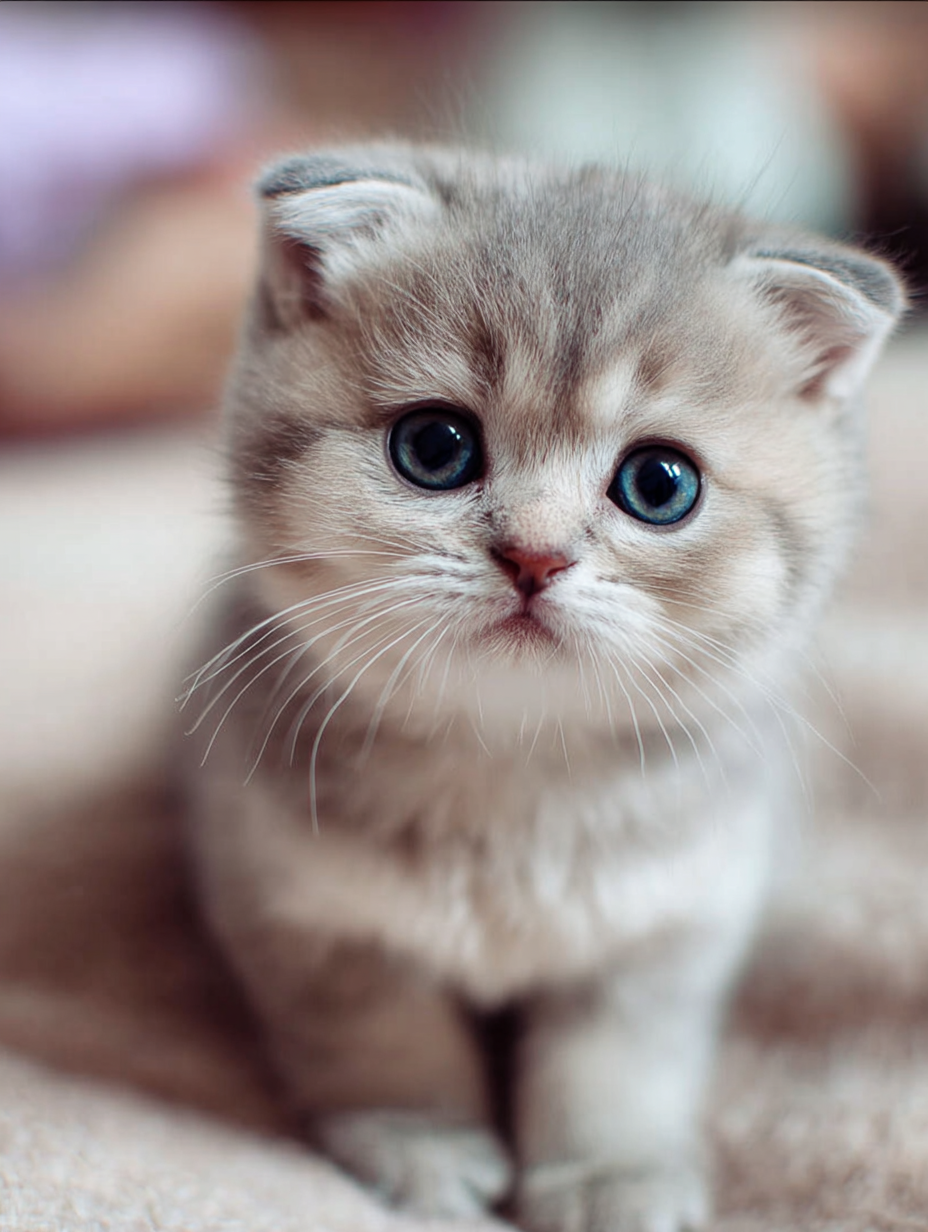
The internet loves the idea of a tiny, round-faced cat with short legs and folded ears – often called a Scottish Fold Munchkin cat, Munchkin Fold cat, or folded ear Munchkin cat. They have become a viral tiktok cat, for better or bad (probably worse). Videos and photos make them look like living plush toys, and it is very common to see people searching for a “Scottish Fold Munchkin cat for sale” or asking “how much is a Scottish Fold Munchkin cat?”
But behind the cute look, this is not a traditional purebred cat. The Munchkin Scottish Fold cat is a cross between two breeds that both carry mutations affecting bone and cartilage. That means you are not just choosing a “look” – you are making decisions that can have serious long-term health consequences for the cat.
In this article, we will talk about:
- What a Scottish Fold Munchkin cat actually is
- The origin and history of this designer cross
- Why the combination of folded ears and short legs is medically controversial
- Price expectations and what “Scottish Fold Munchkin cat price” really reflects
- How to safely navigate “Scottish Fold Munchkin cat for sale” ads
- Kinder alternatives if you love the look but want to prioritize health
By the end, you will be able to look at Scottish Fold Munchkin cat kittens with clear eyes, understand the risks, and make a more informed, welfare-first decision.
Scottish Fold Munchkin Cat: Quick Overview
| Feature | Summary |
|---|---|
| Hybrid Type | Scottish Fold × Munchkin cross (not a recognized breed) |
| Ear Options | Folded or straight (fold appears 2–4 weeks) |
| Leg Options | Short-legged or long-legged (nonstandard) |
| Recognition | Not recognized by CFA, TICA, GCCF, or FIFe |
| Appearance | Round face, large eyes, compact body, variable coat types |
| Colors | Wide range: solids, tabbies, bicolors, torties, shaded, smoke |
| Kitten Variability | Litters may include several trait combinations |
| Price Range | $800–$4,500+, depending on ear type, leg type, color & demand |
| Popularity | Very high on TikTok/Instagram due to “animated” appearance |
| Availability | Varies widely; hybrid-specific breeders exist but are limited |
Searching for a Scottish Fold Munchkin Cat for Sale? Read This First.
Every week, people search phrases like:
- “Scottish Fold Munchkin cat for sale near me”
- “Munchkin Scottish Fold cat for sale”
- “Where to find Scottish Fold Munchkin cat kittens”
On social media and classifieds, these kittens are often marketed as rare, exclusive, or “teacup.” The photos are adorable, the descriptions are emotional, and the prices can be shockingly high.
Here is the piece most listings leave out:
- Scottish Fold cats carry a cartilage mutation that causes the ear fold – and can also cause painful joint and spine disease.
- Munchkin cats carry a mutation that shortens the legs – and can also impact the spine and joint mechanics.
- Combining both in a single Scottish Fold Munchkin cat does not “cancel out” the problems. It stacks risks.
Responsible breeders and veterinarians are increasingly vocal about avoiding pairings that combine two different skeletal/cartilage mutations.
✅ Practical takeaway:
If you are actively searching for a Scottish Fold Munchkin cat for sale, treat that search as the beginning of your research, not the end. Any seller who is honest, transparent, and health-focused will openly discuss x-rays, pain management, long-term risks, and why many professionals caution against breeding this cross at all.
What Is a Scottish Fold Munchkin Cat?
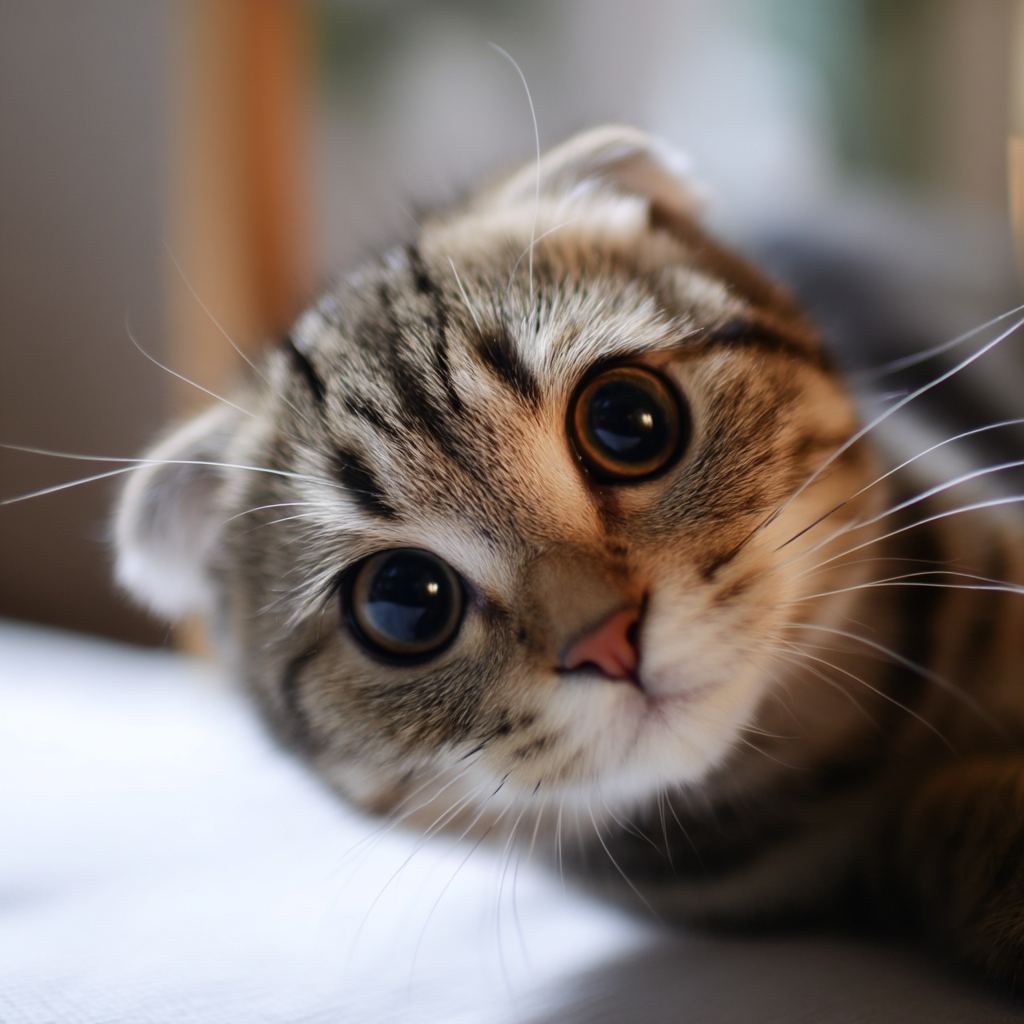
A Scottish Fold Munchkin cat is not a stand-alone, registry-recognized breed. It is a designer cross, created by mating:
- A Scottish Fold (the breed with folded ears)
- To a Munchkin (the breed with shortened legs)
Marketing names include:
- Scottish Fold Munchkin cat
- Munchkin Fold cat
- Folded ear Munchkin cat
- Scottish Fold Munchkin mix
Most of these cats share three “cute” traits that attract buyers:
- Round face and big eyes reminiscent of Scottish Folds
- Short legs from the Munchkin side
- Folded ears (single, double, or triple fold)
But under the surface, both parent breeds carry developmental mutations:
- The Scottish Fold mutation affects cartilage throughout the body, not just the ear.
- The Munchkin mutation changes limb length and can impact how the spine and joints bear weight.
Crossing the two can increase the risk of:
- Early arthritis
- Chronic pain
- Mobility problems
- Spine and tail issues
So, while the Munchkin Fold cat looks like a plush toy, you should think of them as a cat with a higher-than-average chance of needing lifelong orthopedic support.
Origin and History of the Scottish Fold Munchkin Cat
Unlike ancient natural breeds, the Scottish Fold Munchkin cat is a modern internet-era creation. Its origin/history is tied to three key moments:
- Scottish Fold origins
- The Scottish Fold began with a single folded-ear barn cat in Scotland in the 1960s.
- As the breed developed, breeders realized the same mutation that folds the ears (an osteochondrodysplasia) can cause cartilage and bone problems throughout the body.
- Some registries still allow Scottish Folds; others have restricted or banned them because of welfare concerns.
- Munchkin cat origins
- Short-legged cats have occasionally appeared in natural populations, but the modern Munchkin cat was formally developed in the 1980s–1990s.
- The mutation that shortens the legs is also a form of dwarfism, and there is ongoing debate about long-term skeletal and spinal health.
- Some registries recognize Munchkins; others do not, citing welfare questions similar to those surrounding extreme dog breeds.
- The rise of the Scottish Fold Munchkin mix
- As social media began amplifying “cute” or unusual pets, photos of Scottish Fold Munchkin cat kittens went viral.
- Breeders in some regions began intentionally pairing Folds and Munchkins to produce “double-mutation” cats: short legs and folded ears.
- The combination is currently not widely accepted by major cat registries as a formal breed, and in many circles it is considered ethically problematic.
In other words, the Scottish Fold Munchkin cat didn’t arise from centuries of careful, health-focused selection. It grew out of demand for a specific visual aesthetic in a very short time – much faster than we can fully understand the long-term impact on health.
Scottish Fold Munchkin Cat vs Parent Breeds: Comparison Guide
To understand what you are truly getting with a Scottish Fold Munchkin cat, it helps to compare them directly with their parent breeds:
| Feature | Scottish Fold (standard) | Munchkin (standard) | Scottish Fold Munchkin Cat (cross) |
|---|---|---|---|
| Breed Status | Recognized in some registries; restricted/banned in others due to welfare concerns | Recognized in some registries; controversial in others | Not a widely recognized purebred; generally considered a designer mix |
| Defining Trait | Folded ears from a cartilage mutation | Shortened legs from a dwarfism mutation | Short legs and folded ears (two skeletal/cartilage mutations combined) |
| Body Type | Medium build, normal leg length | Compact body, noticeably short legs | Compact, very low to the ground, may show exaggerated limb shortening |
| Health Concerns | Osteochondrodysplasia affecting joints, tail, and spine | Potential joint and spinal stress, limited jumping | Increased risk of arthritis, mobility issues, and chronic pain due to stacked mutations |
| Temperament | Sweet, people-oriented, often calm | Playful, curious, often outgoing | Typically affectionate and charming, but behavior can’t “cancel out” physical risk |
| Registry Acceptance | Mixed – some allow, others restrict | Mixed – some allow, others critical | Generally not accepted as a separate breed; often sold outside formal registry systems |
Summary:
A Scottish Fold Munchkin cat is not a healthier or “improved” version of either parent. It is usually a more extreme, more fragile cat, created by combining two independent structural mutations.
Folded Ear Munchkin Cat Types Explained
Advertisements may use slightly different labels for what is essentially the same concept: a folded ear Munchkin cat with Scottish Fold ancestry. Common marketing terms include:
- Scottish Fold Munchkin cat – emphasizes the Scottish Fold look
- Munchkin Fold cat – emphasizes the short legs
- Munchkin Scottish Fold cat for sale – often used in online classifieds
- Folded ear Munchkin cat – a more generic description
Within that, you might see descriptions based on how the ears and legs look:
- Short-leg folded ear – classic combination of visible leg shortening and fully folded ears
- Short-leg straight ear – Munchkin mix that carries Scottish Fold ancestry without the ear fold
- Normal-leg folded ear – Scottish Fold mix that doesn’t show the short-leg expression
The “cutest” version – short legs plus tight folded ears – is also likely to be carrying the heaviest load of skeletal and cartilage risk. That is the Munchkin Fold cat most people fall in love with at first sight, and the one you should evaluate with the most caution.
💡 Tip: Any truly ethical discussion of a Scottish Fold Munchkin cat price should include the cost of future pain management, potential imaging (x-rays, CT), and the emotional load of caring for a cat who may struggle with mobility as early as young adulthood.
Can Cats Be Scottish Fold Munchkin Hybrids?
Are Scottish Fold Munchkin Cats Real?
Yes. A Scottish Fold Munchkin cat is a genuine hybrid produced by pairing:
- A Scottish Fold (with the ear fold gene)
- A Munchkin (with the short-leg gene)
This cross results in a cat with:
- Short, sturdy legs (Munchkin gene)
- Folded ears or straight ears (Scottish Fold gene)
- Round face, plush cheeks, wide-set eyes
- Compact, low-to-the-ground stature
- Extremely expressive “owl-like” appearance
While these cats are real and widely marketed, they are not recognized as a standalone pure breed by CFA or TICA. They exist as a hybrid variety produced primarily for companionship.
Why the Hybrid Is So Controversial
The pairing is controversial because both genes involved — the fold gene and the munchkin gene — require responsible breeding to avoid health risks. Ethical breeders only pair:
- Scottish Fold (fold) × Munchkin (straight ears)
Never:
- Fold × Fold (dangerous)
- Munchkin × Munchkin (risky)
This avoids doubling either mutation, which may reduce the chances of cartilage or skeletal problems. But it does not guarantee the cat has a pain free normal life.
When bred correctly, Scottish Fold Munchkin cats are affectionate, and live average lifespans, but the quality of their lives is still something that needs to be discussed.
Understanding Scottish Fold Munchkin Cat Origins
Origin & History
The Scottish Fold Munchkin hybrid is relatively new, emerging in the late 20th century as breeders began selectively pairing short-legged Munchkins with straight-ear Scottish Folds.
Scottish Fold origin:
- Began in Scotland in the 1960s with a natural ear-fold mutation.
- Valued for their rounded faces, calm temperaments, and soft folded ears.
Munchkin origin:
- Originated in the 1980s–1990s in the U.S. from a naturally occurring short-legged mutation.
- Recognized by TICA but not CFA.
The hybrid:
- First deliberate pairings occurred in the 1990s.
- Quickly gained popularity for the “owl-meets-teacup” appearance.
- Today, the combination is highly sought after but must be bred responsibly to maintain health.
A Scottish Fold Munchkin is not a purebred cat but a hybrid intentionally bred for its distinct physical traits.
How the Fold Gene Works in Scottish Fold Munchkin Cats
The Folded Ear Gene (Fd)
The folded ear trait comes from the dominant gene Fd, found in Scottish Folds.
Important genetic rules:
- Fold × Straight = Safe
- Fold × Fold = Dangerous (severe cartilage and bone issues)
A Scottish Fold Munchkin must come from:
- One fold-eared parent
- One non-fold (straight-eared) parent
This ensures:
- Only one copy of the fold gene
- Reduced risk of osteochondrodysplasia
- Healthier ear cartilage and bone development
What Folded Ears Look Like in This Hybrid
Fold expression varies:
- Single fold (slight tip)
- Double fold (tighter curve)
- Triple fold (classic “owl ear” look)
Folded ears do not affect hearing but require gentle cleaning due to decreased airflow.
How the Munchkin Gene Works in Scottish Fold Munchkin Cats
The Short-Leg Gene (M)
The Munchkin gene is a naturally occurring dominant genetic mutation that shortens the long bones of the legs.
Breeding rules:
- Short × Standard = Safe
- Short × Short = Not recommended (risk of severe deformities)
In a Scottish Fold Munchkin, the short-legged appearance comes from:
- One short-legged Munchkin parent
- One standard-legged Scottish Fold parent
This produces the signature compact, low-riding stature, that the munchkin cat mixes aim to have.
Appearance of Munchkin Traits in the Hybrid
Expect:
- Short forelegs and hind legs
- Rounded body
- Low-profile stance
- Effortless kitten-like movement
Long-legged versions (called “nonstandard”) also exist and may still carry the fold gene.
How the Two Genes Work Together in the Scottish Fold Munchkin
The hybrid expresses two separate, unrelated mutations:
| Trait | Gene | Passed From | Notes |
|---|---|---|---|
| Folded ears | Fd | Scottish Fold parent | Dominant; must not double |
| Short legs | M | Munchkin parent | Dominant; must not double |
Correct breeding produces:
- Folded ears + short legs
- Folded ears + long legs
- Straight ears + short legs
- Straight ears + long legs
Folded + Short is the iconic look, but all variations exist.
Scottish Fold Munchkin Kittens — What to Expect
Scottish Fold Munchkin kittens vary significantly in how the fold gene and the munchkin gene express. Because this is not a standardized breed, there is no guaranteed outcome.
Kitten Appearance
A single litter may include combinations of:
- folded-ear, short-leg kittens
- folded-ear, long-leg kittens
- straight-ear, short-leg kittens
- straight-ear, long-leg kittens
Fold expression typically appears at 2–4 weeks of age.
Leg length is visible immediately at birth.
Kitten Development Differences
Kittens with short legs often:
- remain low to the ground during early mobility
- have modified jumping/climbing patterns
- may prefer ramps over vertical leaps
Folded-ear kittens may show:
- tighter or looser ear folds as they grow
- variable cartilage pliability
- reduced airflow in the ear canal compared to straight-ear kittens
These observations do not imply harm or healthiness — they are simply common developmental traits reported by owners and breeders.
Ear Types in Scottish Fold Munchkin Cats
Fold Expression Levels
Folded ears can appear in degrees:
- Single Fold: slight bend at the tip
- Double Fold: more pronounced fold
- Triple Fold: tight, classic “owl-like” look
Some kittens never develop a fold.
Fold strength can change in the first 8–12 weeks and occasionally fluctuates with growth.
Straight-Ear Kittens
About half of all Scottish Fold–related litters produce straight-ear kittens, even when paired correctly (Fold × Straight).
These kittens:
- do not express the fold gene
- may still carry the fold gene genetically
- are often referred to as “Straights”
In hybrids, straight-ear, short-leg kittens are common, and many breeders place them at lower prices because the visual traits differ from high-demand folded-ear versions.
Leg Types in Scottish Fold Munchkin Cats
Short-Leg Expression
The Munchkin gene produces shortened long bones. In kittens, this appears as:
- short forelimbs
- short hind limbs
- compact, low-profile stance
Short-legged kittens typically maintain normal activity levels but may adapt play differently from long-legged breeds.
Long-Leg Expression (“Nonstandard”)
Not all kittens from Munchkin lines inherit short legs.
These long-legged kittens are sometimes called:
- nonstandard Munchkins
- standard-legged hybrids
They may still carry one copy of the munchkin gene and can pass it to offspring, depending on pairing.
This falls strictly under genetics — not a health or ethical determination.
Scottish Fold Munchkin Trait Combinations
| Ear Type | Leg Type | Description |
|---|---|---|
| Folded Ears | Short Legs | The classic “Fold Munchkin” look; high visual demand |
| Folded Ears | Long Legs | Folded expression without shortened limbs |
| Straight Ears | Short Legs | Short-legged Munchkin look with straight ears |
| Straight Ears | Long Legs | Nonstandard hybrid; may still carry genes |
How to Evaluate Listings for Scottish Fold Munchkin Kittens
Because this hybrid is not recognized by major registries and is produced by a mixture of breeder types, listings vary widely.
Signs of a Transparent Listing
These indicators help buyers evaluate information without implying breeder approval:
- Clear explanation of parent pairing (Fold × Straight, Short × Standard)
- Honest disclosure of ear type and leg type
- Photos of parents
- Health history records
- Written description of how kittens are raised
- No pressure-sales wording
Transparency allows the you as the buyer to evaluate the information independently.
Signs a Listing May Need Closer Review
Potential red flags include:
- No photos of the parents
- Fold × Fold pairings mentioned
- Short × Short pairings mentioned
- Extremely low pricing
- Claims such as “rare,” “teacup,” “guaranteed short ears,” “healthy folded munchkin”
- No contract or written documentation
These do not automatically confirm anything; they simply indicate the buyer may want to ask more questions.
Common Questions People Ask About Scottish Fold Munchkin Cats
Are Scottish Fold Munchkin cats a breed?
No. They are a hybrid cross between a Scottish Fold and a Munchkin.
They are not recognized by CFA, TICA, GCCF, or any major registry as a separate breed.
Why do some have folded ears and some do not?
The fold gene is dominant but requires only one copy to express.
Some kittens inherit it; some do not.
Fold development varies widely between kittens.
Why do some Scottish Fold Munchkins have long legs?
The munchkin gene is dominant but does not pass to all offspring.
Long-legged kittens are normal in hybrid litters.
Can you predict which kitten will have both traits?
Not with certainty.
Both genes segregate independently, so outcomes vary.
Do all breeders produce this mix?
No. Many breeders do not produce the hybrid due to personal program direction or ethical preferences.
Others specialize in hybrid lines.
Information varies between programs.
You get to pick what type of cattery you want to endorse. Do you want to endorse fad breeding? If so please do your due diligence on how to care for the kitten you commit to. If you are interested in a healthier purebred kitten, check out our Kittens available page.
How to Identify Reliable vs Misleading Information for Munchkin Hybrid Kittens For Sale
Hybrid cats generate a large volume of mixed messaging online. Buyers often encounter:
- conflicting claims
- inconsistent price ranges
- varied descriptions of ear folds
- contradictory information about gene inheritance
Reliable Information Typically Includes:
- Genetic explanations
- Parent pairing disclosures
- Realistic description of trait variability
- Recognition (or lack thereof) by major registries
Misleading Information Often Includes:
- Claims of “purebred Scottish Fold Munchkin”
- Statements implying consistent litters of folded-ear short-leg kittens
- “Teacup Fold Munchkin guaranteed”
- Assertions that the hybrid is universally safe or unsafe without context
We are here to provide factual information to help people make the best decisions for them and their cats.
How to Verify Authentic Scottish Fold and Munchkin Lineage
Because Scottish Fold Munchkin cats are hybrids, verifying the legitimacy of the parent cats is essential for buyers who want accurate information.
Documents You Can Request
Although the hybrid itself is not a recognized purebred, the parent breeds can have:
- TICA registration (for Munchkins)
- CFA/TICA registration (for Scottish Folds)
- Pedigree documentation
- Written breeding records
These documents do not validate or guarantee outcomes — they simply confirm that the parents belong to the correct foundational breeds.
Photos and Proof
Buyers often request:
- Photos of the mother and father
- Photos of grandparents (optional but useful)
- Videos showing movement
- Early-age photos of the kittens
- Any available veterinary documentation
Visual evidence allows buyers to compare expected traits without relying solely on verbal claims.
DNA Testing
Some buyers use DNA testing to confirm breed ancestry.
Kits can estimate percentage influences (Fold, Munchkin, DSH, etc.).
While not perfect, DNA tests can provide:
- breed-type signals
- color genetics
- ear-fold gene presence
- munchkin gene presence
This is informational—not an endorsement of any breeding practice.
Questions Buyers Commonly Ask Breeders
These questions help buyers gather neutral information so they can form their own conclusions.
Parent Pairing Questions
- Are the parents Fold × Straight?
- Are the parents Short × Standard?
- What ear type does the mother have?
- What leg length does the father have?
- Are photos available of both parents?
Lineage and Documentation Questions
- Are the parents registered with any major registry?
- Are pedigree copies available?
- Is there a written contract?
- What is included in vet records?
Kitten-Specific Questions
- Which kittens currently show ear fold?
- What leg types are present in this litter?
- How old are the kittens in the photos?
- Would updated photos be available?
These questions will help you as a buyer get the factual information you need to make an informed decision.
Munchkin Scottish Fold Kitten Appearance Verification Tips for Buyers
Many online listings show highly stylized images, which can sometimes make it difficult for buyers to understand what traits are genuine.
Ear Fold Verification
Signs of true folded ears:
- Fold begins at 2–4 weeks
- Cartilage shows a downward curve
- Ears sit closer to the head than upright types
Straight ears labeled as “future fold ears” should be viewed with caution since fold development cannot be predicted if it has not appeared early.
Leg Length Verification
Short-legged kittens:
- show compact limb length from birth
- tend to stand lower to the ground
- may have a distinct front-leg stance
Angles or cropped photos can be misleading, so full-body shots are ideal.
General Red Flags in Photos
Common issues buyers should note:
- heavy filters masking details
- repeated photos across different listings
- only one angle shown
- no parent photos included
- inconsistent kitten ages
If a listing seems to be to good to be true, it probably is.
Myths About Scottish Fold Munchkin Cats
Myth 1: Scottish Fold Munchkin cats are a recognized breed.
They are not.
This hybrid is produced by crossing a Scottish Fold with a Munchkin, but major registries such as CFA, TICA, GCCF, and FIFe do not recognize the Scottish Fold Munchkin as an official breed. Only the parent breeds have registry status, and the hybrid exists outside formal breed categories.
Myth 2: All Scottish Fold Munchkin kittens have folded ears and short legs.
Folded ears and short legs are not guaranteed.
Each trait is controlled by a separate dominant gene. Litters commonly include straight-ear kittens, long-leg kittens, and mixed combinations. Even within folded-ear kittens, the fold can vary from slight to very tight.
Myth 3: Folded ears guarantee the kitten is a true Scottish Fold mix.
Folded ears alone are not proof of breed ancestry.
Ear folding can occur through the Fold gene, but genetic testing or parent documentation is the only reliable confirmation of lineage. Many straight-ear kittens also carry Fold genetics but do not express the physical trait.
Myth 4: Short legs mean the cat is a “teacup” or “mini” version.
Short legs come from the Munchkin gene, not from miniaturization.
Terms like “teacup,” “micro,” and “mini” are marketing labels and do not correspond to any recognized genetic category. These hybrids can vary widely in size depending on the parents.
Myth 5: Scottish Fold Munchkin cats can be predicted by appearance alone.
You cannot determine a kitten’s future ear fold or bone structure from newborn photos.
Folded ears appear around 2–4 weeks, and leg length is visible early but varies as kittens grow. Photos can be misleading if taken from limited angles.
Myth 6: All Scottish Fold Munchkin cats look the same.
Appearance varies significantly.
Depending on parental lines, hybrids can differ in:
- ear tightness
- leg length
- head shape
- coat length
- coat color
- size and proportions
There is no single standardized look.
Myth 7: A Scottish Fold Munchkin with straight ears is “less real.”
Straight-ear hybrids still come from Scottish Fold lines.
Straight-ear kittens can still carry Fold genetics and can still be part of the hybrid mix. Ear type alone does not define whether a kitten has Scottish Fold ancestry.
Myth 8: Short-legged cats cannot run or play.
Short-legged cats generally play, climb, explore, and move actively, although often with different mobility patterns.
Individual preferences vary, and activity levels depend on comfort, environment, and personality rather than leg length alone.
Myth 9: Folded ears are always present from birth.
Folded ears do not appear immediately.
Newborn kittens have straight ears. Fold development — if it occurs — becomes visible between 2 and 4 weeks as the cartilage begins to bend.
Myth 10: The Scottish Fold Munchkin is the same as a standard Scottish Fold.
The hybrid is distinct from pure Scottish Folds.
A pure Scottish Fold is recognized as a breed; the hybrid combines Scottish Fold lineage with Munchkin lineage. Hybrid identity does not confer breed status.
Myth 11: The Scottish Fold Munchkin is a “rare official breed.”
The hybrid may be visually uncommon, but rarity does not equal formal recognition.
Its appearance in the marketplace is because some breeders produce the mix — not because cat associations classify it as an established breed.
Myth 12: All Scottish Fold Munchkin cats are tiny.
Size varies.
Many hybrids reach similar adult weights to average domestic cats. Short legs create an illusion of smaller size, but overall mass depends on parental genetics, diet, and growth patterns.
Myth 13: Photos online always represent authentic hybrids.
A significant number of online images are mislabeled.
Some show:
- standard Scottish Folds
- standard Munchkins
- random-bred cats with similar looks
- heavily filtered or stylized images
Verification through breeder documentation or DNA testing is the only way to confirm lineage.
Myth 14: Scottish Fold Munchkin cats come in only a few colors.
They come in many colors and patterns.
Because parent breeds have broad color ranges, hybrids inherit just as many possibilities, including solid, tabby, bicolor, tortoiseshell, shaded, smoke, silver, and more.
Myth 15: A kitten with both short legs and folded ears is guaranteed.
There is no guaranteed combination.
The fold gene and the munchkin gene operate independently, meaning even within the same litter, kittens may express one trait, both traits, or neither.
Frequently Asked Questions About Scottish Fold Munchkin Cats
Why are Scottish Fold Munchkin cats so popular on TikTok and social media?
Scottish Fold Munchkin cats gain significant viral attention because of their visually distinctive traits: folded ears, large round eyes, and compact, short-legged stature. These features create a “cartoon-like” or “animated character” appearance, which performs extremely well in short-form videos. Social media trends highlight their expressive faces, small size, and teddy-bear look, making them instantly recognizable. Their popularity online does not reflect whether they are officially recognized or whether breeders agree on producing them — it is simply a consequence of how visually unique they appear on camera.
What is a Scottish Fold Munchkin cat?
A Scottish Fold Munchkin cat is a hybrid produced by pairing a Scottish Fold with a Munchkin. The hybrid can inherit folded ears, short legs, both, or neither. Because this cross involves two separate dominant genes, results vary from kitten to kitten.
Are Scottish Fold Munchkin cats recognized as a breed?
No. Major registries such as CFA, TICA, and GCCF do not recognize this hybrid as a breed. Parent breeds may be registered individually, but the hybrid itself is not accepted for breed categories or show classes.
Why do some Scottish Fold Munchkin cats have folded ears?
Only kittens that inherit one copy of the Fold gene from the Scottish Fold parent will develop folded ears. Fold development typically begins between 2 and 4 weeks of age and can vary in severity from light to tight folds.
Why do some Scottish Fold Munchkin cats have short legs?
The short-legged appearance comes from the dominant Munchkin gene. Not all kittens inherit this gene, so litters may include both short-legged and long-legged (nonstandard) kittens.
Do Scottish Fold Munchkin cats always inherit both traits?
No. The fold gene and the munchkin gene segregate independently. Litters commonly produce mixed combinations of folded ears, straight ears, short legs, and long legs.
Are Scottish Fold Munchkin cats related to teacup breeds?
No. “Teacup” is a marketing term, not a recognized genetic type. The short stature comes from the Munchkin gene, not from miniaturization or selective shrinking.
Can Scottish Fold Munchkin cats be registered?
The hybrid itself cannot be registered as a breed, but the parent cats may be registered with TICA or CFA depending on the breed. Documentation can confirm parental lineage but does not create hybrid recognition.
How much do Scottish Fold Munchkin cats cost?
Prices vary widely, typically from $800 to $4,500 depending on appearance, ear type, leg type, breeder practices, region, and demand. Prices reflect market conditions rather than breed standardization.
Where can I find Scottish Fold Munchkin kittens for sale?
Hybrid-focused breeders, online listings, and social advertisements are common sources. Buyers should verify parent photos, pairing practices, documentation, and transparency before making a decision.
Do all breeders produce this hybrid?
No. Some breeders do not produce this mix due to personal program direction or ethical considerations. Others specialize in hybrid lines. Availability varies greatly by region.
Are Scottish Fold Munchkin cats the same as “teacup” or “mini” cats?
No. The hybrid is not the same as “teacup,” “micro,” or “mini” cats, which are marketing terms often used without scientific definition. The short legs come from the Munchkin gene rather than miniaturization. Size varies based on the parents, and the hybrid does not officially fall into any miniature breed category recognized by cat associations.
What is the difference between folded-ear and straight-ear Scottish Fold Munchkin cats?
Folded-ear kittens inherit the dominant Fold gene from the Scottish Fold parent. Straight-ear kittens do not inherit the gene and therefore have upright ears. Both types can appear in the same litter. Ear type does not determine whether the cat is considered “authentic” — it only reflects genetic inheritance.
Do Scottish Fold Munchkin cats make good indoor pets?
Owners commonly report that these cats adjust well to indoor living because of their generally calm, observant nature. Many hybrids display affectionate, people-oriented behavior. That said, activity levels, mobility preferences, and interaction styles vary widely between individuals, and each cat’s comfort depends on the environment they are raised in.
What affects the price of a Scottish Fold Munchkin cat the most?
Buyers often notice that folded ears combined with short legs are the most expensive combination. Colors, coat length, breeder reputation, and documentation also influence pricing. Prices trend upward in areas with high demand and few breeders. Since the hybrid is not standardized, pricing reflects market trends rather than registry-based valuation.
Are Scottish Fold Munchkin cats considered designer cats?
Yes, the hybrid is frequently labeled as a “designer cat” in mainstream conversation because it combines two visually distinctive breeds to create a specific aesthetic. This designation has no regulatory meaning but is commonly used in marketing and on social media.
Can Scottish Fold Munchkin cats climb or jump?
Short-legged cats generally climb but may do so differently from longer-legged breeds. They often jump lower and prefer reachable surfaces rather than vertical leaps. Every cat varies, and mobility depends on body type, muscle development, and the individual’s physical comfort.
H3: Do Scottish Fold Munchkin cats need special furniture or home setups?
Many owners choose steps, ramps, or lower platforms to make daily movement easier. While some hybrids use standard cat trees without issue, others may prefer shorter or more accessible furniture. This is not a rule, just a common observation reported among owners.
How common are Scottish Fold Munchkin breeders?
Breeder availability varies significantly by region. Some breeders specialize exclusively in hybrid lines, while others do not produce the mix for personal or ethical reasons. As a result, availability may be limited in some areas and more widespread in others.
H3: Do Scottish Fold Munchkin cats shed a lot?
Shedding varies depending on coat type. Short-coated hybrids typically shed moderately, while medium or long-coated lines may shed more. Grooming needs depend on the individual coat texture inherited from the parents.
What is the average lifespan of a Scottish Fold Munchkin cat?
As a hybrid without standardized data, there is no universally accepted lifespan figure. Owners report a broad range similar to other domestic cats. Lifespan is influenced by genetics, environment, veterinary care, mobility, and overall health support given throughout life.
Are Scottish Fold Munchkin cats good with children or other pets?
Many owners describe the hybrid as affectionate and social, traits commonly associated with both Scottish Folds and Munchkins. Individual experiences vary depending on early socialization, environment, and the personalities of the humans and other animals in the household.
Why do Scottish Fold Munchkin kittens look different from littermates?
This hybrid inherits two unrelated dominant mutations that segregate independently. Because of this, litters can contain diverse combinations of ear and leg types. Coat colors, head shapes, and eye expressions can also vary significantly depending on the parent lines.
Can Scottish Fold Munchkin cats be bred with other breeds?
Some hybrid breeders produce additional crosses, while others limit their programs to specific lineages. Whether or not additional crossings occur depends entirely on the breeder. This article provides information but does not endorse any particular breeding practice.
Why are Scottish Fold Munchkin cats often featured in “cute cats” compilations?
Their rounded faces, shortened legs, and wide-eyed expressions give them a distinctive, baby-like appearance that aligns well with online “cute aesthetic” trends. Their movements can appear playful or animated on camera, making them a frequent choice in viral videos. Social media amplification contributes heavily to their modern popularity.
Summary: What to Know About Scottish Fold Munchkin Cats
Scottish Fold Munchkin cats are a hybrid, combining traits from:
- the Scottish Fold (folded ears from the Fd gene)
- the Munchkin (short legs from the M gene)
This creates visually distinctive kittens that vary widely in:
- ear type
- leg length
- coat colors
- facial expression
- movement pattern
This hybrid is not recognized as a pure breed by major cat associations such as CFA, TICA, GCCF, or FIFe.
Producing a Scottish Fold Munchkin involves combining two unrelated dominant mutations. Because of this, responsible breeders vary greatly in how they approach the hybrid — some breeders choose not to work with this mix at all, while others specialize in it. Buyers must independently review any breeder’s practices, documentation, and transparency before deciding for themselves.
This article provides factual information so readers can understand:
- the origin and development of the hybrid
- how ear and leg genes independently function
- what variations appear in litters
- what documentation exists
- how to evaluate listings
- how pricing and availability vary
It is up to each individual to decide how they interpret and use that information.
Looking for a Purebred, Registered Kitten?
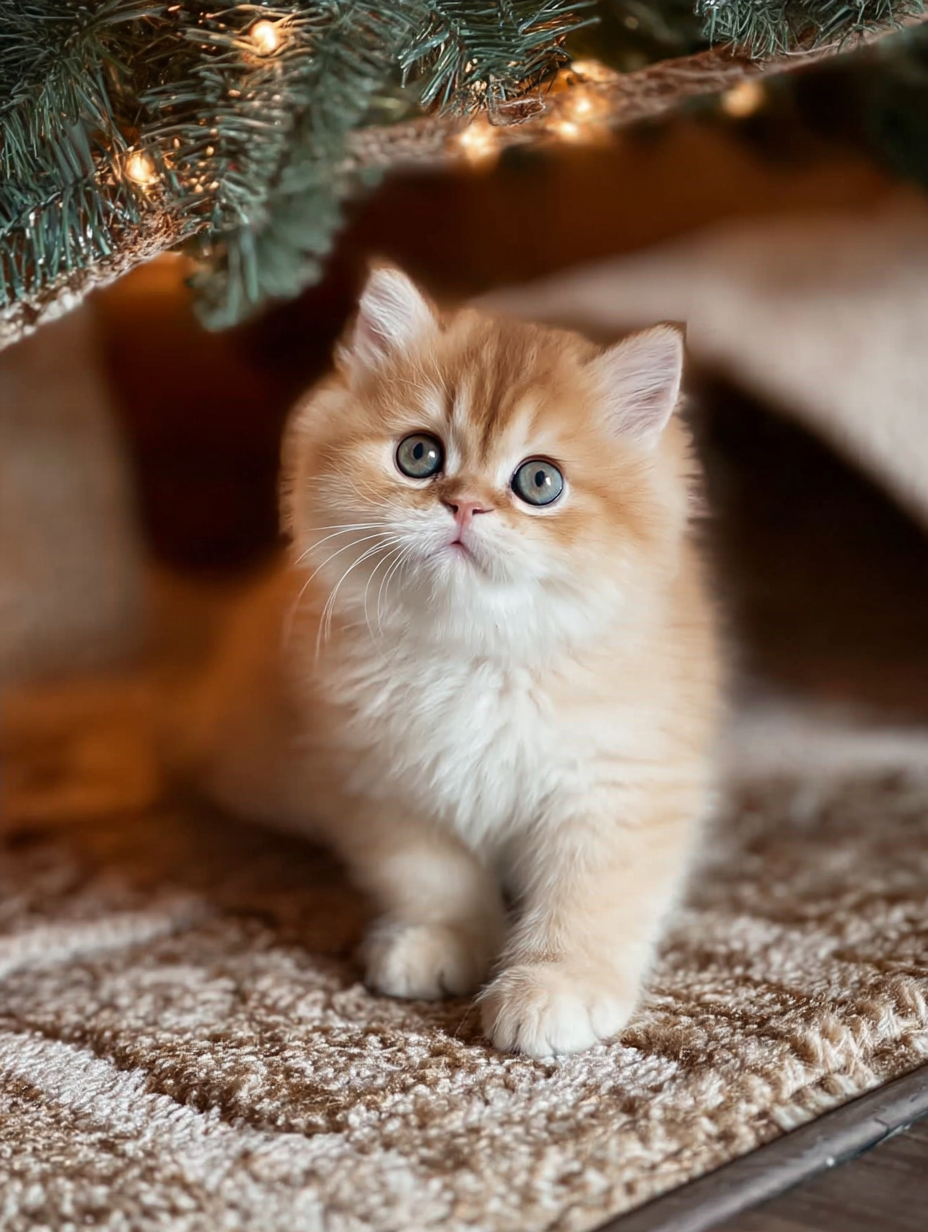
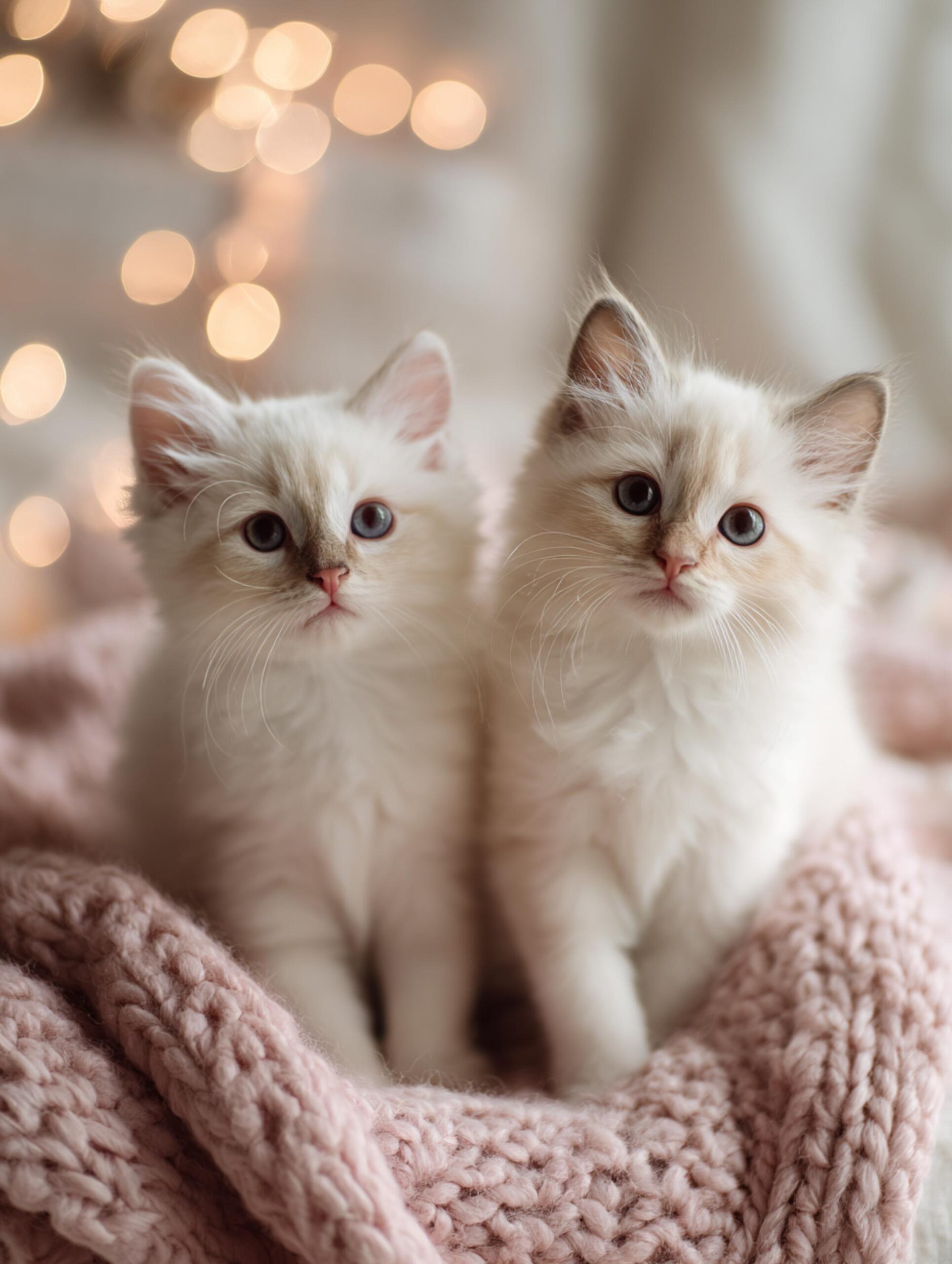
If you’re here because you love expressive faces, round eyes, plush coats, and calm, affectionate temperaments, we encourage you to explore our purebred, registered British Shorthair and Ragdoll kittens — raised in-home, health tested, and bred for structure, temperament, and long-term companionship.
At Almonte Cats, every kitten is:
- TICA/CFA registered from fully health-tested parents
- Raised in-home for confident, people-loving temperaments
- Vet-checked, vaccinated, and microchipped
- Handled daily for social, gentle, adaptable personalities
- Offered in multiple colors, including golden, blue, chocolate, lilac, and more
If you prefer consistent type, predictable structure, and established breed standards, our kittens offer everything people love about round-faced, teddy-bear style cats — without the uncertainty of hybrid development.
Resources and Related Posts
Learn More About Luxury Cats
- Blue British Shorthair Cats
- Maine Coon Kittens for Sale
- Ragdoll vs Persian Cats
- Ragdoll vs Ragamuffin
- British Shorthair Kitten Growth Stages
- British Shorthair vs Ragdoll
External Resources
- CFA – Cat Fanciers’ Association (British Shorthair Breed Standard)
https://cfa.org/british-shorthair/
2. TICA – The International Cat Association (British Shorthair Breed Info)
https://tica.org/breeds/british-shorthair
3. GCCF – Governing Council of the Cat Fancy (UK Breed Standard)
https://www.gccfcats.org/breeds/british-shorthair/
4. FIFe – Fédération Internationale Féline (British Shorthair Profile)
https://www.fifeweb.org/wp/breeds/bsh/
5. ACFA – American Cat Fanciers Association (British Shorthair Overview)
https://www.acfacat.com/breeds/british-shorthair/
6. VCA Hospitals – Cat Coat Color Genetics Overview
https://vcahospitals.com/know-your-pet/genetics-basics-coat-color
7. Cornell University College of Veterinary Medicine – Cat Genetics & Health
https://www.vet.cornell.edu/departments-centers-and-institutes/cornell-feline-health-center
8. University of California Davis – Veterinary Genetics Laboratory (Color Testing Info)
https://vgl.ucdavis.edu/services/cat-coat-color
9. International Cat Care – British Shorthair Breed Profile & Care
https://icatcare.org/advice/breeds/british-shorthair/
10. ASPCA – General Cat Care Guidelines
https://www.aspca.org/pet-care/cat-care





Read the Comments +