
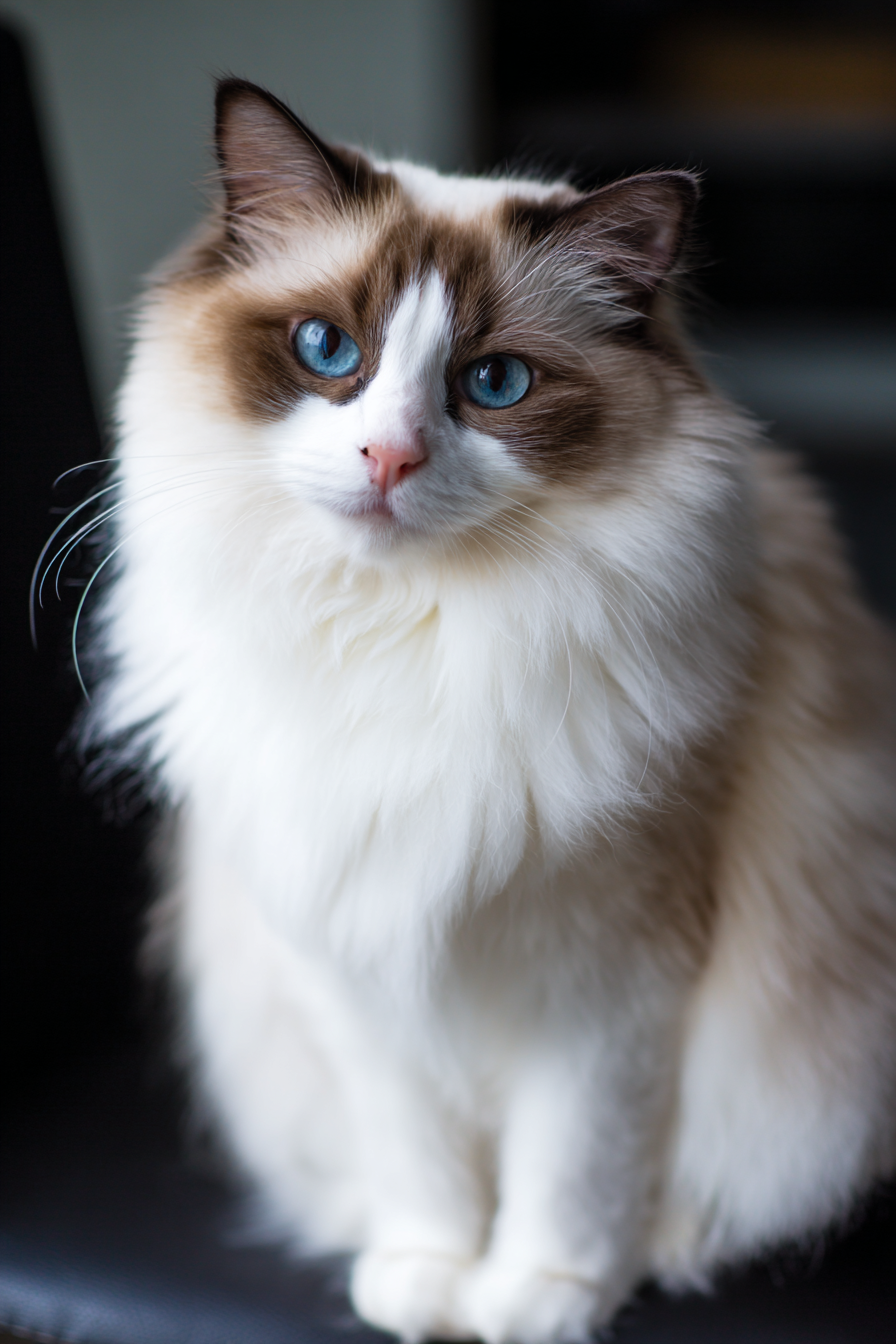
Seal Bicolor Ragdoll Cats: Color, Genetics, Temperament, Eye Color & Photos
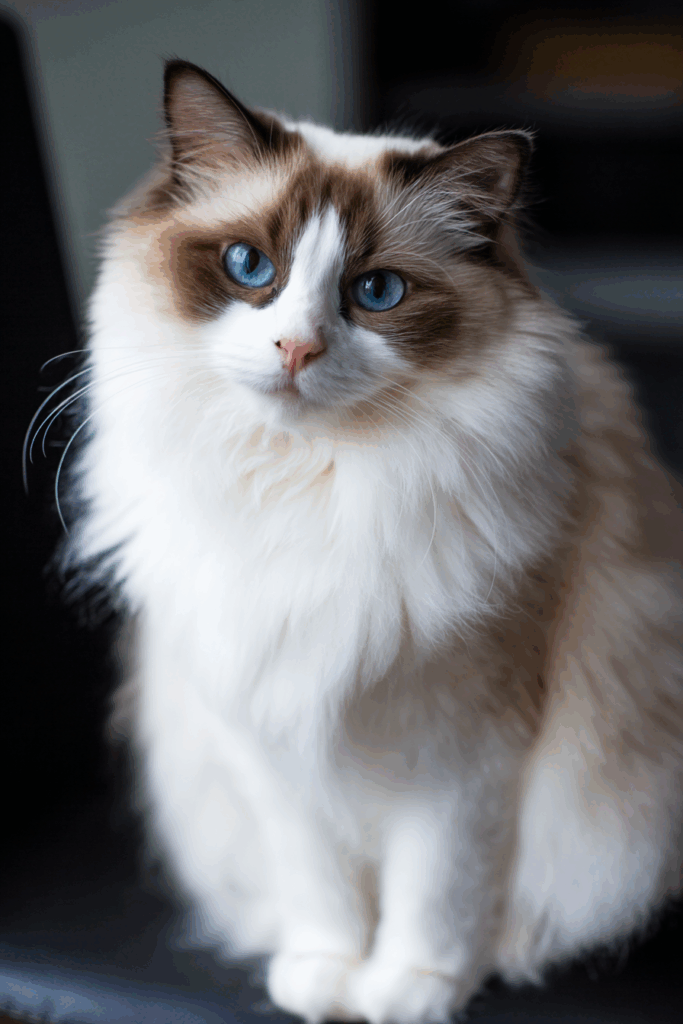
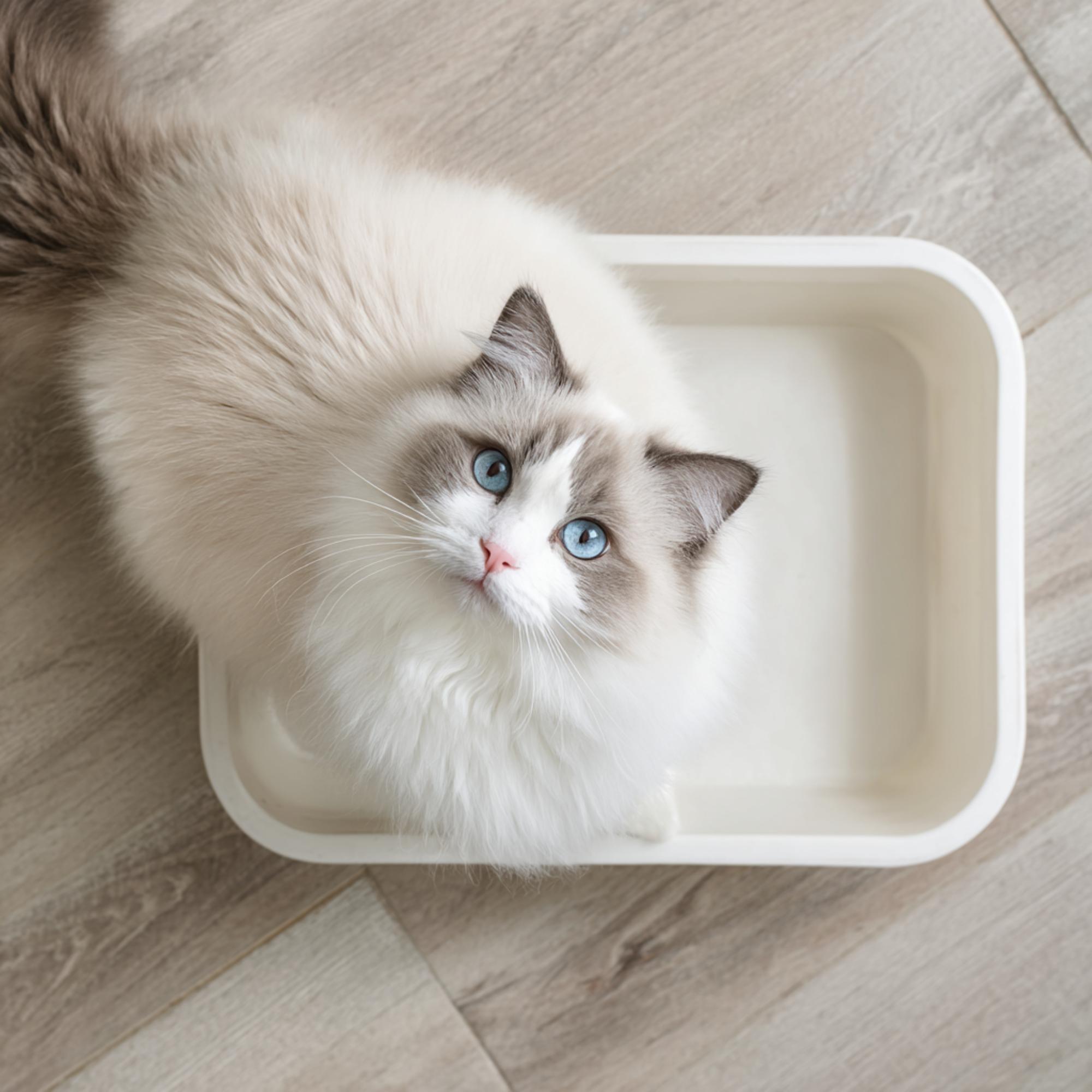
Seal bicolor Ragdolls are one of the most recognizable, and requested patterns in the entire Ragdoll breed. Their dark brown points, inverted white “V” mask, white legs, and plush semi-long coat give them the dramatic, high-contrast look families fall in love with instantly. Seal bicolors should have deep blue eyes, soft expressive faces, and a bold mix of dark pigment and white that contrasts.
This color is famous for its classic Ragdoll look: warm-toned, elegant, fluffy, and extremely photogenic. Seal bicolor Ragdolls are affectionate, floppy, sweet-natured, and deeply people-oriented — basically everything the breed is loved for.
This guide covers everything you want to know about the seal bicolor pattern, including color genetics, mask development, coat care, rarity, eye color, personality traits, grooming, kitten development, and what to expect when bringing home a seal bicolor Ragdoll kitten.
Quick Summary: Seal Bicolor Ragdoll Cats
A Seal Bicolor Ragdoll has dark seal-brown points with the classic bicolor white spotting pattern, producing white legs, chest, and an inverted “V” on the face. They have blue eyes, a gentle and affectionate temperament, and a large, slow-maturing build that reaches full size around 3–4 years. Their coat is easy to maintain, though white sections may require extra care to prevent staining. Seal bicolor kittens are born white, with their seal mask and points developing between 4–12 weeks and deepening over the next 2–3 years. As one of the most popular and highly requested Ragdoll patterns, availability can be limited despite consistent demand.
Seal Bicolor Ragdoll Quick Facts Table
| Trait | Summary |
|---|---|
| Color Genetics | Seal color combined with the bicolor pattern (white spotting gene); results in deep brown points with bright white legs, chest, and facial V. |
| Eye Color | Always blue; shade varies by lineage and maturity. |
| Personality | Gentle, affectionate, intelligent, social, and relaxed; color does not affect temperament. |
| Grooming Needs | Easy to moderate; white areas may show staining, seal points hide dirt well. |
| Hearing Concerns | No hearing-related risks linked to the seal bicolor pattern. |
| Size & Build | Large, muscular, and slow-maturing; full size reached at 3–4 years. |
| Rarity & Demand | Very high demand; one of the most requested Ragdoll patterns. |
| Kitten Development | Born white; seal points and mask emerge between 4–12 weeks and fully mature by 2–3 years. |
Searching for a Seal Bicolor Ragdoll Kitten?
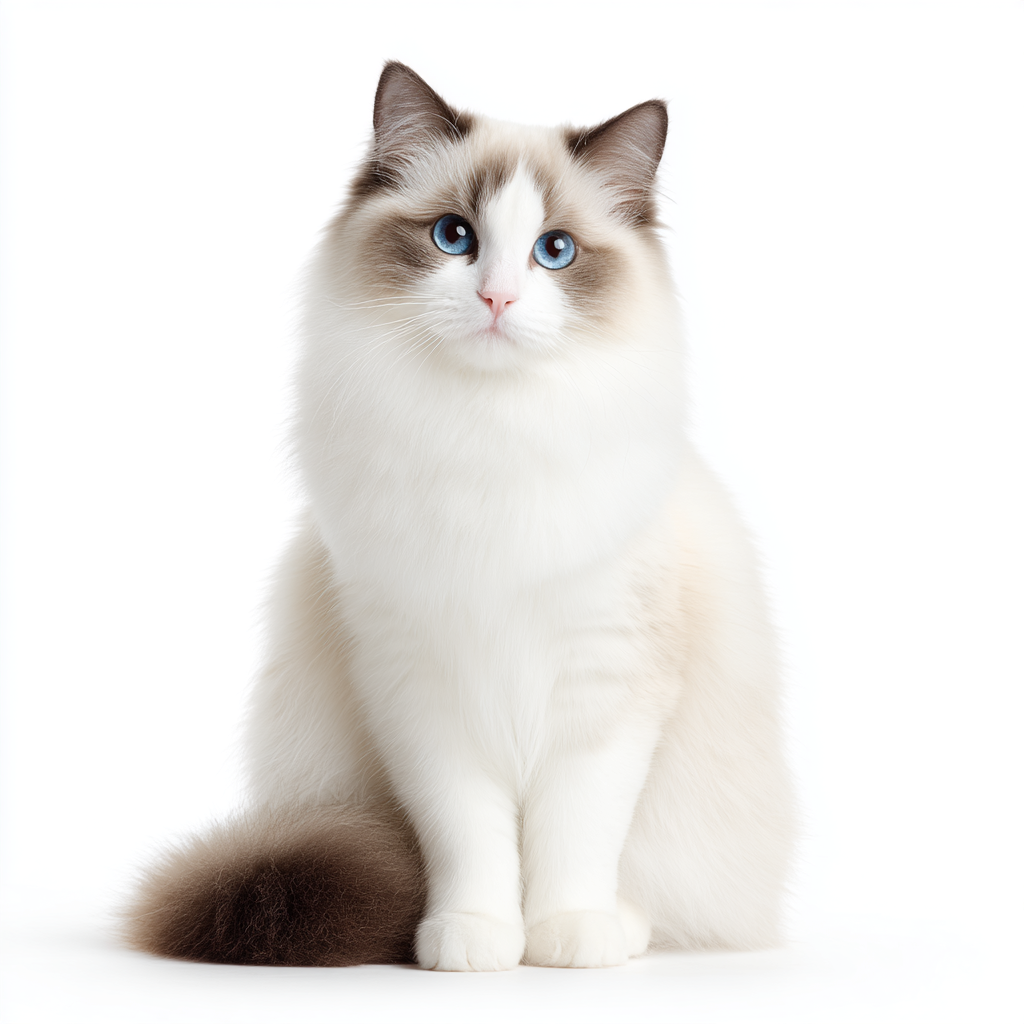
If you are looking for a seal bicolor Ragdoll kitten, visit our Purebred Ragdoll Kittens for Adoption page.
At Almonte Cats, every kitten is:
TICA / CFA registered from fully health-tested parents
Raised in-home for confident, affectionate temperaments
Vet-checked, vaccinated, and microchipped before going home
Matched to the right family based on personality and needs
Our litters are produced in limited numbers each year to maintain exceptional quality, structure, and type. Seal bicolors often reserve quickly due to high demand.
→ View Available Kittens and Apply
What Makes a Ragdoll Seal Bicolor?
A seal bicolor Ragdoll is not a separate breed — it is a color + pattern combination within the standard Ragdoll pattern category.
Two genetic components create the seal bicolor pattern:
1. The Seal Color
“Seal” in Ragdolls means a deep, warm, rich brown that develops on the ears, tail, and portions of the face. Kittens start out white and gradually darken as their body temperature activates pigment production. Seal is the most dramatic point color and often deepens for several years.
2. The Bicolor Pattern (White Spotting)
The bicolor gene adds the white inverted “V,” the white legs, the white chest, and the white underside. This creates the classic pattern seal bicolors are known for and produces the high-contrast look admired in this variety.
Key points:
Seal bicolors always have blue eyes.
The coat is semi-long, silky, and lush, typical of the Ragdoll breed.
The white spotting gene does not affect health or hearing.
The kitten’s seal points deepen significantly with age.
Are Seal Bicolor Ragdolls Purebred and Registrable?
Yes — seal bicolor Ragdolls are fully accepted in CFA and TICA and are considered completely purebred when produced from registered parents.
Seal bicolor is:
A standard pattern
Part of the official Ragdoll breed standard
Eligible for showing and registration
One of the most recognizable Ragdoll looks worldwide
The pattern does not change the structure, temperament, or authenticity of the breed.
Seal Bicolor Ragdoll Marking Variations
High-White vs. Low-White Seal Bicolor Patterning
Seal bicolor Ragdolls can appear in high-white or low-white variations depending on how much white spotting the kitten inherits. High-white seal bicolors show large areas of white across the legs, chest, belly, and sometimes the back. Their inverted V tends to appear bold and wide. Low-white seal bicolors show more seal coloring across the saddle and back, and their facial V may be narrower or more delicate. Both versions are accepted in the breed standard and do not affect temperament or quality.
Symmetrical vs. Asymmetrical Inverted “V” Masks
The inverted V is the hallmark of the bicolor pattern. A show-quality seal bicolor will have a clean, even, symmetrical V. A pet-quality V may be slightly off-center, wider, narrower, or uneven. These variations are purely aesthetic and do not affect personality, health, or sweetness. Many families love the individuality of asymmetric Vs because they create a one-of-a-kind look.
Seal Bicolor vs. Seal Mitted vs. Seal Colorpoint
Seal bicolors are often confused with seal mitted and seal colorpoints.
- Seal bicolors have the white facial V, white legs, and a white underbelly — the full bicolor pattern.
- Seal mitted Ragdolls have white mittens, a white chin, and sometimes a blaze, but no facial V.
- Seal colorpoints have no white at all and show fully colored faces, ears, tails, and legs.
Understanding these distinctions helps buyers identify patterns correctly and prevents mislabeling, especially when kittens are still developing their markings.
Does Asymmetry Impact Temperament?
No. Seal bicolor marking variations — whether high-white or low-white, symmetrical or asymmetrical, broad V or narrow V — have absolutely no influence on temperament. These differences are strictly visual. All seal bicolor Ragdolls share the same calm, affectionate, floppy, people-focused temperament the breed is famous for.
How Seal Bicolor Ragdolls Change With Age
Newborn Phase — All White at Birth
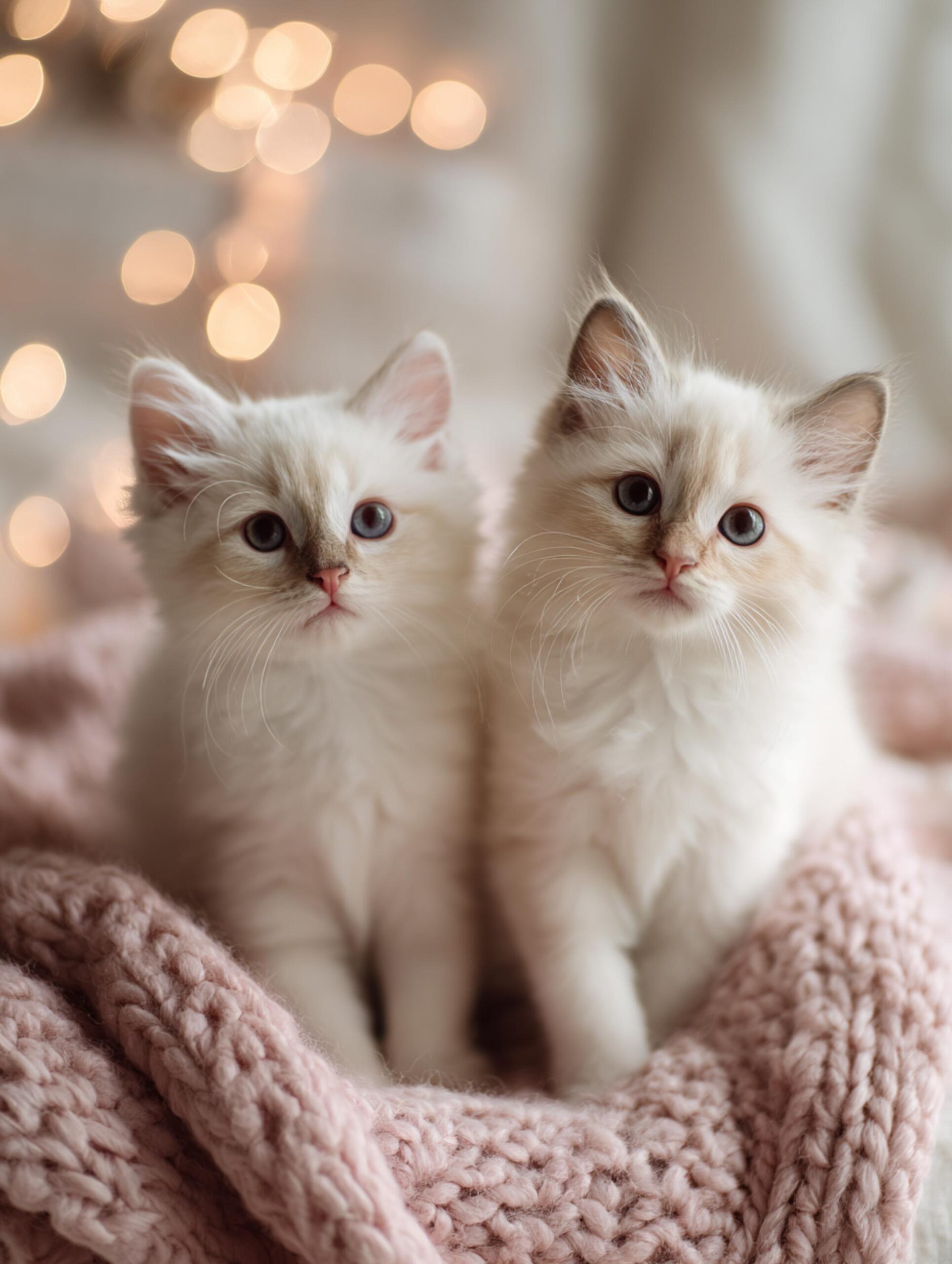
Seal bicolor kittens are born completely white. Their pink noses and pale pads give no instant indication of which pattern they will be. Even experienced breeders must wait several days for the earliest hints of seal pigment to appear at the ears or tail. Because seal is a warm dark brown, the earliest shading sometimes appears as a soft beige tint before darkening.
4–8 Weeks — Early Mask and Point Development
Between four and eight weeks, faint seal-brown shading begins developing on the ears and tail. The inverted “V” on the face starts to become visible as the surrounding areas darken. Some seal bicolor kittens look uneven or lightly shaded at this stage, which is completely normal. Seal pigment builds gradually and rarely appears fully uniform in young kittens.
8–12 Weeks — Color Contrast Becomes Clearer
During this stage, the seal points deepen and the facial mask sharpens dramatically. The inverted V becomes more defined, the white legs stand out, and the seal shading spreads gradually along the tail and ears. This window is when buyers can most accurately judge pattern quality, symmetry, and contrast.
6 Months — Pattern and Boot Symmetry Show Up
By six months, the seal bicolor pattern is clearly established. The seal pigment becomes richer and more stable, the saddle shading begins forming, and the facial V is about 80–90% of its final appearance. At this point, any asymmetry in the mask, legs, or saddle becomes visible and consistent.
1–3 Years — Full Maturity and Coat Bloom
Ragdolls are slow to mature, and seal bicolors take up to three years to reach their final depth of color and full coat. Seal pigment continues to darken gradually, often becoming a deep chocolate-brown. The coat becomes lush, full, and dramatically photogenic. Mature seal bicolors have their strongest contrast during this stage, displaying a rich seal mask framed by bright white.
Seal Bicolor vs. Seal Mitted vs. Seal Colorpoint
Why These Patterns Are Often Confused
Seal Ragdolls all share the same deep brown pigment, which makes it easy for beginners to mix up the three patterns. The differences come down to white spotting and facial structure, not color.
Pattern Comparison Table
| Trait | Seal Bicolor | Seal Mitted | Seal Colorpoint |
|---|---|---|---|
| Face | White inverted V | Dark mask + possible blaze | Full seal mask |
| Legs | All white | White mittens | No white |
| Chest | White | White chin + bib | Colored |
| Body | White patches + seal shading | Mostly color | All color |
| Eyes | Blue | Blue | Blue |
What Makes a Bicolor Unique
Only bicolor Ragdolls — including seal bicolors — have the inverted “V” facial pattern. No other Ragdoll pattern features this defining mask. The white legs and white underside also separate bicolors from mitteds and colorpoints.
Why Buyers Prefer Bicolors
Seal bicolors are often viewed as the “classic Ragdoll look” because of their bold contrast, dark points, and bright white markings. Their facial V highlights their blue eyes, giving them an expressive and photogenic appearance. Many families feel seal bicolors look the most dramatic in photos and videos.
Temperament of Seal Bicolor Ragdolls
The Signature Ragdoll Personality
Seal bicolor Ragdolls display the same affectionate, docile, and deeply social temperament Ragdolls are loved for. They follow their families from room to room, enjoy soft companionship, and tend to relax wherever their people settle. Seal bicolors are easygoing, intelligent, and quick to bond.
Why Seal Bicolors Are Perceived as Extra Gentle
Color does not change personality, but many families describe seal bicolors as appearing softer or sweeter because the deep seal mask emphasizes their expressive blue eyes. Their high-contrast faces often make them look warm, calm, and open, which enhances the emotional connection owners feel.
Social and Emotional Behavior
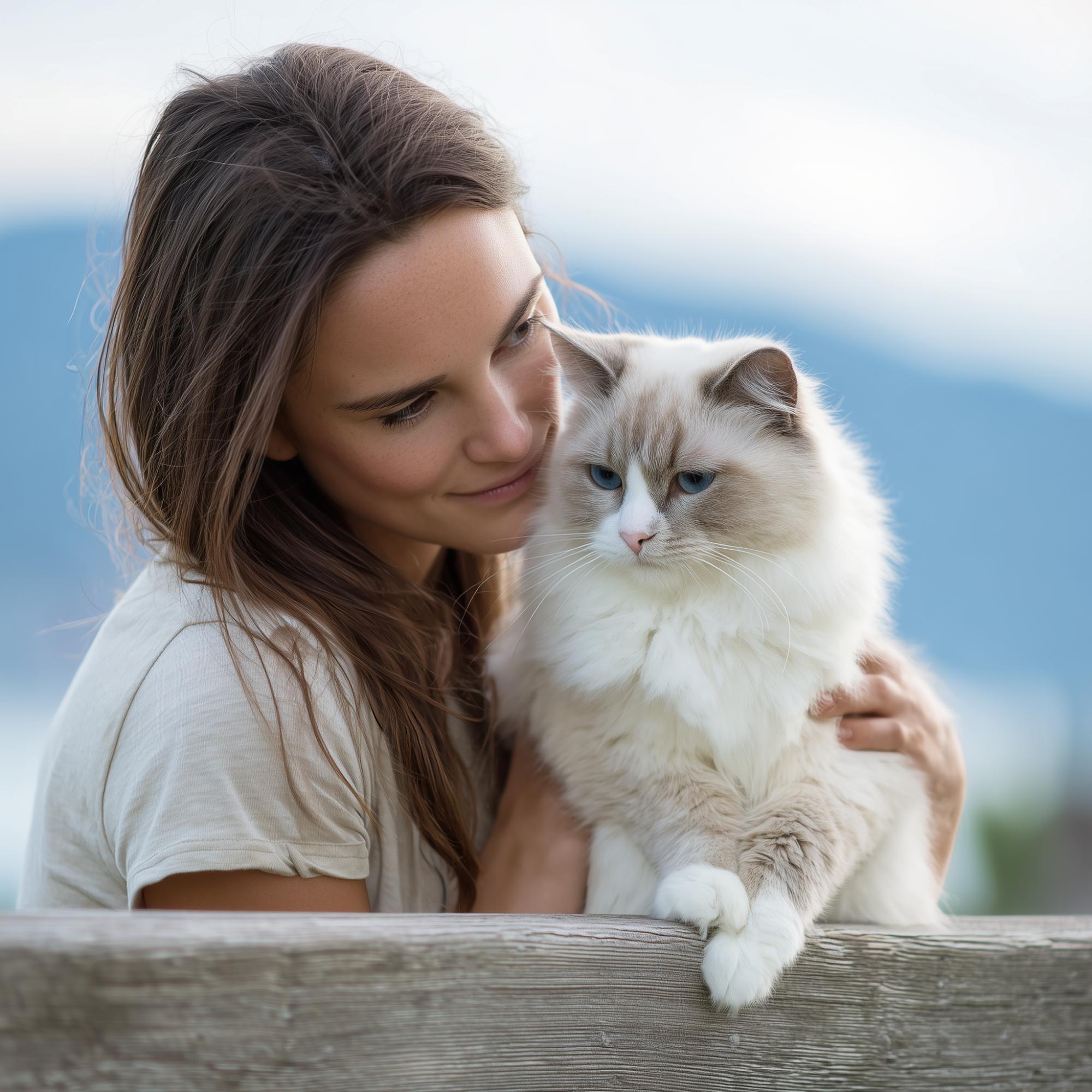
Seal bicolor Ragdolls communicate through gentle chirps, soft meows, slow blinks, and affectionate headbutts. They thrive on predictable routines and calm interaction. Many enjoy being carried, cradled, or held in the classic Ragdoll “flop,” relaxing fully in their owner’s arms.
Ideal Homes for Seal Bicolor Ragdolls
Seal bicolors do well in quiet or moderately active homes, including families with children, seniors, and multi-pet environments. Their patience, friendliness, and adaptability make them excellent family companions and ideal indoor pets.
Is the Seal Bicolor Ragdoll Pattern Rare?
Genetic Availability vs. Actual Availability
Seal bicolor is not genetically rare. Breeders who work with bicolor lines can produce seal bicolors predictably. However, because demand is extremely high, seal bicolors feel rare in practice.
Why Perfectly Marked Bicolors Are Difficult to Produce
A symmetrical inverted V is challenging to achieve. Even with strong lines, only a small percentage of kittens per litter have perfect show-quality markings. This makes those kittens more desirable and often more expensive.
Regional Availability Differences
Not all breeders focus on bicolors. In many regions, mitted or colorpoint lines dominate, which can increase waitlists for seal bicolors specifically. This also contributes to the perception of rarity.
Why Many Buyers Consider Seal Bicolor “Rare”
Between symmetry challenges, high demand, and limited breeding numbers, seal bicolors often reserve extremely quickly. Many catteries see them chosen first, which reinforces their reputation as a highly sought-after pattern.
Seal Bicolor Ragdoll Eye Colors
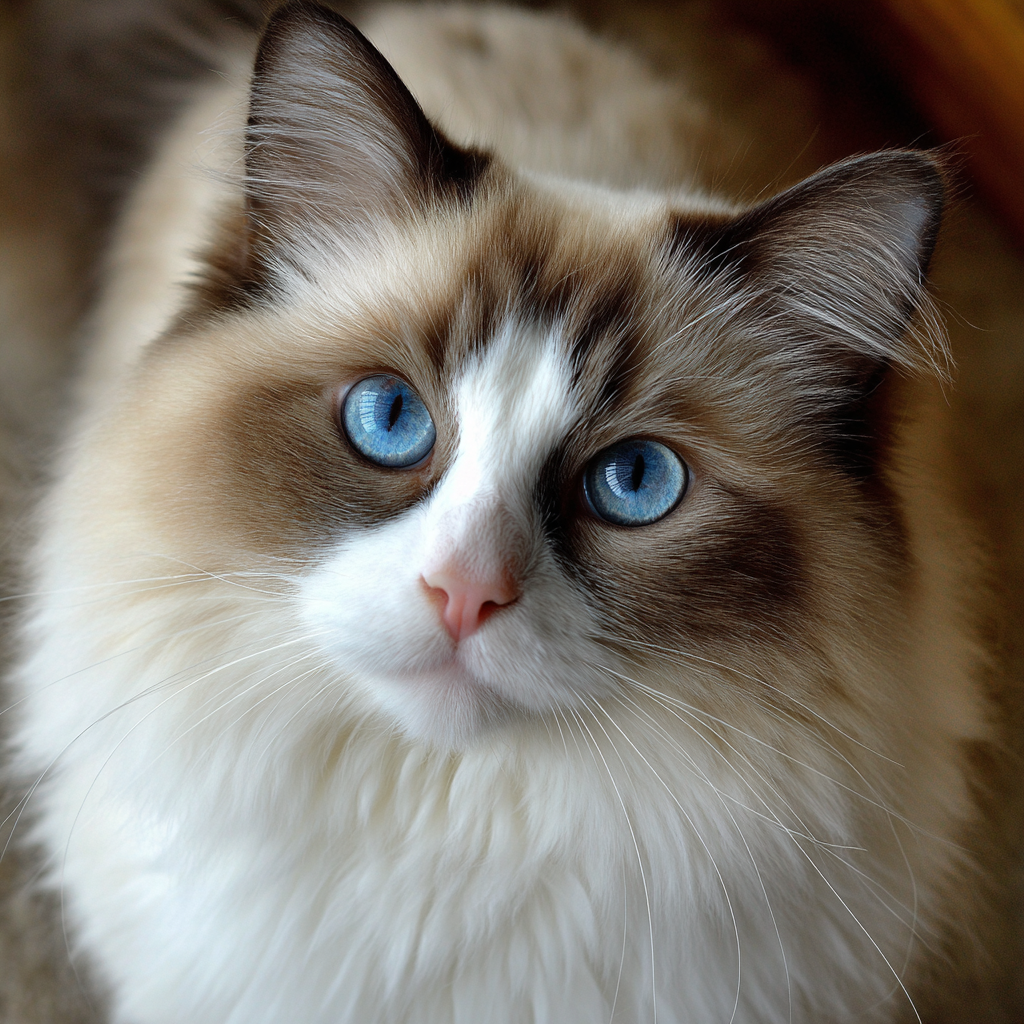
Seal bicolor Ragdolls always have blue eyes — this is required for all purebred pointed Ragdolls. Depth and shade vary by genetics and line quality.
Eye shades may include:
pale sky blue
medium sapphire
deep royal blue
icy or crystal blue
violet-blue undertones (rare but possible)
Common Questions
Do seal bicolor kittens always have blue eyes?
Yes. Seal bicolors retain blue eyes for life.
Why do some seal bicolors have deeper eye color?
Line quality. Stronger eye pigment comes from selective breeding.
Can a seal bicolor have odd eyes?
Not in purebred Ragdolls. Odd eyes suggest a dominant white gene, which is not part of the Ragdoll breed standard.
Coat Care and Tangle Management
Seal bicolor coats are known for their rich contrast — the deep seal points paired with bright white markings — and while they are naturally silky and low-maintenance, the white areas benefit most from routine grooming.
Focus extra attention on these spots where tangles can form:
- the ruff and chest
- behind the ears
- tail and hindquarters
- belly, armpits, and pantaloons
Because the white patterning shows dirt and staining more visibly than the seal points, weekly upkeep keeps your seal bicolor looking luminous, clean, and plush.
How Often Should You Groom a Seal Bicolor Ragdoll?
Their coat is resilient and mat-resistant, but a predictable schedule keeps the contrast sharp and the white bright.
Weekly:
- full-body brushing
- chin and mouth-area wipe
- gentle tear-area cleaning
- paw wipe to maintain white feet
Monthly:
- bath if necessary
- whitening or brightening shampoo on white areas only
- grooming powder or chalk for added clarity and vibrancy
Regular grooming enhances the dramatic seal-and-white contrast and prevents dulling of the pattern.
Seal Bicolor Ragdoll Kittens
Seal bicolor kittens arrive completely white at birth. Their darker seal pigment develops slowly, giving owners a front-row seat to a beautiful color transformation.
Between 4–10 weeks, you’ll see:
- ears darken first with warm seal shading
- tail color begins to emerge
- the iconic inverted white “V” becomes crisp
- seal patches form on the upper face and mask
- eye color intensifies toward vivid blue by 12–14 weeks
Their full seal depth, face mask, and saddle shading continue to mature over 2–3 years, as Ragdolls are famously slow-developing.
The seal bicolor ragdolls are considered one of the most classic and recognizable looks in the breed, often photographed for their high contrast and striking expression.
Seal Bicolor Ragdoll Price & Availability
Seal bicolor Ragdolls are among the most requested color patterns because of their traditional appearance and dramatic contrast.
Average price range:
- $3,500–$5,000 — pet quality
- $5,000–$7,000+ — show/breeding quality
Exceptional examples with a perfect symmetrical V, deep sapphire eyes, or rare lineage can exceed these ranges.
Pricing typically reflects:
- difficulty of producing balanced symmetry
- eye color depth
- coat color saturation
- pedigree and breeder reputation
- health testing and registration
Seal bicolor kittens tend to reserve quickly, particularly kittens with correct markings from dark parents.
Seal Bicolor Ragdoll FAQ
What is a Seal Bicolor Ragdoll?
A Seal Bicolor Ragdoll is a pointed Ragdoll with deep seal brown coloration on the ears, tail, and saddle, combined with clearly defined white patterning on the face, chest, legs, and belly. The hallmark of the pattern is the inverted white V on the face and the full white legs that contrast sharply against the warm seal points. Seal bicolors are one of the most traditional and recognizable Ragdoll color patterns and are accepted by all major Ragdoll registries.
How do I know if my Ragdoll is a Seal Bicolor?
You can identify a seal bicolor by its dark brown (seal) ears and tail, a crisp white facial V, a warm seal mask that does not completely cover the nose, and fully white legs. The seal color appears warm, rich, and chocolate-toned rather than cool gray. The saddle on the back may be partially shaded in seal, but the front legs and belly remain white. Eye color should be a vivid blue.
What is the difference between Seal Bicolor and Seal Mitted Ragdolls?
Both are seal-based patterns, but seal mitted cats have white mittens and a white chin, while seal bicolors have a full white mask forming a V and completely white legs. Seal bicolors also show more white on the body and face, while mitted cats display a more balanced mix of seal and white. Additionally, bicolors often look “higher contrast,” which is why they photograph so well.
Are Seal Bicolor Ragdolls rare?
Seal bicolors are not rare in the breed overall, but show-quality symmetrical bicolors are more difficult to produce. Perfectly shaped inverted V masks, correctly placed color saddle, and bright white legs require careful breeding. Because symmetry is valued and harder to achieve, high-quality seal bicolor kittens are in higher demand.
Do Seal Bicolor Ragdolls stay white?
The white areas remain bright white throughout life, but the seal points deepen over time. Kittens start entirely white and gradually develop their seal tones through the first months. By adulthood, the white contrast is still visible, but the seal patches become richer and warmer. They do not fade into all-white cats; the seal color intensifies rather than lightens.
When do Seal Bicolor Ragdolls get their full color?
Seal bicolor Ragdolls mature slowly. You can expect:
- 4–10 weeks: early seal shading on ears and tail
- 12–14 weeks: clearer mask and defined white V
- 6 months: deeper seal points and saddle formation
- 2–3 years: full maturity in color, body type, and coat density
Because Ragdolls develop gradually, adult seal bicolors have richer tones than kittens.
Why was my Seal Bicolor Ragdoll born white?
All pointed Ragdolls — including seal bicolors — are born pure white. The color-point gene is temperature-sensitive, meaning pigment forms only on the cooler parts of the body after birth. The seal pigment begins developing within weeks, creating gradual shading on the ears, tail, face, and saddle.
Are Seal Bicolor Ragdolls friendly and calm?
Yes. Seal bicolor Ragdolls are known for their gentle, affectionate, and easygoing temperament. They tend to be relaxed, people-oriented, and good with children, seniors, dogs, and other cats. The color pattern does not influence temperament; the calm personality is a trademark of the breed itself.
Do Seal Bicolor Ragdolls shed a lot?
They shed moderately year-round and heavily during seasonal changes. Their silky coat does not mat easily, but white areas can show dirt or discoloration more quickly. Weekly brushing helps manage shedding and keeps the coat clean, fluffy, and tangle-free.
Are Seal Bicolor Ragdolls high maintenance?
No. Although they look glamorous, Ragdolls have one of the easiest long-haired coats to maintain. Seal bicolors require routine grooming to keep the white areas bright, but their overall coat texture is naturally smooth and resistant to tangles.
Do Seal Bicolor Ragdolls get tear stains?
Some may, especially kittens or cats with large white facial areas. Tear stain visibility is more noticeable on white fur. Daily or weekly eye-area cleaning prevents staining and keeps the white fur bright.
Are Seal Bicolor Ragdolls always blue-eyed?
Yes. All purebred, standard-pointed Ragdolls — including seal bicolors — have blue eyes. The shade varies from medium blue to deep sapphire. Eye color continues to intensify during the first months of life.
What is the difference between Seal Bicolor and Blue Bicolor Ragdolls?
The difference is the base pigment.
- Seal bicolor: warm, rich brown points
- Blue bicolor: cool, steel-gray diluted points
Seal bicolors offer a stronger contrast against white, while blue bicolors appear softer and lighter.
Can Seal Bicolor Ragdolls have darker or lighter shades?
Yes. Seal depth varies based on genetics, temperature, lineage, and individual variation. Some seals appear very dark and dramatic, while others show warm chestnut undertones. Both fall within the normal range of seal coloring.
Why is my Seal Bicolor turning darker?
Ragdolls darken naturally with age due to the temperature-sensitive color-point gene. Cooler environments, seasonal changes, hormonal changes, and age can all deepen the seal pigment. The white areas, however, remain bright.
Are Seal Bicolor Ragdolls good with children and dogs?
Yes. This color is extremely popular with families because seal bicolors tend to be patient, tolerant, and social. They usually bond strongly with their people and enjoy gentle interaction, making them excellent companions for homes with respectful children or friendly dogs.
Do Seal Bicolor Ragdolls like to be held?
Most Ragdolls are known for their “floppy” tendencies and relaxed nature when carried. Many seal bicolors enjoy being held, cuddled, and cradled, although individual preferences vary.
How much does a Seal Bicolor Ragdoll cost?
Typical price ranges:
- $3,500–$5,000 for pet quality
- $5,000–$7,000+ for show or breeding quality
Exceptional symmetry, deep eye color, strong structure, and top pedigrees can increase price.
Why are Seal Bicolor Ragdolls so expensive?
Seal bicolors are one of the hardest patterns to breed to high show standard due to the strict placement of white and the required inverted V. Breeders invest heavily in health testing, genetic diversity, imports, nutrition, and early socialization, contributing to the higher cost.
Do Seal Bicolor Ragdolls have health issues?
Seal bicolors do not have color-specific health issues. However, the breed as a whole may be predisposed to hypertrophic cardiomyopathy (HCM) and kidney conditions. Responsible breeders screen for these issues and only pair clear, health-tested cats.
Are Seal Bicolor Ragdolls hypoallergenic?
No. Ragdolls, including seal bicolors, are not hypoallergenic. They produce the Fel d 1 allergen like all cats. Some individuals may trigger fewer symptoms in mild allergy sufferers, but the breed cannot be considered hypoallergenic.
Do Seal Bicolor Ragdolls need baths?
They do not require regular bathing, but monthly or occasional baths can help maintain bright white fur—especially on the chest, belly, and legs. Whitening shampoos formulated for light coats are commonly used by show breeders.
Do Seal Bicolor Ragdolls get along with other cats?
Yes. This breed is known for its gentle nature and typically integrates well into multi-cat households. They prefer peaceful, cooperative environments rather than high-conflict or highly territorial situations.
What age do Seal Bicolor Ragdolls calm down?
Most Ragdolls naturally mellow out by 18–24 months. They are typically calm kittens compared to other breeds, but true maturity — including their famously relaxed personality — appears during their second year.
Do Seal Bicolor Ragdolls grow large?
Yes. Ragdolls are one of the largest domestic cat breeds. Seal bicolors reach:
- 15–20+ lbs for males
- 10–15 lbs for females
Full size typically appears at 3–4 years old.
Are Seal Bicolor Ragdolls smart?
They are intelligent, people-oriented, and capable of learning routines, tricks, and name recognition. They respond well to positive reinforcement and structured environments.
Should I choose a Seal Bicolor Ragdoll kitten?
Many buyers prefer seal bicolors because they offer:
- the classic Ragdoll expression
- dramatic contrast for beautiful photos
- bright blue eyes
- strong breed-typical appearance
- high consistency in adult look
This pattern remains one of the top choices for families, first-time owners, photographers, and show homes.
Looking for a Seal Bicolor Ragdoll Kitten?
If you love the dark seal contrast, the white facial V, and the classic Ragdoll look, checkout our upcoming litters. We raise well-socialized, healthy, and authentically marked Ragdoll kittens with gorgeous eye color and confident temperaments.
More Ragdoll Color Resources
- Bicolor Ragdoll Kitten Color Post
- Seal Bicolor Ragdoll Kittens
- Blue Bicolor Ragdoll Guide
- Blue Bicolor Ragdoll Kittens
- White Ragdoll Cats
- Lilac Ragdoll Cats
- Lynx Ragdoll Cats
More Ragdoll Information
- Ragdoll Breeder Near Me
- Ragdoll Kittens for Sale
- Ragdoll Cat Breed Standard
- Ragdoll Cats Hypoallergenic
- Ragdoll Prices
- Ragdoll Lifespan
- Ragdoll Cat Mixes
- Ragdoll Grooming
- Can Ragdoll Cats be Tabby
Seal Bicolor Ragdoll Sources
- CFA Ragdoll Breed Standard
https://cfa.org/ragdoll/ragdoll-standard/ - TICA Ragdoll Breed Information
https://tica.org/breeds/browse-all-breeds?view=article&id=863&catid=79 - GCCF Ragdoll Registration Policy
https://www.gccfcats.org/wp-content/uploads/2021/10/RagdollRegistrationPolicy.pdf - FIFe Ragdoll Breed Category
http://fifeweb.org/wp/breeds/breeds_prf_stn.php - Ragdoll Fanciers Worldwide Club
https://rfwclub.org/ - UC Davis VGL: Colorpoint & Coat Color Genetics
https://vgl.ucdavis.edu/services/cat-coat-color - Messybeast Cat Genetics Library
https://messybeast.com/colour-charts.htm - International Cat Care – Coat & Grooming Care
https://icatcare.org/advice/grooming-your-cat/ - Journal of Feline Medicine and Surgery
https://journals.sagepub.com/home/jfm - The Ragdoll Fanciers Club International (RFCI)
https://www.rfci.org/






Read the Comments +