
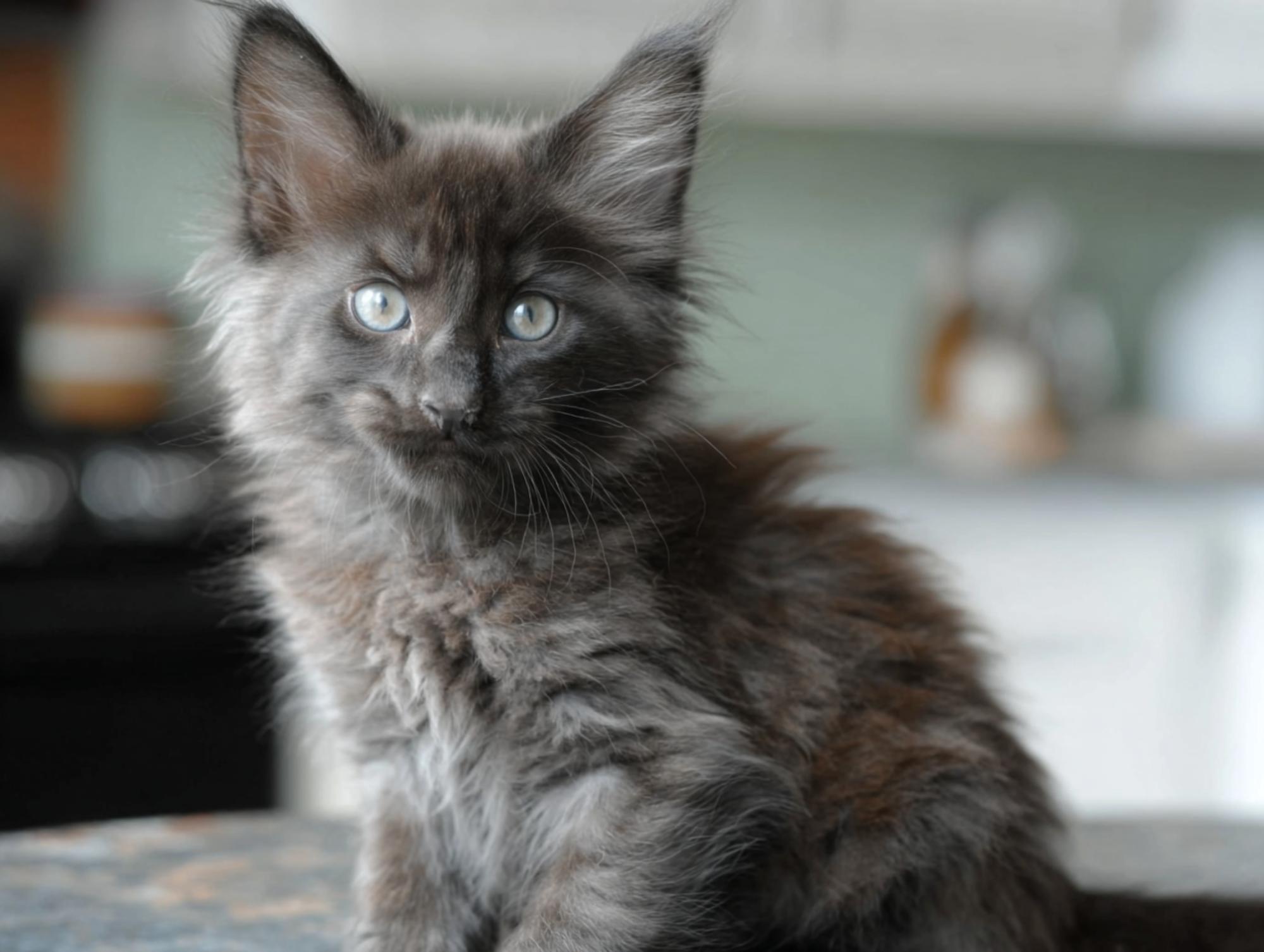
Should I Get One Maine Coon Kitten or Two?

Yes, one Maine Coon kitten can be happy, but two Maine Coon kittens almost always do better emotionally, especially in homes where people work or travel. Maine Coons are highly social cats, and most problems owners struggle with come from unmet companionship needs, not personality.
This question dominates forums and Reddit because people notice issues months after bringing a single kitten home and start searching for answers once behavior changes appear. Most advice online centers on cost, space, or owner convenience instead of what actually supports a Maine Coon kitten’s mental health. This guide explains the difference between independence and loneliness so you can make a decision that holds up over the next 15 years, not just the first few weeks.
One vs Two Maine Coon Kittens: Quick Decision Guide
| Your Situation | Better Choice |
|---|---|
| Someone is home most of the day | One kitten can work |
| Full-time work or long hours away | Two kittens |
| Frequent travel or schedule changes | Two kittens |
| Want calmer nights and less disruption | Two kittens |
| Very predictable daily routine | One kitten may work |
| Limited time for daily play | Two kittens |
| Want built-in companionship for the kitten | Two kittens |
| Willing to invest upfront for long-term ease | Two kittens |
Quick takeaway:
One Maine Coon kitten can thrive in very specific circumstances. Two Maine Coon kittens support emotional health in far more real-world households.
Thinking about a Maine Coon kitten?
Whether you’re leaning toward one or considering two, we raise Maine Coons with social confidence and real-life households in mind. If you want help choosing the right fit, we’re happy to chat.
👉 See our available Maine Coon kittens or join the waitlist
Short Answer: Is One Maine Coon Kitten Enough?
Yes, one Maine Coon kitten can be enough in very specific situations where someone is home most of the day, interaction stays consistent, and routines rarely change.
No, one Maine Coon kitten is not enough for most modern households where people work full time, travel, or spend long stretches away from home. In those environments, a single kitten often lacks the constant social interaction this breed expects.
Clear clarification: Maine Coons are not solitary cats. They evolved and developed as highly interactive companions. Loneliness does not show up as visible sadness. It shows up as excessive vocalization, clinginess, destructive play, sleep disruption, or behavior changes that owners often mistake for personality problems.
Why Maine Coon Kittens Need More Social Interaction Than Other Cats
Maine Coon kittens show unusually strong social intelligence compared to many other breeds. They read human behavior closely, seek interaction, and stay mentally engaged with what happens around them. This trait makes them wonderful companions, but it also means they feel the absence of interaction more acutely.
Maine Coons are people-oriented and interactive by nature. They do not simply coexist in a space. They want to participate in it. Kittens follow their people from room to room, observe routines, and insert themselves into daily activity. This constant engagement forms the foundation of their confidence and emotional regulation.
They are built to follow, observe, and engage rather than retreat and self-entertain. When that engagement disappears for long stretches of time, the kitten does not automatically adapt. Instead, the unmet need looks for an outlet.
This is why “independent cat” advice fails with Maine Coons. That guidance assumes cats prefer long periods of solitude and minimal interaction. Maine Coons tolerate solitude less than many breeds, especially during kittenhood when social development peaks.
Boredom and loneliness often get mislabeled as behavior issues because the signs appear gradually. Owners see increased vocalization, clinginess, nighttime disruption, or destructive play and assume the kitten is demanding or difficult. In reality, the kitten lacks consistent social feedback. Another kitten fills that gap in a way humans cannot always replicate.
One Maine Coon Kitten vs Two: What Actually Changes
The difference between one kitten and two shows up less in the first weeks and more in long-term emotional stability and behavior.
Emotional Health
Two kittens regulate stress through play and physical interaction. Wrestling, chasing, and mutual grooming release energy and reduce internal tension in ways solo kittens cannot replicate alone.
This play-based regulation lowers anxiety and reduces clinginess. A single kitten often relies entirely on people to meet emotional needs, which increases dependency and frustration when humans are unavailable.
Daily Stimulation
Two kittens provide constant, responsive stimulation. They react to each other instantly and naturally, without schedules or cues.
Human-dependent entertainment requires timing, energy, and availability. Toys help, but toys do not respond, set boundaries, or adapt the way another kitten does. Toys cannot replace real social interaction.
Behavior Outcomes
Paired kittens show less destructive play because they burn energy together instead of redirecting it toward furniture, cords, or hands.
Excessive vocalization decreases because social needs get met consistently throughout the day.
Sleep and routines stabilize faster because kittens exhaust themselves appropriately and feel secure. Households with two kittens often notice calmer evenings and fewer nighttime disruptions.
In practical terms, two Maine Coon kittens grow into more balanced, confident adults with fewer stress-driven behaviors, not because they receive less attention, but because they receive the right kind of attention.
What Happens in the First 6 Months With One vs Two Kittens
The difference between one Maine Coon kitten and two usually does not show up immediately. It unfolds over the first several months as social needs increase and energy peaks.
First weeks home
In the beginning, single kittens often appear content. Everything feels new, and the kitten receives constant attention during the adjustment period. Owners interpret this early calm as proof that one kitten is enough.
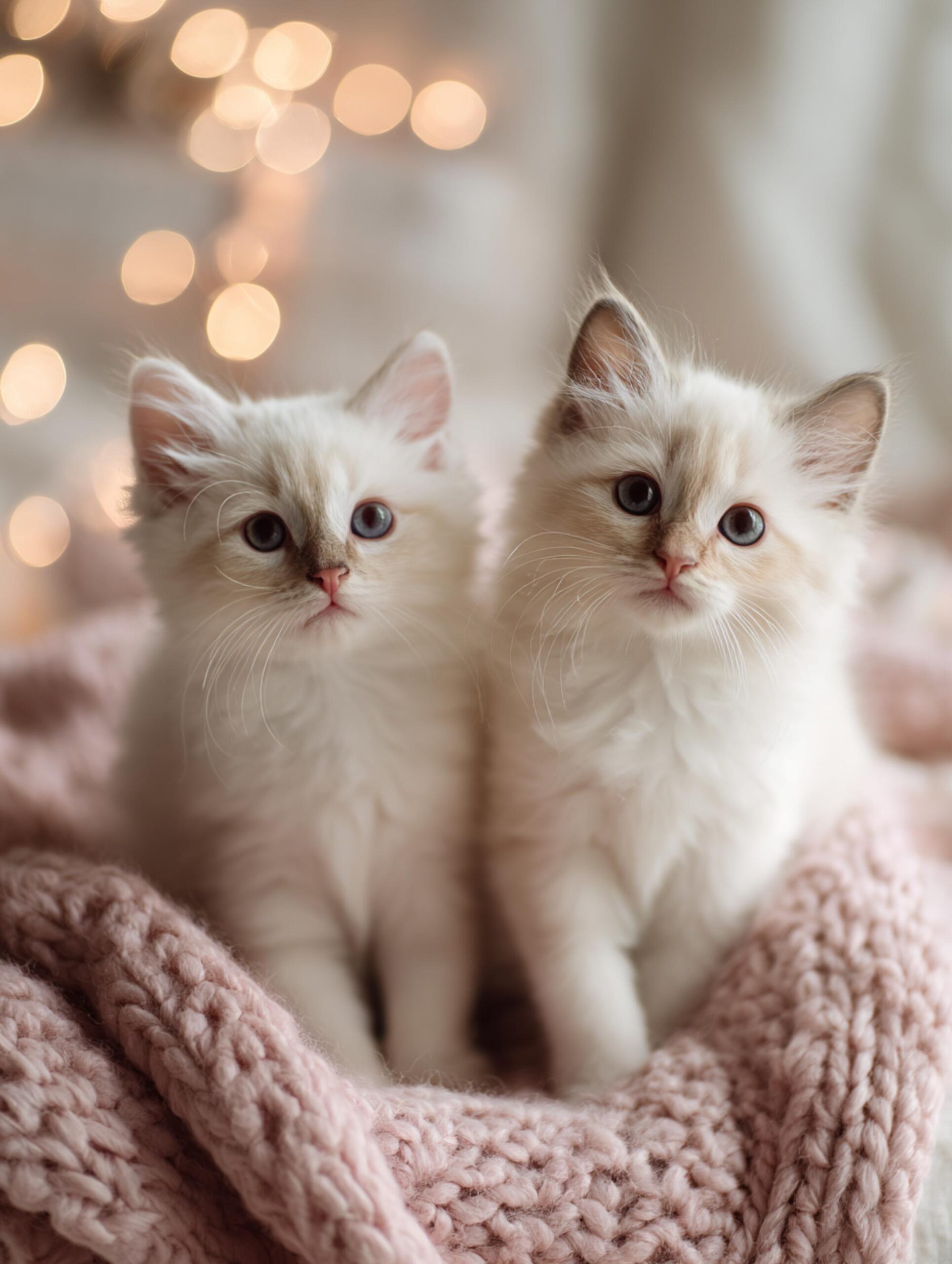
Kittens adopted in pairs also settle quickly, but they begin engaging with each other almost immediately through play, exploration, and shared rest.
After the novelty wears off
Once routines stabilize and owners return to normal schedules, differences emerge. Single kittens spend more time alone and start seeking interaction more intensely when people are present. This often shows up as following behavior, vocalization, or rough play with hands and feet.
Paired kittens redirect that need toward each other. They play, wrestle, and rest together throughout the day without waiting for human availability.
Peak energy and teething phase
As kittens reach peak energy and teething, social demands increase sharply. Single kittens struggle most during this phase because they lack an appropriate outlet for intense play. Overdependence on humans often appears here.
Loneliness and overdependence usually surface between three and six months, not during the first few weeks. Owners often feel blindsided because the kitten seemed fine early on.
Why Two Maine Coon Kittens Are Often Easier Than One
Two Maine Coon kittens entertain each other naturally. They initiate play, set boundaries, and regulate intensity without human intervention. This self-directed interaction meets needs that people cannot always meet consistently.
Owners feel less pressure to provide constant stimulation. Playtime becomes supplemental rather than essential. This reduces guilt and stress for the household.
Boredom-driven behavior issues decrease. Paired kittens chew less destructively, vocalize less excessively, and show fewer frustration behaviors because their energy finds a natural outlet.
Clarification: two kittens do not mean double the work. Litter habits overlap, feeding routines align, and enrichment serves both kittens simultaneously. In many households, two kittens actually create a smoother daily rhythm than one.
Nighttime Behavior: One vs Two Kittens
Solo kitten night activity
A single Maine Coon kitten often saves energy during the day and releases it at night. Without another kitten to wrestle, chase, and crash with, that energy comes out as running, climbing, vocalizing, and pouncing when the house finally goes quiet.
Why single kittens wake owners
Single kittens rely on people as their primary source of stimulation. When humans sleep, the kitten still wants interaction. This leads to waking owners by crying, jumping on beds, biting toes, or knocking items over to get a response.
How paired kittens self-regulate and settle
Paired kittens burn energy together throughout the day and evening. They play hard, tire each other out, and settle naturally. When one kitten stirs at night, the other often redirects that energy back into play or comfort rather than toward humans.
This difference directly affects household sleep. Homes with two kittens usually experience fewer nighttime disruptions and more predictable routines because the kittens meet each other’s needs instead of depending on sleeping people.
Emotional Development and Confidence in Paired Kittens
Confidence built through play
Play between kittens builds coordination, confidence, and problem-solving skills. Wrestling and chasing teach body awareness and control in a way solo play cannot replicate.
Learning boundaries from another kitten
Kittens learn bite inhibition, restraint, and social limits through interaction with peers. Another kitten provides immediate feedback that humans cannot consistently give.
Reduced fearfulness and stress responses
Paired kittens face new environments, sounds, and changes together. This shared experience lowers stress and builds resilience.
Paired kittens adapt better long term because they grow up practicing social regulation every day. They handle changes in routine, new environments, and human absences with more stability than kittens raised alone.
Cost Reality: One Kitten vs Two
Upfront cost comparison
Two kittens cost more initially. There is no avoiding that reality. Adoption fees, supplies, and early care double at the start.
Ongoing care reality
Day-to-day costs do not double the way people expect. Litter boxes, feeding schedules, enrichment, and grooming overlap heavily. Many supplies serve two kittens just as easily as one.
Why behavioral issues cost more long-term than a second kitten
Loneliness-driven behaviors often lead to damaged furniture, disrupted sleep, stress-related vet visits, and expensive corrective interventions. These costs add up quietly over years.
Reframe: two kittens act as preventative emotional care. Meeting mental health needs early reduces behavior problems later. Supporting emotional wellbeing is part of responsible ownership, not an optional upgrade.
Space Myths: Do You Need a Big House for Two Maine Coons?
Many people assume two Maine Coon kittens require a large house, but space matters far less than how that space gets used.
Vertical space vs square footage
Cats use space vertically first. Cat trees, shelves, window perches, and multi-level furniture create usable territory without increasing square footage. Two kittens share vertical zones naturally through play and rest.
Why two cats use space better than one bored cat
A single bored kitten roams constantly looking for stimulation. Two kittens focus on each other. They play, nap, and settle together instead of pacing, vocalizing, or seeking attention through disruptive behavior.
Small homes vs enriched environments
A small, well-enriched home supports two kittens better than a large, empty space supports one. Enrichment, interaction, and routine matter more than floor plan.
Clear takeaway: space matters less than stimulation. Two kittens create their own engagement regardless of home size.
Work Schedules and Maine Coon Kittens
Modern schedules play a major role in whether one kitten or two makes sense.
Full-time workdays
During long workdays, single kittens spend hours without meaningful interaction. By evening, pent-up energy and social need surface all at once. Two kittens occupy each other throughout the day and arrive at evening calmer and more settled.
Hybrid or remote work
Even when someone works from home, attention stays inconsistent. Meetings, deadlines, and distractions interrupt interaction. Two kittens provide consistent engagement without relying on human availability.
Travel-heavy lifestyles
Frequent travel increases gaps in routine and interaction. Two kittens buffer those absences by maintaining social continuity with each other.
Many owners plan to “play with them after work,” but that often falls short of what a highly social kitten needs. Two kittens spread social interaction across the entire day instead of compressing it into a few hours.
One Maine Coon Kitten With a Dog or Other Cat — Does That Count?
Other pets can help, but they do not always replace the role of another kitten.
When another species helps
A calm, cat-friendly dog or a playful, young cat may provide some interaction and companionship.
When it does not
Dogs interact differently than cats and often lack the subtle social feedback kittens need. Adult cats frequently avoid kitten-level energy and do not engage consistently.
Why kitten-to-kitten play matters
Kittens play intensely, frequently, and physically. This play teaches boundaries, coordination, and emotional regulation that cross-species interactions cannot fully provide.
Clarification: dogs do not replace feline social needs, and adult cats may not meet kitten energy demands. Kitten-to-kitten interaction remains the most complete form of companionship during development.
When One Maine Coon Kitten Can Truly Thrive Alone
One Maine Coon kitten can thrive alone, but the conditions have to be right and they are more specific than most people realize.
Someone home most of the day
A single Maine Coon kitten does best when someone is physically present for most waking hours. This does not mean being in the house but unavailable. It means active presence, interaction, and responsiveness throughout the day. Maine Coons notice absence even when someone works from home but cannot engage consistently.
Consistent daily interaction
Interaction has to happen every day, not just when it fits into a schedule. Play, engagement, and shared routines need to occur at predictable intervals. Sporadic attention does not meet the same emotional needs as steady interaction.
Predictable routines
Single kittens rely heavily on routine to feel secure. Feeding, play, rest, and interaction need to follow a pattern the kitten can anticipate. Frequent changes in schedule, environment, or availability create stress that another kitten would otherwise help buffer.
Clarification: this setup is rarer than most people expect. Many households believe they meet these conditions, but work, obligations, fatigue, and life changes gradually reduce availability. When that happens, the single kitten feels the impact first.
When Two Maine Coon Kittens Are the Better Choice
(Decision clarity)
For most modern households, two Maine Coon kittens provide a more stable emotional foundation.
Long work hours
When owners work full-time or have long days away from home, two kittens support each other socially. They play, rest, and interact throughout the day instead of waiting hours for human attention.
Travel or frequent absences
Travel disrupts routine. A second kitten maintains continuity during those gaps. Even short trips or irregular schedules become less stressful when kittens have constant companionship.
Quiet or low-interaction households
Some homes remain calm and low-key by nature. While that suits many adult cats, Maine Coon kittens need interaction and stimulation. Two kittens fill that gap naturally without forcing the household to change its rhythm.
Clear framing: two kittens protect the kitten’s wellbeing, not owner convenience. The decision supports emotional health, stress regulation, and long-term behavioral stability rather than simply making life easier for people.
Littermates vs Adding a Second Kitten Later
(Regret prevention)
Why adopting two together works best
Kittens adopted together bond quickly and naturally. They establish social roles early, learn boundaries together, and adjust to a new environment as a team. This shared transition lowers stress and builds confidence.
Age spacing that works when adding later
Adding a second kitten later can work, but timing matters. Close age gaps tend to integrate more smoothly than large gaps. Even then, introductions take time and require careful management.
Why early pairing avoids stress
Early pairing avoids the territorial stress and adjustment period that comes with later introductions. It also prevents months of loneliness-driven behavior from developing in the first place.
Common Myths That Push People Toward One Kitten
“Cats prefer being alone”
This idea sticks because many adult cats tolerate solitude, which gets mistaken for preference. Maine Coon kittens develop socially through interaction. During kittenhood, isolation does not build independence. It delays social development and creates unmet needs that show up later as behavior issues.
“They won’t bond with me if I get two”
Bonding does not divide. Kittens raised together still form strong attachments to their people. Emotionally secure kittens often bond more confidently and calmly with humans because they are not relying on one person to meet every social need.
“Two kittens will be chaos”
Most chaos comes from boredom, not numbers. A single kitten with excess energy redirects that energy into destructive play and attention-seeking. Two kittens burn energy together and settle more easily.
These myths persist because people apply adult-cat logic to kittens and generalize across breeds. They fail with Maine Coons because this breed thrives on interaction, engagement, and shared routines from an early age.
How to Decide What’s Right for Your Home
Choosing one Maine Coon kitten or two comes down to how your household actually functions day to day, not how you hope it will function.
Start with your lifestyle. Look at how many hours the home stays empty, how predictable your schedule is, and how often routines change. Homes with long workdays, frequent travel, or unpredictable schedules place more emotional demand on a single kitten than most people expect.
Assess your time availability honestly. Consider how much focused interaction you can provide every single day, not just during the first few weeks. Play, engagement, and supervision need to stay consistent for months and years, not taper off once the novelty fades.
Think in long-term terms. Maine Coons live well into their teens. The kitten you choose today becomes the adult cat you live with for the next 15 years. Planning for companionship now prevents behavioral and emotional challenges later.
One vs Two Maine Coon Kittens: Decision Summary
| Consideration | One Kitten Works Best If… | Two Kittens Are Better If… |
|---|---|---|
| Daily schedule | Someone is home most of the day | Home is empty for long stretches |
| Time for interaction | Consistent daily play is realistic long-term | Time and energy vary day to day |
| Lifestyle changes | Routines stay very predictable | Travel or schedule changes happen |
| Nighttime behavior | Light sleeper disruptions are manageable | You want calmer nights |
| Mental stimulation | Human interaction stays frequent | Kittens can stimulate each other |
| Long-term stability | You can maintain engagement for years | You want built-in emotional support |
One vs Two Maine Coon Kittens: FAQ
Is one Maine Coon kitten lonely?
One Maine Coon kitten can feel lonely if left alone for long periods without consistent interaction. Loneliness usually shows up as behavior changes, not visible sadness.
Are Maine Coons happier in pairs?
In most households, yes. Maine Coons are highly social, and paired kittens regulate each other emotionally through play, companionship, and shared routines.
Will two kittens bond less with me?
No. Kittens raised together still bond strongly with their people. In many cases, emotionally secure kittens bond more calmly and confidently with humans.
Is it harder to raise two Maine Coon kittens?
Not usually. While upfront costs are higher, daily care often feels easier because kittens entertain each other and rely less on constant human stimulation.
Can I add a second Maine Coon kitten later?
Yes, but early pairing works best. Adding a second kitten later requires introductions and adjustment, and it does not prevent the loneliness a single kitten may experience in the meantime.
Do two kittens need double the space?
No. Cats use vertical space more than floor space. Two kittens in an enriched environment often use space more efficiently than one bored kitten.
What if I work full time?
If you work full time or spend long hours away from home, two kittens usually cope far better than one. They meet each other’s social needs throughout the day.
Does having a dog or another cat replace a second kitten?
Not always. Dogs interact differently than cats, and adult cats often do not match kitten energy. Kitten-to-kitten play meets social needs most completely.
Are two kittens louder or more destructive?
Usually the opposite. Paired kittens burn energy together, which reduces excessive vocalization, nighttime disruption, and destructive play.
When does loneliness show up in single kittens?
Loneliness often appears between three and six months, after the novelty of a new home fades and energy levels peak.
Is one kitten ever the better choice?
Yes, in homes where someone is present most of the day, routines stay consistent, and daily interaction remains reliable long term. This setup is less common than many people expect.
Bottom line FAQ answer
One Maine Coon kitten can work in the right environment. Two Maine Coon kittens support emotional health in far more situations and prevent problems that often appear months later.
One vs Two Maine Coon Kittens: Pros and Cons at a Glance
This section is not about convincing. It is about clarity. By the time someone reaches this point, they usually know which direction they are leaning. This comparison helps confirm whether that choice actually fits their household and the kitten’s long-term wellbeing.
One Maine Coon Kitten — Pros
- Lower upfront cost
- Easier logistics at the start (one carrier, one vet schedule)
- Strong bond when someone is home most of the day
- Works well in very stable, predictable households
One Maine Coon Kitten — Cons
- Relies entirely on humans for social interaction
- More likely to develop boredom-driven behaviors
- Higher risk of nighttime disruption and clinginess
- Loneliness shows up later, not immediately
- Requires consistent daily engagement for years, not weeks
Two Maine Coon Kittens — Pros
- Built-in companionship and social regulation
- Kittens play, learn boundaries, and settle together
- Less pressure on owners to provide constant stimulation
- Fewer boredom-related behavior issues
- Better emotional stability as they mature
- Often calmer evenings and more predictable routines
Two Maine Coon Kittens — Cons
- Higher upfront cost
- Slightly more food and litter over time
- Requires thoughtful selection of compatible kittens
Quick Comparison Summary
| Factor | One Kitten | Two Kittens |
|---|---|---|
| Emotional support | Human-dependent | Cat-to-cat and human |
| Daily stimulation | Requires active owner involvement | Largely self-sustaining |
| Behavior risk | Higher if needs go unmet | Lower overall |
| Nighttime activity | More disruptive | More self-regulated |
| Owner workload | Higher long-term | Often lower long-term |
| Best fit for | Someone home most of the day | Most modern households |
Summary:
One Maine Coon kitten can work in the right environment. Two Maine Coon kittens protect the kitten’s emotional health in far more situations and prevent problems that owners often do not anticipate until months later.
Searching for a Maine Coon Kitten?
Bringing home a Maine Coon should feel exciting, not stressful. One kitten or two, the goal is a happy, confident cat that fits your life.
If you’re ready to take the next step or just want guidance on timing and pairing, we’d love to help you plan.
More Articles from Almonte Cats
- White Maine Coon Cats
- Maine Coon Tassel Ears
- Polydactyl Maine Coon Care
- Domestic Maine Coon Cat Info
- Maine Coon Kitten Growth Stages
- Maine Coon M on Forehead Genetics
- Maine Coon Cat Eye Color
Sources
- International Cat Care (iCatCare) – Social behavior, kitten development, and companionship
https://icatcare.org/advice/cat-behaviour/ - International Society of Feline Medicine (ISFM) – Kitten social development and environmental needs
https://icatcare.org/vets/guidelines/ - American Association of Feline Practitioners (AAFP) – Feline behavior, stress, and wellbeing
https://catvets.com/guidelines - ASPCA – Bringing Home a New Kitten
Covers socialization, behavior development, and environmental enrichment
https://www.aspca.org/pet-care/cat-care/bringing-home-your-new-kitten - Cornell University College of Veterinary Medicine – Feline Behavior
Social behavior, stress responses, and environmental influence
https://www.vet.cornell.edu/departments-centers-and-institutes/cornell-feline-health-center/health-information/feline-behavior - The International Cat Association (TICA) – Maine Coon Breed Profile
Breed-specific temperament and social traits
https://tica.org/breeds/browse-all-breeds?view=article&id=819






Read the Comments +