
Siamese Cat Size Guide: How Big Do Siamese Cats Get?
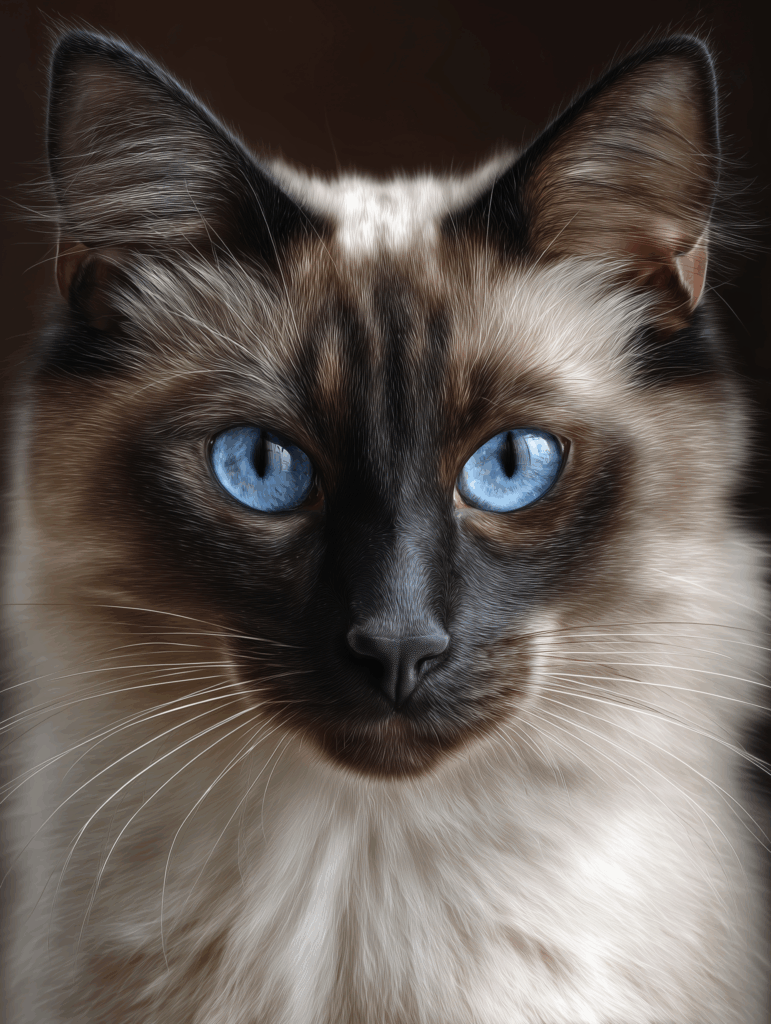
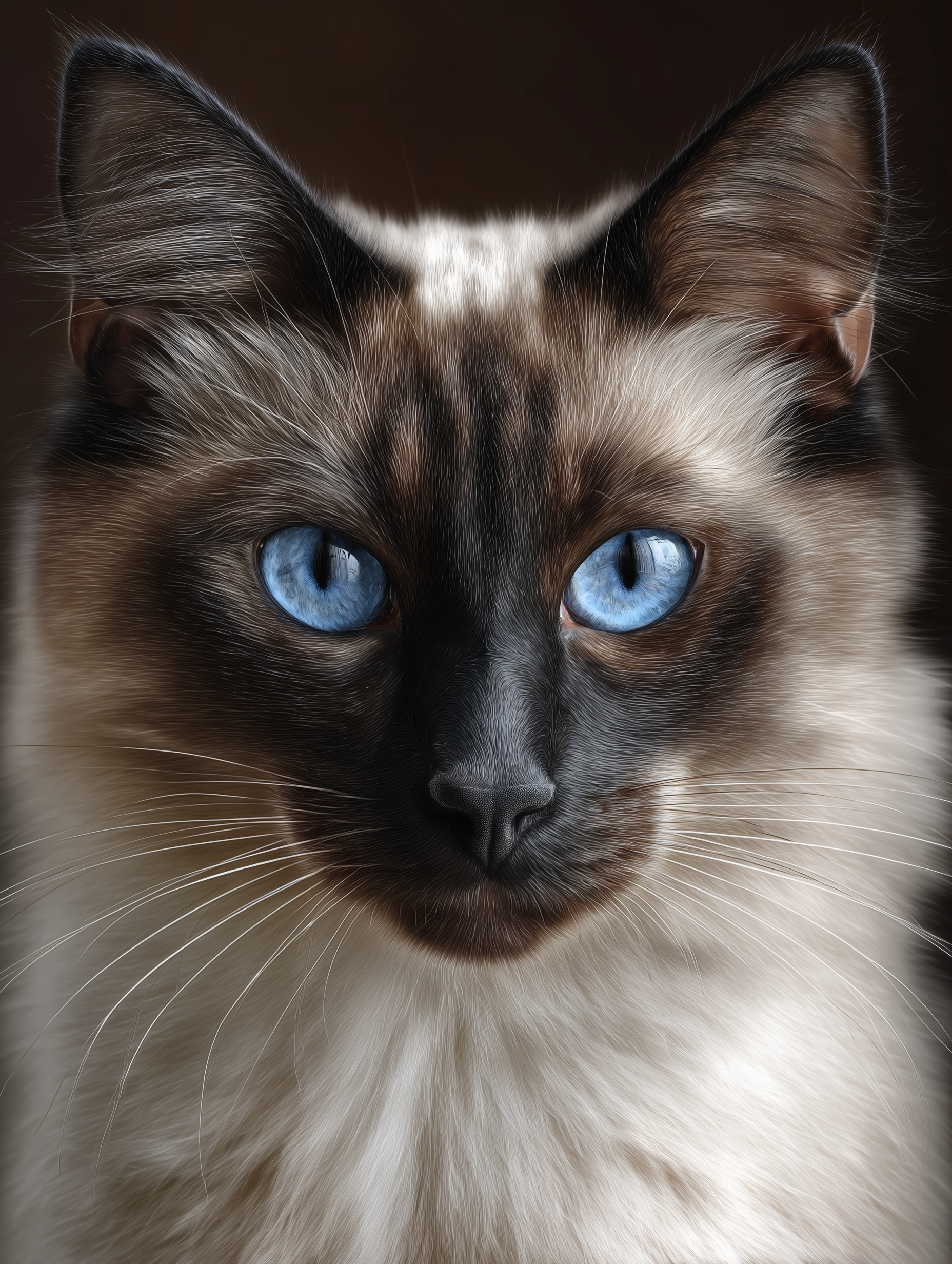
The Siamese cat is known for its sleek build, long lines, and striking color points. One of the first questions many buyers ask is, “How big do Siamese cats get?”
Unlike heavier, cobby breeds, the Siamese stays lean and athletic throughout life. They’re not a giant breed, but they are taller and longer than many average house cats, with weight concentrated in muscle rather than bulk.
On average, a healthy adult Siamese cat weighs 8–15 pounds, with most females on the lighter end and males on the heavier side. Purina+1 Their long legs, fine bone, and narrow waist give them a refined, “whippet-like” silhouette that looks lighter than the scale suggests.
Siamese Growth Chart by Age
Individual kittens grow at different rates, but this chart gives a general guideline for purebred Siamese raised on a good diet:
| Age | Average Male Weight | Average Female Weight | Growth Notes |
|---|---|---|---|
| 8 weeks | 2.0 – 2.5 lbs | 1.8 – 2.3 lbs | Active, slim, long-legged kittens; rapid growth ahead |
| 4 months | 4 – 5.5 lbs | 3.5 – 5 lbs | Bones lengthen; “teenager” proportions start to show |
| 6 months | 6 – 8 lbs | 5 – 7 lbs | Most kittens enter lanky phase; high energy, fast metabolism |
| 9 months | 7.5 – 10 lbs | 6 – 8.5 lbs | Near adult height; starting to add muscle along shoulders and thighs |
| 12 months | 8.5 – 12 lbs | 7 – 9.5 lbs | Many reach close to adult weight; still refining muscle tone |
| 18–24 months | 10 – 15 lbs | 8 – 12 lbs | Full maturity; weight stabilizes, frame stays long and fine |
Most Siamese reach full height well before their first birthday, but they continue to fill out slightly in muscle and chest depth until around 18–24 months. Untamed+1
Why Siamese Stay Lean and Athletic
Siamese cats weren’t developed as heavy farm cats or broad, cobby show types. Their traditional role and breeding focused on:
- Long, fine bone structure
- High activity levels
- Muscular, not bulky, bodies
Their genetic background favors a slim, tubular frame with long legs and a narrow waist. Even at a healthy weight, many Siamese look “thin” compared to rounder breeds. This is normal and reflects their breed standard rather than underfeeding.
Where slow-growing, dense breeds (like British Shorthairs) take years to build bulk, Siamese kittens race through their growth curve quickly, then stabilize as lightly built adults. Their energy and constant movement also help keep excess weight off.
Average Siamese Size vs Other Breeds
This table shows how Siamese size compares to several popular breeds: Purina+2Pawlicy+2
| Breed | Average Male Weight | Average Female Weight | Build Type | Growth Rate |
|---|---|---|---|---|
| Siamese | 11 – 15 lbs | 8 – 12 lbs | Sleek, long, fine-boned | Fast–moderate (adult by ~1–2 yrs) |
| British Shorthair | 14 – 17 lbs | 8 – 13 lbs | Stocky, cobby | Slow (2–3 yrs) |
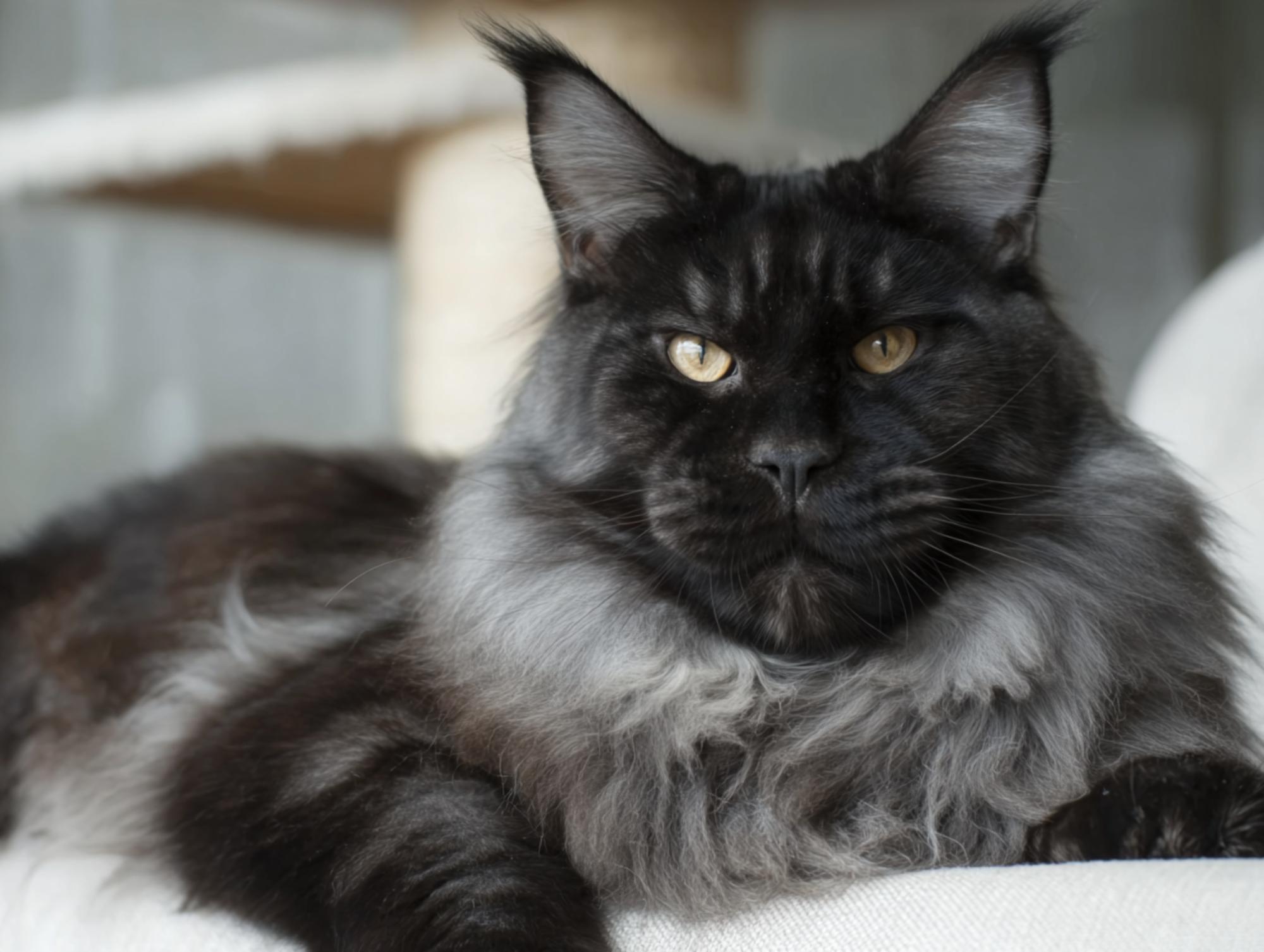
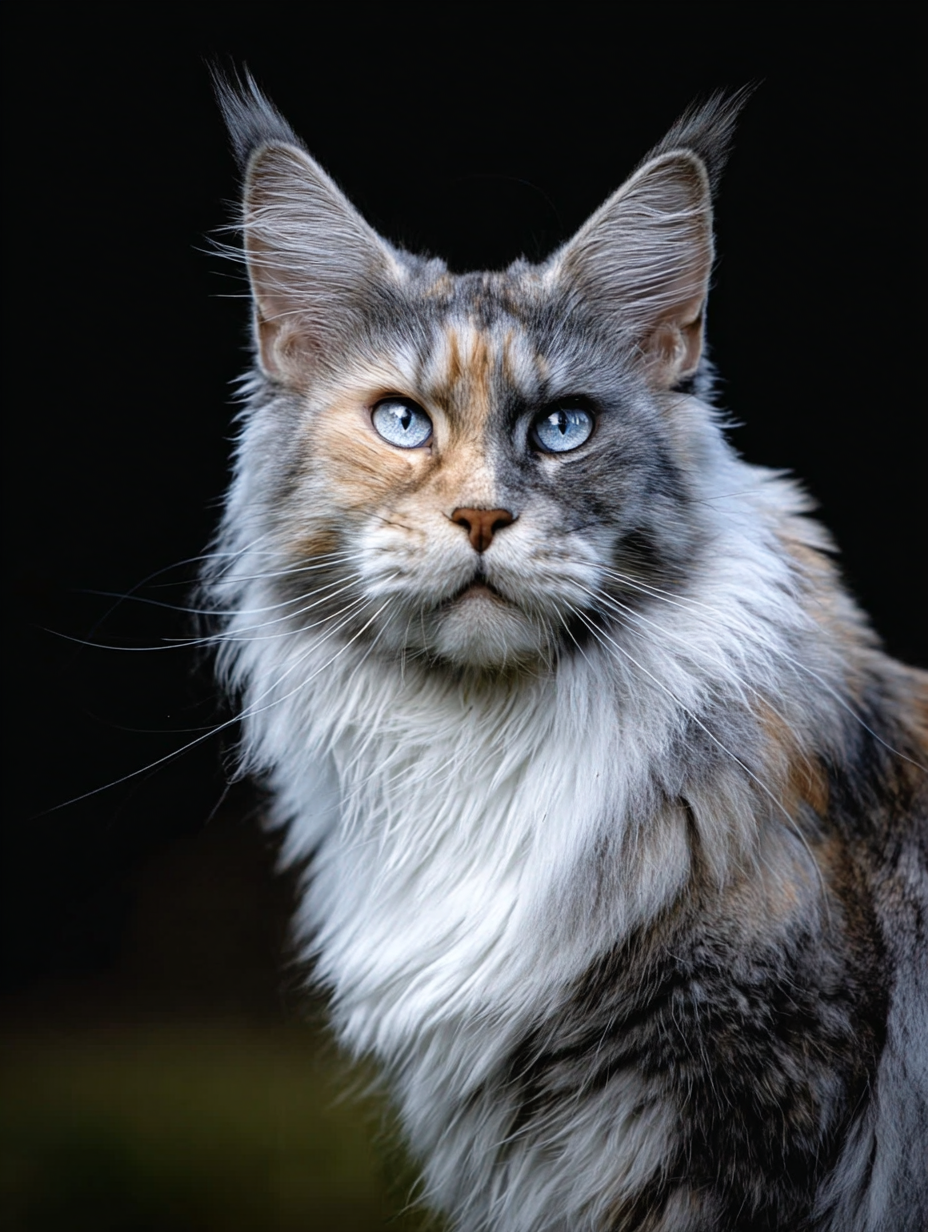
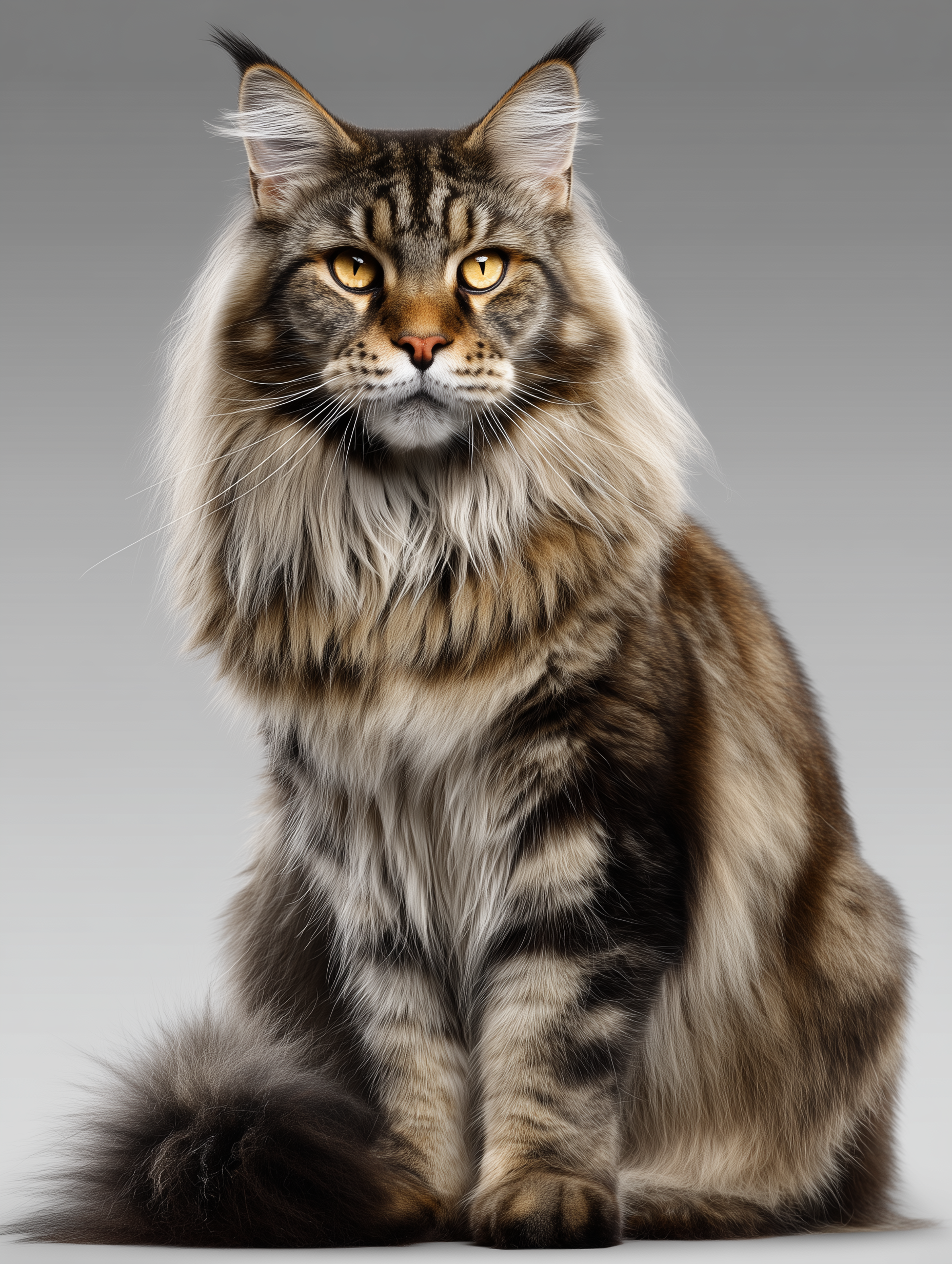
| Maine Coon | 15 – 25+ lbs | 12 – 18 lbs | Large, rectangular, heavy-boned | Slow (3–5 yrs) Wikipedia |
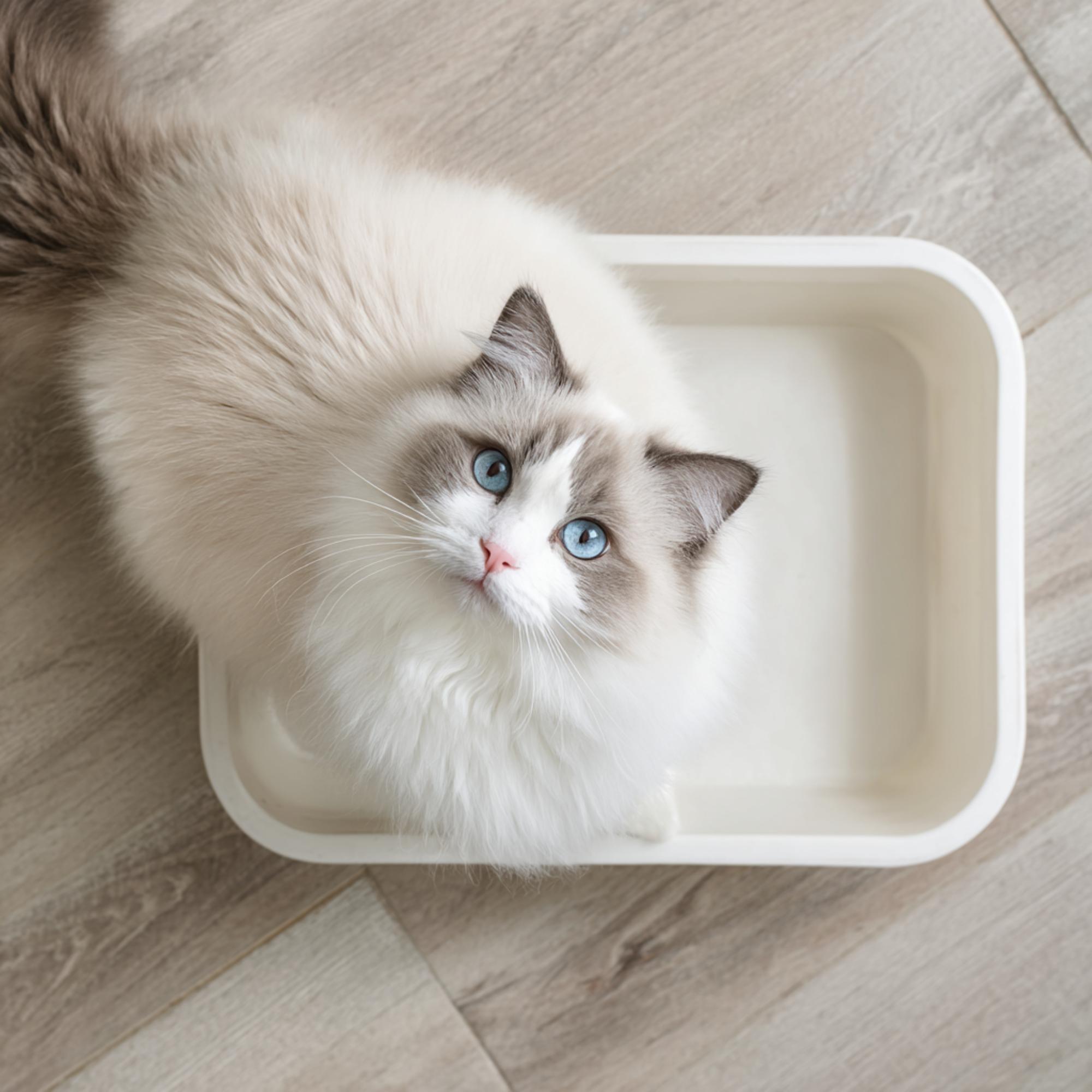
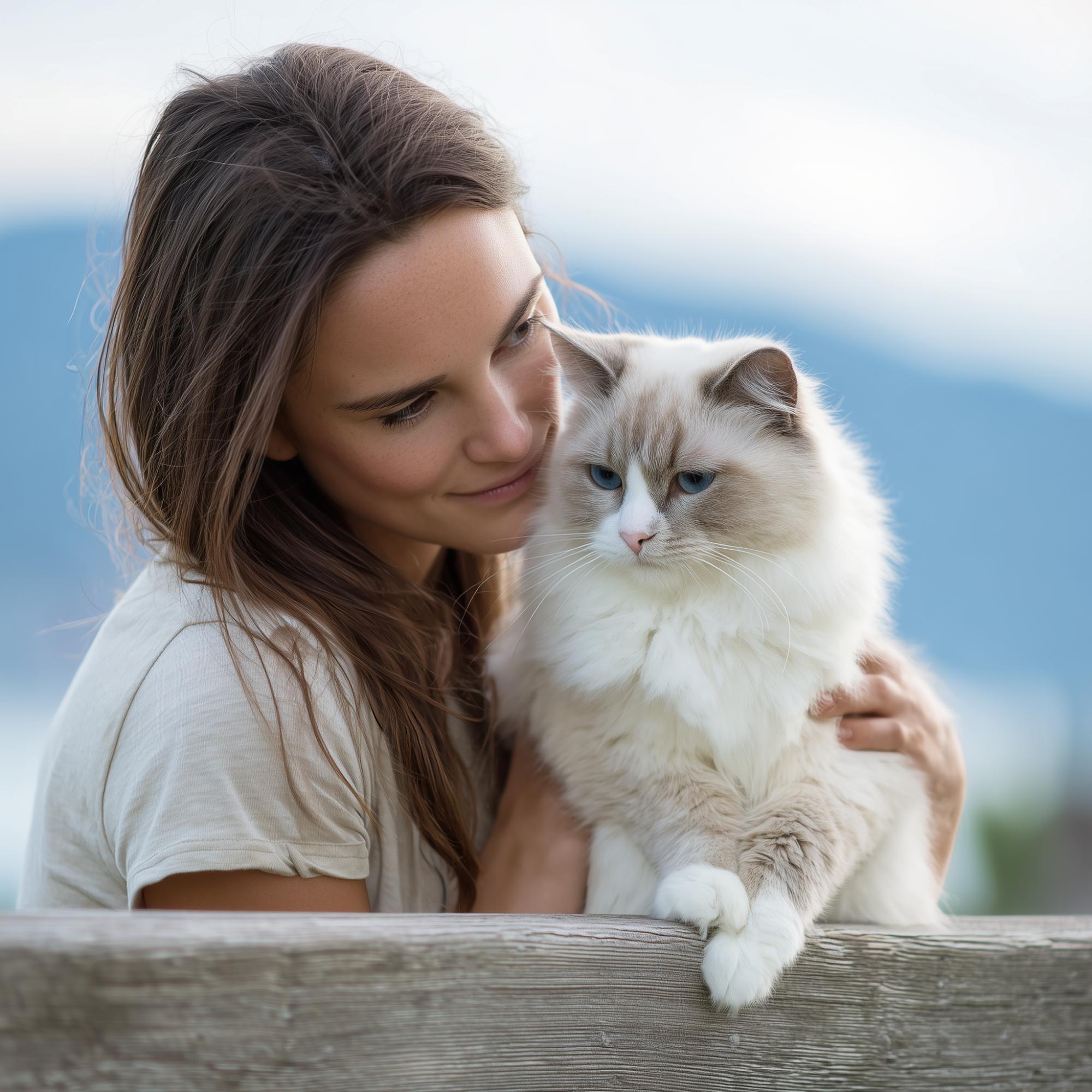
| Ragdoll | 14 – 20 lbs | 10 – 15 lbs | Large, semi-cobby | Moderate |
| American Shorthair | 11 – 15 lbs | 8 – 12 lbs | Medium, athletic | Moderate |
The key difference is proportion. A 12-pound Siamese carries weight in length and muscle, while a 12-pound cobby cat carries it in width and bone. The Siamese will almost always feel lighter in the arms than a cat of the same weight with a compact build.
Siamese Body Shape Explained
Cat associations describe Siamese as a medium-sized, fine-boned, tubular breed:
- Head: Long, wedge-shaped head with straight profile and large ears.
- Body: Long, svelte torso with a level back and defined waist.
- Legs: Long, slim legs with small, oval paws.
- Tail: Long, whippy tail that tapers to a fine tip.
This combination creates the “elegant, oriental” outline people associate with Siamese and related breeds. Wikipedia+1
Even when a Siamese is at a completely healthy weight, the ribs and hip line may appear more visible than in rounder breeds. The important measure is body condition score, not how fluffy or wide they look.
When Does a Siamese Kitten Stop Growing?
Siamese kittens grow faster than heavy-boned breeds:
- Rapid length and height gain from 8 weeks to ~9 months
- Most of their height and length is complete by 10–12 months
- Subtle filling out of muscle and chest from 12–24 months
By their first birthday, most Siamese look adult-sized to the untrained eye. They may continue to add up to a couple of pounds of lean muscle, especially males, during their second year. Untamed+1
After this point, large weight jumps are more likely to be fat gain than normal growth, so it’s important to track their curve rather than just the number on the scale.
How Diet Affects Siamese Size and Growth
Food quality has a direct impact on how well a Siamese develops:
- High animal protein supports lean muscle rather than fat.
- Moderate fat levels keep energy up without overloading calories.
- Controlled portions prevent softening around the waist on a naturally slim frame.
Because Siamese are active but lightly built, overfeeding leads to a soft, rounded belly that doesn’t suit their structure and can stress joints over time. Most do well on:
- Kitten phase (up to ~12 months):
- 3–4 small, protein-rich meals per day
- 12+ months (adult):
- 2–3 measured meals per day, adjusted for activity
- Indoor, less active adults:
- Calorie-aware feeding or a weight-maintenance formula as needed
A proper diet doesn’t make a Siamese “big” the way it might in heavy breeds. Instead, it supports a tight, muscular, athletic body that matches the breed standard.
Are Male Siamese Bigger Than Females?
Yes. As with most breeds, male Siamese tend to be larger:
- Males commonly reach 11–15 pounds
- Females usually stay in the 8–12 pound range Purina+1
Males often have:
- Slightly broader shoulders and chest
- A more muscular neck and thighs
- A heavier overall feel, even with the same outline
Females remain more refined and narrow while still tall and long. Both sexes stay much lighter-boned than cobby breeds, so the difference is noticeable but not as dramatic as, for example, between male and female Maine Coons.
Do Certain Siamese Types Grow Bigger?
Different Siamese patterns (seal, blue, chocolate, lilac, red, cream, etc.) do not directly control size. Colorpoint genetics affect where pigment appears, not bone length or body mass. Weenect
What can shift size slightly is:
- Bloodlines selected for more extreme length and height
- Crosses with related breeds (e.g., some modern “show type” lines vs older “applehead” style)
- Overall nutrition and early growth
Visually, darker points can make the body look more defined, while lighter points may soften the outline. That’s aesthetics, not a true size difference.
How to Tell if a Siamese Kitten Will Be Large
You can’t predict exact adult weight, but there are reliable clues:
- Bone and paw size at 8–10 weeks
Thick joints and larger paws often indicate a bigger adult. - Height and length by 4–6 months
Kittens that are noticeably taller and longer than their littermates generally stay ahead. - Parent size
Kittens from large, tall parents are very likely to follow a similar pattern. - Growth curve
A steady, moderate climb is healthier than sudden spikes.
Most Siamese will fall somewhere in the middle of the breed range. Exceptionally large males may push toward the top of the published weight span, but true outliers are rare and should never be the goal of ethical breeding.
Managing Weight in Adult Siamese Cats
Because Siamese are built to be slim and active, extra weight shows quickly:
Signs your Siamese may be overweight:
- Waistline has disappeared when viewed from above
- Belly hangs or swings noticeably when walking
- Ribs are difficult to feel under the skin
- Neck and shoulders look thick instead of refined
To maintain a healthy size:
- Use measured portions, not free-feeding, especially on dry food.
- Prioritize wet or high-protein diets for better satiety and muscle maintenance.
- Offer daily play sessions with wand toys, chasers, or climbing trees.
- Monitor weight every 1–2 months and adjust food accordingly.
Because their ideal shape is slim, it’s easy for well-meaning owners to “fill them out” too much. The healthiest Siamese will feel firm and light in the arms, not heavy or soft.
Siamese Weight by Age and Sex (Summary Table)
This simplified reference table can be used as a rough check-in guide. Individual cats may vary slightly above or below these numbers and still be healthy, but large deviations should be discussed with a veterinarian. Untamed+1
| Age (Months) | Male Avg. Weight | Female Avg. Weight | Notes |
|---|---|---|---|
| 2 | 2.0 – 2.5 lbs | 1.8 – 2.3 lbs | Still small; high play drive and fast metabolism |
| 4 | 4 – 5.5 lbs | 3.5 – 5 lbs | Long legs appear; kitten losing “round” look |
| 6 | 6 – 8 lbs | 5 – 7 lbs | Classic lanky teenager stage |
| 12 | 8.5 – 12 lbs | 7 – 9.5 lbs | Adult height; refining muscle, not gaining height |
| 18–24 | 10 – 15 lbs | 8 – 12 lbs | Full maturity and stable adult weight |
Siamese Size: Key Takeaways
- Average adult weight: About 8–15 lbs, with males heavier than females. Purina+1
- Build: Medium-sized but long, fine-boned, and athletic.
- Growth: Fast through the first year; finishes maturing by 1–2 years.
- Comparison: Lighter and narrower than heavy breeds like British Shorthair and Maine Coon, but often taller and longer than many average house cats.
- Goal: Maintain a slim, muscular frame, not a rounded, bulky body.
If you’d like a similarly elegant, luxury cat with carefully managed growth, health testing, and a predictable adult size, you can explore our well-bred British Shorthair, Ragdoll, and Maine Coon kittens.
Siamese Body Shape Explained
The Siamese cat has one of the most recognizable silhouettes in the world. Unlike compact or cobby breeds, the Siamese standard calls for a long, elegant, tubular body, fine bones, and a sleek, athletic build. Their light weight comes from a naturally aerodynamic structure, not fragility.
Key structural traits include:
- A long, wedge-shaped head with pronounced cheekbones
- A slender but firm body with visible musculature
- Long legs with oval paws
- A thin, whiplike tail
- Fine, short, low-density coat that adds no visual bulk
Even though Siamese cats weigh less than heavier breeds, their muscle tone is extremely well-defined, giving them strength without mass. This is why a 9 lb Siamese often feels more powerful than a 12 lb plush-coated breed.
Siamese Growth Stages: Month-by-Month
Siamese kittens grow fast. They mature quicker than slow-growing breeds like British Shorthairs or Maine Coons. Expect most height and length to develop within the first 6–12 months.
Typical Siamese growth progression:
2 Months
- 1.5–2.5 lbs
- Slender frame, extremely active
- Starting to exhibit early wedge head shape
4 Months
- 3–4.5 lbs
- Legs lengthen noticeably
- Body begins stretching into “teen” proportions
6 Months
- 5–7 lbs
- Lean, tall, agile
- Rapid energy bursts typical of the breed
1 Year
- 7–10 lbs
- Most height and length complete
- Filling out lightly in muscle, not bulk
18–24 Months
- 8–12 lbs (males), 6–9 lbs (females)
- Full muscle definition
- Elegant adult shape is complete
Siamese do not have the “slow bulk phase” seen in heavier breeds; their weight stabilizes earlier, and their structure stays naturally sleek.
When Do Siamese Kittens Stop Growing?
Most Siamese kittens reach their full adult height and length by 10–12 months, with muscle definition completing by 18–24 months.
While some cats continue to develop subtle musculature into year two, the overall silhouette stays long, light, and elegant. Siamese simply are not meant to carry heavy bone or thick mass, so their maturity timeline is shorter.
A Siamese may look fully grown at 6 months, but:
- They gain coordination
- Facial definition sharpens
- Muscle tone improves
- Chest widens slightly
Expect the true adult look around 12–18 months.
How to Tell if a Siamese Kitten Will Be Large
Although Siamese are naturally lean, several early traits help predict whether a kitten will be on the larger or smaller side of the breed range.
Indicators of a future larger Siamese:
- Long legs and body even at 8–12 weeks
- Large ears set widely apart (sign of strong type)
- Slightly heavier birth weight
- Strong muscle tone early on
- Bigger paws compared to littermates
Indicators of a lighter-framed adult:
- More compact torso in early kittenhood
- Delicate bone structure visible by 10–12 weeks
- Smaller ear span
Genetics are the strongest indicator—kittens typically resemble the size of their sire and dam.
How Diet Affects Siamese Growth
Nutrition influences the Siamese shape more dramatically than slower-growing breeds. Because they are naturally lean, the wrong diet can:
- Add unwanted bulk
- Hide their elegant body lines
- Create early obesity that strains joints
- Reduce muscle definition
- Dull their sleek, close-lying coat
Ideal feeding breakdown:
- High animal-protein content (minimum 35%)
- Moderate fat for energy
- Low fillers (corn, wheat, soy)
- Moisture-rich meals to support hydration
Feeding schedule:
- Kittens 2–6 months: 3–4 meals/day
- 6–12 months: 2–3 meals/day
- Adults: 2 meals/day + optional late-night mini meal
A well-fed Siamese should look slender but not bony, with visible muscle lines along the legs and shoulders.
Are Male Siamese Bigger Than Females?
Yes. Males are typically taller, heavier, and more muscular, while females remain slightly narrower and more refined in structure.
Average size difference:
- Male Siamese: 8–12 lbs
- Female Siamese: 6–9 lbs
Males usually develop broader chests and stronger shoulders. Females maintain a more delicate, airy outline, especially visible in their gait and neck length.
Both sexes share the breed’s elegant proportions, but males carry more physical presence overall.
Siamese Cat Size & Weight Summary
Siamese cats are a medium-sized, fine-boned breed known for their long, elegant bodies and athletic frames. Most adult male Siamese weigh 9–14 pounds, while females usually reach 7–10 pounds. Their narrow waist, long legs, and wedge-shaped head make them appear taller and slimmer than many similar-weight breeds.
Siamese kittens grow quickly during their first year, typically reaching 75% of adult size by 9–12 months, with full muscle tone developing between 18–24 months. Their growth is influenced by genetics, nutrition, neuter timing, and activity level. Compared to heavier, cobby breeds like British Shorthairs or Persians, Siamese cats remain lean, flexible, and highly athletic throughout their lives.
SOURCES
- Cornell Feline Health Center – Growth & Development
https://www.vet.cornell.edu - ASPCA – Cat Nutrition & Body Condition
https://www.aspca.org - AAFCO Feline Nutrition Guidelines
https://www.aafco.org - International Cat Association – Siamese Breed Standard
https://tica.org - Cat Fanciers’ Association – Siamese Breed Profile
https://cfa.org







Read the Comments +