
Siberian Cat Breed Guide: Temperament, Size, Grooming, Allergies & Cost
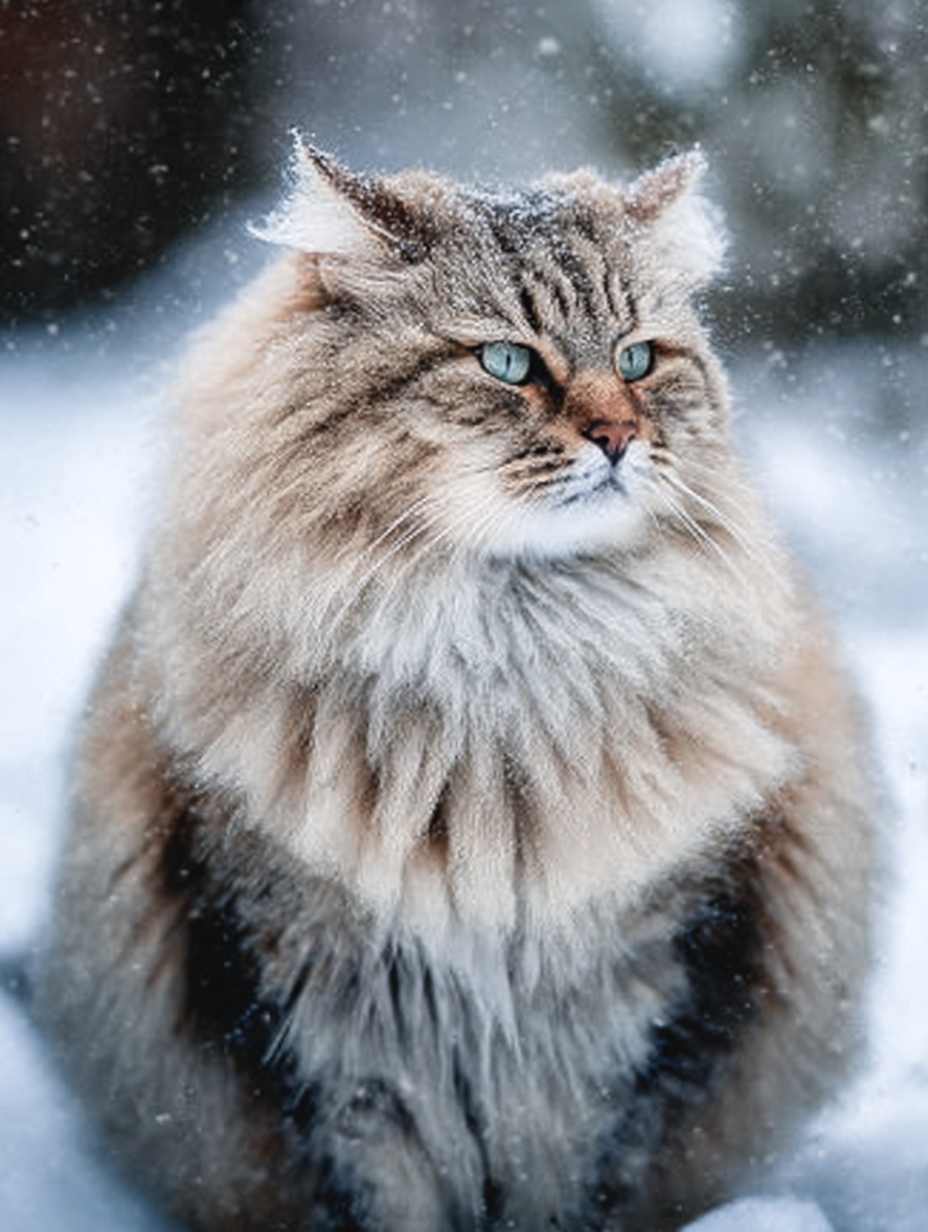
The Siberian cat is a natural, medium-to-large forest breed known for its powerful build, triple-layer coat, and deeply affectionate yet balanced temperament. Originating in Russia and shaped by centuries of harsh climate, the Siberian developed as a resilient working cat—capable of surviving extreme cold while maintaining strong bonds with humans.
Unlike many modern breeds created through selective crosses, the Siberian is considered a landrace breed, meaning its defining traits evolved naturally over time. This gives the Siberian a unique combination of robust health, athletic structure, and emotionally intuitive companionship.
Siberians appeal to families who want a cat that is:
- physically substantial but graceful
- social and people-oriented without being demanding
- intelligent, interactive, and emotionally aware
- adaptable to busy homes while still deeply bonded
Prospective owners often ask:
Are Siberian cats affectionate? How large do they get? Do they shed heavily? Are they really good for allergies? How social are they with children and other pets?
This guide explains everything owners should know about the Siberian cat—appearance, size, coat structure, temperament, grooming and shedding, health considerations, development, and lifestyle compatibility.
Interested in a Siberian cat? See our kittens available.
Siberian Cat: Quick Overview
| Feature | Summary |
|---|---|
| Breed Status | Natural breed; recognized by TICA, CFA, FIFe, and other major registries |
| Coat Type | Long, dense triple coat (guard hairs, awn hairs, down) |
| Temperament | Affectionate, social, emotionally intuitive, confident |
| Size | Medium–large; typically 12–20+ lbs depending on sex and line |
| Structure | Strong, muscular, rounded body; powerful hindquarters |
| Activity Level | Moderate–high; athletic and playful |
| Colors | Nearly all colors and patterns, including colorpoint (Neva Masquerade) |
| Eye Colors | Green, gold, copper; blue in colorpoint Siberians |
| Maturity | Slow to mature; full size and coat around 4–5 years |
| Ideal Home | Families, multi-pet homes, allergy-aware households, active homes |
| Shedding | Moderate year-round; heavy seasonal coat blow |
| Recognition | Accepted by all major cat registries worldwide |
What Is a Siberian Cat?
A Siberian cat is a purebred, naturally occurring longhaired cat that originated in Russia and developed without deliberate human design for hundreds of years. The breed’s defining features—its thick triple coat, strong body, and stable temperament—are the result of environmental survival, not cosmetic breeding.
Key characteristics include:
- A water-resistant triple coat designed for extreme cold
- A powerful, rounded body with excellent jumping ability
- A confident, friendly, people-oriented personality
- Strong emotional bonds with family members
- Slow physical and mental maturation, often reaching full development at 4–5 years
Unlike ornamental longhair breeds that prioritize coat alone, the Siberian is a functional athlete. They are agile climbers, enthusiastic jumpers, and highly interactive companions that remain playful well into adulthood.
Siberians are known for being present without being intrusive—often following their people from room to room, participating in daily life, and offering quiet companionship rather than constant vocalization.
Are Siberian Cats Rare?
Siberian cats are less common than many mainstream breeds, particularly outside of Europe, but they are not considered rare in the traditional sense. Their availability is limited because:
- The breed matures slowly, reducing breeding frequency
- Ethical breeders prioritize health and temperament over volume
- Maintaining correct coat texture and structure takes generations
- Imported bloodlines are often required to preserve type
- Many breeders place kittens selectively rather than selling widely
In the United States, well-bred Siberians—especially those from documented lines or allergy-aware programs—often have waitlists. Demand is especially strong for traditional tabbies, silvers, and Neva Masquerade (colorpoint) Siberians.
Siberian Cat Personality
Siberian cats are widely known for their affectionate, emotionally intelligent temperament. They are deeply bonded to their people but do not exhibit clingy or anxious behavior. Instead, they form secure, confident attachments and integrate easily into family life.
Core personality traits include:
- Strong loyalty to their household
- Friendly and trusting with visitors
- Excellent with children and respectful dogs
- Playful, curious, and mentally engaged
- Calm under stress compared to many breeds
- Adaptable to routine changes without emotional instability
Siberians are often described as “dog-like” not because they demand attention, but because they engage socially, greet their people, and participate in daily activities. They are known for intuitive behavior—often seeking out family members when someone is ill or distressed.
Siberians are moderately vocal and demanding. Their communication style is soft and expressive rather than constant.
Searching for a Siberian Kitten?
Siberian kittens appeal to families who are looking for a cat that combines physical presence, emotional connection, and adaptability. This breed is especially well suited to households that want an engaged, affectionate companion without the fragility or intensity found in some ornamental longhair breeds.
Families are often drawn to Siberian kittens because they offer:
A confident, people-oriented companion with strong emotional awareness
A substantial, athletic cat with natural strength and balance
A long, luxurious coat designed for function rather than ornamentation
A breed that matures slowly and continues developing for several years
A social, intuitive temperament that integrates easily into family life
Excellent compatibility with children, respectful dogs, and other cats
Reputable Siberian breeders typically provide:
Registration through recognized organizations such as TICA, CFA, or FIFe
Health-focused breeding programs with attention to inherited conditions
In-home socialization to promote confidence and adaptability
Age-appropriate vaccinations, deworming, and veterinary exams
Microchipping, written contracts, and health guarantees
Clear guidance on grooming, nutrition, and long-term care needs
Thoughtful temperament matching to help place kittens appropriately
Because Siberians mature slowly and ethical breeders prioritize quality over volume, waitlists are common. This is particularly true for well-established lines, imported bloodlines, and colorpoint Siberians (Neva Masquerade), which are in consistently high demand.
Breed Recognition, History, and Development of the Siberian Cat
Registry Status
The Siberian cat is fully recognized by all major international cat registries and is considered a natural, established breed rather than a recent development or coat-length variant.
Most commonly recognized by:
TICA
CFA
FIFe
WCF
Across registries, the Siberian is described with consistent standards emphasizing strength, balance, coat texture, and temperament. The breed is not defined by exaggeration, but by functionality, resilience, and natural form.
Siberian Cat History and Origin
The Siberian cat originates in Russia and is widely regarded as one of the country’s native landrace breeds. References to Siberian-type cats appear in Russian folklore and historical records dating back centuries. Unlike breeds created through selective crossing, the Siberian developed naturally in response to environmental pressures.
Key points in the breed’s history include:
Centuries of natural development in cold, harsh climates
Selection driven by survival, hunting ability, and adaptability
A thick, water-resistant triple coat suited for extreme temperatures
Strong musculature and athletic movement shaped by function
Stable temperaments favored through coexistence with humans
Siberians were formally introduced to the international cat fancy in the late 20th century, when Russian breeders began exporting foundation cats and establishing standardized breeding programs. Because the breed already bred true, recognition followed relatively quickly.
Today’s Siberian cats are known for their:
Powerful yet rounded structure
Dense triple coat with seasonal shedding patterns
High intelligence and emotional sensitivity
Playful but composed demeanor
Strong attachment to their households
Their long history as working, household cats explains why Siberians are both resilient and deeply bonded. They are comfortable participating in daily life without becoming dependent or demanding.
Are Siberian Cats Purebred?
Yes. Siberian cats bred within recognized programs and registered through established registries are considered fully purebred. The breed does not rely on ongoing outcrossing, and modern Siberians consistently reproduce predictable structure, coat type, and temperament.
Important notes regarding purity and breed standards include:
The Siberian is a naturally occurring breed rather than a composite cross
Modern breeding programs focus on preserving traditional type and health
Coat, structure, and temperament remain consistent across generations
Neva Masquerade Siberians are colorpoint Siberians within the same breed
Siberian cats are known for producing kittens with:
- Strong, muscular bodies and excellent balance
- A dense, functional triple coat
- Confident, people-oriented personalities
- High adaptability across different home environments
- Wide color and pattern variety, including tabby, solid, silver, and colorpoint
The consistency seen in well-bred Siberians reflects centuries of natural selection refined through modern, ethical breeding practices. This stability is a major reason the breed continues to grow in popularity among families seeking a dependable, emotionally intelligent companion.
How Siberian Cats Differ From Similar Breeds
Many people compare Siberian cats to Maine Coons, Norwegian Forest Cats, and domestic longhair mixes. All three groups share long coats and cold-weather roots, but the Siberian cat stands apart in structure, temperament, and overall balance. This breed offers a rare mix of strength, affection, and predictability that appeals to families looking for a dependable companion.
Understanding these differences helps buyers choose the right longhaired cat for their lifestyle.
Siberian Cat vs Maine Coon
At first glance, Siberian cats and Maine Coons appear similar due to their size and long coats. A closer look reveals clear differences.
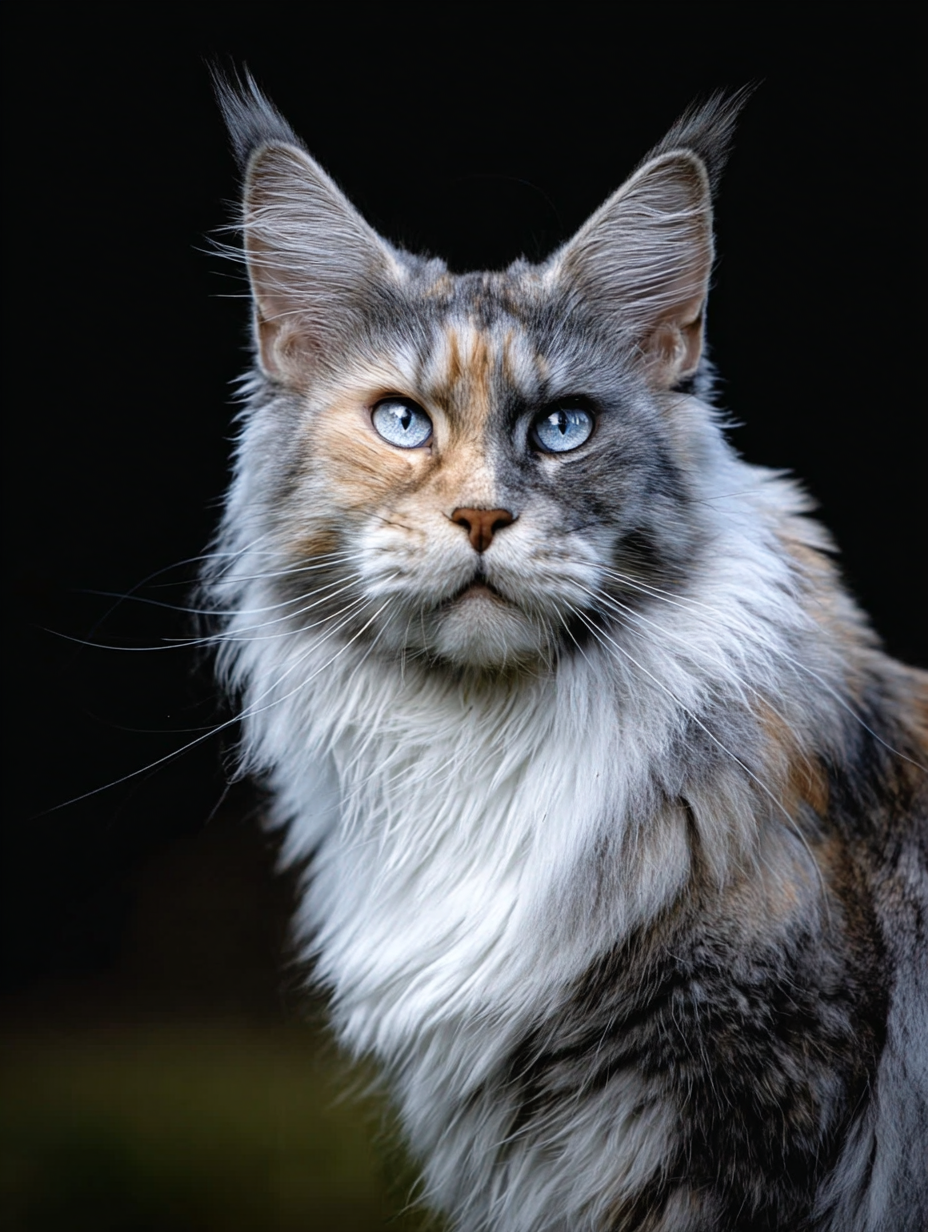
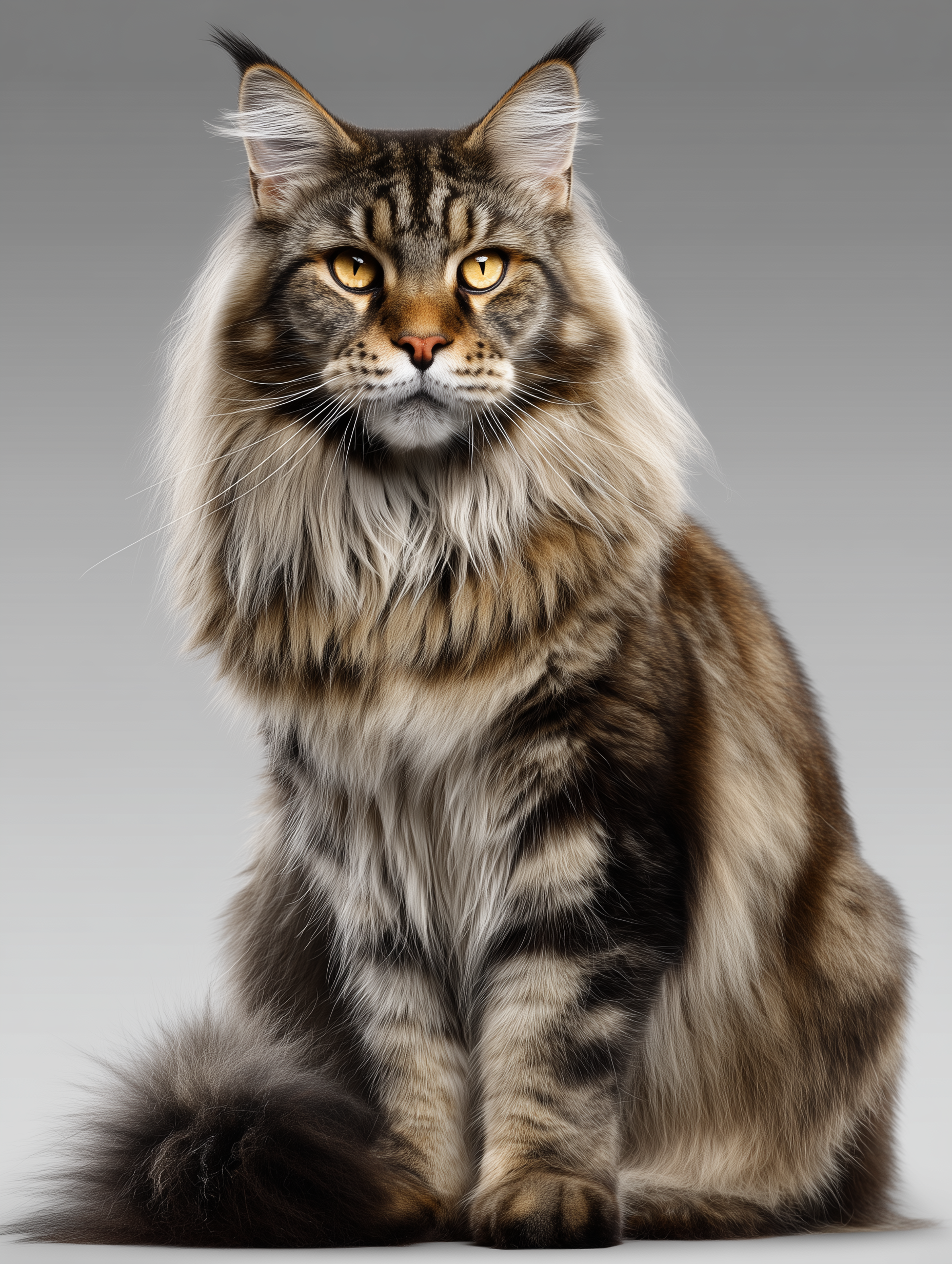
Body structure sets them apart early. Siberian cats have a rounder, more compact build with powerful hind legs. Maine Coons grow longer and taller with a rectangular frame.
Personality also differs. Siberian cats form deep bonds with their household and often stay close to their people. Maine Coons tend to socialize more broadly and maintain a higher level of independence.
Movement highlights another contrast. Siberians jump with strength and agility, while Maine Coons rely more on reach and height than spring.
Coat texture separates the breeds as well. Siberian cats carry a dense triple coat designed for insulation. Maine Coons have a long, flowing coat with less undercoat density.
Siberian Cat vs Norwegian Forest Cat
Both breeds developed naturally in harsh climates, yet they evolved different traits.
Head shape and expression show the first difference. Siberian cats have rounder faces and softer expressions. Norwegian Forest Cats show longer heads and sharper angles.
Social style also varies. Siberians prefer close involvement with daily family life. Norwegian Forest Cats enjoy companionship but often seek independence and quiet observation.
Energy patterns differ with age. Siberian cats mature slowly and keep playful energy for years. Norwegian Forest Cats tend to settle into calm routines earlier.
Indoor adaptability matters for many homes. Siberians adjust easily to family environments. Norwegian Forest Cats often seek height and solitude.
Siberian Cat vs Domestic Longhair Mixes
Predictability defines the Siberian cat. Domestic longhair mixes do not offer the same consistency.
Adult size and structure remain reliable in Siberians. Mixed-breed longhairs vary widely.
Coat texture stays consistent in Siberian cats across generations. Domestic longhairs range from silky to coarse with unpredictable grooming needs.
Temperament follows known patterns in Siberians. Mixed cats show individual traits without a breed baseline.
Pedigree and health tracking also differ. Siberian cats come from documented breeding programs. Domestic longhairs reflect random genetics.
Families who want stability, known traits, and long-term consistency often choose a Siberian cat over a mixed longhair.
How Siberian Cats Compare Overall
Siberian cats balance athletic strength with emotional warmth. They engage with their people without becoming demanding. Their presence feels steady, confident, and intuitive. This combination makes the Siberian cat one of the most adaptable longhaired breeds for modern homes.
Understanding Siberian Cat Colors
Siberian cats display a wide range of colors and patterns. This variety reflects natural development rather than heavy cosmetic breeding.
Most registries accept nearly all colors except chocolate and cinnamon.
Common Siberian cat colors and patterns include:
Brown, blue, red, cream, black, and white
Classic, mackerel, and spotted tabby patterns
Silver and smoke variations
Bi-color and high-white patterns
Colorpoint Siberians, also known as Neva Masquerade
This diversity makes Siberian cats one of the most visually varied natural breeds.
Coat Texture in Siberian Cats
The Siberian coat serves a functional purpose. It protects against cold, moisture, and temperature shifts.
Three layers make up the coat. Guard hairs repel water. Awn hairs provide structure. A dense undercoat insulates the body.
Texture feels resilient rather than silky. Seasonal shedding occurs heavily in spring and lightly the rest of the year.
During winter, the coat expands and gives the Siberian a powerful, full appearance. Summer coats lie closer to the body and feel lighter.
Eye Colors in Siberian Cats
Eye color depends on genetics and coat pattern.
Gold, green, and copper appear most often in traditional Siberians.
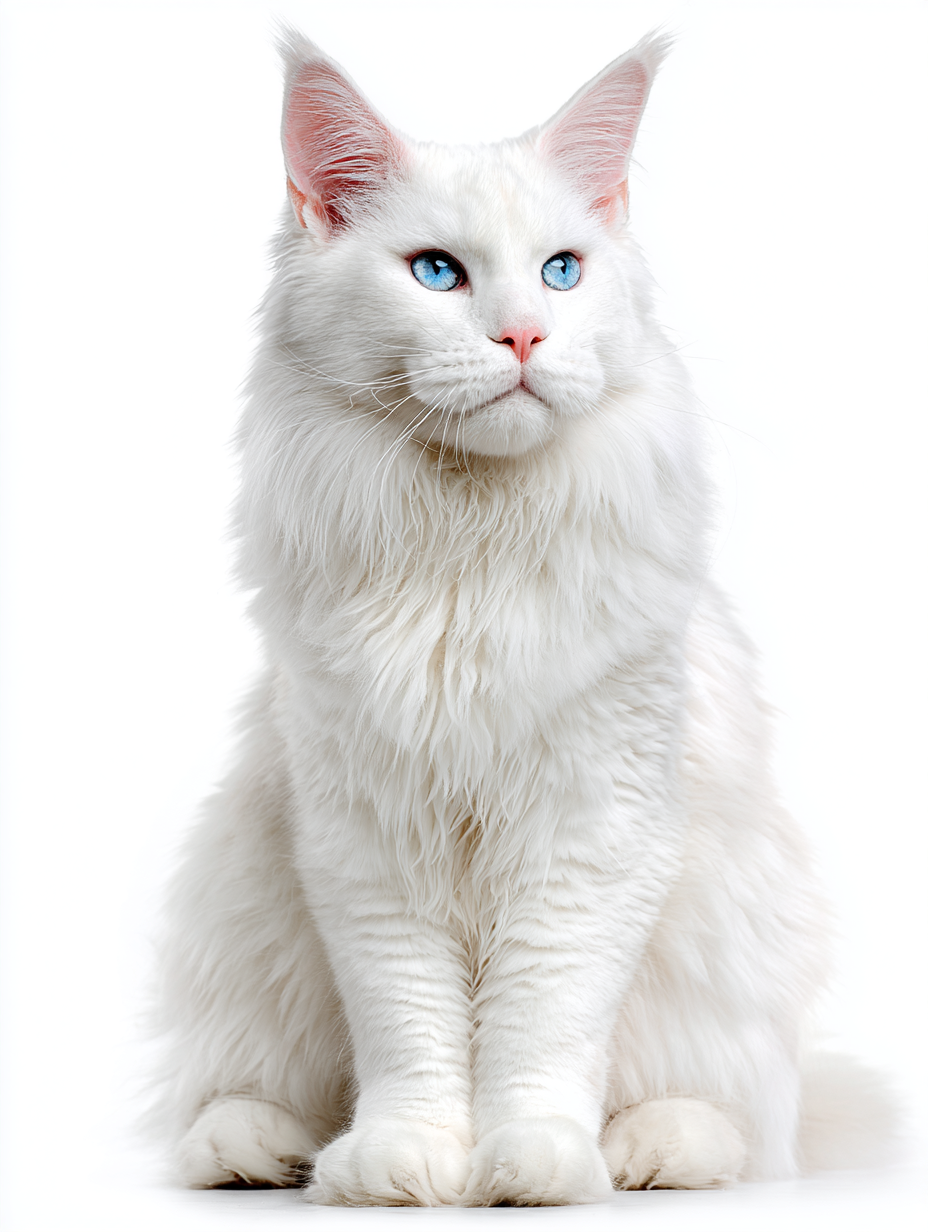
Blue eyes appear only in colorpoint Siberian cats.
Odd-eyed Siberians occur rarely, usually with high-white patterns.
Eye color does not affect temperament or health. It simply adds visual variety to the breed.
Siberian Cat Price & Availability
Siberian cats are less common than many mainstream breeds, especially in the United States. Ethical Siberian breeders typically maintain small, carefully planned programs focused on health, temperament, and correct breed type rather than volume. The breed’s slow maturation and long development cycle also limit how often kittens are available.
Because Siberians are a natural breed with specific structural and coat requirements, producing well-typed kittens takes time and long-term planning. Programs that track lineage, maintain imported bloodlines, or focus on allergy-aware placements often carry higher costs, which is reflected in pricing.
As a result, Siberian kittens are considered a premium breed, and waitlists are common for well-bred litters.
Typical Siberian Cat Price Range
Pet-quality Siberian kitten:
$3,000–$4,500
Breed or show-quality Siberian kitten:
$4,500–$6,500
Neva Masquerade (colorpoint) or imported lines:
$5,500–$8,000+
Retired adult Siberian:
$800–$2,000
Kittens from established lines with strong structure, dense triple coats, and documented breeding programs often fall in the upper end of these ranges. Pricing reflects breeding investment rather than coat color alone.
Factors That Influence Siberian Cat Pricing
Several factors affect the price of a Siberian kitten:
- Coat quality, density, and seasonal development
- Overall breed type, balance, and muscular structure
- Pedigree depth and imported bloodlines
- Neva Masquerade (colorpoint) status
- Eye color clarity and expression
- Consistent, people-oriented temperament
- Registry status with organizations such as TICA or CFA
- Health screening and long-term breeding practices
- In-home raising and early socialization
- Breeder support, contracts, and placement guidance
Because Siberians mature slowly and require multi-generation planning to maintain coat quality and temperament, reputable breeders rarely produce large numbers of kittens. This naturally increases demand and wait times.
Siberian Kittens: What to Expect
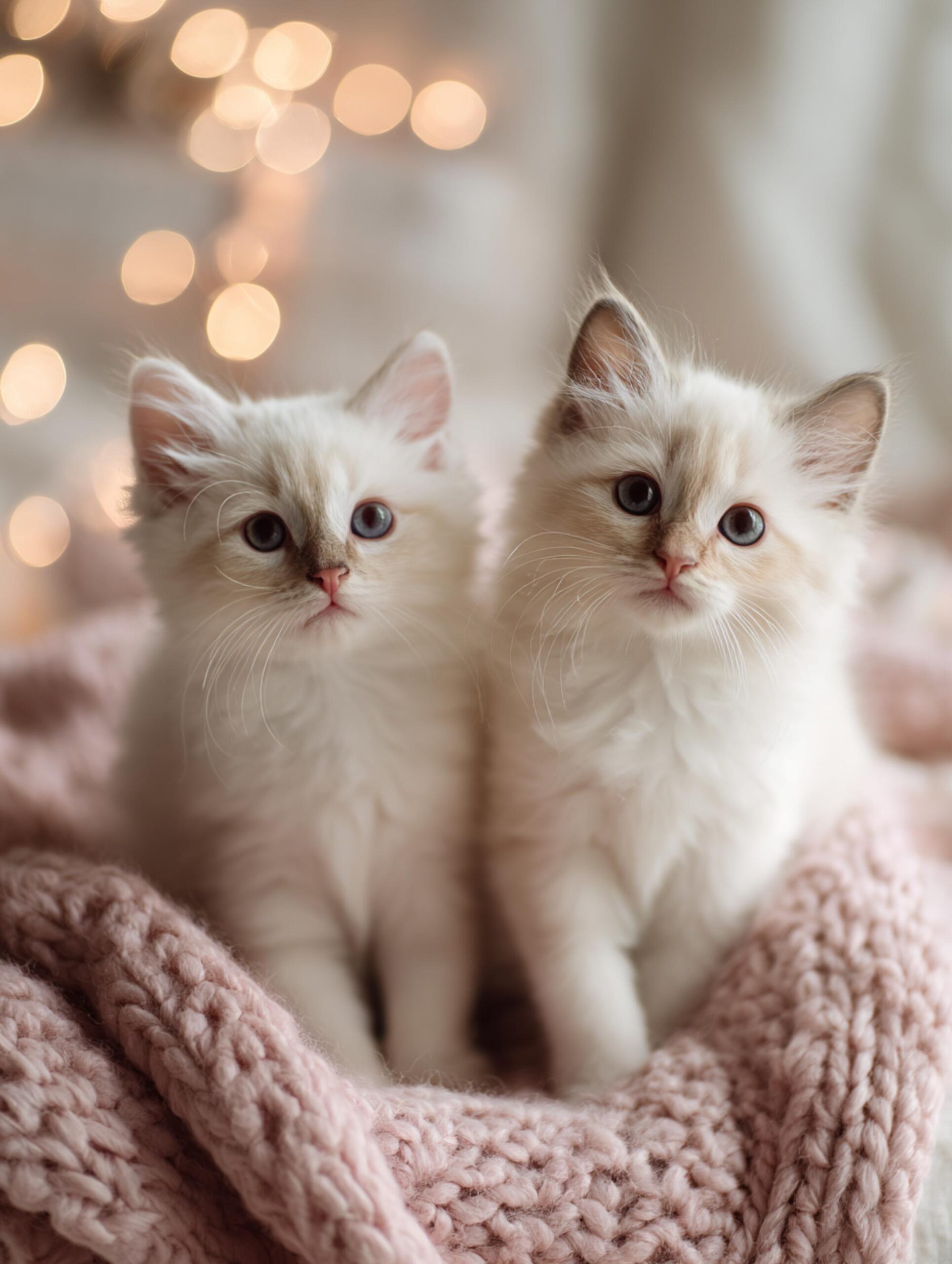
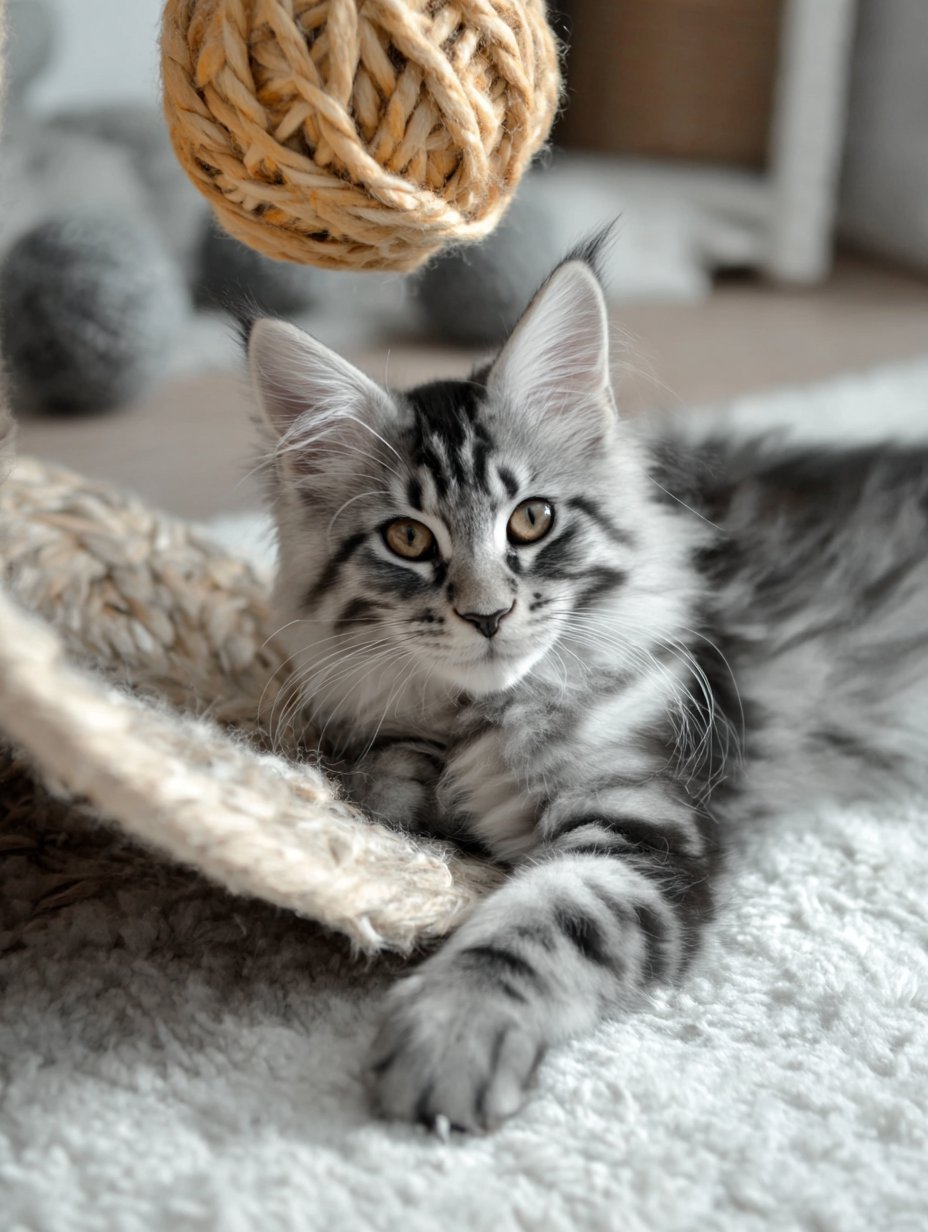
Siberian kittens are known for their sturdy build, expressive faces, and early social awareness. From a young age, they show curiosity and confidence without frantic energy. Many Siberian kittens seek interaction but balance play with calm observation.
The breed develops slowly, and both body and coat continue maturing for several years. Owners often notice dramatic changes in coat fullness, muscle development, and presence between kittenhood and adulthood.
Siberian kittens tend to form strong bonds early and remain people-focused as they grow. Their temperament stays steady rather than intense, which makes them well suited for families, multi-pet homes, and busy households.
Early Siberian Kitten Traits
Most Siberian kittens display:
- A soft but resilient coat that thickens over time
- Rounded features with alert, expressive eyes
- Confident curiosity without hyperactivity
- Strong interest in people and household routines
- Balanced play followed by easy settling
- Gradual confidence building through handling
- Early color and pattern visibility, with full development occurring over several years
Unlike high-energy or highly vocal breeds, Siberian kittens tend to play in controlled bursts and rest comfortably nearby. This balanced behavior reflects the breed’s natural adaptability and emotional stability from an early age.
Siberian Kitten Development Timeline
Siberian cats mature slowly compared to many breeds. Their physical size, coat, and emotional depth continue developing for several years, which is part of what gives the breed its presence and longevity.
0–8 weeks
During the first two months, Siberian kittens begin developing their foundational traits. The coat starts forming its early layers, though it remains soft and fluffy rather than dense. Eye color may begin shifting, and early temperament indicators emerge, such as curiosity, confidence, or sensitivity. Daily handling, household sounds, and gentle play establish the base for the Siberian’s people-oriented nature.
8–12 weeks
Coordination improves quickly at this stage. Siberian kittens become more interactive and responsive, and their personalities start to feel distinct. Grooming tolerance develops naturally when brushing and handling occur consistently. Early signs of the breed’s athletic ability appear as kittens begin jumping and climbing with surprising strength.
3–6 months
Exploration increases, and confidence grows. The body begins to lengthen and strengthen, especially in the hindquarters. The coat starts showing early structure, though it remains far from full. Tabby patterns, silvers, and colorpoints become more defined. Play becomes more intentional rather than chaotic.
6–12 months
Muscle development becomes more noticeable, particularly in males. The coat thickens, especially through the chest and tail, though it still lacks adult density. Temperament stabilizes into the classic Siberian profile—affectionate, socially aware, and confident without being demanding.
12–48 months
Full maturity unfolds gradually. The triple coat develops fully, seasonal shedding cycles become clear, and the head and body broaden. Many Siberians do not reach their full physical and emotional maturity until age four or even five. Throughout this period, they retain curiosity and playfulness without becoming high-energy or disruptive.
Siberians often maintain a youthful spirit while developing into deeply grounded, emotionally steady adults.
Finding a Siberian Breeder
Because Siberian cats are a natural breed with specific structural and coat requirements, choosing a knowledgeable breeder matters. Producing well-typed Siberians requires an understanding of slow maturation, coat layering, temperament stability, and long-term genetic planning.
What to Look For in a Siberian Breeder
A reputable Siberian breeder typically:
- Registers breeding cats with recognized organizations such as TICA or CFA
- Maintains consistent Siberian type across generations
- Screens breeding cats for known hereditary conditions
- Raises kittens in the home with daily human interaction
- Provides written contracts, health guarantees, and breeder support
- Shares veterinary records, microchip information, and vaccination history
- Offers temperament notes and developmental updates
- Understands coat development timelines and seasonal shedding
- Can explain differences between traditional Siberians and Neva Masquerade lines
Breeders who cannot provide registration, health transparency, or clear information about temperament and coat development should be approached with caution—especially for a breed where early environment strongly influences long-term confidence and social behavior.
Siberian Cat Temperament: Affectionate, Confident, and Emotionally Intelligent
Siberian cats are widely known for their emotionally rich and socially intuitive temperament. They form strong bonds with their people while maintaining independence and confidence. Rather than demanding attention, Siberians prefer to participate in daily life alongside their families.
Their personality reflects centuries of living closely with humans while remaining capable and self-assured.
Characteristic Temperament Traits
Siberian cats commonly display:
- Warm, people-focused affection
- Emotional awareness and responsiveness
- Confidence without dominance
- Calm behavior under stress
- Gentle curiosity rather than impulsivity
- Strong bonds without clinginess
- Natural adaptability to different households
Personality Profile
Siberians thrive in homes where interaction feels natural and consistent. They enjoy following their people from room to room, observing activities, and staying close without interrupting. Their presence often feels grounding rather than demanding.
Siberian cats tend to do well with:
- Children who respect boundaries
- Other cats
- Cat-savvy dogs
- First-time cat owners
- Active families who want engagement without chaos
They communicate in soft, expressive ways and rarely rely on excessive vocalization.
Activity and Play Style
Siberian kittens show athletic play that reflects their strong hindquarters and climbing ability. As adults, they maintain moderate activity levels and enjoy:
- Interactive wand toys
- Puzzle feeders
- Climbing trees and sturdy perches
- Short, focused play sessions
After play, Siberians settle easily and prefer resting near their people rather than seeking constant stimulation.
Emotional Temperament
Emotionally, Siberian cats tend to:
- Form secure, long-term attachments
- Remain stable during routine changes
- Offer companionship through presence rather than demand
- Respond well to gentle structure and consistency
- Adjust smoothly to new environments when supported
This combination of confidence, warmth, and emotional steadiness makes the Siberian cat especially appealing to families seeking a deeply bonded yet balanced companion.
Siberian Cat Size, Structure & Build
Siberian cats are medium-to-large, powerful, and athletic, built for strength rather than ornamentation. As a natural forest breed, the Siberian developed a body designed to climb, jump, and endure harsh climates. Their structure reflects function first, with balance, muscle, and agility taking priority over exaggeration.
Unlike cobby or stocky breeds, the Siberian has a rounded but athletic build. The body feels solid and substantial when lifted, yet flexible and springy rather than heavy. Movement appears confident and purposeful, with strong hindquarters and fluid motion.
The Siberian’s dense triple coat adds visual volume, but beneath the fur lies a muscular, well-balanced cat built for endurance and coordination.
Siberian Cat Adult Size Expectations
Most Siberian cats reach the following healthy adult weights:
Males: 15–20+ lbs
Females: 11–16 lbs
Because Siberians mature slowly, many reach near-adult height by 2–3 years, while full muscle mass, head development, and coat maturity continue until 4–5 years of age.
A well-structured Siberian should appear:
- muscular and well-balanced
- broad through the chest without heaviness
- strong in the hindquarters
- solid without excess fat
- athletic rather than bulky
- proportionate from head to tail
This structure supports climbing, jumping, and active play while remaining stable and grounded indoors.
Structural Traits of the Siberian Cat
Siberian cats typically show:
- a medium-to-large, rounded body with strong musculature
- powerful hind legs slightly longer than the front legs
- large, round paws that support jumping and balance
- a medium-length tail, thick at the base and well-furred
- a dense triple coat that adds insulation and volume
- a balanced silhouette with no extreme length or narrowness
Unlike breeds bred for a single exaggerated feature, the Siberian’s structure stays harmonious and functional, allowing the cat to remain agile well into adulthood.
Head & Facial Expression
The Siberian head contributes strongly to the breed’s approachable, expressive look.
Common features include:
- large, expressive eyes in green, gold, or copper
- blue eyes in colorpoint Siberians (Neva Masquerade)
- a rounded head with gentle contours
- a broad forehead and softly curved profile
- a medium-length nose with no stop or break
- a strong, rounded muzzle
- medium ears set wide apart, slightly tilted forward
The overall expression appears alert, intelligent, and warm. Many owners describe Siberians as having a thoughtful, emotionally aware look that reflects their intuitive temperament.
Siberian Cat Health Overview
Siberian cats are generally robust and long-lived due to their natural development. However, like all purebred cats, they have specific health considerations that responsible owners and breeders should understand.
Core Health Considerations
1. Hypertrophic Cardiomyopathy (HCM)
HCM is the most common heart condition seen in cats. Responsible Siberian breeders screen breeding cats and monitor heart health over time. Regular veterinary exams help support early detection.
2. Obesity & Weight Management
Siberians have strong appetites and substantial frames. Maintaining lean muscle mass is essential to protect joints, heart health, and long-term mobility.
3. Joint & Mobility Support
Because Siberians grow large and mature slowly, joint health matters throughout life. Proper nutrition, controlled weight, and thoughtful home setups support comfort as they age.
4. Dental Health
Routine dental care helps prevent periodontal disease, which can affect overall health. Home brushing and veterinary cleanings play an important role.
5. Coat & Skin Health
The dense triple coat can conceal skin issues. Regular grooming allows early detection of irritation, parasites, or matting, especially during seasonal shedding.
6. Digestive Sensitivity
Some Siberians show sensitivity to low-quality diets. High-protein, species-appropriate nutrition supports digestion, coat condition, and energy levels.
Routine Veterinary Care for Siberian Cats
Most Siberian owners follow a proactive care schedule that includes:
- annual wellness exams for adults
- twice-yearly exams for senior cats
- vaccinations based on lifestyle and risk
- baseline and periodic bloodwork
- preventative parasite control
- dental evaluations and cleanings as needed
Consistent veterinary care supports the Siberian’s reputation for longevity and vitality.
Why Health Testing Matters in Siberian Cats
Responsible Siberian breeders prioritize transparency and long-term health. Reputable programs typically provide:
- documented HCM screening
- full veterinary records
- clear lineage history
- thoughtful breeding plans focused on temperament and structure
Because Siberians are a slow-maturing breed, long-term health planning ensures kittens develop into strong, stable adults.
Coat Care & Grooming for Siberian Cats
The Siberian cat’s coat is one of its most important functional traits. Unlike ornamental longhair breeds, the Siberian coat developed for protection against cold, moisture, and harsh environments. It is a dense triple coat made up of guard hairs, awn hairs, and a thick insulating undercoat.
Rather than lying flat or silky, the coat feels resilient and slightly textured. It repels water and insulates the body while still allowing freedom of movement. Grooming needs are moderate overall, but they increase during seasonal shedding.
Weekly Grooming Routine
Most Siberian cats benefit from a consistent but simple grooming schedule.
A typical routine includes:
- brushing 2–3 times per week
- using a wide-tooth comb to reach the undercoat
- following with a slicker brush for loose surface hair
- checking friction areas such as behind the ears, armpits, belly, and tail base
- increasing brushing frequency during shedding seasons
When groomed regularly, the Siberian coat rarely mats. Most tangles form during seasonal coat blow or when grooming routines lapse.
Bathing Siberian Cats
Bathing is optional for most Siberians and should be done sparingly.
If bathing is needed:
- use a gentle, cat-safe shampoo
- avoid frequent baths, which can dry the skin
- rinse thoroughly to remove residue
- towel-dry and allow air drying, or use low heat if blow-drying
Because the Siberian coat is dense and water-resistant, it can take longer to dry fully than many other breeds.
Seasonal Shedding in Siberian Cats
Siberian cats experience pronounced seasonal shedding, often referred to as coat blow.
Typical shedding patterns include:
- Spring: the heaviest shedding period as the winter undercoat releases
- Fall: coat thickens in preparation for colder weather
- Summer and winter: more stable coat with lighter shedding
During seasonal transitions, daily or near-daily brushing helps reduce loose hair, prevents tangling, and keeps the coat comfortable.
Siberian Cat Color Genetics Explained
Siberian cats come in a wide range of colors and patterns due to their natural development and broad genetic base. Most registries accept nearly all colors, with the exception of chocolate and cinnamon in some standards.
The Siberian’s dense coat enhances color depth and pattern contrast, especially in tabbies, silvers, and colorpoints.
Accepted Siberian Cat Colors
Common Siberian colors and patterns include:
Solids
- black
- blue
- red
- cream
- white
Tabbies
- classic tabby
- mackerel tabby
- spotted tabby
Silvers and Smokes
- silver tabby
- black smoke
- blue smoke
Bi-colors and High White
- bicolor
- van
- harlequin
Colorpoint (Neva Masquerade)
- seal point
- blue point
- chocolate point (registry dependent)
- lilac point (registry dependent)
- tabby point variations
Because colorpoint Siberians follow temperature-sensitive genetics, contrast increases as they mature and live in cooler environments.
Understanding Siberian Coat Expression
A Siberian cat’s coat may display:
- solid, even coloration
- distinct tabby striping or spotting
- silver or smoke effects from inhibitor genes
- white spotting patterns
- colorpoint contrast in Neva Masquerade lines
Underlying genetics that influence Siberian coat expression include:
- agouti genes controlling tabby patterns
- inhibitor genes responsible for silver and smoke
- point restriction genes in colorpoint Siberians
- dilution genes affecting blue and cream
- white spotting genes creating bicolor patterns
Because Siberians are a natural breed, coat expression varies widely, and full color and pattern development may continue for several years.
Understanding Siberian Cat Breeding & Line Development
Siberian cats are a natural landrace breed, meaning their structure and coat developed through environmental adaptation rather than selective body mutations or recent crossbreeding. Siberians do not carry a structural mutation gene. Their defining traits—powerful build, triple coat, and stable temperament—evolved naturally over centuries in harsh climates.
Modern Siberian breeding focuses on preserving natural balance, not altering body type. Ethical programs work to maintain correct Siberian structure while refining coat quality, temperament, and long-term health.
Breeding Siberian cats requires a deep understanding of:
- slow Siberian growth and late maturity timelines
- triple-coat development and seasonal shedding cycles
- maintaining strong hindquarters and balanced musculature
- preserving rounded but athletic body proportions
- managing silver, smoke, and tabby pattern genetics
- colorpoint inheritance in Neva Masquerade lines
- eye color development linked to coat genetics
- temperament stability and social confidence
- avoiding exaggerated or foreign body types
Because Siberians mature slowly and coat expression changes over several years, a single litter may include kittens suited for different purposes, such as:
- show-quality kittens with ideal structure and coat
- breeder-quality kittens with strong traits for future programs
- pet-quality kittens with excellent temperament but softer coat or lighter structure
Variation reflects natural genetics rather than inconsistency.
What Responsible Siberian Breeding Programs Focus On
High-quality Siberian breeders prioritize long-term health, stability, and breed integrity rather than volume or trends.
Responsible programs typically focus on:
- temperament: confident, affectionate, emotionally balanced
- health: ongoing HCM screening and veterinary oversight
- structure: strong bone, athletic movement, powerful hindquarters
- coat quality: dense triple coat with correct texture
- genetic diversity: careful pedigree planning to avoid bottlenecks
- color clarity: especially in silvers, smokes, and Neva Masquerade lines
- natural type: avoiding extreme length, narrow frames, or exaggerated features
- slow development: respecting the breed’s long maturity timeline
Because Siberians are a slow-maturing breed, responsible programs often plan pairings several generations ahead. Well-developed lines take years to establish and maintain.
Common Myths About Siberian Cats
Myth 1: “Siberian cats are just long-haired domestic cats.”
Siberians are a recognized purebred with a consistent structure, temperament, and coat type. Domestic longhairs vary widely, while Siberians breed true across generations with predictable traits.
Myth 2: “Siberian cats are only popular because of allergy claims.”
Lower Fel d 1 levels in some Siberians contribute to interest, but the breed’s popularity comes from its temperament, intelligence, and adaptability. Not all Siberians are allergy-friendly, and ethical breeders never make guarantees.
Myth 3: “Siberians are giant cats like Maine Coons.”
While Siberians are large and powerful, they are more compact and rounded than Maine Coons. Their strength comes from muscle and balance, not height or length.
Myth 4: “Siberian cats are high-maintenance because of their coat.”
The Siberian coat is functional, not ornamental. Regular brushing manages shedding, but daily grooming is not required outside of seasonal coat blow.
Myth 5: “Siberian cats have wild or aggressive temperaments.”
Despite their strong build, Siberians are known for gentle, socially aware behavior. They tend to be confident and emotionally stable rather than reactive or dominant.
Myth 6: “All Siberian cats look the same.”
Siberians show wide variation in color, pattern, and expression. What remains consistent is balance, structure, and coat texture—not identical appearance.
Myth 7: “Neva Masquerade cats are not real Siberians.”
Neva Masquerade cats are colorpoint Siberians. They share the same structure, temperament, and breed standard, differing only in coat color genetics.
Myth 8: “Siberians are vocal and demanding.”
Siberians communicate softly and purposefully. They enjoy interaction but do not rely on constant vocalization or attention.
Myth 9: “Siberian cats mat easily like Persians.”
The Siberian coat resists matting due to its texture. Mats typically form only when grooming lapses during heavy shedding periods.
Myth 10: “Siberian cats take forever to mature because of their coat.”
Slow maturation is a core breed trait, not a grooming issue. Siberians often take four to five years to reach full physical and emotional maturity, regardless of coat length.
Siberian Cat FAQ
Are Siberian cats hypoallergenic?
Siberian cats are not completely hypoallergenic, but many individuals produce lower levels of Fel d 1, the primary cat allergen. This lower allergen output can make some Siberians easier to tolerate for people with mild to moderate allergies. However, Fel d 1 levels vary by individual cat, even within the same litter, so no Siberian can be guaranteed allergy-safe.
Why are Siberian cats often recommended for allergy sufferers?
Siberians are often recommended because some bloodlines naturally produce less Fel d 1 than average. This is a biological trait, not a coat-related one. When paired with proper grooming and home management, lower Fel d 1 production can reduce allergy symptoms for certain people, though results are never universal.
How big do Siberian cats get?
Siberian cats are a medium-to-large breed with a muscular, athletic build. Adult males typically weigh between 15 and 20 pounds or more, while females usually range from 11 to 16 pounds. Their dense coat can make them appear even larger than they are, especially during winter months.
How long does it take for a Siberian cat to fully mature?
Siberian cats mature slowly compared to many breeds. While they may reach near-adult height by two to three years, full muscle development, head shape, and coat maturity often take four to five years. This slow growth contributes to their balanced temperament and long-lasting physical strength.
Are Siberian cats good with children?
Siberian cats are generally excellent with children when interactions are respectful. They tend to be patient, tolerant, and emotionally aware, which helps them handle family environments well. Their sturdy build also makes them less fragile than some breeds, though supervision is still important with young children.
Do Siberian cats get along with dogs?
Most Siberian cats do well with cat-friendly dogs, especially when introductions are handled gradually. Their confident nature allows them to set boundaries without panic or aggression. Siberians often coexist peacefully with dogs and may even form close bonds in multi-pet households.
Are Siberian cats very active?
Siberian cats are moderately active and athletic. They enjoy climbing, jumping, and interactive play, especially when young, but they also settle easily. Rather than constant hyperactivity, Siberians prefer short bursts of play followed by relaxed companionship.
Do Siberian cats shed a lot?
Siberian cats shed moderately throughout the year and heavily during seasonal coat blow, usually in spring and sometimes fall. Their triple coat releases large amounts of undercoat during these periods. Regular grooming helps manage shedding and keeps the coat comfortable.
How much grooming does a Siberian cat need?
Siberians need moderate grooming. Brushing two to three times per week is usually enough outside of shedding season, while daily brushing may be necessary during coat blow. Their coat resists matting when maintained consistently.
Are Siberian cats good for first-time cat owners?
Siberian cats can be a good choice for first-time owners who want an affectionate, adaptable companion. They are generally confident, people-oriented, and forgiving of minor routine changes. However, new owners should be prepared for grooming needs and the breed’s large size.
Are Siberian cats indoor or outdoor cats?
Siberian cats adapt well to indoor living and do not require outdoor access to thrive. Their social nature and intelligence make them content in indoor environments when provided with climbing structures, enrichment, and interaction. While some owners choose supervised outdoor time, most Siberians live long, healthy lives as indoor-only cats.
How long do Siberian cats live?
Siberian cats are known for good longevity compared to many large breeds. The average lifespan ranges from 12 to 15 years, with many individuals living into their late teens when well cared for. Their natural breed development contributes to overall resilience and long-term health.
Do Siberian cats have health problems?
Siberian cats are generally healthy, but they can still develop inherited conditions seen across many breeds. Hypertrophic cardiomyopathy (HCM) is the most commonly monitored concern. Responsible breeders screen breeding cats and track health trends within their lines to reduce risk.
Are Siberian cats vocal?
Siberian cats are not excessively vocal, but they are communicative. They often use soft chirps, trills, and quiet meows to interact with their people. Their vocalizations tend to feel conversational rather than demanding or loud.
Do Siberian cats like to be held?
Many Siberian cats tolerate or enjoy being held, especially when raised with gentle handling. However, individual preference varies. Some prefer sitting beside their people rather than being carried, while others seek physical closeness on their own terms.
Are Siberian cats lap cats?
Some Siberians become lap cats, but this is not universal. Many show affection by staying close, leaning against their people, or sleeping nearby. Their bond often expresses through proximity rather than constant lap sitting.
Are Siberian cats intelligent?
Siberian cats are highly intelligent and problem-solving oriented. They learn routines quickly, respond well to interactive play, and often figure out puzzles or food toys with ease. Their intelligence pairs with emotional awareness, making them responsive companions.
Can Siberian cats be trained?
Siberian cats respond well to positive reinforcement training. Many learn basic commands, leash walking, or household routines when training is consistent and reward-based. Their confidence and curiosity make them willing participants rather than resistant learners.
Do Siberian cats get lonely?
Siberian cats form strong bonds with their families and prefer regular interaction. While they can tolerate short periods alone, long stretches of isolation may lead to boredom. Companion animals, enrichment, or predictable routines help meet their social needs.
Are Siberian cats destructive?
Siberian cats are not typically destructive when their needs are met. Providing scratching posts, climbing trees, and interactive play prevents boredom-related behaviors. Their confidence and emotional stability reduce stress-driven destruction compared to more anxious breeds.
What is a Neva Masquerade Siberian cat?
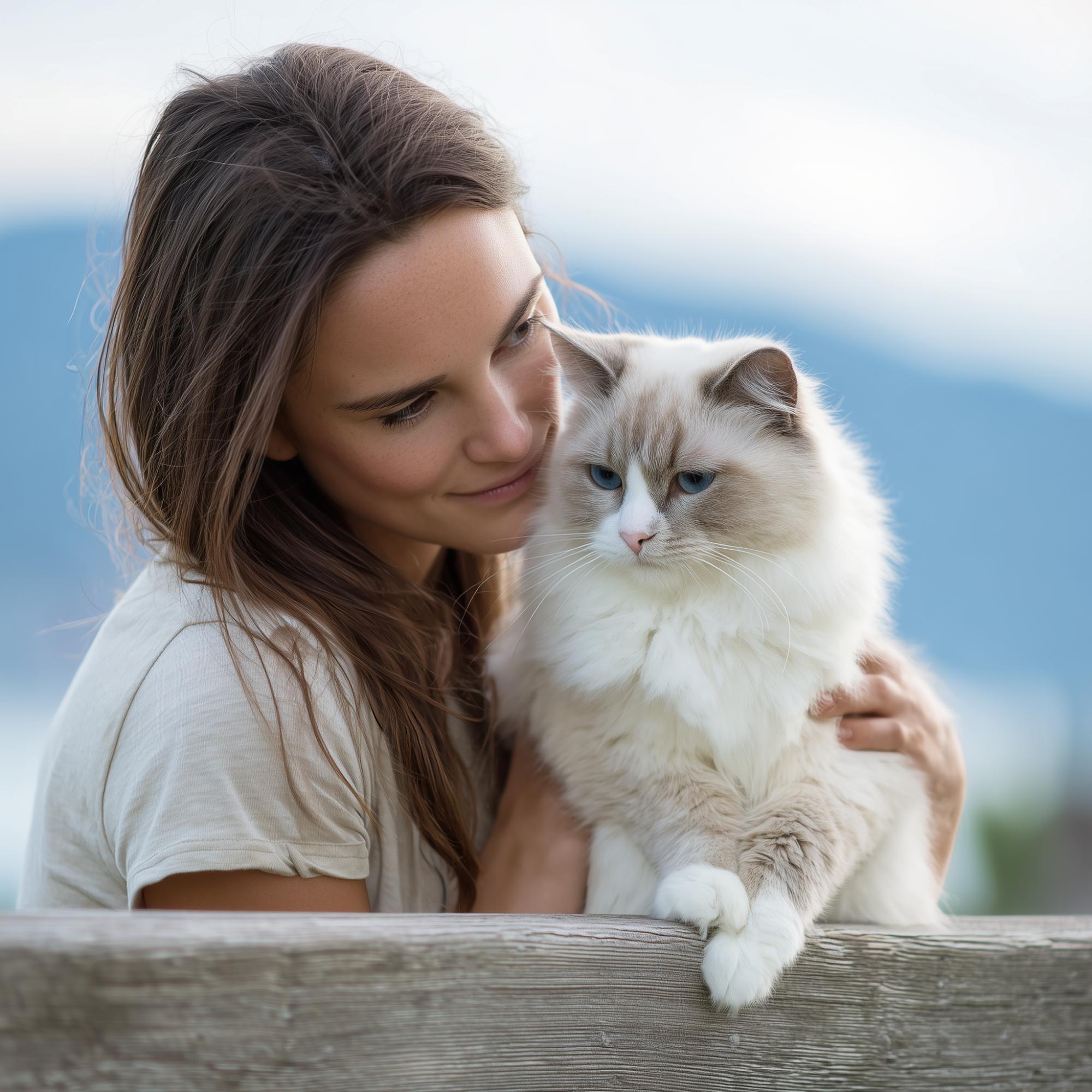
A Neva Masquerade is a colorpoint Siberian cat. It is the same breed with the same structure, temperament, and coat type, but with point coloration and blue eyes. The only difference lies in coat genetics, not personality or health. Neva Masquerade Siberians are fully recognized within the breed by major registries.
Are Neva Masquerade Siberians more hypoallergenic?
Neva Masquerade Siberians are not more hypoallergenic than other Siberians. Fel d 1 production depends on the individual cat and bloodline, not coat color or point genetics. Some people tolerate Neva Masquerades well, while others do not, which is why exposure testing remains important.
Do male or female Siberian cats differ in temperament?
Male and female Siberian cats share the same general temperament traits. Males often appear more relaxed and affectionate, while females may be slightly more independent or observant. These differences are subtle and vary more by individual personality than by sex.
Are Siberian cats good for apartment living?
Siberian cats adapt well to apartment life when their physical and mental needs are met. Vertical space, climbing options, and interactive play help replace the space they would use outdoors. Their calm confidence makes them suitable for shared or smaller living environments.
Do Siberian cats require a special diet?
Siberian cats benefit from a high-protein, species-appropriate diet that supports muscle mass and coat health. Many do best on quality wet food or a mixed feeding plan. While no breed-specific diet is required, good nutrition helps manage shedding, weight, and energy levels.
How often should a Siberian cat see the veterinarian?
Most Siberian cats follow a standard veterinary schedule. Annual wellness exams suit healthy adults, while senior cats benefit from twice-yearly visits. Regular checkups support early detection of heart, dental, or weight-related concerns.
Are Siberian cats prone to obesity?
Siberian cats can gain excess weight if overfed or under-exercised due to their solid build and strong appetite. Maintaining lean muscle through portion control, play, and structured routines helps prevent obesity-related issues.
Do Siberian cats like water?
Many Siberian cats show curiosity around water. Some enjoy playing with dripping faucets or watching water flow, while a few tolerate bathing better than other breeds. This interest comes from their water-resistant coat rather than a universal love of water.
How expensive are Siberian cats compared to other breeds?
Siberian cats typically cost more than average domestic kittens due to slow maturation, breeding complexity, and demand. Prices usually reflect breeder investment, health screening, and pedigree rather than coat color alone. Well-bred Siberians often fall into the premium breed category.
Is a Siberian cat the right breed for everyone?
Siberian cats suit families who want an affectionate, confident, and interactive companion. They may not be ideal for people seeking a low-shedding, ultra-independent cat. Understanding their size, grooming needs, and social nature helps ensure a good match.
Summary: Is the Siberian Cat the Right Breed for You?
The Siberian cat is a powerful, affectionate, and emotionally intelligent breed with a long natural history and a balanced temperament. Known for its dense triple coat, strong athletic build, and people-oriented nature, the Siberian adapts well to family life, multi-pet homes, and a wide range of living environments.
While no Siberian is truly hypoallergenic, many individuals produce lower levels of Fel d 1, making the breed a realistic option for some allergy-aware households when expectations are managed carefully. Slow maturation, moderate grooming needs, and strong social bonds define the Siberian experience from kittenhood through adulthood.
Choosing a Siberian cat means committing to a breed that thrives on connection, routine, and thoughtful care. When bred responsibly and placed intentionally, Siberians grow into steady, confident companions that remain deeply bonded to their families for years.
Considering a Siberian Kitten?
If you are exploring the Siberian breed and would like to learn more about individual placements, you can view our kittens available and continue your research from there.
Related Siberian Cat Resources
If you are researching Siberian cats and allergies, these in-depth guides may also help you decide whether this breed fits your home, health needs, and lifestyle:
- Siberian Cat Shedding Guide:
Learn how often Siberians shed, when seasonal coat blow occurs, and how shedding impacts allergen buildup in the home. - Siberian Cat Grooming & Coat Care:
A complete breakdown of brushing schedules, coat tools, bathing considerations, and maintenance tips for the Siberian’s triple coat. - Siberian Cat Temperament & Personality:
Understand how Siberians interact with people, children, and other pets, and whether their social nature affects allergy exposure. - Siberian Cat Health Overview:
Breed-specific health considerations, preventative care, and how skin and coat health influence dander production. - Siberian Kittens for Sale:
Realistic pricing ranges, what influences cost, and why allergy-aware breeding programs are priced differently. - Siberian Cats vs Other Hypoallergenic Breeds:
A side-by-side comparison of Siberians, Balinese, Devon Rex, Cornish Rex, and Sphynx for allergy-sensitive households. - Are Siberian Cat Hypoallergenic?
A focused guide explaining why Siberian cats may or may not be a good fit for allergy issues. - Best Cat Breeds for People With Allergies:
A broader educational guide comparing multiple breeds and explaining what truly matters for allergy compatibility.
Sources & References
- The International Cat Association (TICA) – Siberian Breed Standard
Official breed description covering structure, coat type, temperament, size, and accepted colors.
Source: TICA.org - Cat Fanciers’ Association (CFA) – Siberian Cat Breed Profile
Breed history, personality traits, grooming needs, and general care expectations.
Source: CFA.org - Fédération Internationale Féline (FIFe) – Siberian / Neva Masquerade Standard
International breed standard defining coat structure, color acceptance, and breed integrity.
Source: FIFeweb.org - National Institutes of Health (NIH) / PubMed – Fel d 1 Research
Peer-reviewed research identifying Fel d 1 as the primary feline allergen and explaining biological variability between cats.
Source: National Library of Medicine (PubMed) - American College of Allergy, Asthma & Immunology (ACAAI)
Medical guidance on cat allergies, allergen exposure, and realistic expectations for allergy-aware households.
Source: ACAAI.org - American Academy of Allergy, Asthma & Immunology (AAAAI)
Clinical explanations of pet allergies, airborne allergen behavior, and environmental management.
Source: AAAAI.org - Journal of Allergy and Clinical Immunology
Scientific studies confirming individual variation in Fel d 1 production among cats, including Siberian populations. - University of California, Davis – School of Veterinary Medicine
Veterinary resources on feline coat biology, grooming, shedding cycles, and skin health.
Source: UC Davis Vet Med - Cornell University College of Veterinary Medicine
Evidence-based guidance on feline health, lifespan, preventive care, and breed-related considerations.
Source: Cornell Vet - Tufts University Cummings School of Veterinary Medicine
Veterinary research and educational material on cat behavior, nutrition, and preventive health.
Source: Tufts Vet - World Small Animal Veterinary Association (WSAVA)
Global nutrition and health guidelines supporting claims related to coat condition, weight management, and longevity.
Source: WSAVA.org - Veterinary Dermatology Journal
Peer-reviewed articles on feline skin, sebaceous glands, coat structure, and allergen binding.
Medical Disclaimer
This content is for educational purposes only and does not replace medical or veterinary advice. Individuals with allergies or asthma should consult a qualified healthcare provider before introducing a cat into the home.





Read the Comments +