

Siberian Cat Grooming Guide: Triple Coat Care, Brushing & Shedding
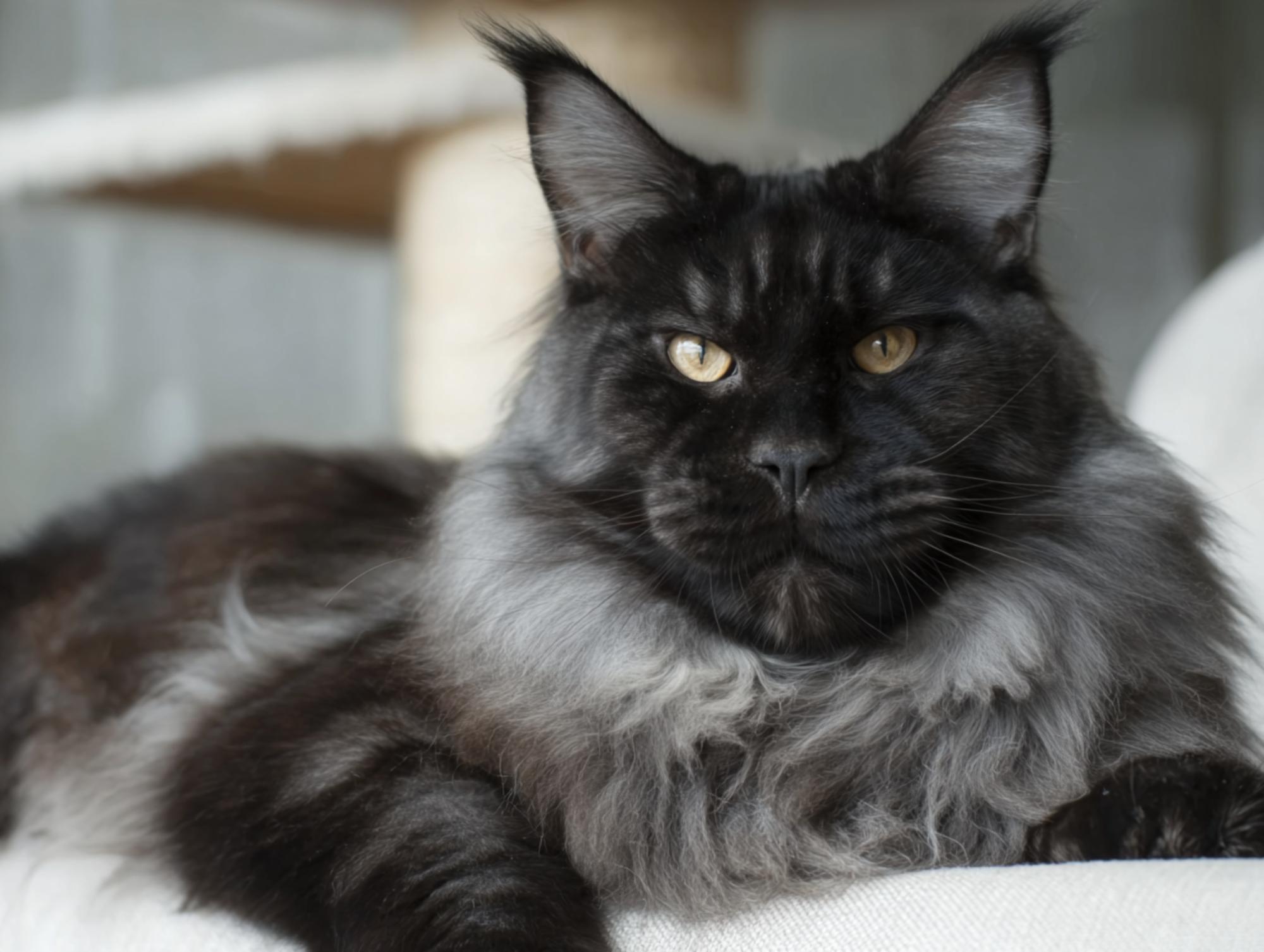
If you live with a Siberian cat, you already know their coat is one of the breed’s most remarkable features. Thick, weather-resistant, and built with a true triple-layer structure, the Siberian coat is designed for harsh climates—but it requires informed, consistent care at home.
Grooming a Siberian is not about show grooming or keeping the coat perfectly fluffed. It supports skin health, comfort, and coat integrity while helping manage the breed’s heavy seasonal shedding. Siberians typically shed steadily year-round, with dramatic “coat blows” in spring and fall when large amounts of undercoat release at once.
A regular grooming routine also allows owners to notice changes early—skin dryness, weight loss, matting near the skin, or tender areas that can easily be hidden beneath a dense coat.
This guide offers a practical, Siberian-specific grooming approach based on real coat structure and owner experience. Whether you are raising a Siberian kitten or caring for an adult or senior, these steps help keep the coat healthy, comfortable, and manageable year-round.
Siberian Cat Grooming Summary Table
| Feature | What Owners Should Know | Grooming Frequency |
|---|---|---|
| Coat Type | Long, dense triple coat with insulating undercoat and protective guard hairs | Brush 2–3x weekly; daily during coat blows |
| Shedding Level | Moderate year-round; very heavy spring/fall shedding | Increase to daily brushing during seasonal sheds |
| Mat-Prone Areas | Armpits, behind ears, chest ruff, belly, flanks | Check every session |
| Best Tools | Stainless steel comb, wide-tooth undercoat comb, slicker, grooming glove | Comb first, then slicker to finish |
| Bathing Needs | Optional; helpful during coat blows or for greasy coats | A few times per year or as needed |
| Hairball Risk | Higher due to volume of loose fur | Regular brushing + hydration |
| Nail & Paw Care | Paw fur traps debris and litter | Trim nails every 2–3 weeks; check paws weekly |
| Senior Care | Older cats groom less effectively | Increase brushing; focus on belly, hips, and flanks |
| Professional Grooming | Useful for severe shedding or impacted undercoat | Every 8–12 weeks if needed |
Understanding the Siberian Triple Coat
The Siberian coat is built for survival in extreme cold and moisture. It consists of three distinct layers, each with a specific function:
1. The downy undercoat
The softest layer, closest to the skin. It provides insulation and is the primary source of seasonal shedding. When it releases, it often comes out in large quantities.
2. The middle coat (awn hair)
Slightly longer and denser, this layer adds volume and warmth. It helps hold the coat’s shape and contributes to the breed’s full, rounded appearance.
3. The outer guard coat
The longest, coarsest layer. Guard hairs are water-resistant and protective, helping repel moisture and dirt while giving the coat its natural shine.
How the layers work together
The combination of insulation, volume, and protection creates the Siberian’s luxurious appearance—but it also means the coat can:
- trap large amounts of shed undercoat
- tangle close to the skin if not brushed
- form mats in friction areas despite not being a “fine” coat
Unlike some longhaired breeds, Siberians do not mat easily all over the body, but localized matting and compacted undercoat can cause discomfort, skin irritation, and increased shedding if grooming is inconsistent.
Even though the coat is natural and functional, it thrives with regular maintenance tailored to its unique structure.
Why Grooming Matters Beyond Appearance (Siberian Cats)
Grooming is not cosmetic for Siberian cats. Because of their dense triple coat, regular grooming has direct health and comfort benefits that build over time—especially during seasonal coat blows.
Prevents compacted undercoat
Siberians shed heavily, but much of the downy undercoat remains trapped within the coat instead of falling away. When not removed, this undercoat compresses near the skin, restricting airflow and creating tight, uncomfortable patches.
Reduces hairballs
The volume of loose fur in a Siberian coat is substantial. Brushing removes shed hair before it is swallowed during self-grooming, helping reduce hairballs and digestive irritation.
Keeps the sanitary area clean
Long fur around the hindquarters can trap litter or stool, particularly in overweight cats or during seasonal sheds. Regular grooming helps maintain cleanliness and prevents irritation.
Prevents skin irritation
Natural oils, saliva, dust, and dander collect easily in a thick triple coat. Brushing improves airflow to the skin, limits buildup, and helps prevent itching and inflammation.
Supports early detection
Hands-on grooming allows owners to notice changes that may otherwise stay hidden under dense fur, including:
- weight loss or gain
- lumps or swelling
- scabs or dandruff
- flea dirt
- warm, tender, or sensitive spots
Strengthens the owner–cat bond
Siberians are generally people-oriented and respond well to calm, predictable routines. Gentle grooming sessions become a familiar form of interaction that builds trust and cooperation over time.
1. Start Early and Keep It Consistent
Siberian kittens adapt best when grooming is introduced early and treated as a normal part of life. Early handling teaches them that brushing is safe, predictable, and non-threatening—making adult grooming far easier.
Begin with short, low-pressure sessions:
- allow the kitten to sniff the comb or brush
- touch the body lightly with the tool before brushing
- keep sessions to 2–3 minutes
- use calm handling and quiet praise
As comfort increases, gradually extend the sessions. For most Siberians, 10–15 minutes, two to three times per week is sufficient outside of shedding seasons. During spring and fall coat blows, daily sessions may be needed.
For adult Siberians new to grooming, slow pacing is essential. Work on one small area at a time, pause if the cat becomes tense, and pair sessions with treats or a calm environment.
Short, consistent grooming prevents severe undercoat buildup and avoids the long, stressful sessions that become necessary when the coat is neglected.
2. Use the Right Tools for the Siberian Triple Coat
Siberian coats respond best to tools that separate layers and reach the undercoat without scratching the skin or breaking guard hairs. Harsh de-shedding tools are usually unnecessary and can damage the coat if overused.
Essential Grooming Tools
Stainless steel comb
The most important tool for Siberians. It reaches deep into the undercoat. Use wide teeth for general grooming and narrower teeth for detail work near friction areas.
Soft slicker brush
Lifts loose fur from the mid and top layers after combing and helps smooth the coat, especially during heavy shedding.
Wide-tooth undercoat comb
Useful during seasonal coat blows to release dense undercoat without pulling.
Rubber grooming glove or curry brush
Ideal for kittens or sensitive adults. Removes surface fur and encourages healthy skin circulation.
Blunt-tipped scissors
Helpful for trimming small, uncombable areas or removing debris from the sanitary zone.
Optional tools
- low-heat pet dryer after bathing or during coat blows
- light conditioning spray to reduce static and ease combing
- very limited use of a de-shedding tool during peak shedding only
3. Focus on High-Friction Problem Areas First
Although Siberians are not as mat-prone as fine-coated longhairs, localized tangling and compacted undercoat commonly develop in high-friction zones. These areas should be checked during every grooming session:
- behind the ears
- under the arms
- chest ruff and flanks
- belly
- inside the hind legs
- around the tail base
- under a collar, if worn
To safely remove small tangles or compacted fur:
- hold the coat close to the skin to prevent pulling
- work from the outer edge of the tangle inward
- use short, gentle strokes
- stop if the skin begins to move or the cat becomes uncomfortable
Never pull compacted fur from the root. This is painful and can damage delicate skin. If an area is tight or felted, carefully trim it or schedule professional grooming to prevent injury.
4. Brushing Technique Matters for Siberian Cats
Because Siberian cats have a dense triple coat, effective grooming must reach through multiple layers—not just skim the surface. Brushing only the topcoat leaves large amounts of loose undercoat trapped close to the skin, where it can compress and cause discomfort.
A complete Siberian grooming session includes:
Brushing with the coat
Begin by brushing in the direction of coat growth. This loosens surface fur and helps the cat relax before deeper grooming.
Separating the coat into sections
Use your hands to lift and part the fur so you can see down to the skin. Working in small sections ensures the undercoat is reached without pulling.
Combing from root to tip
Gently guide a stainless steel or undercoat comb from the skin outward. This allows the tool to pass through all three layers and capture shed undercoat effectively.
Light brushing against the coat
Very gentle upward strokes—used sparingly—can help release loose undercoat during seasonal sheds. These should never scrape the skin or tug at the coat.
Final smoothing
Finish by brushing with the coat to lay the guard hairs back into place and restore the coat’s natural flow and shine.
Slow, steady movements keep Siberians comfortable and prevent snagging. A calm rhythm is far more effective than fast or forceful brushing, especially with a coat as thick as this breed’s.
5. Bathing Siberian Cats the Right Way
Siberian cats do not need frequent baths, but bathing can be helpful during intense coat blows or when the coat feels greasy, dusty, or heavy with shed undercoat. Because the triple coat is dense and water-resistant, bathing should be unhurried and thorough.
Bathing steps
- use lukewarm water
- choose a mild, cat-safe shampoo formulated for long or dense coats
- avoid heavy fragrances or products that leave residue
- rinse extremely well to remove shampoo from the undercoat
- towel dry thoroughly
- use a low-heat pet dryer only if the cat tolerates it calmly
A properly done bath helps loosen trapped undercoat, reduces shedding, and supports skin health during seasonal transitions. It can also improve dandruff and dryness during winter months.
Predictable handling reduces stress. Use the same room, the same towel, and the same routine each time so the Siberian learns what to expect and remains calm.
6. Managing Seasonal Shedding in Siberians
Siberian cats shed year-round, but spring and fall coat blows are intense. During these periods, brushing should increase to daily or near-daily sessions to stay ahead of loose fur.
Extra attention during shedding seasons should include:
- checking behind the ears for tangles or compacted undercoat
- combing through the chest ruff and flanks
- lifting the belly coat to release trapped fur
- removing loose hair before the cat swallows excess during self-grooming
Nutrition also plays a role. Adequate hydration and omega-3 fatty acids, such as fish or salmon oil, can help support skin health and make shedding more manageable.
Seasonal shedding is normal for Siberians, but neglect during coat blows allows undercoat to pack tightly near the skin. Once compacted, this often requires professional grooming to remove safely and comfortably.
7. Don’t Forget Nail and Paw Care (Siberian Cats)
Siberian cats have steady nail growth, and even though they are athletic, active cats, their nails do not always wear down evenly on their own. Trimming every 2–3 weeks with cat-safe clippers helps prevent overgrowth, snagging, and pressure on the paw pads.
Siberians also commonly have fur between the toes, which is normal and protective. This fur should only be trimmed if it begins trapping litter, mud, or debris. The goal is to keep the area tidy—not to remove the fur completely.
During regular grooming sessions, check the paws for:
- stuck litter or debris
- dry or flaky skin
- mild redness or irritation
- cracked, split, or overgrown nails
Because Siberians are powerful, heavy-boned cats, clean paws and properly trimmed nails support comfortable movement and reduce unnecessary strain on joints and tendons.
8. Grooming the Tail, Ruff, and Collar Area
The tail, neck ruff, and collar area are among the densest parts of the Siberian coat. These regions trap shed undercoat easily, particularly during seasonal coat blows.
Brush the tail from base to tip using a wide-tooth comb or soft slicker. Work in small sections and take your time—quick brushing often misses compacted undercoat near the tail base.
For the neck ruff and collar area, gently lift the coat and comb through all layers. This area collects oils, friction, and loose hair and benefits from frequent attention.
Avoid shaving or heavily trimming the Siberian coat unless medically necessary. The triple coat plays a vital role in temperature regulation, skin protection, and moisture resistance.
9. Check Ears, Eyes, and Teeth During Grooming
Each grooming session is an opportunity to monitor your Siberian’s overall health. Their generally cooperative nature makes quick inspections easy to include in the routine.
Ears
Ears should appear clean with no strong odor. Check for redness, excess wax, or debris. Clean only the outer ear with a damp cotton pad if needed. Never insert anything into the ear canal.
Eyes
Siberian eyes should be clear and bright. Mild tearing can occur. Gently wipe the corners with a soft, damp cloth as needed.
Teeth
Check the gums and teeth for redness, tartar buildup, or odor. Siberians benefit from routine tooth brushing, dental chews, and periodic veterinary dental exams. Consistent dental care supports long-term heart and kidney health.
Regular checks help identify concerns early—before they become painful or costly.
10. When to See a Professional Groomer
Most Siberian cats can be maintained at home with proper grooming, but professional support can be helpful in certain situations. A groomer experienced with dense, triple-coated breeds may be needed when:
- the cat is overweight and cannot groom certain areas
- the cat is a senior with reduced flexibility
- seasonal coat blows cause severe undercoat buildup
- compacted fur develops along the flanks, belly, or ruff
A professional groomer can:
- safely remove impacted undercoat
- perform a thorough bath and blow-dry
- tidy the sanitary area if needed
- check for dandruff, irritation, or flea dirt
- handle sensitive or hard-to-reach areas
Professional grooming complements regular at-home care and helps prevent coat issues from becoming overwhelming or uncomfortable for the cat.
11. Nutrition and Coat Health (Siberian Cats)
A Siberian cat’s coat quality begins with nutrition. Because the Siberian has a dense triple coat, balanced nutrition plays a major role in regulating shedding cycles, maintaining skin health, and supporting the coat’s natural texture and weather resistance.
Key nutritional components include:
- high-quality animal protein to support hair growth
- taurine for overall skin and coat integrity
- omega-3 fatty acids to support skin moisture and help manage shedding
- consistent, predictable ingredient quality
Diets heavy in fillers, artificial colors, or low-quality fats often show their effects first in the coat. Signs of nutritional imbalance may include greasy fur, excessive shedding, dandruff, or a coat that loses its natural fullness and shine.
If a Siberian experiences sudden coat changes, patchy shedding, or persistent flaky skin, a veterinary evaluation is recommended. Food sensitivities, nutrient deficiencies, hormonal changes, and digestive issues frequently present through coat and skin changes before other symptoms appear.
Addressing these signs early helps prevent long-term coat and skin problems.
12. Common Grooming Mistakes to Avoid
Even attentive owners can make grooming choices that lead to discomfort or coat damage in Siberians. Common mistakes to avoid include:
- using harsh de-shedding tools aggressively on the triple coat
- shaving or heavily trimming the coat without medical necessity
- pulling compacted undercoat instead of loosening it gradually
- brushing only the surface while ignoring deeper coat layers
- bathing too frequently, which can dry the skin and disrupt coat oils
- allowing long gaps between grooming sessions
For Siberian cats, short, frequent grooming sessions are far more effective than infrequent, intensive ones. Gentle, consistent handling protects the coat structure and keeps grooming a low-stress experience.
13. Building Trust Through Grooming
For Siberian cats, grooming is part of building a calm, cooperative relationship with their owner. Siberians are intelligent, people-oriented, and responsive to predictable routines. When grooming is introduced and maintained with patience, they learn to accept it comfortably—even if they are not naturally still or lap-oriented.
Use a calm voice and slow, deliberate movements. Avoid rushing. If your cat becomes tense, shifts away, or shows uncertainty, pause and resume later. Respecting these signals teaches the cat that grooming is safe and controllable.
Over time, many Siberians begin to anticipate grooming sessions—sitting nearby, leaning into brushing, or positioning themselves where grooming usually occurs. These behaviors indicate trust, comfort, and a positive association with the routine.
Grooming Siberian Cats in Everyday Life
Hearing from other Siberian cat owners helps new families understand what grooming looks like in a real household. While all Siberians share a dense triple coat, individual coat density, shedding intensity, and tolerance for handling vary from cat to cat. The most successful routines are those that keep the coat healthy while respecting the cat’s personality.
These shared experiences offer practical insight into how owners manage brushing, seasonal coat blows, nail trims, and daily maintenance—showing that Siberian grooming is manageable, consistent, and preventative rather than extreme.
How Often Should You Bathe a Siberian Cat?
Most Siberian owners agree that frequent bathing is unnecessary. The breed’s water-resistant triple coat stays clean with regular brushing and occasional spot-cleaning. Full baths are typically reserved for heavy seasonal shedding, oily coats, or situations where the cat becomes genuinely dirty.
“Siberians don’t need routine baths. Their coat sheds a lot, but brushing does most of the work. I’ll bathe mine once or twice a year during coat blow, or if he gets into something messy.” — Community Owner Comment
Some owners introduce gentle bathing during kittenhood so the cat becomes comfortable with water handling later, but they emphasize that bathing should never be a frequent chore.
“I let my kitten experience shallow water and quick rinses so he won’t panic if he ever needs a bath. Even so, real baths are rare—brushing handles almost everything.”
Because the Siberian coat is designed to repel dirt and moisture, most owners rely on thorough brushing first, bathing second.
Coat Texture Differences in Siberian Cats
Although Siberians share a breed standard, coat texture varies between individuals. Some have a lighter, silkier coat that releases undercoat easily, while others carry an extremely dense underlayer that sheds heavily and can trap oils.
“My female has a softer coat and stays clean with brushing. My male has a very dense undercoat and gets oily if I skip grooming, so I’ll bathe him once or twice a year during shedding season.”
“During spring coat blow, one bath helps loosen everything, but the rest of the year I just brush more often.”
These differences highlight that grooming schedules should be adjusted based on coat density, seasonal shedding patterns, and skin health, rather than rigid rules.
Handling Baths and Shedding Gently
Owners consistently stress the importance of gentle handling during bathing and shedding care. Siberians vary in their tolerance for water—some remain calm with shallow rinses, while others strongly prefer dry grooming.
“My Siberian hates water, so when he stepped in something sticky, I took him to a groomer. It was much less stressful for both of us.”
“I bathed mine as a kitten, so now he stays calm. I keep the water shallow and move slowly. He doesn’t enjoy it, but he trusts the process.”
For shedding, owners overwhelmingly recommend combing and patient brushing rather than shaving. Siberian cats should never be shaved unless medically necessary—their triple coat protects the skin, regulates temperature, and manages moisture.
When grooming becomes challenging, a professional groomer can assist with:
- a thorough undercoat blow-out
- sanitary trimming when needed
- safely clearing compacted undercoat
- cleaning after accidents or sticky messes
These services support regular at-home grooming and preserve the Siberian’s natural coat structure while keeping the cat comfortable and healthy.
The Importance of Regular Combing (Siberian Cats)
The strongest message from Siberian cat owners and groomers is that consistent combing is essential for controlling shedding and preventing compacted undercoat. Even though the Siberian coat is long, it is the density of the triple coat—not the length—that creates grooming challenges. A high-quality steel comb reaches deep into the undercoat far more effectively than brushing alone.
“I run a stainless steel comb through my Siberian several times a week. It actually gets to the undercoat without pulling. If I skip sessions, the amount of loose fur around the house increases immediately.”
“My groomer showed me the comb they use for triple-coated breeds—stainless steel with both wide and narrow teeth. It works better than any de-shedding tool. The key is holding the coat close to the skin so it doesn’t tug.”
“I tried a Furminator once and stopped. It didn’t help much and felt too harsh. The comb removes undercoat evenly and keeps the guard hairs intact.”
These experiences reflect what breeders and grooming professionals consistently recommend:
a quality stainless steel comb combined with a slow, gentle technique is the foundation of Siberian coat care.
Regular combing removes shed undercoat early, prevents matting and compaction, preserves coat texture, and significantly reduces hairballs—especially during intense spring and fall coat blows.
Hygiene Care for Siberian Cats
Because Siberians have long fur, occasional hygiene maintenance may be necessary, even though full sanitary shaving is rarely required.
Situations where light trimming or extra cleaning may help include:
- overweight cats who struggle to reach the rear area
- cats who step in litter or experience soft stool
- senior cats with limited flexibility
Owner experiences commonly reflect this balanced approach:
“My senior Siberian sometimes gets debris on the back legs. I trim a very small area to make cleaning easier—nothing drastic, just enough to keep him comfortable.”
“My groomer will lightly tidy under the tail if needed, but they don’t shave. The coat still needs to protect the skin.”
Spot-cleaning, gentle wiping, and minimal trimming are usually sufficient. Full shaving should be avoided unless medically necessary, as the Siberian triple coat plays an important role in temperature regulation and skin protection.
Age and Coat Maintenance in Siberians
Siberian cats go through distinct coat stages, and grooming needs evolve with age.
“When my kitten was young, she barely shed. I still combed regularly so grooming felt normal. As she matured, the undercoat thickened dramatically, and that’s when consistent grooming really mattered.”
“As my Siberian aged, he couldn’t groom his sides and belly as easily. I focused brushing there more often. He didn’t need baths—just steady help from me.”
How grooming needs change by life stage:
Kittens
- minimal shedding
- focus on building grooming tolerance
- short, calm sessions
Adolescents
- undercoat thickens rapidly
- seasonal shedding becomes noticeable
- regular combing becomes essential
Adults
- full triple coat established
- heavy seasonal shedding
- consistent grooming prevents compaction
Seniors
- reduced flexibility
- uneven shedding patterns
- higher risk of compacted undercoat on flanks, hips, and belly
- owner assistance becomes necessary
Age-appropriate grooming keeps the Siberian coat comfortable, functional, and manageable throughout every stage of life.
Grooming Tools and Techniques for Siberian Cats
Experienced Siberian owners and groomers consistently emphasize quality tools and a gentle, methodical approach over harsh de-shedding equipment. Because the Siberian has a dense triple coat, the right tools are essential for reaching the undercoat without damaging guard hairs or irritating the skin.
“Use a stainless steel comb for the undercoat. It removes loose fur without scraping the skin. Hold the coat lightly near the base so it doesn’t pull. Heavy de-shedding tools can damage the outer coat and don’t work well on a triple coat.”
“If you hit a compacted area during shedding season, slow down. Work from the outside edges inward instead of forcing the comb through. That’s how you avoid pain and coat damage.”
For Siberians, many owners find that two combs provide the best results:
- Wide-spaced stainless steel comb
Ideal for opening the coat, loosening heavy undercoat, and working through dense areas like the flanks, chest ruff, and sides. - Fine-toothed comb
Used for routine maintenance, detail work, and catching loose undercoat that the wide comb misses, especially near friction areas.
This two-comb method gives excellent control while preserving the Siberian coat’s natural structure, volume, and water-resistant guard hairs.
Seasonal Grooming and Warm-Weather Care
Siberian cats experience dramatic seasonal shedding, especially in spring and fall. As temperatures rise, the insulating undercoat releases rapidly and must be managed proactively.
“During coat blow, the undercoat comes out in handfuls. I comb my Siberian much more often during those weeks—it keeps the coat from matting and reduces fur all over the house.”
Although Siberians are longhaired, trimming is rarely necessary. Instead, effective seasonal care includes:
- increasing combing frequency during peak shedding
- checking high-friction zones (chest ruff, flanks, behind ears, belly)
- using section-by-section combing to prevent compacted undercoat
- considering a professional de-shed and blow-out if shedding becomes overwhelming
Some owners choose a seasonal grooming appointment:
“I take mine in once a year during spring coat blow. They do a bath and blow-out to clear loose undercoat—no shaving, just removing what he can’t shed on his own.”
Strategic seasonal grooming keeps Siberians comfortable, reduces indoor shedding, and maintains the coat’s full, functional structure.
Why Brushing Your Siberian Cat’s Teeth Matters
Oral Care and Kidney Health
Dental care is one of the most overlooked aspects of Siberian grooming, yet it has significant long-term health implications. Oral health is closely linked to kidney health, and routine tooth brushing is one of the simplest preventive steps owners can take.
Like many cats, Siberians can develop plaque buildup, especially when fed primarily wet or soft foods. Plaque hardens into tartar, which irritates the gums and leads to inflammation. Once the gums are inflamed, bacteria can enter the bloodstream—this is periodontal disease, and it affects far more than the mouth.
Chronic oral inflammation and circulating bacteria place added strain on the kidneys over time. Kidney disease often develops quietly in older cats, and poor dental health is a known contributing factor.
Brushing your Siberian’s teeth interrupts this process. Removing plaque prevents tartar formation; healthy gums block bacterial entry; and reduced inflammation helps protect kidney function. Consistent dental care supports not just oral health, but overall longevity and quality of life.
Brush as Often as You Can (Siberian Cats)
Daily or near-daily dental brushing—even if it is only a minute at a time—significantly reduces the risk of serious health problems in Siberian cats, including:
- chronic kidney disease
- painful dental infections
- tooth loss
- persistent bad breath
- gum inflammation or bleeding
- bacteria spreading from the mouth to other organs
Dental care should be introduced early, ideally during kittenhood, when Siberians are still adaptable and learning routine handling. Start with:
- a cat-safe toothbrush or fingertip brush
- cat-formulated toothpaste
- very short, calm sessions
Gently touch the teeth and gums, build tolerance gradually, and pair brushing with a predictable daily routine. Consistency matters more than duration.
If daily brushing is not realistic, aim for several sessions per week. Additional support can include:
- dental treats
- dental wipes
- water additives
These options can help reduce plaque, but they should support brushing, not replace it. Regular veterinary dental cleanings are still necessary and should follow your veterinarian’s recommendations.
A healthy mouth allows comfortable eating, proper digestion, and reduces long-term strain on the kidneys. For Siberian cats, consistent dental care is one of the most effective ways owners can support long-term health and quality of life well into the senior years.
Siberian Cat Grooming FAQ
How often should you groom a Siberian cat?
Most Siberian cats need grooming 2–3 times per week year-round, with daily grooming during spring and fall coat blows. Their dense triple coat sheds heavily during seasonal transitions, and regular grooming prevents compacted undercoat and discomfort.
Do Siberian cats need daily brushing?
Not always—but daily brushing is recommended during seasonal shedding. Outside of coat blows, several sessions per week are usually sufficient. Even short daily sessions of 5 minutes can dramatically reduce loose fur and hairballs.
Why do Siberian cats shed so much?
Siberian cats have a triple coat designed for cold climates. When temperatures change, the insulating undercoat releases in large amounts. This heavy seasonal shedding is normal and not a sign of poor health when managed properly.
What kind of coat does a Siberian cat have?
Siberian cats have a triple coat consisting of:
- a soft insulating undercoat
- a dense middle layer
- long, water-resistant guard hairs
This structure makes their coat warm, weather-resistant, and naturally full—but also prone to trapping shed fur if not groomed.
Do Siberian cats get mats easily?
Siberians do not mat as easily as fine-coated longhaired breeds, but localized matting and compacted undercoat can develop, especially:
- behind the ears
- under the arms
- along the belly
- around the neck ruff
- near the tail base
Regular combing prevents these issues.
What is the best brush or comb for a Siberian cat?
A stainless steel comb is the most important grooming tool for Siberians. Many owners use:
- a wide-tooth comb to open the coat and release undercoat
- a fine-tooth comb for detail work and maintenance
Brushes alone are not enough for a triple coat.
Are de-shedding tools safe for Siberian cats?
Most harsh de-shedding tools are not recommended. They can damage guard hairs and irritate the skin without effectively removing deep undercoat. Gentle combing is safer and more effective.
Should you shave a Siberian cat in summer?
No. Siberian cats should not be shaved unless medically necessary. Their triple coat regulates temperature and protects the skin. Shaving can cause:
- overheating
- sunburn
- coat texture damage
- uneven regrowth
Proper grooming is safer than shaving.
Do Siberian cats need baths?
Siberian cats do not need frequent baths, but occasional bathing can help during:
- heavy seasonal shedding
- oily or dusty coats
- medical or hygiene situations
Most owners bathe Siberians once or twice per year, if at all.
Does bathing reduce shedding in Siberian cats?
Yes, when done properly. A bath followed by thorough drying and combing can help loosen and remove large amounts of shed undercoat during coat blows. Bathing should never replace regular brushing. See Do Siberian Cats Shed for more info.
How do you groom a Siberian cat that hates brushing?
Use:
- very short sessions
- calm, predictable routines
- gentle tools
- positive reinforcement
Stop before the cat becomes stressed. Consistency builds tolerance over time.
When should Siberian kittens start grooming?
Grooming should begin as soon as the kitten comes home. Early exposure helps kittens accept brushing, nail trims, and handling as normal parts of life—even before heavy shedding begins.
Do Siberian cats need sanitary trims?
Sometimes. Light trimming may help:
- overweight cats
- seniors with limited mobility
- cats with long fur around the hindquarters
Full shaving is unnecessary; minimal trimming and spot-cleaning are usually sufficient.
How do you prevent hairballs in Siberian cats?
Hairballs are common due to coat volume. Prevention includes:
- regular combing
- adequate hydration
- balanced nutrition
- hairball-support diets or supplements if needed
Removing fur before it is swallowed is the most effective strategy.
How does diet affect a Siberian cat’s coat?
Nutrition has a direct impact on coat quality. Poor diet can cause:
- dull fur
- greasy texture
- dandruff
- excessive shedding
High-quality protein and omega-3 fatty acids support healthy skin and predictable shedding cycles.
Why is dental care part of grooming?
Dental health affects overall health. Plaque and gum disease can allow bacteria into the bloodstream, increasing strain on the kidneys and other organs. Brushing teeth several times per week is one of the most important preventive care steps.
How often should you trim a Siberian cat’s nails?
Nails should be trimmed every 2–3 weeks. Even active Siberians may not wear nails evenly on their own. Regular trims prevent snagging, discomfort, and paw strain.
Do Siberian cats need professional grooming?
Many Siberians are maintained at home, but professional grooming can help during:
- severe coat blows
- compacted undercoat
- senior care
- hygiene challenges
A groomer experienced with dense or triple-coated breeds is ideal.
How does grooming change as Siberian cats age?
Grooming needs increase with age. Seniors may:
- shed unevenly
- struggle to groom their belly or flanks
- develop compacted undercoat
Owner assistance becomes essential to maintain comfort and skin health.
Is Siberian grooming high maintenance?
Siberian grooming is consistent rather than difficult. Short, regular sessions prevent major problems. Neglect leads to long, stressful grooming sessions, while routine care keeps maintenance manageable.
Can grooming reduce allergies in Siberian cats?
Grooming helps reduce loose fur and dander, which may lower environmental allergens. While no cat is truly hypoallergenic, consistent grooming improves air quality and cleanliness in the home.
What are the biggest grooming mistakes with Siberian cats?
Common mistakes include:
- brushing only the surface coat
- skipping grooming during shedding season
- using harsh tools
- shaving the coat
- waiting too long between sessions
Gentle, frequent grooming is always more effective.
What does a healthy Siberian coat look and feel like?
A healthy Siberian coat should feel:
- full but not greasy
- soft at the base with resilient guard hairs
- free of tight mats or compacted undercoat
Changes in texture often signal grooming or health issues.
Is grooming necessary even if my Siberian looks clean?
Yes. A Siberian can look clean while still carrying large amounts of trapped undercoat. Grooming supports skin health, comfort, and long-term coat condition—not just appearance.
See More About Siberian Cats
If you’re continuing your research, these related posts cover Siberian cat care, development, and ownership considerations:
- Are Siberian Cats Hypoallergenic?
- Male vs Female Siberian Cats and Allergies
- Siberian Cat Size, Growth, and Maturity Timeline
- Siberian Kitten Growth: What to Expect Month by Month
- Living With a Siberian Cat When You Have Allergies
- Siberian Cat Diet and Nutrition
- Siberian Cat Fel d 1 Explained
- Do Siberian Kittens Trigger Allergies More then Adults?
- Siberian Cat Complete Overview
- Siberian Cats vs Other Hypoallergenic Breeds
Sources & References
- The International Cat Association (TICA) – Siberian Breed Standard
Confirms the Siberian’s triple coat, seasonal shedding patterns, and natural coat function.
https://tica.org/breeds/siberian/ - Cat Fanciers’ Association (CFA) – Siberian Breed Profile
Covers coat type, grooming expectations, and breed characteristics.
https://cfa.org/siberian/ - Cornell University College of Veterinary Medicine – Hairballs in Cats
Explains why dense- and long-coated cats are prone to hairballs and how grooming reduces risk.
https://www.vet.cornell.edu/departments-centers-and-institutes/cornell-feline-health-center/health-information/hairballs - VCA Animal Hospitals – Grooming Your Cat
Veterinary guidance on brushing frequency, mat prevention, and bathing.
https://vcahospitals.com/know-your-pet/grooming-your-cat - ASPCA – Cat Grooming Tips
General grooming best practices, nail trims, and handling.
https://www.aspca.org/pet-care/cat-care/cat-grooming-tips - American Veterinary Dental College (AVDC) – Periodontal Disease in Cats
Details plaque, tartar, gum disease, and systemic health impacts.
https://avdc.org/pet-owners/pet-dental-care/ - Cornell Feline Health Center – Dental Disease in Cats
Links oral inflammation and bacterial spread to kidney and systemic health.
https://www.vet.cornell.edu/departments-centers-and-institutes/cornell-feline-health-center/health-information/dental-disease - American Animal Hospital Association (AAHA) – Why Dental Care Matters
Supports routine tooth brushing and professional dental cleanings.
https://www.aaha.org/your-pet/pet-owner-education/ask-aaha/dental-care/ - Tufts University Cummings School of Veterinary Medicine – Nutrition and Skin/Coat Health
Explains how diet quality affects coat condition and shedding.
https://vetnutrition.tufts.edu/ - Merck Veterinary Manual – Skin Disorders in Cats
Medical reference for dandruff, coat changes, and underlying health causes.
https://www.merckvetmanual.com/cat-owners/skin-disorders-of-cats - National Cat Groomers Institute – Cat Grooming Best Practices
Industry standards for grooming dense and long-coated cats safely.
https://nationalcatgroomers.com/






Read the Comments +