
Siberian Cat Pros and Cons: What Living With This Breed Is Really Like
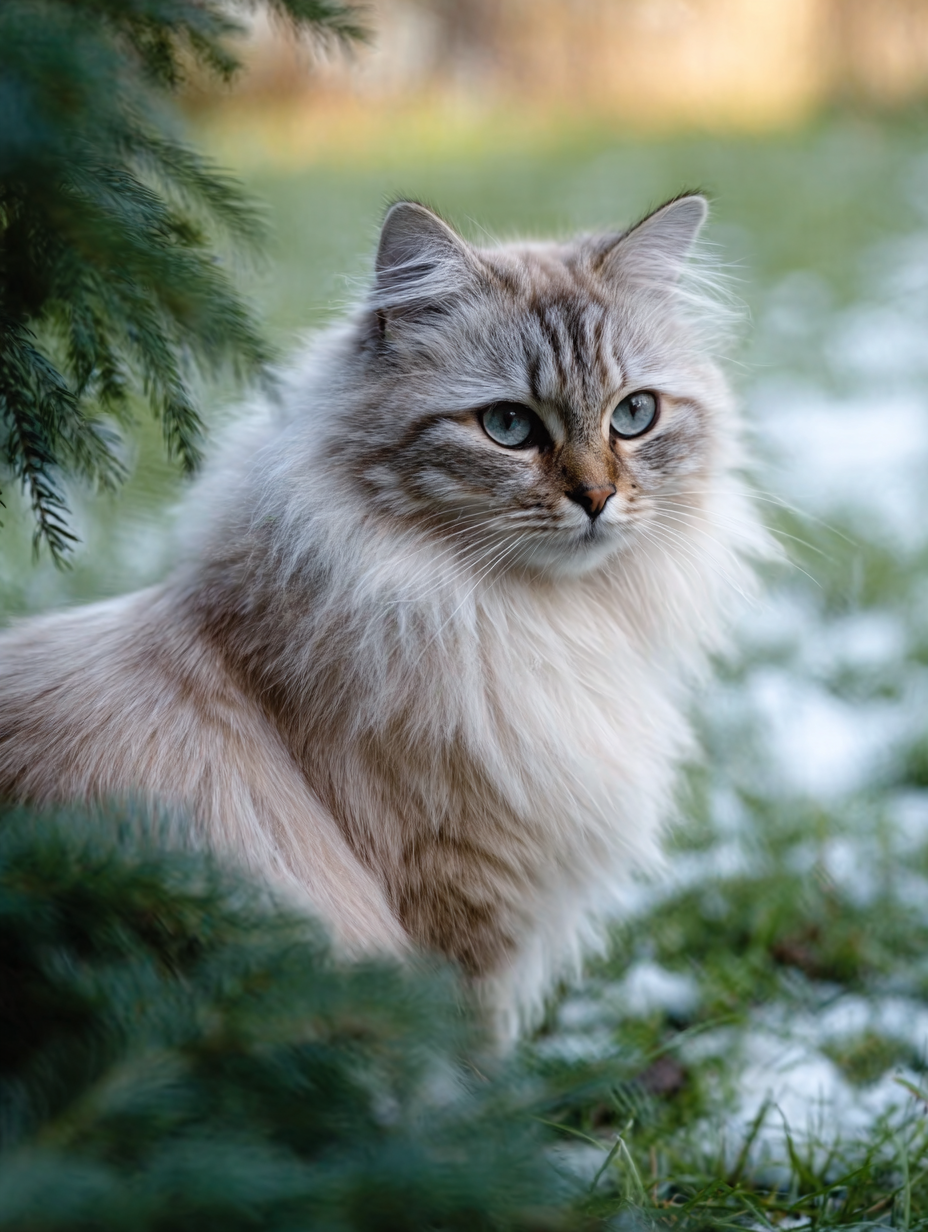
What are the pros and cons of Siberian Cats? Siberian cats are among the most searched longhaired breeds in the United States, often praised for their intelligence, adaptability, and family-friendly reputation.
This pros-and-cons overview walks through what prospective owners should realistically consider, including grooming demands, health expectations, temperament, compatibility with children and other pets, and long-term lifestyle fit.
Whether you are deciding if a Siberian suits your household or comparing breeds during your research process, this guide outlines both the strengths and the challenges of living with this powerful, slow-maturing forest breed. Links at the end of the post allow readers to continue researching Siberian kittens and related breed resources.
Siberian Cat Pros and Cons Summary
| Category | Pros of Siberian Cats | Cons of Siberian Cats |
|---|---|---|
| Temperament | Confident, steady, socially aware; affectionate without being needy | Can become frustrated in under-stimulating environments |
| Family Compatibility | Generally excellent with respectful children and other pets | Requires boundaries to be respected; not a passive breed |
| Living Environment | Adapts well to apartments or houses when enriched | Needs vertical space and routine to thrive |
| Behavior & Social Needs | Intelligent, interactive, bonds strongly with people | Not ideal for hands-off or low-engagement homes |
| Appearance | Dense triple coat, strong structure, natural breed type | Seasonal shedding and grooming commitment |
| Cost Factors | Robust health when well bred; no extreme structural traits | Higher purchase price; ongoing grooming and care costs |
| Health | Generally healthy population with good longevity | Line quality matters; requires health-conscious breeders |
| Growth & Development | Slow maturity allows deep bonding over time | Extended kittenhood requires patience and planning |
Overview of the Siberian Cat
Natural Personality Tendencies (Pro)
Siberian cats are known for their confident, grounded temperament and strong environmental awareness. They tend to form close bonds with their people without demanding constant physical contact, preferring to stay nearby and engaged rather than glued to laps. Many owners describe Siberians as quietly loyal, observant, and deeply connected to household routines.
Their intelligence shows early. Siberians learn patterns quickly, adapt to new environments with confidence, and often enjoy interactive play, puzzle feeders, and problem-solving games. This mental engagement, combined with a naturally balanced temperament, makes them well suited for families who enjoy interacting with their cat rather than treating it as a decorative pet.
Siberians usually integrate well into multi-pet households when introductions are handled thoughtfully. Their sturdy build and calm presence often help them coexist comfortably with dogs and other cats, especially when socialized early. See Siberian Kittens Male vs Female for more personality traits.
Potential Behavior Challenges (Con)
While Siberians are adaptable, they are not low-engagement cats. Their intelligence and awareness mean they notice changes in routine, reduced interaction, or a lack of enrichment. In homes where mental stimulation is limited, a Siberian may express frustration through increased vocalization, restlessness, or attention-seeking behaviors.
Their strong sense of self also means they do not tolerate constant handling or chaotic environments without structure. When boundaries are ignored, some Siberians withdraw or become less cooperative rather than overtly aggressive. This is often misinterpreted as aloofness, when it is more accurately a response to overstimulation or inconsistency.
Because Siberians mature slowly, behavior can change noticeably between kittenhood and adulthood. Kittens often appear exceptionally easy at first, which can lead new owners to underestimate the importance of routine, enrichment, and long-term planning as the cat’s confidence and independence develop.
Pros of Owning a Siberian Cat
Affection & Social Behavior (Pro)
Siberian cats are affectionate in a grounded, steady way rather than an intrusive one. They form strong attachments to their people and prefer to stay nearby, often following household activity from room to room. Instead of demanding constant physical contact, most Siberians choose interaction on their own terms, checking in frequently and engaging when it feels natural.
This balance appeals to owners who want a connected, people-aware cat without clinginess. Siberians tend to greet familiar family members, observe daily routines closely, and participate quietly rather than inserting themselves forcefully into every moment. Their affection feels intentional and consistent rather than needy or overwhelming.
Because Siberians mature slowly, this social style often deepens over time. Many become more openly affectionate as adults once confidence and trust are fully established.
Compatibility With Families (Pro)
Siberians typically integrate well into family environments when children are taught respectful handling. Their confidence, physical sturdiness, and low reactivity allow them to tolerate normal household noise and movement without panic or defensiveness.
Common family-friendly traits include:
- Comfort around calm, respectful children
- Tolerance for routine handling when boundaries are respected
- Ability to adapt to both active and quieter households
- Predictable behavior rather than sudden reactivity
Their emotional steadiness makes them a solid choice for families who want a cat that can participate in daily life without becoming overwhelmed by it.
Compatibility With Dogs, Cats, & Kids (Pro)
Siberian cats often do well in multi-pet households because of their situational awareness and confident body language. They tend to assess new animals calmly rather than reacting with fear or territorial aggression. This trait helps them coexist with well-managed dogs, particularly those with good impulse control and low prey drive.
With other cats, Siberians usually share space comfortably when introductions happen gradually. They read social cues well and are less likely to escalate minor conflicts. Their cooperative nature supports group living better than many more territorial breeds.
With children, Siberians generally tolerate activity and curiosity as long as interactions remain gentle and predictable. Their solid build helps them feel less physically threatened, which reduces defensive behavior. However, they still expect boundaries and do best when children are taught to respect signals rather than treat the cat as passive.
Trainability & Intelligence (Pro)
Siberian cats are highly intelligent and responsive to structure. They notice routines quickly, remember patterns, and adapt their behavior to household expectations. Many respond well to clicker training, puzzle feeders, and interactive play that engages problem-solving rather than repetitive motion.
They typically learn:
- Litter habits quickly and reliably
- Feeding and grooming routines with minimal resistance
- Name recognition and simple verbal cues
- Household rhythms such as bedtime, meals, and arrival times
Some Siberians enjoy learning skills like fetch, leash walking, or basic commands, especially when training focuses on cooperation rather than control. Their intelligence suits owners who enjoy engagement and participation rather than a hands-off pet.
Overall, Siberians thrive in homes that provide consistency, interaction, and mental stimulation. Their trainability supports long-term harmony in indoor environments and strengthens the bond between cat and household.
Grooming & Coat Maintenance (Pro)
Siberian cats have a dense triple coat that looks demanding at first glance, but many owners find the grooming routine manageable once they understand the coat’s structure. Unlike cottony or flat coats that mat easily, the Siberian coat has natural resilience and tends to separate into layers rather than clump when maintained consistently.
Most Siberians benefit from thorough brushing one to three times per week, with increased attention during seasonal coat blows in spring and fall. During these periods, daily or near-daily grooming helps remove loose undercoat and prevents tangles, particularly around the ruff, hindquarters, and tail.
Because the coat is naturally water-resistant and developed for harsh climates, it sheds dirt rather than holding it. When grooming starts early, most Siberians tolerate brushing well and accept routine handling without resistance. Owners often find coat care predictable rather than overwhelming, especially when grooming becomes part of a regular schedule rather than a reactive task.
Health Strengths (Pro)
Siberian cats are a naturally developed breed with strong structural integrity and no extreme physical traits. They generally show good overall robustness when bred responsibly, with many individuals maintaining stable health and activity levels well into their teens.
Their muscular build and solid bone structure support climbing, jumping, and daily movement without placing undue stress on joints when weight remains well managed. Responsible breeders focus on cardiovascular monitoring and long-term line stability rather than cosmetic extremes, which supports longevity across generations.
While no breed is free from health considerations, Siberians do not carry exaggerated features that complicate breathing, mobility, or organ function. With routine veterinary care, appropriate nutrition, and preventive monitoring, most Siberians enjoy consistent quality of life across all stages of development.
Moderate Prey Drive & Controlled Play (Pro)
Siberian cats typically display balanced play instincts rather than relentless prey drive. They enjoy interactive games, climbing, and problem-solving activities, but their play style tends to remain controlled and socially aware. This reduces accidental roughness during play, particularly in homes with other pets.
Their movements are deliberate rather than frantic. They read social cues well and often disengage naturally when play becomes overstimulating. This trait helps maintain harmony in multi-pet households and supports safer interactions with calm dogs and other cats.
While Siberians are athletic and capable hunters by nature, indoors they usually channel that energy into structured play rather than constant pursuit. Owners often appreciate their ability to switch between active engagement and calm observation without needing continuous redirection.
Cons of Owning a Siberian Cat
High Grooming Requirements (Con)
Siberian cats have a dense triple coat that requires consistent maintenance, especially as the cat matures. While the coat is naturally resilient and less prone to constant matting than some cotton-textured longhaired breeds, many owners underestimate what proper upkeep actually involves. Seasonal shedding increases significantly in spring and fall, and skipping grooming during these periods often leads to tangles around the ruff, armpits, belly, and hindquarters.
Because the Siberian coat holds a substantial underlayer, loose fur accumulates quickly when brushing lapses. Food residue on the chest, litter dust, and debris from play can also collect in longer coat areas if not addressed regularly.
Owners should realistically expect:
- thorough brushing two to four times per week
- daily or near-daily grooming during coat blow seasons
- occasional sanitary trims or coat tidying
- routine checks behind the ears, under the arms, and around the hind legs
For households seeking a low-maintenance or wash-and-wear coat, the Siberian’s grooming needs can feel demanding over time.
Cost & Availability (Con)
Siberian cats are in high demand worldwide, which directly affects both pricing and availability. Ethical Siberian breeders invest heavily in long-term breeding programs that prioritize health stability, temperament consistency, and genetic diversity. These investments include cardiovascular monitoring, imported foundation lines, extended kitten rearing, quality nutrition, and comprehensive veterinary care.
As a result, buyers should expect:
- kitten prices higher than those of non-pedigreed cats
- limited availability from established programs
- waitlists that vary by season, location, and color preference
Certain coat colors or patterns may involve longer waits due to breeder focus rather than true genetic rarity. Families hoping for immediate placement or budget pricing often find the Siberian market challenging, particularly when seeking kittens from health-focused programs.
Energy Level Mismatches (Con)
One of the most commonly misunderstood aspects of living with a Siberian cat is their activity profile. Siberians are not hyperactive, but they are athletic, intelligent, and mentally engaged for many years. Their slow maturity means playful, exploratory behavior often lasts well beyond kittenhood.
Potential mismatches include:
- households expecting a quiet, sedentary cat
- homes without vertical space or opportunities for climbing
- owners unprepared for a prolonged juvenile phase
Siberians need regular enrichment through interactive play, problem-solving toys, and access to vertical territory. Without enough stimulation, some individuals become bored, restless, or more vocal as they look for engagement. This is not misbehavior, but a response to unmet mental needs.
Vocalization Style and Communication (Con)
Siberian cats tend to communicate frequently, but not usually through loud or piercing meows. Many use softer vocalizations, short chirps, trills, or quiet sounds to interact with their people and signal interest, curiosity, or routine changes.
Potential challenges include:
- cats that vocalize to initiate interaction
- cats that communicate needs subtly rather than dramatically
- cats whose quietness can delay detection of discomfort
Some owners enjoy this conversational style, while others expect a more silent presence. Siberians often vocalize in context, such as greeting, play, or anticipation of routine, rather than constant noise. However, their communicative nature may surprise owners who prefer minimal interaction.
Potential Health Considerations (Con)
Siberian cats are generally robust, but like all pedigreed breeds, they have population-level health considerations that require responsible breeding practices. Cardiovascular monitoring plays an important role in long-term line health, and breeders who track outcomes across generations help reduce risk.
Areas commonly monitored include:
- hypertrophic cardiomyopathy patterns within lines
- overall structural soundness
- long-term vitality and lifespan trends
These considerations do not affect every cat, but they underscore the importance of selecting kittens from programs focused on genetic evaluation rather than appearance alone. Owners should plan for routine veterinary care and long-term wellness support rather than assuming any breed is maintenance-free.
Emotional and Social Needs (Con)
Siberian cats form strong attachments to their households and respond best to consistent routines and interaction. They are not aloof or solitary by nature. While they tolerate independent time better than some highly dependent breeds, prolonged isolation or unpredictable schedules can create stress.
Siberians may struggle with:
- long, unbroken periods alone each day
- frequent schedule changes
- low-engagement environments
- inconsistent routines
When their social needs go unmet, some individuals become more vocal, withdrawn, or less cooperative. This does not reflect fragility, but sensitivity to environment. Homes that offer predictable structure and regular interaction tend to see the best long-term behavior and emotional stability.
Is the Siberian Cat a Good Fit for You? Pros and Cons of the Siberian Breed
Is the Siberian Good for First-Time Cat Owners?
Why They Might Be a Good Fit (Pros)
Siberian cats often suit first-time cat owners who want an engaged, intelligent companion rather than a hands-off pet. They tend to have steady temperaments, strong environmental awareness, and predictable social behavior once settled into a routine. Many Siberians communicate clearly through body language and subtle vocal cues, which helps new owners learn their preferences quickly.
Their intelligence supports smooth litter habits, routine learning, and adaptation to household rhythms. When grooming, handling, and structure start early, Siberians usually tolerate daily care well. First-time owners often appreciate their balance of affection and independence, as they stay connected without constant physical demand.
Because Siberians mature slowly, owners have time to grow alongside the cat and build trust gradually, which can feel less overwhelming than managing a fast-developing breed.
What First-Time Owners Should Prepare For (Cons)
Siberians are not low-effort cats. Their extended development means playful, exploratory behavior often continues well past the first year. New owners need to plan for long-term enrichment rather than expecting early calmness to last permanently.
Their dense coat requires consistent grooming, especially during seasonal shedding. First-time owners must also understand that Siberians thrive on routine and interaction. Long periods alone, irregular schedules, or minimal engagement can lead to restlessness or withdrawal. While they tolerate independence better than some breeds, they do best when daily structure and interaction remain predictable.
Are Siberian Cats Good With Dogs?
Traits That Support Compatibility (Pro)
Siberian cats often coexist well with dogs due to their confidence, physical sturdiness, and calm assessment of new situations. They tend to evaluate rather than panic, which reduces fear-based reactions that can trigger chasing behavior. Their solid build and clear body language help them hold boundaries without escalating conflict.
Many Siberians adapt well to calm, well-trained dogs and integrate into shared household routines. They usually benefit from vertical escape routes and safe observation points, which allow them to maintain control of interactions. With thoughtful introductions, Siberians often share space comfortably with canine companions.
Situations That Require Management (Con)
High-prey-drive dogs, poorly trained puppies, or chaotic environments can overwhelm even confident Siberians. Dogs that lack impulse control may ignore feline boundaries, leading to stress rather than harmony.
Owners need to manage introductions carefully, provide protected feeding and litter areas, and reinforce calm behavior on both sides. Siberians expect their signals to be respected. Without structure, repeated boundary violations can lead to avoidance, hiding, or increased stress behaviors.
Space and Home Requirements
Why the Breed Works in Apartments or Houses (Pro)
Siberian cats adapt well to different home sizes when enrichment meets their needs. Square footage matters less than usable territory. In apartments, they thrive with vertical space, window access, and predictable routines. In larger homes, they enjoy exploring multiple zones and participating in household activity across rooms.
Their moderate physical energy paired with high mental engagement suits indoor living. When enrichment remains consistent, Siberians usually avoid destructive behaviors and settle comfortably into both small and large spaces.
Situations Where They May Struggle (Con)
Siberians may struggle in homes lacking vertical options, mental stimulation, or routine interaction. Small spaces without climbing opportunities can limit their natural movement patterns. Highly chaotic households, constant noise, or unpredictable schedules may lead to stress responses such as hiding or overgrooming.
Their size also requires appropriate equipment, including sturdy cat trees, large carriers, and litter boxes designed for a muscular adult. Without these accommodations, daily living can become frustrating for both cat and owner. See more about Siberian Cats in Apartments here.
Grooming Pros & Cons
Manageable Coat Traits (Pro)
Siberian cats have a dense triple coat designed for harsh climates, yet many owners find the grooming routine manageable once they understand how the coat behaves. The guard hairs are naturally resilient and water-resistant, which helps the coat shed dirt rather than trap it. When brushed consistently, the coat tends to separate into layers instead of matting tightly like cotton-textured coats.
Outside of seasonal coat blows, many Siberians do well with brushing two to three times per week. Regular grooming removes loose undercoat, keeps oils distributed, and reduces shedding around the home. When introduced early, most Siberians tolerate grooming calmly and often view brushing as part of their routine rather than a struggle.
Owners often appreciate that the coat feels substantial but functional. It reflects the breed’s natural development rather than extreme grooming demands tied to exaggerated coat types.
Higher Maintenance Needs (Con)
Despite its resilience, the Siberian coat still requires commitment. During spring and fall, seasonal shedding intensifies significantly, and grooming frequency must increase to prevent tangles around the ruff, armpits, belly, and hindquarters. Skipping grooming during these periods can quickly lead to compacted undercoat.
Owners should plan for:
- frequent brushing during coat blow seasons
- routine nail trims and ear checks
- occasional sanitary trims or coat tidying
- consistent dental care as part of overall maintenance
Because Siberians are large, muscular cats, grooming sessions can take more time and physical space than with smaller breeds. For owners seeking a truly low-maintenance coat, the grooming reality may feel heavier than expected.
Activity Level Pros & Cons of Siberian Cats
Engaging, Athletic, and Interactive Traits (Pro)
Siberian cats have a balanced activity profile that combines athletic ability with mental engagement. They enjoy interactive play, climbing, puzzle toys, and games that involve problem solving rather than constant high-speed motion. Their movements tend to be powerful but controlled, reflecting confidence rather than frantic energy.
Many Siberians participate actively in household routines, following people, observing tasks, and joining play sessions when invited. Their intelligence allows them to learn games, routines, and environmental rules quickly. Owners often describe them as interactive companions who enjoy engagement without demanding nonstop attention.
Their energy usually comes in predictable bursts followed by calm observation, which works well for families who want an active but manageable indoor cat.
Potential Challenges With Under- or Over-Stimulation (Con)
Siberians require consistent enrichment. When mental engagement drops, boredom can appear as increased vocalization, restlessness, attention-seeking, or nighttime activity. This is especially common during adolescence, when physical strength increases faster than emotional maturity.
Low-energy or hands-off households may struggle to meet these needs. Some individuals, particularly young males, remain playful and exploratory for several years. Without climbing structures, interactive play, and routine engagement, frustration can build.
On the opposite end, overstimulation without structure can also create issues. Siberians respond best to predictable routines rather than chaotic or irregular activity. Homes that balance enrichment with consistency see the most stable long-term behavior.
Health Pros & Cons of Siberian Cats
Strong Natural Structure and Resilience (Pro)
One of the major strengths of the Siberian breed is its naturally developed structure. Siberians are a forest breed with strong bone density, powerful musculature, and balanced proportions that support jumping, climbing, and long-term mobility. Their slow growth allows joints and connective tissue to mature gradually, which supports durability across the lifespan.
When bred responsibly, many Siberians maintain good health well into their mid-to-late teens, with lifespan commonly ranging from 14–18+ years. Their dense, weather-resistant coat protects skin integrity, and their digestive systems generally tolerate a wide range of high-quality diets without sensitivity. Because the breed did not originate from extreme selective modification, Siberians avoid many structural problems seen in exaggerated body types.
Their overall robustness makes them adaptable to different indoor environments when care, nutrition, and routine veterinary oversight remain consistent. See Siberian Cats Indoor vs Outdoor.
Breed-Level Health Considerations (Con)
Like all pedigreed cats, Siberians come with population-level health considerations that responsible breeders actively monitor. Cardiovascular health, particularly hypertrophic cardiomyopathy patterns within lines, receives the most attention in ethical programs. While this does not affect every cat, long-term monitoring across generations matters.
Additional considerations include:
- dental inflammation if oral care is neglected
- weight gain if diet and activity are poorly managed
- general age-related conditions common to long-lived cats
Siberians do not suffer from widespread structural deformities, but their size and muscle mass mean weight management plays an important role in joint and cardiac health. Families should plan for routine veterinary exams and preventive care rather than assuming any breed is maintenance-free.
Cost of Ownership Pros & Cons of Siberian Cats
Predictable Day-to-Day Care (Pro)
Day-to-day care for a Siberian is generally straightforward once routines are established. They eat standard high-quality diets rather than specialty or medical foods, and grooming tools remain typical for longhaired cats. Their hardy constitution often means fewer unexpected health crises when bred responsibly and maintained properly.
Because Siberians live long lives, the value of ownership spreads across many years. Families who plan ahead often find the long-term companionship balances routine expenses effectively compared to breeds with shorter lifespans or higher medical intervention rates.
Higher Initial and Long-Term Costs (Con)
A realistic downside of owning a Siberian is cost. Ethically bred Siberian kittens typically command higher prices due to health monitoring, imported foundation lines, extended rearing periods, and limited litter sizes. Initial purchase prices commonly exceed those of non-pedigreed cats.
Ongoing costs may also increase due to:
- larger food portions compared to smaller breeds
- grooming time and seasonal shedding management
- weight-based veterinary medications and anesthesia
- preventive cardiac monitoring in some lines
Families should budget for long-term ownership rather than focusing solely on the initial purchase price. Read Siberian Cat Price for more details.
Pros & Cons of Siberian Kittens
Siberian Kitten Behavior Pros
Siberian kittens offer many qualities that support strong early bonding:
- Social awareness and curiosity from a young age
- Comfort in multi-pet households when introduced properly
- Quick adaptation to routines, schedules, and environmental cues
- Strong response to interactive play and positive reinforcement
- Emotional bonds that often deepen steadily with age
These traits make Siberian kittens appealing to families who want a participatory, intelligent companion rather than a purely decorative pet.
Siberian Kitten Behavior Cons
Siberian kittens also come with realistic developmental challenges:
- Large paws and fast strength gains can lead to clumsiness
- Adolescence requires structure to prevent food fixation or nighttime activity
- High intelligence increases boredom risk without enrichment
- Exploratory behavior often includes climbing and testing boundaries
- Slow maturity means kitten-like behavior may last two to three years
Understanding these factors helps families approach Siberian kitten ownership with patience and realistic expectations, reducing frustration during the extended growth phase.
Should You Get a Siberian Cat? Final Pros & Cons Checklist
Choose a Siberian Cat If You Want (Pros)
- A stable, confident temperament
Siberian cats tend to be emotionally steady, socially aware, and people-focused without being clingy. Their behavior is generally predictable once settled into routine, which makes them reliable companions in a variety of households. - Strong but balanced bonding
Siberians form deep attachments to their people and often follow household activity closely. They enjoy being involved in daily life without demanding constant physical contact, offering companionship that feels intentional rather than needy. - A natural, functional coat
The Siberian’s dense triple coat is designed for harsh climates and, when maintained consistently, is more manageable than many cotton-textured longhair coats. Owners who commit to regular grooming often find coat care structured and predictable. - Compatibility with children or dogs
When raised with respectful handling and proper introductions, Siberians usually adapt well to families with children and calm dogs. Their confidence, physical sturdiness, and situational awareness help them integrate smoothly into multi-pet homes. - High intelligence and engagement
Siberians enjoy interactive play, puzzle feeders, and learning routines. Their intelligence appeals to owners who want an involved, responsive cat rather than a purely decorative pet. - A powerful, impressive companion
Many families choose Siberians for their strong build, expressive presence, and natural beauty combined with a grounded, approachable personality.
If you are considering a Siberian Cat checkout Siberian Cat breeder standards.
Reconsider a Siberian Cat If You Prefer (Cons)
- Extremely low-maintenance care
Siberians require regular grooming, especially during seasonal coat blows. Their coat is functional, not maintenance-free, and owners must commit to brushing, nail care, and routine upkeep. - A cat that thrives alone for long stretches
While Siberians tolerate independence, they do best with consistent interaction and predictable routines. Homes with long, uninterrupted absences may struggle to meet their social needs. - A breed with minimal grooming demands
The Siberian coat requires ongoing attention. Heavy shedding periods can surprise owners who expect “hypoallergenic” to mean low maintenance. - A lower-cost purebred option
Siberian kittens from ethical breeders typically come with higher upfront costs due to health monitoring, imported lines, and extended rearing periods. Availability is often limited. - A very small or silent cat
Siberians are solid, muscular cats and communicate through soft vocalizations, body language, and presence. Owners seeking a tiny or invisible pet may find them too noticeable. - Minimal feeding and planning needs
Their slow growth and size require structured nutrition in youth and careful weight management in adulthood.
Siberian Cat Pros and Cons FAQ
1. Are Siberian cats high maintenance?
Siberian cats require consistent care, but most owners do not consider them high maintenance when expectations stay realistic. They need regular grooming, daily interaction, and mental enrichment. However, they do not require specialty diets, constant supervision, or extreme lifestyle adjustments.
2. Do Siberian cats shed a lot?
Yes, Siberian cats shed, especially during seasonal coat changes in spring and fall. Their dense triple coat releases undercoat in cycles rather than lightly year-round. With routine brushing, owners manage shedding effectively and prevent matting.
3. Are Siberian cats good for first-time cat owners?
Siberian cats can work well for first-time owners who want an interactive and intelligent companion. They respond well to routine, learn household rules quickly, and communicate clearly. However, they do best in homes willing to engage daily rather than expecting a hands-off pet.
4. Are Siberian cats good with children?
Siberian cats often do well with respectful children. Their confidence, solid build, and low reactivity help them tolerate normal household activity. They still expect boundaries, so families should teach children to read signals and handle the cat gently.
5. Do Siberian cats get along with dogs?
Many Siberian cats coexist well with calm, well-managed dogs. Their situational awareness and confidence reduce fear-based reactions. Proper introductions, protected resources, and vertical escape options support successful multi-pet households.
6. Are Siberian cats independent or clingy?
Siberian cats balance independence with social engagement. They like staying near their people and participating in routines, but they usually avoid constant physical demand. This suits owners who want connection without nonstop attention.
7. How much grooming does a Siberian cat need?
Most Siberians need brushing two to four times per week, with increased grooming during coat blow seasons. Regular grooming prevents tangles, manages shedding, and keeps the coat healthy. Owners who start grooming early often find it becomes routine rather than difficult.
8. Are Siberian cats expensive to own?
Siberian cats typically cost more upfront than non-pedigreed cats due to responsible breeding practices. Ongoing costs include quality food, grooming supplies, and routine veterinary care. Their long lifespan often balances ownership costs over time.
9. How long does it take for a Siberian cat to mature?
Siberian cats mature slowly. Many take two to three years to reach full physical and emotional maturity. During this time, behavior, coat density, and activity levels change gradually, which surprises owners expecting quick adulthood.
10. Are Siberian cats worth it?
Yes, for owners who value intelligence, presence, and long-term companionship, Siberian cats are a great choice. They thrive in homes that provide structure, grooming, and engagement. When expectations match the breed, long-term satisfaction remains high.
Considering a Siberian Kitten
If you are looking for a confident, intelligent, and people-aware companion and are prepared for grooming, enrichment, and long-term commitment, a Siberian can be an exceptionally rewarding choice. Understanding both the strengths and the realities of the breed helps ensure a successful match and long-term satisfaction.
See Siberian Kittens Available Here
See More About Siberian Cats
If you’re continuing your research, these related posts cover Siberian cat care, development, and ownership considerations:
- Are Siberian Cats Hypoallergenic?
- Siberian Cat Grooming
- Siberian Cat Lifespan
- Male vs Female Siberian Cats and Allergies
- Siberian Cat Size, Growth, and Maturity Timeline
- Siberian Kitten Growth: What to Expect Month by Month
- Living With a Siberian Cat When You Have Allergies
- Siberian Cat Diet and Nutrition
- Siberian Cat Fel d 1 Explained
- Do Siberian Kittens Trigger Allergies More then Adults?
- Siberian Cat Complete Overview
- Siberian Cat Colors and Genetics
- Siberian Cats vs Other Hypoallergenic Breeds
- Indoor vs Outdoor Siberian Cats
Sources
- The International Cat Association (TICA) – Siberian breed standard, temperament, and general breed characteristics
https://tica.org/breeds/browse-all-breeds?view=article&id=874:siberian&catid=48 - Fédération Internationale Féline (FIFe) – Siberian breed description and recognized traits
https://fifeweb.org/breeds/siberian/ - International Cat Care (ISFM / iCatCare) – Feline behavior, enrichment needs, grooming, and indoor living guidance
https://icatcare.org - Cornell Feline Health Center – General feline health, longevity, grooming, and breed-neutral health considerations
https://www.vet.cornell.edu/departments-centers-and-institutes/cornell-feline-health-center - American Association of Feline Practitioners (AAFP) – Preventive care, grooming, behavior, and long-term wellness
https://catvets.com - University of California Davis Veterinary Genetics Laboratory – Feline genetics and clarification of color and health myths
https://vgl.ucdavis.edu






Read the Comments +