
What Is the Difference Between the Siberian vs Norwegian Forest Cat?
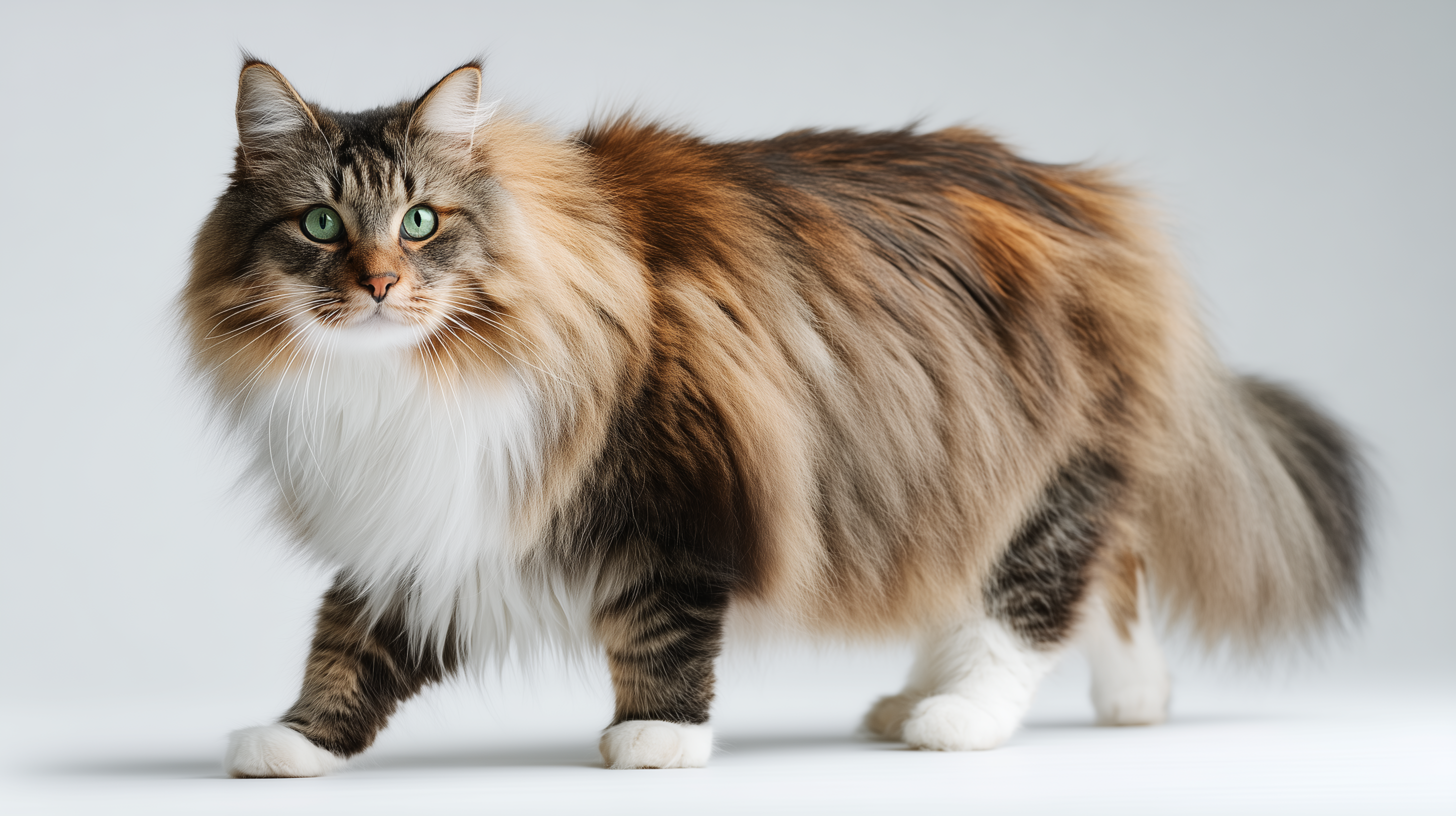
The Siberian vs Norwegian Forest Cat are two of the most iconic natural breeds in the cat world. Because both evolved in cold climates, share semi-long coats, and display similar rustic charm, many people assume they are interchangeable — but these breeds differ significantly in size, structure, grooming needs, personality, and the type of home they thrive in.
Although they appear similar at first glance, the breeds developed independently across different regions. The Siberian originated in Russia and surrounding forested territories, while the Norwegian Forest Cat — often called the “Wegie” — evolved in Scandinavia. Their unique climates, working roles, and natural selection pressures shaped their coats, bodies, and temperaments in distinct ways. Siberians are athletic, sturdy, affectionate cats known for their powerful build and doglike, personable nature; Norwegian Forest Cats are graceful, intelligent climbers with a more reserved, observant personality and a characteristic triangular head shape.
Whether you’re choosing between the Siberian’s dense triple coat, rounder facial structure, and sociable nature or the Norwegian Forest Cat’s elegant profile, long limbs, and calm outdoor-born instincts, this comparison breaks down all major differences: temperament, grooming, activity level, size, home requirements, health, lifespan, cost, and the type of family each breed fits.
Quick Comparison Table: Siberian vs Norwegian Forest Cat
| Trait | Siberian | Norwegian Forest Cat |
|---|---|---|
| Personality | Affectionate, social, confident | Calm, independent, observant |
| Activity Level | Moderate to high | Moderate |
| Grooming Needs | Moderate to high (triple coat) | Moderate (long, water-resistant coat) |
| Coat Type | Thick triple-layer coat | Long, water-shedding double coat |
| Body Structure | Muscular, rounder features, powerful build | Triangular head, long limbs, elegant frame |
| Health Risks | Hypertrophic cardiomyopathy in some lines, dental tendencies | Glycogen storage disease Type IV (rare), joint issues in some lines |
| Lifespan | 12–18 years | 12–16 years |
| Maintenance Level | High coat management, high bonding needs | Moderate coat care, moderate social needs |
| Best For | Families, active homes, multi-pet households | Calm homes, people wanting an independent yet affectionate cat |
| Shedding | Heavy seasonally | Heavy seasonally |
Breed Origins and History
Siberian Origins
The Siberian is one of Russia’s oldest natural breeds, with roots stretching back over a thousand years. These cats developed in the dense, frigid forests of Siberia where survival depended on strength, intelligence, and an insulated coat capable of withstanding sub-zero temperatures. They likely served practical roles as rodent hunters on farms, in monasteries, and in villages long before they were recognized for their aesthetic appeal.
Their well-developed triple coat, sturdy musculature, and fearless nature are products of true natural selection. Unlike constructed breeds, Siberians evolved for function before form. Over generations, these traits stabilized, resulting in a cat that is hardy, intelligent, and exceptionally well adapted to cold environments.
Siberians became more widely known in the late 20th century when the breed was exported from Russia and formalized by cat associations. Today, they are beloved for their affectionate, people-oriented personalities, athleticism, and the myth (though not scientifically proven) that some may produce lower allergen levels.
Norwegian Forest Cat Origins
The Norwegian Forest Cat — or Norsk Skogkatt — has an equally ancient history but developed in a different region and under different pressures. Native to Norway and surrounding Scandinavian countries, the breed evolved naturally in harsh, alpine forests. Legends tie them to Viking ships and Norse mythology, and historical references to large, longhaired Scandinavian cats date back centuries.
These cats were valued as mousers on farms and homesteads, thriving in cold, wet climates thanks to their water-resistant double coat and naturally climbing-oriented body structure. Their long legs, tufted ears, and semi-wild profile reflect their survivalist past.
In the mid-20th century, the breed nearly faced extinction due to crossbreeding and modernization. Norwegian cat enthusiasts collaborated to stabilize the lineage, formalize breed standards, and revive the population. Today, the Norwegian Forest Cat is recognized globally for its beauty, resilience, and distinctive triangular head shape.
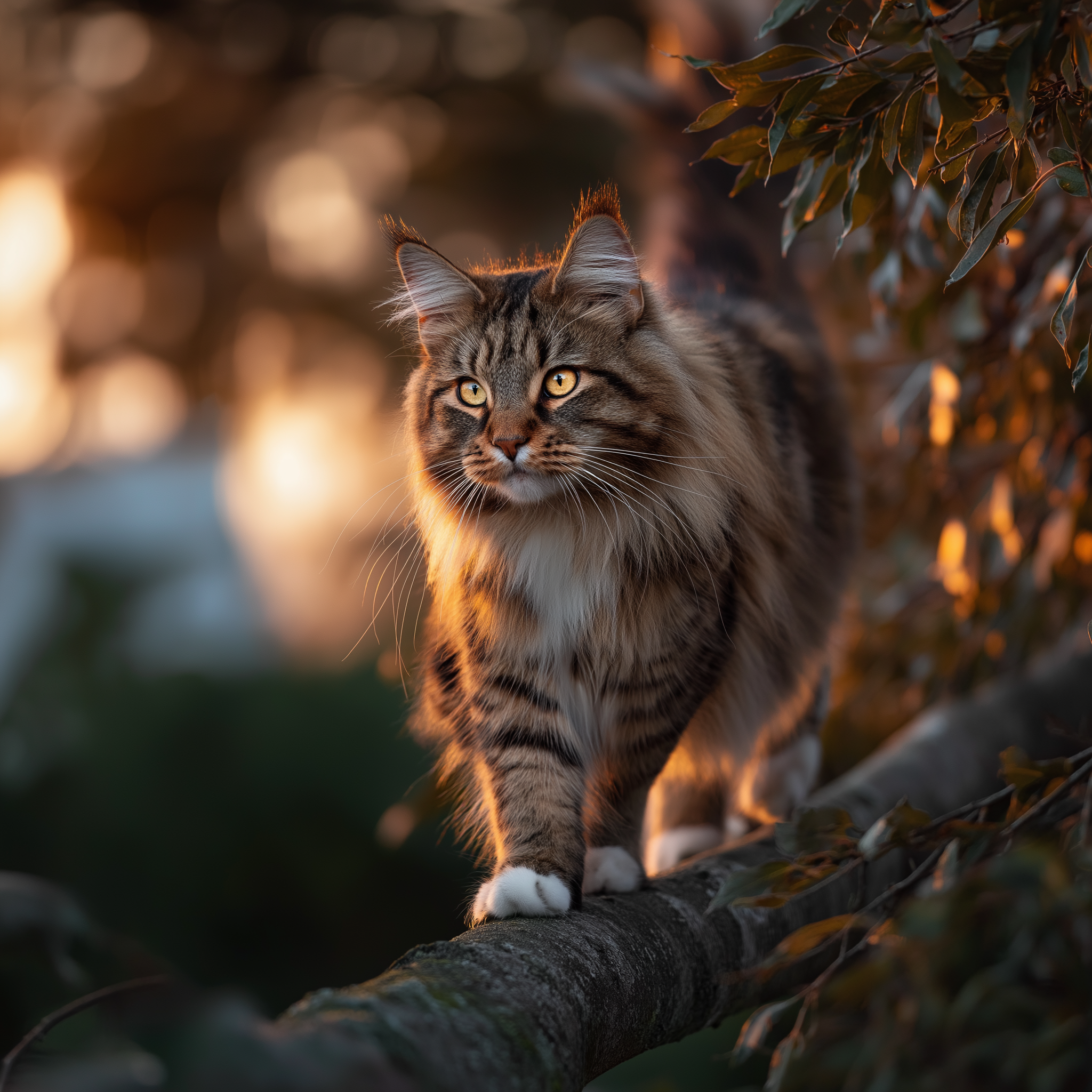
Siberian vs Norwegian Forest Cat Appearance
Siberian Appearance
Siberians are known for:
- a rounded, powerful body with solid bone and muscle
- a broad, slightly domed head with fuller cheeks
- expressive, large eyes that may be rounder in shape
- medium to large ears that are rounded at the tips and may have furnishings
- a dense, semi-long triple coat with a noticeable ruff, britches, and bushy tail
- a wide range of colors and patterns, including tabby, solid, bicolor, colorpoint, and more
Their overall impression is one of strength and compact power. While they are agile and capable jumpers, they look substantial rather than elongated. Many people are surprised at how heavy a Siberian feels when they pick one up — the breed carries real weight behind its fluff. The coat can change with the seasons, becoming fuller, thicker, and more dramatic in winter and somewhat sleeker in summer, but it remains protective year-round.
Buyers are often drawn to the Siberian’s combination of “forest cat” presence with a slightly softer, rounder face. They look like sturdy, cuddly athletes rather than delicate show cats.
Norwegian Forest Cat Appearance
Norwegian Forest Cats are recognized for:
- a distinct triangular head when viewed from the front
- a straight nose profile with no stop
- large, almond-shaped eyes set at a slightly oblique angle
- large, upright ears often with tufts and lynx tips
- a strong, yet more elongated body with long legs designed for climbing
- a long, flowing double coat with glossy, water-shedding guard hairs and a dense undercoat
- a full mane and frill around the neck, especially in winter, and a long, bushy tail
Among longhaired breeds, Norwegian Forest Cats have one of the most recognizable silhouettes. The triangular head, straight profile, and large ears combine to create a wild, Nordic look. Their bodies are sturdy but tend to look taller and more angular than Siberians, with a “mountain cat” feel rather than a compact forest hunter.
Their coat is designed for weather protection. The outer layer helps repel moisture from snow and rain, while the undercoat insulates. Like Siberians, they go through seasonal coat changes, but the topcoat often has a sleeker, more flowing quality compared to the Siberian’s denser texture.
The biggest structural difference is clear: Siberians are rounder, more barrel-chested, and heavily muscled, while Norwegian Forest Cats are longer-limbed, triangular-headed, and built with a tall, climbing-oriented profile. Both look like they belong in a forest, but they wear their history on their bodies in distinct ways.
Personality & Temperament
Siberian Temperament
Siberians are:
- affectionate and people-oriented
- confident without being demanding
- playful throughout adulthood
- emotionally balanced and steady
- intelligent and responsive to training
- social with families, children, and other pets
- adaptable to new environments and routines
Siberians thrive in homes where they can be part of daily life. They enjoy interactive play, puzzle toys, and moderate climbing opportunities, but they do not require the nonstop stimulation of high-drive breeds. Many Siberians display doglike traits, such as following their people from room to room, greeting visitors comfortably, and forming warm bonds with every family member rather than selecting just one.
Their temperament is a strong blend of athleticism and companionship. They love play but also settle beautifully, often curling up near their humans. Their confident nature makes them excellent fits for households with children, friendly dogs, or multiple cats.
Norwegian Forest Cat Temperament
Norwegian Forest Cats are:
- calm, observant, and thoughtful
- quietly affectionate without being clingy
- independent yet loyal
- skilled climbers who enjoy tall vertical spaces
- intelligent and capable problem-solvers
- gentle in social interactions
- steady, patient, and slow to startle
Wegies bond deeply with their families but often in a more reserved or selective way than Siberians. They tend to show affection through presence — relaxing nearby, following at a respectful distance, or sharing quiet companionship. Many owners describe them as “watchful,” assessing their environment before engaging.
They enjoy climbing shelves, cat trees, and high perches, as their forest ancestry favored vertical mobility. Play is important, but they typically have a smoother, less intense energy than Siberians. Norwegian Forest Cats appreciate routine, stable households, and environments where they have both cozy resting spots and vertical escape areas.
Recap
Both breeds are intelligent, personable, and deeply connected to their families. However:
- Siberians tend to be more outgoing, social, and openly affectionate, with a balanced, playful energy suited for interactive homes.
- Norwegian Forest Cats are calmer, more observant, and slightly more independent, thriving in peaceful settings with vertical space and gentle companionship.
Siberians generally fit a wider variety of households due to their adaptable temperament, while Norwegian Forest Cats shine in homes that value calm, steady, quietly loyal companionship.
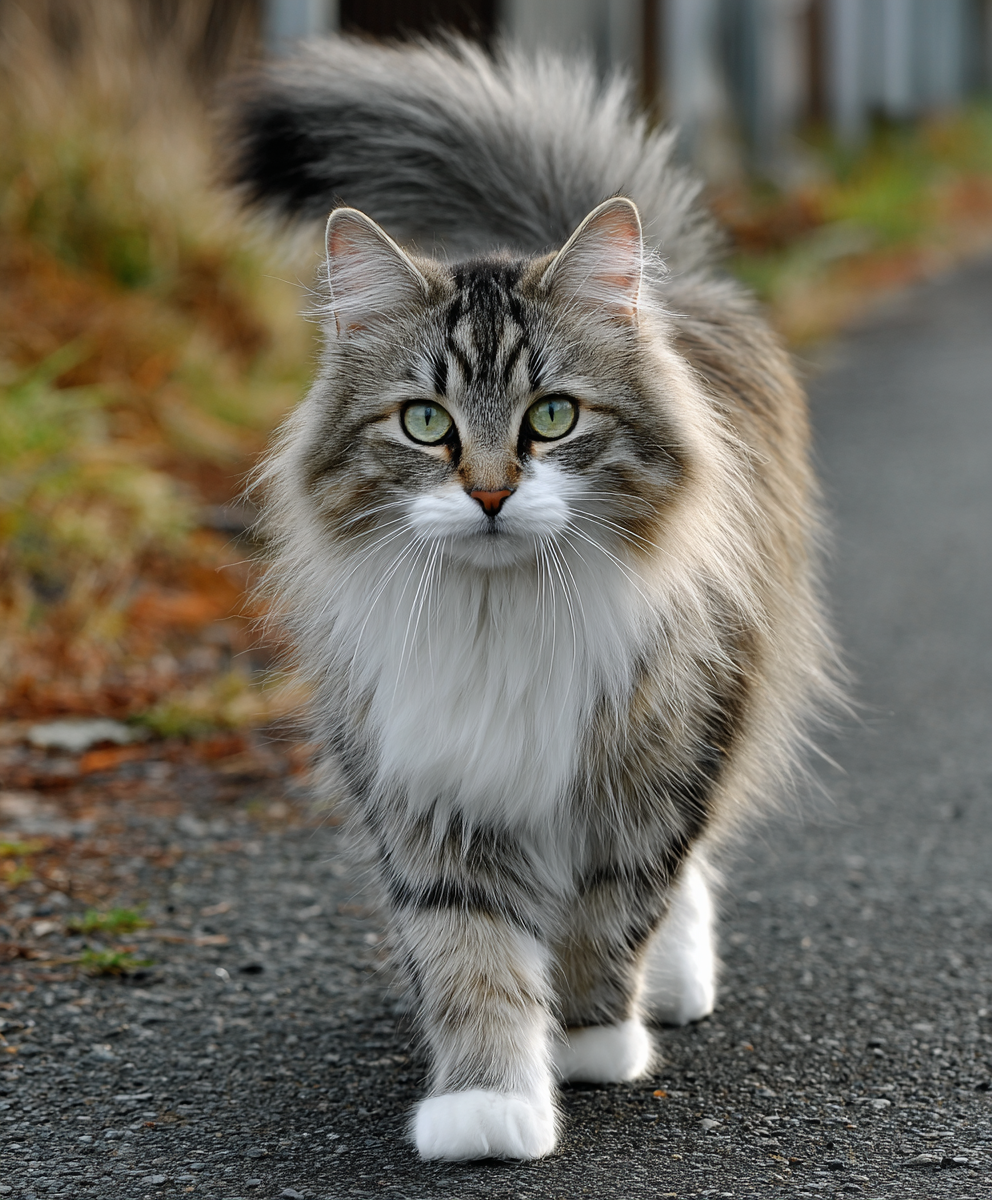
Health & Genetic Concerns: Siberian vs Norwegian Forest Cat
Although both the Siberian and the Norwegian Forest Cat are natural breeds shaped by cold climates, their health profiles differ in important ways. Responsible breeding, genetic screening, and attention to known breed-specific risks have a major impact on long-term health outcomes.
Siberians are generally robust, athletic cats with few extreme structural traits, but they can carry hereditary heart conditions in some lines. Norwegian Forest Cats, also structurally sound, have their own unique genetic risks and can face joint or metabolic concerns in rare bloodlines.
Understanding the common issues in each breed helps owners make informed decisions about veterinary care, diet, and lifestyle support.
Common Siberian concerns include:
- hypertrophic cardiomyopathy (HCM) in some lines
- food sensitivities or mild GI upset in certain individuals
- dental tartar or early gingivitis if not maintained
- occasional joint stress due to athletic play
- seasonal coat-related skin dryness or matting if grooming is inconsistent
Siberians are considered one of the hardiest longhaired breeds, but responsible breeders still perform cardiac scans, DNA testing where relevant, and track lineage health to maintain genetic stability.
Common Norwegian Forest Cat concerns include:
- Glycogen Storage Disease Type IV (GSD IV) in very rare lines (fatal if inherited from both parents)
- hypertrophic cardiomyopathy in some bloodlines
- hip dysplasia or joint laxity in larger, heavier individuals
- early periodontal disease without routine dental care
- weight gain in less active households
- coat-related skin irritation during seasonal shedding
Because Wegies are large and strongly built, orthopedic monitoring is beneficial, especially as they age. Reputable breeders screen for GSD IV and cardiac conditions to reduce risk.
Siberian Health Profile
Siberians are overall a sturdy, naturally developed breed with balanced structure and no extreme facial or skeletal features. Still, several health considerations appear across the breed population.
• Hypertrophic Cardiomyopathy (HCM)
HCM is the primary inherited heart disease seen in Siberians. Prevalence varies by line, and routine echocardiograms for breeding cats significantly reduce risk in kittens. While not excessively common, it remains the condition most frequently monitored in the breed.
• Gastrointestinal or Food Sensitivities
A small percentage of Siberians experience digestive sensitivity. Common triggers may include:
- abrupt diet changes
- lower-quality, high-carbohydrate foods
- poultry-heavy diets in sensitive individuals
Most Siberians do well on high-protein, meat-forward diets.
• Dental Health
Siberians typically have normal jaw structure and bite alignment, but may develop tartar or gingivitis without routine dental care. Home brushing or periodic professional cleanings help prevent inflammation.
• Joint & Orthopedic Considerations
Siberians are athletic climbers and jumpers. Mild strains or early signs of arthritis can occur in later life, especially in heavier-bodied cats.
• Coat & Skin Maintenance
Their triple coat is thick and insulating. Without grooming during seasonal shedding, mats or dry skin may occur close to the undercoat. Regular combing prevents issues.
• Stress-Related Behavior or Appetite Changes
Though emotionally stable, Siberians can lose appetite or over-groom under prolonged stress. Maintaining consistent routines, enrichment, and social interaction supports their mental health.
Norwegian Forest Cat Health Profile
The Norwegian Forest Cat is also a natural, hardy breed, but their size and genetic history introduce unique considerations.
• Glycogen Storage Disease Type IV (GSD IV)
This is the most serious breed-specific genetic risk. Although extremely rare today due to DNA screening, it is fatal in affected kittens. Responsible breeders test all breeding stock to prevent carriers from being paired.
• Hypertrophic Cardiomyopathy (HCM)
As with many medium-to-large breeds, HCM is monitored in Norwegian Forest Cats. Prevalence depends heavily on breeding program diligence.
• Joint Health & Hip Concerns
Because Wegies are large, long-limbed cats, some lines may show joint laxity or hip dysplasia. Regular weight control, joint supplements, and screening in breeding cats help protect long-term mobility.
• Dental Considerations
Wegies may accumulate tartar more rapidly than some breeds. Without routine dental care, periodontal disease can progress.
• Weight Management
Norwegian Forest Cats can become overweight in low-activity homes. Their natural build is sturdy, but excess weight can place strain on joints.
• Coat & Skin Issues During Shedding Cycles
Their double coat sheds heavily in spring. Without grooming, loose undercoat can lead to tangles or skin irritation. Unlike Siberians, they do not have a triple coat, but their guard hairs trap debris easily.
• Stress & Environmental Needs
Wegies are observant and appreciate stability. Major changes in household routine may trigger appetite changes, lethargy, or hiding.
Health Differences: Siberian vs Norwegian Forest Cat
| Health Aspect | Siberian | Norwegian Forest Cat |
|---|---|---|
| Overall Health Profile | Hardy natural breed; primary concern is HCM | Also robust; rare GSD IV risk + joint concerns |
| Cardiac Risk (HCM) | Present in some lines; requires screening | Present; monitoring recommended |
| Genetic Disease Risk | Few known breed-specific DNA issues | GSD IV (rare but serious) |
| GI Sensitivity | Mild sensitivity in some cats | Mild sensitivity; less common |
| Orthopedic Concerns | Occasional strains; arthritis in older cats | Hip dysplasia or joint laxity in some large males |
| Dental Health | Tartar buildup possible | Tartar and periodontal disease risk |
| Coat & Skin Issues | Matting if undercoat not groomed | Matting and irritation during heavy shedding |
| Weight Management | Generally active; obesity less common | Prone to weight gain in sedentary homes |
| Stress Vulnerability | Moderate; usually resilient | Moderate; prefers stable routines |
| Longevity Impact | Influenced by cardiac screening and weight | Influenced by genetics, weight, and joint health |
Summary of Health Risk Differences
- Siberians are hardy, muscular cats with HCM as the most notable concern, plus occasional digestive or dental sensitivities. Their health risks are generally manageable with routine care and screening.
- Norwegian Forest Cats are equally hardy but carry one rare, serious genetic disorder (GSD IV) that responsible breeders test for. They may face joint or weight-related issues due to their size, along with typical longhair coat-care needs.
- Both breeds benefit from cardiac screening, weight monitoring, and regular grooming.
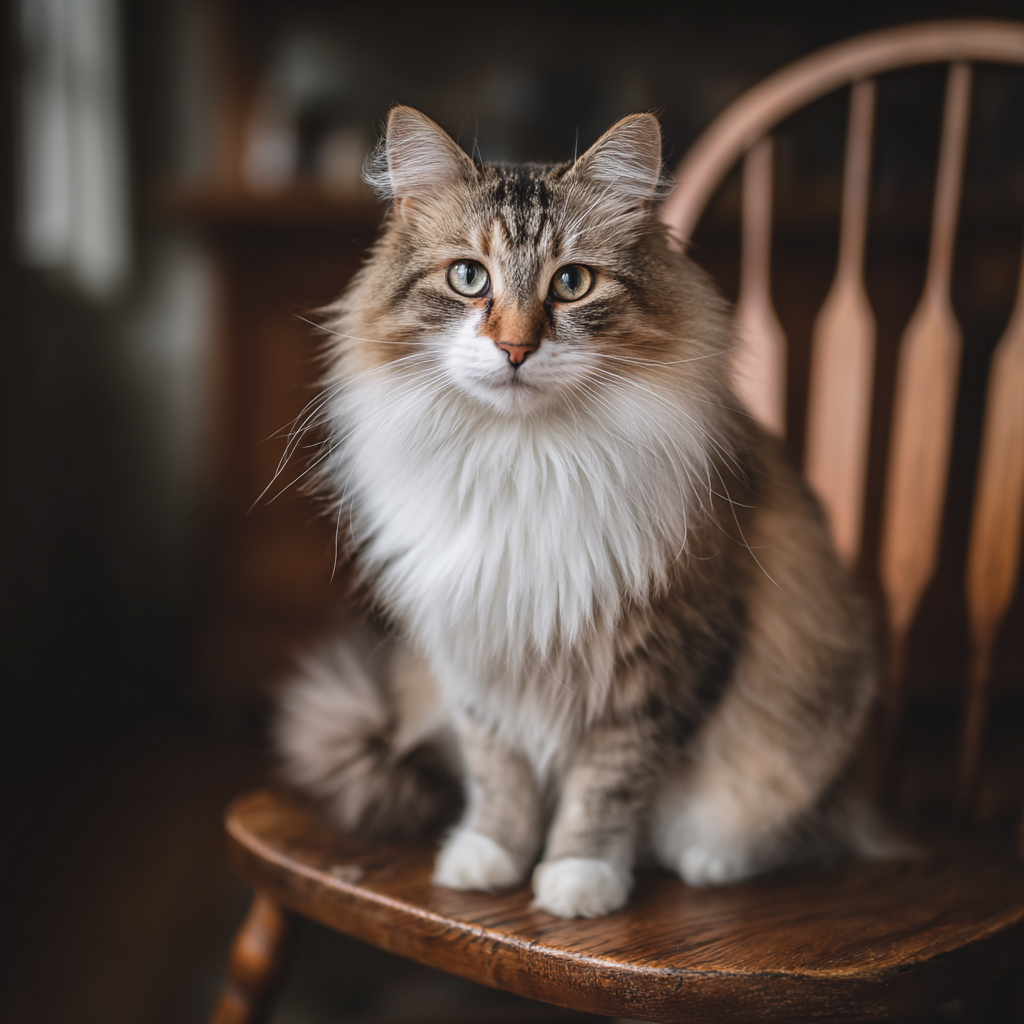
Siberian vs Norwegian Forest Cat Lifespan: Which Breed Lives Longer?
Siberian Lifespan — 12 to 18 Years
Siberians are known for exceptional hardiness and longevity. Most live 12–18 years, with many reaching the upper end of the range when bred from healthy, well-screened lines. Their natural origins, resilient immune systems, and balanced body structure contribute to their long lifespan.
Heart screening (for HCM), proper weight management, and seasonal coat care all influence long-term health, but Siberians generally age gracefully. With high-quality diet, routine veterinary care, and appropriate environmental enrichment, they often thrive well into their mid to late teens.
Norwegian Forest Cat Lifespan — 12 to 16 Years
Norwegian Forest Cats typically live 12–16 years, with some individuals surpassing this range in carefully managed homes. Their lifespan reflects their robust natural development, but also the importance of monitoring weight, joint health, and genetic screening, especially for rare conditions like GSD IV.
Wegies that maintain a healthy body condition and receive regular coat, dental, and orthopedic care tend to remain strong, active, and mobile throughout adulthood. Their calm temperament and moderate activity levels also support healthy aging.
Recap
- Siberians generally have a slightly higher potential lifespan, especially when cardiac health is monitored and coat maintenance is consistent.
- Norwegian Forest Cats typically fall in the 12–16 year range, with longevity influenced by genetics, weight control, and joint support.
Both breeds are long-lived when responsibly bred and cared for, but Siberians often have a small but noticeable advantage in lifespan potential.
Diet & Nutrition: Siberian vs Norwegian Forest Cats
Although both breeds thrive on high-quality, species-appropriate diets, their nutritional needs differ due to coat density, metabolism, activity levels, and ancestral development in cold climates. Understanding these differences helps owners choose the right food, prevent digestive issues, and support long-term health.
Siberian Diet Needs
Siberians evolved as hardy, cold-climate working cats with strong musculature and a dense triple coat. Their natural physiology favors nutrient-dense, high-protein food that supports both energy and coat quality. While Siberians are generally tolerant eaters, some individuals experience mild digestive sensitivity.
Siberians typically thrive on:
• High-Protein, Meat-Forward Diets
Their muscular build and active play style require diets rich in animal protein. Poultry, rabbit, beef, and fish are usually well tolerated. Too many carbohydrates can lead to weight gain or digestive fluctuation.
• Moderate Fat for Energy and Coat Health
Because Siberians maintain thick coats and steady activity, moderate fat helps support sustained energy and glossy fur.
• Limited Carbohydrates
While they are not extremely carb-sensitive, diets heavy in fillers (corn, wheat, soy) can cause:
- soft stools
- gas
- dull coat
- weight gain in sedentary homes
• Wet or Raw Food for Hydration
Their dense coat increases water requirements for skin and kidney health. Wet food or raw-inclusive diets help maintain hydration and reduce the risk of urinary irritation.
• Sensitive-Stomach or Limited-Ingredient Diets When Needed
Some Siberians show sensitivity to poultry or abrupt food transitions. Limited-ingredient diets help stabilize digestion.
• Structured Feeding Routines
While not highly stress-sensitive, Siberians benefit from predictable mealtimes to support digestion and behavior.
Summary:
Siberians do best on high-protein diets with moderate fat and minimal fillers. Hydration is key for coat and urinary health, and some individuals require gradual transitions between diets.
Norwegian Forest Cat Diet Needs
Norwegian Forest Cats developed in rugged Scandinavian terrain, where survival required strength, efficient metabolism, and the ability to thrive on prey-based diets. Their large frame and thick coat demand consistent nutritional support, especially during seasonal coat changes.
• High-Protein, Balanced Diets
Norwegian Forest Cats are large, muscular, and slow to mature. They benefit from diets with high-quality meat proteins to support:
- lean muscle mass
- climbing ability
- bone and joint development
- healthy coat production
• Controlled Fat Intake
Wegies are prone to weight gain if they become sedentary. Diets with appropriate fat levels prevent obesity while maintaining coat shine.
• Moderate Carbohydrate Tolerance
Most Wegies tolerate moderate carbs well, but excessive carbohydrates can contribute to unwanted weight gain and lethargy.
• Hydration-Supportive Feeding
Wet food is highly beneficial, especially for:
- urinary health
- kidney function
- coat moisture
- preventing overeating
Their thick coat and tendency toward seasonal shedding make hydration especially important.
• Joint-Supporting Nutrients
Because Norwegian Forest Cats are large and can experience joint strain:
- omega-3 fatty acids
- glucosamine
- chondroitin
are often recommended to support long-term mobility.
• Slow, Controlled Growth Diets for Kittens
Wegie kittens grow for 3–5 years. Diets designed for large-breed kittens help prevent overly rapid growth that can stress developing joints.
Summary:
Norwegian Forest Cats do best with protein-rich diets that support muscle and joint health, controlled fat to prevent weight gain, and hydration-focused feeding.
Diet Comparison Summary: Siberian vs Norwegian Forest Cat
| Diet Category | Siberian | Norwegian Forest Cat |
|---|---|---|
| Protein Needs | High; supports muscle, coat, energy | High; supports large frame, coat, and joint strength |
| Carb Tolerance | Moderate but best kept low | Moderate; weight gain possible if too high |
| Hydration Needs | Important for coat and urinary health | Especially important for coat and kidney health |
| Digestive Sensitivity | Mild sensitivity in some individuals | Typically stable digestion; mild issues possible |
| Feeding Routine | Benefits from predictable schedule | Benefits from consistent, portion-controlled meals |
| Wet/Raw Suitability | Highly beneficial | Very beneficial, especially during shedding |
| Weight Management Needs | Usually stable weight | Higher obesity risk in sedentary homes |
| Joint Health | Normal; supplements optional | Important consideration due to size and build |
| Long-Term Dietary Stability | Handles transitions well if gradual | Handles transitions well; avoid rapid changes |
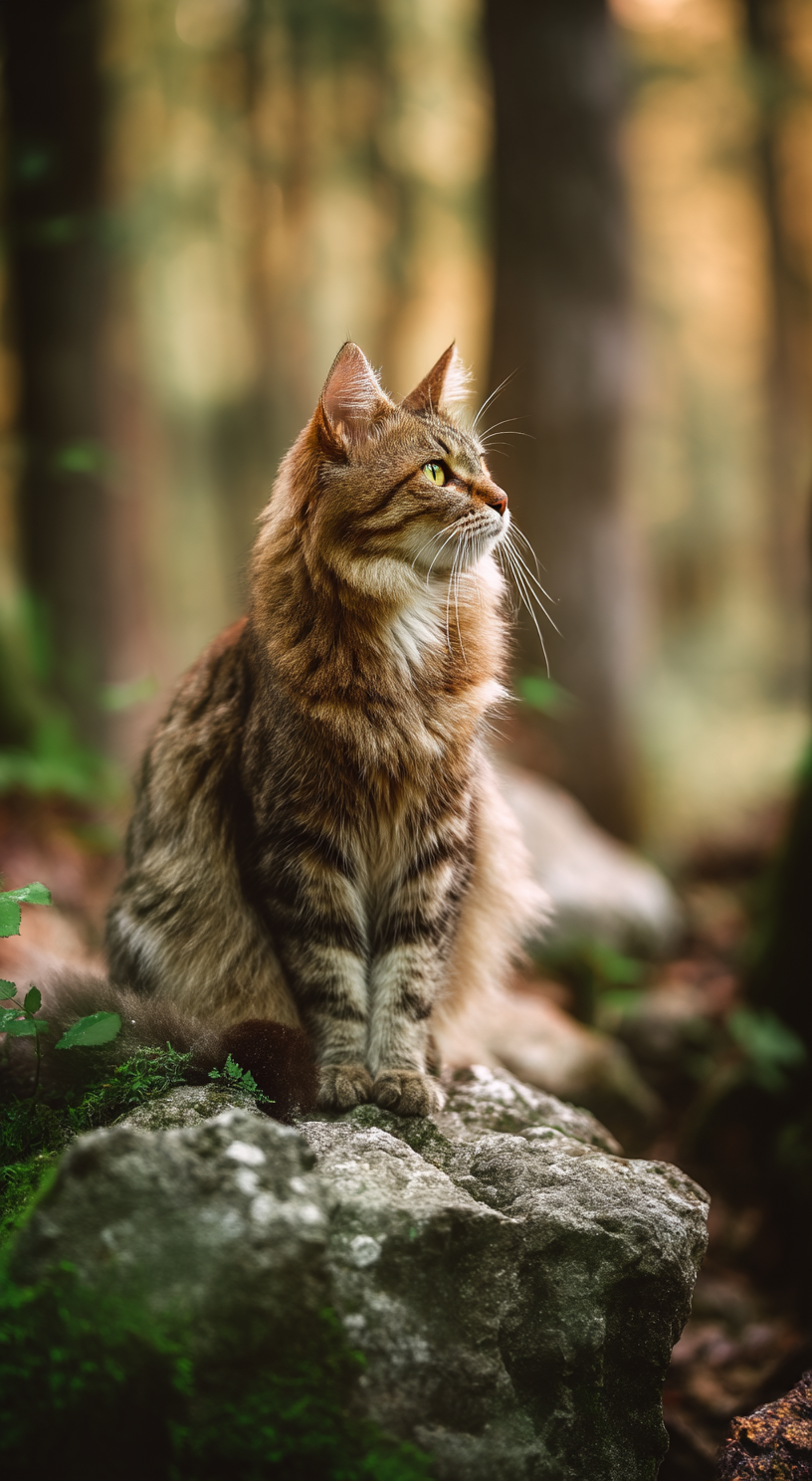
Activity Level & Energy: Moderate-High vs Moderate
Both breeds are athletic, intelligent, and capable climbers, but Siberians generally maintain a higher day-to-day activity level than Norwegian Forest Cats. Their play styles, stamina, and engagement needs differ in subtle but meaningful ways.
Siberian Activity Level
Siberians are:
- naturally athletic and agile
- playful well into adulthood
- interactive and people-oriented
- confident climbers and jumpers
- enthusiastic about toys, wand play, and puzzle feeders
- energetic but balanced — able to settle once their needs are met
Siberians crave enrichment and benefit from daily play sessions that allow them to run, leap, and chase. Their energy feels spirited and joyful, and they typically integrate well into active households where people are present and willing to engage.
They are not hyperactive, but they do need routine physical and mental stimulation to stay fulfilled.
Norwegian Forest Cat Activity Level
Norwegian Forest Cats are:
- moderately active with bursts of athleticism
- exceptional climbers thanks to their long limbs and strong claws
- skilled at navigating vertical spaces
- curious in a calm, observant way
- playful, especially when young, but more measured in their energy
- content with independent exploration and high perches
Wegies enjoy activity, but their approach is steadier and less intense than the Siberian’s. They love tall cat trees, shelves, and window perches, using height as their main form of enrichment. While they appreciate playtime, they are also comfortable entertaining themselves in quiet, structured environments.
They do not require constant stimulation and often choose periods of relaxed observation between play sessions.
Recap
- Siberians are more consistently active and people-focused in their energy. They enjoy frequent play, thrive on interaction, and benefit from a home that can meet moderate-to-high engagement needs.
- Norwegian Forest Cats are athletic climbers but overall calmer and more self-regulated. They require vertical territory and daily play but remain content with a more balanced activity routine.
Both breeds enjoy movement, exploration, and mental stimulation, but Siberians tend to be the more energetic, hands-on companion, while Wegies bring a calmer, forest-cat style of athleticism centered on climbing and quiet observation.
Siberian vs Norwegian Forest Cat Grooming & Coat Maintenance
Unlike shorthaired breeds, Siberians and Norwegian Forest Cats have complex, seasonally changing coats that require deliberate grooming—especially during shedding seasons. Their coat needs differ due to coat structure, density, and how each breed’s fur repels moisture and cold.
Many new longhair-cat owners assume that because these are “natural breeds,” grooming is minimal. In reality, their coats are designed for harsh climates, not modern indoor homes. Both breeds benefit greatly from regular coat maintenance, especially during seasonal shedding.
Siberian Coat Care
A Siberian’s coat is dense, semi-long, and triple-layered. The combination of guard hairs, awn hairs, and a thick undercoat provides insulation and weather resistance, but it can trap loose fur if not groomed consistently.
A typical Siberian grooming routine includes:
• Brushing 2–3 Times Per Week (Daily During Coat Blows)
Their triple coat can form tangles behind the legs, under the arms, around the ruff, and along the haunches. Regular combing helps prevent mats from forming close to the skin during seasonal shedding.
• Occasional Bathing (Optional but Helpful in Heavy Shedding Periods)
Bathing removes excess undercoat and oils that accumulate in dense fur. Thorough drying is essential to prevent moisture from becoming trapped.
• Nail Trimming & Hygiene Checks
Siberians are athletic climbers and may require more frequent nail maintenance to protect skin and furniture.
• Undercoat Monitoring During Weather Shifts
Twice a year—typically spring and fall—Siberians undergo dramatic “coat blows.” Extra brushing helps prevent compacted mats and reduces shedding around the home.
• Allergy-Friendly Coat Maintenance
While often marketed as “hypoallergenic,” Siberians are not allergen-free. Regular grooming helps reduce dander and saliva residues that trigger allergies.
Summary:
Siberians are moderate to high maintenance, depending on the season. Their coat is exceptionally beautiful but benefits from consistent, attentive grooming.
Norwegian Forest Cat Coat Care
Norwegian Forest Cats have a double coat with long, water-resistant guard hairs and a dense, insulating undercoat. This fur structure evolved to shed rain and snow, making it easier to maintain than some triple-coated breeds—but it still requires care.
A typical Wegie grooming routine includes:
• Weekly Brushing (More During Seasonal Shedding)
The coat rarely mats when properly maintained, but tangles can form around the ruff, thighs, and tail. Their long guard hairs trap debris, making brushing essential.
• Bathing (Optional and Breed Dependent)
Some Wegies benefit from occasional bathing, especially during spring coat drops, but the water-repellent coat may require multiple rinses.
• Ear Cleaning (As Needed)
Their large, upright ears may collect dust or wax, especially in multi-pet homes.
• Tail and Mane Monitoring
The long frill and luxurious tail can pick up food, debris, or litter particles. Regular checks prevent matting and hygiene issues.
• Seasonal Coat Changes
Wegies shed dramatically in spring, losing much of the undercoat they built for winter. During this period, brushing 3–4 times per week prevents knots and reduces fur accumulation around the home.
Summary:
Norwegian Forest Cats are moderate maintenance, with coat care varying depending on seasonal shedding and the individual’s coat quality.
Recap on Grooming
Both Siberians and Norwegian Forest Cats have coats designed for severe winter climates, but their maintenance needs differ:
Siberian:
- Dense triple coat
- Higher matting risk without routine brushing
- Requires more frequent grooming during shedding
- Coat can hold more moisture and undercoat
- Slightly higher overall grooming needs
Norwegian Forest Cat:
- Long, water-resistant double coat
- Lower matting risk if brushed weekly
- Guard hairs shed water and debris effectively
- More manageable daily coat care
- Seasonal shedding still intense but easier to control
Both breeds look effortless—but require steady grooming to stay healthy, tangle-free, and comfortable.
Shedding Differences: Heavy Seasonal vs Heavy Seasonal (With Textural Differences)
Both breeds shed intensely, especially in spring when their winter coats drop. But there are meaningful differences in how much and how easily their fur releases.
Siberian Shedding
Siberians shed:
- heavily during spring and fall
- moderately year-round
- more intensely when indoor heating changes seasonal cycles
Their triple coat produces large amounts of loose undercoat, which can compact into mats if not removed. Daily brushing during coat blows is often necessary.
Siberian fur is soft and fine, allowing shed hair to spread through the home or cling to fabrics if not managed with grooming tools.
Norwegian Forest Cat Shedding
Wegies shed:
- heavily once or twice per year
- moderately outside of seasonal shifts
- less undercoat at once compared to Siberians due to double coat structure
Their water-resistant guard hairs shed more cleanly, often staying intact rather than breaking into fine fibers. Hair tends to gather in larger tufts instead of dispersing widely.
Although both breeds shed heavily, many owners find Wegie shedding slightly easier to control due to coat texture.
Shedding Summary: Siberian vs Norwegian Forest Cat
Siberian → heavy seasonal shedding; triple coat needs frequent brushing
Norwegian Forest Cat → heavy but more manageable shedding; water-resistant dual coat sheds in larger tufts.
Cost, Price Ranges, and Lifetime Maintenance
Both the Siberian and the Norwegian Forest Cat are premium natural breeds, but their lifetime expenses differ based on grooming needs, coat care, activity levels, potential health monitoring, and the breed’s popularity in the U.S. market. Siberians often cost slightly more due to high demand, limited reputable breeders, and their reputation for being lower-allergen in some households.
Siberian Cost
Siberian kittens typically cost:
- $1,800–$4,000 for pet-quality kittens
- Higher prices for rare colors, strong show lineage, or imported breeding lines
- Exceptional show/breeding quality may exceed the typical range
Because Siberians are in high demand—especially among families seeking a lower-allergen cat—waitlists are common and reputable breeders maintain higher pricing.
Ongoing costs for Siberians include:
- high-quality, high-protein diet to support muscle and coat health
- seasonal coat maintenance tools (rakes, combs, de-shedders)
- professional grooming if the owner cannot manage heavy shed seasons
- regular veterinary screening for HCM in lines where it’s monitored
- vertical structures, cat trees, and climbing equipment for active play
- dental care, as Siberians can accumulate tartar without routine brushing
Siberians are not exceptionally high-maintenance in behavior, but their coat care and physical engagement needs contribute significantly to lifetime cost.
Norwegian Forest Cat Cost
Norwegian Forest Cat pricing is generally in a similar range, though often slightly lower than Siberians due to the absence of “hypoallergenic” marketing demand.
Typical pricing:
- $1,200–$3,000 for pet-quality kittens
- Higher for show-quality, champion bloodlines, or imported cats
- Rare colors or breeders with long-established lines may exceed this range
Norwegian Forest Cats are widely recognized in Europe and Scandinavia, but U.S. availability varies, influencing cost depending on region.
Lifetime costs can include:
- regular grooming tools and supplies, particularly during seasonal shedding
- professional grooming for owners who struggle with brushing large double coats
- joint supplements or monitoring due to the breed’s size and potential hip/orthopedic concerns
- high-quality diets that support muscle and coat health without promoting weight gain
- large cat trees and sturdy climbing structures, as Wegies prefer tall vertical spaces
Norwegian Forest Cats are more moderate in day-to-day needs than many longhaired breeds, but their size, coat, and furniture requirements can raise lifetime expenses.
Which Cat Is Easier to Own?
Siberian: Active, Social, and Adaptable
Siberians are energetic, people-oriented, and adaptable to a wide variety of home environments. They are generally easier for first-time longhair owners because they:
- are social with children and pets
- adapt well to both busy and quiet households
- enjoy interactive play and bonding
- are emotionally stable and confident
- tolerate transitions and new environments easily
Their biggest challenge is coat management—especially during seasonal shedding—but behaviorally, they are typically predictable and user-friendly.
Norwegian Forest Cat: Calm, Independent, and Low-Drama
Norwegian Forest Cats are also manageable but suit a different type of household. They tend to be:
- calm, observant, and soft-natured
- less demanding of attention than Siberians
- deeply bonded but not clingy
- happiest in stable, peaceful homes
- very reliant on tall climbing spaces and vertical territory
- slower to mature emotionally and physically
Wegies require grooming and space but are usually low-drama pets, making them ideal for households that appreciate relaxed companionship.
Which Breed Is Best for Families, Kids, and Multicat Homes?
Siberian
Siberians are excellent for families because they are:
- affectionate and interactive
- playful and gentle with respectful children
- friendly with dogs and other cats
- confident in busy home environments
- emotionally robust and not easily stressed
They thrive in homes with activity, routine play, and family engagement.
Norwegian Forest Cat
Norwegian Forest Cats also do well with families, but with conditions:
They are best in homes that are:
- calm, predictable, and not overstimulating
- respectful of the cat’s personal space
- able to provide tall climbing areas
- patient with a cat who may take longer to warm up
They typically do well with older children, gentle dogs, and other calm cats. Chaotic or loud households may overwhelm a Wegie, affecting confidence and behavior.
Which Breed Fits Your Lifestyle?
At the end of the day, choosing between a Siberian and a Norwegian Forest Cat comes down to your home environment, activity level, grooming commitment, and the kind of feline personality you prefer.
Choose a Siberian if you want:
- a social, affectionate cat that enjoys being part of daily life
- a breed that thrives in active, interactive, family-friendly homes
- a cat that integrates easily with children, dogs, and other pets
- a playful, outgoing temperament with steady emotional balance
- moderate grooming needs most of the year and higher needs during shedding
- a confident cat that adapts well to new environments and routines
Siberians fit beautifully into modern households, including busy families, work-from-home lifestyles, or environments with other pets. They enjoy engagement, but they do not require a highly structured or quiet routine.
Choose a Norwegian Forest Cat if you want:
- a calm, observant companion with a more independent personality
- a cat that values quiet affection rather than constant interaction
- a graceful climber who appreciates tall cat trees and stable vertical territory
- a breed with moderate grooming needs that increase in shedding seasons
- a gentle, patient cat that bonds deeply over time
- a companion suited for peaceful, structured homes
Norwegian Forest Cats offer a serene, steady presence. They are affectionate but not demanding, and they thrive where routine, calm energy, and well-designed vertical space are available.
Siberian Pros & Cons
| Siberian Pros | Description |
|---|---|
| Highly social and affectionate | Enjoys people, thrives in families, bonds warmly with children. |
| Playful and energetic | Engages in games, climbing, and interactive toys without becoming hyperactive. |
| Adaptable to many environments | Handles noise, change, and new pets more easily than many longhaired breeds. |
| Confident and emotionally stable | Rarely timid; adjusts well to visitors and activity. |
| Moderate grooming needs | Weekly brushing most of the year; higher maintenance during coat blows. |
| Often tolerated well by some allergy sufferers | Not hypoallergenic, but may produce fewer allergens in some households. |
| Great for busy families | Thrives in socially active homes and enjoys attention. |
| Siberian Cons | Description |
|---|---|
| Heavy seasonal shedding | Requires daily grooming during spring and fall coat drops. |
| Higher initial cost | Demand for the breed raises kitten pricing. |
| Strong climber and jumper | Requires sturdy cat trees and environmental enrichment. |
| May overwhelm very timid pets | Their confident, sociable nature may be too much for shy animals. |
| Not ideal for families wanting a low-energy cat | Active and playful well into adulthood. |
| Possible HCM risk in some lines | Requires breeders who scan responsibly. |
| May test boundaries | Intelligent and curious, potentially mischievous if under-engaged. |
Norwegian Forest Cat Pros & Cons
| Wegie Pros | Description |
|---|---|
| Calm, gentle temperament | Quiet, steady, and emotionally even, ideal for peaceful homes. |
| Independent but affectionate | Enjoys companionship without demanding constant attention. |
| Exceptional climbing ability | Thrives with tall cat trees and elevated areas. |
| Beautiful, water-resistant double coat | Sheds water and debris easily; striking appearance. |
| Patient with respectful children | Slow to startle, gentle, and tolerant in the right environment. |
| Moderate grooming needs | Easier to maintain than some longhair breeds outside shedding seasons. |
| Low-drama personality | Rarely destructive, easily coexists with calm pets. |
| Wegie Cons | Description |
|---|---|
| Heavy seasonal shedding | Requires dedicated grooming during spring coat drop. |
| Potential for weight gain | Needs portion control, especially in indoor-only homes. |
| Slow to warm up | May take time to bond and trust fully. |
| Less social than a Siberian | Affectionate but not typically clingy or attention-seeking. |
| Requires vertical territory | Becomes frustrated without tall climbing structures. |
| Joint concerns in some lines | Larger size may predispose some individuals to hip or joint issues. |
| Sensitive to chaotic homes | Excessive noise or unpredictability can cause stress. |
Siberian vs Norwegian Forest Cat Pros and Cons Summary Table
| Trait | Siberian | Norwegian Forest Cat |
|---|---|---|
| Activity Level | Moderate to high | Moderate |
| Grooming Needs | Moderate; high in shedding seasons | Moderate; high in shedding seasons |
| Social Behavior | Highly social, people-oriented | Calm, independent, selectively affectionate |
| Family Suitability | Excellent for active families | Best for calm homes with gentle children |
| Compatibility With Pets | Very good with dogs and friendly cats | Good with calm pets; prefers space |
| Training Ability | Very good; playful and responsive | Good; thoughtful but less driven |
| Diet Sensitivity | Mild sensitivities in some lines | Generally stable digestion |
| Cost | Moderate–High | Moderate |
| Maintenance Level | Higher due to coat and activity needs | Moderate; routine grooming + vertical enrichment |
| Overall Personality | Outgoing, confident, interactive | Quiet, observant, patient |
FAQ: Siberian vs Norwegian Forest Cat
Are Siberians or Norwegian Forest Cats more affectionate?
Siberians tend to be more openly affectionate than Norwegian Forest Cats. They enjoy being near their people, follow family members around the home, and lean into interactive play and physical affection. Norwegian Forest Cats are also loving but show it more quietly. They prefer to lie nearby rather than on top of you and may take longer to form deep bonds. Once bonded, however, Wegies are loyal, steady companions who enjoy calm, gentle affection.
Which breed is better for families with children?
Siberians are generally the more family-adaptable breed. Their confident, outgoing temperament makes them great with kids, visitors, and active environments. They rarely startle and enjoy being part of busy households.
Norwegian Forest Cats can also be excellent with children, but they prefer respectful handling and quieter energy. They may retreat if overwhelmed. Families with young or very active children often find the Siberian’s sturdier personality easier to integrate.
Are Siberians or Norwegian Forest Cats hypoallergenic?
Neither breed is truly hypoallergenic, but Siberians are often better tolerated by some allergy sufferers. Studies suggest they may produce lower levels of Fel d 1 protein, though variation exists from cat to cat. Norwegian Forest Cats do not have any allergen-reducing traits and may trigger more reactions in sensitive individuals. Anyone with allergies should meet cats from the specific breeder before committing.
Which breed sheds more?
Both breeds shed heavily, especially in spring. The difference lies in coat structure:
- Siberians have a triple coat, which produces more undercoat and can create dense mats if not groomed.
- Norwegian Forest Cats have a double coat that sheds in large tufts and tends to be slightly easier to manage.
Daily brushing during shedding season is essential for both breeds.
Which cat requires more grooming?
Siberians generally require more grooming due to their thicker triple coat. They mat more easily if not brushed consistently. Norwegian Forest Cats have water-resistant guard hairs that shed debris easily, making routine brushing slightly simpler. Both breeds need increased grooming during spring and fall coat drops.
Which breed is more energetic?
Siberians are more consistently active. They enjoy structured play, climbing, interactive toys, and enrichment that keeps them mentally and physically engaged.
Norwegian Forest Cats are athletic but calmer in expression. They enjoy climbing and exploring vertical spaces but do not demand as much hands-on interaction. Their energy feels more moderate and self-regulated.
Are Siberians or Norwegian Forest Cats better apartment cats?
Siberians adapt more easily to apartment living because they are social, interactive, and comfortable in active environments as long as they have scratching posts, climbing areas, and daily play.
Norwegian Forest Cats can live in apartments, but they strongly prefer tall vertical spaces and calm surroundings. Without shelves or cat trees, they may become frustrated.
Which breed is friendlier with dogs?
Siberians tend to accept dogs readily thanks to their confident, outgoing temperament. They often form playful, affectionate relationships with friendly, well-mannered dogs.
Norwegian Forest Cats can do well with dogs, but they prefer gentle, predictable canine companions. They may withdraw if the dog is overly enthusiastic.
Do Siberians or Norwegian Forest Cats get along better with other cats?
Siberians are typically more socially adaptable and integrate easily into multi-cat homes.
Norwegian Forest Cats coexist peacefully with other cats but may take time to warm up and may prefer calm, non-dominant feline companions. They appreciate having their own vertical space to retreat.
Which breed matures slower?
Both breeds are slow to mature, but Norwegian Forest Cats often take the longest.
- Siberians reach physical maturity around 3–4 years.
- Norwegian Forest Cats may take 4–5 years to reach full size and coat development.
This slow maturation contributes to their strong bone structure and long lifespan.
What is the size difference between Siberians and Norwegian Forest Cats?
Both are large breeds, but their builds differ:
- Siberians are heavy, muscular, and barrel-chested.
- Norwegian Forest Cats are tall, long-limbed, and more triangular in silhouette.
Siberians often weigh more relative to their height due to denser musculature.
Which breed is easier for first-time cat owners?
Siberians are generally easier for beginners. Their friendly personality, adaptability, and confidence make integration straightforward.
Norwegian Forest Cats are also beginner-friendly but require owners comfortable with grooming and willing to provide quiet, stable environments.
Do Siberians or Norwegian Forest Cats have more health problems?
Both breeds are relatively healthy due to natural selection in their ancestral environments. Key concerns include:
- Siberians: HCM (in some lines), dental buildup, occasional GI sensitivity
- Norwegian Forest Cats: GSD IV (rare but serious), hip/joint issues, dental disease
Choosing a reputable breeder who screens for genetic conditions dramatically reduces risk.
Which breed lives longer?
Siberians typically have a slightly higher lifespan potential (12–18 years).
Norwegian Forest Cats average 12–16 years but can live longer in healthy lines with proper care.
Are they vocal?
Siberians are moderately vocal—expressive without being loud. They communicate through chirps, trills, and soft meows.
Norwegian Forest Cats tend to be quieter, communicating subtly and rarely demanding attention verbally.
Do they need a lot of space?
Both breeds appreciate space, but in different ways:
- Siberians want room to run, play, and interact.
- Norwegian Forest Cats want vertical space, climbing areas, shelves, and tall cat trees.
They do not require huge homes, but they do require intentional enrichment.
Which breed is better for a quiet home?
Norwegian Forest Cats excel in quiet, predictable environments. Their gentle, observant nature makes them perfect companions for calm households, adults, seniors, or families with older children.
Siberians also adapt to quiet homes but may crave more interaction and play than low-activity households provide.
Are Siberians or Norwegian Forest Cats more independent?
Norwegian Forest Cats tend to be more independent. They enjoy companionship but are comfortable spending time alone relaxing, watching from high perches, or exploring at their own pace.
Siberians prefer to be where their people are and often seek out involvement and attention.
Do they tolerate being left alone?
Both breeds handle alone time reasonably well, but:
- Siberians may become lonely without interactive play and engagement.
- Norwegian Forest Cats may be more content relaxing independently, provided they have enrichment and vertical space.
Which breed is better for allergy sufferers?
Some allergy sufferers find Siberians more tolerable due to lower Fel d 1 levels in certain individuals.
Norwegian Forest Cats do not offer any allergen reduction.
Anyone with allergies should meet the specific cat they plan to adopt.
Are these breeds high-maintenance?
Both can be high-maintenance seasonally, especially in spring when they shed heavily.
Siberians require the most grooming overall due to their triple coat.
Wegies require vertical support, early socialization, and consistent but slightly less coat management outside shedding.
Which breed is more expensive to maintain?
Siberians often cost slightly more upfront and require more grooming tools or professional grooming during heavy shedding.
Norwegian Forest Cats may incur more expenses related to joints, vertical climbing structures, and weight management over time.
Which breed is right for me?
Choose a Siberian if you want:
- an affectionate, interactive cat
- an adaptable family pet
- a confident companion who enjoys people
Choose a Norwegian Forest Cat if you want:
- a calm, elegant, quietly affectionate presence
- a cat who loves vertical space
- a gentle companion who appreciates a peaceful home
Related Reading from Almonte Cats
Cat Breed Comparisons :
- Bengal vs Savannah
- Ragamuffin vs Munchkin
- Bengal vs Maine Coon
- Exotic Shorthair vs Persian
- British Shorthair vs Persian Cat
- Ragdoll vs Siamese
- Ragdoll vs Persian
- British Shorthair vs Scottish Fold
- Maine Coon vs Norwegian Forest Cat
- Ragdoll vs Himalayan
- Ragdoll vs Ragamuffin
Sources
- The International Cat Association (TICA) — Siberian Breed Standard
https://tica.org/breeds/browse-all-breeds?view=article&id=854 - The International Cat Association (TICA) — Norwegian Forest Cat Breed Standard
https://tica.org/breeds/browse-all-breeds?view=article&id=881 - Cat Fanciers’ Association (CFA) — Siberian Breed Profile
https://cfa.org/siberian/ - Cat Fanciers’ Association (CFA) — Norwegian Forest Cat Breed Profile
https://cfa.org/norwegian-forest-cat/ - Fédération Internationale Féline (FIFe) — Siberian Breed Standard
https://fifeweb.org/wp/breeds/breeds_prf_stn.php - Fédération Internationale Féline (FIFe) — Norwegian Forest Cat Breed Standard
https://fifeweb.org/wp/breeds/breeds_prf_stn.php - Cornell University College of Veterinary Medicine — Feline Hypertrophic Cardiomyopathy
https://www.vet.cornell.edu/departments-centers-and-institutes/cornell-feline-health-center/health-information/hypertrophic-cardiomyopathy - Washington State University Veterinary Teaching Hospital — Feline Genetic Diseases (including GSD IV in Norwegian Forest Cats)
https://hospital.dvm.wa.gov - UC Davis Veterinary Genetics Laboratory — Siberian and Norwegian Forest Cat Genetic Testing
https://vgl.ucdavis.edu/cat - Tufts University Cummings School of Veterinary Medicine — Feline Nutrition Guidance
https://vet.tufts.edu/pet-nutrition - American College of Veterinary Dermatology — Coat and Skin Care in Longhaired Cats
https://www.acvd.org - American Association of Feline Practitioners (AAFP) — Environmental Needs Guidelines
https://catvets.com/guidelines/practice-guidelines/environmental-needs - Journal of Feline Medicine and Surgery — Breed-Related Health Findings
https://journals.sagepub.com/home/jfm





Read the Comments +