
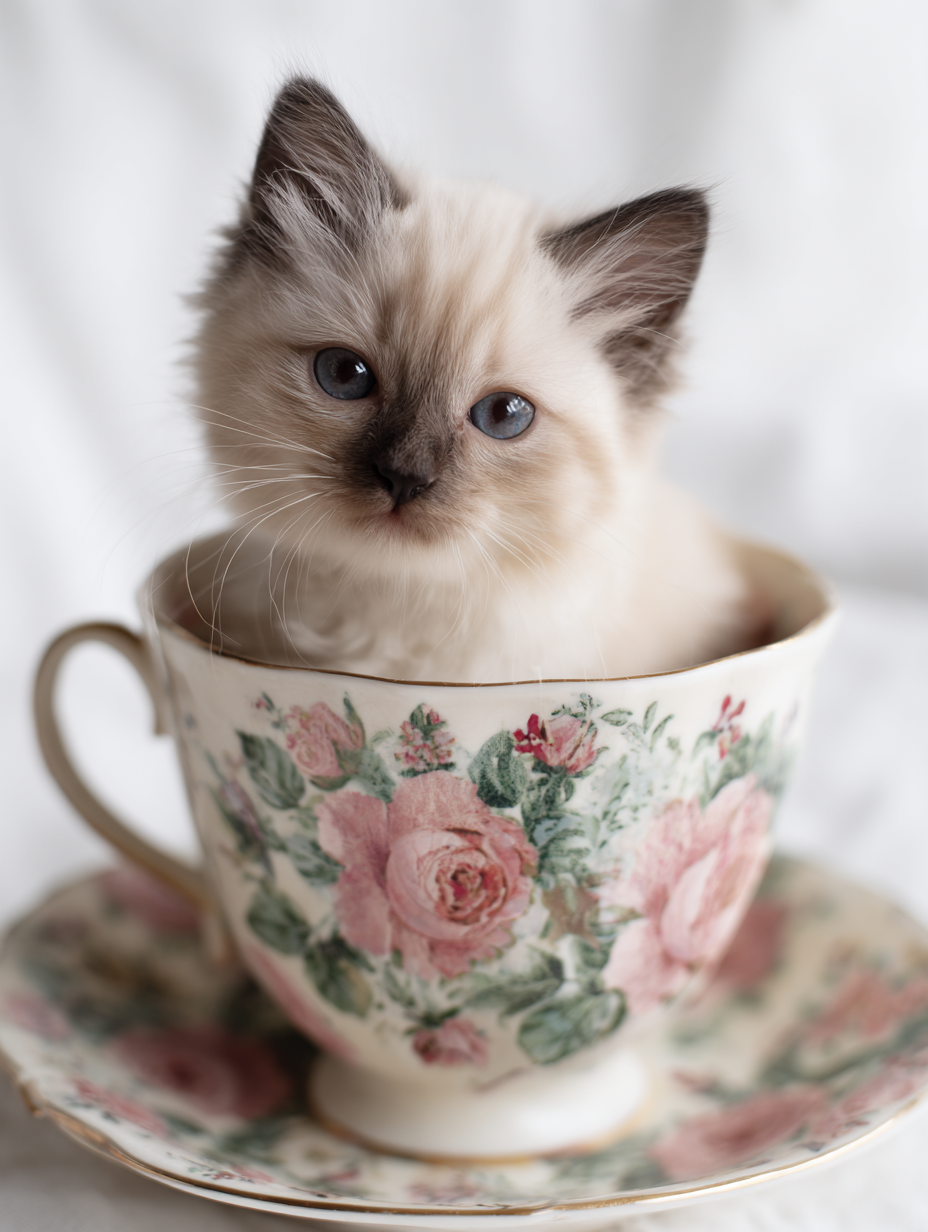
Teacup Ragdoll Cats: Do Teacup Ragdolls Really Exist?
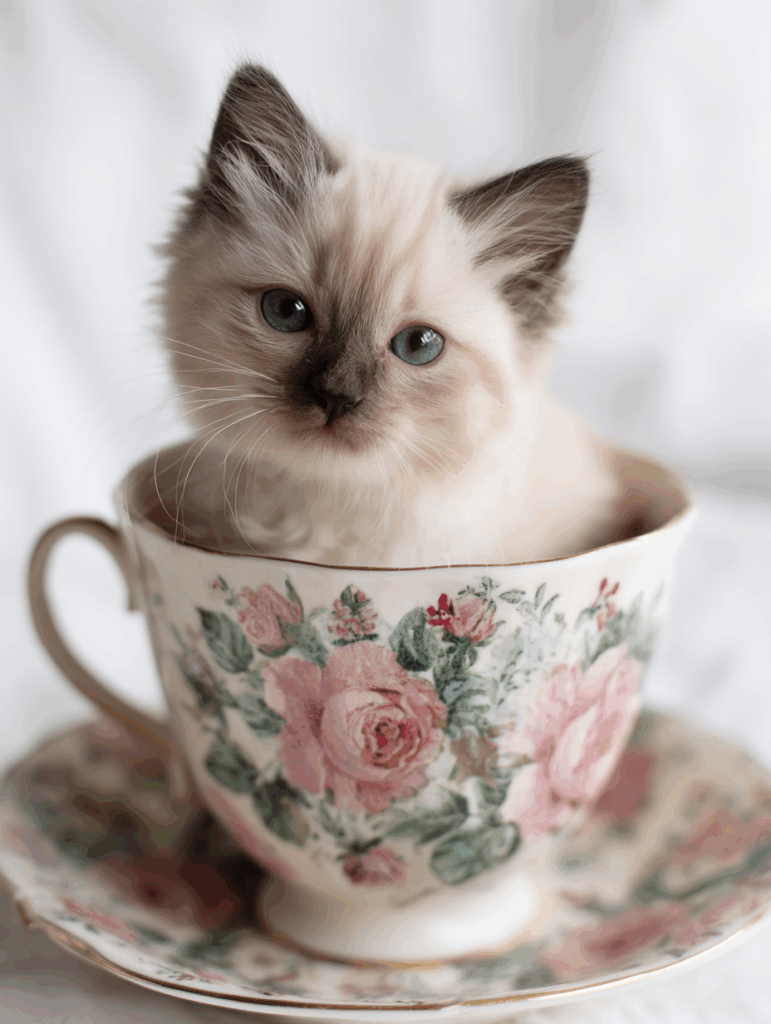
The term “teacup Ragdoll cat” is increasingly common online, especially among buyers searching for a calm, gentle cat in a smaller size. While the phrase sounds appealing, it often creates confusion about what Ragdolls actually are, how they grow, and what ethical breeding looks like.
If you’ve been searching for a teacup Ragdoll, this guide will clarify what the term really means, why it’s used, and how to choose a Ragdoll kitten responsibly—without sacrificing health, temperament, or longevity.
Quick Summary: Teacup Ragdoll Cats at a Glance
Many people search for teacup Ragdoll cats because they want a calm, gentle companion that feels manageable in size. However, teacup Ragdolls are not a real or recognized type of Ragdoll. The term is a marketing phrase often used to describe young kittens or naturally smaller females, not a distinct size category. This guide explains what the term really means, the health considerations involved, and how ethical breeders help families choose the right Ragdoll without misleading labels.
Teacup Ragdoll Cats — Key Fact Table
| Topic | What You Should Know |
|---|---|
| Are teacup Ragdoll cats real? | No. “Teacup” is not a recognized size or breed category. |
| Registry recognition | Not recognized by TICA, CFA, or FIFe. |
| Why the term is used | Marketing language for small kittens or smaller females. |
| Do teacup Ragdolls stay small? | No. Ragdolls mature slowly and grow for 3–4 years. |
| Health implications | Size extremes can increase health risks when bred intentionally. |
| Female vs male size | Females are naturally smaller than males. |
| Apartment suitability | Temperament matters more than size; Ragdolls adapt well indoors. |
| Ethical breeder stance | Responsible breeders focus on health, temperament, and transparency. |
| Best alternative to “teacup” | Choose based on temperament, lifestyle fit, and honest size expectations. |
Why People Search for “Teacup Ragdoll Cats”
Most people searching for teacup Ragdoll cats are not looking for a novelty animal. They are usually looking for:
- A gentle, affectionate Ragdoll that fits comfortably into their home
- A cat they believe will be smaller, easier to handle, or less physically overwhelming
- A calm companion suitable for apartments, families, or quieter households
The word teacup has become shorthand online for “small” or “manageable,” even though it has no official meaning in cats. Social media, breeder marketing, and early kitten photos all reinforce the idea that some Ragdolls stay tiny forever—when in reality, size is influenced by genetics, sex, nutrition, and maturity, not a special category.
This is why the term appears so often: it reflects buyer concerns about size and lifestyle, not an actual breed type.
Looking for a Ragdoll That Fits Your Lifestyle?
If you’re researching teacup Ragdoll cats because you want a gentle, manageable companion, the best match isn’t a size label — it’s a thoughtfully bred kitten with the right temperament. We help families find Ragdoll kittens, including naturally smaller females, with honest guidance and long-term support.
Are Teacup Ragdoll Cats a Real Breed or Size Category?
No. Teacup Ragdolls are not a recognized breed or size classification by any major feline organization.
- TICA (The International Cat Association)
- CFA (Cat Fanciers’ Association)
- FIFe (Fédération Internationale Féline)
None recognize teacup as a legitimate descriptor for Ragdolls—or any cat breed.
From a veterinary and genetic standpoint, Ragdolls are a naturally large, slow-maturing breed. Their size is part of the breed standard and closely tied to their bone structure, muscle development, and temperament. There is no separate gene or ethical breeding program that produces a healthy, permanently “miniature” Ragdoll.
When the word teacup is used, it is typically a marketing term, not a biological reality.
The word teacup is frequently used across multiple breeds, not just Ragdolls. Similar claims appear with short-legged breeds as well, including Munchkins, even though teacup Munchkin cats are also not a recognized type.
How Ragdoll Cats Normally Grow and Mature
Understanding normal Ragdoll growth explains why so many kittens are mistaken for “teacup” cats.
Typical Adult Size Range
- Female Ragdolls: usually 10–15 pounds
- Male Ragdolls: often 15–20+ pounds
- Large bone structure with slow, steady development
Male vs. Female Differences
Female Ragdolls are naturally smaller and lighter than males, with finer features and a more compact appearance. Many cats advertised as “teacup Ragdolls” are simply well-bred females, not a separate type.
Growth Timeline
Ragdolls mature slowly:
- Rapid growth in the first year
- Continued filling out through years 2–3
- Full maturity often reached closer to age 3–4
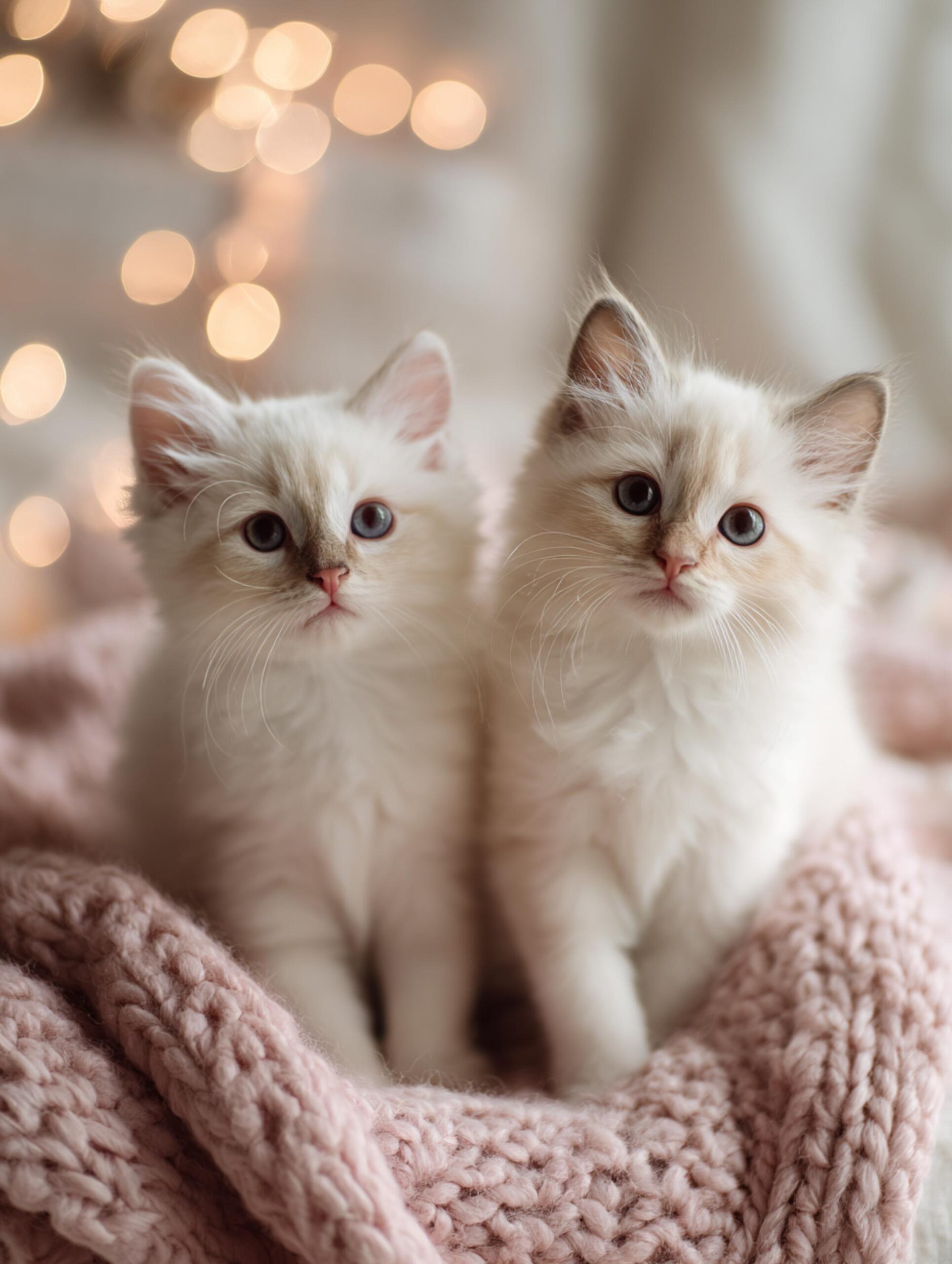
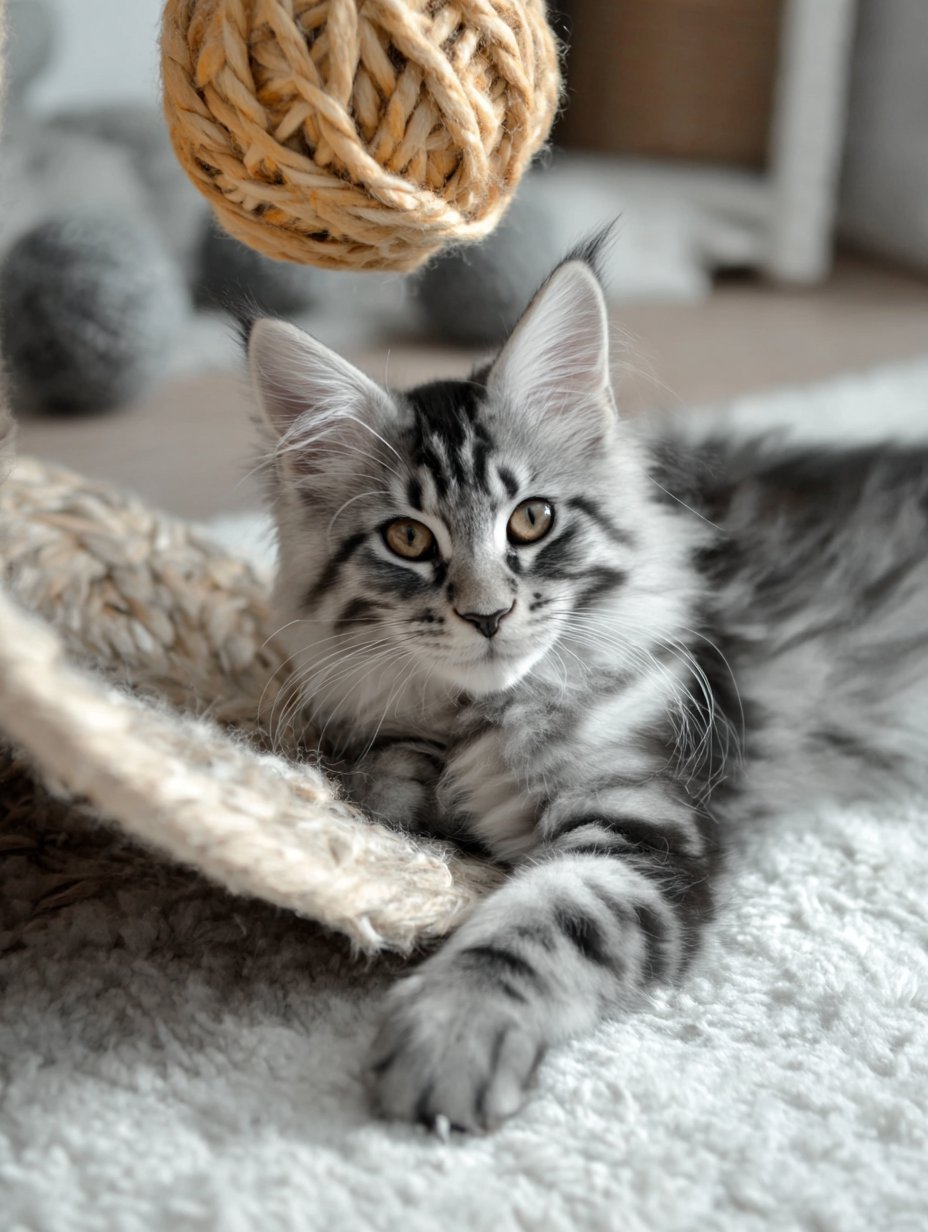
Why Kittens Look So Small
Young Ragdoll kittens:
- Have not developed adult bone density
- Have proportionally large eyes and faces
- Appear much smaller in photos, especially before 12–16 weeks
This temporary stage is often mistaken for a permanent trait.
A Note for Size-Conscious Buyers
If you’re drawn to the idea of a “teacup Ragdoll” because you want a gentle, manageable, indoor companion, the good news is that many responsibly bred Ragdolls—especially females—fit that lifestyle beautifully without being mislabeled or bred for extremes.
Choosing a kitten from a program that prioritizes health, temperament, and proper growth gives you a cat that is easier to live with, more predictable as an adult, and supported long-term by ethical breeding practices.
What Sellers Usually Mean When They Say “Teacup Ragdoll”
When the term “teacup Ragdoll” is used in listings or conversations, it almost never describes a true size category. In practice, it usually refers to one of the following situations.
Smaller Females Within the Breed
Female Ragdolls are naturally smaller than males and often mature into elegant, more compact adults. Many cats labeled as “teacup Ragdolls” are simply normal, well-bred females whose size falls at the lower end of the breed’s natural range.
These cats are not miniature or genetically distinct — they are healthy Ragdolls whose structure and temperament still align fully with the breed standard.
Younger Kittens Marketed Early
Very young Ragdoll kittens appear tiny because they have not yet developed adult bone mass, muscle, or body length. Some sellers apply the word teacup to kittens offered before meaningful growth patterns are visible, creating the illusion of a permanently small adult.
As these kittens mature, they typically grow into standard adult Ragdolls, making the label misleading rather than accurate.
Mixed or Poorly Bred Lines
In some cases, the term teacup Ragdoll is used to mask mixed ancestry or inconsistent breeding. Cats may resemble Ragdolls superficially while lacking predictable size, coat quality, or temperament.
Without documented lineage and health testing, size claims become unreliable, and buyers may end up with a cat that does not resemble a true Ragdoll in adulthood.
Intentional Miniaturization (Ethical Concerns)
More concerning are situations where breeders attempt to intentionally reduce size through selective breeding for extremes or inadequate nutrition during development. These practices prioritize appearance over welfare and can result in long-term health complications.
Responsible breeders avoid this entirely, as Ragdolls are not meant to be bred for miniature proportions.
Health Considerations Linked to “Teacup” Claims
Claims of permanent miniaturization raise important health considerations, especially in a breed designed to grow slowly and develop substantial bone structure.
Skeletal Development
Ragdolls rely on proper nutrition and time to develop strong bones and joints. Interfering with growth can increase the risk of:
- joint instability
- reduced bone density
- long-term mobility issues
Organ Growth
Internal organs mature alongside skeletal growth. When growth is restricted or manipulated, organ development may be compromised, affecting heart, kidney, and overall metabolic health.
Long-Term Health and Lifespan Considerations
Cats bred or marketed for extreme size may experience:
- reduced resilience as adults
- increased veterinary needs
- shortened lifespan compared to well-bred counterparts
Why Size Extremes Increase Risk
Extreme traits — whether oversized or undersized — place additional stress on the body. Ethical breeding focuses on balance, structure, and longevity, not pushing size beyond what the breed is designed to support.
Why Ethical Breeders Do Not Breed Teacup Ragdoll Cats
Ethical Ragdoll breeders do not breed for teacup size because it conflicts with the core goals of responsible breeding.
Breeding for Health vs. Novelty
Ragdolls are bred for:
- stable, affectionate temperament
- sound structure
- predictable adult development
- long, healthy lives
Breeding for novelty traits like extreme smallness introduces unnecessary risk and undermines these priorities.
How Responsible Breeders Describe Size Honestly
Rather than using misleading labels, reputable breeders:
- explain male vs. female size differences
- provide realistic adult weight ranges
- share growth expectations based on lineage
This transparency helps families choose a kitten that truly fits their lifestyle.
Transparency and Long-Term Welfare
Ethical breeders support their kittens long after placement and prioritize outcomes over marketing language. By focusing on health, temperament, and responsible growth, they ensure each Ragdoll matures into a confident, well-adjusted companion.
Is a “Teacup Ragdoll” the Right Choice for Your Home?
Most families searching for a teacup Ragdoll are really asking a practical question: Will a Ragdoll fit comfortably into my lifestyle? Size alone is rarely the best way to answer that.
Apartment Living vs. House
Ragdolls adapt exceptionally well to apartment living when their needs are met. They are known for:
- moderate activity levels
- a preference for staying close to their people
- calm, indoor-oriented behavior
A smaller living space does not require a “teacup” cat. A well-bred Ragdoll—especially a female or a cat from calmer lines—can thrive in an apartment just as easily as in a house.
Handling and Activity Expectations
Ragdolls are valued for their gentle, relaxed nature rather than their size. Most enjoy being handled, carried, and included in daily routines. Choosing a kitten based on temperament and socialization will have a far greater impact on ease of handling than trying to find a cat labeled “teacup.”
Better Criteria Than Size Alone
Instead of focusing on a size label, families should consider:
- how calm or playful the kitten is
- how confidently it handles new environments
- how well it bonds with people
These traits are far more predictive of long-term satisfaction than an unreliable size claim.
How to Avoid Teacup Ragdoll Scams Online
Because the term teacup Ragdoll is not regulated, it is frequently used in misleading ways. Being able to recognize warning signs protects both your investment and the cat’s welfare.
Common Red Flags
- heavy emphasis on “tiny forever” language
- pressure to reserve quickly due to “rare size”
- refusal to discuss adult size realistically
Documentation Gaps
Reputable Ragdoll breeders provide:
- pedigree documentation
- health testing information
- clear breeder communication
A lack of transparency is often paired with exaggerated size claims.
Unrealistic Guarantees or Language
No ethical breeder can guarantee permanent miniature size. Claims that a cat will never exceed a certain weight or will remain kitten-sized are unreliable and should be approached with caution.
What to Look for Instead of “Teacup” Size
Families who move beyond the teacup label often find a Ragdoll that truly fits their home and lifestyle.
Temperament
Ragdolls are prized for their affectionate, steady personalities. A calm, people-oriented kitten is far more important than minor size differences.
Energy Level
Some Ragdolls are naturally more relaxed, while others are playful well into adulthood. Energy level influences daily life more than weight or height.
Coat Type
Plushness, texture, and grooming needs vary slightly by line. Understanding coat expectations helps prevent surprises as the kitten matures.
Adult Size Ranges Explained Realistically
Rather than seeking extremes, responsible breeders explain:
- expected adult size ranges
- differences between males and females
- how kittens typically develop over time
This realistic guidance helps families choose confidently and responsibly.
Summary: The Truth About Teacup Ragdoll Cats
The idea of a teacup Ragdoll cat is understandable — many families want a gentle, affectionate companion that feels manageable in size. However, teacup is not a real size category, breed type, or genetic trait in Ragdolls.
What most people are actually looking for is a calm, well-bred Ragdoll with predictable temperament and healthy development. Female Ragdolls and kittens from balanced, responsible breeding programs often meet those needs without being mislabeled or bred for extremes.
Choosing a Ragdoll based on health, temperament, and honest size expectations leads to a better experience for both the family and the cat. Ethical breeding prioritizes longevity and stability — not marketing terms — and that approach consistently produces Ragdolls that thrive in real homes.
FAQ About Teacup Ragdoll Cats
Are teacup Ragdoll cats real?
No. Teacup Ragdoll cats are not a real or recognized type of Ragdoll. No major cat registry, including TICA, CFA, or FIFe, recognizes teacup as a size category or variation within the breed. The term is a marketing phrase used to describe kittens that appear small at a young age or adult females that fall on the lower end of the normal size range.
Is there a genetic reason some Ragdolls are called teacup?
No. There is no “teacup gene” in Ragdolls. Size differences are influenced by:
- sex (females are smaller than males)
- lineage
- nutrition
- rate of maturity
These factors explain natural variation without creating a separate size class.
Do teacup Ragdoll kittens stay small forever?
No. Ragdolls are a slow-maturing breed and often continue growing until 3–4 years of age. Kittens that look exceptionally small at 8–12 weeks frequently grow into standard adult Ragdolls once their bones and muscle fully develop.
Why do teacup Ragdoll kittens look so tiny in photos?
Young Ragdoll kittens:
- have not developed adult bone density
- have proportionally large eyes and heads
- photograph smaller depending on angles and props
Photos alone are not a reliable indicator of adult size.
Are teacup Ragdoll cats healthy?
Health depends on breeding practices, not size labels. When the term teacup is used responsibly to describe a naturally smaller female, health is typically normal. When the term is tied to intentional size restriction or poor breeding, health risks increase.
What health problems are associated with “teacup” size claims?
Potential concerns can include:
- weaker skeletal structure
- delayed or compromised organ development
- increased veterinary needs later in life
These risks arise from breeding for extremes, not from being a normal smaller Ragdoll.
Are teacup Ragdolls the same as dwarf cats?
No. Ragdolls are not a dwarf breed. Dwarfism involves specific genetic mutations affecting bone growth and proportions. Teacup Ragdoll claims are unrelated to true dwarfism and should not be confused with it.
Why do some breeders advertise teacup Ragdolls?
The word teacup attracts attention from buyers who want:
- a smaller cat
- an apartment-friendly pet
- a gentle, easy-to-handle companion
Unfortunately, the term is often used because it is popular, not because it is accurate.
Is “teacup Ragdoll” just a marketing term?
Yes. In almost all cases, teacup Ragdoll is a marketing label, not a legitimate description. Ethical breeders avoid it because it creates unrealistic expectations about adult size. The term teacup is commonly applied online to several breeds, including Ragdolls, Munchkins, and others, despite none being officially recognized.
Are teacup Ragdolls more expensive?
They are often advertised as more expensive, but higher prices do not indicate legitimacy or quality. Pricing should reflect:
- health testing
- pedigree
- socialization
- breeder support
Not an unrecognized size claim.
Can a Ragdoll be naturally small without being a teacup?
Yes. Some female Ragdolls mature on the smaller end of the breed standard while remaining perfectly healthy, well-structured, and true to type. These cats are not teacups — they are simply naturally smaller individuals.
What is the normal adult size of a Ragdoll cat?
Most adult Ragdolls fall within these ranges:
- females: approximately 10–15 pounds
- males: approximately 15–20+ pounds
Individual variation is normal and should be explained honestly by the breeder.
Is a smaller Ragdoll better for apartment living?
Not necessarily. Temperament matters far more than size. Ragdolls of all sizes are known for:
- calm behavior
- low territorial aggression
- people-oriented personalities
These traits make them excellent apartment cats regardless of weight.
Are teacup Ragdolls easier to handle or carry?
Handling ease is influenced by:
- socialization
- temperament
- confidence level
A calm, well-socialized Ragdoll of normal size is often easier to handle than a poorly bred or anxious smaller cat.
Do teacup Ragdolls require special care?
There is no legitimate care protocol for “teacup” Ragdolls. All Ragdolls benefit from:
- balanced nutrition
- regular veterinary care
- proper grooming
- indoor living
Claims that teacup Ragdolls need special diets or care should be questioned.
How can I tell if a teacup Ragdoll listing is a scam?
Common warning signs include:
- guarantees that the cat will “stay tiny forever”
- refusal to discuss adult size realistically
- lack of pedigree or health documentation
- pressure to reserve quickly due to “rare size”
What should I ask a breeder instead of about teacup size?
Better questions include:
- What size are the parents?
- How long do kittens from your lines typically take to mature?
- What health testing is done?
- How do you socialize kittens?
What should size-conscious buyers focus on instead?
Instead of chasing a teacup label, buyers should prioritize:
- temperament
- activity level
- compatibility with their lifestyle
- ethical breeding practices
- realistic adult expectations
Is it unethical to want a smaller Ragdoll?
No. Wanting a manageable, gentle companion is completely reasonable. The ethical issue arises when size is pursued at the expense of health or honesty. Responsible breeders help families find the right match without misleading labels.
Can a breeder help match me with a smaller adult Ragdoll?
Yes. Ethical breeders often:
- place naturally smaller females with size-conscious homes
- explain expected adult size clearly
- guide buyers based on lifestyle rather than marketing terms
This approach leads to better outcomes for both cats and families.
What’s the safest way to find the right Ragdoll for my home?
The safest path is choosing a breeder who prioritizes:
- transparency
- health testing
- realistic education
- long-term support
This ensures your Ragdoll grows into a healthy, confident companion — regardless of size.
Looking for the Right Ragdoll Kitten for You?
If you were drawn to the idea of a teacup Ragdoll because you want a gentle, manageable, people-oriented companion, the best place to start is not with a size label — but with how a kitten is bred, raised, and matched to your lifestyle.
Our Ragdoll kittens are bred for:
- calm, affectionate temperament
- predictable development and structure
- health, longevity, and stability
- honest guidance on adult size and expectations
For families who prefer a more compact companion, we often recommend naturally smaller female kittens with quieter energy — without misleading claims or compromised health.
You can learn more about our current and upcoming Ragdoll kittens, our health standards, and how we help match the right kitten to the right home below.
Related Ragdoll Resources
If you’re researching teacup Ragdoll cats, these guides will help you understand Ragdoll size, temperament, and what to expect as your kitten matures:
- Ragdoll Cat Size & Growth Chart
Learn how Ragdolls develop from kittenhood to full maturity, including realistic adult size expectations. - Ragdoll Cat Breed Standard
A clear description of the Ragdoll Cat Breed. - Ragdoll Pros and Cons: What Living With a Ragdoll Is Really Like
Understand the pros and cons of Ragdoll Cats for apartments, families, and indoor homes. - Ragdoll Grooming
What kind of coat care does the Ragdoll cat require? Find out here. - Ragdoll Cat Prices
Red flags to avoid, questions to ask, and how ethical programs differ from marketing-driven sellers. - Ragdoll Breeder Near Me | Almonte Cats
Learn how we match families with well-bred Ragdoll kittens based on lifestyle, temperament, and honest expectations.
Sources
- The International Cat Association (TICA). Ragdoll Breed Information.
https://tica.org/breed/ragdoll/ - Cat Fanciers’ Association (CFA). Ragdoll Breed Profile.
https://cfa.org/ragdoll/ - Fédération Internationale Féline (FIFe). Ragdoll Breed Standard.
https://fifeweb.org/breeds/breed-standard/ragdoll/ - PetMD. The Truth About Teacup Cats: Health and Ethical Concerns.
https://www.petmd.com/cat/general-health/truth-about-teacup-cats - Zooplus Magazine. Teacup Cats: Appearance, Health Problems, and Breeding Ethics.
https://www.zooplus.co.uk/magazine/cat/cat-breeding/teacup-cats-appearance-health-problems - Wikipedia. Dwarf Cat (Genetics and Health Distinctions).
https://en.wikipedia.org/wiki/Dwarf_cat





Read the Comments +