
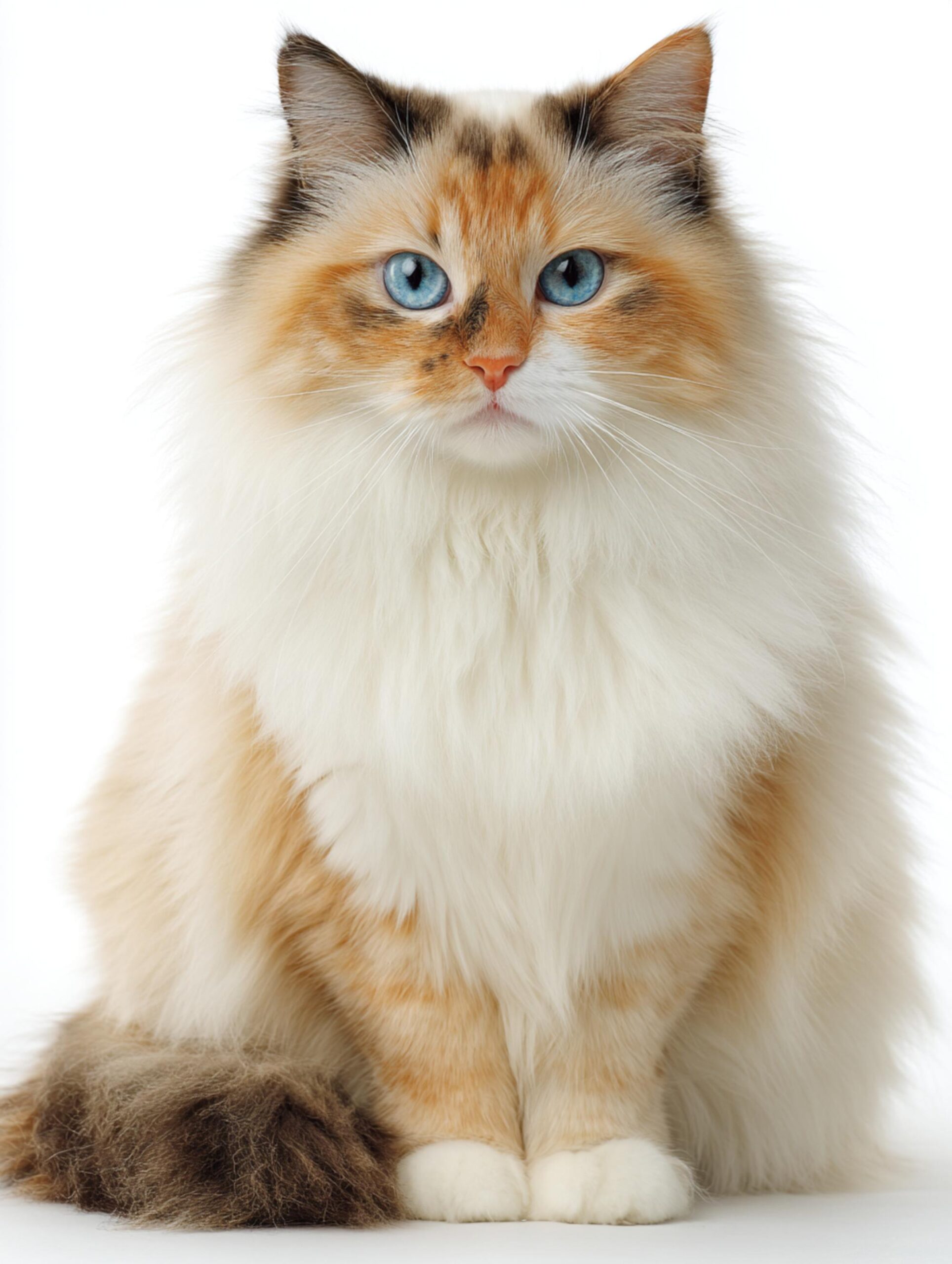
Tortie & Torbie Ragdoll Cats: Colors, Genetics, Temperament & Breeder Facts
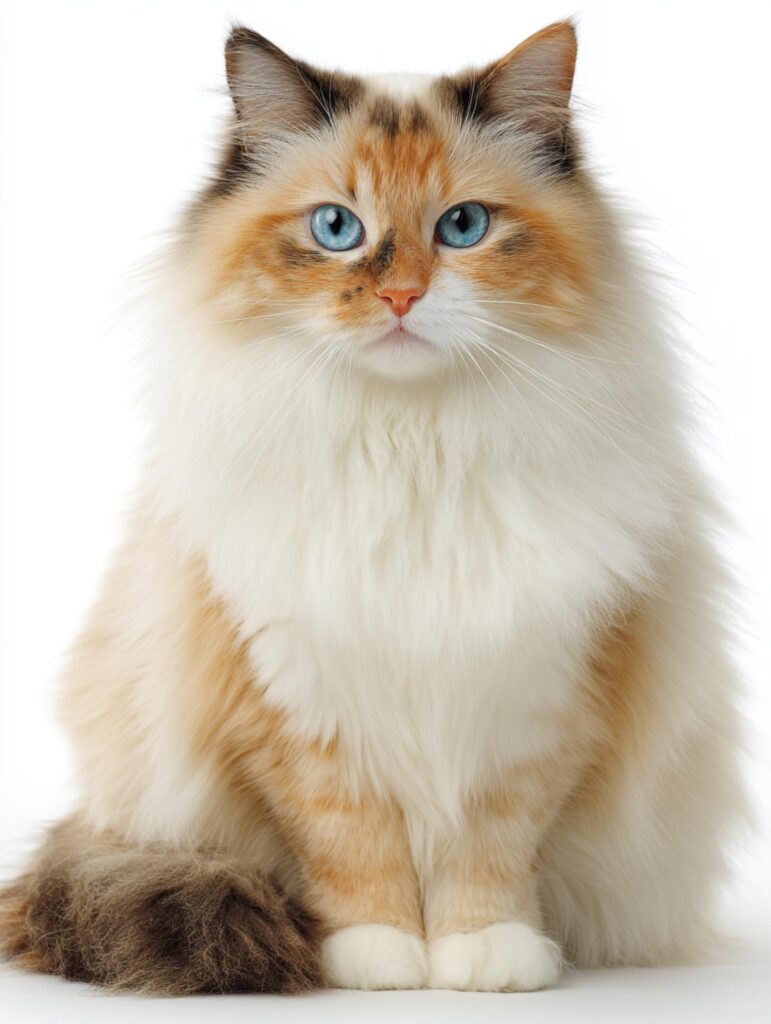
Intro: What People Mean When They Say “Tortie Ragdoll” or “Torbie Ragdoll”
When people search for a tortie Ragdoll or torbie Ragdoll, they are usually describing how a cat looks, not what the cat is. Tortie and torbie are coat patterns, not separate breeds, and they can appear naturally within established Ragdoll bloodlines.
These terms cause more confusion than almost any other Ragdoll color or pattern. Online listings, rescue descriptions, social media posts, and even breeder websites often use them inconsistently. As a result, many owners are left wondering whether their cat is “really” a Ragdoll, whether the pattern means mixed breeding, or whether temperament changes with coat type.
This guide clears that up.
Here, you’ll learn what tortie and torbie actually mean, how these patterns occur genetically, why registry labels don’t always match visual appearance, and what truly defines a Ragdoll beyond coat expression. The goal is not to rename cats or argue semantics — it’s to explain what’s real, what’s mislabeled, and what actually matters when evaluating a Ragdoll.
👉 For a full breakdown of all Ragdoll coat colors and patterns, see our complete Ragdoll color guide.
Tortie & Torbie Ragdoll Cats — Summary Overview
| Topic | Key Takeaway |
|---|---|
| Breed status | Tortie and torbie Ragdolls come from Ragdoll bloodlines |
| What “tortie” means | A tortoiseshell coat pattern with blended colors and no striping |
| What “torbie” means | A tortoiseshell coat pattern combined with tabby striping |
| Pattern vs breed | Tortie and torbie describe coat expression, not breed identity |
| Genetics | Result of normal feline color genetics, most often X-linked |
| Why most are female | Red/cream color genes are carried on the X chromosome |
| Crossbreeding indicator | No — coat pattern alone does not indicate mixed breeding |
| Temperament impact | None — temperament is not determined by coat pattern |
| “Tortitude” | A stereotype, not a behavioral trait |
| Registry classification | Varies by registry and coat expression |
| Show eligibility | May be shown under Cherubim standards in TICA if non-pointed |
| Companion suitability | Same as other Ragdolls when bred from sound lines |
| Health differences | None related to tortie or torbie pattern |
| Pricing | Determined by breeder program and placement, not pattern alone |
| What matters most | Temperament, health, lineage, and household fit |
Are Tortie and Torbie Ragdolls Real Ragdolls?
Yes. Tortie and torbie Ragdolls come from Ragdoll lines and share the same breed foundation as other Ragdolls. The confusion doesn’t come from genetics — it comes from how coat patterns are labeled and discussed online.
Registries classify colors and patterns to preserve written standards, especially for the show ring. That classification system is organizational, not a statement about whether a cat is a “real” Ragdoll. A cat can originate from documented Ragdoll bloodlines, carry Ragdoll structure and temperament, and still be labeled differently depending on how its coat expresses.
This is where many people get tripped up:
- Genetics describe what the cat is
- Registry labels describe how the coat fits a standard
Those are not the same thing. Coat pattern does not change breed authenticity, lineage, temperament, or health. It only describes how color genes appear on the coat.
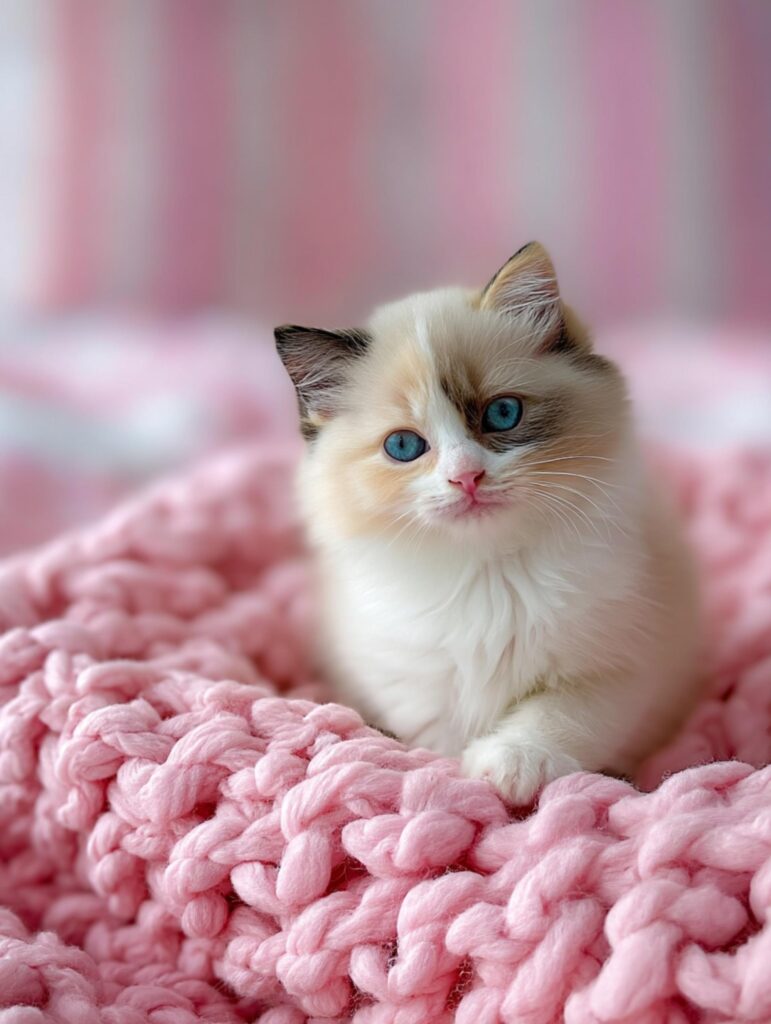
Tortie vs Torbie Ragdolls — What’s the Difference?
Tortie and torbie are often used interchangeably online, but they describe two distinct coat expressions. Knowing the difference helps owners correctly identify their cat and avoid common mislabeling.
What Is a Tortie Ragdoll?
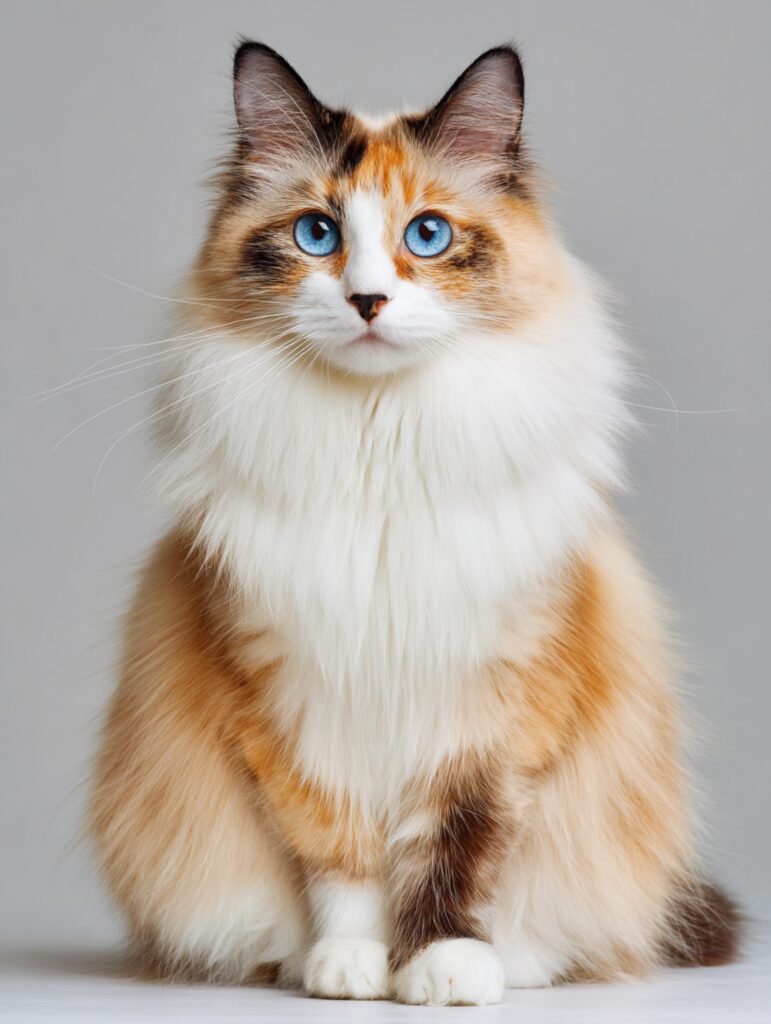
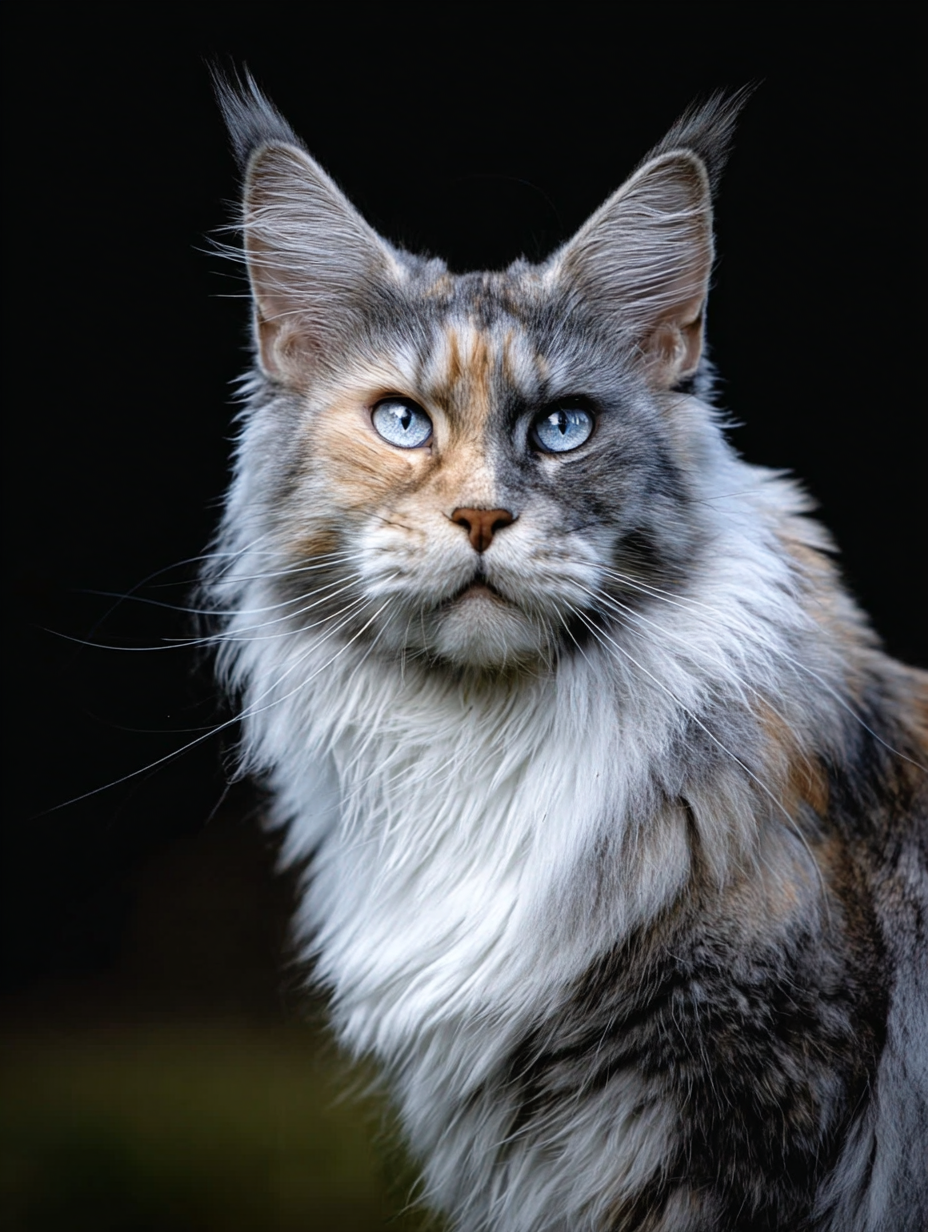
A tortie Ragdoll has a tortoiseshell pattern, meaning two colors are intermingled across the coat rather than appearing in solid blocks or stripes.
- The base color (often seal or blue) is mixed with red or cream
- Color appears mottled, marbled, or patchy
- There is no tabby striping
- Pattern distribution is irregular rather than symmetrical
Most tortie Ragdolls are female. This is because red/cream color genes are sex-linked, carried on the X chromosome. Females have two X chromosomes, allowing two color expressions to appear together. Male torties are rare and typically the result of unusual chromosomal combinations.
What Is a Torbie Ragdoll?
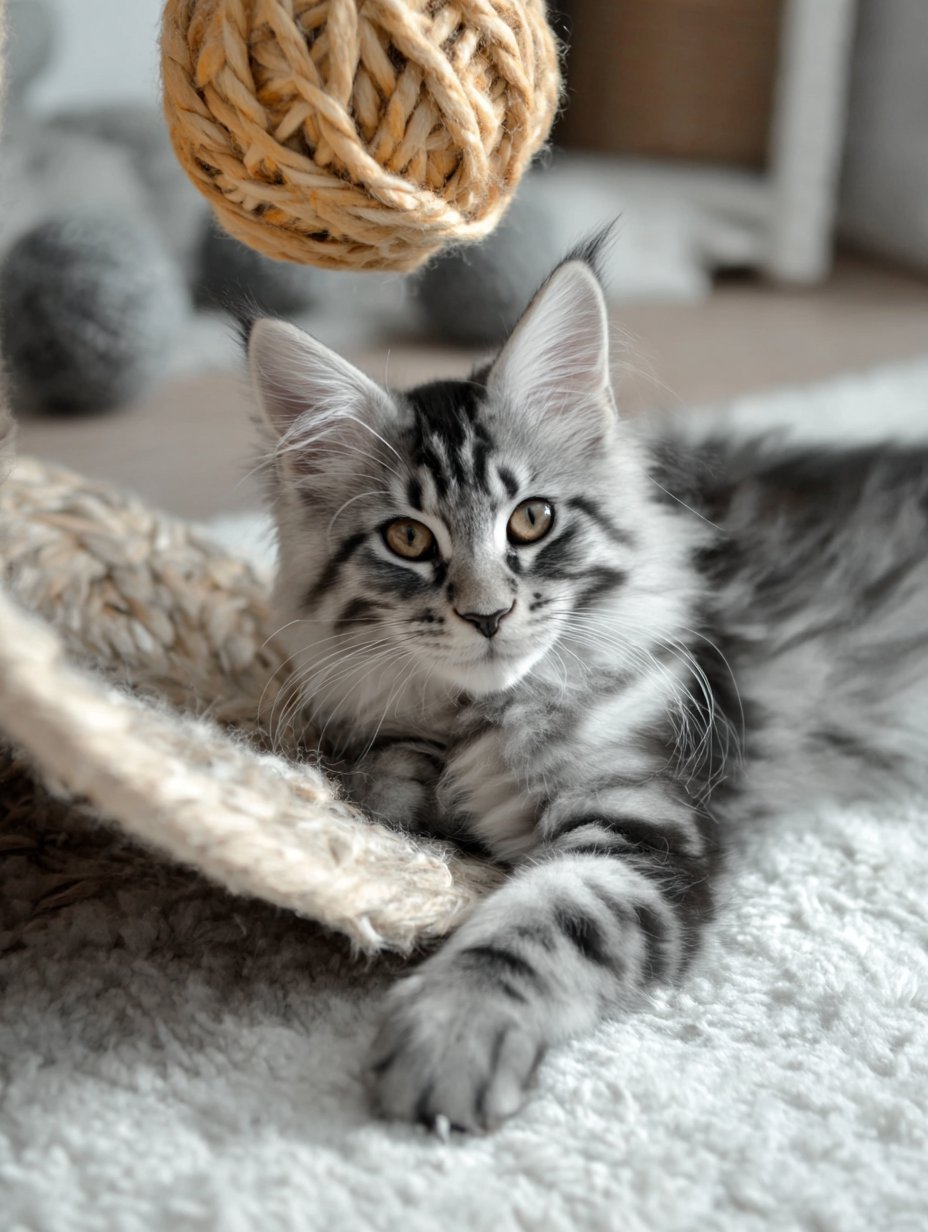
A torbie Ragdoll is a tortoiseshell tabby — essentially a tortie pattern combined with tabby striping.
- Tortie color mix plus visible tabby markings
- Striping may appear on the legs, tail, face, or body
- Often shows a tabby-style “M” on the forehead
- Pattern can be subtle in kittens and become clearer with age
Torbie Ragdolls are frequently mislabeled online because striping can be faint early on, leading people to call them torties when tabby genes are clearly present.
Tortie vs Torbie at a Glance
| Feature | Tortie Ragdoll | Torbie Ragdoll |
|---|---|---|
| Coat pattern | Tortoiseshell | Tortoiseshell + tabby |
| Tabby striping | No | Yes |
| Forehead “M” marking | No | Often present |
| Color distribution | Mottled or marbled | Mottled with visible striping |
| Registry labeling | Often classified separately | Often classified separately |
| Common misidentification | Called torbie | Called tortie or tabby |
Key takeaway: Tortie and torbie describe how color expresses, not what the cat is. Both patterns can occur in legitimate Ragdoll lines, and neither affects temperament, breed authenticity, or companion quality.
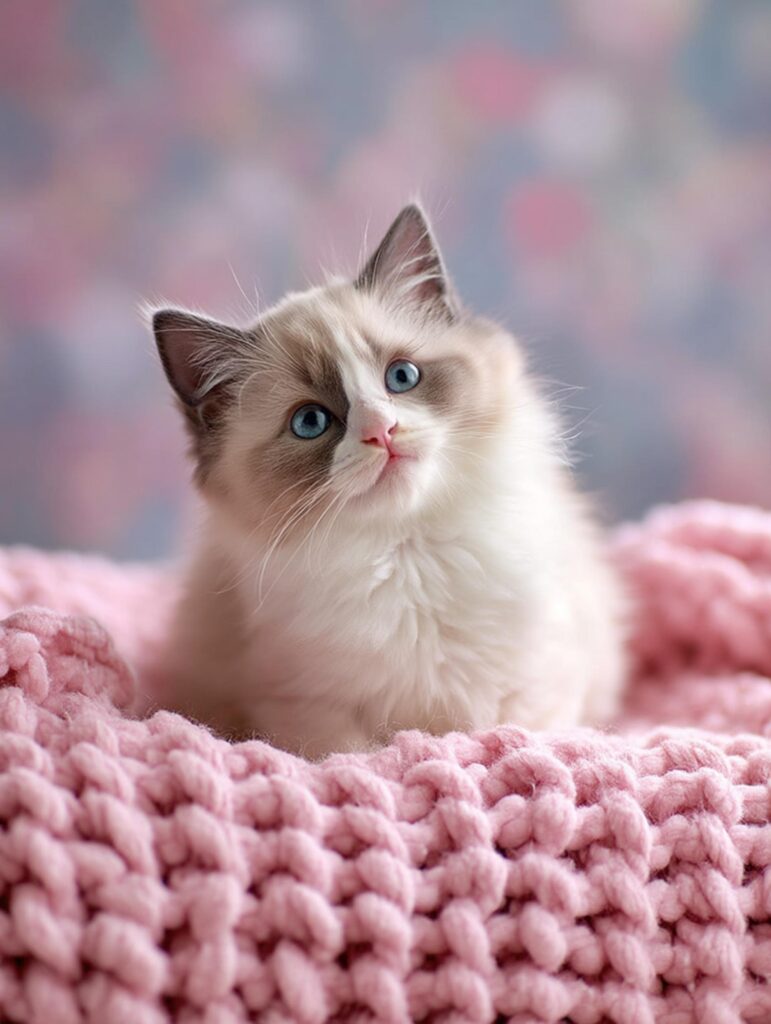
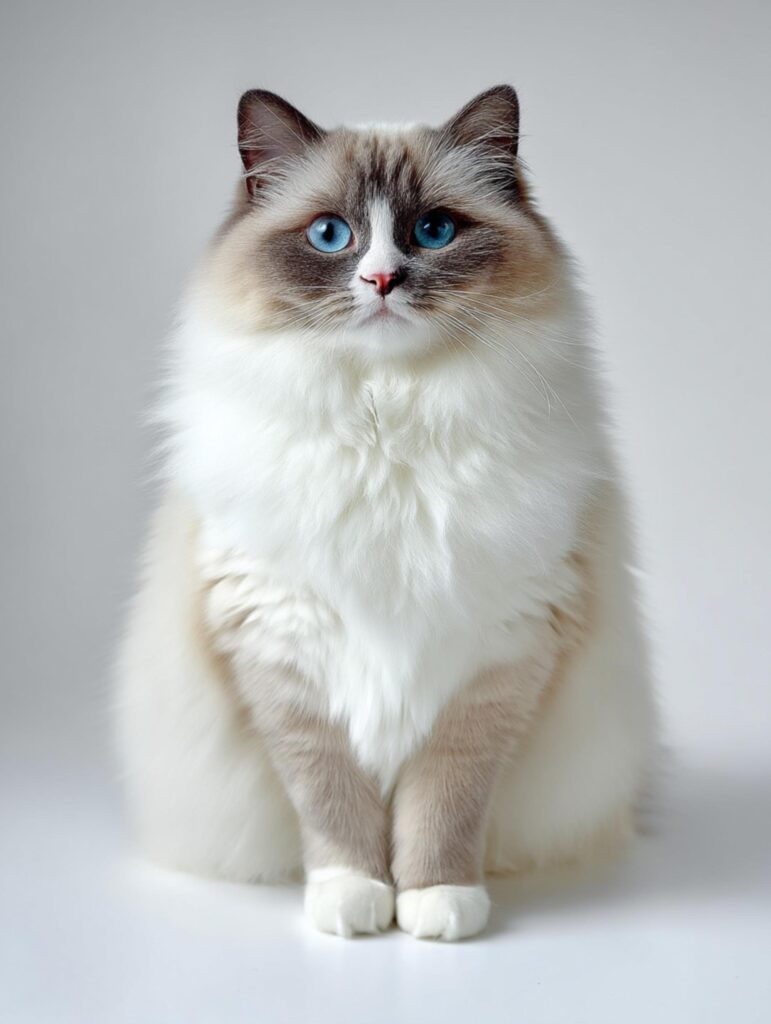
How Do I Know If My Ragdoll Is a Tortie or a Torbie?
This is one of the most common questions owners ask after bringing a Ragdoll home. Tortie and torbie patterns can look similar at first glance, especially in kittens, but there are clear visual differences once you know what to look for.
Step 1 — Look for Tabby Striping
The easiest way to tell the difference is whether tabby striping is present.
- Tortie Ragdolls have mottled patches of color (typically black or seal mixed with red or cream) without visible striping
- Torbie Ragdolls show the same tortie color mix plus clear tabby markings
If you see stripes on the legs, tail, face, or body, you are almost certainly looking at a torbie.
Step 2 — Check the Face and Legs
Certain areas reveal pattern differences more clearly than the body.
- Torbie indicators
- “M” marking on the forehead
- Striped legs or tail rings
- Alternating light and dark bands
- Tortie indicators
- Blended or patchy color on the face
- No consistent stripe pattern
- Color appears swirled or marbled rather than lined
Many owners misidentify torbies because striping can be subtle in kittens and darken with age.
Step 3 — Understand That Age Changes the Look
Ragdoll coats continue developing well past kittenhood.
- Striping in torbies often becomes more defined as the coat matures
- Tortie color contrast deepens over time but remains unstriped
- Seasonal coat changes can temporarily soften or sharpen pattern visibility
This is why kittens are frequently mislabeled in online listings and rescue descriptions.
Step 4 — Registration Papers Can Help (But Aren’t Everything)
If your cat came from a breeder, registration paperwork may list:
- Tortie
- Torbie
- Or a registry-specific color code
However:
- Registry labels reflect standards, not the cat’s genetic value
- Many perfectly legitimate Ragdolls are labeled differently depending on organization
- Visual identification still matters, especially for companion homes
Step 5 — When to Ask a Breeder or Genetics-Savvy Vet
If you are still unsure:
- An experienced Ragdoll breeder can usually identify the pattern from photos
- A genetics-educated vet can confirm whether tabby genes are present
- DNA tests may show color genes, but they are rarely necessary for pattern identification
For most owners, careful visual inspection is enough.
Quick Reference: Tortie vs Torbie Identification
| Feature | Tortie Ragdoll | Torbie Ragdoll |
|---|---|---|
| Tabby striping | No | Yes |
| Forehead “M” | No | Yes |
| Leg and tail rings | No | Yes |
| Color distribution | Mottled / marbled | Mottled + striped |
| Common mislabeling | Called torbie | Called tortie |
Gentle Clarifier
Whether your Ragdoll is tortie or torbie does not affect:
- Temperament
- Health
- Breed authenticity
- Companion quality
It simply describes how the coat expresses color.
Tortie and Torbie Genetics Explained (Without the Science Overload)
Tortie and torbie patterns are the result of normal feline color genetics, not unusual breeding decisions or crossbreeding. Once you understand the basics, most of the online confusion disappears.
X-Linked Color Inheritance (The Part That Matters)
Red and cream coloration in cats is carried on the X chromosome. Female cats have two X chromosomes, which allows two different color instructions to be expressed at the same time. That’s why tortie and torbie patterns — which combine red/cream with another color — occur naturally in females.
Male cats usually have one X and one Y chromosome, so they typically express only one color. For a male to display a tortie or torbie pattern, an uncommon chromosomal variation must be present. This is why male torties and torbies are rare, but rarity does not mean impossibility or impurity.
Why These Patterns Do Not Indicate Crossbreeding
Tortie and torbie patterns:
- Do not require introducing another breed
- Do not alter structure or temperament
- Do not override breed genetics
They simply describe how color genes layer and distribute on the coat. Assuming crossbreeding based on color alone is a misunderstanding of how feline genetics work.
How Tortie and Torbie Patterns Appear in Established Ragdoll Lines
These patterns can and do appear naturally when:
- Ragdoll lines carry red/cream genes
- Non-pointed expression is present
- Genetics combine in specific but predictable ways
Ethical breeders do not “create” torties or torbies on purpose — they appear when the genetics align. Their presence reflects genetic diversity within the breed, not deviation from it.
In short: tortie and torbie patterns are a normal genetic outcome, not an anomaly.
Common Myths About Tortie & Torbie Ragdolls
This is where most Reddit threads and online arguments go off the rails. Let’s address the myths directly.
“They’re mixed breeds”
They are not. Tortie and torbie Ragdolls come from Ragdoll bloodlines. Coat pattern alone cannot tell you whether a cat is purebred, mixed, or anything in between.
“They’re not real Ragdolls”
They are real Ragdolls when they come from Ragdoll lines. Registry classifications organize show standards; they do not determine genetic origin, temperament, or companion quality.
“Tortitude means aggression”
“Tortitude” is a cultural stereotype, not a behavioral diagnosis. Temperament is shaped by:
- Breeding lines
- Early handling
- Socialization
- Individual personality
Coat pattern does not create aggression, dominance, or attitude.
“They can’t be registered”
Many tortie and torbie Ragdolls can be registered, though the exact label may vary by registry and color standard. Registration status reflects classification rules, not whether the cat is legitimate.
“Breeders hide them”
Ethical breeders don’t hide tortie or torbie kittens. What happens more often is:
- Listings simplify terminology
- Registries use different labels than owners expect
- Online platforms misuse color names
Confusion comes from inconsistent language, not secrecy.
Bottom line: Tortie and torbie Ragdolls are the result of normal genetics, not mistakes, not deception, and not crossbreeding. Once you separate coat expression from breed identity, the noise disappears — and the facts become clear.
Do Tortie and Torbie Ragdolls Have Different Temperaments?
No. Coat pattern does not determine temperament — in Ragdolls or in any other breed. Tortie and torbie Ragdolls do not behave differently simply because of how their color expresses.
The idea of “tortitude” is personality folklore, not a behavioral rule. It persists because humans like tidy explanations for complex behavior, not because it reflects how cats actually develop.
What does affect temperament is far more consistent and predictable.
What Actually Shapes Ragdoll Temperament
Line temperament
Temperament is heritable. Ethical breeders select breeding cats based on calmness, sociability, handling tolerance, and emotional stability. Those traits pass down regardless of coat pattern.
Early handling and socialization
Ragdolls raised with regular, gentle handling develop confidence and trust. Kittens who are exposed to people, routine household activity, and respectful interaction tend to mature into steady adults — whether they are pointed, solid, tortie, or torbie.
Breeder selection and placement
Responsible breeders evaluate kittens individually and place them based on temperament and household fit, not color preference alone. This is why well-bred Ragdolls are known for predictable behavior across the breed.
Why Ragdoll Temperament Remains Consistent
Ragdolls were developed and maintained for people-oriented, calm companionship. That defining temperament does not change with coat expression. Tortie and torbie Ragdolls display the same:
- Affectionate nature
- Handling tolerance
- Preference for human company
- Slow, steady emotional development
Pattern may change how a cat looks. It does not change how a Ragdoll behaves.
Registry Status of Tortie & Torbie Ragdolls
Registry terminology is one of the biggest sources of confusion for buyers, especially when coat patterns fall outside traditional show standards.
Why Some Registries Separate Non-Traditional Expressions
Registries exist to define and preserve show standards, not to judge companion value. When a coat pattern doesn’t fit a written standard, it may be classified separately to maintain consistency in the show ring.
This separation is administrative — not a statement about legitimacy, health, or breed origin.
Pet vs Show Classification
Many tortie and torbie Ragdolls are placed as companions rather than show cats, simply because their coat expression doesn’t align with show criteria. That classification reflects eligibility for competition, not quality as a pet.
A cat can be:
- Fully pedigreed
- Well-bred
- Temperamentally sound
and still not be a show candidate.
Why Registration Does Not Equal Value
Registration is a documentation system, not a quality score. It does not measure:
- Temperament
- Health
- Breeding ethics
- Companion suitability
Well-bred companion Ragdolls often provide more predictability and support to owners than poorly bred “show labeled” cats.
What Ethical Breeders Provide
Responsible breeders focus on transparency, not labels. They provide:
- Clear lineage documentation
- Registration papers when applicable
- Health testing records
- Written contracts
- Ongoing breeder support
This level of clarity matters far more than how a coat pattern is categorized.
Registry labels organize standards. Breeding quality defines the cat. Tortie and torbie Ragdolls belong in the breed when they come from Ragdoll lines — and their value is determined by temperament, health, and ethics, not paperwork wording.
How Breeders Place Tortie & Torbie Ragdolls
Tortie and torbie Ragdolls may appear occasionally within some programs, while other breeders work with lines that regularly produce these expressions. In both cases, placement decisions are shaped by genetics, registration pathways, and buyer goals.
Specialization and Program Focus
Breeders can specialize in tortie and torbie expressions by:
- Working with lines that carry red and cream genetics
- Understanding sex-linked color inheritance
- Planning pairings where these patterns occur predictably
Because tortie and torbie expression depends on sex and gene combination, outcomes are influenced by genetics rather than guaranteed. Availability is therefore described in terms of likelihood, not certainty.
Placement Factors
When placing tortie and torbie kittens, breeders generally consider:
- Temperament — individual confidence, sociability, adaptability
- Household fit — family structure, activity level, environment
- Owner goals — companion placement or participation in showing
Coat pattern may influence interest, but placement decisions are based on a combination of factors rather than appearance alone.
Showing Tortie & Torbie Ragdolls Under TICA (Cherubim)
Tortie and torbie Ragdolls that do not meet pointed color requirements may be shown in The International Cat Association under the Cherubim breed designation.
Under this framework:
- The cats originate from Ragdoll lines
- Coat expression determines show classification
- The Cherubim designation provides a defined standard for non-traditional expressions
- These cats may be fully shown and titled within that category
This pathway allows breeders and owners to pursue showing without altering breeding goals or reclassifying lineage.
Who a Tortie or Torbie Ragdoll Is Right For
Tortie and torbie Ragdolls are commonly chosen by people who:
- Want a companion-focused Ragdoll
- Value temperament and interaction
- Are open to different registry classifications
- Appreciate expressive coat patterns
They are also suitable for owners interested in showing under Cherubim standards rather than traditional pointed Ragdoll classes.
Who Should Not Choose a Tortie or Torbie Ragdoll
A tortie or torbie Ragdoll may not align with the expectations of buyers who:
- Want to show exclusively in pointed Ragdoll classes
- Require traditional colorpoint standards
- Are selecting based solely on coat trends
- Expect coat pattern to define personality
Tortie and torbie Ragdolls originate from Ragdoll bloodlines. Placement and show options depend on coat expression, registry structure, and owner goals — not on legitimacy, quality, or temperament.
Tortie & Torbie Ragdoll FAQ
Are tortie and torbie Ragdolls real Ragdolls?
Yes. Tortie and torbie Ragdolls come from Ragdoll bloodlines. The terms describe coat pattern expression, not breed origin. When a cat is bred from Ragdoll lines, its breed identity does not change based on color or pattern.
What is the difference between a tortie and a torbie Ragdoll?
A tortie Ragdoll has a tortoiseshell pattern with blended patches of color and no tabby striping.
A torbie Ragdoll has a tortoiseshell pattern plus tabby striping, often visible on the legs, tail, or face.
Why are most tortie and torbie Ragdolls female?
Red and cream color genes are X-linked. Female cats have two X chromosomes, allowing multiple color expressions to appear together. Male torties and torbies are rare because they require uncommon chromosomal combinations.
Does tortie or torbie coloring affect Ragdoll temperament?
No. Coat pattern does not determine temperament. Ragdoll temperament is shaped by genetics within breeding lines, early handling, and individual personality, not by color or pattern.
Is “tortitude” a real behavior trait?
No. “Tortitude” is a cultural stereotype, not a behavioral rule. There is no evidence that tortie or torbie cats are more aggressive, dominant, or difficult than other Ragdolls.
Are tortie and torbie Ragdolls mixed breeds?
No. Coat pattern alone cannot indicate crossbreeding. Tortie and torbie patterns arise naturally through normal feline color genetics within established Ragdoll lines.
Can tortie and torbie Ragdolls be registered?
Yes, registration is possible, but the classification depends on the registry and the coat expression. Registration labels reflect show standards and categories, not genetic origin or value as a companion.
Can tortie and torbie Ragdolls be shown?
Yes. Tortie and torbie Ragdolls that do not meet pointed color requirements may be shown in The International Cat Association under the Cherubim designation, which provides a show pathway for non-traditional Ragdoll expressions.
Why are tortie and torbie Ragdolls sometimes called Cherubims?
“Cherubim” is a registry classification, not a different breed. In TICA, the Cherubim category allows cats from Ragdoll lines with non-pointed expressions to be shown under a defined standard.
Are tortie or torbie Ragdolls rarer than other Ragdolls?
They can be less common, primarily because most will be female and because specific genetic combinations are required. Rarity varies by breeding program and bloodlines.
Are tortie or torbie Ragdolls more expensive?
Pricing is determined by breeder program structure, demand, and placement, not by an inherent increase in value due to pattern alone. Tortie and torbie coloring does not automatically make a Ragdoll more valuable.
How can I tell if my Ragdoll is tortie or torbie?
Look for tabby striping. If striping is present, the cat is a torbie. If the coat shows blended color patches without striping, the cat is a tortie. Pattern clarity often increases with age.
Does coat pattern affect health or lifespan?
No. Tortie and torbie patterns do not affect health, longevity, or care requirements. Health outcomes are influenced by genetics, screening, and overall breeding practices.
Should I choose a tortie or torbie Ragdoll specifically?
Choose a Ragdoll based on temperament, compatibility with your household, and breeder transparency. Pattern is a visual trait and should be secondary to overall fit.
Summary: Tortie & Torbie Ragdoll Cats Explained
Tortie and torbie Ragdoll cats are Ragdolls by lineage. The terms tortie and torbie describe coat pattern expression, not breed, temperament, or quality. These patterns occur naturally within Ragdoll bloodlines through normal color genetics, most often in female cats due to X-linked inheritance.
Tortie Ragdolls display blended patches of color without striping, while torbie Ragdolls show the same tortoiseshell coloring combined with visible tabby markings. Despite common online claims, these patterns do not indicate crossbreeding, do not affect temperament, and do not change what defines a Ragdoll.
Temperament in tortie and torbie Ragdolls remains consistent with the breed: calm, people-oriented, and companion-focused. Personality is shaped by breeding lines, early handling, and individual development — not coat pattern.
Registry classification varies by organization and coat expression. Some tortie and torbie Ragdolls may be shown under The International Cat Association as Cherubim, providing a defined show pathway for non-traditional Ragdoll expressions. Registration labels organize standards; they do not define legitimacy or value.
In practical terms, tortie and torbie Ragdolls are best understood as visually distinct expressions of the same breed. When evaluating a Ragdoll, coat pattern should be secondary to temperament, health, lineage, and placement fit.
Related Ragdoll Color & Registry Posts
- TICA Cherubim Ragdolls Explained
- Ragdoll Cat Solid Colors
- Cherubim Ragdoll Kittens Available and Upcoming Litters
- Complete Cherubim Breed Guide
- Ragdoll vs Cherubim: What’s the Difference?
- Mink Ragdoll Cats Explained
- Black Ragdoll Cats Explained
- Black Tuxedo Ragdoll Cats
- Ragdoll Cat Temperament
- Ragdoll Cat Health, Lifespan, and What Matters Most
- Complete Guide to Ragdoll Cats
Sources
The International Cat Association (TICA)
Ragdoll Breed Standard
https://tica.org/breeds/browse-all-breeds?view=article&id=842
Cherubim Breed Standard
https://tica.org/breeds/browse-all-breeds?view=article&id=845
TICA Registration & Color Classification Rules
https://tica.org/owners-breeders/registration/rules-regulations
Cat Fanciers’ Association (CFA)
Ragdoll Breed Standard
https://cfa.org/ragdoll/
CFA Color & Pattern Policies
https://cfa.org/breeds/breed-standards/
UC Davis Veterinary Genetics Laboratory
Feline Coat Color Genetics
https://vgl.ucdavis.edu/resources/cat-coat-color
X-Linked Red / Cream Inheritance
https://vgl.ucdavis.edu/resources/cat-coat-color/red
Cornell University College of Veterinary Medicine
Cat Coat Color & Genetics Overview
https://www.vet.cornell.edu/departments-centers-and-institutes/cornell-feline-health-center/health-information/feline-health-topics/cat-coat-color
International Cat Care
Cat Behaviour & Personality Development
https://icatcare.org/advice/cat-behaviour/
VCA Animal Hospitals
Understanding Cat Temperament
https://vcahospitals.com/know-your-pet/cat-behavior-overview





Read the Comments +