
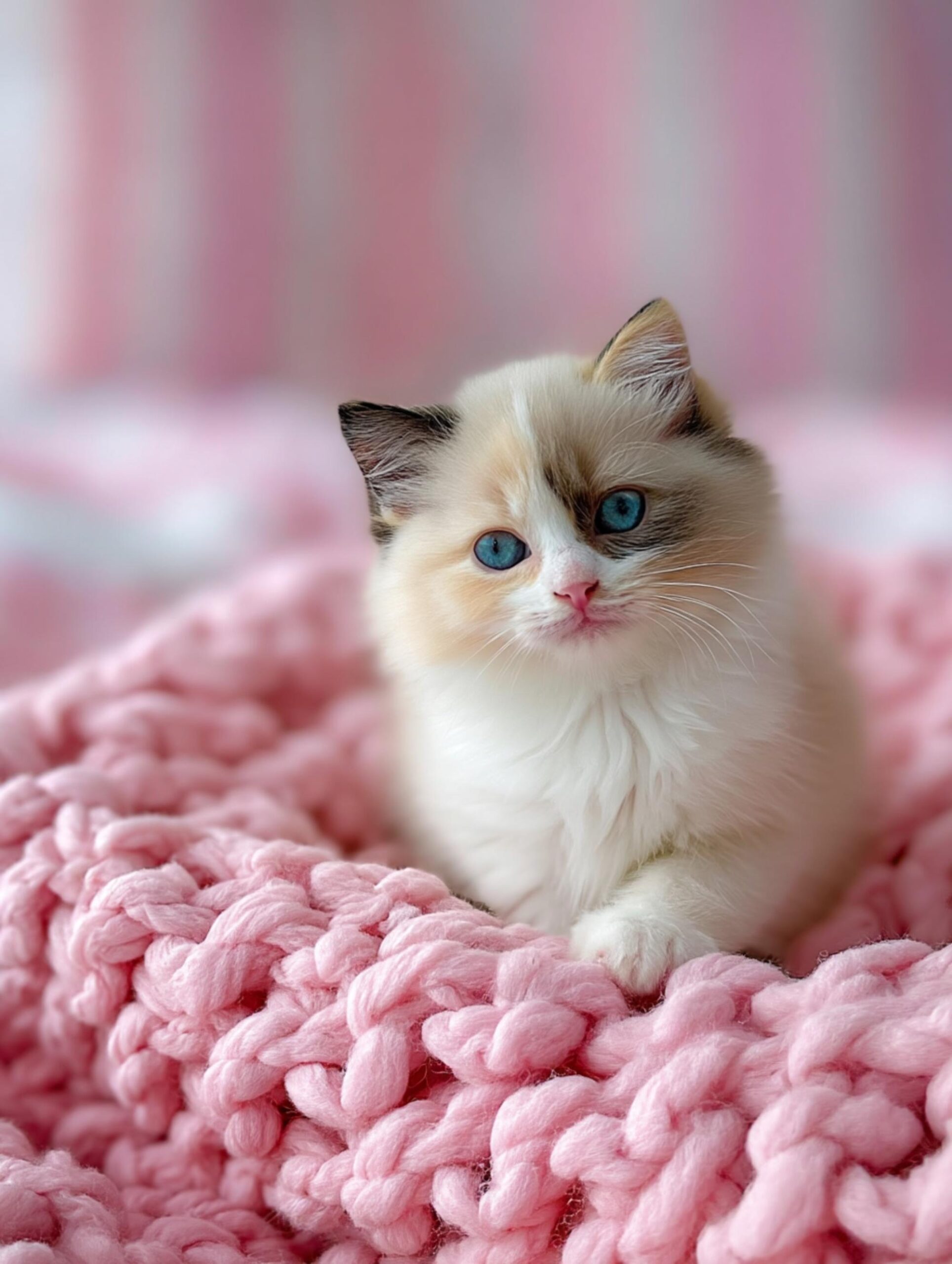
Best Toys for Ragdoll Cats and Kittens: What Actually Works for This Breed
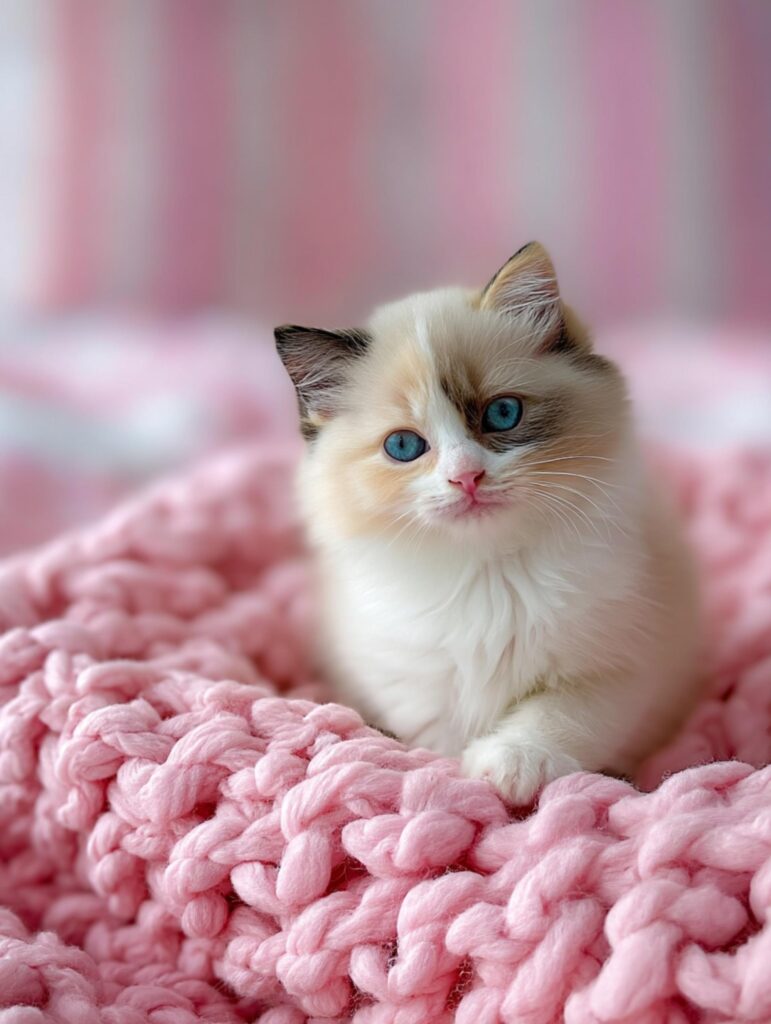
What are the best toys for Ragdoll Cats? Ragdoll cats and kittens have a distinct play style shaped by their calm temperament, large soft structure, and slow physical maturity. Unlike high-drive or highly athletic breeds, Ragdolls engage with toys differently.
This post explains which toys actually work for Ragdolls, how play preferences shift from kittenhood to adulthood, and how to choose toys that support healthy movement, mental engagement, and human bonding — without overstimulation.
Summary: Best Toys for Ragdoll Cats and Kittens
| Category | Ragdoll Kittens | Adult Ragdolls | Why It Works for the Breed |
|---|---|---|---|
| Preferred Play Style | Gentle, curious, exploratory | Calm, deliberate, purposeful | Matches slow reflexes and low-stress engagement |
| Best Interactive Toys | Slow-moving wand toys | Wand toys with controlled motion | Encourages bonding and successful play |
| Best Solo Toys | Soft plush, light rolling toys | Puzzle feeders, plush toys | Provides enrichment without overstimulation |
| Toy Size & Weight | Lightweight, easy to carry | Medium to large, soft | Reduces joint strain and frustration |
| Textures Preferred | Soft, flexible, fabric-based | Plush, textured, comfortable | Aligns with carrying and lounging behaviors |
| Toys to Avoid | Fast, noisy, hard plastic toys | Aggressive motorized toys | Prevents stress and disengagement |
| Play Frequency | Multiple short sessions daily | Consistent daily sessions | Supports development and weight management |
| Safety Needs | Supervised play essential | Supervised interactive play | Prevents injury and negative associations |
| Overall Goal | Confidence and coordination | Gentle movement and bonding | Supports long-term physical and emotional health |
Why Toy Choice Matters More for Ragdoll Cats
Toy selection plays a larger role in Ragdoll development and well-being than many owners realize. This breed’s gentle nature and physical build mean that toys designed for fast, acrobatic cats are often ineffective or even counterproductive.
Ragdolls are calm, people-oriented cats that prefer purposeful interaction over chaotic movement. Their reflexes are typically slower than those of high-drive breeds, and their larger size combined with softer muscle tone means they benefit from toys that encourage controlled motion rather than explosive jumping or twisting.
Appropriate toys directly influence:
- Muscle development, especially during the long growth period
- Confidence, by allowing successful, frustration-free play
- Bonding with humans, since Ragdolls strongly associate play with social connection
- Weight management in adults, by promoting consistent, low-impact activity
Choosing the right toys isn’t about keeping a Ragdoll busy — it’s about supporting how their bodies and minds naturally work.
How Ragdolls Play (Breed-Specific Behavior)
Movement Style
Ragdolls tend to prefer slow, deliberate play patterns. They enjoy watching, tracking, and planning movement rather than reacting instantly. Compared to more athletic breeds, they engage in less aerial twisting and fewer rapid direction changes.
Many Ragdolls show a strong interest in stalking behaviors — following a toy with focused attention, waiting for the right moment, and then engaging in a controlled pounce. Sprinting and nonstop chasing are usually less appealing than toys that move predictably and at a measured pace.
Social Play Preference
Ragdolls are highly social players. They show a strong preference for toys that involve human participation and often lose interest in toys that are left entirely to solo play.
Rather than obsessing over independent toys, many Ragdolls view play as shared time. Interactive sessions frequently double as bonding experiences, reinforcing trust and attachment. For this breed, play is less about stimulation for its own sake and more about connection, communication, and calm engagement with their people.
How to Choose Toys for Ragdoll Cats and Kittens
Choosing toys for Ragdolls is less about novelty and more about fit. The right toys respect the breed’s physical structure, gentle temperament, and preference for calm, successful play rather than frantic stimulation.
Safety Considerations
Safety should always come first, especially for a large, trusting breed like the Ragdoll.
Avoid toys with:
- Loose strings or cords left unattended, which can be swallowed during unsupervised play
- Tiny detachable parts that can break off and pose a choking risk
- Hard plastic edges that can damage teeth or cause mouth injuries during carrying or chewing
Supervised play is especially important with interactive toys. Wand toys, ribbons, and teaser attachments are excellent for Ragdolls when used with a person present, but they should be put away after play sessions. Safe toy use supports confidence and prevents negative associations with play.
Size, Weight, and Texture
Ragdolls benefit from toys designed with their size and movement style in mind.
- Lightweight toys reduce joint strain, particularly during the long growth period
- Soft textures are preferred, both for comfort and for carrying behavior
- Larger toys are often more engaging than tiny ones, as they are easier to track, bat, and pick up with a gentle grip
Very small, fast-moving toys often frustrate Ragdolls rather than excite them. Toys that move predictably and feel pleasant in the mouth tend to hold attention longer.
Solo vs Interactive Toys
While solo toys are useful, Ragdolls thrive most on interactive play.
- Toys that involve people tend to be the most successful and satisfying
- Solo toys still matter for enrichment when owners are busy or away
A balanced environment includes a small selection of solo enrichment toys combined with daily interactive play sessions. This approach supports both mental stimulation and the strong social bond Ragdolls form with their humans.
Best Toys for Ragdoll Kittens
Ragdoll kittens are curious, gentle, and slow-maturing. Their toys should support exploration and coordination without encouraging rough or frantic movement.
Interactive Toys for Kittens
The most effective toys for Ragdoll kittens encourage controlled movement and shared play.
- Wand toys with slow, floating motion that allow kittens to track and stalk
- Soft feather or ribbon attachments that move smoothly rather than jerk sharply
- Small rolling balls that move at a gentle pace, making them easy to follow and intercept
These toys help kittens build coordination and confidence without overwhelming their developing bodies.
Sensory & Developmental Toys
Kittens learn about their environment through touch and mouth exploration.
- Textured toys support gentle chewing and sensory discovery
- Soft plush toys encourage carrying, pouncing, and comfort behaviors
- Gentle puzzle toys, introduced gradually, help build problem-solving skills without frustration
The goal is engagement, not challenge. Toys should invite curiosity rather than demand high effort.
Recommended Play Patterns for Kittens
How toys are used matters just as much as which toys are chosen.
- Short, frequent play sessions are more effective than long, exhausting ones
- Toy rotation helps maintain interest and prevents overstimulation
- Ending play with calm engagement, such as gentle petting or quiet interaction, helps kittens settle
These patterns support healthy development while reinforcing play as a positive, confidence-building experience rather than a source of stress.
Best Toys for Adult Ragdoll Cats
Adult Ragdolls retain their playful nature, but their needs shift toward comfort, mental engagement, and low-impact movement. The best toys for adult Ragdolls support gentle activity while reinforcing the strong social bond this breed is known for.
Interactive Bonding Toys
Interactive toys remain the most valuable category for adult Ragdolls.
- Wand toys continue to be favorites well into adulthood, especially when used at a slower pace
- Toys that mimic natural prey movement — gliding, pausing, and changing direction gradually — are more engaging than rapid speed bursts
- Play sessions that encourage stretching and reaching help maintain flexibility and muscle tone without stressing joints
These toys allow adult Ragdolls to stay active while preserving the calm, successful play experiences they prefer.
Solo Enrichment Toys
While interactive play is ideal, adult Ragdolls also benefit from solo enrichment options that keep them engaged between shared play sessions.
- Puzzle feeders provide mental stimulation and slow eating behaviors
- Treat-dispensing balls encourage gentle movement without frantic chasing
- Plush toys offer light engagement and comfort, often becoming familiar companions rather than high-energy toys
Solo toys are most effective when rotated regularly to maintain interest without cluttering the environment.
Comfort-Play Crossover Toys
Many adult Ragdolls blur the line between play and rest.
- Plush toys are often used for both light play and relaxation, such as holding or resting against them
- Placing toys in favorite lounging areas increases engagement, as Ragdolls are more likely to interact with toys that feel integrated into their safe spaces
These crossover toys support emotional comfort as much as physical activity.
Toy Categories That Work Best for Ragdolls
Certain toy types consistently align with Ragdoll behavior and physical structure.
Wand & Teaser Toys
Wand toys work exceptionally well when designed and used appropriately.
- Slow, controlled movement outperforms fast flicking, which can frustrate Ragdolls
- Ideal wands are long enough to create distance without forcing sudden movements
- Attachments should be soft and flexible, such as feathers or fabric strips, rather than stiff or noisy pieces
Used correctly, wand toys offer excellent exercise and bonding opportunities.
Ball & Rolling Toys
Rolling toys can be effective when chosen carefully.
- Larger, textured balls are easier for Ragdolls to track and bat
- Tiny, high-speed balls are often ignored or avoided, as they move too quickly and unpredictably
Gentle motion encourages participation without overstimulation.
Puzzle & Treat Toys
Puzzle toys provide valuable mental engagement with minimal physical strain.
- They stimulate problem-solving without requiring high-speed movement
- Difficulty should increase gradually to prevent frustration or disengagement
These toys are especially useful for indoor Ragdolls who benefit from structured mental activity.
Plush & Catnip Toys
Plush toys frequently become favorites in Ragdoll households.
- Many Ragdolls “adopt” plush toys, carrying or resting with them
- Catnip can enhance engagement, but not all Ragdolls respond to it
- Alternatives such as silver vine or valerian may appeal to cats that ignore catnip
Soft textures and gentle scent stimulation align well with the breed’s temperament.
Automated & Motion Toys
Automated toys can be useful when used selectively.
- They help provide enrichment when owners are unavailable
- Overuse or overly aggressive motion can overstimulate calm breeds
- Best used intermittently, favoring slow, predictable movement patterns
When chosen thoughtfully, automated toys can supplement — but not replace — interactive play for Ragdolls.
Toys That Often Don’t Work Well for Ragdolls
(Reddit myth-buster section)
Not every popular cat toy suits the Ragdoll temperament or body type. Many toys recommended in generic lists or Reddit threads are designed for high-drive, highly athletic cats and often miss the mark for this breed.
- Ultra-fast spinning toys tend to move too quickly and unpredictably for Ragdolls. Rather than triggering engagement, they often cause hesitation, loss of interest, or passive watching without participation.
- Hard plastic chase tracks can be noisy and visually overstimulating. The rigid materials and rapid ball movement rarely align with the Ragdoll preference for soft textures and controlled motion, and some cats actively avoid them.
- Aggressive motorized toys that lunge, vibrate intensely, or make sudden sounds may overwhelm calm breeds. Instead of encouraging play, they can increase stress or lead to complete disengagement.
- Toys designed for high-drive breeds often prioritize speed, jumping, and sharp directional changes. For Ragdolls, these toys can be physically uncomfortable or simply unappealing, leading owners to assume the cat “doesn’t like toys” when the issue is actually poor toy fit.
Understanding what doesn’t work is just as important as knowing what does, especially for a breed that values successful, low-stress play.
Playtime Safety Rules for Ragdoll Cats
Safe play supports long-term enjoyment and prevents negative associations with toys.
Supervision is essential, particularly when using wand toys, ribbons, or anything with cords or attachments. These toys are excellent during interactive sessions but should be put away when play ends.
Toys should be removed when:
- Parts begin to fray or detach
- The toy encourages chewing or pulling rather than play
- The cat becomes overstimulated or frustrated
Common signs of overstimulation include sudden disengagement, tail flicking, flattened ears, or walking away mid-play. Respecting these signals helps maintain trust and prevents play from becoming stressful.
Ending play calmly is especially important for Ragdolls. Allowing a brief cooldown — such as gentle petting, quiet interaction, or settling into a favorite resting spot — helps regulate energy and reinforces play as a positive, secure experience.
How Often Ragdoll Cats Should Play
Play frequency matters more than intensity for this breed.
Kittens
Ragdoll kittens benefit from multiple short play sessions throughout the day rather than long, exhausting ones. These sessions should focus on exploration, tracking, and gentle movement rather than speed or competition.
Play at this stage supports:
- Coordination and body awareness
- Confidence building
- Healthy social interaction
Keeping play light and positive encourages curiosity without overwhelming a slow-maturing kitten.
Adults
Adult Ragdolls thrive on consistent daily play, even if sessions are brief. Regular interaction helps maintain muscle tone, supports weight management, and reinforces the strong bond they form with their people.
For adults, play should emphasize:
- Gentle movement and stretching
- Mental engagement
- Social connection rather than physical exhaustion
Well-timed, calm play sessions contribute far more to a Ragdoll’s well-being than high-energy activity ever could.
Common Myths About Ragdoll Play
Misunderstandings about Ragdoll play behavior are common, especially in generalized forums and quick-answer threads. These myths often come from comparing Ragdolls to high-energy breeds rather than understanding how this breed engages with play.
“Ragdolls don’t like toys”
Ragdolls do enjoy toys — they simply prefer the right ones. Fast, noisy, or overly aggressive toys often fail to hold their interest, leading owners to assume the cat dislikes play altogether. When toys match their calm temperament and controlled movement style, most Ragdolls engage readily and consistently.
“They are lazy”
Ragdolls are not lazy; they are deliberate. Their play tends to be measured and purposeful rather than explosive or chaotic. This slower engagement reflects both their temperament and physical structure, not a lack of interest or motivation.
“Only kittens need play”
While kittens naturally play more often, adult Ragdolls still benefit greatly from regular play. Consistent, gentle activity supports muscle tone, weight regulation, and mental well-being well into adulthood. Play remains an important form of communication and bonding throughout a Ragdoll’s life.
“Lasers are always safe”
Laser toys are not inherently unsafe, but they are frequently misused. Endless chasing without a physical reward can cause frustration, especially in breeds that value successful, satisfying play. If laser toys are used, they should be paired with a tangible toy at the end of the session to allow the cat to complete the hunting sequence.
FAQ — Best Toys for Ragdoll Cats and Kittens
Do Ragdoll cats actually need toys if they seem calm or inactive?
Yes. Calm behavior does not mean a Ragdoll has no need for play. Ragdolls are naturally relaxed and people-oriented, which often makes their play cues subtler than those of high-energy breeds. Toys provide necessary mental stimulation, gentle physical movement, and an outlet for instinctive behaviors like stalking and pouncing. Without appropriate play, Ragdolls are more likely to become sedentary, bored, or overweight, even if they appear content on the surface.
What types of toys do Ragdolls enjoy the most?
Most Ragdolls prefer toys that move slowly, feel soft, and involve human interaction. Wand toys with floating or gliding motion, plush toys they can carry or rest against, and puzzle toys that reward problem-solving tend to be far more engaging than fast, mechanical toys. The key is predictability and success — Ragdolls enjoy toys they can follow, catch, and interact with calmly rather than chase endlessly.
Are wand toys safe for Ragdoll cats?
Wand toys are safe and highly beneficial when used correctly. Because Ragdolls enjoy interactive play, wand toys are one of the best ways to engage them physically and socially. However, they should always be used under supervision and put away afterward. Leaving wand toys unattended can lead to chewing or entanglement, especially with ribbon or string-style attachments.
How many toys should a Ragdoll have available?
More toys does not equal better enrichment. A small, curated selection works best. Most Ragdolls do well with a handful of toys available at any given time, rotated regularly to maintain interest. Too many toys can actually reduce engagement and turn toys into background clutter rather than meaningful enrichment.
Do Ragdoll kittens need different toys than adults?
Yes. Ragdoll kittens benefit from lighter, softer toys that support coordination and exploration without encouraging rough movement. Adult Ragdolls still enjoy play but typically shift toward comfort-based toys, puzzle feeders, and interactive bonding play. As kittens mature, toy choices should gradually evolve to reflect their increasing size and calmer movement style.
Are laser toys okay for Ragdoll cats?
Laser toys can be used cautiously and intentionally. The main concern is frustration from chasing something that can never be physically caught. If laser toys are used, sessions should be short and always end with a tangible toy or treat to complete the hunting sequence. Overuse or reliance on lasers alone is not recommended for a breed that values successful, satisfying play.
What signs show a toy is not a good fit for my Ragdoll?
Common signs include watching without engaging, walking away quickly, sudden tail flicking, or signs of stress such as flattened ears. Some Ragdolls may appear curious but never fully participate if a toy moves too fast, feels uncomfortable, or is overstimulating. These signals usually indicate a mismatch in toy style, not a lack of interest in play.
Can toys help with weight management in adult Ragdolls?
Yes, when chosen and used appropriately. Low-impact toys that encourage consistent daily movement — such as wand toys, treat-dispensing puzzles, and rolling toys — can help support healthy weight without stressing joints. The goal is regular engagement, not exhaustion. Short daily play sessions are far more effective than infrequent intense activity.
Should Ragdoll cats have toys available at all times?
Some toys can be left out safely, such as plush toys, puzzle feeders, or sturdy rolling toys. Interactive toys with strings, ribbons, or detachable parts should be stored between sessions. Rotating toys rather than leaving everything out continuously keeps play interesting while maintaining safety.
What if my Ragdoll ignores every toy I try?
This usually means the toys don’t match the cat’s preferences, not that the cat dislikes play. Try slowing down movement, switching to softer textures, or engaging directly rather than relying on solo toys. Many Ragdolls respond best when play is framed as shared time rather than independent entertainment.
Final Perspective: Choosing the Right Toys for Ragdoll Cats and Kittens
Ragdoll cats and kittens don’t need constant stimulation or an overflowing toy box. They need toys that respect their temperament, physical structure, and strong desire for human connection. When toys are chosen with the breed in mind, play becomes calmer, more satisfying, and far more effective.
The best toys for Ragdolls support gentle movement, mental engagement, and shared interaction. From slow-moving wand toys to soft plush companions and thoughtful puzzle feeders, the goal is not speed or intensity, but successful, confidence-building play. As Ragdolls mature, their toy needs evolve, but their preference for purposeful, low-stress engagement remains the same.
Understanding how Ragdolls play — and how they don’t — allows owners to move past common myths and choose toys that truly enhance quality of life. When play aligns with the breed, it strengthens the bond between cat and human while supporting long-term physical and emotional well-being.
Continued Ragdoll Reading
If you’re still deciding whether a Ragdoll fits your home, these posts expand on temperament, care, and long-term ownership realities:
- Ragdoll Cats Explained by a Breeder
A complete breakdown of temperament, care needs, health realities, and who the breed is truly suited for. - Ragdoll Cat Health Complete Health review of Ragdoll cats.
- Ragdoll Cat Diet Ragdolls thrive on diets that prioritize high-quality animal protein, consistent hydration, and structured portion control.
- Is A Ragdoll Right for You?
A Ragdoll is right for you if you want calm companionship, routine, and emotional presence - How Ragdoll Kittens are Raised Our Ragdoll kittens are raised through a structured, stage-based process that supports confidence, handling tolerance, and adaptability.
- Are Ragdoll Cats Hypoallergenic?
A realistic explanation of allergies, Fel d 1, and why coat type doesn’t equal allergy safety. - What Living With A Ragdoll is Like
Living with a Ragdoll doesn’t match the extremes you see online. - Ragdoll Cat Lifespan: Lifespan and health tips.
- Ragdoll Health Testing Explained
What breeders test for, what results actually mean, and why testing reduces risk but never guarantees outcomes. - Ragdoll Cat Shedding Ragdoll shedding is normal, consistent, and manageable when expectations match the reality of the breed.
- Ragdoll Cat Lifetime Cost Current care and veterinary realities, not best-case scenarios or outdated online advice.
Sources & References
- International Cat Care (iCatCare) – Play, enrichment, and feline behavior
https://icatcare.org/advice/play-and-enrichment/ - American Association of Feline Practitioners (AAFP) – Environmental needs and enrichment for cats
https://catvets.com/guidelines/practice-guidelines/environmental-needs-guidelines - Cornell University College of Veterinary Medicine – Normal feline behavior and play
https://www.vet.cornell.edu/departments-centers-and-institutes/cornell-feline-health-center/health-information/normal-feline-behavior - Ohio State University Indoor Pet Initiative – How cats play and why it matters
https://indoorpet.osu.edu/cats/basic-needs/play - International Society of Feline Medicine (ISFM) – Understanding feline behavior and stress reduction
https://icatcare.org/vets/isfm/ - American Veterinary Medical Association (AVMA) – Pet toy safety and supervision
https://www.avma.org/resources-tools/pet-owners/petcare/pet-toy-safety






Read the Comments +