
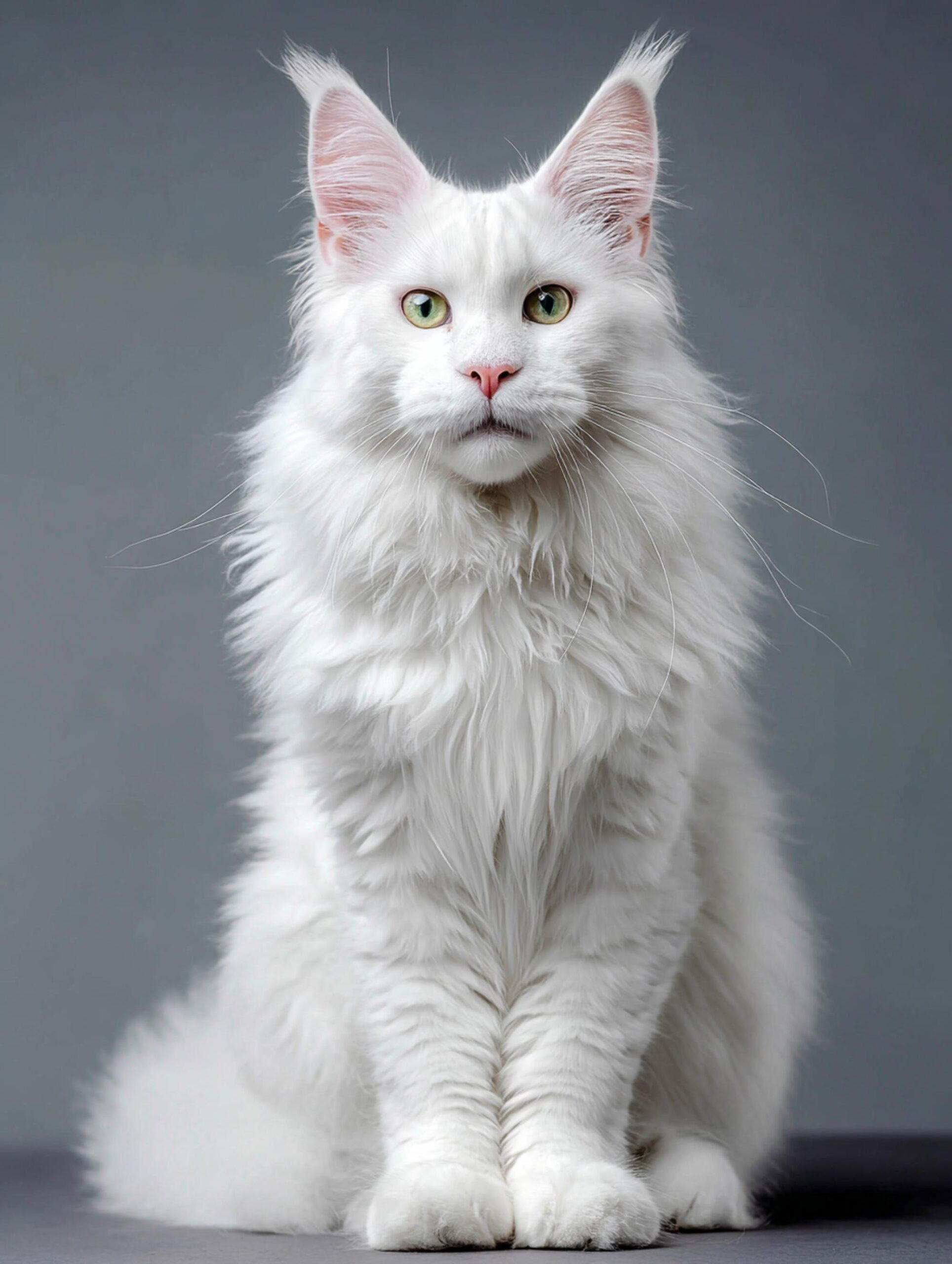
What Is a True Maine Coon? How to Tell If a Maine Coon Is Real
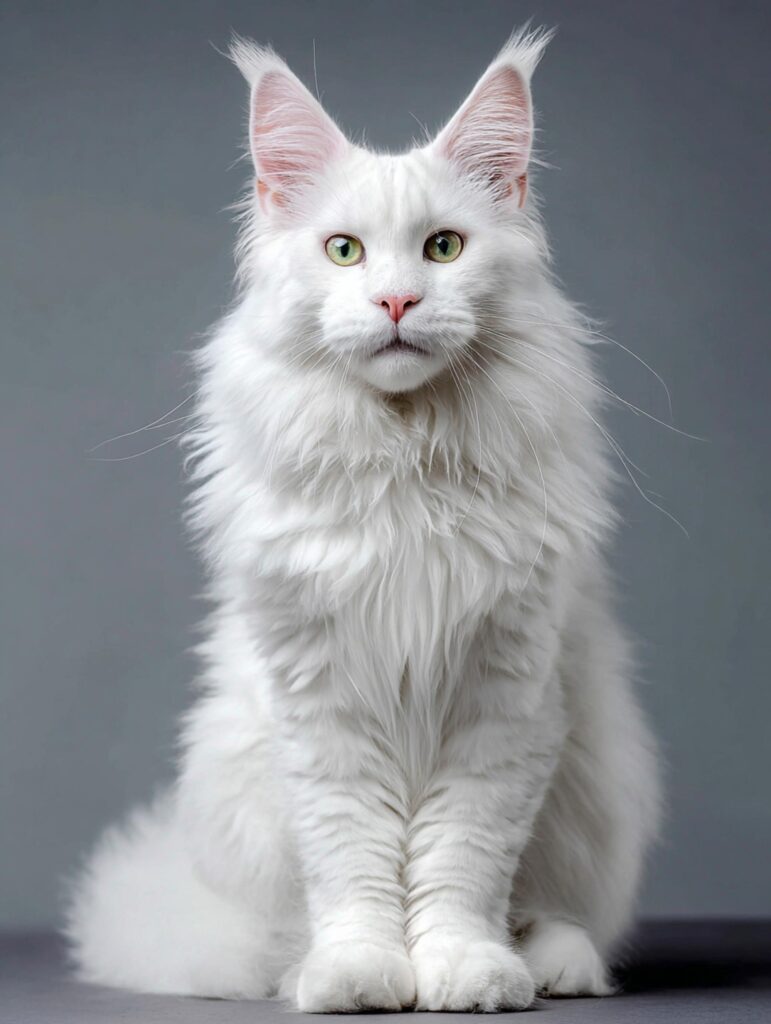
A true Maine Coon is a cat with documented pedigree lineage registered through a recognized cat registry such as Cat Fanciers’ Association or The International Cat Association. While many cats resemble the breed, authenticity is defined by verified ancestry, not size, fur length, or resemblance alone. A Maine Coon is proven by lineage, not by looks.
The Short Answer (For People Who Want It Fast)
A true Maine Coon equals documented pedigree.
That means:
• The cat comes from registered Maine Coon parents
• The lineage can be traced through official paperwork
• The breeder can provide registration documentation
• The cat meets written breed standards
Registration matters because breeds are legally and historically defined through registries. Without pedigree papers, there is no verifiable proof of breed status.
Appearance alone is not proof. Many domestic longhair cats are large, fluffy, and rugged-looking. That does not automatically make them Maine Coons.
“Looks like a Maine Coon” is not the same as “is a Maine Coon.”
Breed identity is based on recorded ancestry, not visual similarity.
Pedigree vs. Looks Only
| Feature | True Maine Coon | Cat That “Looks Like” a Maine Coon |
|---|---|---|
| Documented Pedigree | Yes | No |
| Registry Paperwork | Yes | No |
| Traceable Lineage | Multi-generation | Unknown |
| Predictable Structure | Yes | Variable |
| Predictable Temperament | Yes | Unpredictable |
| Verified Breed Status | Confirmed | Assumed |
If a cat does not have registration papers or verifiable lineage, it may resemble a Maine Coon, but it cannot be confirmed as a true purebred Maine Coon.
The Official Definition of a Maine Coon
The Maine Coon is a recognized natural breed formally defined by written breed standards through major registries such as the Cat Fanciers’ Association and The International Cat Association.
These organizations do not define breeds based on opinion or appearance. They define them through:
• Documented historical development
• Established written structural standards
• Multi-generation pedigree tracking
• Formal registration systems
Recognized Natural Breed
The Maine Coon is considered a natural breed that developed in the northeastern United States, specifically the state of Maine. Unlike newer hybrid breeds, Maine Coons were shaped by climate, geography, and selective breeding over generations.
They are not a designer mix. They are not a “type.” Maine Coon cats are a formally recognized breed with preserved lineage.
Historical Origin in Maine
Breed history traces the Maine Coon to early American farm cats adapted to harsh winters. Over time, breeders refined structure and temperament while maintaining the rugged features that define the breed today.
The name “Maine Coon” is tied to geographic origin, not just appearance.
Written Structural Standards
Both CFA and TICA publish detailed breed standards outlining:
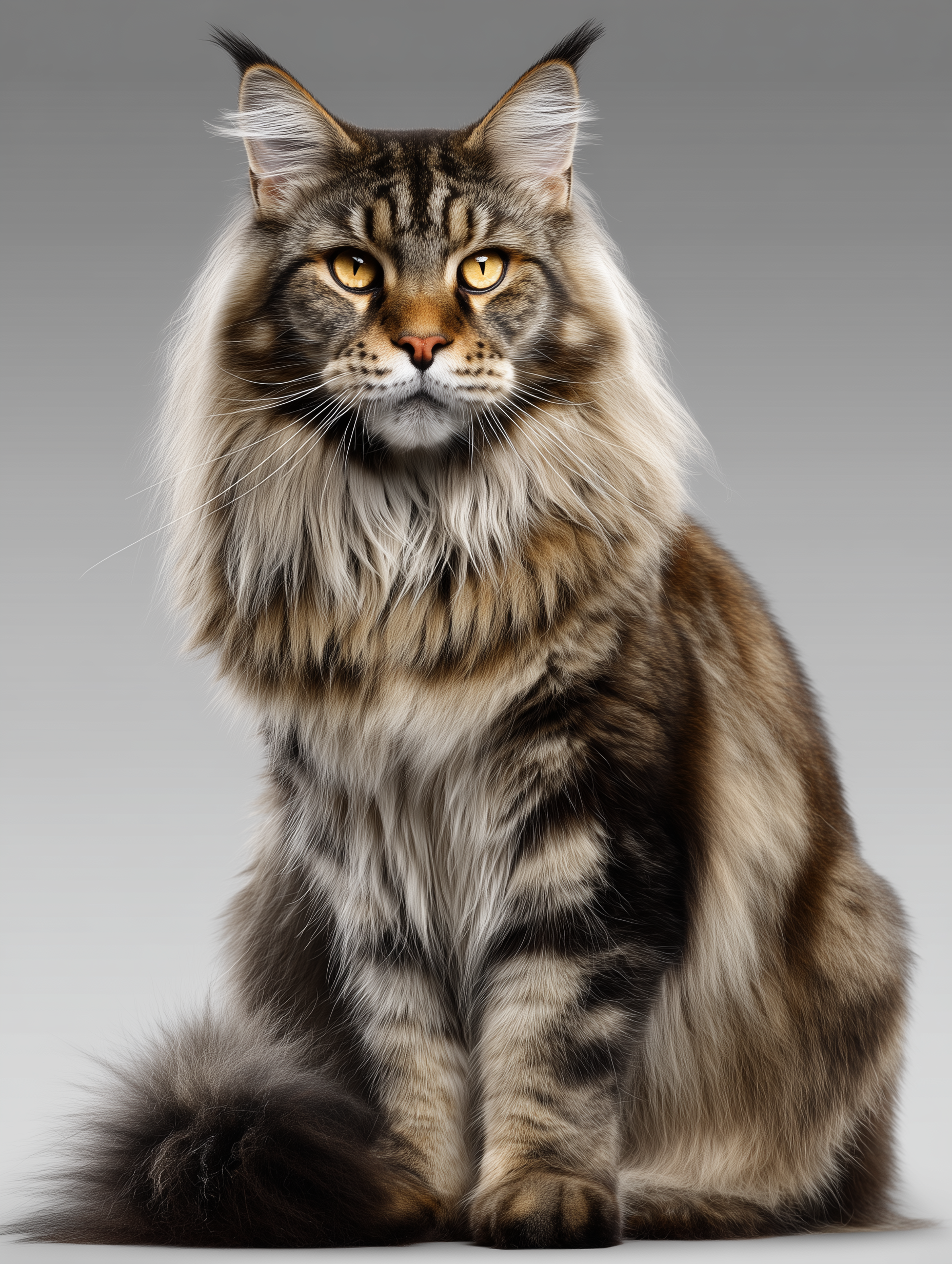
• Rectangular body shape
• Substantial bone structure
• Square muzzle
• High cheekbones
• Large, well-set ears
• Long, flowing tail
• Shaggy, weather-resistant coat
These standards create consistency. A true Maine Coon should resemble the written description, not just resemble a large fluffy cat.
Registry Documentation Requirements
To be registered as a Maine Coon:
• Both parents must be registered Maine Coons
• The breeder must submit litter registration
• The lineage must trace through recognized Maine Coon lines
Without registration through an established registry, breed status cannot be formally confirmed.
Summary Table: What Is a True Maine Coon?
| Category | True Maine Coon | “Looks Like” a Maine Coon |
|---|---|---|
| Definition | A pedigreed cat with documented, registered lineage | A cat that resembles the breed physically |
| Registry Status | Registered through CFA or TICA | No verified registration |
| Pedigree | Multi-generation documented ancestry | Unknown or unverified lineage |
| Breed Standard | Meets written structural standards | May share some traits but not consistently |
| Body Type | Rectangular frame, heavy bone, broad chest | Variable body shape and structure |
| Head Shape | Square muzzle, high cheekbones, slight concave profile | Often tapered or undefined muzzle |
| Coat | Shaggy, layered, weather-resistant | Fluffy but not necessarily correct texture |
| Tail | Long, plumed, body-length | Variable length and density |
| Temperament | Predictable, social, intelligent, slow to mature | Highly variable personality |
| Size | Large on average, balanced and muscular | Can be large but not standardized |
| Health Tracking | Structured health testing within breeding program | No documented lineage-based tracking |
| DNA Testing | Pedigree confirms breed | DNA may estimate similarity but not confirm registry status |
| Proof of Authenticity | Official registration papers and pedigree | Visual resemblance only |
Core Takeaway
A true Maine Coon is defined by documented pedigree, recognized registry status, and consistent breed standards — not simply by size, fluff, or resemblance.
What Documentation Makes a Maine Coon “True”?
Pedigree paperwork is what separates a confirmed Maine Coon from a cat that simply resembles one.
Registration Papers
A true Maine Coon comes with:
• CFA or TICA registration eligibility
• A multi-generation pedigree (often 3–5 generations or more)
• Breeder-issued documentation verifying parentage
A pedigree shows:
• Names of ancestors
• Registry numbers
• Color classifications
• Line continuity
This paperwork proves that the cat descends from documented Maine Coon breeding lines.
No papers means no verifiable proof of breed.
Health Testing Records
Responsible Maine Coon breeding programs also maintain health documentation, which strengthens the integrity of the lineage.
Common screenings include:
• HCM (Hypertrophic Cardiomyopathy) testing
• PKD (Polycystic Kidney Disease) screening
• Hip evaluations
• Comprehensive genetic panels
Health testing does not define breed status on its own. However, it demonstrates that the breeder is actively preserving and protecting the bloodline.
Why Verifiable Lineage Matters
Pedigree documentation is not about prestige. It is about predictability.
Predictability of Traits
When lineage is documented, structure, size, growth rate, and temperament are more consistent. That consistency is what defines a breed.
Health Tracking
Multi-generation pedigrees allow breeders to monitor health trends across related cats. This improves long-term breed stability.
Preservation of Breed Type
Without lineage tracking, structural consistency erodes over time. Breed standards only remain meaningful when ancestry is verified and preserved.
In simple terms:
A true Maine Coon is proven through documented ancestry, recognized registration, and preserved bloodlines — not by resemblance alone.
Physical Traits of a True Maine Coon
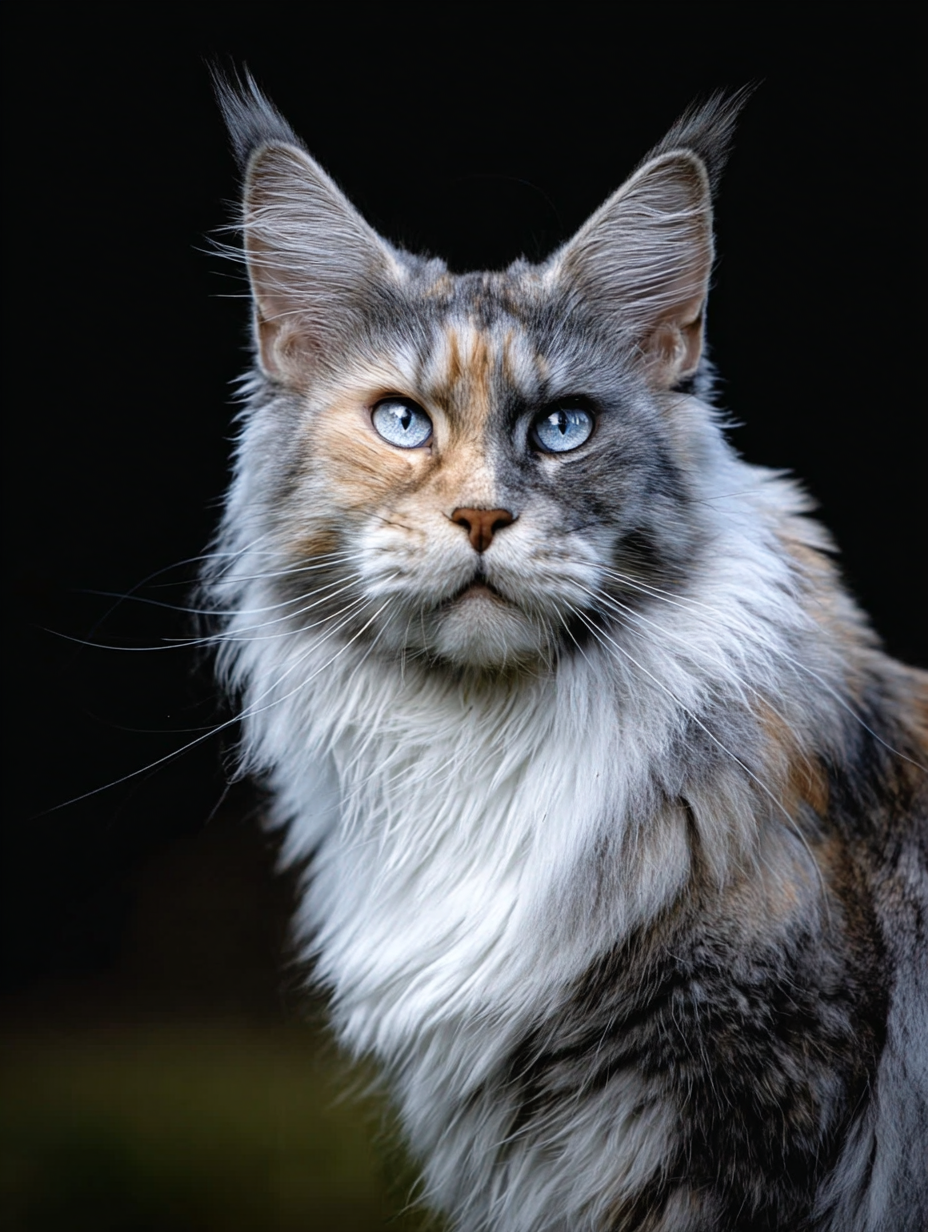
A true Maine Coon is not defined by size alone. The breed is defined by proportion, structure, and balance according to written standards from major registries. When evaluating type, the entire cat should reflect consistency, not exaggeration.
Below are the structural traits that distinguish a true Maine Coon from a generic longhaired cat.
Body Structure
A true Maine Coon has a powerful, rectangular frame.
Key characteristics include:
• Long, rectangular body shape
• Substantial, heavy bone
• Broad, well-developed chest
• Muscular build without appearing bulky
• Balanced proportions rather than extreme height
The body should appear longer than tall, giving the breed its signature rugged silhouette.
Head and Expression
The head is one of the most defining features of the breed.
A true Maine Coon shows:
• A square, well-defined muzzle
• Prominent whisker pads
• High cheekbones
• A slightly concave profile when viewed from the side
• Strong chin aligned with the nose
The expression should appear alert and intelligent, never narrow or pointed.
Ears
Ears contribute significantly to overall type.
They should be:
• Large and tall
• Wide at the base
• Set slightly outward
• Moderately pointed
Lynx tips are common and desirable, but they are not required for breed authenticity. The absence of ear tufts does not disqualify a true Maine Coon.
Coat
The Maine Coon coat is functional and climate-adapted.
It should be:
• Shaggy and layered
• Slightly oily or water-resistant
• Shorter across the shoulders
• Longer along the stomach and britches
• Fuller around the ruff in mature cats
The coat should not be cottony or overly plush. It is meant to protect against harsh weather.
Tail
The tail is a signature feature of the breed.
It should be:
• Long
• Fully plumed
• At least the length of the body
• Wide at the base and tapering slightly
When carried, the tail gives balance to the long rectangular frame.
Visual Comparison: True Maine Coon vs. Look-Alike Longhair
| Feature | True Maine Coon | Domestic Longhair Look-Alike |
|---|---|---|
| Body Shape | Rectangular and long | Often cobby or compact |
| Bone Structure | Heavy and substantial | Moderate or light |
| Muzzle | Square | Tapered or pointed |
| Profile | Slight concave curve | Straight or convex |
| Coat Texture | Shaggy and weather-resistant | Soft or fluffy |
| Tail | Body-length and plumed | Variable length |
A cat may share one or two traits with the breed. A true Maine Coon consistently reflects the full structural pattern.
Common Misinterpretations
Large size alone proves nothing.
Many mixed or domestic longhair cats grow large without being purebred.
Ear tufts do not confirm breed status.
Tufts are common in many longhaired cats.
Fluffiness is not structure.
Coat volume can disguise underlying body type.
Polydactyl does not equal “original bloodline.”
Extra toes occur in Maine Coons but are not proof of pedigree.
Color does not determine authenticity.
Maine Coons come in many colors. Color alone cannot verify breed identity.
When evaluating a true Maine Coon, the focus should be on overall structure, proportion, and documented lineage working together — not on one dramatic feature.
Temperament of a True Maine Coon
Temperament is one of the strongest defining features of a true Maine Coon. While structure and pedigree establish breed identity, personality is what makes the breed so widely sought after.
A true Maine Coon is typically social but not clingy. They enjoy being near their people and often follow family members from room to room, yet they are not demanding lap cats that require constant physical contact. Many will sit beside you rather than on you. They participate in the household without overwhelming it.
They are intelligent and interactive. Maine Coons are known for problem-solving skills, curiosity, and dog-like behaviors. Many learn routines quickly, respond to their names, play fetch, and engage in interactive games well into adulthood. Their intelligence means they benefit from stimulation, climbing structures, and human engagement.
Another defining trait is slow maturity. Unlike many domestic cats that reach full mental and physical maturity by one to two years, Maine Coons often mature gradually over three to five years. Their kitten-like playfulness can last longer, and their full body size develops slowly. This extended development contributes to their balanced temperament. They are rarely frantic or high-strung when properly bred.
Maine Coons are also highly adaptable to families. They tend to do well with respectful children, other cats, and even dogs when properly introduced. Their confident but stable personality makes them less reactive than many mixed-breed longhairs. That predictability is one of the reasons families specifically seek out the breed.
Contrast: Domestic Longhair Temperament Variability
Domestic longhair cats can absolutely be wonderful companions. However, their temperament is far less predictable because they are not selectively bred toward a consistent personality standard.
A domestic longhair may be:
• Extremely affectionate or highly independent
• Bold or shy
• Social or reserved
• Calm or reactive
Without documented lineage and multi-generation temperament consistency, personality outcomes vary widely. A true Maine Coon’s temperament is shaped intentionally across generations, while a domestic longhair’s temperament reflects random genetic blending.
This predictability is one of the strongest practical reasons breed authenticity matters to serious buyers.
Why So Many Cats Are Called Maine Coons
If pedigree defines the breed, why are so many cats labeled as Maine Coons?
This confusion is widespread, especially in online discussions, shelters, and casual marketplaces.
Large Domestic Longhair Confusion
Many domestic longhair cats grow large, have ear tufts, or develop shaggy coats. Because Maine Coons are known for those traits, people naturally assume similarity equals identity. However, shared traits do not confirm shared lineage.
Large size alone is not breed proof. Coat fluff alone is not breed proof. Ear tufts alone are not breed proof.
Marketing Misuse
Some sellers use the term “Maine Coon” to increase perceived value. The breed name carries recognition and demand. Labeling a cat as part Maine Coon or “Maine Coon type” can attract buyers, even when there is no documented lineage.
Without registration paperwork, these claims cannot be verified.
Shelter Mislabeling
Animal shelters frequently label cats based on visual assessment. Staff must estimate breed appearance for listing purposes. A large brown tabby longhair may be labeled “Maine Coon mix” simply because it resembles common breed traits.
This is not intentional deception. It is visual categorization without genetic confirmation.
Backyard Breeder Claims
Some backyard breeders advertise Maine Coons without registry documentation. They may own large longhaired cats and assume breed identity without formal lineage tracking.
Without pedigree papers and registry eligibility, there is no confirmation of breed status.
Social Media Influence
Platforms like TikTok, Instagram, and Reddit amplify visual traits. Giant cats go viral. Ear tufts trend. Massive tails draw attention. The more dramatic the appearance, the more quickly people associate it with Maine Coons.
Over time, visual exaggeration replaces formal definition in public perception.
See How to Find a Reputable Maine Coon Breeder in the USA
Looks Like vs. Is
| Category | Looks Like a Maine Coon | Is a True Maine Coon |
|---|---|---|
| Size | Large | Large with documented lineage |
| Ear Tufts | Present | May or may not be present |
| Fluffy Coat | Yes | Shaggy, weather-resistant coat per standard |
| Papers | None | Registered pedigree |
| Lineage | Unknown | Multi-generation documented |
| Breed Status | Assumed | Verified |
A cat can resemble a Maine Coon and still not be one. Breed identity is confirmed through lineage, not resemblance.
Can DNA Testing Confirm a True Maine Coon?
DNA testing is often suggested as a solution to breed confusion. However, DNA testing has important limitations when it comes to confirming purebred status.
What DNA Tests Actually Do
Commercial cat DNA tests analyze genetic markers and compare them to a reference database. They estimate breed similarity percentages based on how closely a cat’s DNA aligns with samples in their database.
These tests:
• Identify certain breed-associated markers
• Compare results to stored reference populations
• Estimate similarity rather than confirm registry status
They do not access registry pedigree records. They do not confirm parentage unless specific parent testing is performed.
Reference database limitations are significant. If a breed’s database representation is small or inconsistent, results may vary widely between companies.
Why DNA Alone Is Not Proof
Cat registries such as the Cat Fanciers’ Association and The International Cat Association define breeds through documented lineage, not through commercial DNA percentage results.
A breed is a recorded genealogical population. Registry documentation tracks ancestry across generations. DNA similarity testing does not replace pedigree records.
Database inconsistencies also matter. Different DNA companies may return different breed percentages for the same cat. That variability demonstrates why DNA testing is not considered definitive proof of purebred status.
If a cat lacks documented pedigree papers, a DNA test cannot retroactively create official breed registration.
When DNA Testing Is Useful
While DNA testing does not confirm a true Maine Coon in registry terms, it can still be valuable.
It can help with:
• Health screening for inherited conditions
• Identifying genetic risk markers
• Curiosity about mixed ancestry
• Understanding coat color genetics
DNA testing is a tool, not a registry substitute.
Authority Perspective
If the goal is to confirm whether a cat is a true Maine Coon, documentation through recognized registries remains the standard. DNA testing can supplement information, but it cannot replace pedigree verification.
In short:
DNA testing may estimate similarity.
Registry documentation confirms breed identity.
Are Maine Coons the Largest Domestic Cat Breed?
Maine Coons are widely recognized as one of the largest domesticated cat breeds in the world. They are often cited as the largest natural domestic breed, and individual cats have even appeared in records tracked by Guinness World Records for exceptional body length.
However, there is an important distinction between breed averages and rare outliers.
Average Weight Ranges
For a true Maine Coon with documented pedigree:
• Adult females typically range from 8 to 14 pounds
• Adult males commonly range from 13 to 18 pounds
• Some males exceed 20 pounds, but that is not the norm
Weight alone does not determine quality or purity. A well-bred Maine Coon should feel substantial and muscular, not overweight or exaggerated.
Length is often more impressive than weight. Many Maine Coons measure significantly longer from nose to tail than other breeds due to their rectangular body and long, fully plumed tail.
Growth Timeline
One defining trait of the breed is slow development.
Unlike many domestic cats that reach full maturity around 1–2 years:
• Maine Coons often continue developing until 3–5 years of age
• Bone structure fills out gradually
• Coat develops more fully with maturity
• Males mature more slowly than females
This extended growth period contributes to their large adult size but also reinforces why early kitten size is not a reliable indicator of final dimensions.
Myth vs Reality
Myth: Maine Coons are always massive cats.
Reality: They are one of the larger breeds on average, but not every individual is giant.
Myth: The biggest Maine Coons are the most pure.
Reality: Extreme size does not equal superior genetics. Balance and structure matter more than exaggeration.
Myth: A 25–30 pound cat is typical for the breed.
Reality: That weight range is uncommon and often associated with obesity rather than breed standard proportions.
The Maine Coon’s reputation for size is grounded in truth, but it has been amplified online beyond realistic expectations.
Common Myths About True Maine Coons
There is significant misinformation surrounding what makes a Maine Coon “true.” Below are the most common myths and the factual clarifications.
Myth 1: Bigger = More Pure
Size is influenced by genetics, nutrition, sex, and development rate. While Maine Coons are a large breed, extreme size does not prove purity.
A well-bred Maine Coon should show balanced structure and proportion. Oversized cats without documentation are not automatically more authentic.
Purity is proven through pedigree, not pounds.
Myth 2: Ear Tufts Prove Authenticity
Lynx tips are common in Maine Coons and are described in breed standards. However, ear tufts also appear in many longhaired domestic cats.
A cat can have dramatic ear tufts and still lack documented Maine Coon lineage.
Ear furnishings are a trait. They are not proof of breed status.
Myth 3: Polydactyl Means Original Bloodline
Polydactyl Maine Coons are historically associated with early New England populations. However:
• Not all Maine Coons are polydactyl
• Not all polydactyl cats are Maine Coons
• Extra toes do not confirm pedigree
Polydactyly is a genetic trait, not a registry certification.
Myth 4: All Maine Coons Are Giant
There is a range within the breed. Some females are moderately sized. Some males are impressive. Both can be equally purebred.
Structure, bone density, and proportion matter more than exaggerated scale.
Myth 5: Papers Are “Just Paperwork”
Pedigree documentation is not decorative. It is a recorded genealogical history.
Registry paperwork:
• Verifies both parents were registered Maine Coons
• Tracks multi-generation ancestry
• Preserves breed integrity
• Allows health trend monitoring
Without documentation, there is no verifiable proof of breed lineage.
How to Tell If a Maine Coon Is Legitimate
If you are evaluating a breeder or kitten, documentation and transparency matter more than appearance alone.
Ask for Pedigree
Request to see:
• Multi-generation pedigree
• Parent registration numbers
• Proof of registry eligibility
A legitimate breeder should be comfortable sharing documentation. See Best Maine Coon Breeders in the USA
Verify Registration
Confirm registration through recognized organizations such as the Cat Fanciers’ Association or The International Cat Association.
You can:
• Ask for the cattery name
• Confirm registration status
• Request copies of registration slips
Registration confirms recorded lineage.
Review Health Testing
Responsible breeders perform and document health screenings including:
• HCM testing
• PKD screening
• Hip evaluations
• Genetic panels
Health testing demonstrates stewardship of the bloodline.
Evaluate Structure
Compare the kitten or adult cat to written breed standards.
Look for:
• Rectangular body
• Square muzzle
• Strong bone
• Balanced proportions
• Shaggy, layered coat
Structure should reflect consistency, not random traits.
Assess Breeder Transparency
A legitimate breeder will:
• Answer questions clearly
• Provide documentation willingly
• Explain health protocols
• Discuss temperament honestly
• Outline placement expectations
Transparency builds credibility.
For a deeper guide on evaluating programs, see:
How to Find a Maine Coon Breeder You Can Trust
Who Should Care About Breed Authenticity?
Not every cat owner prioritizes pedigree. However, for certain buyers, breed authenticity is highly relevant and practical.
Buyers Seeking Predictable Temperament
If you are choosing a Maine Coon because of its reputation for being social, intelligent, and adaptable, pedigree matters. Predictable temperament comes from selective breeding over generations. When lineage is documented, personality patterns are more consistent.
If temperament is one of your primary reasons for choosing the breed, authenticity directly impacts outcome.
Families With Children
Families often seek Maine Coons because of their stable, tolerant, and confident nature. While every cat is an individual, documented breeding programs prioritize temperament stability.
When young children are involved, predictability reduces risk and improves long-term compatibility.
Buyers Investing $2,500–$5,000+
If you are making a significant financial investment, documentation should match the price.
Pedigree papers, health testing, and registry verification justify premium pricing. Without proof of lineage, high pricing does not automatically equal authenticity.
Transparency protects buyers at higher investment levels.
Show or Breeding Homes
For anyone intending to show or responsibly breed, pedigree is non-negotiable.
Registries such as the Cat Fanciers’ Association and The International Cat Association require documented ancestry for participation in shows or breeding programs.
Without verifiable lineage, a cat cannot compete or contribute to structured breeding preservation.
Health-Conscious Owners
Multi-generation pedigree tracking allows breeders to monitor health trends. Structured breeding programs often include HCM screening, PKD testing, and other genetic evaluations.
If long-term health predictability matters to you, documentation becomes relevant beyond appearance alone.
When Breed Identity Matters — And When It Doesn’t
Breed identity is important in some contexts and less critical in others. A balanced perspective matters.
Companion Homes
For families simply seeking a loving companion, personality and compatibility may outweigh pedigree status. Many mixed-breed or domestic longhair cats make exceptional pets.
If your priority is connection rather than lineage, documented pedigree may not be essential to your happiness.
Rescue Cats
Rescue cats deserve homes regardless of breed label. A cat does not need registration papers to be valuable, affectionate, or worthy.
Many shelter cats are mislabeled as Maine Coon mixes based on appearance. Whether they are purebred or not does not diminish their emotional value.
Emotional Value vs Pedigree Status
Pedigree establishes breed identity. It does not establish emotional worth.
A documented Maine Coon offers predictability and preserved lineage. A domestic longhair offers individuality shaped by diverse genetics. Both can form deep bonds with their families.
Breed identity matters when expectations involve structure, temperament consistency, show eligibility, or breeding. It matters less when the goal is simply companionship.
Understanding the distinction helps buyers make informed, intentional decisions rather than emotional assumptions based on appearance alone.
Frequently Asked Questions About True Maine Coons
What makes a Maine Coon a “true” Maine Coon?
A true Maine Coon is defined by documented pedigree through a recognized cat registry such as the Cat Fanciers’ Association or The International Cat Association.
To be considered authentic, the cat must descend from registered Maine Coon parents, with multi-generation lineage recorded and traceable. Appearance alone does not confirm breed status. Size, fluff, and ear tufts may resemble the breed, but only official documentation verifies it.
Can a shelter cat be a real Maine Coon?
It is possible but uncommon. Most shelter cats labeled as “Maine Coon” or “Maine Coon mix” are identified based on appearance rather than pedigree documentation.
Without registration papers or traceable lineage, there is no way to formally confirm purebred status. That does not reduce the cat’s value as a companion, but it does mean breed authenticity cannot be verified.
Are giant Maine Coons more pure?
No. Size does not determine purity.
While Maine Coons are one of the larger domestic breeds, extreme size is not proof of superior lineage. In fact, oversized cats can sometimes result from selective exaggeration or overfeeding rather than balanced breeding.
Purity is determined by documented ancestry, not by pounds.
Do ear tufts prove a cat is a Maine Coon?
No. Ear tufts, also called lynx tips, are common in Maine Coons but also appear in many longhaired domestic cats.
A true Maine Coon may have dramatic ear tufts, subtle tufts, or none at all. Ear furnishings alone cannot confirm breed identity.
Does polydactyl mean the cat is a true Maine Coon?
Not necessarily.
Polydactyl Maine Coons do exist and have historical ties to early New England populations. However, extra toes occur in many breeds and mixed-breed cats as well.
Polydactyly is a genetic trait, not proof of pedigree.
Can DNA testing confirm if my cat is a Maine Coon?
Commercial DNA tests estimate breed similarity based on their internal reference databases. They do not replace registry documentation.
Breed identity, in registry terms, is defined by recorded lineage, not percentage similarity on a commercial DNA panel. DNA testing can provide useful health information, but it cannot retroactively create official pedigree status.
How much does a real Maine Coon cost?
In the United States, a documented Maine Coon from a responsible breeder typically ranges between $2,500 and $5,000, depending on:
• Breeder reputation
• Health testing practices
• Pedigree depth
• Geographic region
• Show or companion placement
Pricing should reflect documented lineage, health screening, and ethical breeding practices.
Do all Maine Coons grow huge?
No. There is natural size variation within the breed.
Males are generally larger than females, and full maturity may take three to five years. However, not every Maine Coon will reach extreme weights. Balance and structure are more important than exaggeration.
What paperwork should come with a true Maine Coon kitten?
A legitimate Maine Coon kitten should come with:
• Registration eligibility or registration slip
• Multi-generation pedigree
• Health testing documentation for parents
• Vaccination records
• Sales contract outlining terms
Responsible breeders are transparent with documentation.
Is a Maine Coon without papers still a Maine Coon?
Without pedigree documentation, breed status cannot be formally verified.
A cat may resemble the breed and even share traits common to Maine Coons, but without registry-backed lineage, it cannot be confirmed as a purebred Maine Coon.
Why do so many people think their cat is a Maine Coon?
Because Maine Coons have distinctive features that overlap with many domestic longhair cats. Large size, shaggy coats, and ear tufts are visually striking and commonly associated with the breed.
Social media and shelter labeling often reinforce assumptions based on appearance alone.
Does breed authenticity really matter?
It depends on your goals.
If you value predictable temperament, structured health screening, show eligibility, or breeding rights, pedigree documentation matters significantly.
If you are seeking companionship alone, a mixed-breed or domestic longhair cat may bring equal joy, even without formal breed status.
Understanding the distinction allows you to make informed decisions rather than relying on visual assumptions.
Final Perspective: A True Maine Coon Is Defined by Lineage, Not Looks
In a world of viral photos and visual assumptions, it is easy to mistake resemblance for authenticity. Large size, ear tufts, and shaggy coats are striking features, but they are not proof of breed status.
A true Maine Coon is confirmed through documented pedigree, registry verification, and preserved breed standards developed over generations. Appearance supports the standard, but lineage defines it.
A true Maine Coon is a pedigreed cat with documented ancestry, consistent breed standards, and intentional preservation — not simply a large longhaired cat that resembles one.
Related Maine Coon Buyer Posts
- How to Find a Maine Coon Breeder You Can Trust
(Evaluating breeders, standards, and red flags before committing) - Maine Coon Health Overveiw: Health, Temperament, and Ethics
(What responsible breeding programs document and why it matters) - Why Reputable Maine Coon Breeders Have Waitlists
(How intentional breeding and placement works) - How Much Maine Coon Kittens Cost (Explained by a Breeder)
(What pricing reflects and what it does not) - How Maine Coon Kittens are Placed
(Common policies of ethical sellers and how this protects the buyer and kittens) - Questions to Ask a Maine Coon Breeder Before Buying
(What ethical breeders expect and how responsible programs communicate) - How to Tell if A Maine Coon Breeder is Legitimate
(Why location matters less than breeding standards) - Where to Buy a Maine Coon Kitten
- (What to look for and what to avoid)
- Maine Coon Cat Mix
(Appearance vs pedigree explained clearly) - Why Searching Maine Coon Kittens near me might be Risky
Sources
- Cat Fanciers’ Association (CFA) – Maine Coon Breed Standard
https://cfa.org/breed/maine-coon/ - The International Cat Association (TICA) – Maine Coon Breed Information & Standard
https://tica.org/breeds/browse-all-breeds?view=article&id=1813:maine-coon-breed&catid=48 - Guinness World Records – Longest Domestic Cat Records
https://www.guinnessworldrecords.com/search?term=longest%20cat - American College of Veterinary Internal Medicine (ACVIM) – Hypertrophic Cardiomyopathy (HCM) Resources
https://www.acvim.org/ - University of California Davis Veterinary Genetics Laboratory – Feline Genetic Testing Information
https://vgl.ucdavis.edu/





Read the Comments +