
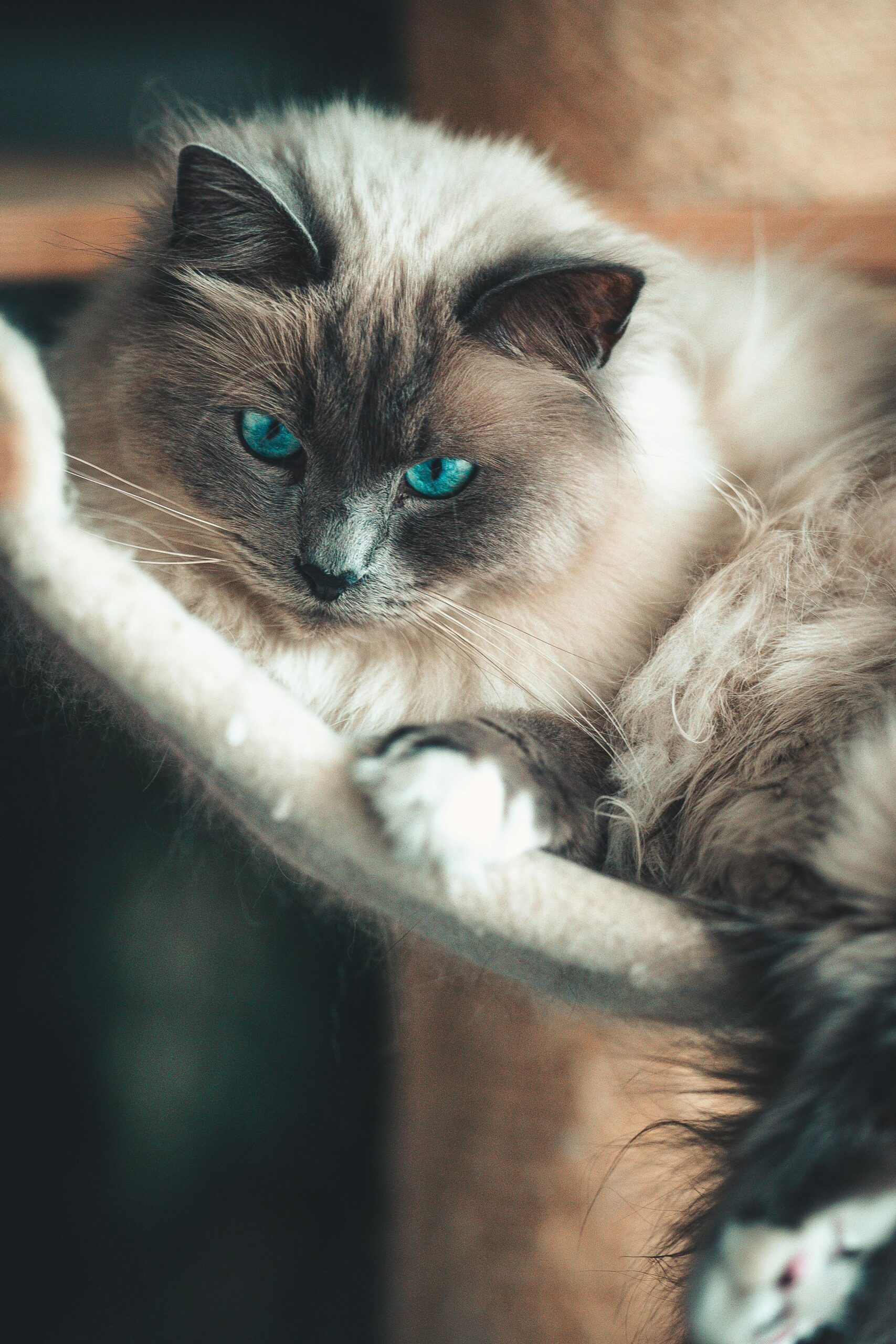
Who Should NOT Get a Ragdoll Cat (Honest Fit Guide)
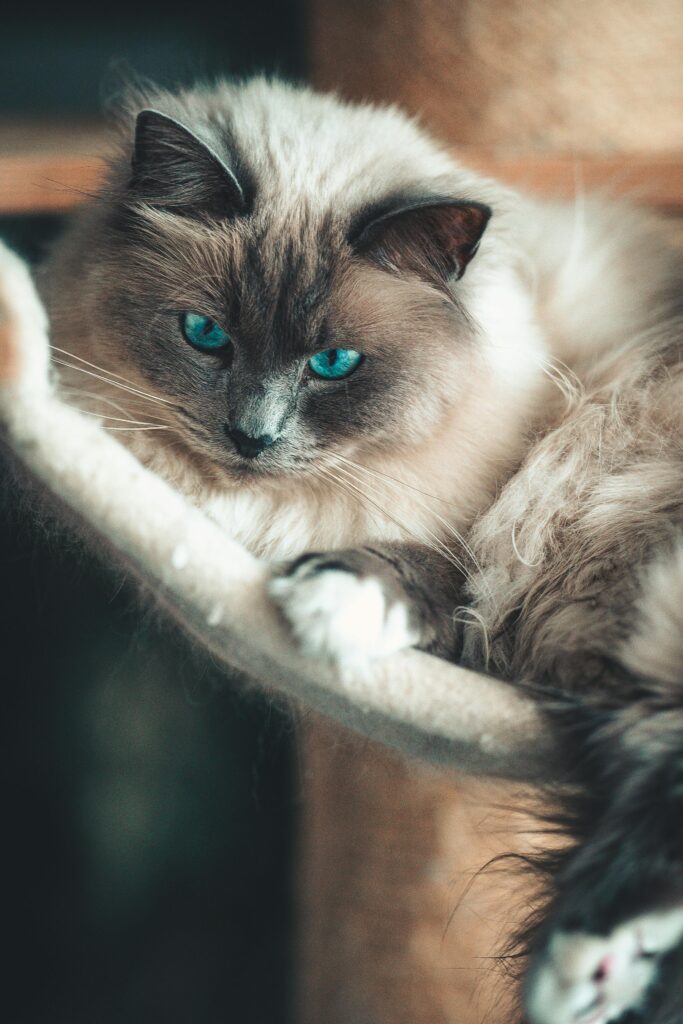
Who should Not get a Ragdoll Cat? Ragdoll cats are calm, affectionate, and people-oriented, but they are not the right fit for every home. Many ownership regrets come from misunderstanding what this breed actually needs rather than from the breed itself. This guide explains who should not get a Ragdoll cat, why mismatches happen, and how to make an honest decision before regret sets in.
Who Should (and Should Not) Get a Ragdoll Cat — Summary Table
| Lifestyle or Expectation | Why a Ragdoll May Struggle | What Works Better Instead |
|---|---|---|
| Wants a low-maintenance pet | Calm nature hides grooming and routine needs | Short-haired, more independent cats |
| Prefers hands-off ownership | Needs presence, consistency, and engagement | Cats comfortable with minimal interaction |
| Lives in a loud or chaotic home | Sensitive to noise and unpredictability | Breeds tolerant of high stimulation |
| Dislikes routine or structure | Relies on predictable schedules | Cats that adapt easily to change |
| Wants constant entertainment | Moderate energy, calm play style | High-energy, highly interactive breeds |
| Seeks emotional distance | Prefers shared space and proximity | More emotionally neutral cats |
| Expects a cat to regulate emotions | Emotional awareness creates pressure | Pets suited to independent companionship |
| Limited time with one kitten | High emotional load on a single cat | Pair placement or different breed |
| Chose primarily for looks or trend | Appearance does not predict lifestyle fit | Temperament-first breed selection |
Why “Not the Right Breed” Is Not a Judgment
Saying that a Ragdoll is not the right breed for someone is not a criticism of the person or the cat. It is an acknowledgment that fit matters more than intention.
A breed mismatch happens when a cat’s natural needs and temperament do not align with a household’s lifestyle, routines, or expectations. This is very different from bad ownership. Many well-meaning, attentive people struggle simply because the breed they chose requires a different kind of environment than they can realistically provide.
Most regret comes from expectations, not effort. People often choose Ragdolls because they are described as calm, affectionate, or easy. When those words are interpreted as low-maintenance or hands-off, frustration follows. The owner may be trying hard, but in the wrong direction.
There is also a real cost to choosing based on appearance or reputation. Selecting a breed because it is popular, beautiful, or trending ignores the daily reality of care, routine, and emotional engagement. When looks or online praise drive the decision, the cat’s needs are often discovered too late.
Having this conversation early protects both cats and owners. It prevents stress, guilt, and rehoming. It allows people to choose a companion that fits their life instead of reshaping their life around a mismatch. Honest guidance is not exclusionary. It is responsible.
This section matters because it removes blame. The goal is not to discourage people from loving Ragdolls, but to help them decide whether this breed truly belongs in their home.
People Who Want a Low-Maintenance or Hands-Off Cat
Ragdolls are calm cats, but they are not low-maintenance. These two things often get confused.
A Ragdoll stays relaxed because it handles stress well, not because it needs less care. The breed still needs regular grooming, steady routines, and daily presence. Brushing keeps the coat comfortable. Routine keeps the cat emotionally settled. Presence helps the cat feel secure.
Many people mistake quiet behavior for independence. Ragdolls do not complain loudly when something is wrong. They do not destroy furniture or vocalize nonstop. Instead, problems build slowly.
Neglect often starts small. Grooming happens less often. Play becomes irregular. The cat spends more time alone. Because nothing dramatic happens, owners assume everything is fine. By the time issues show up, the cat may already feel uncomfortable or stressed.
People who want a truly hands-off pet usually do better with cats that are more independent and more obvious when something is wrong. Ragdolls tolerate too much for their own good.
Highly Chaotic or Loud Households
Ragdolls thrive in calm, predictable homes where daily life follows a steady rhythm. Loud environments or constantly changing households can overwhelm them, even if nothing appears “wrong” at first.
This breed is sensitive to noise and unpredictability. Frequent guests, raised voices, irregular schedules, and nonstop activity gradually create stress. Instead of reacting dramatically, Ragdolls cope by becoming quieter and less visible.
Calm breeds struggle in high-stimulation homes because they depend on emotional balance rather than constant adjustment. They do not thrive on excitement or chaos. Stability allows them to feel secure.
Signs of stress in Ragdolls are easy to miss. Play decreases, grooming becomes less consistent, and busy rooms are avoided. Sleep may increase. Because these changes are subtle and non-disruptive, owners often overlook them.
In chaotic households, Ragdolls withdraw rather than act out. The cat is not difficult or stubborn. The environment simply does not match what the breed needs to feel safe.
People Wanting an Emotionally Neutral or Independent Cat
Ragdolls are not emotionally neutral cats. They pay close attention to the people they live with, the rhythms of the household, and where their presence fits into daily life. Rather than withdrawing into independence, they tend to stay nearby.
Most Ragdolls prefer shared space over isolation. They settle in the same room, follow quietly from place to place, and choose closeness without demanding constant attention. For some people, this steady presence feels comforting and grounding. For others, it can feel more involved than expected.
There is a big difference between emotional awareness and independence. Ragdolls are emotionally aware. They respond to tone, stress, and mood changes. They adjust their behavior based on what is happening around them.
Some owners feel pressure because of this. They feel watched or emotionally responsible. This does not mean the cat is needy. It means the owner prefers more distance.
People who want a cat that keeps to itself, spends long periods alone, and does not track human routines often feel happier with more independent breeds. Ragdolls thrive with owners who enjoy quiet companionship.
Clear Takeaway
Ragdolls are not difficult cats.
They are specific cats.
They struggle most in homes that want:
- minimal involvement
- constant activity
- emotional distance
These mismatches are about fit, not failure.
Owners Expecting Entertainment or High Activity
Ragdolls are not high-energy entertainers. They have moderate energy levels and a calm rhythm.
They enjoy play, but they do not need constant action. A few focused play sessions matter more than nonstop stimulation. After playing, most Ragdolls settle easily and rest.
Many owners confuse calm play with boredom. A Ragdoll lying nearby is not unhappy. It is regulated. This breed does not pace, demand games, or invent chaos to stay busy.
Problems start when owners want a cat that performs. People expecting constant interaction, tricks, or high activity often feel disappointed. They interpret calm behavior as disinterest.
Over time, that disappointment turns into frustration. The owner pushes for more interaction. The cat withdraws. The relationship feels unbalanced, even though nothing is actually wrong with the cat.
Ragdolls work best for people who enjoy shared space, not constant entertainment.
People Who Dislike Routine or Predictability
Ragdolls rely on stable schedules to stay emotionally balanced.
Regular feeding times, familiar environments, and predictable daily patterns help them relax. When life feels steady, their behavior stays steady too.
Frequent changes create stress. Missed meals, irregular schedules, and constant adjustments make Ragdolls uneasy. They do not adapt quickly to shifting routines.
Inconsistent routines often lead to what owners call “problem behavior.” The cat may withdraw, shadow more closely, or seem unsettled. These are stress responses, not personality flaws.
People who prefer flexibility and spontaneity often struggle with this breed. Ragdolls do not thrive in constantly changing environments. They need rhythm more than novelty.
Buyers Drawn Primarily to Appearance or Trend
Ragdolls attract attention because they are beautiful. Their blue eyes, soft coats, and calm reputation make them popular.
Popularity-driven decisions create risk. Choosing a cat for looks or trend ignores daily reality. Coat color and markings do not predict temperament, lifestyle fit, or care needs.
Impulse decisions often skip important questions. How much grooming can I handle? How consistent is my schedule? Do I enjoy quiet companionship?
Trend buying increases surrender rates because expectations collapse after the novelty fades. The cat stays the same. The lifestyle does not adjust.
Ragdolls do best when chosen for temperament and fit, not for appearance alone.
People Expecting a Cat to Regulate Their Emotions
Ragdolls can provide comfort, but they are not meant to carry emotional responsibility for their owners. There is an important difference between emotional support and emotional regulation.
Emotional support means companionship, routine, and calm presence. Emotional responsibility means the cat becomes the owner’s main source of stability, reassurance, or relief from distress. That is not a healthy role for any animal.
Cats should not replace human support systems. When owners rely on a cat to manage loneliness, anxiety, or emotional swings, pressure builds quietly. The cat senses tension and responds by staying close, withdrawing, or changing behavior. This can look like “clinginess,” but it is usually stress.
Over-attachment creates risk on both sides. Owners may feel guilty leaving, working, or socializing. The cat may struggle when routines change or when the owner is unavailable. Instead of comfort, the relationship becomes fragile.
This dynamic harms both sides because it turns companionship into obligation. Ragdolls thrive when they can offer presence without carrying emotional weight. Owners who already have healthy support systems usually experience the breed as grounding rather than overwhelming.
People Unprepared for Long-Term Commitment
Ragdolls are a long-term responsibility, not a short phase of life.
This breed often lives well into its teens. That means committing not only to kitten care, but also to adulthood, aging, and senior support. Many people picture the early years and underestimate what comes later.
As Ragdolls age, care needs increase. Senior cats may require diet changes, more frequent vet visits, mobility support, and closer observation. Emotional responsibility also grows. Calm cats tend to hide discomfort, which makes decline easy to miss.
Because Ragdolls stay gentle and quiet, owners sometimes assume everything is fine when it is not. Subtle changes in movement, grooming, appetite, or interaction matter more with this breed.
The reality of long-term care goes far beyond kittenhood. People unprepared for aging, medical decisions, and emotional responsibility over many years often struggle, even if the early experience feels easy.
One-Kitten-Only Buyers With Limited Availability
One Ragdoll kitten can thrive, but not in every situation.
A single kitten places all social and emotional interaction on the owner. This works best when the owner is home often, emotionally available, and consistent. When availability is limited, pressure builds quickly.
The emotional load on one kitten can show up as increased shadowing, restlessness, or difficulty settling alone. These behaviors are not flaws. They reflect unmet social needs.
Some homes do better with pairs because kittens regulate each other. They play together, rest together, and share social engagement. This reduces pressure on the owner and often leads to smoother development.
One Ragdoll may struggle in homes with long work hours, frequent travel, or unpredictable schedules. In those cases, the issue is not the number of cats, but the gap between availability and need.
👉 One or Two Ragdoll Kittens for You
Who Often Regrets Getting a Ragdoll
Most Ragdoll regret stories follow clear patterns. They are not about bad owners or difficult cats. They come from mismatches that were easy to miss at the beginning.
Expectation mismatch
Many people expect “easy” to mean low effort. When grooming, routine, and emotional presence turn out to matter, they feel caught off guard. The cat behaves exactly as a Ragdoll should, but the owner’s expectations do not match reality.
Underestimating grooming
Ragdolls tolerate grooming well, which makes it easy to delay. Over time, skipped brushing leads to mats and discomfort. Owners feel frustrated, and the cat quietly suffers. This is one of the most common regret triggers.
Emotional overload
Some owners lean too heavily on their Ragdoll for comfort. The cat becomes a source of emotional regulation rather than companionship. This creates guilt, stress, and pressure on both sides.
Inconsistent environments
Irregular schedules, frequent changes, or chaotic homes destabilize Ragdolls. Because they withdraw instead of acting out, stress goes unnoticed until regret sets in.
These patterns dominate online regret threads. They explain why those stories skew negative without reflecting the breed as a whole.
Who Usually Thrives With a Ragdoll Instead
Ragdolls thrive in homes that meet their temperament with intention.
Calm households
Steady environments allow Ragdolls to settle and stay emotionally balanced. Noise and chaos are limited, not constant.
Routine-oriented owners
Owners who enjoy structure find Ragdolls easy to live with. Feeding times, grooming habits, and daily rhythms keep the cat relaxed and cooperative.
Presence-focused companionship seekers
People who value shared space rather than entertainment enjoy the Ragdoll’s quiet closeness. The relationship feels natural instead of demanding.
Emotionally self-aware people
Owners who understand their own emotional patterns place fewer expectations on the cat. This creates a healthy bond built on comfort, not responsibility.
FAQ: Who Should NOT Get a Ragdoll Cat
Are Ragdolls bad cats for some people?
No. Ragdolls are not bad cats. They are simply not the right fit for every lifestyle. Most problems come from mismatched expectations, not from the breed itself.
Who should avoid getting a Ragdoll cat?
People who want a hands-off pet, dislike grooming, live in chaotic environments, or expect a cat to be emotionally independent often struggle with Ragdolls. These situations create stress for both the cat and the owner.
Are Ragdolls high maintenance?
Ragdolls are not high maintenance emotionally, but they are not low maintenance physically. Their coats need regular grooming, and they rely on routine and presence to stay emotionally balanced.
Are Ragdolls a good choice for very busy people?
They can be, but only if routines remain consistent and emotional needs are met. Long, unpredictable absences or constantly changing schedules often lead to withdrawal or stress in this breed.
Why do some people regret getting a Ragdoll?
Regret usually comes from:
- expecting low effort instead of calm interaction
- underestimating grooming needs
- emotional over-attachment
- inconsistent or chaotic environments
These are fit issues, not failures.
Do Ragdolls need a lot of attention?
They need presence, not constant attention. Ragdolls prefer being near their people, sharing space quietly. Owners who expect complete independence may feel overwhelmed by this closeness.
Are Ragdolls good for loud families or chaotic homes?
Usually not. Ragdolls are sensitive to noise and unpredictability. In loud or constantly changing environments, they tend to withdraw rather than adapt.
Is it wrong to want a low-maintenance cat instead?
No. Wanting a low-maintenance or emotionally neutral cat is reasonable. It simply means a Ragdoll may not be the best match for your lifestyle.
Are Ragdolls too emotionally needy?
Ragdolls are emotionally aware, not needy. They become “needy” only when asked to regulate human emotions or when routines are inconsistent.
Can Ragdolls be emotional support animals?
They can provide emotional support through calm presence and routine, but they should not carry emotional responsibility. Owners expecting a cat to fix emotional struggles often create unhealthy dynamics.
Are Ragdolls difficult as they age?
They are not difficult, but they do require more care as seniors. Calm cats often hide discomfort, so aging Ragdolls need attentive owners willing to monitor subtle changes and provide long-term support.
See Ragdoll Cat Senior Care
Is one Ragdoll kitten enough?
It can be, but only if the owner has sufficient time and availability. Homes with limited availability often do better with pairs to reduce emotional load on a single kitten.
What kind of home is best for a Ragdoll?
Ragdolls thrive in calm, predictable homes with:
- steady routines
- quiet companionship
- emotionally self-aware owners
- consistent presence
Does saying “this breed isn’t for you” mean someone is a bad owner?
No. Breed fit is about alignment, not effort or love. Choosing a different breed can be the most responsible decision for both the person and the cat.
Final Perspective: Who Should Not Get a Ragdoll Cat
Ragdolls are not difficult cats. They are specific cats with clear emotional, environmental, and routine needs.
When those needs match the home, Ragdolls thrive. They settle easily, bond quietly, and bring a calm, grounding presence into daily life. Their temperament feels natural and uncomplicated because the environment supports who they are.
When the fit is wrong, the outcome looks very different. The cat withdraws instead of acting out. Owners feel confused, guilty, or overwhelmed. The situation gets mislabeled as a behavior problem or a bad match with cats in general.
In reality, misunderstanding follows mismatch — not failure. Choosing a Ragdoll should be about honest alignment, not popularity or hope. When the choice is intentional, both the cat and the owner benefit for years to come.
Continued Ragdoll Reading
If you’re still deciding whether a Ragdoll fits your home, these posts expand on temperament, care, and long-term ownership realities:
- Ragdoll Cats Explained by a Breeder
A complete breakdown of temperament, care needs, health realities, and who the breed is truly suited for. - Ragdoll Cat Health Complete Health review of Ragdoll cats.
- Ragdoll Cat Diet Ragdolls thrive on diets that prioritize high-quality animal protein, consistent hydration, and structured portion control.
- Is A Ragdoll Right for You?
A Ragdoll is right for you if you want calm companionship, routine, and emotional presence - How Ragdoll Kittens are Raised Our Ragdoll kittens are raised through a structured, stage-based process that supports confidence, handling tolerance, and adaptability.
- Are Ragdoll Cats Hypoallergenic?
A realistic explanation of allergies, Fel d 1, and why coat type doesn’t equal allergy safety. - What Living With A Ragdoll is Like
Living with a Ragdoll doesn’t match the extremes you see online. - Ragdoll Cat Lifespan: Lifespan and health tips.
- Ragdoll Health Testing Explained
What breeders test for, what results actually mean, and why testing reduces risk but never guarantees outcomes. - Ragdoll Cat Shedding Ragdoll shedding is normal, consistent, and manageable when expectations match the reality of the breed.
- Ragdoll Cat Lifetime Cost Current care and veterinary realities, not best-case scenarios or outdated online advice.
- Ragdoll Owner Regrets Ragdoll owner regret is rarely about the cat.
It is about unmet expectations, not unmet potential.
Sources & References
- International Cat Care (ISFM) – Understanding Cat Behaviour & Routine
https://icatcare.org - American Association of Feline Practitioners (AAFP) – Feline Environmental Needs Guidelines
https://catvets.com - Cornell University College of Veterinary Medicine – Normal Cat Behavior & Stress
https://www.vet.cornell.edu - RSPCA – Caring for Long-Haired Cats & Lifestyle Fit
https://www.rspca.org.uk - American Veterinary Medical Association (AVMA) – The Human–Animal Bond
https://www.avma.org





Read the Comments +