
Why Are British Shorthair Cats Not Affectionate?

Why Are British Shorthair Cats Not Affectionate? British Shorthair cats are famously loyal, people-focused, and steady companions — yet many owners are surprised when their British Shorthair prefers sitting near them rather than on them. This guide explains why British Shorthairs show affection differently, why many of them are not natural lap cats, and what you can (and cannot) change about their cuddling preferences.
British Shorthair Affection Summary Table
| Category | What to Expect |
|---|---|
| Affection Style | Quiet, subtle, proximity-based bonding rather than physical clinginess |
| Cuddliness Level | Low to moderate; short petting sessions, limited lap sitting |
| Lap Cat Tendencies | Rare; prefer sitting beside owners instead of on them |
| Touch Tolerance | Enjoys gentle, brief petting; may become overstimulated if petted too long |
| How They Show Love | Following owners, relaxing nearby, slow blinking, staying in the same room |
| Why They Avoid Laps | Heat sensitivity, dense coat, dislike of unstable surfaces, preference for independence |
| Breed Personality | Calm, steady, observant, loyal, low-drama, not physically needy |
| Common Misinterpretation | Independence mistaken for aloofness; affection is subtle, not absent |
| Best Fit For | Families wanting a relaxed, low-maintenance, emotionally stable companion |
| Less Ideal For | Owners seeking a clingy, highly cuddly, or constant-contact cat |
| Can They Become More Affectionate? | Yes—gradually, with gentle routines and positive associations |
| Medical Red Flags for Withdrawal | Sudden avoidance, tension during touch, hiding, reduced engagement |
| How to Encourage Affection | Let them initiate, keep routines stable, offer warm lap areas, reward small steps |
| Affection Over Time | Usually increases with adulthood and senior years, especially in stable homes |
What “Not Affectionate” Really Means in British Shorthairs
Affection vs. Physical Touch
British Shorthairs bond strongly with their families, but they express affection through proximity rather than physical clinginess.
For this breed, affection often looks like:
- Sitting in the same room
- Following you quietly from space to space
- Resting near your feet rather than in your lap
They enjoy people deeply — they simply value personal space.
Common Affection Signals Owners Miss
Because British Shorthairs don’t default to cuddling, many subtle behaviors go unnoticed. A British Shorthair is showing affection when they:
- Slow blink at you
- Sleep where they can see you
- Sit one to three feet away as “their version” of closeness
- Rub their cheeks on furniture you touch (scent-sharing)
- Greet you calmly at doors
These signals are quiet compared to high-contact breeds like Ragdolls, but they are meaningful and consistent.
Independence as a Normal Breed Trait
British Shorthairs are descended from working, street, and barn-type cats with self-sufficient instincts. The breed standard even describes them as reserved, calm, and easygoing.
This independence isn’t distance — it’s a stable temperament.
They love their families but do not rely on constant physical touch to feel connected.
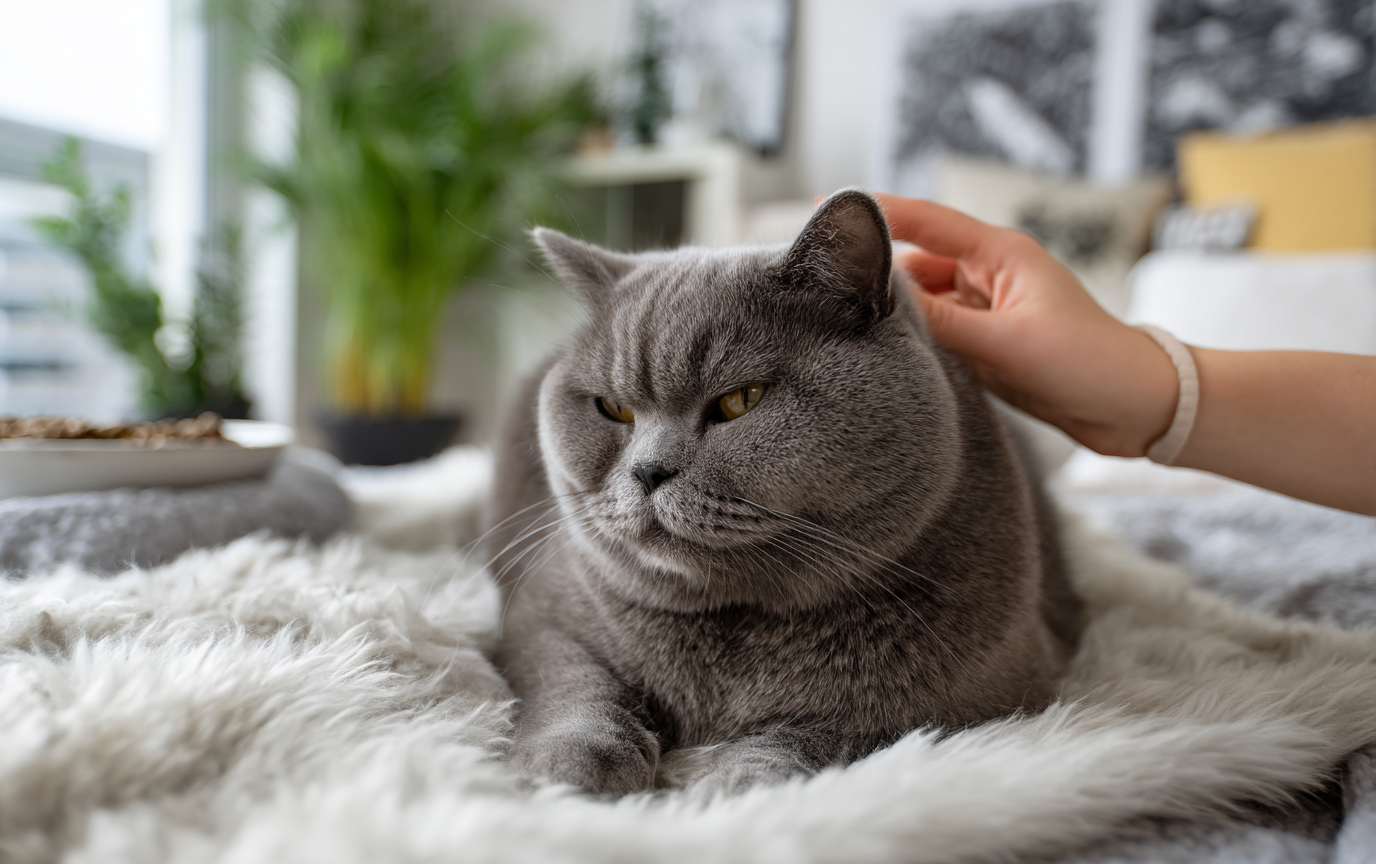
Are British Shorthairs Cuddly? What Owners Should Expect
Where This Breed Falls on the Cuddly Spectrum
British Shorthairs are affectionate but generally low-contact. They are:
- Loyal
- Steady
- People-oriented
…but they are not typically “carry me,” “hold me,” or “living in your lap” cats.
They enjoy companionship on their own terms.
Reasons British Shorthairs May Avoid Cuddling
British Shorthairs commonly decline cuddles due to:
- Heat sensitivity — their dense double coat makes them warm quickly
- Low tolerance for being restrained — being held feels confining
- Overstimulation — they prefer predictable, calm touch
- Breed temperament — dignified, self-possessed, observant
Their avoidance is not rejection — it’s comfort preference.
Signs of Love That Don’t Involve Touch
A British Shorthair that isn’t cuddly may still be deeply attached. Look for:
- Following you room to room
- Sleeping on a nearby chair
- Sitting beside you on the couch
- Light cheek rubs
- Soft purring when close
- Quiet companionship without demands
These cats bond through presence, not pressure.
Can You Encourage More Physical Closeness?
Yes — within their temperament limits.
Strategies include:
- Offering a warm blanket on your lap
- Sitting calmly without initiating touch
- Rewarding voluntary contact with treats
- Allowing the cat to approach on their own
- Keeping handling sessions short and predictable
Some British Shorthairs become more cuddly with time, but they rarely become “lap cats” in the Ragdoll sense.
Why Are British Shorthairs Not Lap Cats?
Body Temperature Preferences
British Shorthairs run warm because of their plush, dense coat. Sitting directly on a human often feels too hot.
They usually prefer:
- Sitting next to you
- Resting on cool flooring
- Using warm laps only in winter or brief spurts
They Prefer Beside-You Affection
Most British Shorthairs show closeness by sitting near their people rather than on them. This is normal breed behavior and not a sign of emotional distance.
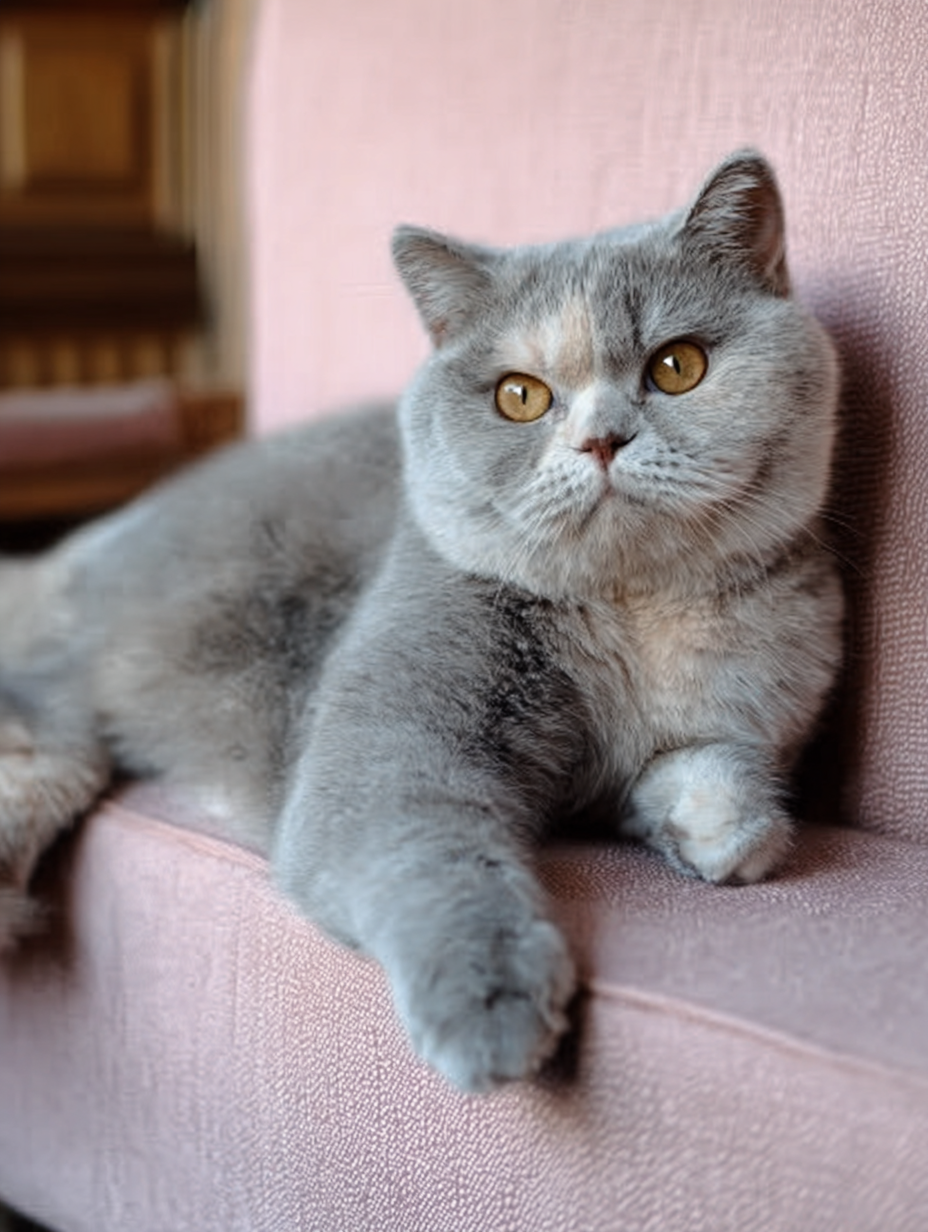
Breed History & Instincts
British Shorthairs come from generations of working and outdoor cats in Britain — valued for their stability, independence, and territorial awareness. Because of this background, many British Shorthairs prefer to observe their environment from a comfortable distance rather than place themselves in a vulnerable position like a human lap.
Their instinct is to:
- Stay grounded and in control of their space
- Monitor their surroundings calmly
- Choose resting spots that feel stable and predictable
This heritage helps explain why they enjoy being near their people but rarely want to be physically draped across them.
Personality-Based Reasons
Many British Shorthairs simply prefer personal space as part of their natural temperament. They are affectionate in a quiet, dignified way and often show love by being present rather than by seeking constant physical contact.
Typical personality traits include:
- Preferring to sit beside you instead of on you
- Watching activities calmly from nearby
- Approaching selectively when they want interaction
They are observant, thoughtful cats — not contact-dependent.
Environmental Reasons
British Shorthairs are highly sensitive to the feel of their surroundings. A lap may not always feel secure or predictable, especially in busy households.
Common environmental factors that reduce lap-sitting include:
- Active households with constant movement
- Small children, who may unintentionally startle or shift suddenly
- Dogs that move quickly or crowd personal space
- Noisy living areas where the cat cannot fully relax
If the environment feels unstable, a lap will not feel like a safe resting spot — even if the cat adores their owner.
Lap Avoidance vs. Lack of Affection
A British Shorthair avoiding your lap does not mean they are unaffectionate. Most show connection through quieter, more grounded behaviors.
How to tell the difference:
A British Shorthair is affectionate if they:
- Follow you from room to room
- Sit close but not on you
- Sleep in your general area
- Slow blink or rub against your legs
- Purr when near you
Why lap sitting isn’t the only sign of bonding:
Lap time makes many British Shorthairs feel too warm, too confined, or too exposed. Their affection style is rooted in comfort and stability — not constant physical closeness.
A British Shorthair’s loyalty is measured in proximity, routine, and companionship, not cuddling.
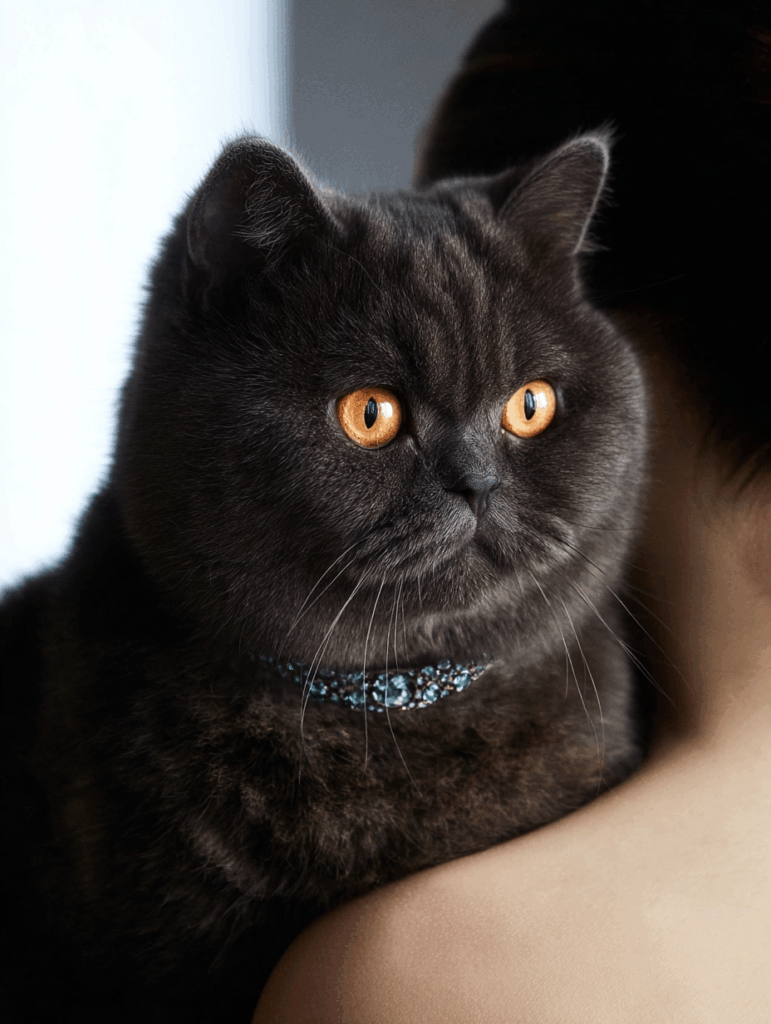
Common Reasons British Shorthairs May Seem Less Affectionate
Breed-Typical Temperament
The British Shorthair standard describes them as calm, reserved, and easygoing — not clingy or overly demonstrative.
Their steady personality often reads as “distant” compared to high-contact breeds, but it’s simply the breed’s natural social style.
Early Socialization Differences
British Shorthair kittens raised with:
- predictable routines
- gentle, frequent handling
- exposure to normal household activity
tend to be more accepting of touch.
Those with limited early socialization may grow into adults who prefer low-contact affection.
Individual Personality
Within the breed, individuals vary:
- Some are social shadows
- Some are confident and interactive
- Some are selective with touch
A cat’s unique personality plays just as much a role as breed traits.
Home Environment Factors
A British Shorthair may appear less affectionate if:
- the home is loud or chaotic
- there is competition with other pets
- their resting spots don’t feel secure
- they’re frequently interrupted while relaxing
They show the most affection in calm, structured homes with predictable movement.
Routine Gaps
British Shorthairs thrive on routine.
When feeding, play, sleep, and interaction schedules are inconsistent, the cat may disengage or appear aloof.
Predictable rhythms help them feel safe enough to interact socially.
Medical or Stress-Related Causes for Reduced Affection in British Shorthairs
Even though British Shorthairs are naturally independent, a sudden decrease in affection often has an underlying cause. This breed hides discomfort exceptionally well, so subtle changes in behavior should never be dismissed.
Pain or Discomfort
British Shorthairs may avoid contact, touch, or sitting close if they are experiencing discomfort. Because they are a stoic, quiet breed, owners often miss early signs.
Common sources of discomfort include:
- Dental pain, which is common in older British Shorthairs and can make head or facial petting unpleasant
- Arthritis or joint stiffness, especially as they age and become less agile
- Skin sensitivity, particularly during seasonal shedding cycles or with underlying allergies
- Digestive discomfort or bloating, which can make being held or picked up uncomfortable
Pain reduces tolerance for touch. A cat that once sat beside you but suddenly chooses isolation may be signaling something physical rather than emotional.
Behavior signs linked to pain in this breed:
- Avoiding jumping onto favorite perches
- Hesitating before climbing or using stairs
- Stiff posture when resting
- Pulling away from petting
- Lower purring frequency or shorter social visits
A veterinary checkup is always recommended when physical behavior changes appear.
Anxiety or Stress
British Shorthairs are steady cats, but they do not handle chaotic or unpredictable environments well. Stress can cause them to retreat, hide, or reduce social interaction.
Typical stress triggers include:
- New pets, especially active dogs or high-energy cats
- Changes in household routine, such as new work schedules
- Loud, high-energy environments
- Frequent visitors or unfamiliar people
- Resource competition (litter box sharing, limited resting spaces, crowded feeding areas)
British Shorthairs cope with stress by becoming quieter and more withdrawn, not by acting out dramatically. Owners may misinterpret this as “not affectionate,” when in reality the cat feels unsafe or overstimulated.
Stress signs in British Shorthairs:
- Spending more time in hidden spots
- Reduced interest in interactive play
- Decreased appetite
- Avoiding physical proximity
- Grooming more or less than usual
Addressing the stressor often restores normal social behavior.
Past Handling Experiences
British Shorthairs do not forget negative or forceful handling. Rough interactions during kittenhood—or even mild but unwanted handling—can lead to long-term avoidance of touch.
Examples include:
- Being picked up frequently against their will
- Forced lap sitting
- Handling by children who moved unpredictably
- Overly rough veterinary experiences
- Shelter or rehoming history with inconsistent care
This breed highly values predictable, respectful interaction. If past experiences involved pressure or restraint, the cat may prefer to show affection from a distance.
What this looks like behaviorally:
- Flinching when approached
- Leaving immediately when touched unexpectedly
- Enjoying nearby companionship but avoiding hands
- Accepting petting only when they initiate it
Gentle, choice-based handling rebuilds trust over time.
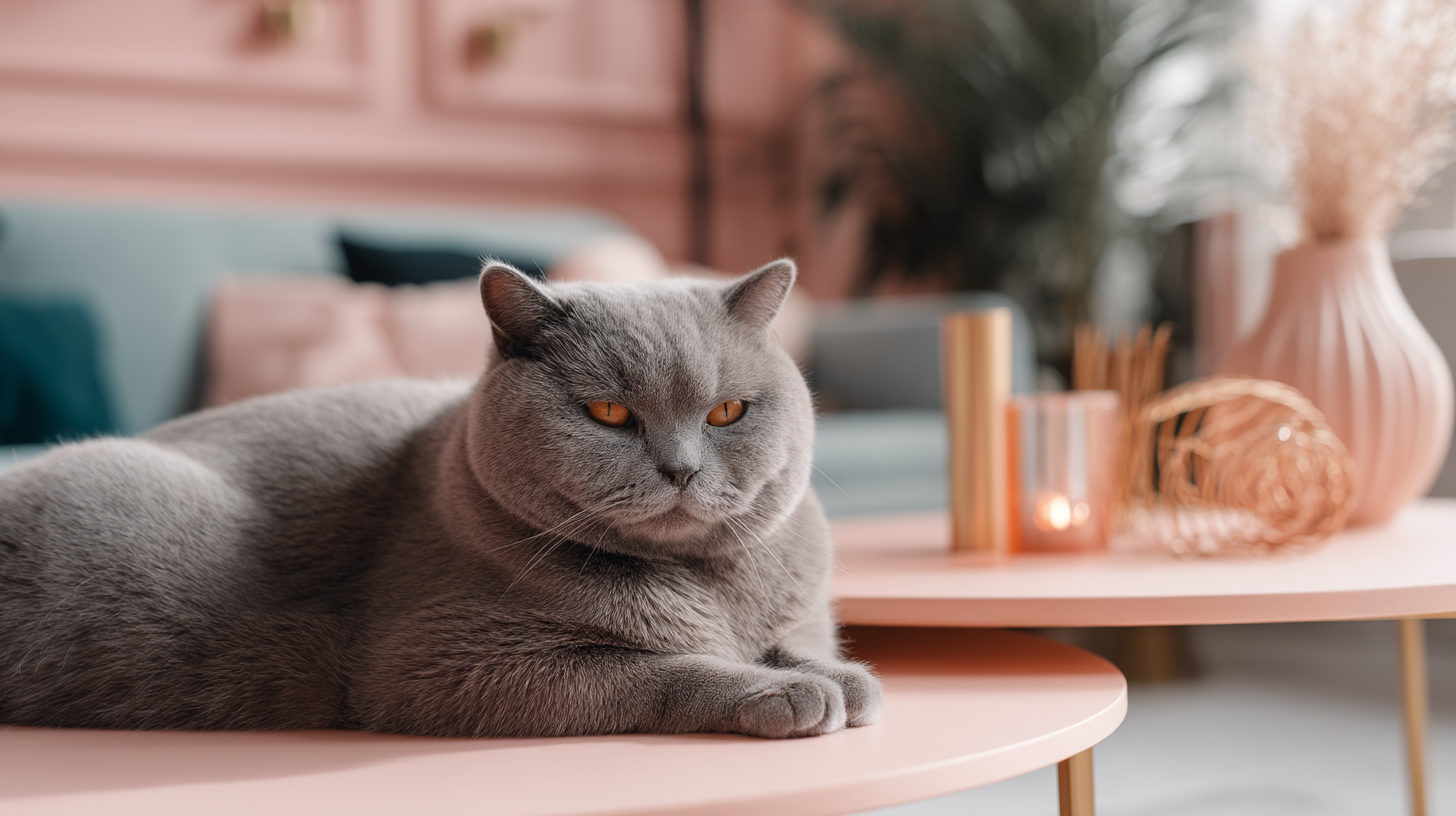
How to Make a British Shorthair More Cuddly
British Shorthairs can become more physically affectionate when their preferences are respected and when contact is associated with safety and comfort. They will never behave like a Ragdoll, but they can become more physically engaged in ways that fit their temperament.
Let the Cat Initiate Touch
British Shorthairs bond strongly with people who respect their personal space.
How to encourage voluntary contact:
- Sit calmly without reaching toward the cat
- Allow them to approach on their own timeline
- Reward small moments of contact with soft praise or treats
- Use quiet, warm verbal cues so they feel safe coming closer
When a British Shorthair realizes that approaching you does not lead to being grabbed or restrained, they begin initiating touch more frequently.
Create a Warm & Inviting Lap Area
British Shorthairs often avoid laps because they run warm, not because they dislike their owners. Creating a comfortable, temperature-friendly lap space increases the likelihood they’ll settle there.
Ways to make your lap appealing:
- Place a soft blanket on your lap to soften the surface
- Offer a warm, but not hot, heating pad under the blanket during colder seasons
- Choose a quiet, predictable location where you won’t shift abruptly
- Sit in a stable chair or sofa so the cat feels secure
British Shorthairs respond well to cozy, calm setups that feel safe and immobile.
Use Slow, Predictable Movements
This breed dislikes sudden gestures or fast transitions, especially when they are considering closeness.
Helpful handling habits:
- Move your hand slowly toward the cat
- Pause frequently and allow them to sniff or lean in
- Avoid reaching from above, which feels threatening
- Do not reposition the cat while they are settling
- Keep voice tone low and steady
Predictability builds confidence, which leads to closer physical contact over time.
Build Positive Associations With Touch
British Shorthairs respond best to gentle, predictable handling. If they learn that physical contact is pleasant, brief, and never forced, they become more likely to seek it out.
How to build positive touch experiences:
- Use light petting paired with small treats
Reward soft chin scratches, cheek rubs, or head touches with a tiny treat. This teaches the cat that touch is safe and rewarding. - Keep sessions short and end them early
Always stop petting while your British Shorthair is still enjoying it.
Ending before they want to leave builds trust and prevents overstimulation.
Over time, these micro-interactions increase the cat’s comfort with physical closeness.
Use Play to Build Confidence
Confidence is directly linked to social engagement in British Shorthairs. A cat that feels secure and stimulated is more open to interaction of all types — including physical affection.
Why play matters:
- It lowers stress and reduces avoidance behavior
- It builds positive associations with being near people
- It encourages the cat to approach you willingly
- It increases trust through routine shared activities
Interactive toys (wand toys, feathers, or prey-style play sequences) help British Shorthairs feel more comfortable spending time close to you outside of playtime.
Keep Daily Routines Stable
British Shorthairs thrive on predictability. Stable routines help them relax, and relaxed cats are more affectionate.
Consistency helps them feel secure:
- Feeding times
Regular mealtimes reduce anxiety and build trust. - Play times
Scheduled enrichment sessions encourage bonding. - Quiet bonding moments
Sitting with your cat in a calm environment every day teaches them that your presence is safe and comforting.
Routine equals stability — and stability encourages closeness.
Respect Personal Space
Respecting boundaries is one of the most powerful ways to encourage a British Shorthair to become more affectionate. Pushing physical contact damages trust, while giving them choice and control strengthens your relationship.
Key boundary rules:
- Never force holding or cuddling
British Shorthairs dislike restraint. Forced affection creates avoidance. - Never trap the cat on your lap
Let them come and go freely.
When they know they’re not being held against their will, they become more likely to return.
Affection grows when the cat feels safe, not pressured.
Can a Non-Cuddly British Shorthair Become Cuddly?
Yes — Within Their Limits
British Shorthairs can absolutely become more affectionate with time, but they will express affection in ways that match their temperament.
What can change:
- Some individuals become more physically affectionate as they mature
- Many learn to enjoy short lap visits or gentle petting sessions
- Routine, trust, and gentle handling increase closeness
What likely won’t change:
- They may never become “limp” lap cats like Ragdolls
- Many remain proximity-oriented rather than contact-oriented
- They prefer steady, predictable interactions instead of being held
A British Shorthair’s cuddly potential grows slowly and naturally — not through pressure, but through respect and consistency.
What Helps Influence Change in a British Shorthair
British Shorthairs are steady, thoughtful cats. When they become more physically affectionate, it’s usually because their environment and interactions feel safe and predictable.
Conditions that encourage more physical closeness:
- Consistency
British Shorthairs bond strongest in homes with reliable routines. Regular feeding, play, and quiet relaxation times help them feel secure enough to explore more contact-based affection. - Gentle handling
Soft, respectful touch builds trust. Light chin scratches, slow movements, and ending petting sessions before overstimulation occurs all teach the cat that physical interaction is safe. - A safe environment
Calm, stable homes with low noise, secure resting spots, and predictable traffic flow support confidence. Confident British Shorthairs often become warmer and more social. - Predictable human behavior
British Shorthairs dislike surprises. When human movements are stable and calm, the cat learns to approach without worrying about being grabbed or overstimulated.
These small but consistent factors help a British Shorthair gradually become more open to touch-based affection.
When Change Is Unlikely
While many British Shorthairs can grow more affectionate over time, there are realistic limits based on temperament and past experiences.
Situations where significant change is less likely:
- Cats with a long-standing aversion to touch
If a British Shorthair has spent years avoiding contact, full transformation into a cuddly lap cat is uncommon. They may still bond deeply, but their affection style stays subtle. - Cats that become overstimulated easily
Some British Shorthairs have a low tolerance for prolonged petting or handling. These individuals may prefer short touch sessions, even in the best environments. - Certain breed tendencies
British Shorthairs are naturally independent and reserved. Expecting them to behave like Ragdolls or Burmese cats sets unrealistic expectations. They express love in quieter, less tactile ways.
Understanding these limits prevents frustration and helps owners appreciate the type of affection British Shorthairs naturally offer.
What Is the Most Cuddly Breed of Cat?
Breeds Known for Lap-Sitting & Physical Affection
Some cat breeds are genetically and temperamentally inclined to enjoy extended cuddling and lap time. These breeds are recognized for their soft, easygoing physical affection:
- Ragdoll — Known for going limp in human arms and thriving on contact
- Birman — Gentle, people-centered, and naturally affectionate
- Burmese — Highly touch-oriented and social
- Scottish Fold — Enjoys lap time and human contact in calm homes
- Exotic Shorthair — A more cuddly, laid-back version of the Persian temperament
These breeds were developed with personality traits centered on companionship and physical closeness.
How These Breeds Differ From British Shorthair Cats
British Shorthairs are loving and loyal, but their affection style is distinct.
Key differences include:
- Selected for closeness
Many cuddly breeds were intentionally bred for physical bonding behavior. British Shorthairs were bred more for calm companionship and independence. - Lower overstimulation
Cuddly breeds generally tolerate longer petting sessions without becoming tense or overstimulated. British Shorthairs often prefer short, periodic touch. - Higher touch tolerance
Breeds like Ragdolls and Birmans are comfortable with holding, carrying, and lap time.
British Shorthairs tend to prefer proximity over prolonged physical contact.
This doesn’t make British Shorthairs less affectionate — only different in how they express their connection.
Why This Doesn’t Mean British Shorthairs Are “Less Loving”
British Shorthairs are one of the most loyal and steady breeds, even if they are not physically clingy. Their affection style simply looks different from lap-oriented breeds.
Relationship style is different
British Shorthairs bond through:
- quiet companionship
- consistent presence
- staying near their people
- following room to room
- resting beside you rather than on you
Their love is steady, predictable, and deeply loyal — just not expressed through constant cuddling.
Bonding shows in behavior, not just cuddling
A British Shorthair who:
- chooses your room over other rooms
- sits a foot away as “their” version of closeness
- greets you calmly when you get home
- curls up on the sofa beside you
- watches you go about your day
- purrs quietly during gentle touches
is showing affection in the way the breed naturally excels.
British Shorthairs are loving — they simply express it with subtlety and calm rather than physical clinginess.
How to Encourage a British Shorthair to Be More Affectionate
Positive Reinforcement
Reward desired behaviors — sitting close, choosing your lap, or leaning in for touch — with small treats, gentle praise, or soft petting.
British Shorthairs respond well to quiet, consistent encouragement.
Environment Adjustments
Set up your home to make closeness comfortable:
- Soft blankets on the sofa
- Heated resting spots
- Quiet lap seating without sudden movement
- Predictable spaces without crowding from children or other pets
When a British Shorthair feels secure, they offer more physical contact.
Routine-Based Bonding
British Shorthairs rely on routine to feel safe.
Bonding grows naturally when:
- feeding times are consistent
- daily play sessions are structured
- bedtime or evening quiet time becomes a habit
Cats who know what to expect are more willing to approach socially.
Slow, Respectful Interaction
Let the cat set the pace.
Avoid:
- grabbing
- sudden touch
- forced holding
- picking up without warning
British Shorthairs open up when their autonomy is respected.
How Affection Levels Change Over Time
Kitten vs Adult vs Senior Differences
British Shorthairs move through predictable social stages:
- Kittens are active and curious but rarely cuddly; they are busy exploring.
- Adults settle into their temperament and often become more affectionate once routines form.
- Seniors tend to seek more closeness, preferring warm, quiet naps near their favorite person.
Their affection style matures slowly but consistently.
Patience & Predictability Lead to Comfort
British Shorthairs blossom in homes where:
- interactions are calm
- routines stay steady
- trust is earned through respect
- affection is never forced
Over time, they become increasingly confident and willing to share physical closeness — in their own dignified, British Shorthair way.
When Reduced Affection Signals a Problem
Even though British Shorthairs are naturally independent, a change in their usual level of affection can indicate that something is wrong. This breed is very stoic and tends to hide discomfort, so behavior shifts should be taken seriously.
Sudden Withdrawal
If a British Shorthair who previously enjoyed sitting nearby, greeting you, or spending time in shared spaces suddenly chooses isolation, this is not normal temperament — it is a red flag.
Signs include:
- Hiding in rooms they never used before
- Avoiding family members
- Stopping their usual follow-the-owner habits
- Losing interest in play or routine activities
British Shorthairs are steady and predictable, so withdrawal often means they are uncomfortable, stressed, or anxious.
Pain Response
A British Shorthair in pain may avoid cuddling, touching, brushing, or being near people. Because they mask discomfort well, owners must pay attention to small changes.
Pain-related behavior may include:
- Pulling away when touched
- Flinching or tensing during petting
- Reduced jumping or stiff movement
- Sensitivity around specific body areas
- Changes in appetite or grooming habits
Arthritis, dental disease, digestive upset, or injury can all cause a reduction in social interaction. A veterinary exam is recommended when behavioral changes are sudden or persistent.
Behaviorist or Veterinary Intervention
If reduced affection continues after environmental adjustments or predictable routines are restored, professional support is useful.
Seek veterinary evaluation if you see:
- sudden personality shifts
- hiding or avoidance that lasts more than a few days
- aggression or irritability during touch
- weight loss or appetite changes
- difficulty moving
Seek a feline behaviorist if you see:
- stress linked to multi-cat households
- fear-based avoidance
- issues triggered by changes in the home
- ongoing hesitation toward people despite gentle handling
Early intervention leads to better outcomes, especially in a breed known for masking discomfort.
British Shorthair Affection & Cuddliness FAQ
Are British Shorthair cats affectionate?
Yes, British Shorthairs are affectionate, but their affection is subtle and calm rather than clingy. They show love by staying near you, following you from room to room, sitting close by, greeting you quietly, or relaxing in your presence. They bond deeply but usually prefer proximity over physical contact.
Are British Shorthairs cuddly cats?
British Shorthairs are sometimes cuddly, but the breed as a whole is known for being low-contact. They may enjoy short petting sessions or brief lap visits but rarely tolerate long cuddles. Their dense coat and warm body temperature make extended physical closeness uncomfortable for many individuals.
Why are British Shorthairs not cuddly?
British Shorthairs are not naturally cuddly because of:
- their independent, self-contained breed history
- heat sensitivity due to their dense double coat
- a preference for stable ground over laps
- low tolerance for restraint or unpredictable movement
Their lack of cuddling does not reflect lack of affection — it reflects comfort preference.
Why does my British Shorthair not sit on my lap?
British Shorthairs often avoid laps because:
- laps feel too warm
- the movement of a person shifting position feels unstable
- they prefer sitting beside people rather than on top of them
- they dislike feeling confined or unsteady
They may rest against you, near you, or on the same furniture instead — which is their version of closeness.
Can British Shorthairs be lap cats?
A few individuals will sit in laps occasionally, especially in cooler seasons, but the breed is not widely known for lap-sitting. Even the most affectionate British Shorthair tends to choose “next to you” over “on you.”
Do British Shorthairs like to be held?
Most British Shorthairs tolerate being held briefly but do not enjoy extended carrying or restraint. They prefer all four paws on the ground. Forcing holding can damage trust, so holding sessions should be brief and always end before the cat becomes tense.
How do British Shorthairs show love?
British Shorthairs show affection through:
- slow blinking
- quiet companionship
- gentle cheek rubs
- following their owner throughout the home
- sitting near, not necessarily on
- purring during short, calm interactions
- sleeping in the same room
Their affection style is based on loyalty and presence rather than physical clinginess.
Can I make my British Shorthair more cuddly?
Yes, to an extent. You can encourage more physical affection by:
- letting the cat initiate touch
- providing warm blankets or stable lap areas
- using gentle, predictable movements
- rewarding desirable behavior with treats
- building positive associations with petting
However, you cannot change the breed’s natural preference for low-contact affection.
Can a non-cuddly British Shorthair become cuddly over time?
Yes — many become more physically affectionate as they mature, especially as adults and seniors. But they will never behave like Ragdolls. Expect some increase in closeness, not a complete personality change.
Why is my British Shorthair not affectionate anymore?
A decrease in affection may be caused by:
- discomfort or pain
- dental problems
- joint stiffness
- stress or environmental changes
- conflict with other pets
- overstimulation
- lack of routine
British Shorthairs rarely become less affectionate “just because.” Behavioral changes usually signal a physical or emotional stressor.
What does it mean when my British Shorthair suddenly avoids me?
Sudden avoidance can mean:
- pain when touched
- anxiety due to household changes
- illness affecting comfort or mobility
- fear caused by a negative experience
Because British Shorthairs are stoic, even mild pain can cause them to withdraw. A vet exam is recommended if avoidance persists.
Do British Shorthairs get attached to one person?
Many British Shorthairs form a primary bond with one person, but they are generally friendly with the entire household. Their loyalty tends to settle on the person who feeds, plays with, or interacts with them most consistently.
Are British Shorthairs good for families?
Yes. British Shorthairs are excellent family cats. They enjoy quiet companionship, are patient with respectful children, and integrate well into calm households. They are stable, gentle, and low-drama — ideal for families wanting a loving cat without constant demands.
Do British Shorthairs like other pets?
British Shorthairs coexist well with other calm pets when introductions are slow and structured. They prefer predictable environments and may avoid overly energetic animals. They thrive in multi-pet households where boundaries are respected.
Do British Shorthairs get overstimulated easily?
Some do. They may enjoy brief petting but become uncomfortable with long sessions. Overstimulation signs include tail flicking, skin twitching, walking away, or mild irritation. Ending touch early helps maintain positive interactions.
Do British Shorthair kittens act affectionate differently than adults?
Yes. British Shorthair kittens are active, curious, and easily distracted — often too busy exploring to cuddle. Affection becomes more obvious as they mature and settle into adult routines.
Do British Shorthairs get more affectionate with age?
Often, yes. Many become more attached and social as adults and seniors, choosing to spend more time near their owners, sitting closer, and enjoying longer periods of gentle interaction.
Are British Shorthairs shy or distant?
Not typically. They are reserved, calm, and observant, but not shy. Their quiet demeanor can be mistaken for aloofness, but they enjoy human company in a steady, predictable way.
How do I know if my British Shorthair loves me?
A British Shorthair in a secure bond will:
- stay in the same room as you
- greet you with tail lifts
- slow blink at you
- rest beside you on furniture
- follow your routine
- show relaxed body language in your presence
Their affection is subtle but sincere.
Do British Shorthairs like sleeping with their owners?
Some do, especially in cooler months. Many prefer sleeping nearby rather than directly on the bed. They choose sleeping arrangements that balance closeness with comfort and temperature control.
Do British Shorthairs like being petted?
Yes — in moderation. They enjoy light petting on the head, cheeks, and neck. Long, full-body strokes or extended sessions may overstimulate them. Ending early ensures they leave interactions feeling comfortable.
Are British Shorthairs independent?
Yes. They enjoy companionship but do not need constant interaction. They are content spending time alone while still maintaining strong bonds with their families. Learn more about the Pros and Cons of British Shorthairs here.
Summary: Why Independent Breeds Like the British Shorthair Still Make Amazing Companions
British Shorthairs are beloved worldwide not because they are lap cats, but because they offer a kind of companionship that is calm, reliable, and deeply loyal.
- They enjoy people without needing constant contact.
Their presence is steady, comforting, and grounded. - Affection is shown in subtle but meaningful ways.
Quiet following, gentle head bumps, shared rooms, and soft purrs are their love language. - Bonding is steady, predictable, and loyal.
British Shorthairs form stable attachments that last a lifetime. - Cuddling isn’t required for a strong connection.
This breed thrives in relationships based on respect, predictability, and companionship — not constant physical touch.
British Shorthairs may not be clingy, but they are devoted. Their affection is gentle, thoughtful, and sincere — a rewarding bond for anyone who appreciates a calm and independent feline friend.
View Available British Shorthair Kittens
If you’re ready to bring home a confident, social, easygoing companion, our British Shorthair kittens are raised in-home, health tested, and carefully matched to families.
More British Shorthair Articles from Almonte Cats
- British Shorthair Health
- British Shorthair Lifespan
- British Shorthair Shedding
- British Shorthair Size
- British Shorthair Cat Care
- British Shorthair Personality
- British Shorthair Diet
- British Shorthair Kitten Growth Stages
- British Shorthair vs Ragdoll
Sources for This Article
- • GCCF – British Shorthair Breed Profile
https://www.gccfcats.org/wp-content/uploads/2021/10/British-Shorthair-Breed-Profile.pdf - • CFA – British Shorthair Breed Standard & Personality Overview
https://cfa.org/british-shorthair/ - • TICA – British Shorthair Breed Information
https://tica.org/breeds/british-shorthair - • International Cat Care – Feline Social Behavior & Affection Signals
https://icatcare.org/advice/understanding-your-cat-s-behaviour - • Cornell University College of Veterinary Medicine – Feline Stress, Fear & Behavioral Changes
https://www.vet.cornell.edu/departments-centers-and-institutes/cornell-feline-health-center - • AAFP (American Association of Feline Practitioners) – Feline Behavior Guidelines
https://www.catvets.com/guidelines/practice-guidelines/feline-behavior - • Journal of Feline Medicine and Surgery – Socialization & Early Development Research
https://journals.sagepub.com/home/jfm - • PLOS One – Domestic Cat Social Behavior Studies
https://journals.plos.org/plosone/browse/animal_behavior - • PetMD – Signs of Pain & Stress in Cats
https://www.petmd.com/cat/conditions - • VCA Animal Hospitals – Why Cats Avoid Laps / Affection Changes
https://vcahospitals.com/know-your-pet





Read the Comments +