
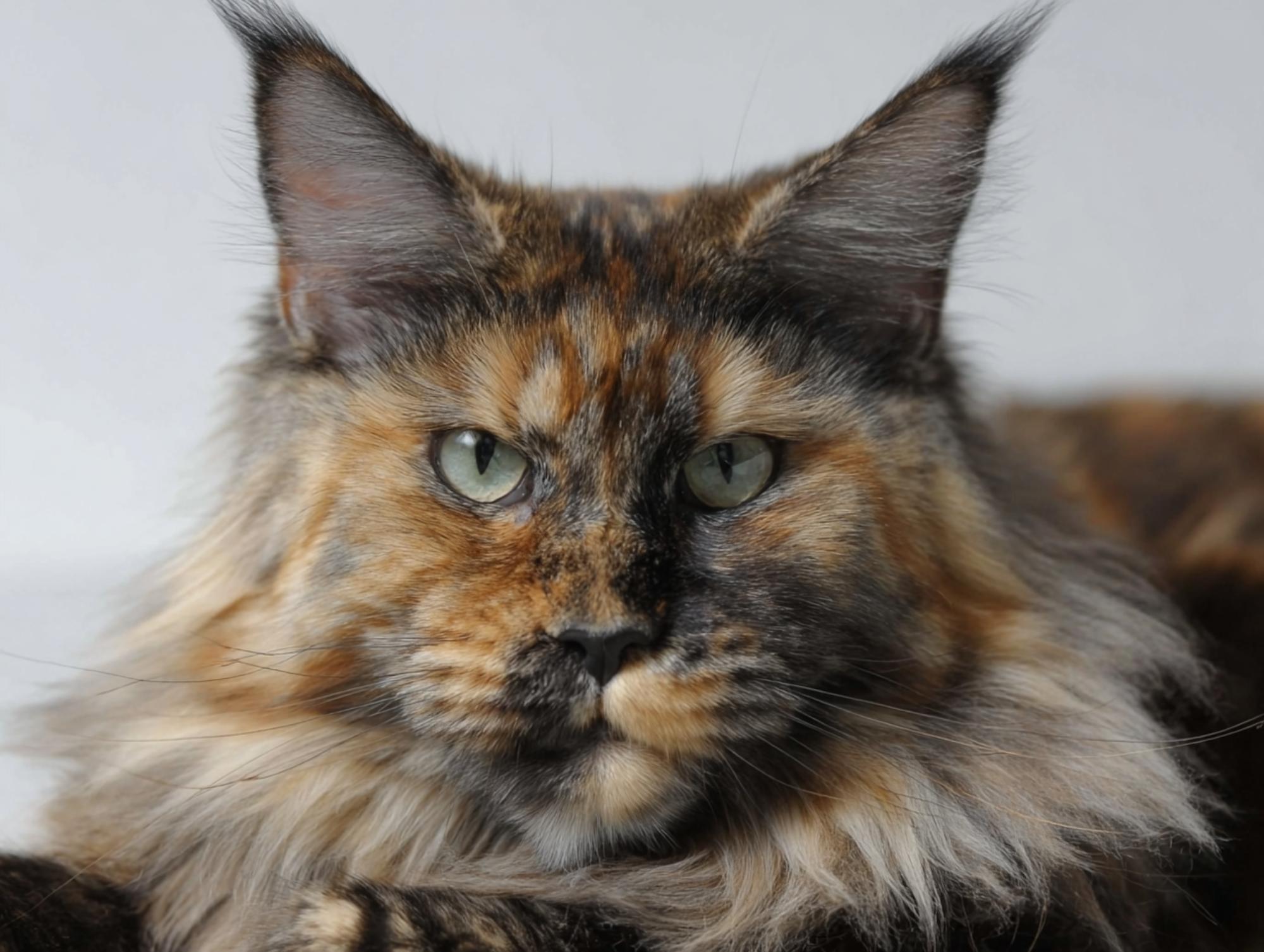
Why Ethical Cat Breeders Say No

Why do ethical cat breeders say No? Few words carry as much emotional weight in the kitten-buying process as “no.”
By the time someone reaches out to a breeder, they’re often already attached. They’ve pictured the kitten in their home. They’ve imagined names, routines, and futures. When the answer isn’t yes, it can feel personal—even when it isn’t.
Online culture doesn’t help. Social media and forums often frame a breeder’s “no” as gatekeeping, arrogance, or control. The assumption is that if a breeder truly cared, they would find a way to say yes.
That assumption is backwards.
In ethical breeding, no is not about ego. It’s about outcomes.
Responsible programs say no to protect the kitten, the household, and the integrity of the placement long after pickup day. They do it because once a kitten leaves, the consequences of a rushed or mismatched decision don’t disappear—they compound.
This matters across all kittens and breeds, not just one. Ethical placement standards don’t change based on popularity, demand, or emotion. They stay consistent because consistency is the only way standards mean anything at all.
Here’s the framing promise for this post:
- Saying no is part of responsible placement
- Consistency matters more than convenience
- Ethical breeders protect outcomes, not feelings in the moment
Understanding that reframes “no” from rejection into responsibility.
Why Ethical Cat Breeders Say No — And What It Protects
| When a Breeder Says “No” | What It Actually Means | Who It Protects | Long-Term Outcome |
|---|---|---|---|
| A placement isn’t approved | Fit, timing, or readiness isn’t aligned | Buyer | Avoids burnout, regret, and unexpected strain |
| An exception isn’t made | Standards are applied consistently | Program | Predictable, trustworthy placements |
| An application is paused | Conditions may improve with time | Buyer & Kitten | Opportunity for better preparation |
| Expectations are challenged | Guarantees or instant results aren’t realistic | Buyer | Clearer understanding, fewer disappointments |
| Timing is questioned | Stability matters more than speed | Kitten | Stronger adjustment and emotional security |
| A situation is declined | Risk outweighs benefit | Everyone | Fewer returns, rehoming, or long-term issues |
In ethical breeding, “no” isn’t rejection — it’s a safeguard. This table shows what that decision actually protects.
Why Buyers Encounter “No” More Often With Ethical Breeders
Many buyers assume that being told no means a breeder is difficult, selective for the wrong reasons, or unnecessarily strict. In reality, encountering “no” is often a signal of structure, not hostility.
Ethical breeders say no more often precisely because they operate with clear standards—and they apply those standards evenly.
Ethical Breeding Is Outcome-Driven, Not Transactional
Kitten placements do not function like a retail transaction.
The goal isn’t to move kittens quickly or match every inquiry with an immediate yes. The goal is to place each kitten into an environment where it is most likely to thrive for its entire life.
That means breeders evaluate:
- Lifestyle fit
- Environment stability
- Expectations around care, grooming, and engagement
- Timing and readiness
These decisions don’t end at pickup day. They extend years beyond it.
When breeders think in decades instead of weeks, speed stops being the priority. Long-term welfare takes its place.
Consistency Requires Boundaries
Standards only work when they’re applied consistently.
If a breeder bends rules based on emotion, pressure, or urgency, those rules stop being standards. They become suggestions. Over time, that inconsistency erodes outcomes—and trust.
Exceptions feel kind in the moment, but they create precedent. Once one exception exists, every future decision gets compared to it. Ethical breeders understand this, which is why they protect boundaries even when it’s uncomfortable.
Saying no isn’t about withholding. It’s about ensuring that every yes carries the same level of intention and care.
That consistency is what ultimately protects everyone involved—buyers, kittens, and the program itself.
Why Ethical Breeders Don’t “Make Exceptions” Easily
From the outside, exceptions can look reasonable. After all, every situation feels unique to the person living it. This is where ethical breeding often gets misunderstood.
Ethical breeders don’t avoid exceptions because they’re rigid. They avoid them because exceptions change systems.
Exceptions Become Precedent
In a structured program, every decision sets a reference point.
When a breeder makes one exception, it doesn’t stay isolated. It becomes a comparison for every future conversation. “You allowed it before” quickly turns into pressure to repeat the same choice, even when circumstances differ.
This is how standards erode quietly.
Consistency is the only way ethical guidelines remain meaningful. When rules bend based on emotion, urgency, or persuasion, they stop being standards and start being preferences. Over time, that drift undermines placement quality and trust.
Ethical breeders protect consistency not because it’s convenient, but because it’s essential for long-term outcomes.
Emotional Pressure Doesn’t Improve Outcomes
Emotional urgency is understandable. People fall in love quickly. Life circumstances feel pressing. The desire to move forward feels intense.
However, urgency rarely aligns with preparedness.
Rushed decisions often overlook:
- Environmental readiness
- Time availability
- Emotional bandwidth
- Stability during transition periods
Ethical programs intentionally slow things down. They create space to evaluate, reflect, and confirm alignment. That pause isn’t resistance—it’s protection.
Slowing the process reduces regret, prevents mismatch, and leads to more stable placements. Ethical breeders choose patience over speed because patience produces better outcomes.
Why Inconsistent Breeders Rarely Say No
One of the clearest indicators of inconsistency is how rarely a breeder says no.
When every inquiry results in a yes, it isn’t generosity—it’s a lack of structure.
Selling First, Evaluating Later
Breeders who prioritize selling often evaluate after placement, not before.
Without meaningful screening, there are no standards to enforce. Every situation becomes acceptable by default. This approach shifts responsibility away from the breeder and onto the buyer once problems arise.
Ethical breeders do the opposite. They evaluate first so that placement doesn’t become an experiment.
Flexibility Disguised as Kindness
Saying yes feels kinder in the moment. It avoids difficult conversations and disappointment. It keeps things moving.
But kindness without boundaries creates consequences.
When breeders say yes to avoid discomfort, they often outsource the cost of that decision. Owners inherit the mismatch. Kittens absorb the stress. The breeder disappears from accountability.
What looks like flexibility early on often turns into silence later.
Why This Leads to Regret, Returns, or Rehoming
Poor fit doesn’t resolve itself with time. It compounds.
Without honest evaluation upfront, long-term issues surface:
- Behavioral stress
- Owner burnout
- Financial strain
- Rehoming or returns
These outcomes don’t happen because owners failed. They happen because screening never happened.
Ethical breeders say no precisely to avoid these endings. Inconsistent breeders avoid no—and leave others to manage the fallout.
The difference isn’t attitude. It’s responsibility.
Why Ethical Cat Breeders Don’t “Make Exceptions” Easily
From the outside, exceptions can look reasonable. After all, every situation feels unique to the person living it. This is where ethical breeding often gets misunderstood.
Ethical breeders don’t avoid exceptions because they’re rigid. They avoid them because exceptions change systems.
Exceptions Become Precedent
In a structured program, every decision sets a reference point.
When a breeder makes one exception, it doesn’t stay isolated. It becomes a comparison for every future conversation. “You allowed it before” quickly turns into pressure to repeat the same choice, even when circumstances differ.
This is how standards erode quietly.
Consistency is the only way ethical guidelines remain meaningful. When rules bend based on emotion, urgency, or persuasion, they stop being standards and start being preferences. Over time, that drift undermines placement quality and trust.
Ethical breeders protect consistency not because it’s convenient, but because it’s essential for long-term outcomes.
Emotional Pressure Doesn’t Improve Outcomes
Emotional urgency is understandable. People fall in love quickly. Life circumstances feel pressing. The desire to move forward feels intense.
However, urgency rarely aligns with preparedness.
Rushed decisions often overlook:
- Environmental readiness
- Time availability
- Emotional bandwidth
- Stability during transition periods
Ethical programs intentionally slow things down. They create space to evaluate, reflect, and confirm alignment. That pause isn’t resistance—it’s protection.
Slowing the process reduces regret, prevents mismatch, and leads to more stable placements. Ethical breeders choose patience over speed because patience produces better outcomes.
Why Inconsistent Breeders Rarely Say No
One of the clearest indicators of inconsistency is how rarely a breeder says no.
When every inquiry results in a yes, it isn’t generosity—it’s a lack of structure.
Selling First, Evaluating Later
Breeders who prioritize selling often evaluate after placement, not before.
Without meaningful screening, there are no standards to enforce. Every situation becomes acceptable by default. This approach shifts responsibility away from the breeder and onto the buyer once problems arise.
Ethical breeders do the opposite. They evaluate first so that placement doesn’t become an experiment.
Flexibility Disguised as Kindness
Saying yes feels kinder in the moment. It avoids difficult conversations and disappointment. It keeps things moving.
But kindness without boundaries creates consequences.
When breeders say yes to avoid discomfort, they often outsource the cost of that decision. Owners inherit the mismatch. Kittens absorb the stress. The breeder disappears from accountability.
What looks like flexibility early on often turns into silence later.
Why This Leads to Regret, Returns, or Rehoming
Poor fit doesn’t resolve itself with time. It compounds.
Without honest evaluation upfront, long-term issues surface:
- Behavioral stress
- Owner burnout
- Financial strain
- Rehoming or returns
These outcomes don’t happen because owners failed. They happen because screening never happened.
Ethical breeders say no precisely to avoid these endings. Inconsistent breeders avoid no—and leave others to manage the fallout.
The difference isn’t attitude. It’s responsibility.
How “No” Protects the Buyer
When buyers hear no, it’s easy to focus on what they’re losing in the moment. What’s harder to see is what that no is quietly preventing.
Ethical breeders say no to protect buyers from long-term outcomes that are far more costly than temporary disappointment.
Prevents Mismatch and Burnout
Mismatch is exhausting.
When a kitten’s needs don’t align with a household’s lifestyle, the strain shows up slowly and persistently. Grooming feels heavier. Behavior feels frustrating. Financial surprises pile up. What started as excitement turns into stress.
A well-timed no prevents that trajectory.
By evaluating fit upfront, ethical breeders help buyers avoid emotional burnout and unnecessary financial strain. This isn’t about limiting access—it’s about preventing situations where love alone can’t compensate for incompatibility.
Saying no early is far kinder than watching someone struggle later.
Signals Program Integrity
Consistency builds trust.
When a breeder applies standards evenly, buyers know what to expect—not just for their own experience, but across the entire program. That predictability signals integrity.
Standards that protect all placements ensure that no one receives special treatment at the expense of someone else. Ethical breeders don’t optimize for individual transactions. They optimize for outcomes that hold up over time.
That reliability is what makes a program trustworthy.
How “No” Protects the Kitten
Kittens don’t get a second first placement. Early decisions carry weight long after pickup day.
Ethical breeders understand that and act accordingly.
Placement Stability Matters More Than Speed
Fast placements feel efficient, but stability is what actually matters.
The environment a kitten enters shapes:
- Emotional security
- Stress resilience
- Behavioral development
Rushing placement increases risk. Ethical breeders slow the process because early alignment reduces long-term disruption.
One thoughtful yes is better than ten rushed ones.
Ethical Cat Breeders Think in Years, Not Weeks
Ethical programs plan for a kitten’s entire lifespan, not just its departure date.
They consider:
- How the kitten will adapt as it matures
- How household dynamics may change
- How care needs will evolve over time
Thinking in years means accepting fewer placements in the short term to protect welfare long term. That perspective puts the kitten first, even when it’s inconvenient.
How “No” Protects the Breeder (And Why That’s Not Selfish)
It’s easy to assume breeders protect themselves by saying no. In reality, ethical breeders protect responsibility, not comfort.
Accountability Doesn’t End at Pickup
Ethical breeders don’t disappear once a kitten goes home.
They remain a point of support, guidance, and accountability for years. That ongoing responsibility makes placement decisions heavier—not easier.
Saying no ensures breeders can stand behind every placement they approve, not just hand off responsibility and move on.
Reputation Is Built on Outcomes, Not Volume
High-volume yeses don’t build strong programs. Strong outcomes do.
Ethical breeders measure success by:
- Stability of placements
- Long-term health and behavior
- Owner satisfaction years later
Saying no protects that reputation. It ensures that every kitten placed reflects the program’s standards and values.
That’s not selfish. It’s stewardship.
What to Do If an Ethical Cat Breeder Says No
Hearing no can feel final, but in ethical breeding, it usually isn’t the end of the conversation—it’s the beginning of a clearer one.
How you respond to a no matters. When approached constructively, it can become useful guidance rather than a closed door.
Ask What Can Change
The most productive response to a no is curiosity.
Ethical breeders are rarely unwilling to explain why a placement isn’t right at the moment. Asking what could change opens space for clarity rather than defensiveness.
Common areas that shift outcomes include:
- Preparation steps, such as learning about grooming, enrichment, or breed-specific needs
- Timing adjustments, like waiting until travel, work demands, or housing situations stabilize
Many no’s exist because alignment isn’t there yet, not because it never will be. Treating the decision as informational rather than emotional often leads to a clearer path forward.
Use the Feedback Constructively
A no is not a verdict. It’s feedback.
Ethical breeders use placement criteria as a filter, not a punishment. When they explain a no, they’re offering insight into what would create a more stable outcome.
Approaching that feedback as guidance—rather than rejection—helps buyers:
- Refine expectations
- Identify blind spots
- Make more informed decisions in the future
Even if you don’t move forward with that particular program, the information still serves you. It reduces the likelihood of mismatch later.
When Another Program May Be a Better Fit
Not all ethical programs serve the same homes.
Different breeders prioritize different traits, environments, and placement goals. A no from one ethical breeder does not mean you are unsuited for ethical ownership—it means that specific program isn’t the right match.
Recognizing this prevents unnecessary frustration. Sometimes the best outcome comes from finding a program whose standards align more closely with your lifestyle and expectations.
Why This Standard Applies Across All Kittens, Not Just One Breed
It’s easy to assume that strict placement standards apply only to certain breeds. They don’t.
Ethical placement principles are universal.
While breed characteristics change details—such as size, grooming, or energy level—the standards behind responsible placement remain the same. Fit, stability, preparation, and long-term welfare matter regardless of breed.
Consistency is the defining trait of ethical programs. Whether placing a Maine Coon, a Ragdoll, or any other kitten, ethical breeders rely on the same framework to guide decisions.
That consistency isn’t about control. It’s about responsibility—and it’s what protects everyone involved, across every breed.
Frequently Asked Questions: When an Ethical Cat Breeder Says No
Why did an ethical cat breeder say no to my application?
Most no’s come down to fit, timing, or readiness, not personal judgment. Ethical breeders evaluate whether the current environment, expectations, and stability align with long-term success for both the kitten and the household.
Is it a red flag if a breeder never says no?
Yes. A breeder who never says no isn’t applying consistent standards. Ethical programs must screen, evaluate, and sometimes decline placements to protect outcomes.
Does being told no mean I did something wrong?
No. A no does not reflect your worth, intent, or ability to love a kitten. It reflects alignment at a specific moment in time.
Do ethical breeders ever reconsider later?
Often. Many no’s are situational, not permanent. Changes in timing, preparation, lifestyle, or environment can lead to a different outcome later.
Is saying no about control or power?
No. Ethical breeders say no to protect welfare, not to assert authority. Consistent standards are about stewardship, not control.
Should I keep pushing if I disagree with a breeder’s decision?
No. Pressure undermines trust and signals misalignment. Ethical breeders value thoughtful dialogue, not persuasion.
Does being told no mean I shouldn’t own a kitten at all?
No. It may mean a different program, breed, or timeline is a better fit. Not all ethical breeders serve the same homes.
Why do ethical cat breeders care so much about placement?
Because early placement decisions shape lifelong outcomes. Ethical breeders remain accountable long after pickup day, so they prioritize stability over speed.
Final Perspective — “No” Is a Responsibility to the Kitten and Not Personal
Ethical breeding is often misunderstood as restrictive or controlling, especially from the outside. In reality, it’s the opposite.
Ethical cat breeding is not about power. It’s about stewardship.
Stewardship means taking responsibility for outcomes that extend far beyond the moment a kitten goes home. It means accepting discomfort today to prevent harm tomorrow. It means making decisions that protect living beings, not just facilitate transactions.
When ethical cat breeders say no, they are protecting:
- Buyers, from mismatch, burnout, and long-term stress
- Kittens, from unstable placements and preventable disruption
- The integrity of the program, so standards remain meaningful and outcomes remain predictable
Without no, yes loses its value.
A yes only matters because it is earned through alignment, readiness, and fit. When every request is approved, placement becomes random. When standards exist, placement becomes intentional.
Ethical breeders don’t say no to withhold opportunity. They say no to ensure that when they say yes, it actually means something.
Related Articles From Almonte Cats
If you are researching Maine Coons carefully, the following guides may also be helpful. These posts explain our standards, expectations, and long-term approach in more depth.
- Maine Coon Size, Growth, and Weight: What’s Normal and What’s Not
A detailed breakdown of realistic size ranges, growth timelines, and how to tell healthy structure from excess weight. - How to find a Maine Coon Breeder You can Trust
A practical guide explaining common scam patterns, verification steps, and what ethical programs do differently. - Maine Coon Health Overview: What Responsible Owners Should Know
Covers genetic screening, lifespan expectations, preventive care, and early warning signs owners should never ignore. - Why Maine Coons are Not for Everyone
An honest look at temperament, grooming, space needs, and daily life with a Maine Coon. - Maine Coon Kitten Growth Stages: What to Expect From 8 Weeks to Adulthood
Explains normal development, awkward phases, and why slow growth is a feature of the breed. - Why Ethical Maine Coon Breeders Have Waitlists Waitlists help breeders plan limited litters with intentional placement
These resources reflect how we approach breeding, placement, and long-term support, and they are written to help families make informed decisions rather than rushed ones.
Sources & Further Reading
- International Cat Care (iCatCare) — ethical breeding principles, welfare-first placement, and lifelong responsibility
https://icatcare.org - American Association of Feline Practitioners (AAFP) — feline welfare guidelines, responsible ownership, and breeder ethics
https://catvets.com - The International Cat Association (TICA) — code of ethics, breeder responsibilities, and placement standards
https://tica.org - The Cat Fanciers’ Association (CFA) — breeder ethics, breed stewardship, and responsible placement practices
https://cfa.org - American Veterinary Medical Association (AVMA) — companion animal welfare, responsible sourcing, and long-term care considerations
https://www.avma.org - International Society of Feline Medicine (ISFM) — feline welfare, stress reduction, and the importance of stable placements
https://icatcare.org/isfm










Read the Comments +