
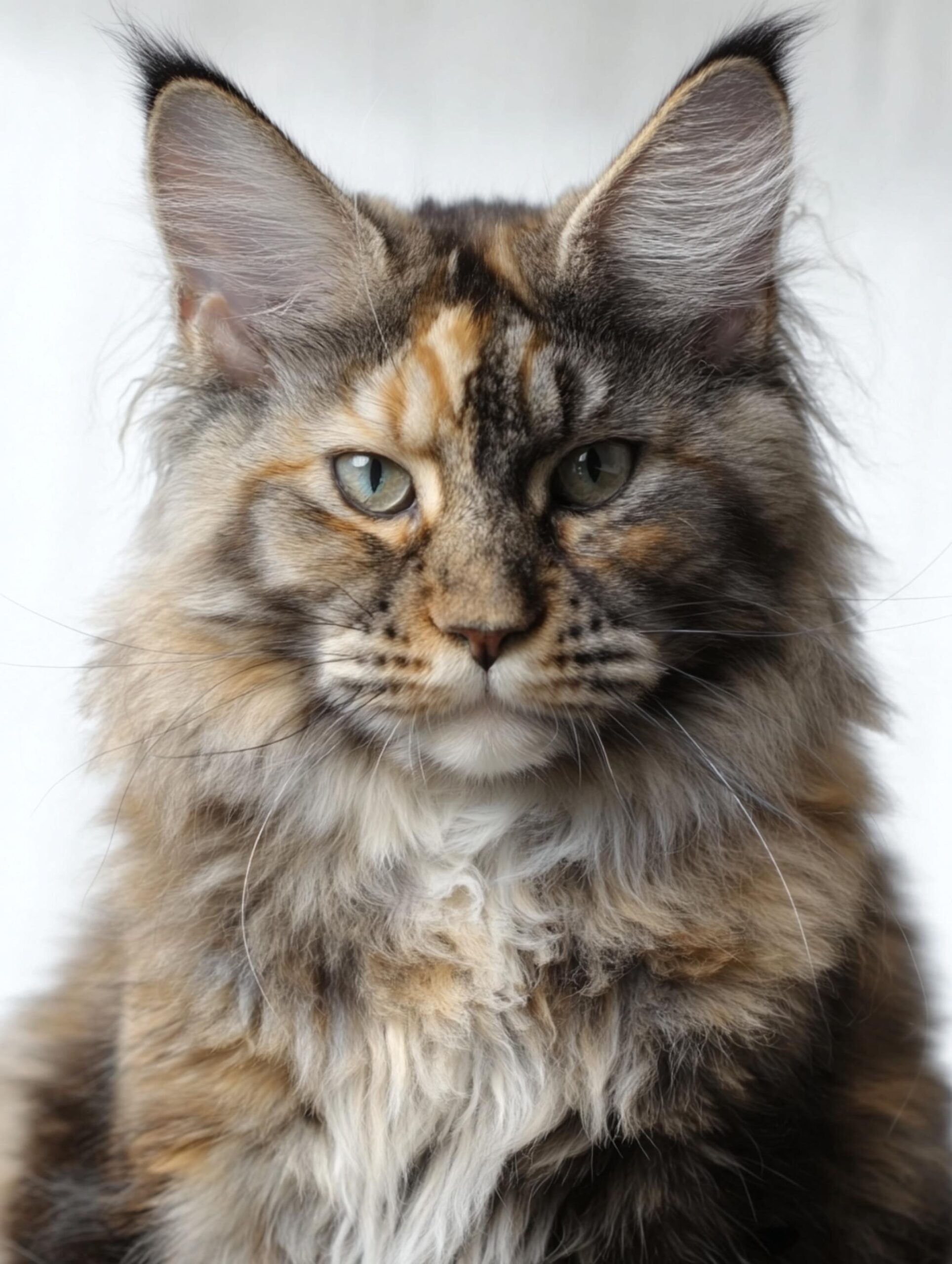
Why Ethical Maine Coon Breeders Have Waitlists

Ethical Maine Coon breeders have waitlists because kittens are produced through planned, limited litters with intentional placement, not bred for immediate or on-demand availability. Responsible programs breed selectively, allowing time for health considerations, recovery, and thoughtful matching between kittens and families.
Waitlists are not about exclusivity, status, or creating artificial demand. They exist because ethical breeding prioritizes long-term outcomes over speed, and because litter timing, size, and suitability cannot be predicted with precision. For buyers, waiting is a normal part of working with a reputable breeder—and one that helps protect both the kitten’s welfare and the family’s experience.
Why Ethical Maine Coon Breeders Have Waitlists — Summary
| Topic | What Ethical Breeders Do | Why It Matters |
|---|---|---|
| Breeding Approach | Plan limited litters in advance | Supports health, recovery, and sustainability |
| Availability | Do not offer year-round “available now” kittens | Reduces volume breeding and rushed placement |
| Queen Health | Allow physical and mental recovery between litters | Improves long-term welfare and kitten outcomes |
| Placement Process | Match kittens to lifestyle and temperament | Lowers risk of mismatches and returns |
| Buyer Screening | Use applications to educate and set expectations | Prevents impulse decisions |
| Waitlist Structure | Use timing ranges instead of guarantees | Reflects real-world breeding variables |
| Payments | Align deposits with clarity and timing | Protects both breeder and buyer |
| Communication | Update at defined milestones | Keeps families informed without pressure |
| Buyer Benefits | Time to prepare and plan | Reduces regret and stress |
| Overall Goal | Prioritize long-term outcomes over speed | Supports responsible ownership |
Planned Breeding vs On-Demand Availability
Ethical Maine Coon breeders plan litters well in advance, taking into account the health, age, and recovery needs of their breeding cats, as well as the timing that allows for proper kitten development and placement. Litters are spaced intentionally, not produced continuously, and breeding decisions are adjusted as conditions change.
Because of this planning, ethical breeders cannot offer guaranteed “available now” kittens year-round. Immediate availability often reflects volume-based production, where kittens are treated as inventory rather than individuals. In contrast, a breeding program focuses on quality, consistency, and sustainability over time.
This is the core difference between a breeder and a seller. Breeders manage a program with long-term goals and limits; sellers focus on supply and speed. Waitlists naturally arise when breeding is approached as a responsibility rather than a transaction.
Health, Recovery, and Responsible Limits
Responsible breeding requires respecting both the physical recovery and mental well-being of queens. Pregnancy, birth, and nursing place real demands on the body, and ethical breeders allow adequate time between litters to support long-term health and longevity.
Beyond physical recovery, breeding cats also require stability, routine, and social balance. Limiting the number of litters reduces stress, prevents burnout, and supports consistent maternal care—factors that directly influence kitten development and temperament.
Fewer, well-planned litters also allow breeders to monitor outcomes, track health trends, and adjust decisions responsibly over time. These limits are not constraints—they are safeguards. Waitlists exist because ethical breeders choose sustainability and welfare over maximum output, even when demand is high.
Placement Matters More Than Speed
Ethical Maine Coon breeders prioritize appropriate placement over fast placement. Maine Coons vary in temperament, energy level, and social needs, and successful placement depends on matching those traits with a family’s lifestyle, experience, and expectations.
For this reason, kittens are not placed on a strict first-come, first-served basis. A waitlist allows breeders to observe kitten development over time and make thoughtful decisions about which homes are the best fit. This approach reduces the likelihood of mismatches that can lead to stress, dissatisfaction, or rehoming later.
Rushing placement increases risk for everyone involved. Families may commit before fully understanding the breed’s needs, and breeders may be forced to make decisions without adequate information. A measured pace supports better outcomes, smoother transitions, and long-term success for both kittens and owners.
Why Ethical Breeders Screen Buyers
Buyer screening is not about exclusivity or control—it is a form of education and expectation-setting. Applications and conversations help ensure that families understand the responsibilities involved in owning a Maine Coon, including time, cost, grooming, and long-term care.
This process also helps prevent impulse decisions driven by appearance, availability, or short-term excitement. By slowing the process, ethical breeders give buyers space to consider whether the timing and commitment are truly right.
Good matches benefit everyone. Families are more prepared, kittens settle more easily, and breeders can place kittens confidently knowing the home is suitable. Screening protects the welfare of the cat while supporting positive, lasting placements.
Waitlists Protect Buyers, Too
Waitlists are not only protective for breeders and kittens—they also benefit buyers. Having time before placement allows families to prepare financially and emotionally, plan for supplies and veterinary care, and adjust expectations realistically.
A structured waitlist also reduces exposure to scams and high-pressure sales tactics, which often rely on urgency and immediate availability. Ethical breeders communicate openly about timing, pricing, and process, helping buyers make informed decisions without pressure.
Patience lowers regret. Families who have time to prepare and choose thoughtfully are more likely to feel confident in their decision and satisfied long-term. In this way, waitlists support not just ethical breeding, but better ownership experiences overall.
Common Misconceptions About Waitlists
Waitlists are often misunderstood, especially by buyers new to working with ethical breeders. One common assumption is that waitlists exist to create exclusivity or status. In reality, most waitlists are a practical result of limited, planned breeding and careful placement—not an attempt to appear selective or elite.
Another misconception is that being on a waitlist guarantees a kitten. Ethical breeders avoid making promises before kittens are born and evaluated. Litter size, health, and individual development all affect availability, and responsible programs prioritize welfare over fulfilling a list.
It is also common to assume that longer waitlists automatically mean better cats. Length of wait alone is not a quality indicator. A waitlist simply reflects demand relative to the number of planned litters. Quality is determined by consistency, health practices, and responsible management—not by how long someone waits.
Ultimately, waitlists represent planning and limitation, not prestige, guarantees, or superiority.
What a Normal Waitlist Actually Looks Like
A normal waitlist is built around ranges and expectations, not fixed promises. Ethical breeders often provide estimated timelines rather than exact dates, because breeding involves variables that cannot be controlled with certainty.
Availability can change based on litter size, health considerations, or the natural variation in sex, color, and temperament within a litter. These changes are normal and are part of responsible breeding, not mismanagement.
Communication expectations should be clear from the start. Ethical breeders typically explain how and when updates are provided and what kind of communication buyers can expect. Regular transparency does not mean constant updates—it means consistent, honest information when there is something meaningful to share.
Because of these variables, ethical breeders avoid hard guarantees. Promising outcomes before kittens are born or evaluated increases risk and undermines responsible decision-making.
When a Waitlist Isn’t a Good Sign
While waitlists are normal, not all waitlists are ethical. A lack of basic information about how the list works—such as timing, process, or placement criteria—can be a concern. Structure and clarity matter.
Requests for full payment far in advance of a planned litter, especially without a written agreement, are another reason to slow down and ask questions. Ethical breeders tie payments to clear milestones, not uncertainty.
Ongoing lack of communication or refusal to provide documentation also deserves caution. Transparency does not require oversharing, but it does require openness about process and expectations.
A healthy waitlist is built on clarity, communication, and mutual understanding. Even within a structured process, transparency remains essential for trust.
Choosing Patience Over Pressure
A calm breeding process feels steady and predictable, even when timelines are uncertain. Communication is clear, expectations are explained upfront, and decisions are made thoughtfully rather than reactively. There is no urgency to “act now,” because ethical breeders are focused on long-term placement success, not immediate transactions.
Ethical Maine Coon breeders do not rush decisions because rushing introduces risk. Timing, kitten development, and family readiness all matter, and responsible breeders allow space for those factors to align. When a breeder encourages patience, it reflects confidence in their process and respect for both the kittens and the families involved.
It is also appropriate to step back or move on if the process begins to feel confusing, pressured, or inconsistent with what was originally explained. A good fit should feel collaborative and transparent. Choosing to wait—or choosing a different breeder—can be part of making a responsible, informed decision.
How Our Maine Coon Waitlist Works
Families interested in our Maine Coon kittens begin by joining our waitlist with a $500 waitlist fee, which reflects a serious intent and allows us to plan thoughtfully around upcoming litters. This fee secures a place on the waitlist but does not reserve a specific kitten.
When a kitten is selected and formally reserved, an additional $1,500 reservation deposit is applied. The remaining balance is due at pickup. This step-based structure aligns payments with clarity and timing, rather than uncertainty.
Placement is based on overall fit and availability, not strict first-come order. Because litter size, health considerations, and sex ratios cannot be predicted in advance, we provide estimated timing ranges rather than guarantees.
Communication occurs at defined milestones, such as confirmed pregnancies, births, and reservation windows, rather than through constant updates. This approach allows us to focus on proper care and development while keeping families informed in a clear and predictable way.
Families are always welcome to step back if timing or circumstances change. Our waitlist is designed to create structure and transparency, not pressure.
Conclusion
Waitlists are a natural outcome of ethical Maine Coon breeding. They reflect planning, limits, and a commitment to responsible placement rather than speed or convenience. Ethical breeders prioritize health, stability, and thoughtful matching over immediate availability.
When approached with clarity and patience, the waitlist process supports better outcomes for kittens and families alike. The right breeder values patience not as a barrier, but as an essential part of doing things well.
Related Articles From Almonte Cats
If you are researching Maine Coons carefully, the following guides may also be helpful. These posts explain our standards, expectations, and long-term approach in more depth.
- Maine Coon Size, Growth, and Weight: What’s Normal and What’s Not
A detailed breakdown of realistic size ranges, growth timelines, and how to tell healthy structure from excess weight. - How to find a Maine Coon Breeder You can Trust
A practical guide explaining common scam patterns, verification steps, and what ethical programs do differently. - Maine Coon Health Overview: What Responsible Owners Should Know
Covers genetic screening, lifespan expectations, preventive care, and early warning signs owners should never ignore. - Why Maine Coons are Not for Everyone
An honest look at temperament, grooming, space needs, and daily life with a Maine Coon. - Maine Coon Kitten Growth Stages: What to Expect From 8 Weeks to Adulthood
Explains normal development, awkward phases, and why slow growth is a feature of the breed. - Maine Coon Breeder Reviews: What to Look For
These resources reflect how we approach breeding, placement, and long-term support, and they are written to help families make informed decisions rather than rushed ones.
Sources
- The International Cat Association (TICA) – Finding a Breeder & Buyer Education
https://tica.org/find-a-cat/find-a-cat-breeder-listings/
https://tica.org/pet-buyers-guide/ - Cat Fanciers’ Association (CFA) – Breeder Directory & Breed Information
https://cfa.org/
https://find-a-breeder.cfa.org/ - American Veterinary Medical Association (AVMA) – Selecting a Pet Responsibly
https://www.avma.org/resources-tools/pet-owners/how-select-pet - Cornell University College of Veterinary Medicine – Feline Health & Breeding Ethics
https://www.vet.cornell.edu/departments-centers-and-institutes/cornell-feline-health-center - ASPCA – How to Find a Responsible Breeder
https://www.aspca.org/pet-care/general-pet-care/choosing-right-pet-you/how-find-responsible-breeder








Read the Comments +