Are Scottish Fold Cats Hypoallergenic? A Complete Guide for Allergy Sufferers
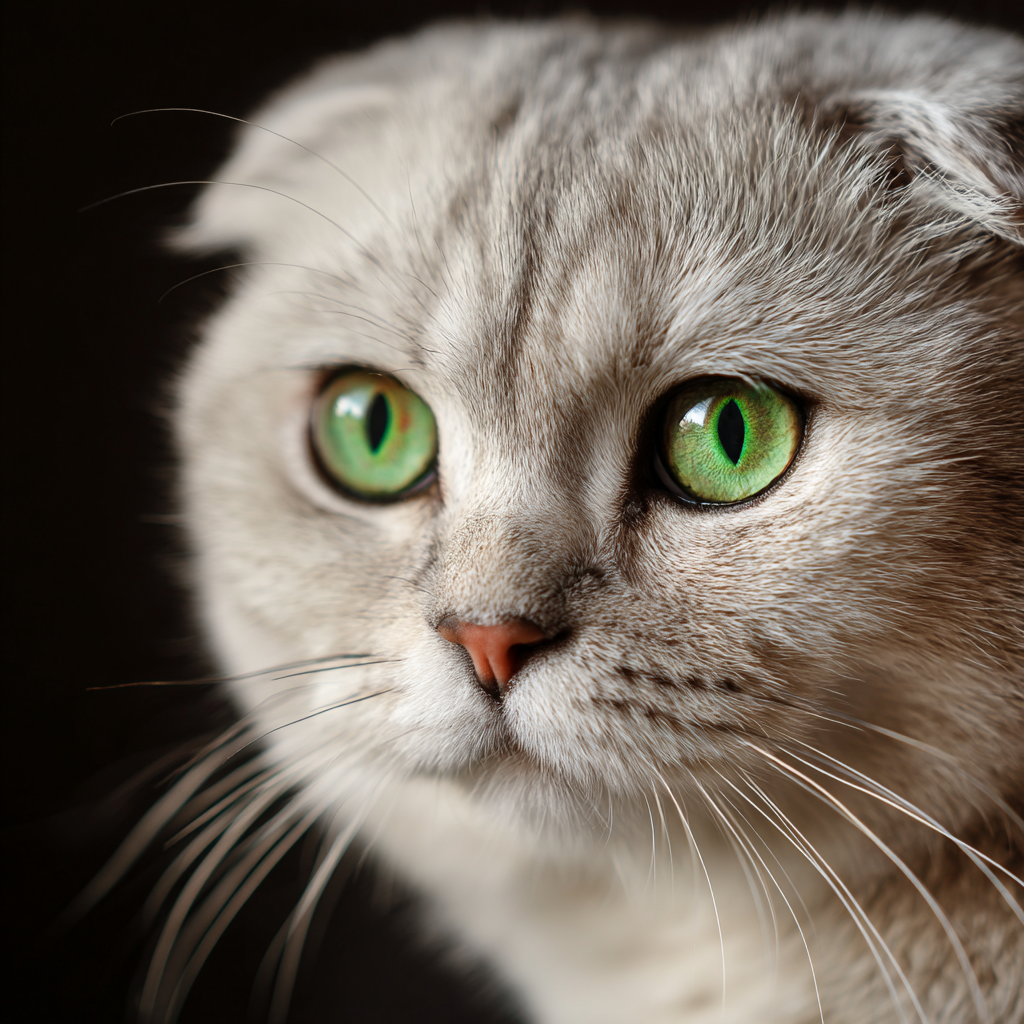
Are Scottish Fold Cats Good for Allergic People?
Scottish Fold cats are not considered hypoallergenic, but many mild allergy sufferers tolerate them better than heavier-shedding breeds. Their coats can be short or long, and both varieties produce dander, saliva proteins, and skin oils that trigger common allergic reactions. While they don’t fall into the “best cats for allergies” category, their moderate shedding and calm grooming habits make them workable for certain households.
Coat type, individual saliva chemistry, and grooming frequency all influence how reactive someone may be. Shorthair Scottish Folds distribute fewer allergens into the environment, while longhairs tend to trap proteins in their dense coats, releasing them during brushing. This breed may suit mild allergy sufferers who keep a strict cleaning routine. It is usually not recommended for individuals with moderate or severe allergies.
Scottish Folds work best for predictable, low-level allergy cases. People with asthma or chronic respiratory sensitivities generally require lower-allergen breeds.
Scottish Fold Allergy Summary (Quick Answer Box)
| Category | Summary |
|---|---|
| Are Scottish Folds Hypoallergenic? | No — they produce normal Fel d 1 allergen levels. |
| Allergy Level | Moderate (varies by coat length + grooming). |
| Best For | Mild allergy sufferers with strict cleaning routines. |
| Not Recommended For | Moderate–severe allergies, asthma, respiratory sensitivities. |
| Shedding Level | Moderate; heavier seasonally. |
| Main Triggers | Saliva proteins, dander, skin oils, shedding. |
| Coat Types | Shorthair (easier for allergies), Longhair (higher allergen retention). |
| Better Allergy Breeds | Siberian, Balinese, Devon Rex, Cornish Rex, Sphynx. |
Are Scottish Fold Cats Actually Hypoallergenic?
No. Scottish Fold cats are not hypoallergenic and produce the same primary cat allergen—Fel d 1—as most breeds. The term “hypoallergenic” is often misunderstood; it does not mean allergen-free. Scottish Folds generate typical levels of allergenic proteins through saliva, skin secretions, and dander.
This breed is known for frequent self-grooming, which spreads saliva proteins throughout the coat. As the fur sheds, these proteins become airborne or settle onto furniture, clothing, and bedding. Their shedding cycle varies seasonally, with heavier shedding in spring and fall.
Coat density also affects allergen spread. Shorthair Scottish Folds release allergens more consistently but lightly, while longhair folds hold allergens deeper in the coat until brushed out. No Scottish Fold can be considered hypoallergenic regardless of coat length.
Can a Scottish Fold Be Hypoallergenic With Proper Care?
While a Scottish Fold cannot become hypoallergenic, proper routines can significantly reduce symptoms for mild allergy sufferers. Daily cleaning minimizes dander buildup on surfaces. Weekly deep cleaning, vacuuming with a sealed HEPA system, and regular washing of bedding all help reduce exposure.
Grooming schedules matter as well. Brushing a Scottish Fold several times per week removes loose hairs that carry allergens. Wiping the coat with grooming wipes can help reduce saliva residue and surface dander. Nutrition also plays a role; diets rich in omega-3 and omega-6 fatty acids improve skin health and reduce flakiness.
Scottish Fold kittens may seem easier initially, but they still produce allergens and will shed more noticeably as adults. Long-term management—not age—is what determines household allergy comfort.
Scottish Fold Allergy Level Explained
Scottish Folds fall in the moderate allergy level category. They are not extreme shedders like some longhaired breeds, but they also are not low-shedding or low-Fel d 1 producers. Their allergen output varies based on genetics, grooming frequency, and environmental conditions.
Factors increasing allergy load:
• seasonal shedding
• dense double coats in longhair varieties
• frequent self-grooming spreading saliva
• buildup of fur on furniture and fabrics
• dry indoor air increasing dander
Scottish Folds distribute allergens mainly through saliva-coated hairs and normal dander production. Allergy-sensitive individuals may react during brushing, petting, or close contact.
Common Allergy Triggers in Scottish Fold Cats
Allergy symptoms typically arise from a combination of proteins and the way they accumulate in the home. Common triggers include:
Dander: Microscopic skin flakes that carry allergenic proteins.
Saliva Proteins: Fel d 1 is deposited on fur during grooming.
Sebum & Skin Oils: Natural oils that bind allergens to the coat.
Shedding Patterns: Seasonal increases lead to more airborne particles.
Environmental Buildup: Upholstery, blankets, and carpets trap allergen-coated hairs.
Because Scottish Folds enjoy cuddling and close contact, reactions often occur when allergens transfer to hands, clothing, or bedding.
Allergy Triggers in Scottish Fold Cats
| Trigger | Explanation | Severity |
|---|---|---|
| Fel d 1 | Saliva protein deposited on fur during grooming | High |
| Dander | Skin flakes carrying allergens | Moderate–High |
| Sebum/Oils | Bind allergens to the coat | Moderate |
| Shedding | Spreads proteins onto surfaces | Moderate |
| Environmental Buildup | Upholstery, carpets, blankets trap allergens | High |
How the Scottish Fold Compares to Hypoallergenic Cat Breeds
Compared to low-allergen breeds, the Scottish Fold ranks higher in allergen production. Hypoallergenic or allergy-friendly breeds often shed less, have unique coat structures, or biologically produce reduced levels of Fel d 1.
Siberian: Many lines produce less Fel d 1 naturally.
Balinese: Known for lower Fel d 1 despite long fur.
Devon Rex: Sparse, wavy coat sheds minimally.
Cornish Rex: Single coat with very low shedding.
Sphynx: No fur but still produces allergens; relies on regular bathing.
Scottish Folds resemble typical domestic breeds in allergen behavior. They do not offer the biological advantages found in recognized hypoallergenic varieties.
Scottish Fold vs Hypoallergenic Breeds
| Breed | Hypoallergenic? | Shedding | Fel d 1 Output | Allergy-Friendly? |
|---|---|---|---|---|
| Scottish Fold | No | Moderate | Normal | Sometimes (mild allergies) |
| Siberian | Sometimes | Moderate | Often lower | Good for mild allergies |
| Balinese | Yes (low Fel d 1) | Low–moderate | Lower | Excellent |
| Devon Rex | Yes (low shedding) | Very low | Normal | Good |
| Cornish Rex | Yes (single coat) | Very low | Normal | Good |
| Sphynx | Not hypoallergenic but manageable | None | Normal | Good with baths |
What Type of Cat Is Best for Allergies?
Cats that are easier for allergy sufferers typically shed less, produce lower amounts of Fel d 1, or have coat structures that limit the spread of allergen-loaded hairs. Breeds such as the Balinese, Siberian, Devon Rex, Cornish Rex, and occasionally the Sphynx are commonly tolerated by mild allergy sufferers.
Some people respond better to single-coated breeds, while others do well with naturally low-protein-producing lines like certain Siberians. No cat is fully allergen-free, but the right breed can minimize exposure.
Scottish Folds rank similarly to average domestic shorthairs in terms of allergy impact. For households with predictable, mild symptoms, they may be manageable. Those needing the lowest allergen risk should consider breeds with documented lower Fel d 1 production or minimal shedding.
Are Scottish Fold Female Cats More Hypoallergenic?
Female cats, especially spayed females, tend to produce slightly less Fel d 1 than males. Hormones influence allergen production, and intact animals often produce more secretions overall. Spayed females may have more stable skin and coat conditions, resulting in slightly reduced allergen output.
However, the difference is small and not guaranteed to impact every allergy sufferer. Coat type, grooming habits, and individual biology often influence reactions far more than sex alone. A spayed female Scottish Fold may be marginally easier for some people, but results vary widely.
Are Scottish Fold Male Cats More Hypoallergenic?
Intact male cats typically produce the highest levels of Fel d 1. Hormonal activity increases skin oil production and saliva proteins, which contributes to higher allergen spread throughout the environment. Neutered males produce significantly less than intact males, making them more manageable for mild allergy sufferers.
A neutered male Scottish Fold is not hypoallergenic, but may be easier to live with than an intact male. For families with any degree of allergies, choosing a neutered male or spayed female is generally safer than adopting an unaltered adult.
Are Longhair Scottish Folds Hypoallergenic?
Longhair Scottish Folds are not hypoallergenic. Their dense, fluffy coats trap more dander, saliva residue, and loose debris close to the skin. When brushed or petted, these allergens are released into the air or onto hands and clothing, increasing exposure.
Shorthair Scottish Folds tend to spread allergens at a lower intensity because their fur is shorter and less prone to matting. However, both varieties still produce Fel d 1 and dander, so neither can be considered allergy-friendly.
For allergy-sensitive households, shorthair Scottish Folds are typically the safer option. Longhair varieties require more brushing, baths, and environmental cleaning to keep symptoms manageable.
Shorthair vs Longhair Scottish Folds
| Coat Type | Shedding Level | Allergen Spread | Best For |
|---|---|---|---|
| Shorthair Scottish Fold | Moderate | Lower airborne allergen release | Mild allergy homes |
| Longhair Scottish Fold | Moderate–High | Holds allergens in coat; releases during brushing | Not recommended for allergy sufferers |
Hypoallergenic Scottish Fold Price Guide
While Scottish Folds are not hypoallergenic, kittens marketed as “allergy-friendly” may cost more due to extra grooming, bathing, and environmental management performed by the breeder. Standard Scottish Fold kittens generally range from $1,500 to $4,000+, depending on ear type, coat length, pedigree, color rarity, and breeder reputation.
Some breeders include:
• early grooming and frequent baths
• omega-rich diets for skin health
• low-dander raising environments
• early desensitization to brushing
• premium litter and high-quality food
These practices support coat health and reduce loose dander but do not eliminate allergens entirely. Anyone interested in bringing home a Scottish Fold should complete a thorough breeder application and ensure the environment aligns with their allergy needs.
How to Reduce Allergies if You Own a Scottish Fold
Managing allergies with a Scottish Fold requires a combination of household routines, grooming consistency, and air-quality control. Daily vacuuming with a HEPA-sealed system helps remove dander from carpets and upholstery. Running HEPA air purifiers in common areas reduces airborne allergen particles.
Regular brushing helps remove loose hairs, especially in longhair varieties. Grooming wipes between baths help clear saliva residue and surface dander. Washing cat bedding weekly and using allergen-resistant covers protects high-contact furniture.
Key success strategies:
• HEPA air purifiers in living spaces
• brushing 2–4× per week
• grooming wipes for saliva removal
• washing bedding weekly
• feeding omega-rich, skin-supportive diets
• wiping surfaces and floors frequently
With consistent routines, many mild allergy sufferers can comfortably live with a Scottish Fold.
Allergy Management Strategies for Scottish Fold Owners
| Strategy | Frequency | Impact |
|---|---|---|
| HEPA Air Purifier | Daily | High |
| Grooming Wipes | 3–5× per week | Moderate–High |
| Regular Brushing | 2–4× weekly | High |
| HEPA Vacuuming | 3–5× weekly | High |
| Wash Bedding | Weekly | Moderate |
| Bathing | Every 3–4 weeks | Moderate |
Realistic Expectations: Who Should & Should Not Get a Scottish Fold If Allergic
Scottish Folds can be suitable for people with mild, predictable allergies, especially those who are disciplined about grooming and household cleaning. These owners may experience light symptoms—such as occasional sneezing or eye irritation—that improve with air purification, frequent vacuuming, and reduced dander buildup.
Moderate allergy sufferers may struggle unless they maintain strict environmental control. Symptoms like chronic congestion, respiratory irritation, or skin reactions often worsen over time, especially in homes with carpeting, heavy fabrics, or limited ventilation. Longhair Scottish Folds tend to pose a higher challenge due to greater allergen retention.
Individuals with severe allergies or respiratory conditions generally should not adopt a Scottish Fold. Even with diligent allergen-management routines, reactions tend to be strong. Anyone unsure of their sensitivity level should plan a test visit with an adult Scottish Fold from a similar line to see how they respond before adopting.
FAQ: Are Scottish Fold Cats Hypoallergenic
Are Scottish Fold cats good for allergic people?
Scottish Fold cats can be manageable for mild allergy sufferers, especially those who respond better to breeds with moderate shedding and predictable grooming habits. However, they are not ideal for people with moderate or severe allergies, as they still produce the full range of allergens present in all domestic cats. How someone reacts depends heavily on coat length, individual saliva chemistry, grooming frequency, and their home environment. Households with HEPA filtration, regular cleaning routines, and reduced fabric surfaces tend to see better outcomes. Anyone with asthma or chronic respiratory sensitivity should exercise caution.
Are Scottish Folds hypoallergenic?
No. Scottish Folds are not hypoallergenic, and they produce Fel d 1—the major cat allergen—at levels similar to most other breeds. Even though they may seem lower maintenance because they are calm and not excessive shedders, their saliva proteins and dander can still trigger symptoms in sensitive individuals. Both shorthair and longhair varieties spread allergens through grooming and shedding. Anyone seeking the lowest-allergen breed will need to consider alternatives.
Can Scottish Folds be hypoallergenic with proper care?
Scottish Folds cannot become truly hypoallergenic, but proper care can significantly reduce allergen exposure in mild cases. Air purifiers remove airborne dander, while frequent brushing limits loose hairs that carry saliva proteins. Grooming wipes can reduce surface allergens between full baths. Deep cleaning fabrics, vacuuming with HEPA systems, and maintaining low-dust environments also help minimize reactions. While these efforts do not eliminate allergens, they make living with a Scottish Fold more manageable, especially in small apartments or shared living spaces.
What is the Scottish Fold allergy level?
Scottish Folds fall into the moderate allergy level range. They are not extreme shedders like some longhaired breeds, but they are also not low-allergen or low–Fel d 1 producers. Their allergen output is comparable to most domestic shorthair or longhair cats. Seasonal shedding increases their effect on allergy sufferers, particularly in spring and fall. Regular grooming and coat maintenance are essential for keeping symptoms under control.
Are longhair Scottish Folds more allergenic?
Yes. Longhair Scottish Folds are generally more allergenic because their dense, plush coats trap dander, saliva residue, and environmental debris. When brushed or petted, these allergens are easily released into the air or onto hands and clothing. Longhairs also shed in heavier bursts during seasonal changes, increasing overall allergen distribution. Shorthair varieties are usually easier for allergy-prone households, though they are not hypoallergenic either.
Are female Scottish Folds more hypoallergenic?
Spayed female Scottish Folds may produce slightly lower levels of Fel d 1, the enzyme responsible for most cat allergies. Hormonal stability after spaying can sometimes reduce sebum production and skin shedding. However, these differences are minimal and not reliable enough to guarantee reduced symptoms. Coat structure, grooming habits, and individual sensitivities play a far greater role in whether someone can tolerate a particular cat.
Are male Scottish Folds more hypoallergenic?
Male Scottish Folds are not more hypoallergenic. In fact, intact males usually produce the highest allergen levels due to increased hormones that elevate sebum and saliva protein production. Neutered males produce less Fel d 1 and are typically easier for mild allergy sufferers to manage. Still, gender alone does not determine allergic reaction—the environment and grooming habits matter more.
Do kittens cause fewer allergy symptoms?
Kittens may initially seem easier for allergy sufferers because they shed less and produce smaller amounts of dander. However, they still produce saliva proteins, and allergy symptoms typically increase as the kitten matures and begins to shed more heavily. Many people only notice the full allergic reaction once the cat reaches adolescence. Kittens should not be relied on as a test of long-term compatibility.
Can allergies improve over time?
Some people develop slight tolerance after prolonged exposure to a specific cat, but others find that their symptoms worsen. This depends entirely on the individual’s immune system. Sensitivity may improve with environmental management, but there is no guarantee. Allergy testing and controlled exposure are the safest ways to determine long-term compatibility with a Scottish Fold.
Do HEPA air purifiers help?
Yes. HEPA air purifiers significantly reduce airborne dander, saliva particles, and microscopic allergen debris. They work best when placed in bedrooms, main living spaces, and areas where the cat spends the most time. Combined with regular vacuuming and surface cleaning, HEPA systems can dramatically improve indoor air quality. For mild allergy sufferers, they often make the difference between tolerating a cat and experiencing constant irritation.
Which cat breeds are best for allergies?
Breeds often better tolerated by allergy sufferers include the Balinese, Siberian, Devon Rex, Cornish Rex, and Sphynx. These breeds shed less, produce lower Fel d 1 levels (in some Siberian lines), or have coat types that naturally limit allergen spread. Even so, no breed is allergen-free, and allergy sufferers should still test compatibility before adoption. Compared to these breeds, Scottish Folds are considered moderate to higher risk for triggering allergic symptoms.
Do Scottish Folds shed a lot?
Scottish Fold shorthairs shed at a light to moderate level year-round, while longhairs shed moderately to heavily, especially during seasonal coat changes. Their shedding carries saliva-coated hairs into the environment, which contributes to allergic reactions. Regular grooming reduces loose hair and can make shedding more manageable. Homes with carpets or fabric-heavy décor may experience more allergen accumulation.
How do I know if I’m allergic to Scottish Folds?
The only reliable method is direct exposure. Spend several hours in a home with an adult Scottish Fold, ideally one from the same bloodline as the cat you would adopt. Allergy tests can help indicate general cat allergy levels, but reactions vary between individuals and breeds. Being around a kitten is not enough, since their allergen output is lower than that of an adult.
Do grooming wipes help with allergies?
Yes. Grooming wipes can remove loose dander, saliva residue, and environmental particles from the coat. They are especially helpful for longhair varieties that trap allergens more easily. Using wipes several times per week between brushing sessions supports cleaner fur and reduces the spread of allergens throughout the home.
Can a Scottish Fold trigger asthma?
Yes. Scottish Folds, like all cats, can trigger asthma symptoms depending on the individual’s sensitivity. Fel d 1 proteins and airborne dander can irritate the airways of susceptible individuals. If someone in the household has asthma, a low-shedding or lower-Fel d 1 breed is a safer choice. HEPA filtration and strict cleaning routines help, but they cannot eliminate the risk.
How can I live with a Scottish Fold if I’m allergic?
Living with a Scottish Fold while allergic requires consistent allergen-management routines. This includes HEPA air purifiers, frequent vacuuming, reducing fabric-heavy surfaces, washing bedding weekly, and grooming the cat several times per week. Bathing the cat occasionally can also help when done correctly. Some owners also use antihistamines or medical treatments with professional guidance.
Do certain coat colors cause fewer allergies?
No. Coat color does not influence allergen production. Allergen levels depend on saliva proteins, dander release, and grooming habits—not hue or pattern. A blue, white, black, or calico Scottish Fold will all produce the same types of allergens.
Is hypoallergenic a real term for cats?
Yes, but “hypoallergenic” simply means less likely to cause allergies, not allergen-free. All cats produce Fel d 1, dander, and saliva proteins. Breeds labeled as hypoallergenic tend to shed less or produce lower levels of allergen proteins, but no cat can guarantee a reaction-free environment.
What causes allergies in Scottish Folds?
Allergies are caused by Fel d 1 proteins found in saliva, skin secretions, dander, and hair, as well as environmental buildup on surfaces like carpets, bedding, curtains, and furniture. When Scottish Folds groom themselves, allergens spread over the coat and are released into the air during shedding or petting. Their calm yet affectionate nature often increases direct contact, leading to stronger symptoms in sensitive people.
Do baths help reduce allergies?
Bathing a Scottish Fold can help reduce surface allergens and saliva residue, but it must be done sparingly. Too much bathing strips skin oils and can cause dryness, which leads to more dander—not less. Using gentle shampoo and alternating baths with grooming wipes provides the best results.
Can cleaning reduce Scottish Fold allergy symptoms?
Yes. Regular cleaning dramatically reduces allergen accumulation. Frequent vacuuming with a HEPA system, washing fabrics weekly, wiping surfaces, and maintaining clean air flow minimizes exposure to Fel d 1 particles and dander. For mild allergy sufferers, a clean environment can be the deciding factor between tolerating a Scottish Fold and experiencing constant symptoms.
Sources
- Cornell Feline Health Center – Allergies in Cats
https://www.vet.cornell.edu/departments-centers-and-institutes/cornell-feline-health-center/health-information/allergies-cats - Indoor Biotechnologies – Fel d 1 Research
https://inbio.com/fel-d-1-allergen-information/ - Allergy, Asthma & Immunology Research Journal
https://e-aair.org - American College of Allergy, Asthma & Immunology
https://acaai.org
This article is for educational purposes only. We do not endorse or promote the intentional breeding of any breed with known structural mutations. The goal of this guide is to provide accurate information for allergy sufferers—not to encourage the production or sale of folded-ear cats.





Read the Comments +