
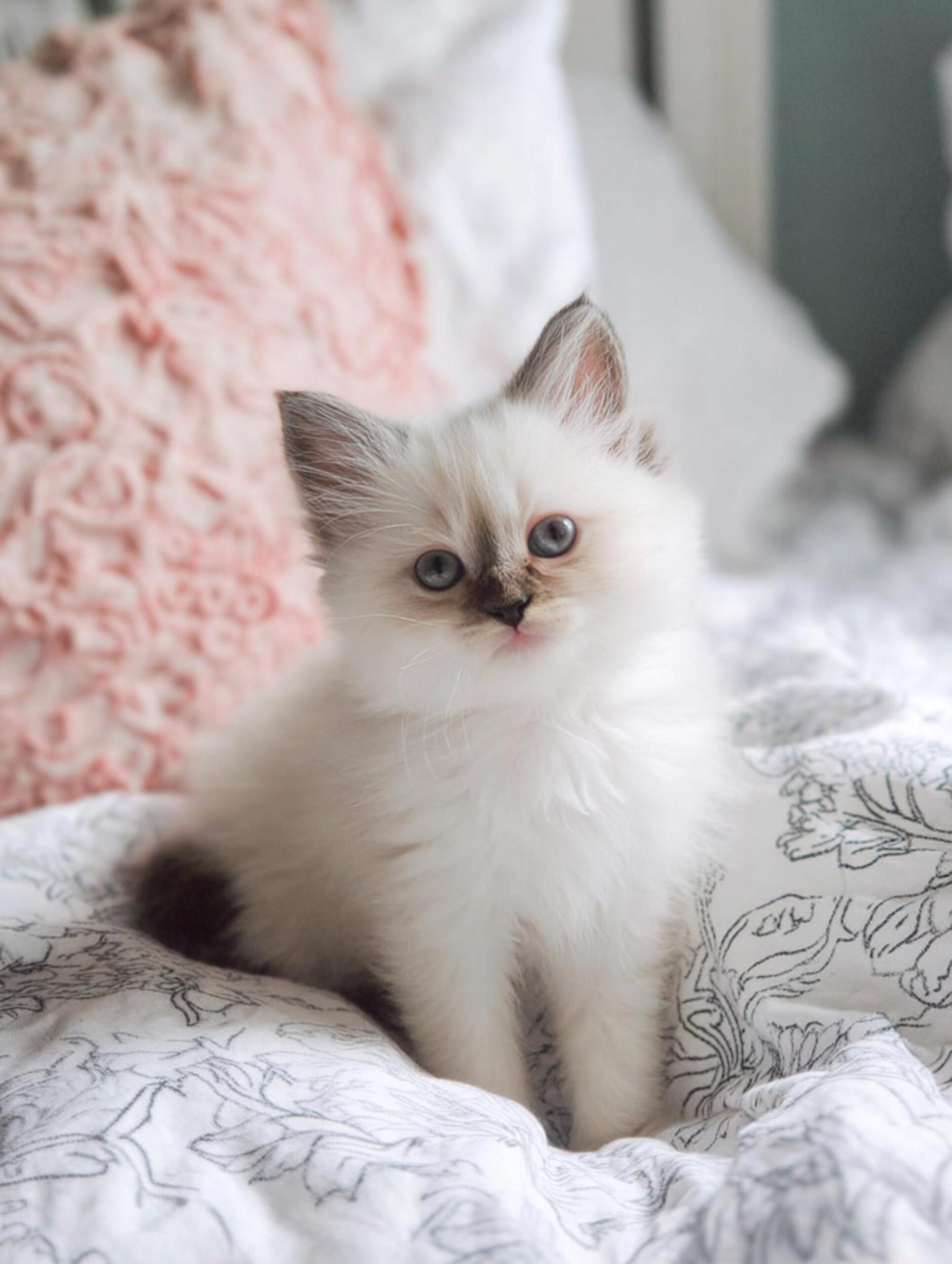
Post Go-Home Kitten Care: What to Expect in the First Days and Weeks
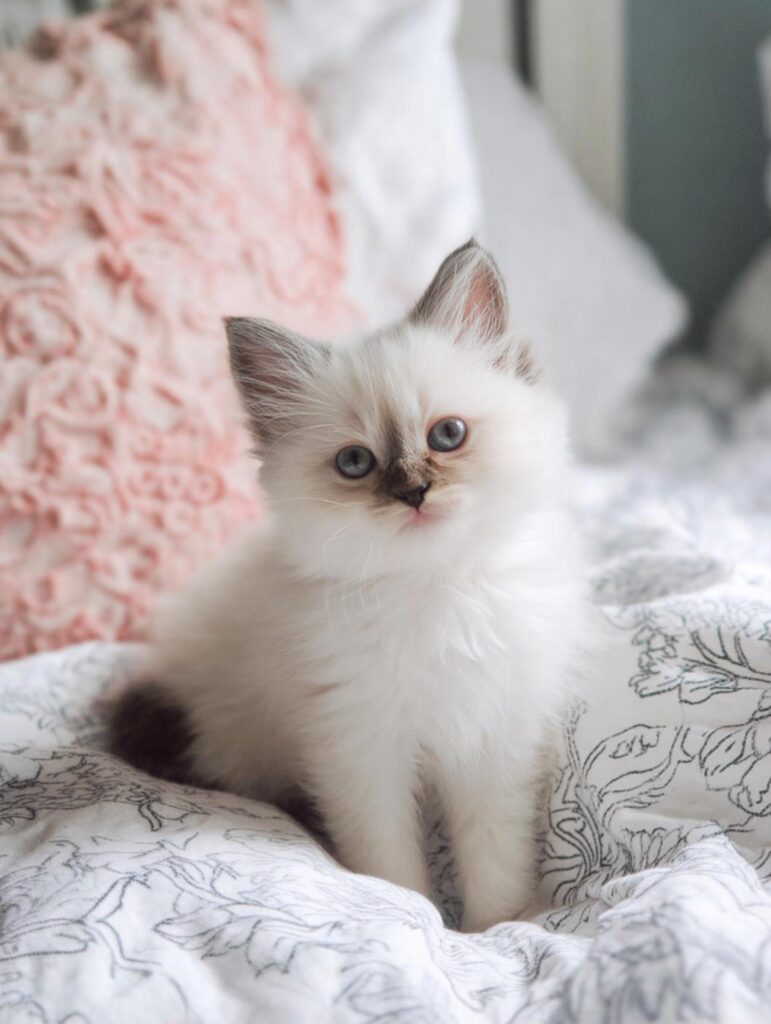
What does post go home kitten care look like? New kitten acting different after coming home? Learn what normal adjustment looks like, common behaviors, red flags, and how to support a smooth transition.
Post go-home kitten adjustment is a normal transition period that occurs when a kitten leaves its birth environment and begins life in a new home. During this time, emotional, behavioral, and physical changes are expected as the kitten adapts to unfamiliar surroundings and routines.
This post explains what is normal, what deserves closer attention, and how to support your kitten through the adjustment process. The goal is preparation, not panic, so owners can respond calmly and appropriately during the early days and weeks.
Post Go-Home Kitten Adjustment Summary
| Topic | What to Expect |
|---|---|
| Adjustment Period | Post go-home adjustment is a normal transition as kittens adapt to a new environment, routines, and people. |
| First 24–72 Hours | Hiding, reduced appetite, extra sleep, and nighttime vocalizing are common and usually temporary. |
| First 1–2 Weeks | Increased exploration, boundary testing, energy bursts, and early attachment behaviors often appear. |
| Physical Changes | Mild digestive upset, temporary stool changes, and occasional sneezing can occur due to stress. |
| Normal Behaviors | Short-term appetite changes, mild loose stool that resolves, and gradual confidence building. |
| Red Flags | Persistent diarrhea or vomiting, lethargy lasting more than a day, labored breathing, or refusal to eat. |
| Stress and Immunity | Stress can temporarily suppress immune response and trigger mild, short-term symptoms. |
| Feeding Guidance | Diet consistency supports digestion. Sudden food changes often cause unnecessary upset. |
| Sleep and Routine | Disrupted sleep is normal. Predictable routines help kittens settle faster. |
| Socialization | Slow introductions and limited visitors prevent overwhelm during early adjustment. |
| Vet Visit | Early veterinary visits establish a health baseline and document adjustment-related changes. |
| Adjustment Timeline | Most kittens settle within two to four weeks, though progress is not linear. |
| Owner Role | Observe calmly, maintain routines, seek care when needed, and avoid rushing the process. |
| Common Mistakes | Overhandling, changing too many variables, and expecting immediate confidence. |
| Key Takeaway | Adjustment is normal. Calm structure and patience lead to long-term stability. |
Why the Go-Home Transition Is a Big Change for Kittens
Going home represents a major shift in a kitten’s world. Even confident, well-socialized kittens experience stress during this transition because multiple foundational elements change at once.
A kitten is suddenly separated from its mother and littermates, who provided constant social contact, warmth, and predictability. This loss alone can temporarily affect behavior, appetite, and sleep patterns.
The new home introduces unfamiliar smells, sounds, lighting, and spatial layout. Household noises, human voices, and daily activity levels may be very different from what the kitten experienced before. At the same time, routines around feeding, water, handling, and rest often change, even when owners follow breeder guidance closely.
Stress during this period is a normal biological response. It reflects the kitten’s nervous system adjusting to change, not a failure of breeding, socialization, or care.
The First 24–72 Hours After Go-Home
The first few days are a decompression phase. Many behaviors that concern new owners during this window are normal and temporary.
Common Normal Behaviors
Hiding is common as kittens seek safety while assessing their new environment. Reduced appetite may occur for a short period as stress affects digestion. Many kittens sleep more than usual as their bodies and nervous systems adjust. Vocalizing at night can happen as kittens respond to separation and unfamiliar surroundings.
These behaviors are expected and typically improve as the kitten begins to feel secure.
What Owners Should Do
Owners should create a quiet, confined safe space where the kitten can rest, eat, and use the litter box without interruption. Keeping routines simple and predictable helps reduce stress and supports faster adjustment.
Overwhelming social interaction should be avoided during this time. Visitors, constant handling, and introductions to other pets can wait. Allow the kitten to initiate contact and exploration at their own pace. This approach builds trust and helps the kitten settle more confidently in the days ahead.
The First 1–2 Weeks After Go-Home
As the initial decompression phase passes, many kittens begin to show noticeable changes in behavior and physical function. This period reflects growing familiarity with the environment and early confidence development, but it can still include fluctuations.
Behavioral Changes You May See
Increased confidence and exploration are common as kittens begin moving beyond their safe space and engaging more with their surroundings. They may start testing boundaries, such as climbing, jumping, or investigating areas they previously avoided. These behaviors reflect curiosity and learning, not disobedience.
Energy levels often shift during this phase. Short, intense play sessions are frequently followed by deep, extended rest. This pattern is normal for growing kittens and supports healthy neurological and physical development.
Attachment behaviors may also begin to form. Some kittens seek proximity, follow their owners from room to room, or show preferences for certain people. Others express attachment more quietly through relaxed body language and proximity rather than overt affection.
Physical Changes That Can Appear
Mild digestive upset can occur during this period, especially if the kitten is adjusting to new feeding schedules, water sources, or activity levels. Temporary stool changes are common and often resolve without intervention.
Minor respiratory symptoms, such as occasional sneezing or mild nasal discharge, may appear as the immune system adapts to new environmental exposures. Stress-related viral flare-ups can also occur, particularly in kittens that carry dormant viruses, and do not necessarily indicate poor health or care.
These changes should improve over time as the kitten settles and stress levels decrease.
Normal Adjustment vs Red Flags
Understanding what falls within normal adjustment and what requires medical attention helps owners respond appropriately without unnecessary worry.
What Is Considered Normal
Short-term appetite changes are common and typically resolve as routines become familiar. Mild loose stool that improves within a short period is often related to stress or minor dietary adjustment. Occasional sneezing without lethargy or breathing difficulty can be normal in the early weeks. Gradual confidence building, even if uneven, is expected during adjustment.
When to Contact Your Veterinarian
Persistent diarrhea or vomiting that does not improve should be evaluated by a veterinarian. Lethargy lasting more than a day, especially when accompanied by reduced appetite or interaction, is not normal for a kitten. Labored or open-mouth breathing requires prompt veterinary attention. Refusal to eat for extended periods, particularly in young kittens, should always be addressed quickly.
Early veterinary input helps distinguish temporary adjustment from medical issues and supports the best outcome for the kitten.
How Stress Affects the Immune System in Kittens
Stress has a measurable effect on a kitten’s immune system. When a kitten experiences sudden environmental change, the body releases stress hormones that can temporarily suppress immune response. This does not mean the immune system is weak. It means it is reallocating energy to adapt to change.
Because of this temporary suppression, symptoms may appear after go-home even when a kitten was healthy before placement. Digestive upset, mild respiratory signs, or viral flare-ups can surface during this window as the body adjusts. These responses are common during transitions and are not unusual in young animals.
These post-go-home symptoms do not indicate poor breeding, poor care, or underlying genetic weakness. They reflect normal biological stress responses in a developing immune system encountering new exposures and routines.
Supportive care helps recovery. Maintaining consistent routines, minimizing additional stress, ensuring proper nutrition and hydration, and seeking timely veterinary input when needed allow the immune system to rebalance and function effectively as the kitten settles.
Because stress-related symptoms can appear during the adjustment period, we recommend that owners understand how kitten insurance works before go-home. Early coverage helps prevent delays in care and avoids confusion if veterinary notes document temporary adjustment-related symptoms.
(See Kitten Insurance Guide)
Feeding and Digestion During the Adjustment Period
Diet consistency is one of the most important factors in supporting a kitten during adjustment. Sudden changes in food, feeding schedule, or portion size place additional strain on a digestive system already adapting to stress.
Sudden food changes can disrupt the balance of gut bacteria, leading to loose stool, gas, or reduced appetite. Even high-quality foods can cause digestive issues when introduced too quickly.
If a food transition is necessary, it should be done gradually over several days by slowly increasing the new food while decreasing the old. This allows the digestive system time to adapt and reduces the risk of gastrointestinal upset.
Hydration and litter box habits should be monitored closely during this period. Adequate water intake supports digestion and overall health, while changes in stool frequency, consistency, or urine output can provide early insight into how well the kitten is adjusting.
Sleep, Play, and Routine Reset
Sleep patterns are often disrupted during the first days and weeks after go-home. Kittens may sleep more than usual during the day and become more active at night as their internal rhythms adjust to a new environment. This shift is normal and typically stabilizes as routines become predictable.
Managing nighttime activity starts with structured daytime play. Short, intentional play sessions that allow the kitten to chase, pounce, and expend energy help reduce nighttime restlessness. Ending play with a meal or quiet interaction can signal the body that it is time to rest.
Appropriate play also reduces stress. Interactive toys that mimic natural movement support mental engagement without overstimulation. Rough handling or constant play can increase arousal and make it harder for kittens to settle.
Routine creates security. Consistent feeding times, play periods, and rest windows help kittens anticipate what comes next, which reduces anxiety and supports faster adjustment.
Socialization Without Overwhelming the Kitten
Early socialization should be thoughtful and paced. Limiting visitors during the first weeks allows the kitten to adjust to its primary environment before managing additional stimulation.
Introducing other pets should be done slowly and intentionally. Gradual scent exchange, visual separation, and supervised interactions help prevent fear and stress. Rushing introductions can create setbacks that take longer to resolve.
Handling should always respect consent. Kittens should be allowed to approach, retreat, and set the pace for interaction. Forced holding or excessive handling can erode trust and increase avoidance behaviors.
Reading kitten body language is essential. Signals such as flattened ears, tucked posture, tail flicking, or sudden freezing indicate stress and the need for space. Relaxed posture, slow blinking, and voluntary proximity indicate growing comfort.
The First Veterinary Visit After Go-Home
The first veterinary visit is an important part of the adjustment process and should typically be scheduled within the timeframe recommended by the breeder or veterinarian, often within the first few days to two weeks after go-home.
During this visit, the veterinarian will document overall health, weight, hydration, heart and lung sounds, digestive status, and any observed symptoms. These notes become part of the kitten’s permanent medical record.
Early notes matter because they establish a baseline for future care and may affect insurance coverage decisions. Even mild findings are documented, which is why timing and preparation are important.
To prepare for the visit, bring any records provided by the breeder, maintain the kitten’s usual diet beforehand, and observe behavior and appetite leading up to the appointment. Providing clear, factual information helps the veterinarian assess the kitten accurately without unnecessary alarm.
How Long Adjustment Typically Takes
There is no single timeline that fits every kitten. Adjustment happens in phases, and it often looks a little messy before it looks settled. The first days and weeks are a short-term adjustment window where changes in behavior, appetite, sleep, and energy are all normal.
Most kittens start to feel more at ease within the first two to four weeks. You may notice them eating more consistently, sleeping more peacefully, and moving through the home with greater confidence. This does not happen overnight. Progress is usually gradual, with good days and quieter days mixed together.
How quickly a kitten settles depends on many factors. Temperament, age, early experiences, household noise, the presence of other pets, and how much change is introduced at once all play a role. Calm homes with predictable routines tend to support faster adjustment, while busy or constantly changing environments can slow things down.
Comparing kittens is rarely helpful. One kitten may act confident on day two while another takes a week to come out of hiding. Neither approach says anything about who they will become long-term. Adjustment speed is not a measure of success.
Owner Responsibility During the Adjustment Period
Your role during this time is to observe without spiraling. Watching your kitten closely is important, but it helps to remember that not every small change is a problem. Many early behaviors resolve on their own as your kitten settles.
That said, timely veterinary care is always part of responsible ownership. If something feels persistent, worsening, or outside what you were told to expect, reaching out early is the right move. Asking a question is never overreacting when it comes to health.
Maintaining insurance and continuous coverage during the adjustment period helps remove hesitation if care is needed. When coverage is in place, decisions can stay focused on what is best for the kitten rather than what feels financially stressful in the moment.
Communication matters too. Sharing clear, calm observations with your veterinarian or breeder leads to better guidance. The goal is not perfection during adjustment. It is support, patience, and giving your kitten the space and structure they need to settle in.
Common Owner Mistakes During Go-Home Adjustment
Most adjustment problems come from good intentions paired with unrealistic expectations. These mistakes are common and easy to avoid once you know what to watch for.
Overhandling
Many owners try to comfort a new kitten by holding, petting, or interacting constantly. This often backfires. Too much handling can increase stress, especially before the kitten feels safe. Giving space builds confidence faster than forcing closeness.
Changing too many variables at once
New food, new litter, new toys, new rooms, new people, and new routines all at the same time overwhelm a kitten. Each change adds stress. Keeping as many things consistent as possible during the first weeks helps the kitten settle more smoothly.
Expecting immediate confidence
Some kittens act bold right away. Others take time. Expecting a kitten to feel confident on day one creates unnecessary worry. Confidence grows through predictable routines and calm experiences, not pressure.
Interpreting stress as permanent behavior
Hiding, vocalizing, reduced appetite, or cautious movement often look alarming to new owners. These behaviors usually reflect stress, not personality. Early behavior does not define who the kitten will become.
When Adjustment Becomes a Pattern That Needs Support
Most kittens adjust with time, but some situations benefit from extra help. Knowing when to step in makes a real difference.
Persistent anxiety
If a kitten remains fearful, withdrawn, or constantly on edge with no improvement over time, additional support may be needed. Ongoing anxiety deserves attention rather than waiting it out.
Ongoing digestive issues
Digestive upset should improve as stress decreases. If loose stool, diarrhea, or vomiting continues, it is time to involve a veterinarian to rule out medical causes.
Failure to thrive
Kittens should steadily gain weight, eat regularly, and show periods of play and engagement. Poor appetite, weight loss, or low energy over time are not part of normal adjustment.
When to seek professional guidance
Reach out when behavior or health concerns persist, worsen, or feel outside normal adjustment patterns. Veterinarians and experienced professionals can help identify whether support, treatment, or changes are needed.
Frequently Asked Questions About Post Go-Home Kitten Adjustment
Is it normal for my kitten to hide after coming home?
Yes. Hiding is one of the most common and normal responses during the first days after go-home. It means your kitten is observing their new environment and looking for safety. As long as your kitten is eating, using the litter box, and gradually becoming more curious, hiding is not a problem.
My kitten barely eats the first day. Should I be worried?
A reduced appetite during the first 24 to 48 hours is common and usually stress-related. Offer familiar food and keep the environment quiet. If your kitten refuses food entirely for an extended period, especially beyond a day in young kittens, contact your veterinarian.
Why is my kitten more active at night?
Kittens often experience sleep pattern disruption during adjustment. They may sleep more during the day and become active at night until routines settle. Structured daytime play and consistent feeding times help reset their rhythm.
How long does it take for a kitten to feel “normal” again?
Most kittens begin to feel more settled within two to four weeks, but adjustment is not linear. Confidence often builds gradually, with ups and downs along the way. Early behavior does not predict long-term temperament.
Is diarrhea or loose stool normal after go-home?
Mild, short-term stool changes can happen due to stress or minor routine changes. This should improve as your kitten settles. Persistent diarrhea, vomiting, or worsening symptoms should be evaluated by a veterinarian.
My kitten sneezes occasionally. Is that normal?
Occasional sneezing without lethargy, appetite loss, or breathing difficulty can occur during adjustment. If sneezing becomes frequent, severe, or is paired with other symptoms, veterinary care is recommended.
Should I pick my kitten up to comfort them?
Comfort is best offered by allowing your kitten to approach you. Forced handling can increase stress, even when intentions are good. Sitting nearby, speaking softly, and letting the kitten initiate contact builds trust faster.
When should I introduce my kitten to other pets?
Introductions should be slow and gradual. Allow your kitten to feel secure in their space before introducing other animals. Rushed introductions often create setbacks that take longer to undo.
When should I schedule the first vet visit?
Follow your breeder’s guidance, but most kittens should be seen within the first days to two weeks after go-home. This visit establishes a health baseline and ensures your kitten is adjusting well physically.
Why does my kitten act confident one day and nervous the next?
Adjustment happens in waves. A kitten may explore confidently one day and retreat the next as they process new experiences. This fluctuation is normal and does not mean progress is lost.
How CENTRAL is routine during the adjustment period?
Routine is extremely important. Consistent feeding times, play periods, and rest help kittens predict what happens next. Predictability reduces anxiety and speeds up adjustment.
When should I stop waiting and seek help?
If your kitten shows persistent lethargy, refuses food, has ongoing digestive issues, labored breathing, or seems stuck in fear with no improvement, seek veterinary or professional guidance. Waiting too long can delay support that helps.
Does early stress mean my kitten will always be anxious?
No. Early stress reflects adjustment, not personality. Most kittens settle well with time, structure, and appropriate support. Early behavior does not define the cat your kitten will become.
What is the biggest mistake new owners make during adjustment?
Trying to rush the process. Adjustment works best when owners slow down, reduce pressure, and allow confidence to build naturally.
How can I help my kitten adjust faster?
Provide a quiet space, keep routines consistent, limit early stimulation, watch without panicking, and respond appropriately when concerns arise. Calm owners create calm kittens.
Final Perspective
Adjustment is normal, not a failure. Early stress, cautious behavior, and temporary changes are part of learning a new environment and do not mean something is wrong.
Calm structure supports confidence. Predictable routines, gentle pacing, and giving your kitten space to settle build security far more effectively than constant intervention.
Preparation prevents escalation. Knowing what to expect allows you to respond thoughtfully instead of reacting emotionally to normal adjustment behaviors.
When concerns are addressed early and appropriately, kittens settle more smoothly and develop long-term stability. Patience, structure, and informed support give your kitten the best foundation moving forward.
Sources & References
- American Veterinary Medical Association (AVMA)
Guidance on stress, behavior changes, and general veterinary care for young animals
https://www.avma.org/resources-tools/pet-owners/petcare - Cornell University College of Veterinary Medicine – Feline Health Center
Research on feline stress, immune response, and common post-transition health concerns
https://www.vet.cornell.edu/departments-centers-and-institutes/cornell-feline-health-center - Merck Veterinary Manual
Clinical information on kitten health, digestive issues, respiratory symptoms, and stress-related responses
https://www.merckvetmanual.com - American Association of Feline Practitioners (AAFP)
Feline behavior, stress management, and environment recommendations
https://catvets.com - International Cat Care (iCatCare)
Evidence-based guidance on kitten behavior, adjustment, and welfare
https://icatcare.org - ASPCA – Cat Care Resources
Owner education on kitten behavior, stress, and early adjustment
https://www.aspca.org/pet-care/cat-care - Veterinary Information Network (VIN)
Professional veterinary education on feline stress, adjustment, and early-life health considerations
https://www.vin.com - AAHA (American Animal Hospital Association)
Guidelines on preventive care, early veterinary visits, and monitoring young animals
https://www.aaha.org/aaha-guidelines











Read the Comments +