
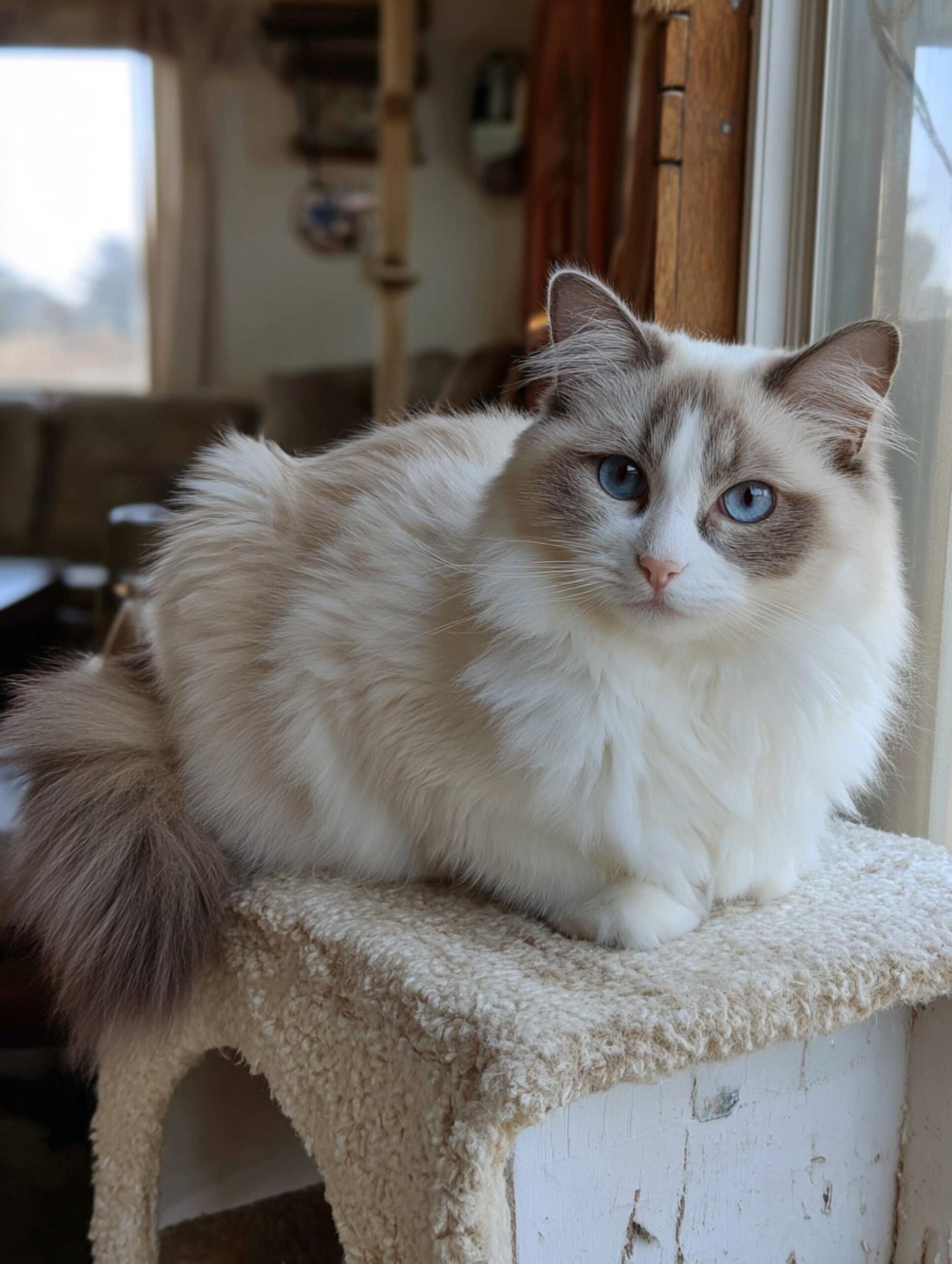
Ragdoll Genetics Explained: What Defines the Breed
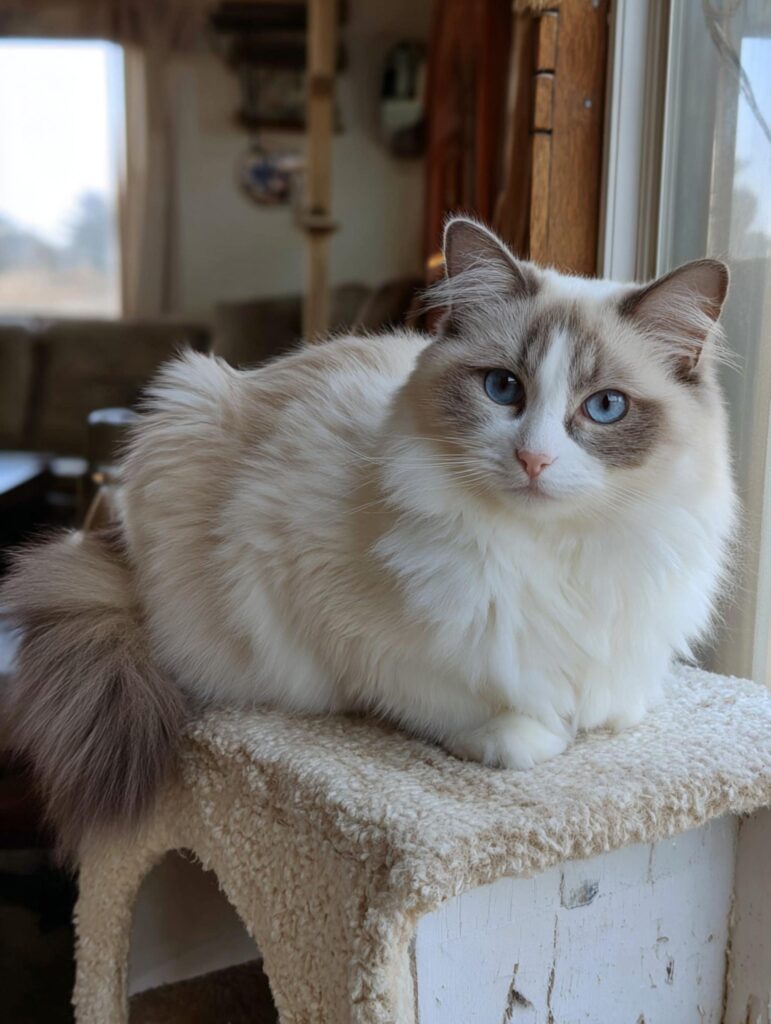
Ragdoll genetics determine far more than coat color and eye shade. While blue eyes and pointed patterns make the breed instantly recognizable, true Ragdoll identity is defined by documented pedigree, preserved genetic architecture, and disciplined multi-generational breeding within recognized registries.
Many cats resemble Ragdolls. Fewer are genetically and structurally Ragdolls.
Understanding Ragdoll genetics requires separating appearance from ancestry. The colorpoint gene explains the blue eyes. Allelic variation explains mink and sepia patterns. COI management explains long-term health stability. Registry documentation explains breed identity.
A Ragdoll is not defined by size alone. Not by blue eyes alone. Not by a DNA similarity score. It is defined by controlled lineage, structured inheritance, and preservation-focused breeding decisions that maintain consistency across generations.
If you want to understand what truly defines a Ragdoll, you must look beyond phenotype and examine the genetic framework that sustains the breed.
Ragdoll Genetics Summary
| Category | What It Means | Why It Matters |
|---|---|---|
| Breed Definition | Documented lineage within recognized registries | Pedigree confirms breed identity, not appearance |
| Genetic Architecture | Organized inheritance across generations | Preserves structure, temperament, and predictability |
| Colorpoint Gene (cs/cs) | Temperature-sensitive allele restricting pigment | Produces pointed coat and blue eyes in traditional Ragdolls |
| Mink Genetics (cs/cb) | One colorpoint allele + one Burmese allele | Creates softer contrast and aqua eye tones |
| Sepia Genetics (cb/cb) | Two Burmese alleles | Produces darker body color and green/gold eyes |
| Eye Color Inheritance | Linked to C locus and influenced by multiple genes | Eye color alone does not define breed identity |
| Phenotype | Observable traits (coat, size, eye color) | Appearance can resemble a breed without pedigree |
| Genotype | Genetic makeup inherited from parents | Determines trait expression and inheritance patterns |
| DNA Panels | Marker comparison to reference databases | Useful for health and color, not proof of pedigree |
| COI (Coefficient of Inbreeding) | Probability of shared ancestry | Balances consistency with genetic diversity |
| Linebreeding | Breeding within related lines | Increases predictability but must be managed |
| Outcrossing | Breeding to less-related cats within the breed | Expands diversity while preserving identity |
| Genetic Bottlenecks | Narrowing of the gene pool | Increases inherited risk if unmanaged |
| Popular Sire Syndrome | Overuse of a single breeding male | Reduces diversity across the breed |
| True Breed Identity | Registry-recognized multi-generational pedigree | Defines the Ragdoll legally and structurally |
Core Takeaway
A Ragdoll is not defined by blue eyes, pointed coat, or size alone. It is defined by documented lineage and preserved genetic architecture maintained through responsible, multi-generational breeding.
If you’d like, I can also give you:
What “Genetic Architecture” Means in Purebred Cats
Genetic architecture refers to the organized framework of genes, inheritance patterns, and lineage structure that defines a breed over time. It is not simply a list of traits. It is the predictable, documented transmission of those traits across generations within a controlled population.
In purebred cats, breeding is structured. Parentage is recorded. Traits are selected intentionally. Health risks are monitored. This differs fundamentally from random domestic populations, where mating is uncontrolled and lineage is undocumented.
Purebred identity is based on controlled lineage. Registries such as The International Cat Association and Cat Fanciers’ Association maintain multi-generational pedigree records to preserve breed integrity. Without documented ancestry, a cat may resemble a breed but does not belong to it within the structured breeding system.
Understanding genetic architecture also requires distinguishing between genotype and phenotype.
- Genotype refers to the genetic makeup — the actual alleles inherited.
- Phenotype refers to observable characteristics — coat pattern, eye color, body size, head shape.
Two cats can share a similar phenotype while possessing entirely different genotypes and pedigrees. Appearance can overlap. Documented lineage does not.
Genetic architecture is the invisible framework that determines whether a cat belongs to a breed or merely resembles one.
The Foundational Gene of the Ragdoll — The Colorpoint Allele
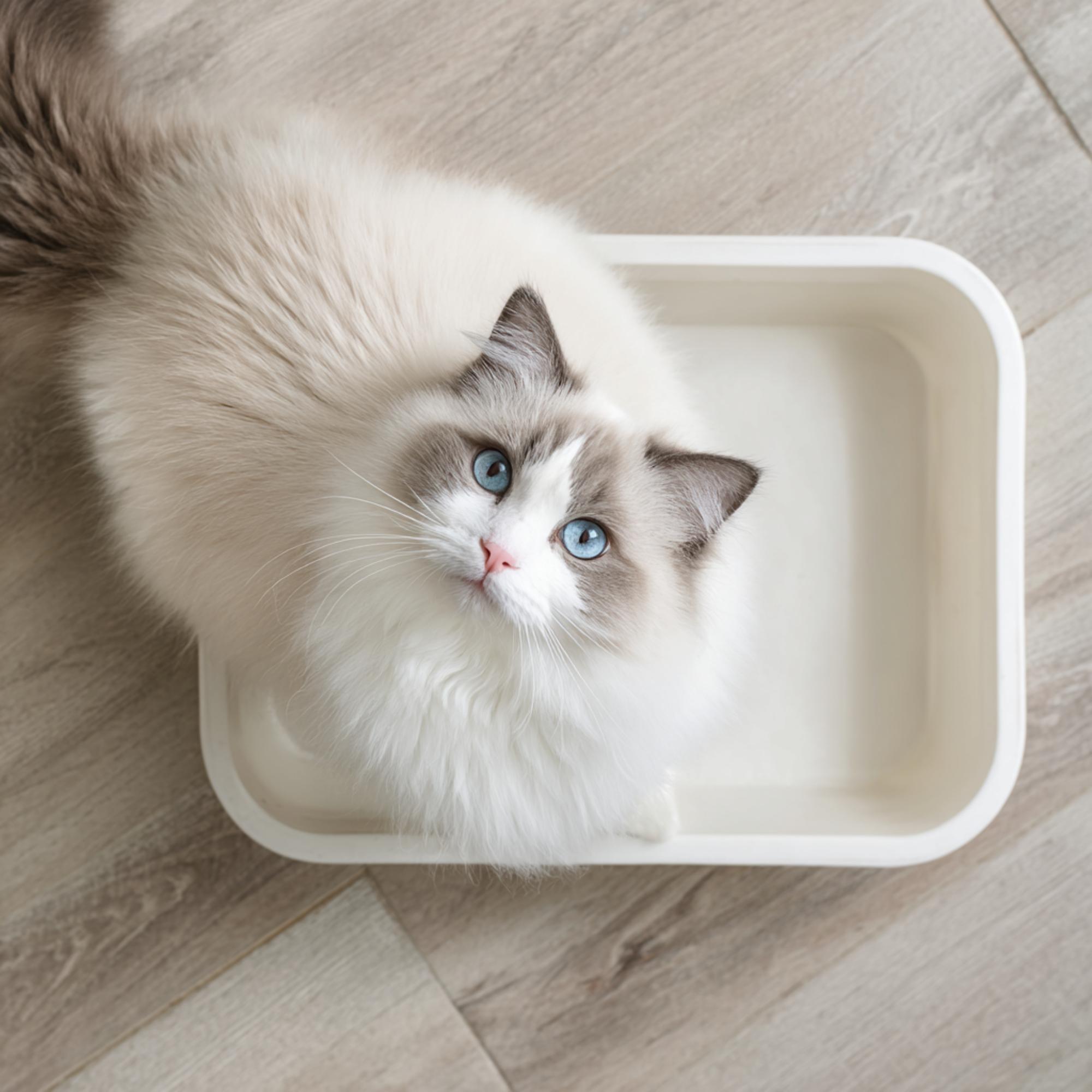
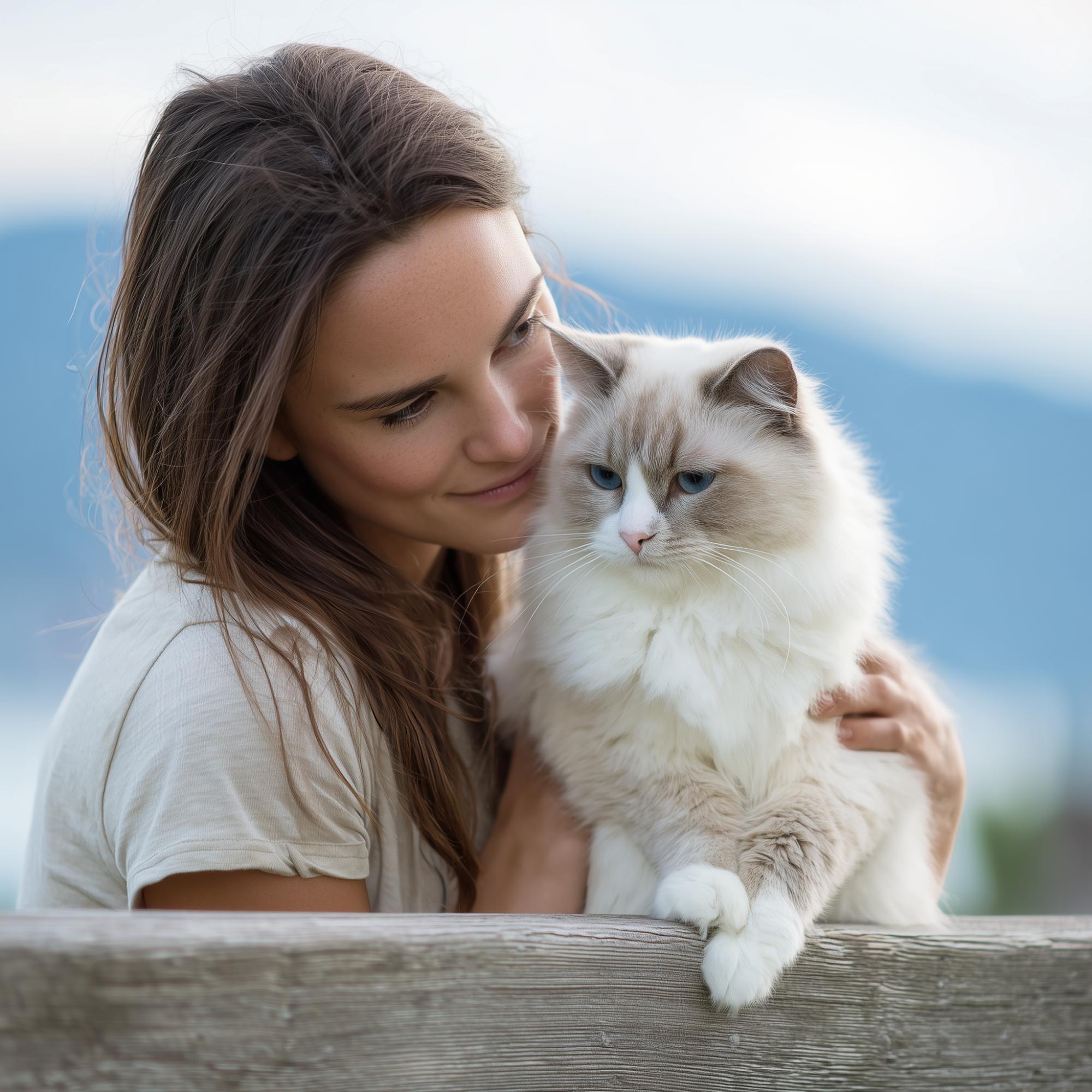
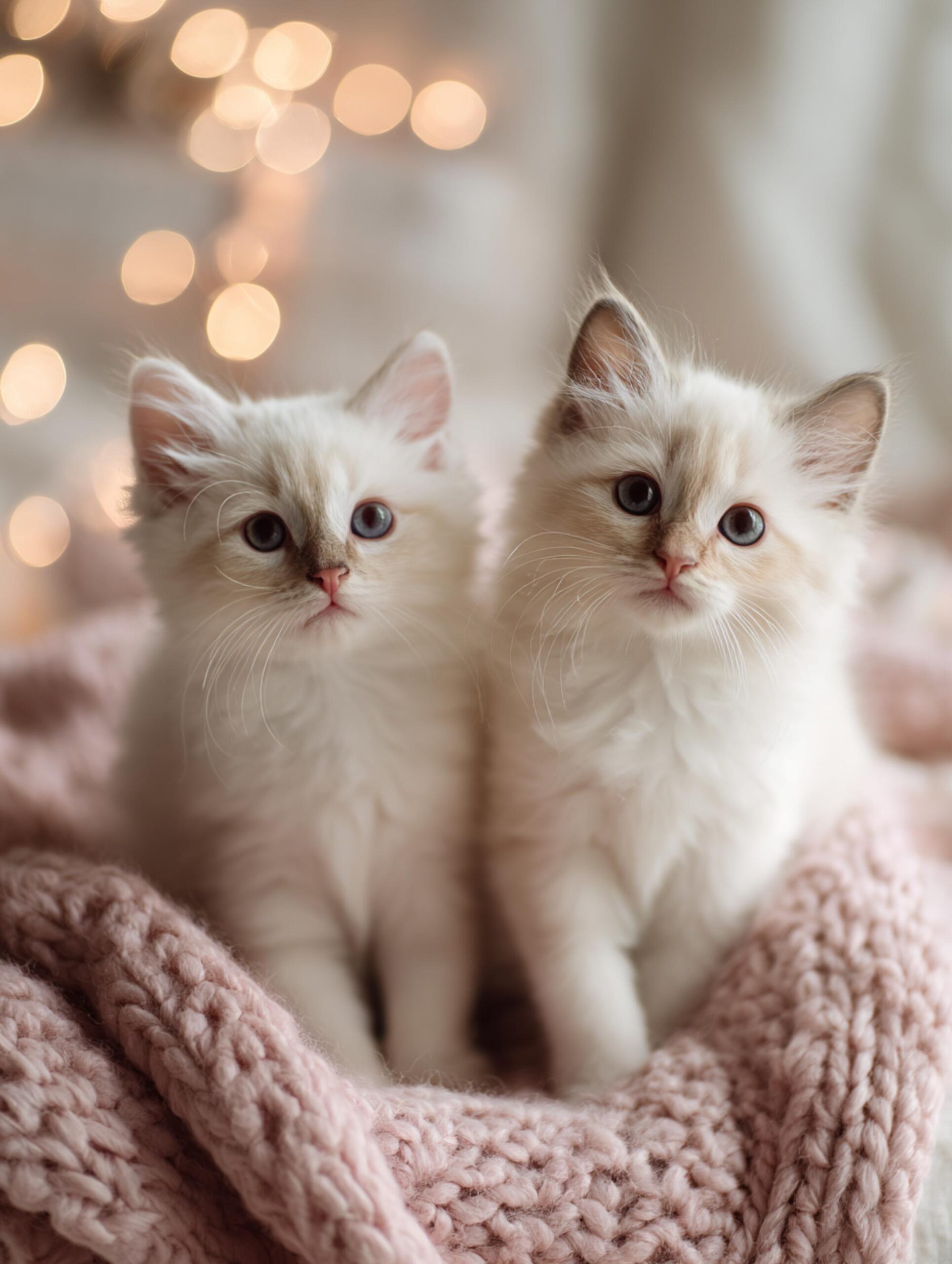
One of the most recognizable features of the Ragdoll is its pointed coat pattern and blue eyes. This appearance is driven by the temperature-sensitive colorpoint allele at the C locus, commonly referred to as cs.
Traditional pointed Ragdolls carry the genotype cs/cs, meaning they inherit the colorpoint allele from both parents. This allele reduces pigment production in warmer areas of the body while allowing pigment to develop in cooler areas such as the face, ears, legs, and tail.
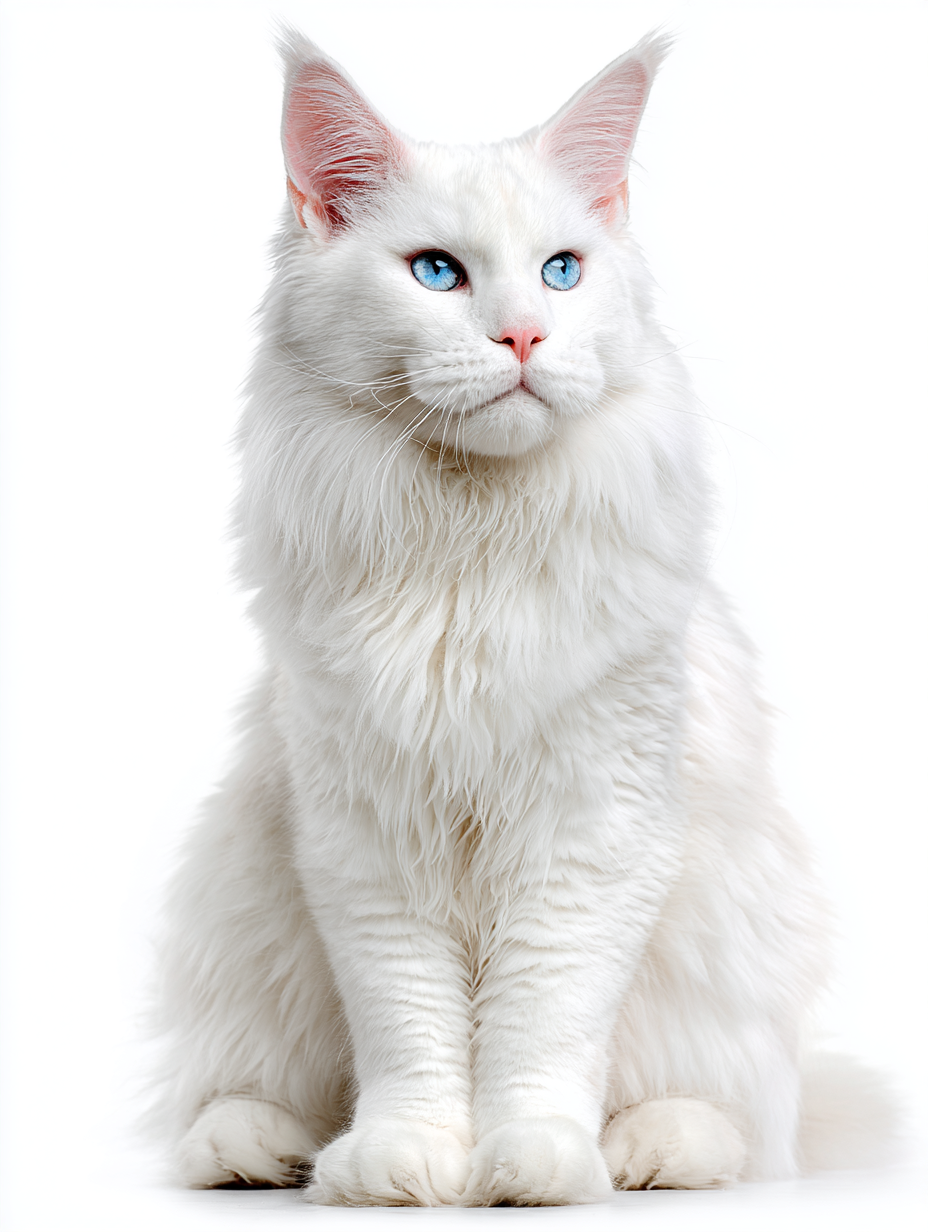
Because this allele affects pigment development in the iris, it produces blue eyes through a partial albinism mechanism. The blue color is not simply cosmetic. It is genetically linked to the pointed expression.
However, the presence of the colorpoint gene alone does not define a Ragdoll.
- Many non-Ragdoll cats also carry the cs allele.
- The pointed pattern exists in other breeds and in domestic populations.
- Blue eyes alone do not confirm breed identity.
The pointed pattern is necessary for traditional Ragdolls, but it is not sufficient to establish pedigree status.
The colorpoint gene shapes the Ragdoll’s appearance, but pedigree defines the Ragdoll’s identity.
Mink and Sepia Ragdolls — Understanding Allelic Variation
To understand mink and sepia Ragdolls, we need to look at one small part of a cat’s DNA called the C locus. This is the area that controls how color shows up in the coat.
There are different versions of this gene, called alleles. The two important ones here are:
- cs = the traditional colorpoint gene
- cb = the Burmese-type gene
Mink Genetics (cs/cb)
A mink Ragdoll has one copy of cs and one copy of cb.
Because it carries both versions, the coat usually has:
- Softer contrast between body and points
- Richer overall color
- Aqua or blue-green eyes
Mink cats are darker at birth than traditional pointed Ragdolls and develop a more blended look as they mature.
Sepia Genetics (cb/cb)
A sepia Ragdoll has two copies of cb.
These cats usually have:
- Even darker body color
- Less contrast between body and points
- Green, gold, or yellow-toned eyes
Sepia cats are born with strong color that does not change as dramatically as traditional pointed kittens.
Important Clarifications
- Mink and sepia are simply predictable gene combinations at the C locus.
- They are not random mutations.
- They do not automatically change breed identity.
If the cat has documented Ragdoll lineage through a recognized registry, mink or sepia pattern does not erase that pedigree.
However, registry acceptance varies. Some registries fully accept mink and sepia. Others only recognize traditional pointed Ragdolls.
The genetics are straightforward. The paperwork determines recognition.
Eye Color Inheritance in Ragdolls
Eye color in Ragdolls is strongly connected to the colorpoint gene.
Why Traditional Ragdolls Have Blue Eyes
Cats with two copies of the cs gene (cs/cs) have restricted pigment production. This affects not only the coat but also the eyes. Because pigment is reduced in the iris, the eyes appear blue.
The blue color is not random. It is genetically linked to the pointed pattern.
Why Blue Shades Can Vary
Even though the colorpoint gene causes blue eyes, the intensity of that blue can vary. This happens because other genes influence how bright or deep the blue appears.
This is called polygenic influence, meaning multiple genes affect the final shade.
So one Ragdoll may have deep sapphire blue eyes, while another has lighter blue. Both can be genetically correct.
Why Eye Color Alone Cannot Determine Breed
Blue eyes are not unique to Ragdolls. Other breeds and even non-pedigreed cats can also have blue eyes.
Similarly:
- Aqua eyes can appear in mink cats
- Green or gold eyes can appear in sepia cats
Eye color tells you something about genes.
It does not tell you the full story about pedigree.
There is a difference between seeing blue eyes and understanding why they are blue.
Eye color is genetically influenced, but it is not a standalone proof of breed.
Linebreeding, Outcrossing, and Genetic Stability
Breeders use different strategies to maintain consistency and health within a breed. Two common strategies are linebreeding and outcrossing.
Linebreeding
Linebreeding means pairing cats that are related, but not too closely, to strengthen certain traits within a family line.
It helps:
- Consolidate desired traits
- Increase predictability in kittens
- Maintain consistent type and temperament
However, it also increases homozygosity, meaning kittens are more likely to inherit identical gene copies. If not managed carefully, this can increase the chance of recessive health issues appearing.
Linebreeding is a tool. It requires skill and careful planning.
Outcrossing
Outcrossing means breeding to a less-related Ragdoll within the same documented breed.
It helps:
- Expand genetic diversity
- Reduce concentration of recessive traits
- Lower certain genetic risks
However, outcrossing must still remain within documented registry lineage. Breeding outside the recognized breed structure changes identity.
Outcrossing improves diversity.
Linebreeding improves consistency.
The Key Clarification
Neither linebreeding nor outcrossing automatically defines good or bad breeding.
Both are tools.
Both can be used responsibly or irresponsibly.
Breed integrity depends on how thoughtfully those tools are used, not which one is chosen.
COI (Coefficient of Inbreeding) and Breed Health
The Coefficient of Inbreeding, or COI, is a number that estimates how closely related a cat’s parents are. It measures the probability that a kitten receives the same version of a gene from both sides of its family tree.
In simple terms, COI tells us how much shared ancestry exists in a pedigree.
How COI Works
If two cats share common ancestors, their kittens have a higher chance of inheriting identical gene copies. This is called homozygosity. Homozygosity is not automatically bad. It can help stabilize desirable traits like:
- Consistent head type
- Predictable coat pattern
- Reliable temperament
However, increased homozygosity also raises the likelihood that hidden recessive genes will pair up and express themselves.
That is where risk comes in.
The Relationship Between Homozygosity and Recessive Risk
Many health conditions are carried silently in a population. They only appear when a kitten inherits two copies of a recessive gene.
When COI rises too high:
- The chance of recessive conditions increases
- Genetic diversity decreases
- The gene pool becomes narrower
But eliminating shared ancestry entirely is not realistic or even desirable in purebred populations. Without some level of controlled linebreeding, a breed can lose consistency in type and temperament.
The Balance Between Stability and Diversity
Extremely low COI without structured pedigree planning can dilute predictability. Type may become inconsistent. Desired traits may disappear. Breed identity can weaken.
Extremely high COI increases genetic risk. Health issues may surface more frequently. Diversity declines.
The goal is not zero inbreeding. The goal is thoughtful management.
Moderation preserves both type and vitality.
Genetic management is not about avoiding inbreeding entirely; it is about managing it strategically.
Genetic Bottlenecks in Popular Breeds
A genetic bottleneck happens when a breed’s gene pool becomes too narrow. This can happen for several reasons.
Founder Effect
Many breeds begin with a small number of foundation cats. When a limited group forms the base of a breed, all future generations trace back to those few individuals.
This is called the founder effect. It naturally limits genetic diversity from the beginning.
Popular Sire Syndrome
In high-demand breeds, one winning or highly promoted male may be bred extensively. This is known as popular sire syndrome.
When one cat produces a large percentage of the next generation:
- His strengths spread widely
- His hidden weaknesses spread just as widely
Even if that sire is healthy, concentrating one genetic line reduces overall diversity.
Shrinking Gene Pools in High-Demand Breeds
As popularity increases, breeding may focus on specific looks or winning lines. Over time:
- Fewer families dominate the pedigree
- Unused lines disappear
- Genetic variation narrows
This happens gradually and often without immediate visible warning signs.
Why This Matters
Genetic bottlenecks can lead to:
- Increased concentration of inherited diseases
- Reduced ability to adapt to new health challenges
- Greater sensitivity to environmental stressors
- Structural drift when diversity narrows around a narrow visual type
Because these changes happen internally, they are not obvious in photographs. A cat can look beautiful and still represent a narrowing gene pool.
That is why responsible breeders monitor lineage depth, diversity, and COI together.
Genetic bottlenecks are invisible in photographs, but they shape the future of a breed.
Why Phenotype Does Not Equal Pedigree
Phenotype simply means what you can see. It includes observable traits such as:
- Coat pattern
- Eye color
- Body size
- Head shape
- Overall appearance
Phenotype describes how a cat looks. It does not describe its documented ancestry.
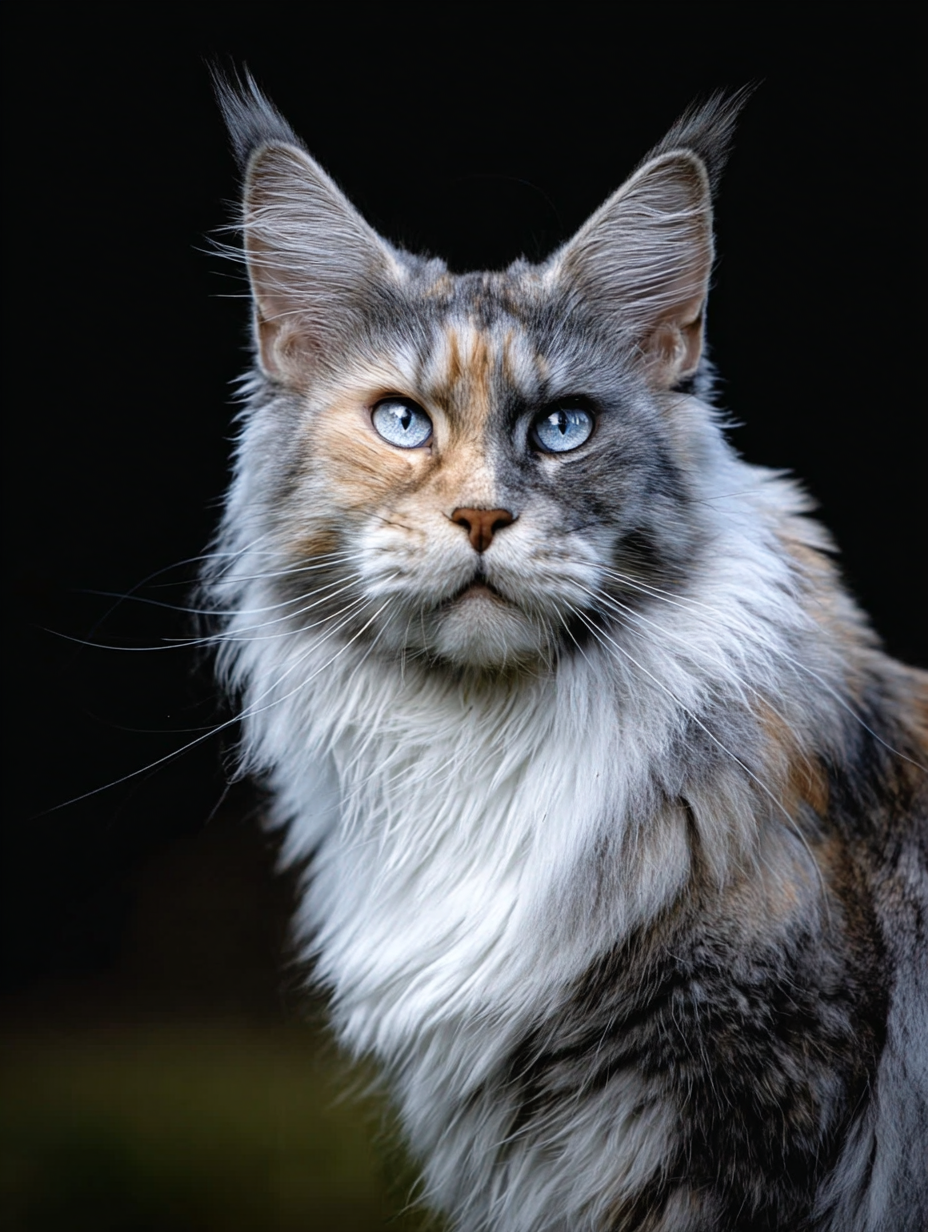
A cat can look like a Ragdoll without being a Ragdoll.
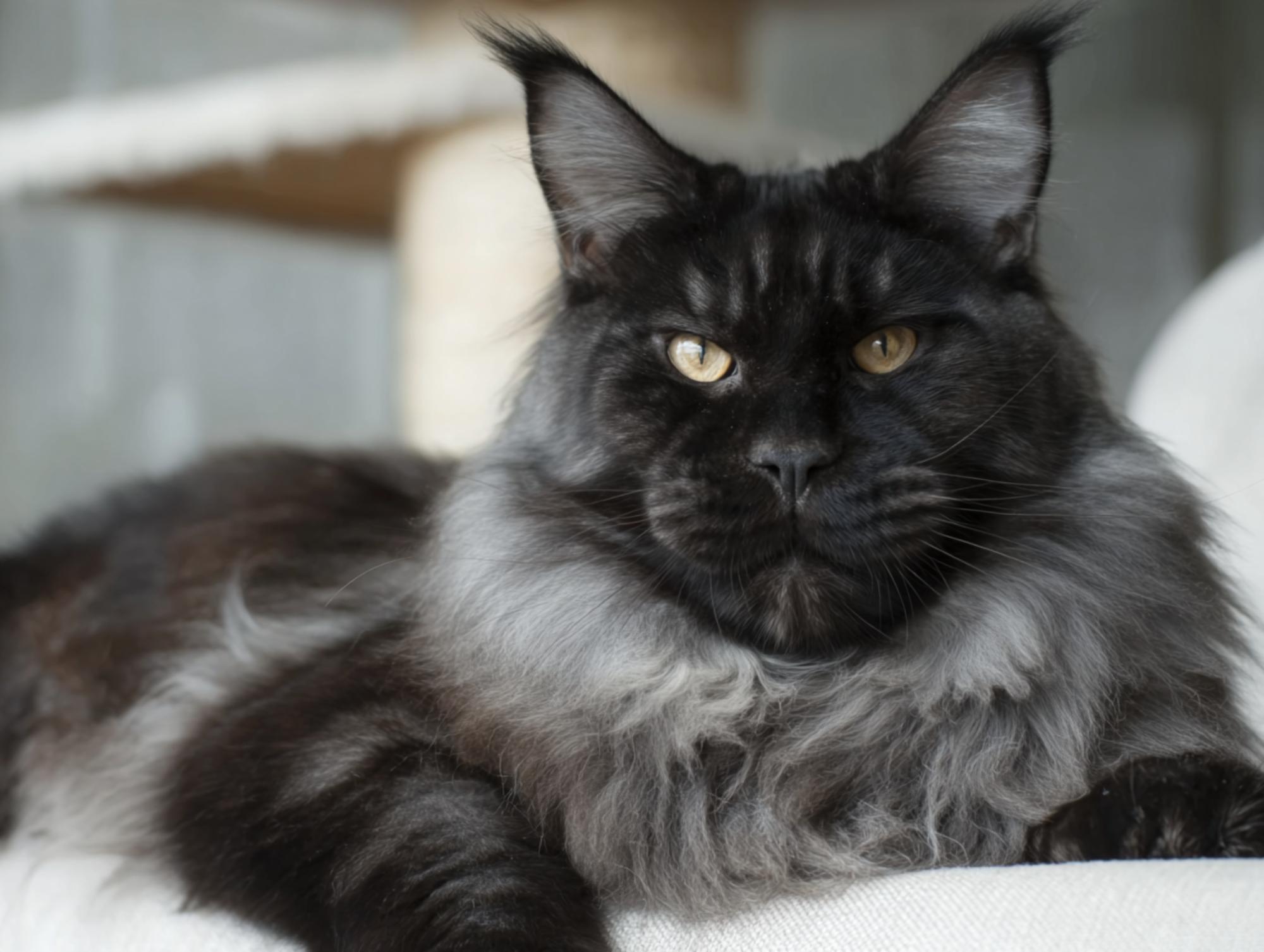
Domestic longhair cats can resemble Ragdolls in size and coat length. Pointed coats appear in many breeds and mixed-breed populations. Blue eyes are not unique to Ragdolls. Even a large, affectionate cat with a silky coat is not automatically a registered purebred.
Appearance alone cannot confirm breed identity because many traits overlap across populations.
- Domestic longhairs can resemble Ragdolls.
- Pointed coats exist outside the breed.
- Size alone is not breed confirmation.
- Blue eyes are not breed confirmation.
What defines a purebred is documented lineage through recognized registries, not visual similarity.
Resemblance is not identity.
Why DNA Panels Cannot Prove Breed Identity
Commercial DNA panels are useful tools, but they are often misunderstood.
These tests analyze genetic markers and compare them to proprietary databases. The results are estimates based on similarity to cats already in their reference pool. They can identify:
- Certain health risks
- Coat color genes
- Some trait markers
However, DNA panels do not reconstruct documented multi-generational pedigree records. They cannot trace ownership history, confirm registry transfers, or verify structured lineage maintained by organizations such as The International Cat Association or Cat Fanciers’ Association.
A DNA report might say a cat has markers commonly found in Ragdolls. That does not mean the cat is a registered Ragdoll with verified ancestry.
DNA testing is valuable for health screening and understanding genetic traits. It supports responsible breeding. But it does not replace official pedigree documentation.
A DNA panel can identify genetic traits, but only a registry pedigree confirms breed lineage.
How Registry Documentation Defines the Ragdoll
In the purebred world, a breed is defined by documented lineage, not by appearance. Organizations such as The International Cat Association and Cat Fanciers’ Association maintain the official framework that establishes what qualifies as a Ragdoll.
Multi-Generational Pedigree Tracking
Registries record family trees across multiple generations. Each registered kitten has:
- Documented parents
- Documented grandparents
- Traceable lineage within the breed
This pedigree record confirms that the cat descends from recognized Ragdoll lines within the registry system.
Recorded Parentage
Every breeding pair is recorded. Litters are registered. Parent cats must themselves be registered. This creates a continuous chain of documented ancestry.
Without this chain, breed identity cannot be verified within the purebred structure.
Controlled Transfers
When ownership changes, transfers are recorded. This ensures that breeding rights, show eligibility, and registration status are properly tracked. The registry system provides structural accountability.
Structured Breeding Oversight
Registries establish standards for:
- Breed definition
- Registration requirements
- Recognition of new lines
- Show eligibility
While registries do not micromanage every breeding decision, they create the formal framework that defines breed membership.
Registry documentation defines the Ragdoll legally and structurally within the purebred framework. Without it, a cat may resemble a Ragdoll, but it is not recognized as one in the organized breeding world.
The Long-Term Responsibility of Preservation Breeding
Preservation breeding goes beyond producing beautiful kittens. It requires long-term planning and disciplined genetic management.
Multi-Generational Planning
Preservation breeders think in decades, not seasons. They evaluate:
- How traits are passed down
- How lines complement one another
- How structural balance is maintained
- How temperament remains consistent
Each pairing is part of a larger plan.
Health Panel Screening
Responsible programs use genetic testing and veterinary screening to monitor inherited risks. Health panels identify carriers and help guide pairing decisions.
Testing supports the breed’s long-term vitality.
COI Monitoring
Tracking the Coefficient of Inbreeding helps breeders maintain balance between predictability and diversity. Avoiding both excessive inbreeding and careless dilution protects structural integrity and health.
Temperament Tracking
Ragdolls are defined as much by temperament as by structure. Preservation requires:
- Evaluating adult behavior
- Monitoring stability across generations
- Selecting breeding cats for disposition, not appearance alone
Avoiding Genetic Narrowing
When breeding focuses too heavily on a narrow look or a popular line, diversity shrinks. Preservation breeders actively avoid genetic bottlenecks by managing lineage thoughtfully.
Balancing Structure with Vitality
A Ragdoll must be structurally correct and physically robust. Overemphasis on one trait can weaken another. Balance protects the breed as a whole.
Preservation is proactive, not reactive. It anticipates long-term outcomes rather than responding to problems after they appear.
It protects both genetic diversity and breed identity for future generations.
Frequently Asked Questions About Ragdoll Genetics and Breed Identity
What genetically defines a Ragdoll?
A Ragdoll is defined by documented lineage within recognized registries such as The International Cat Association and Cat Fanciers’ Association. While specific genes like the colorpoint allele shape appearance, breed identity is established through recorded pedigree and controlled multi-generational breeding.
See Ragdoll Cat Breed Standard
Are all blue-eyed pointed cats Ragdolls?
No. The colorpoint gene and blue eyes appear in multiple breeds and mixed-breed populations. A cat can look like a Ragdoll without having documented Ragdoll ancestry.
What is the difference between genotype and phenotype?
Genotype refers to a cat’s genetic makeup.
Phenotype refers to observable traits such as coat color, eye color, and size.
Two cats can share a similar phenotype while having completely different pedigrees.
See Ragdoll Cat Standard Modern Trends: Are We Drifting? for more info.
Can a DNA test prove my cat is a Ragdoll?
No. Commercial DNA panels compare genetic markers to reference databases. They can identify health risks and color genes, but they do not reconstruct verified multi-generational pedigrees. Only registry documentation confirms breed lineage.
What is the colorpoint gene in Ragdolls?
The colorpoint gene (cs) is temperature-sensitive and restricts pigment to cooler parts of the body. Traditional Ragdolls carry two copies (cs/cs), which produce the pointed coat and blue eyes.
What are mink and sepia Ragdolls?
Mink Ragdolls carry one colorpoint allele (cs) and one Burmese allele (cb).
Sepia Ragdolls carry two Burmese alleles (cb/cb).
These combinations change coat contrast and eye color. Breed identity depends on documented lineage, not pattern variation alone.
What is COI and why does it matter?
COI stands for Coefficient of Inbreeding. It measures how closely related a cat’s parents are. Moderate COI management helps maintain consistency while protecting genetic diversity and health.
What is popular sire syndrome?
Popular sire syndrome occurs when one male is bred extensively, narrowing genetic diversity within the breed. Overuse of certain lines can increase inherited risk concentration over time.
Why does registry documentation matter so much?
Registries maintain structured pedigree records. They document parentage, transfers, and lineage across generations. Without this documentation, breed identity cannot be formally confirmed within the purebred system.
Can a large fluffy cat with blue eyes still not be a Ragdoll?
Yes. Size, coat length, and eye color are visible traits, but they do not confirm ancestry. Only documented pedigree establishes breed identity.
Why does preservation breeding focus on genetic architecture?
Preservation breeding protects both the visible structure and the invisible genetic framework of the breed. It balances diversity, health screening, temperament consistency, and structural moderation over multiple generations.
See Best Health-testing Ragdoll breeders in the USA for more info.
What truly defines a Ragdoll?
A Ragdoll is defined by documented lineage, preserved genetic architecture, and disciplined breeding aligned with official breed standards. Appearance alone is not enough.
Final Perspective — What Actually Defines a Ragdoll
At first glance, a Ragdoll seems easy to recognize. Blue eyes. Pointed coat. Large size. Soft expression. But none of those traits alone define the breed.
Colorpoint does not define the breed by itself.
Many cats outside the Ragdoll population carry the same temperature-sensitive gene.
Eye color does not define the breed by itself.
Blue, aqua, green, or gold eyes reflect genetic combinations, not pedigree status.
Size does not define the breed by itself.
Large domestic longhairs exist without any documented Ragdoll ancestry.
DNA similarity does not define the breed by itself.
Commercial testing compares markers, but it does not reconstruct verified lineage.
Breed identity in the structured purebred world rests on something deeper and less visible.
A true Ragdoll is defined by:
- Documented lineage within recognized registry systems
- Preserved genetic architecture across generations
- Disciplined structural selection aligned with the written standard
- Registry-recognized pedigree that confirms ancestry
These elements work together. Remove one, and the framework weakens.
A Ragdoll is not simply a look. It is a recorded, preserved, and intentionally maintained population built through multi-generational planning.
Ragdoll identity is defined by documented lineage and preserved genetic architecture, not visual resemblance alone.
See Ragdoll Cat Complete Breed Guide for more info.
Related Ragdoll Cat Guides & Resources
The following articles provide focused explanations and practical detail on specific aspects of Ragdoll ownership:
- Ragdoll Temperament Explained
A focused explanation of personality traits, emotional sensitivity, and everyday behavior. - Ragdoll Kittens vs Adult Ragdolls
A clear comparison of temperament development, predictability, cost, and adjustment expectations. - Ragdoll Size, Weight & Growth Chart
A breakdown of growth stages, size ranges, and what healthy development looks like from kittenhood through maturity. - Ragdoll Cat Health and Longevity Guide
An overview of common health considerations, lifespan expectations, genetics, and preventative care. - Best Diet for Ragdoll Cats
Feeding principles, moisture needs, protein requirements, and common nutrition mistakes. - Ragdoll Grooming and Shedding Guide
Coat care routines, shedding expectations, and practical grooming maintenance. - How Much Does a Ragdoll Cat Cost?
Purchase price ranges, ongoing expenses, and long-term cost planning. - How to Choose a Ragdoll Breeder
What responsible breeders prioritize, questions buyers should ask, and warning signs to avoid. - Ragdoll Cat Breed Standard
Everything you want to know about the original ragdolls. - Pet Insurance for Ragdoll Cats
When to enroll, what coverage supports, and why insurance matters for this breed.
Sources
Official Ragdoll Registry Standards and Pedigree Framework
- The International Cat Association (TICA). Ragdoll Breed Standard & Registration Rules.
https://tica.org - Cat Fanciers’ Association (CFA). Ragdoll Breed Standard & Breed Council Guidelines.
https://cfa.org
Coat Color Genetics & C Locus Information
- UC Davis Veterinary Genetics Laboratory. Cat Coat Color Genetics — C Locus (Colorpoint and Burmese Alleles).
https://vgl.ucdavis.edu - Cornell University College of Veterinary Medicine. Basic Principles of Feline Genetics and Inheritance.
https://www.vet.cornell.edu
Genetic Diversity and Breeding Management Principles
- World Small Animal Veterinary Association. Responsible Breeding and Genetic Health Guidelines.
https://wsava.org - American Veterinary Medical Association. Genetic Diversity and Responsible Breeding Practices.
https://avma.org





Read the Comments +