
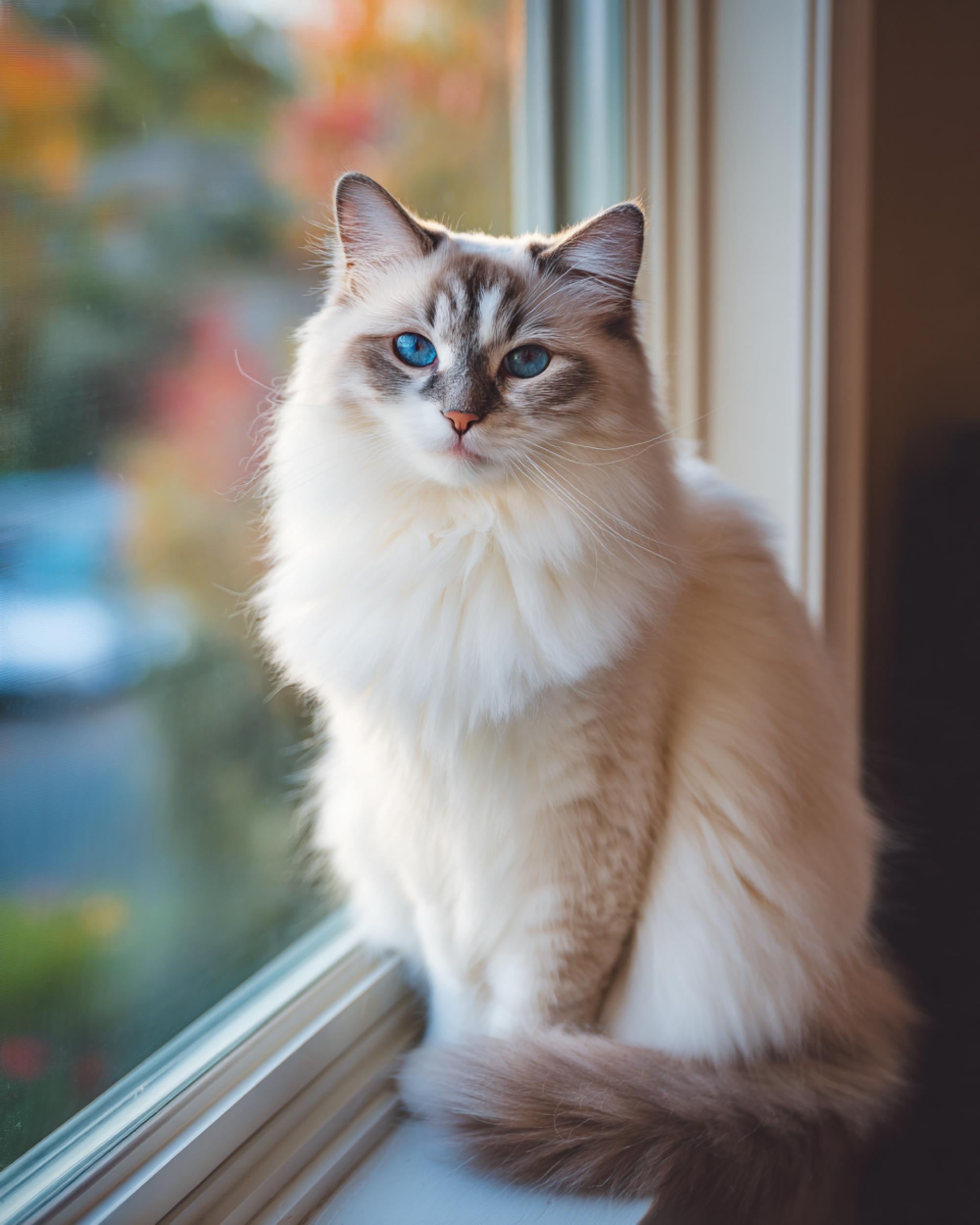
Temperament Predictability in Pedigreed Ragdolls — Myth vs Measurable Traits
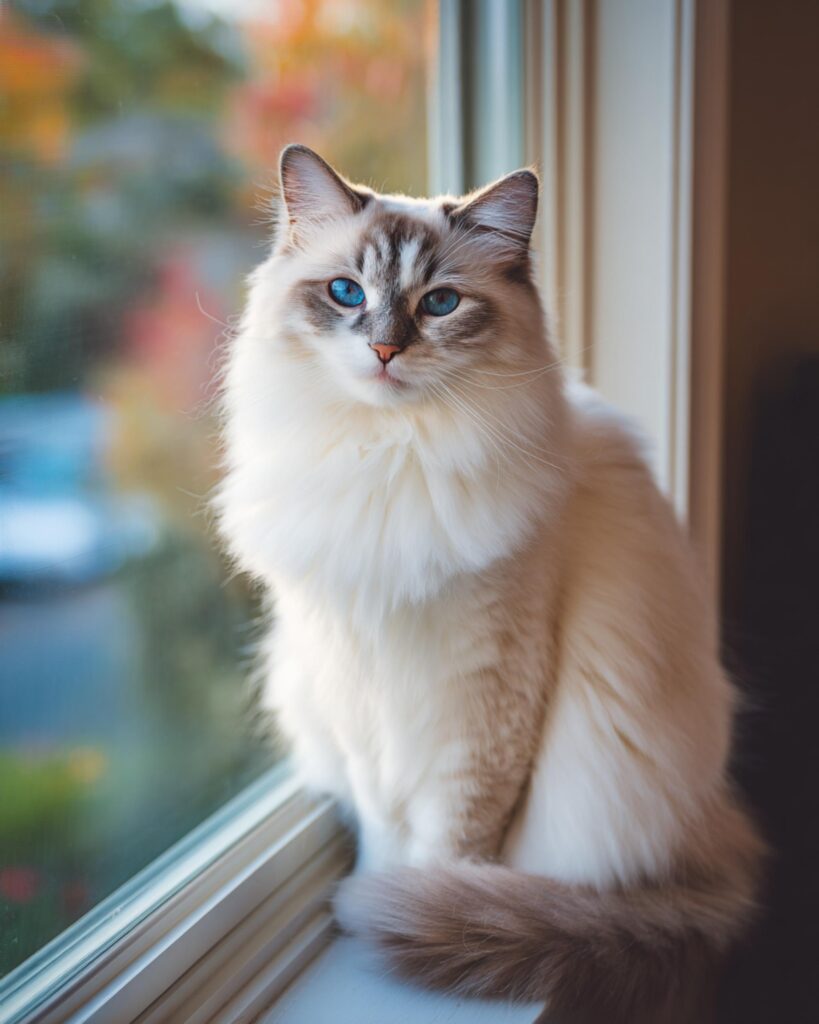
Ragdolls are widely described as affectionate, relaxed, and people-oriented—but how predictable is that temperament in reality? Within the framework of Ragdoll preservation breeding, temperament is not a marketing slogan; it is a trait shaped by genetics, selection pressure, and early developmental handling.
This guide separates marketing myths from measurable traits by examining heritability, early neurological stimulation, handling windows, and multi-generational line consistency. If you want to understand what truly influences Ragdoll temperament predictability, this is the framework.
Summary Table — Temperament Predictability in Ragdolls
| Category | Key Insight | Why It Matters |
|---|---|---|
| Breed Reputation | Ragdolls are widely described as affectionate and relaxed | Reputation reflects trends, not guarantees |
| Heritability | Behavioral traits such as sociability and stress recovery have genetic components | Stable parents increase probability of stable offspring |
| Polygenic Traits | Temperament is influenced by multiple genes | No single gene controls “docility” |
| Multi-Generational Selection | Consistent pairing of stable adults improves line consistency | Predictability strengthens over time |
| Early Neurological Stimulation | Supports stress resilience and adaptability | Enhances genetic stability but cannot override poor genetics |
| Socialization Window (2–16 weeks) | Critical period for confidence formation | Missed exposure increases variability |
| Environmental Stability | Post-placement routine affects long-term expression | Stability preserves early developmental gains |
| Coat Color | Controlled by pigmentation genes only | No proven link to personality traits |
| Line Consistency | Repeated behavioral patterns across related cats | Strong indicator of predictability |
| Backyard Variability | Lack of structured selection and tracking | Greater temperament fluctuation |
| Registry Documentation | Tracks lineage and supports pattern observation | Enables long-term behavioral selection strategy |
| Measurable Evaluation | Startle recovery, handling tolerance, exploration willingness | Observation is more reliable than adjectives |
| Long-Term Satisfaction | Temperament determines daily life experience | Behavior matters more than appearance |
Temperament predictability in the Ragdoll is influenced more by lineage selection, early handling, and structured socialization than by coat color or individual luck.
What People Mean When They Say “Ragdoll Temperament”
The Common Reputation
When people describe Ragdoll temperament, they usually mean:
- Affectionate and people-focused
- Low aggression threshold
- Tolerant of handling
- Social with family members
- Moderate energy rather than hyperactive
These traits appear consistently in breed standards and breeder descriptions. Many well-bred Ragdolls do exhibit these tendencies. However, reputation and statistical predictability are not the same thing.
The breed’s calm demeanor developed through selective breeding for stability and handling tolerance. That does not mean every individual expresses those traits equally.
The Problem With Generalizations
Several issues distort public understanding of temperament predictability:
- A breed description does not guarantee an identical outcome in every kitten.
- Internet repetition amplifies simplified phrases like “puppy-like” or “always docile.”
- Temperament marketing often ignores the underlying genetic architecture that produces behavioral consistency.
Online summaries compress complex behavioral science into a few appealing adjectives. Over time, those adjectives begin to sound like guarantees.
In reality, temperament is a spectrum influenced by genetics, early development, and environment—not a fixed personality template.
Myth vs Measurable Traits
Myth: “All Ragdolls Are Naturally Docile”
Reality
Docility is not automatic. It is selected.
- Docility varies by breeding line.
- Selection pressure determines how consistently stable behavior appears across generations.
- Backyard litters often show higher variability because temperament is not systematically evaluated or tracked.
In preservation programs, breeders remove reactive, highly anxious, or unstable cats from breeding pools. Over multiple generations, this increases predictability. In unstructured programs, temperament outcomes fluctuate widely because no long-term behavioral selection framework exists.
Docility is a selected trait, not a random gift of the breed name.
Myth: “Blue Eyes and Colorpoint Equal Sweet Personality”
Reality
- Coat color genes operate independently from behavioral genes.
- There is no proven genetic linkage between color pattern and sociability.
The colorpoint pattern and blue eyes are part of the visual identity of the Ragdoll. They are controlled by pigmentation genes that influence coat and eye color—not neural development or stress response.
Choosing a kitten based on seal bicolor versus blue mitted does not increase or decrease the probability of affectionate behavior. Color is cosmetic. Temperament is neurological and genetic.
Myth: “Temperament Is Just How You Raise Them”
Reality
Socialization matters. Environment matters. Handling matters.
But baseline temperament is strongly influenced by inherited traits.
Two kittens raised in identical environments can show different:
- Startle recovery times
- Confidence levels
- Social boldness
- Sensitivity to restraint
Inherited predispositions shape how the brain processes stress, novelty, and human interaction.
Early handling enhances stability. It does not manufacture it from unstable genetics.
The most predictable Ragdoll temperaments emerge when:
- Stable parents are selected over multiple generations
- Early neurological stimulation supports resilience
- Handling windows are used intentionally
- Socialization timing aligns with neurological development
Temperament predictability is not accidental. It is the product of measurable inputs across genetics and development.
The Heritability of Temperament in Ragdolls
What Is Heritability?
In the context of the Ragdoll, heritability refers to the statistical contribution of genetics to behavioral traits. It does not mean a behavior is fixed or guaranteed. It means a measurable portion of temperament variation within the breed can be traced to inherited genetic factors.
Heritability is not one hundred percent. Environment, early handling, and life experience matter. But genetics provide the baseline upon which those environmental factors build.
In Ragdolls, heritable behavioral tendencies commonly influence:
- Sociability toward humans
- Startle response to sudden stimuli
- Stress recovery speed after novel experiences
- Tolerance for restraint and handling
- Vocalization tendency
For example, a kitten from two calm, human-oriented parents is statistically more likely to display similar sociability and stress resilience than a kitten from anxious or reactive parents. That probability increases when those traits have been selected consistently over multiple generations.
Heritability does not eliminate variation. It shifts the odds toward consistency.
Polygenic Behavioral Architecture
Temperament traits in Ragdolls are polygenic. That means they are influenced by multiple genes interacting together rather than a single “personality gene.”
Key characteristics of this architecture include:
- Multi-gene influence across neural development pathways
- No single gene determining docility or affection
- Expression shaped gradually through selective breeding
Because temperament is polygenic, it responds to selection pressure over time. When breeders consistently pair stable, confident adults and avoid breeding reactive individuals, they gradually increase the likelihood of stable offspring across the line.
Conversely, inconsistent or random breeding disrupts that pattern. Without deliberate behavioral selection, predictability decreases.
Why Multi-Generational Selection Matters
Short-term observations do not produce long-term stability. Multi-generational selection does.
Predictability increases when breeders:
- Consistently pair stable, socially confident parents
- Remove reactive, fearful, or unstable individuals from breeding programs
- Track offspring temperament patterns across multiple litters
Over time, this creates a recognizable behavioral signature within a line. Families from that lineage tend to display similar stress thresholds, handling tolerance, and human orientation.
Key Point: Predictability increases when breeders actively select for behavior over multiple generations.
Line Consistency — The Overlooked Variable
What Is Line Consistency?
Line consistency refers to repeated temperament outcomes across related litters and generations.
Indicators of strong line consistency include:
- Similar sociability levels among siblings
- Predictable handling tolerance across multiple litters
- Comparable stress recovery patterns in related adults
- Recognizable behavioral traits passed through family lines
When line consistency is present, buyers can make more informed predictions about adult temperament based on family history.
What Breaks Line Consistency?
Several practices disrupt behavioral stability within a line:
- Random outcrossing without temperament evaluation
- Breeding decisions driven primarily by color demand
- Breeding cats too young to assess their mature temperament
Temperament often stabilizes with age. Breeding immature cats without observing their adult stress responses or social patterns increases unpredictability in offspring.
Selection focused on aesthetics rather than behavioral structure weakens consistency over time.
See Modern Ragdoll Appearance: Are We Drifting?
Why Backyard Litters Vary Wildly
Backyard breeding programs frequently show greater behavioral variability because they lack structural selection systems.
Common characteristics include:
- No behavioral selection framework
- No systematic temperament tracking
- Reactive or under-socialized parent cats
- Unstructured or inconsistent kitten exposure during development
Without intentional multi-generational planning, temperament outcomes fluctuate dramatically from litter to litter.
The outcome is greater behavioral unpredictability.
In contrast, preservation-focused programs that track lineage, select for stability, and evaluate offspring behavior systematically tend to produce far more consistent results over time.
Early Neurological Stimulation (ENS) and Its Role
What Is ENS?
Early Neurological Stimulation, often abbreviated as ENS, refers to brief, structured handling exercises performed during the neonatal period, typically between days three and sixteen of life.
During this phase, kittens are neurologically immature but rapidly developing. Carefully controlled handling exposures introduce mild, temporary stress in a safe and predictable way. These exercises are short, intentional, and never overwhelming.
In well-managed programs, ENS is performed consistently and gently, supporting the developing nervous system without creating fear or instability.
Measurable Effects
When properly applied, ENS has been associated with:
- Improved stress resilience
- Faster recovery from novel stimuli
- Increased environmental adaptability
Kittens exposed to structured early stimulation often demonstrate smoother transitions when encountering new surfaces, sounds, and environments later in development. They tend to recover more quickly from brief stressors and show greater flexibility when faced with change.
It is important to understand that ENS does not create temperament from nothing. It supports the neurological systems that regulate stress and adaptation.
What ENS Does Not Do
ENS is powerful, but it has limits.
- It does not override poor genetics.
- It does not turn reactive lines into stable ones.
If a breeding line carries high anxiety, low stress tolerance, or exaggerated startle responses, early stimulation cannot permanently correct those inherited predispositions.
ENS enhances genetic potential. It does not replace it.
When combined with stable lineage selection, ENS strengthens predictability. When used alone without genetic stability, its impact is limited.
The Critical Socialization Window (2–16 Weeks)
Between two and sixteen weeks of age, kittens pass through a neurological and behavioral window that strongly influences how inherited temperament expresses itself.
During this period, the brain is highly plastic. Experiences—both positive and negative—have amplified effects. Social exposure, handling consistency, environmental enrichment, and routine structure all shape how genetic predispositions manifest in adult behavior.
Missed exposure during this window cannot be fully recreated later. Socialization timing matters as much as socialization quality.
Development Timeline Chart: 2–16 Weeks
| Age | Development Phase | Behavioral Milestones | Risk if Missed |
|---|---|---|---|
| 2–3 weeks | Transitional | Eyes open, sensory awareness begins | Sensory deficits and delayed environmental response |
| 3–5 weeks | Early social | First human associations form | Fear imprinting and avoidance patterns |
| 5–7 weeks | Social expansion | Play behaviors develop, sibling interaction increases | Poor bite inhibition and weak social calibration |
| 7–9 weeks | Human bonding peak | Handling tolerance solidifies | Handling sensitivity and defensive reactions |
| 9–12 weeks | Confidence building | Environmental adaptability strengthens | Heightened stress reactivity in new settings |
| 12–16 weeks | Stabilization | Social hierarchy awareness and personality clarity emerge | Insecure attachment and social insecurity |
Each phase builds upon the previous one. When exposure is intentional and aligned with developmental timing, genetic stability expresses itself more consistently.
When these windows are missed or chaotic, even well-bred kittens may show greater variability in adult temperament.
Why Socialization Timing Matters More Than Color
In the world of the Ragdoll, buyers often focus heavily on seal, blue, bicolor, mitted, or lynx patterns. While color defines visual identity, it does not define behavioral stability.
Temperament predictability is shaped far more by developmental timing than by pigmentation.
Color Is Cosmetic
Coat color in Ragdolls is controlled by pigmentation gene pathways that regulate:
- Melanin expression
- Temperature-sensitive color distribution
- Eye pigmentation
These genes influence appearance only. They do not regulate stress response, social bonding, startle recovery, or handling tolerance.
There is no proven behavioral linkage between coat pattern and sociability. A seal bicolor is not inherently more affectionate than a blue mitted. A lynx point is not genetically calmer than a colorpoint.
Color affects aesthetics. It does not shape neural architecture.
Timing Is Neurological
Socialization timing directly affects brain development.
During early life:
- Brain plasticity peaks.
- Fear responses imprint rapidly.
- Social confidence forms before twelve weeks.
The developing nervous system builds long-term patterns based on early exposure. Gentle handling, environmental variation, and positive human interaction during this window strengthen confidence and stress regulation.
If this window is neglected, fear responses may consolidate instead of confidence. Even genetically stable kittens can develop sensitivity if exposure is inconsistent or delayed.
Key Concept: Missed socialization windows create variability even in good genetic lines.
Genetics establish the baseline. Timing determines how fully that stability expresses itself.
Predictability Factors Table
Temperament consistency is rarely accidental. It reflects structural decisions within a breeding program.
| Factor | High Predictability Program | Low Predictability Program |
|---|---|---|
| Multi-generational tracking | Yes | No |
| Temperament-based parent selection | Yes | Rare |
| Early neurological stimulation | Structured | None |
| Daily handling from 2–12 weeks | Consistent | Sporadic |
| Environmental exposure | Gradual and intentional | Minimal |
| Breeding for color trends | No | Often |
| Parent temperament transparency | Documented | Unknown |
Programs that prioritize behavioral architecture over visual trends consistently produce more predictable outcomes.
When temperament is intentionally selected, supported through early stimulation, and reinforced through structured socialization timing, stability becomes measurable rather than hopeful.
Environmental Stability After Placement
Even a well-bred Ragdoll kitten can show temperament shifts if the post-placement environment is unstable.
Behavioral predictability can weaken when kittens are:
- Rehomed too early before social stabilization
- Exposed to chaotic or unpredictable environments
- Lacking structured daily routine
Early removal from littermates can interrupt social calibration. Constant noise, inconsistent handling, or abrupt environmental changes can elevate stress hormones during critical adjustment periods. Over time, this may alter confidence expression.
Predictability is preserved when:
- The transition to the new home is gradual and well-managed
- Early routines established by the breeder continue
- Handling remains calm, consistent, and structured
Genetics and early development set the foundation. Post-placement stability protects it.
Measuring Temperament Instead of Assuming It
Reputation is not measurement. Responsible programs assess behavior intentionally rather than assuming it based on breed name or color.
Observable Metrics
Objective behavioral indicators provide clearer insight than adjectives. These include:
- Startle recovery time after a mild unexpected stimulus
- Approach behavior toward unfamiliar humans
- Tolerance for gentle restraint and handling
- Willingness to explore new surfaces or objects
- Initiation of play with humans or littermates
These responses reveal stress regulation, sociability, and adaptability more accurately than generalized descriptions.
Behavioral Evaluation Windows
Temperament cannot be fully assessed at a single age. Patterns emerge progressively.
Around seven to eight weeks, early indicators appear. Breeders may observe:
- Initial social boldness or hesitation
- Reaction to novelty
- Recovery from brief environmental changes
Between ten and twelve weeks, personality signals strengthen. At this stage, evaluations often reveal:
- More stable stress thresholds
- Clearer social preferences
- Consistent handling tolerance
Responsible breeders evaluate at multiple stages rather than relying on a single snapshot. Repeated observation increases accuracy and reduces assumption-based placement decisions.
The Role of Registry Documentation
Registries such as The International Cat Association and Cat Fanciers’ Association define pedigree structure and formal lineage documentation.
Registry documentation establishes the legal and structural framework of a purebred Ragdoll. It:
- Tracks lineage
- Allows pattern observation across generations
- Supports long-term selection strategy
Pedigree transparency enables breeders to identify recurring temperament patterns within family lines. It allows intentional pairing decisions and long-term behavioral refinement.
However, documentation alone does not guarantee behavioral consistency. A registered pedigree records ancestry. It does not automatically ensure stable temperament.
Behavioral predictability emerges when breeders actively use pedigree information to guide selection decisions over time. Selection—not paperwork—creates consistency.
Why Online Information Underrepresents This Topic
Temperament predictability in the Ragdoll is rarely discussed in depth online because it is more complex to explain than coat color or pattern.
Temperament is harder to quantify than color. Color can be photographed, labeled, and marketed in a single image. Behavioral architecture requires explanation, data, and long-term observation.
Marketing naturally focuses on visual appeal. Seal bicolor and blue mitted are easy to showcase. Neural development, stress recovery curves, and multi-generational selection strategies are not visually compelling.
Buyers also search for “blue bicolor” more often than “behavioral architecture.” Search demand drives content creation. Breeders respond to what is asked.
Behavioral science is less shareable than photos. A structured explanation of heritability will never outperform a striking kitten image on social platforms.
Yet temperament is what determines long-term satisfaction. Coat color influences the first impression. Behavioral stability determines the next fifteen years.
Practical Takeaways for Buyers
If temperament predictability matters to you, shift your questions from appearance to structure.
Ask:
- How long has this line been selected specifically for temperament?
- How are kittens handled between two and twelve weeks?
- What behavioral traits are actively tracked across litters?
- Are reactive or unstable adults removed from the breeding program?
These questions reveal whether a program prioritizes measurable stability or visual traits alone.
Avoid:
- Choosing solely by coat pattern
- Assuming all Ragdolls behave identically
- Overlooking early developmental practices
Predictability increases when you evaluate the system behind the kitten, not just the kitten itself.
Final Perspective — Predictability Is Built Through Selection and Development
Temperament consistency in the Ragdoll is not mystical, and it is not random. It reflects how genetics and early development interact over time.
Stable, affectionate adult cats tend to come from:
- Generations of selecting calm, socially confident parents
- Early neurological handling that supports stress regulation
- Proper social exposure during critical developmental windows
- Consistent environments that reinforce security rather than chaos
- Transparent pedigrees that allow behavioral patterns to be observed across related cats
No one is “designing personalities.” What breeders are doing—at their best—is selecting for observable traits and reinforcing healthy neurological development during the stages when the brain is most adaptable.
When stable adults are repeatedly paired, and kittens are handled intentionally during early life, predictable patterns emerge. When selection is inconsistent or development is neglected, variability increases.
Temperament in cats follows biological principles. Genetics set the range. Early experience shapes expression. Environment stabilizes or destabilizes outcomes.
In Ragdolls, temperament consistency is influenced more by lineage selection and early handling than by coat color or individual luck.
Frequently Asked Questions: Temperament Predictability in Ragdolls
Are Ragdolls guaranteed to be calm and affectionate?
No breed can guarantee identical personality in every individual. Well-bred Ragdoll cats are often affectionate and socially oriented, but temperament exists on a spectrum. Predictability improves when breeders select stable parents over multiple generations and support proper early development.
Is Ragdoll temperament genetic?
Partially, yes. Behavioral traits such as sociability, stress recovery, and handling tolerance have heritable components. Genetics establish the baseline range of temperament. Early handling and environment influence how those traits express.
Does coat color affect personality?
No. Coat color and pattern are controlled by pigmentation genes. These genes do not regulate neural development or behavior. There is no scientific evidence linking seal, blue, bicolor, or lynx patterns to specific temperament traits.
What makes temperament predictable in a breeding program?
Predictability increases when a program includes:
- Multi-generational selection for stable behavior
- Removal of reactive or highly anxious adults from breeding
- Structured early neurological stimulation
- Consistent handling during the socialization window
- Transparent pedigree tracking
Consistency across related cats is a stronger indicator than marketing language.
See Best Health-testing Ragdoll Breeders in the USA.
What is early neurological stimulation and does it matter?
Early neurological stimulation refers to brief, structured handling exercises performed during the neonatal period. When applied appropriately, it can improve stress resilience and adaptability. It enhances stable genetics but cannot compensate for poor behavioral selection.
What is the critical socialization window for kittens?
The most influential period occurs between two and sixteen weeks of age. During this time, the brain is highly adaptable. Positive exposure to handling, sound, surfaces, and routine helps stabilize confidence. Missed exposure can increase fear responses later in life.
Why do backyard-bred Ragdolls vary more in temperament?
Backyard programs often lack:
- Behavioral selection criteria
- Multi-generational tracking
- Structured socialization plans
- Evaluation of adult temperament before breeding
Without these systems, temperament outcomes can vary widely from litter to litter.
Can environment change a kitten’s temperament after placement?
Yes. Even a genetically stable kitten can develop stress sensitivity if rehomed too early, exposed to chaotic environments, or lacking routine. Stability after placement helps preserve predictability.
How can I evaluate temperament when choosing a kitten?
Look beyond adjectives. Ask about:
- Parent temperament history
- Behavioral evaluation stages
- Startle recovery observations
- Handling tolerance assessments
- Consistency across previous litters
Patterns across related cats matter more than individual claims.
Is temperament more important than appearance?
For long-term satisfaction, yes. Coat color influences visual preference. Temperament determines daily life experience for the next decade or more.
Can two Ragdolls from different breeders behave very differently?
Absolutely. Even within the same breed, differences in genetic selection, early handling, and socialization timing can produce noticeably different adult personalities.
Is temperament predictable or just luck?
It is not luck. While variation always exists, temperament becomes more predictable when lineage selection and early development practices are consistent. Genetics and timing influence outcomes far more than chance.
See Ragdoll Cat Complete Breed Guide for more info.
Related Ragdoll Cat Guides & Resources
The following articles provide focused explanations and practical detail on specific aspects of Ragdoll ownership:
- Ragdoll Temperament Explained
A focused explanation of personality traits, emotional sensitivity, and everyday behavior. - Ragdoll Kittens vs Adult Ragdolls
A clear comparison of temperament development, predictability, cost, and adjustment expectations. - Ragdoll Size, Weight & Growth Chart
A breakdown of growth stages, size ranges, and what healthy development looks like from kittenhood through maturity. - Ragdoll Cat Health and Longevity Guide
An overview of common health considerations, lifespan expectations, genetics, and preventative care. - Best Diet for Ragdoll Cats
Feeding principles, moisture needs, protein requirements, and common nutrition mistakes. - Ragdoll Grooming and Shedding Guide
Coat care routines, shedding expectations, and practical grooming maintenance. - How Much Does a Ragdoll Cat Cost?
Purchase price ranges, ongoing expenses, and long-term cost planning. - How to Choose a Ragdoll Breeder
What responsible breeders prioritize, questions buyers should ask, and warning signs to avoid. - Ragdoll Cat Breed Standard
How the breed was developed and why temperament and predictability were intentional goals. - Pet Insurance for Ragdoll Cats
When to enroll, what coverage supports, and why insurance matters for this breed.
Sources and References
The following sources support the scientific and breed-structure concepts discussed in this FAQ regarding temperament predictability in the Ragdoll.
Breed Standards and Registry Framework
- The International Cat Association. Ragdoll Breed Standard and registration guidelines.
https://tica.org - Cat Fanciers’ Association. Ragdoll Breed Standard and pedigree documentation framework.
https://cfa.org
Genetics and Heritability of Behavior
- Overall, K. L. (2013). Clinical Behavioral Medicine for Small Animals. Elsevier.
- McCune, S. (1995). The impact of paternity and early socialization on the development of cats’ behavior to people and novel objects. Applied Animal Behaviour Science.
- Turner, D. C., & Bateson, P. (Eds.). (2014). The Domestic Cat: The Biology of Its Behaviour. Cambridge University Press.
- Wilsson, E., & Sundgren, P.-E. (1997). Heritability of behavior traits in companion animals. Applied Animal Behaviour Science.
Early Neurological Development and Socialization
- Fox, M. W. (1971). Integrative Development of Brain and Behavior in the Dog. University of Chicago Press.
- Serpell, J., & Jagoe, J. A. (1995). Early experience and the development of behavior. In The Domestic Dog: Its Evolution, Behaviour and Interactions with People. Cambridge University Press.
- Karsh, E. B. (1983). The effects of early handling on the development of social bonds between cats and people. Applied Animal Ethology.
Critical Socialization Periods in Cats
- Bateson, P. (1979). How do sensitive periods arise and what are they for? Animal Behaviour.
- Overall, K. L. (2013). Developmental periods in feline behavior. In Clinical Behavioral Medicine for Small Animals.
Behavioral Selection and Line Consistency
- Scott, J. P., & Fuller, J. L. (1965). Genetics and the Social Behavior of the Dog. University of Chicago Press.
- Serpell, J. (Ed.). (2017). The Domestic Cat: The Biology of Its Behaviour. Cambridge University Press.






Read the Comments +