
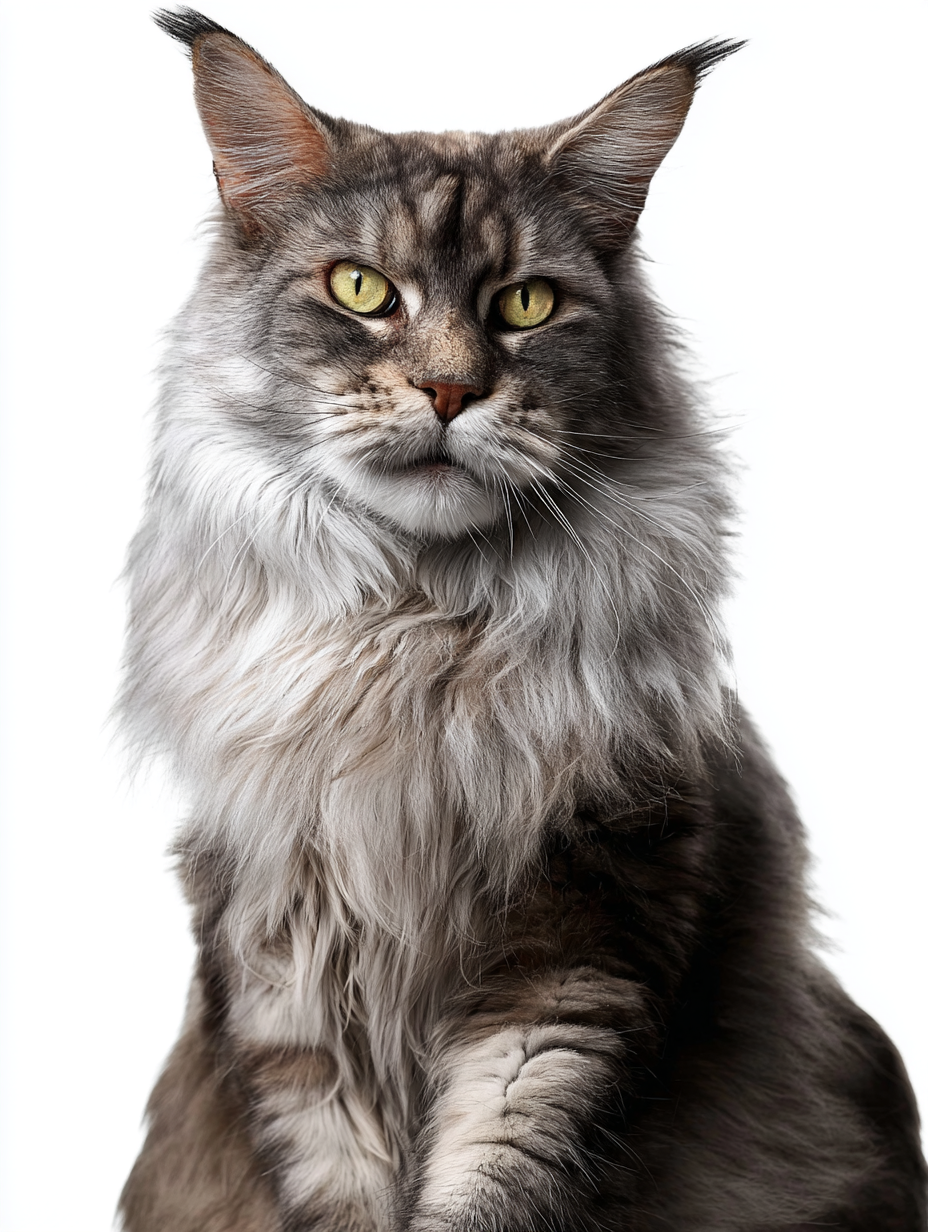
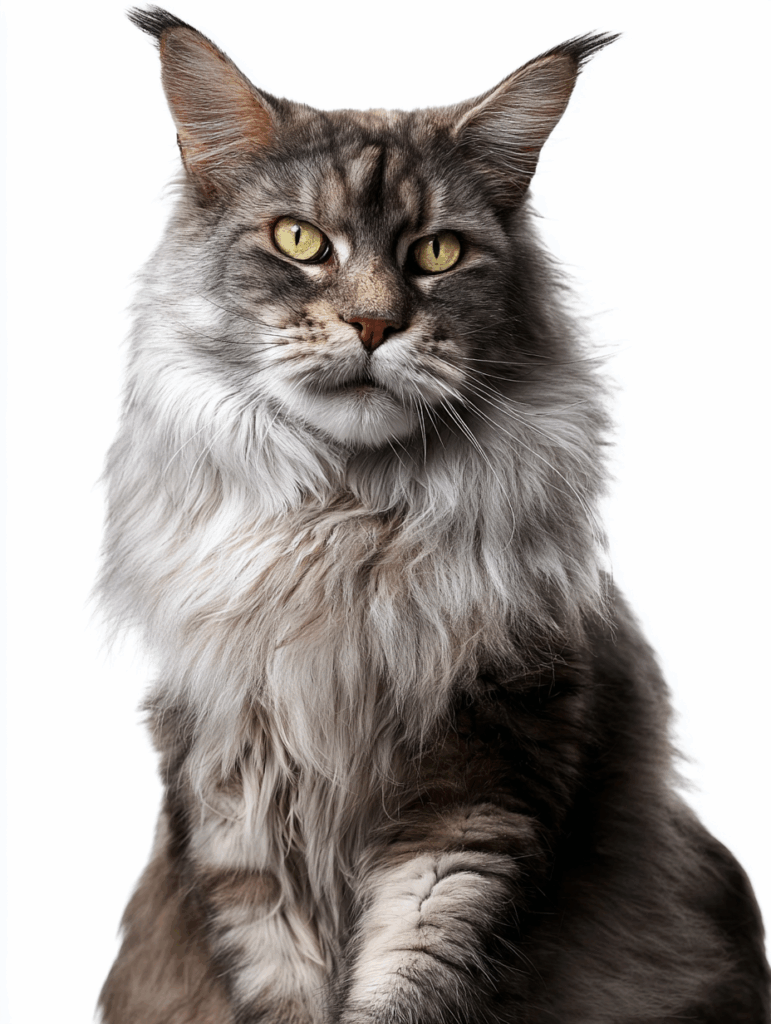
Maine Coon Cats – Find Your Maine Coon Soul Cat
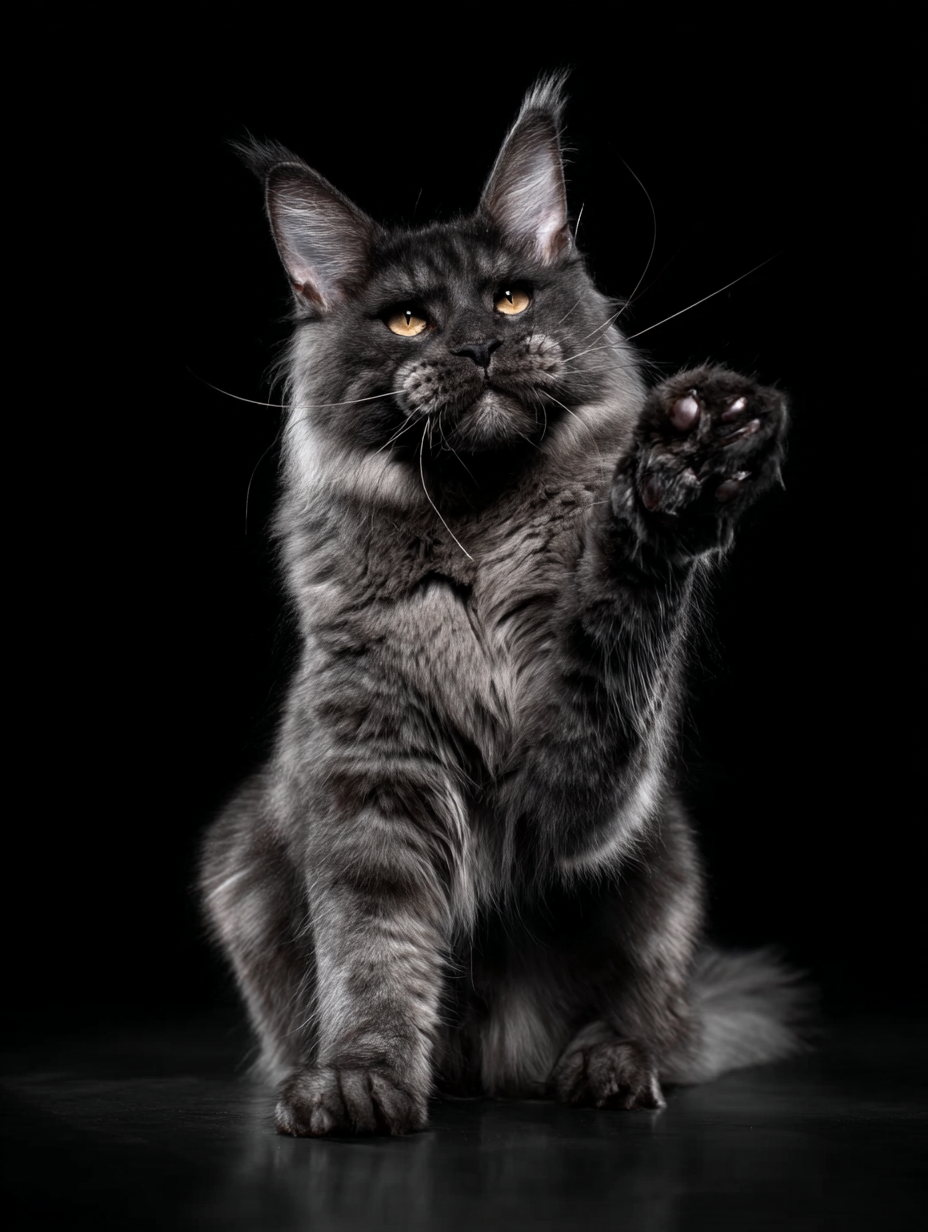
The Maine Coon is one of the most captivating and recognizable cats in the world. Massive yet gentle, elegant yet playful, this breed has earned its nickname as America’s gentle giant.
At Almonte Cats, our Maine Coon kittens are raised with purpose — blending old-world European lines with careful, health-tested breeding. Whether you’re looking for a loyal companion or a striking show cat, this guide will help you understand what makes the Maine Coon so special and how to find a purebred, registered kitten from a trusted breeder in the United States.
Searching for a Maine Coon Kitten?
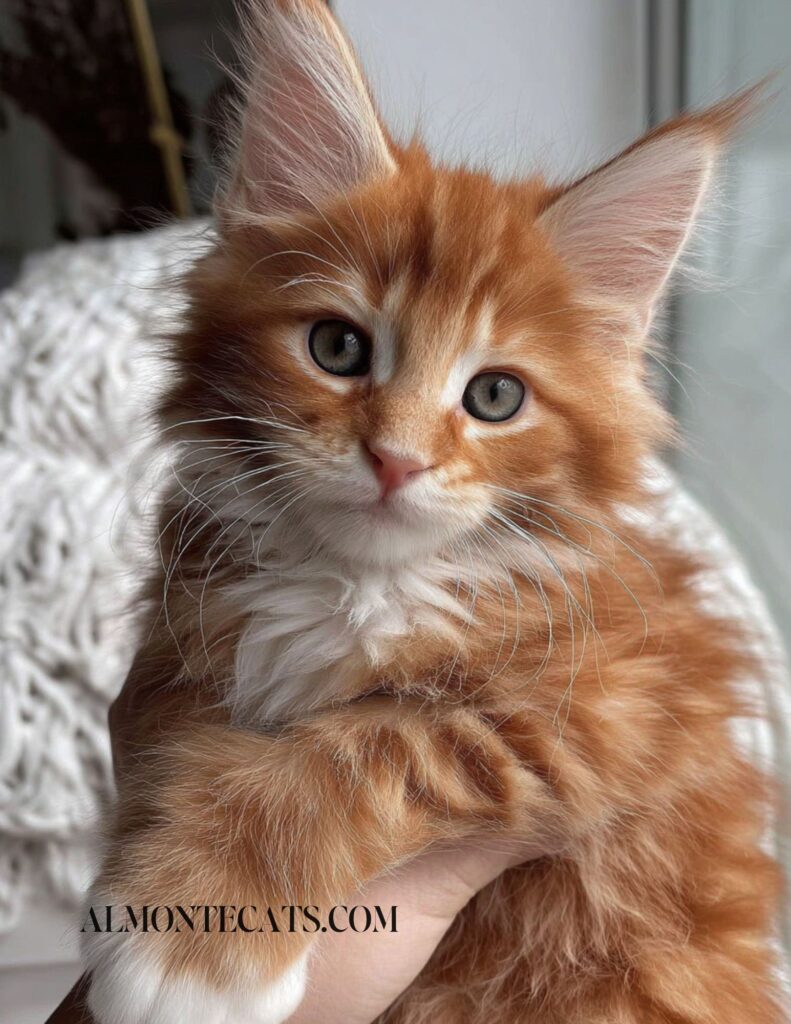
If you are here to find your very own Maine Coon baby check out our Purebred Maine Coon Kittens for Sale.
At Almonte Cats, every kitten is:
- TICA / CFA registered from fully health-tested parents
- Raised in-home for confident, affectionate temperaments
- Vet-checked, vaccinated, and microchipped before going home
Reserve early — our litters are produced in limited numbers each year to preserve quality and true Maine Coon type.
View Available Kittens & Apply Here
Maine Coon
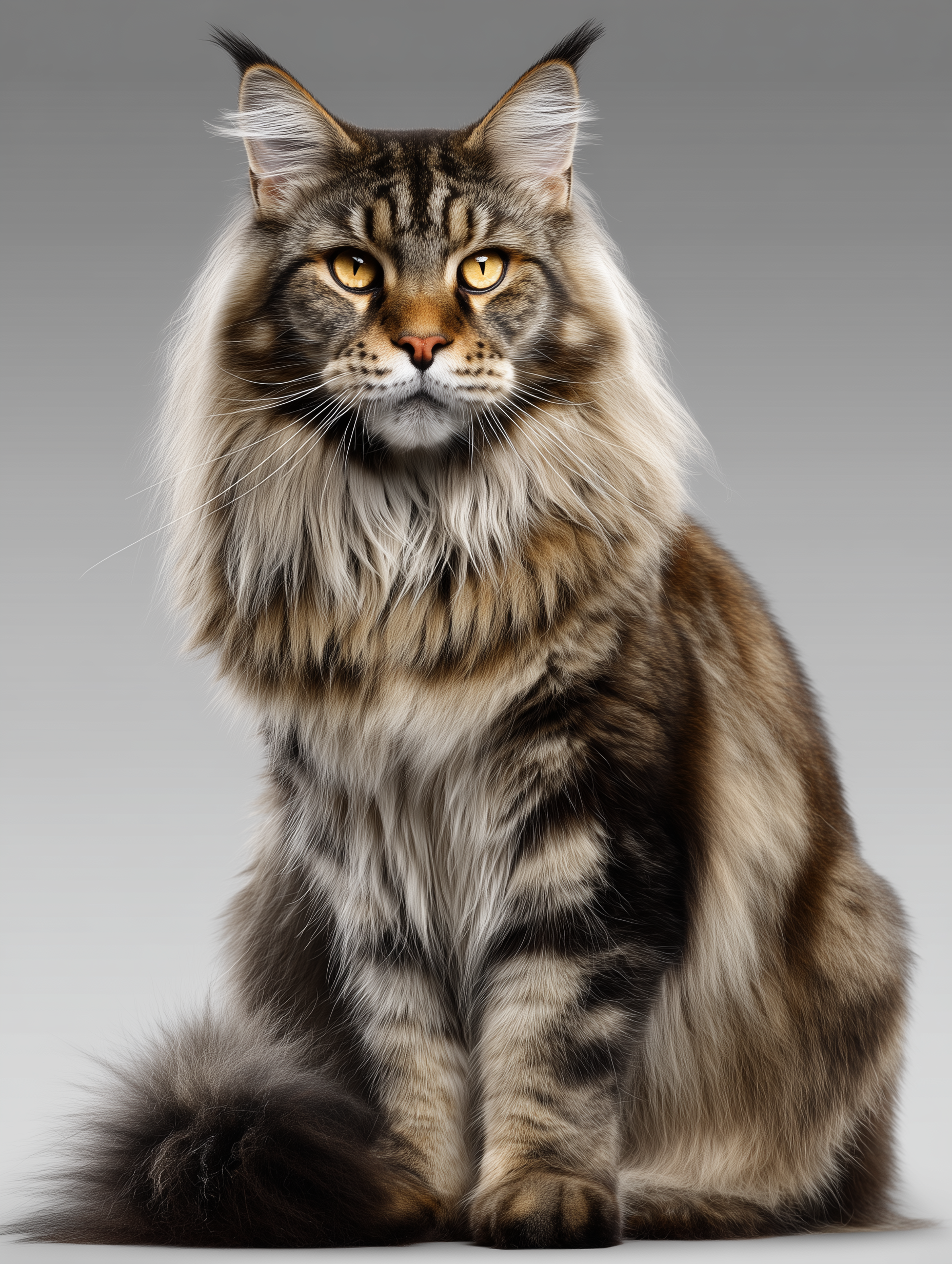
The Maine Coon is a naturally large, semi-longhaired breed known for its strength, intelligence, and easy-going temperament. Originating in the northeastern United States, these cats evolved to withstand cold winters, developing thick, water-repellent coats and impressive tails used like blankets for warmth.
They are sociable, curious, and affectionate without being needy — the perfect balance for families, singles, and multi-pet homes. Adult males often weigh 15–25 pounds, while females average 12–18. Their slow maturity (up to four years) gives them an enduring kitten-like spirit well into adulthood.
Learn more about our Maine Coon kittens for sale in Pennsylvania at Almonte Cats.
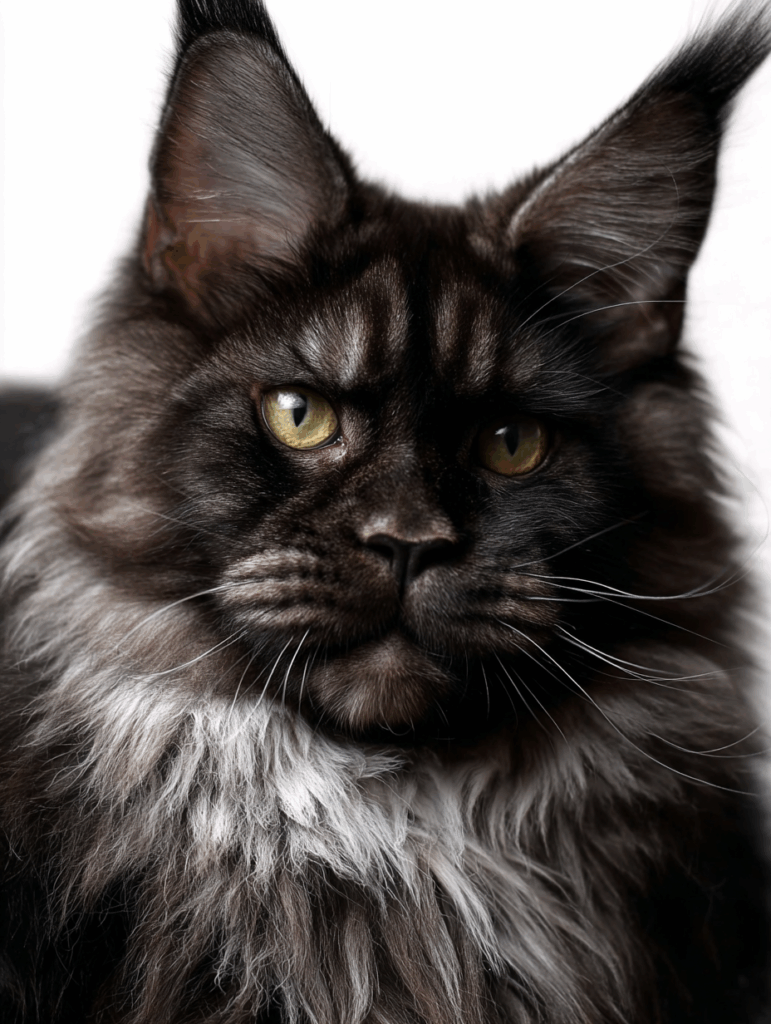
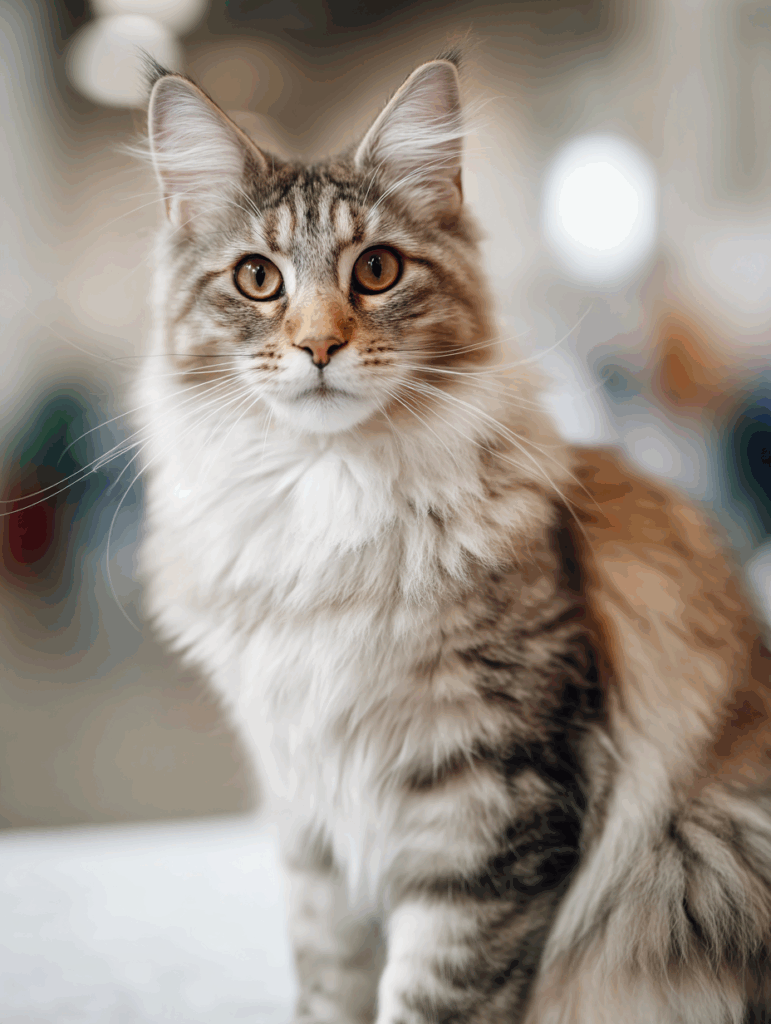
Maine Coon Cat
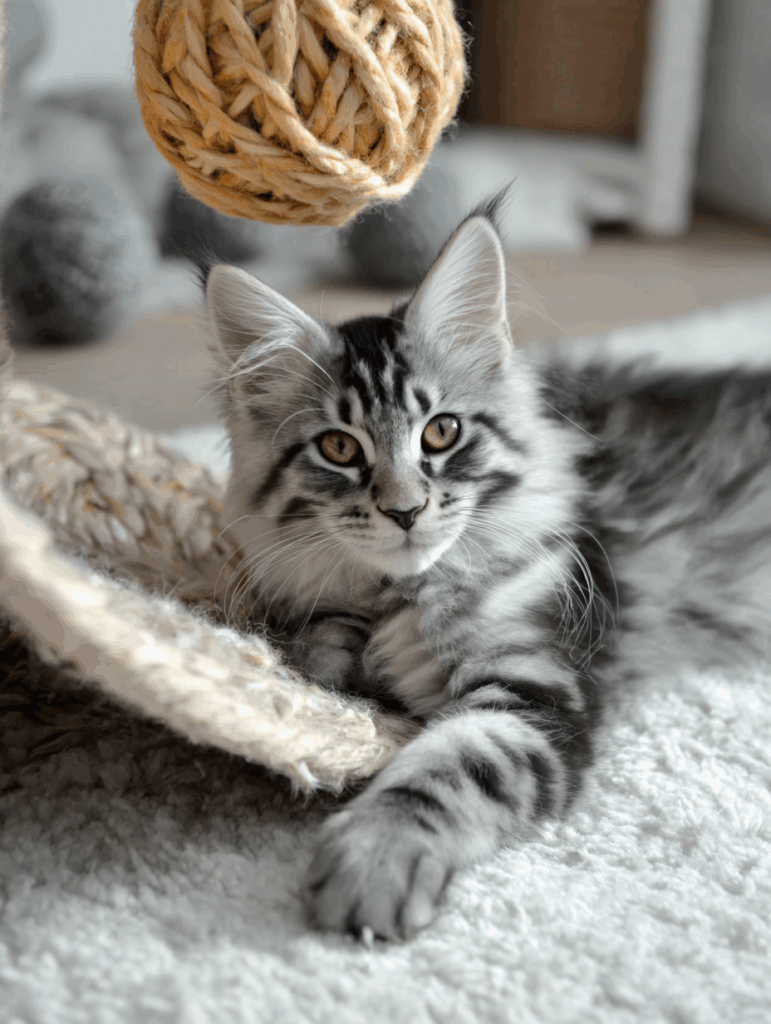
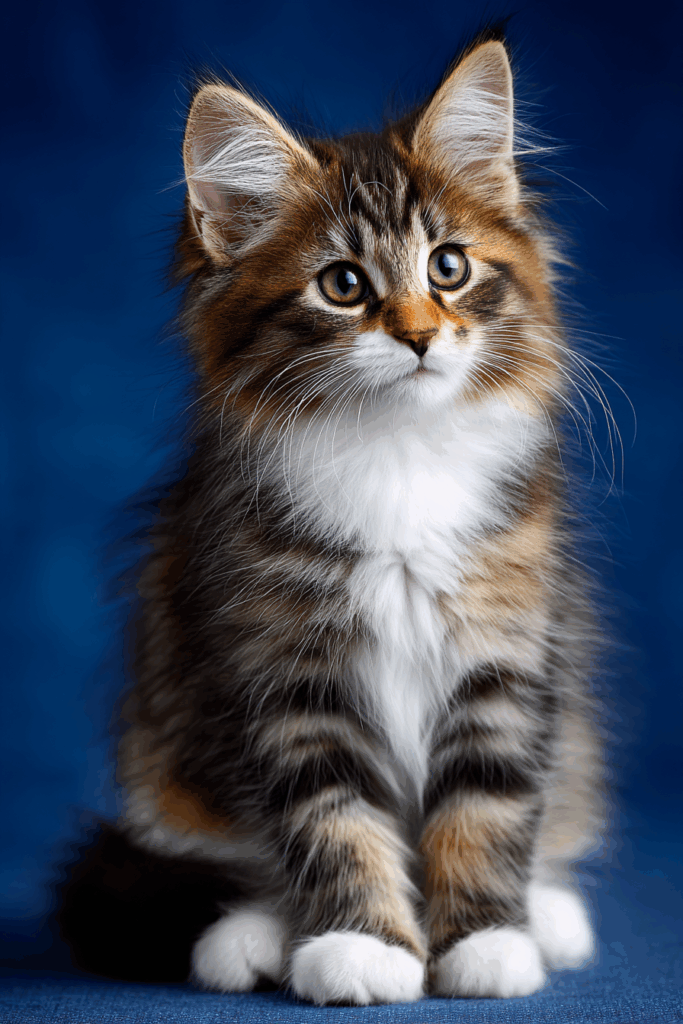
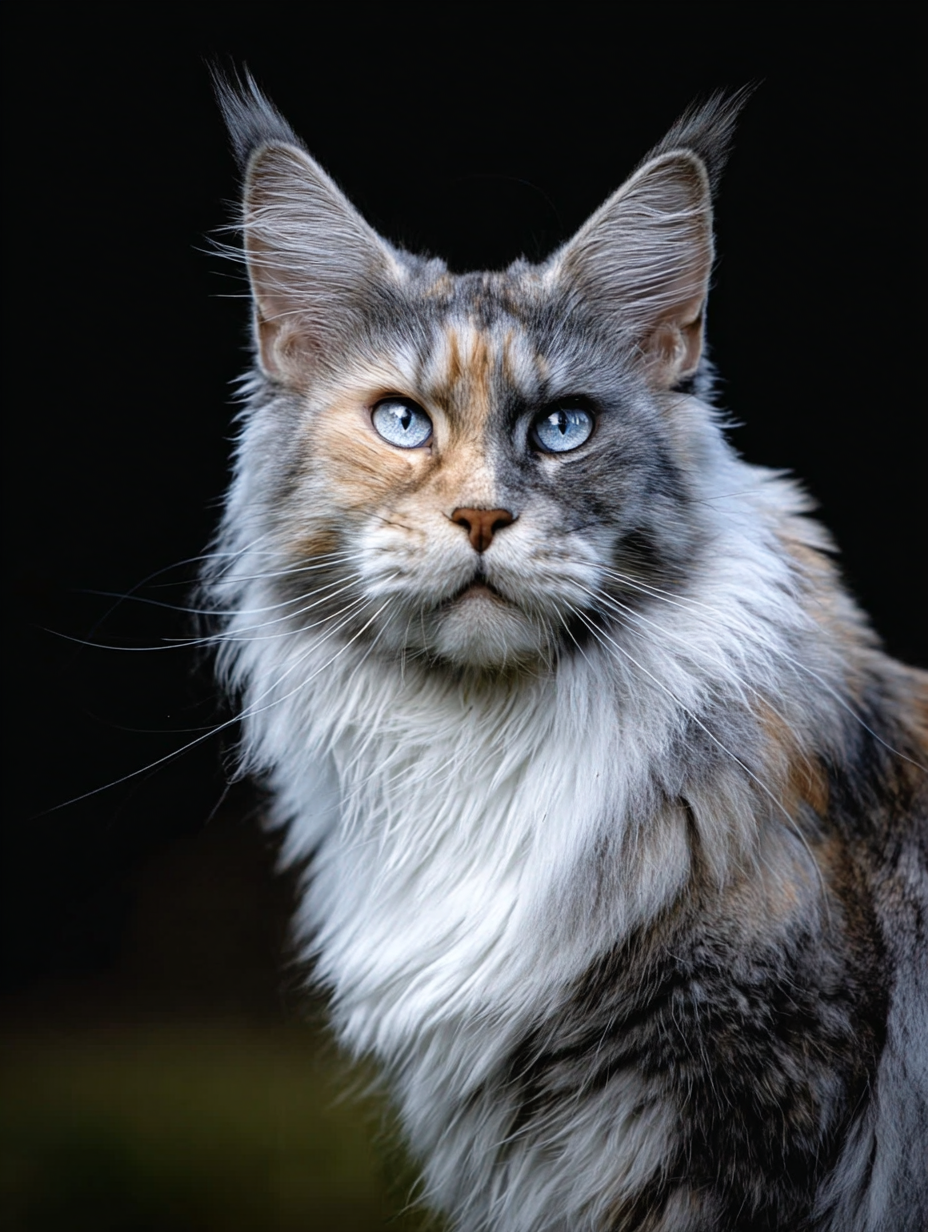
When people search for “Maine Coon cat,” they’re often enchanted by the breed’s size and personality. Maine Coons come in dozens of colors and patterns — from solid black to silver tabby, smoke, and cream. Their fur requires minimal grooming compared to other long-haired breeds, thanks to its silky, non-matting texture.
Average lifespan ranges from 12–16 years, though well-bred cats with strong genetics can live even longer. Regular vet care, quality nutrition, and genetic screening for heart and hip conditions ensure longevity and quality of life.
(Insert Gallery 2: Coat colors and pattern variety – silver, red, blue, black smoke.)
Coon Cat
“Coon Cat” is an affectionate nickname that traces back to 19th-century New England, when these sturdy farm cats gained fame for their size and hunting ability. Legends once suggested they were part raccoon — a myth, of course, but one that highlights the breed’s bushy tail and unique look.
At Almonte Cats, we embrace that heritage while preserving true Maine Coon type and temperament. Every kitten carries certified pedigrees recognized by TICA and CFA, ensuring you’re not just getting a “coon cat,” but a documented, purebred Maine Coon raised with integrity. See Maine Coon Cat Pictures here.
Where Can I Find a Maine Coon
Finding a Maine Coon kitten should begin with research, not impulse. Reputable breeders maintain transparent websites, publish registration numbers, and invite video or in-person visits.
When evaluating where to find a Maine Coon, look for:
- Verified registration with TICA or CFA
- Proof of health testing (HCM, SMA, PK deficiency)
- Photos of adults, not just kittens
- Clear contract and health guarantee
- Positive, consistent reviews
Avoid anonymous sellers on Facebook or Craigslist offering “cheap Maine Coon kittens” — most are scam operations or mixed breeds passed off as purebreds. Learn more about our Maine Coon kittens for sale in Pennsylvania at Almonte Cats.
How to find an ethical Maine coon breeder near me.
Where Can I Get a Maine Coon Cat
If you’re asking where to get a Maine Coon cat, the best answer is from a registered breeder who prioritizes ethics over volume. At Almonte Cats, each pairing is planned months in advance. Kittens are raised underfoot in a home environment, receiving daily handling and socialization.
The adoption process includes:
- Submitting an application for compatibility
- Approval and wait-list placement
- Deposit to reserve your kitten
- Weekly updates with photos and milestones
- Veterinary exam, microchip, and registration papers at go-home time
👉 View Our Maine Coon Kittens for Sale
Every kitten is fully vaccinated, microchipped, and comes with a written health guarantee. This ensures peace of mind and transparency throughout the entire experience.
Where Can I Get a Maine Coon Kitten
The ideal Maine Coon kitten experience starts with early reservation. Because litters are limited and planned for quality, families often join waitlists six months or more in advance.
At Almonte Cats, kittens stay with their mothers until 12–14 weeks — the critical period for learning manners, confidence, and litter training. We focus on temperament shaping from day one, so your kitten arrives calm, well-socialized, and ready for home life.
When researching where to get a Maine Coon kitten, prioritize breeders who:
- Keep kittens until they’re emotionally mature
- Offer lifelong support
- Provide verified health documentation
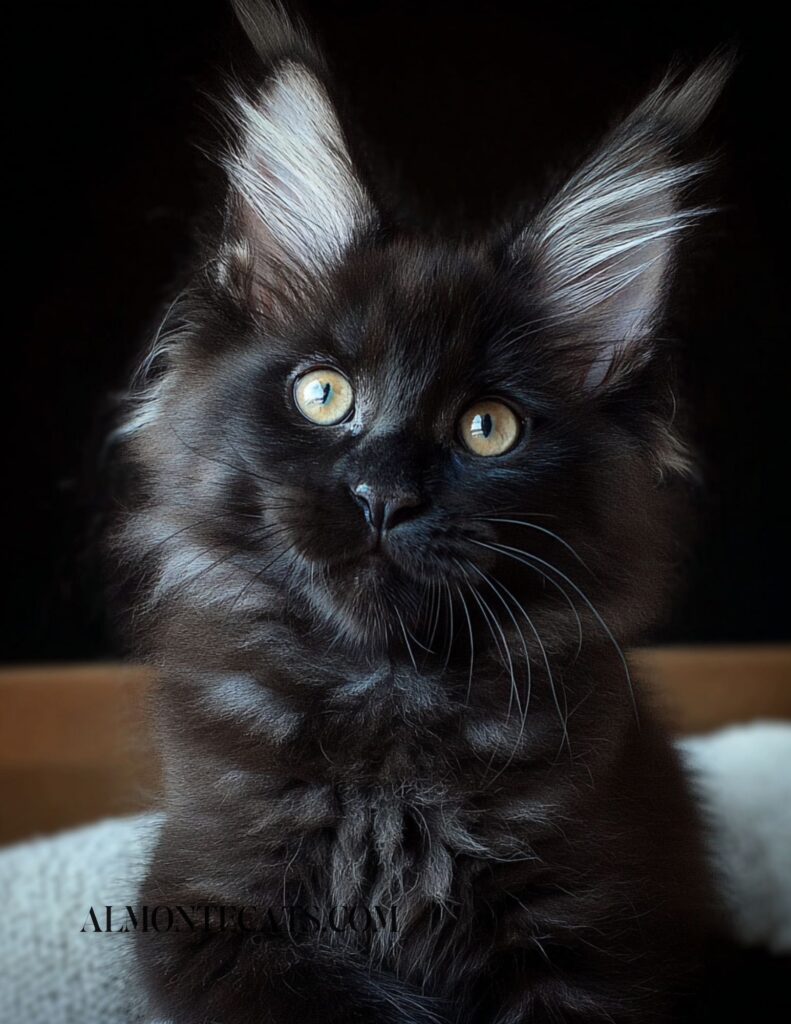
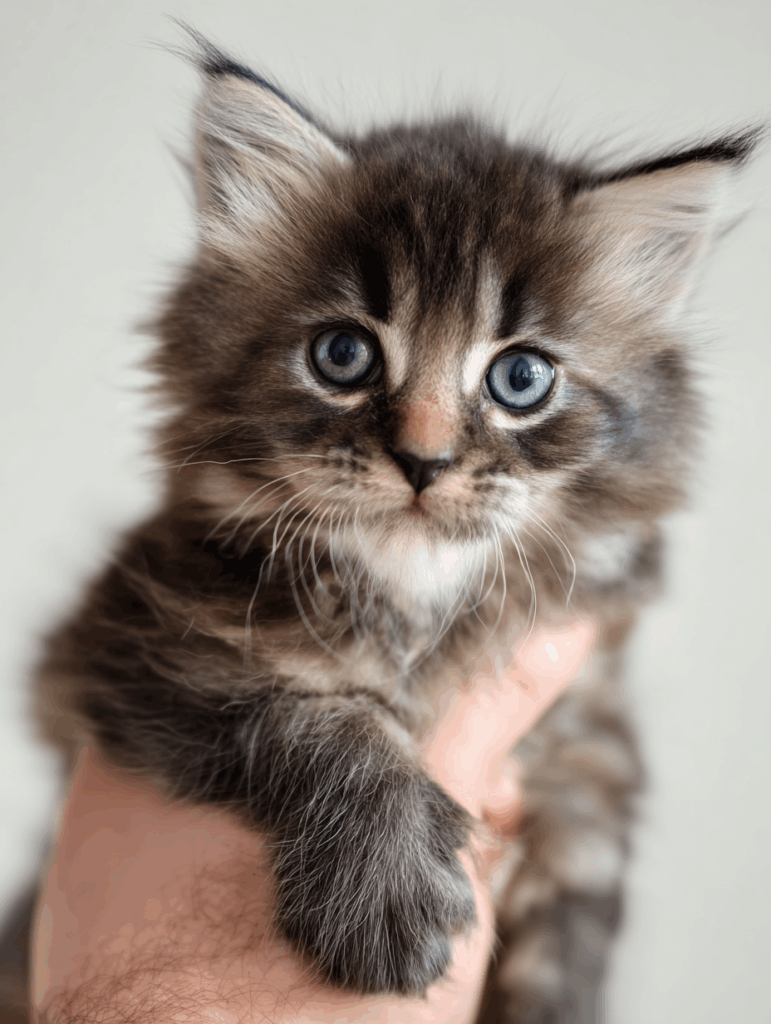
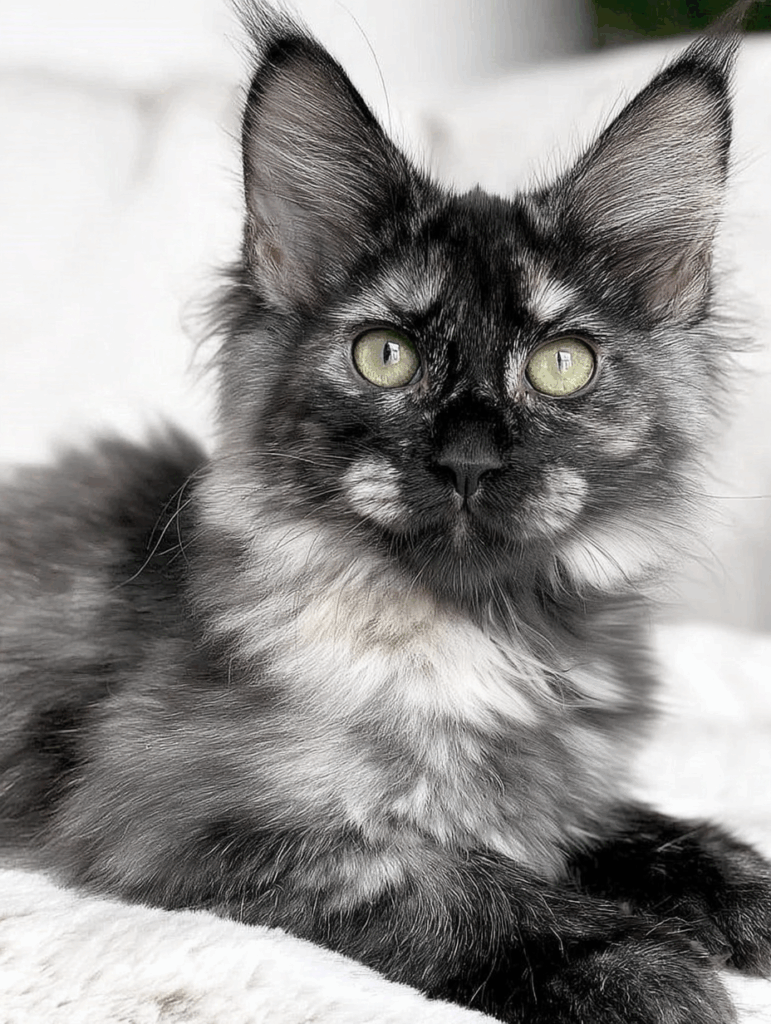
Where to Get a Maine Coon Cat
There are several paths — but only a few safe ones. Some buyers consider shelters, yet purebred Maine Coons are rarely available through rescues. Your best option is a responsible breeder who allows direct communication and detailed proof of lineage.
Watch for red flags such as:
- Refusal to video-chat or show adults
- Unrealistically low prices (under $1,500)
- Demands for wire transfers or gift-card payments
- Inconsistent photos or duplicate images from other websites
At Almonte Cats, every kitten is matched intentionally with families that understand the breed’s needs and lifestyle.
Maine Coon Cat Breeders
Choosing among Maine Coon cat breeders is one of the most important steps in your journey. The difference between a backyard breeder and a registered cattery lies in transparency, testing, and trust.
Reputable breeders:
- Register cats with TICA or CFA
- Conduct DNA and cardiac testing
- Provide ongoing owner education
- Offer post-sale support and guidance
At Almonte Cats, our breeding philosophy centers on health, temperament, and integrity. We collaborate with veterinary geneticists and follow strict breeding ethics to preserve the breed’s future.
(Optional internal link: “Our Maine Coon Breeding Program”)
(Insert Gallery 5: Breeder facility, kittens with parents, health records overview.)
Gato Maine Coon
“Gato Maine Coon” is the Spanish term for “Maine Coon cat.” Spanish-speaking families across the U.S. are increasingly searching for “gato Maine Coon en venta” (Maine Coon cat for sale).
At Almonte Cats, we proudly serve families nationwide — from Florida and Texas to California — helping both English and Spanish-speaking households bring home healthy, purebred kittens.
Gato Maine Coon de raza pura en Estados Unidos: criados con amor, certificados por TICA y CFA, y entregados con garantía de salud y microchip.
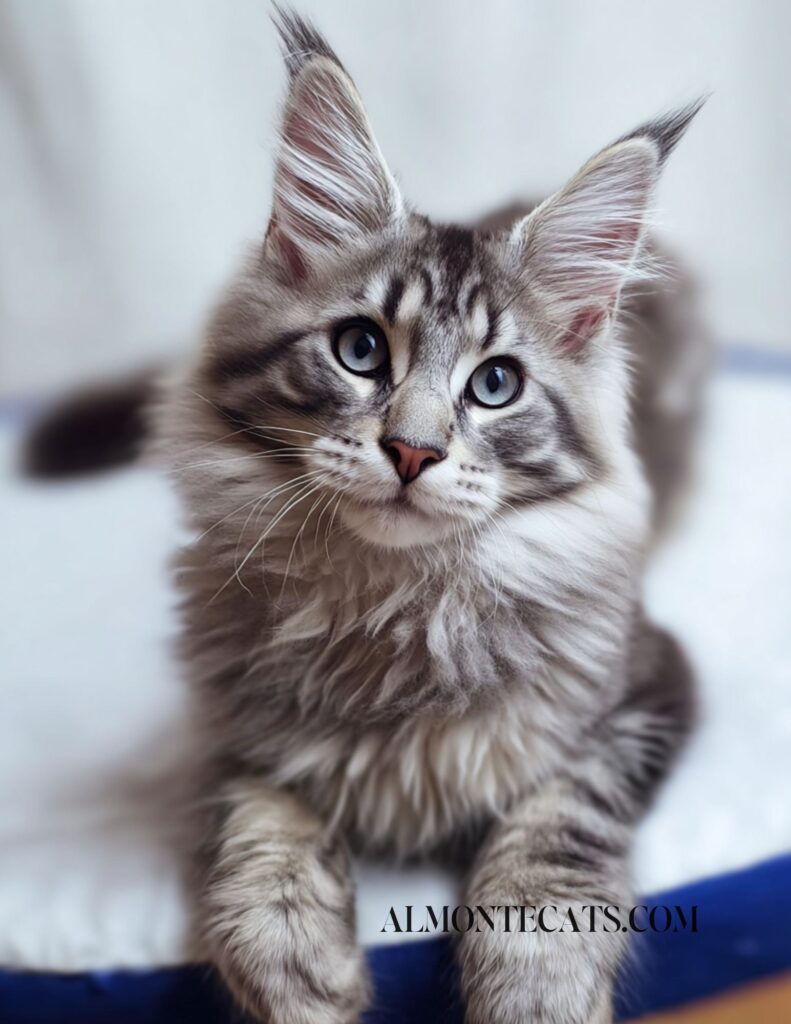
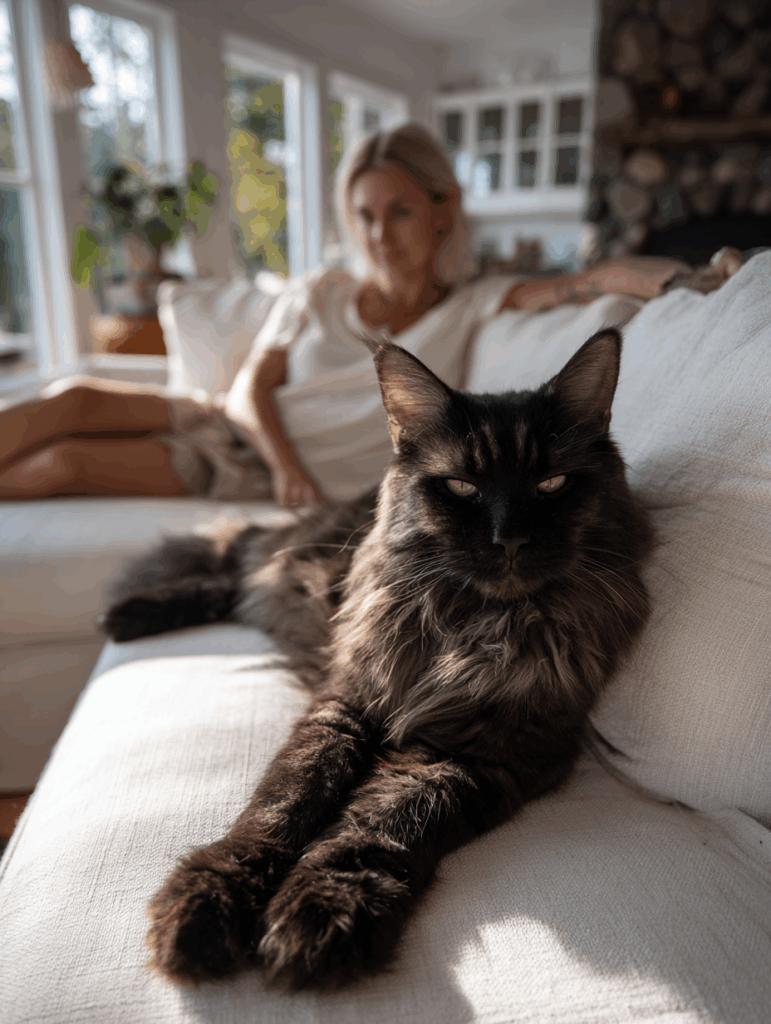
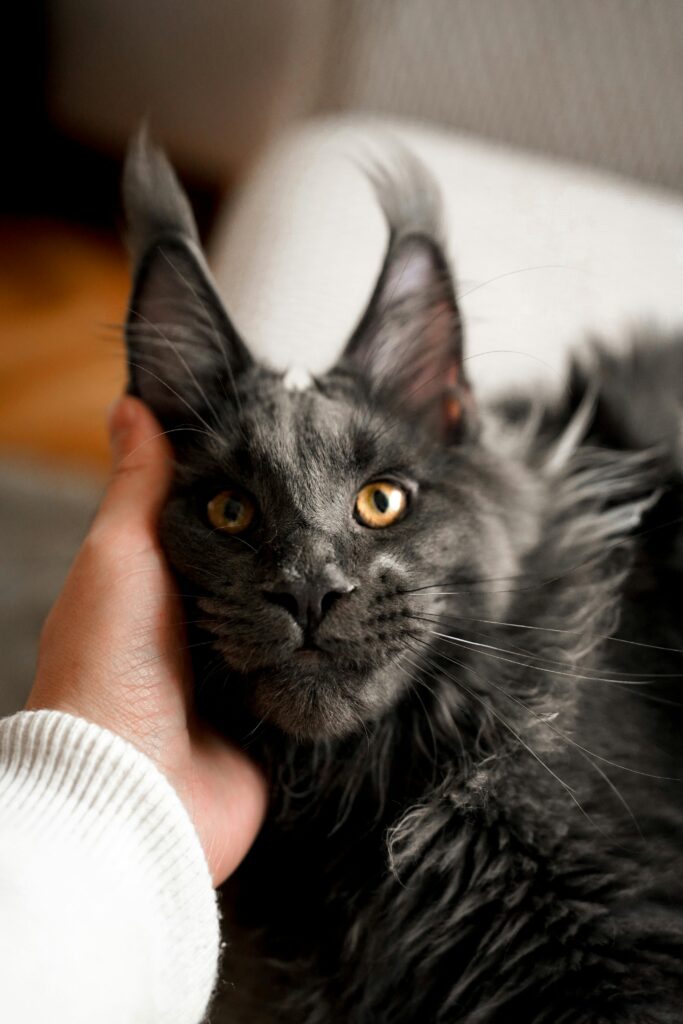
Purebred Maine Coon
A purebred Maine Coon is more than a look — it’s a lineage. True Maine Coons come from verifiable bloodlines, with pedigrees that trace back generations. These cats consistently meet breed standards in type, temperament, and health.
When purchasing a purebred Maine Coon:
- Request registration papers from TICA or CFA
- Ask to see parent health test results
- Confirm microchip and vaccination records
At Almonte Cats, every kitten comes with a certified pedigree and health record binder. Our goal is to ensure that every cat we place represents the best of the breed — balanced, affectionate, and true to standard.
👉 View Purebred Maine Coon Kittens for Sale →
Maine Coon Kitten
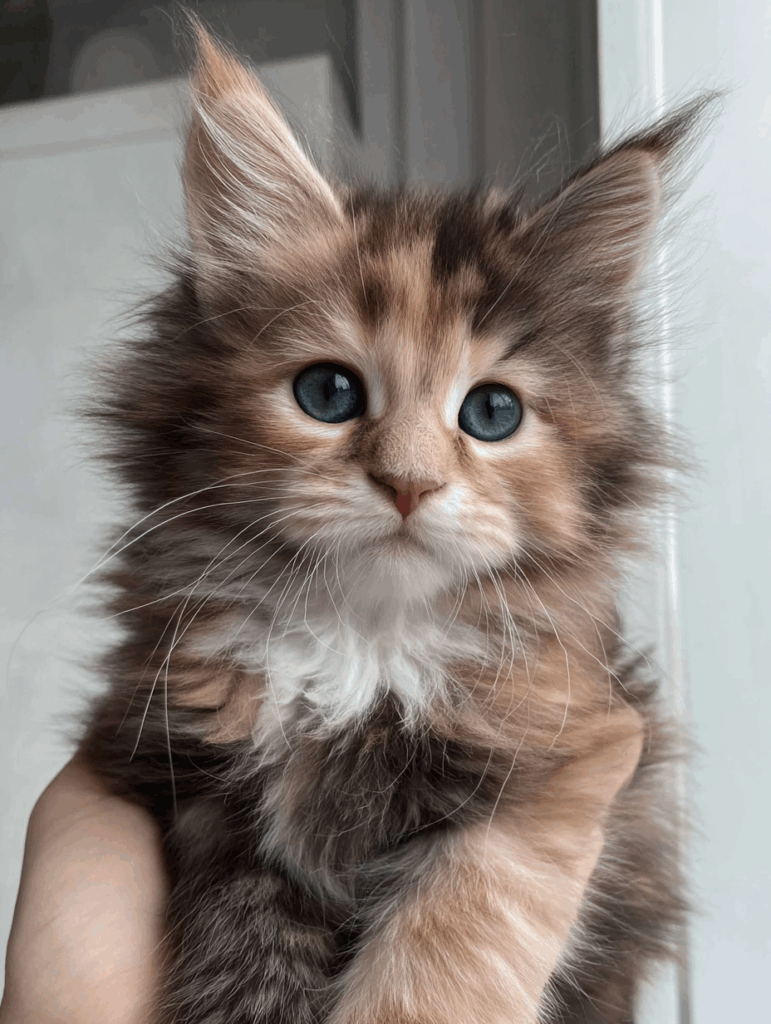
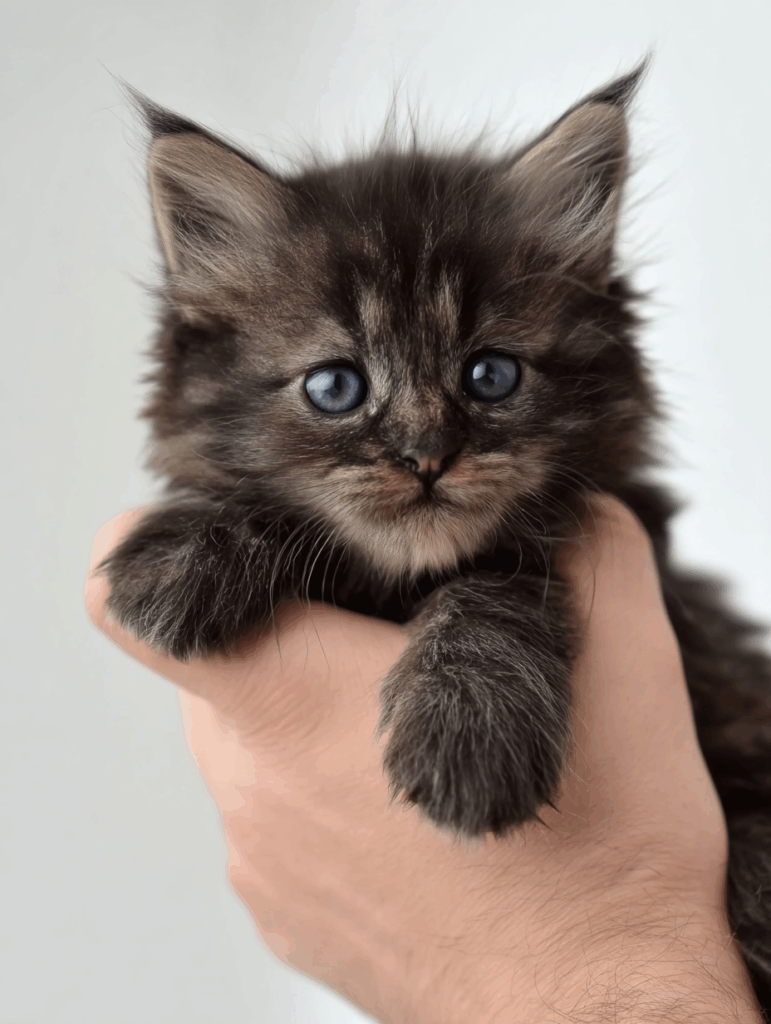
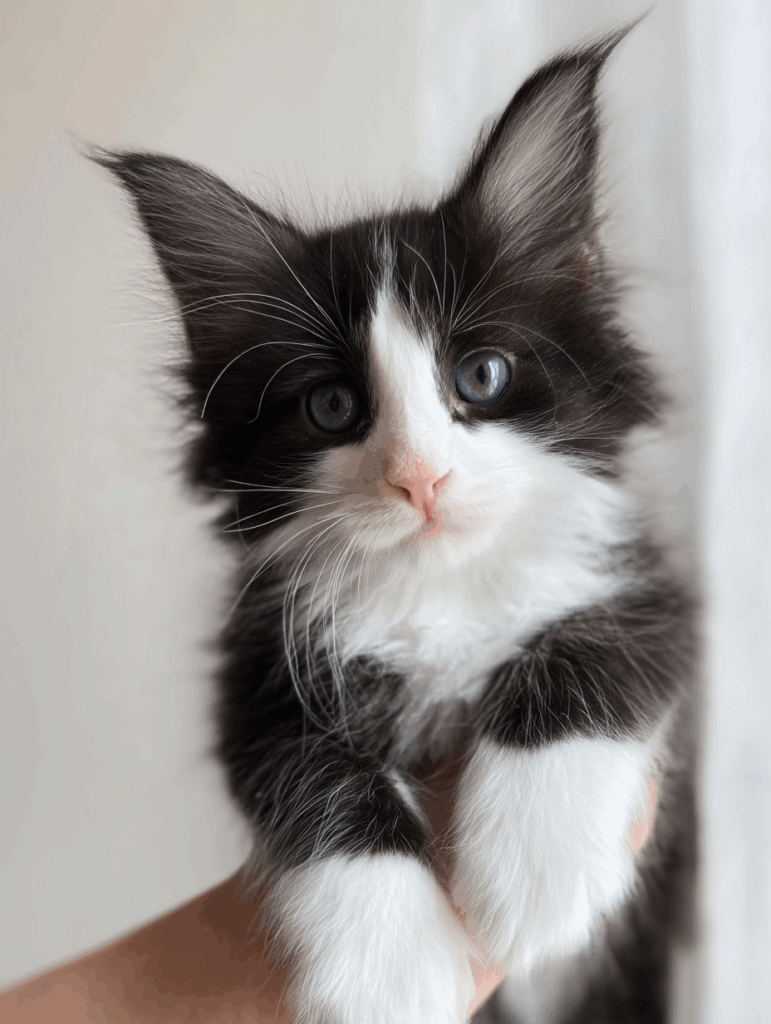
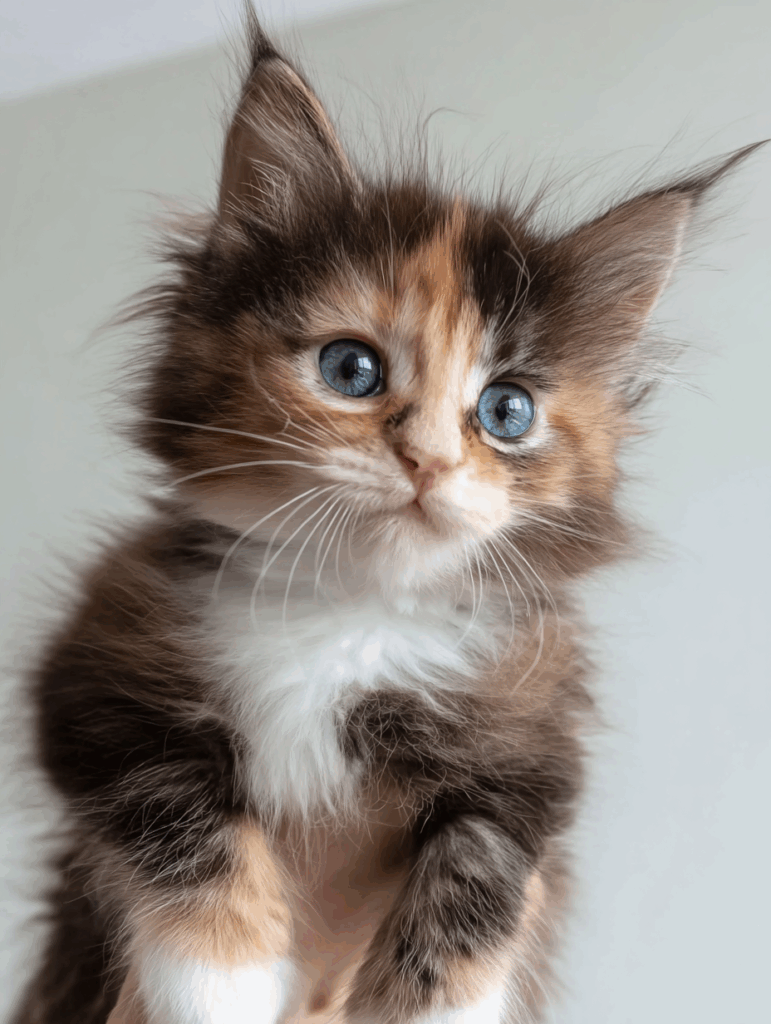
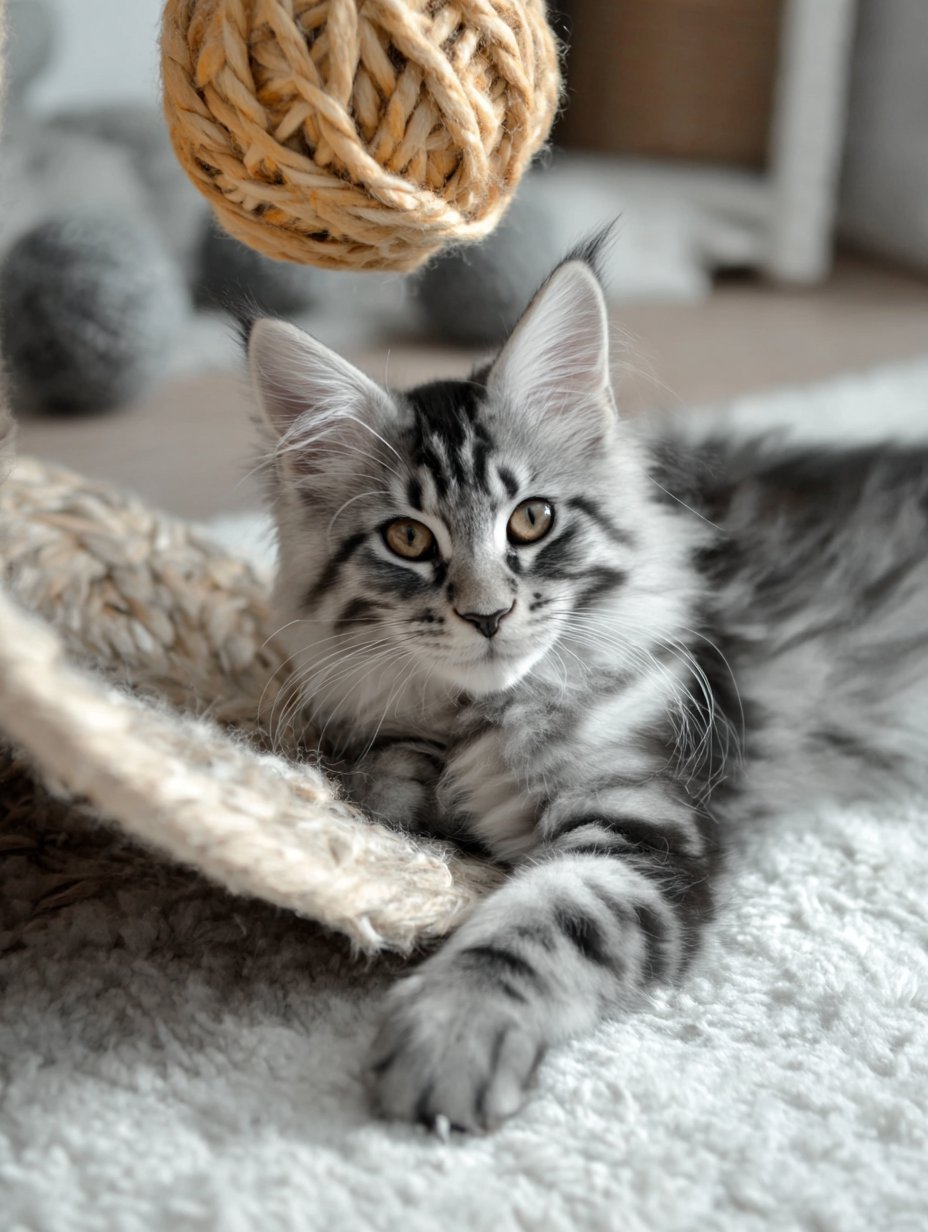
Each Maine Coon kitten is a bundle of curiosity, affection, and charm. From birth to 14 weeks, kittens develop confidence through daily handling, exposure to household sounds, and supervised play.
Our kittens are fed premium nutrition and monitored closely by licensed veterinarians. They leave our home with:
- Two sets of vaccinations
- Parasite prevention
- Microchip
- Official registration papers
Maine Coon Cat Purebred
The term “Maine Coon cat purebred” reflects assurance of lineage, not just appearance. While many cats may resemble Maine Coons, only those with verified pedigrees qualify as purebred.
Almonte Cats participates in recognized feline associations, and our lines descend from international champion ancestry. Each kitten’s documentation includes registration numbers, parent DNA tests, and complete veterinary records — transparency you can trust.
Maine Coon Kitten Breeders
When researching Maine Coon kitten breeders, prioritize those who emphasize temperament and social development. Large-scale catteries often focus on quantity; boutique programs like Almonte Cats focus on quality of life and health outcomes.
Our breeding queens and kings live in a home environment — not cages — and kittens are exposed to gentle grooming, play, and positive reinforcement. This early foundation creates confident, people-oriented cats ready for a smooth transition into family life.
Purebred Maine Coon for Sale
Searching for a purebred Maine Coon for sale should lead to more than a transaction — it should lead to a relationship. Every kitten we place is backed by lifetime breeder support.
Before bringing your kitten home, we provide:
- Feeding and grooming instructions
- Travel guidance
- Intro-to-home routines
- Lifetime return policy
👉 Apply for a Maine Coon Kitten Today
(CTA Button)
Kittens are available by reservation only. Due to demand, most families reserve 2–3 months in advance.
Pure Bred Maine Coon Kittens
If you’re looking for pure bred Maine Coon kittens, understand that spelling variations (“pure bred” vs. “purebred”) both mean the same — fully registered, pedigreed cats.
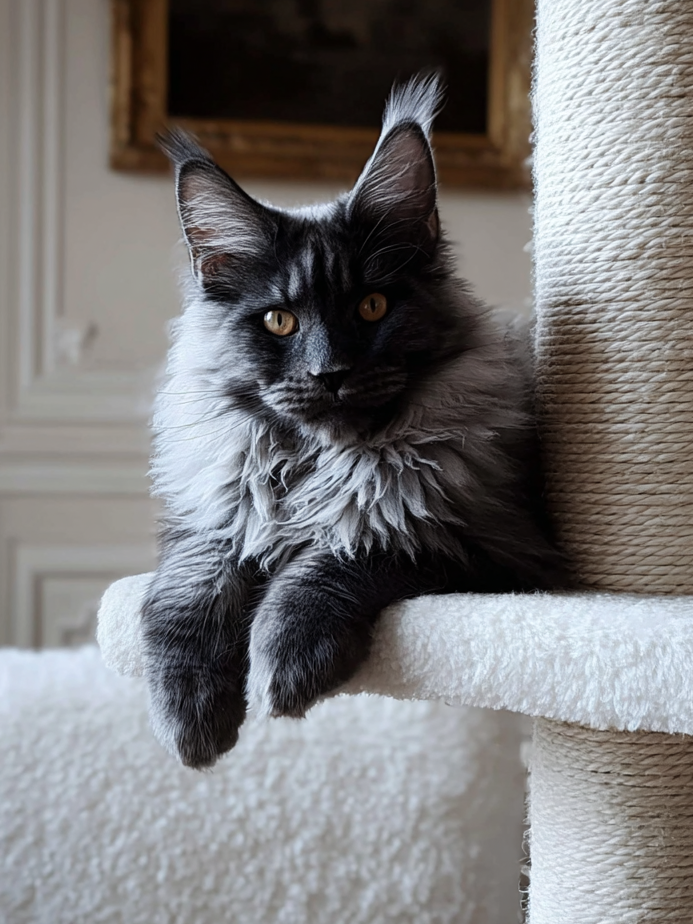
Our kittens are raised for health and temperament first, not show titles alone. They’re family-raised, litter trained, and confident from an early age.
Maine Coon Cat Kittens
The phrase “Maine Coon cat kittens” may sound redundant, but it’s what many people search when looking for available babies online. These kittens are gentle, sociable, and known for chirping and trilling vocalizations — a unique breed trait.
Maine Coon kittens thrive on routine and early bonding. We send each family home with a transition guide, recommended products, and 24/7 post-purchase support.
Best Maine Coon Cat Breeder
At Almonte Cats, we strive to be known as the best Maine Coon cat breeder through honesty, health, and exceptional communication. Our philosophy is simple: every kitten deserves to be raised with intention, and every buyer deserves clarity.
Why families choose us:
- Transparent communication and real-time litter updates
- Multi-generational breeding program for health and type
- USDA-licensed transport coordination nationwide
- Written health guarantee and lifetime breeder support
Legit Maine Coon Cat Breeders
Knowing how to spot legit Maine Coon cat breeders protects you from scams and heartbreak. Look for the following credentials before placing a deposit:
| Criteria | Legit Breeder | Unverified Seller |
|---|---|---|
| TICA/CFA registration | ✅ Yes | ❌ No |
| Health-tested parents | ✅ Yes | ❌ Unknown |
| Transparent contracts | ✅ Yes | ❌ None |
| Willing to FaceTime | ✅ Always | ❌ Refuses |
| Consistent social media | ✅ Real cattery updates | ❌ Stock photos |
A legitimate breeder is open, verifiable, and passionate about the breed — not just profit. Almonte Cats embodies that commitment from the first inquiry to the day your kitten arrives home.
Find Your Maine Coon Kitten Today
Whether you’re searching for your first Maine Coon or adding another gentle giant to your home, Almonte Cats offers a trusted path to purebred ownership.
Each kitten is:
- Health-tested and microchipped
- Socialized in-home from birth
- Registered with TICA & CFA
- Backed by a written health guarantee
✨ Reserve your Maine Coon kitten early — limited litters are planned each year.
👉 View Available Maine Coon Kittens →
FAQ: Everything You Need to Know About Maine Coon Cats and Kittens
1. What makes a Maine Coon cat unique?
The Maine Coon stands apart as one of the few naturally occurring cat breeds in North America, celebrated for its impressive size, intelligence, and gentle, almost dog-like loyalty. Their tufted ears, large paws, and flowing tails evolved to survive the harsh winters of New England, giving them both elegance and practicality. Maine Coons are affectionate without being clingy — they follow you from room to room but rarely demand attention. They are highly trainable, thrive on human interaction, and can even be leash-trained with patience.
2. How big do Maine Coons get?
Maine Coons are famous for their remarkable size — adult males often weigh 18–25 pounds, while females range from 12–18 pounds. Their long, rectangular bodies and thick, plume-like tails make them appear even larger. Unlike most cat breeds, Maine Coons grow slowly, reaching their full size between 3 and 4 years of age. Their growth rate varies depending on nutrition, genetics, and environment. See detailed charts and growth photos in our post on Maine Coon Kitten Growth Stages Week by Week to understand what to expect during each phase.
3. How long do Maine Coons live?
The typical lifespan of a Maine Coon is 12–16 years, though cats from well-bred, health-tested lines can easily live 17–20 years with proper care. Longevity depends on diet, exercise, and regular vet checkups that include cardiac screening for HCM (Hypertrophic Cardiomyopathy), a condition that can affect large breeds. High-quality nutrition rich in animal protein and omega-3s supports joint and heart health. Because of their size, Maine Coons may also need extra attention to maintain a healthy weight throughout adulthood.
4. Are Maine Coons good family cats?
Yes — Maine Coons are one of the best family breeds you can choose. They’re patient with children, tolerant of dogs, and remarkably adaptable to busy households. Their calm, social nature means they enjoy being near people but won’t overwhelm you with constant attention. Families often describe them as “part cat, part golden retriever.”
5. Do Maine Coons shed a lot?
Maine Coons have a thick double coat that sheds moderately year-round and heavily during seasonal changes in spring and fall. Regular grooming — at least two times per week — helps prevent tangles and keeps their coat sleek and healthy. Their fur is silky rather than wooly, making maintenance easier than with Persians or Himalayans. Shedding can increase if your cat is under stress, eating a poor diet, or experiencing temperature changes. See our Maine Coon Grooming and Shedding Guide for the best brushes and care schedule to keep your cat’s coat show-quality.
6. Are Maine Coons hypoallergenic?
No breed of cat is completely hypoallergenic, and Maine Coons are no exception. However, some allergy sufferers find them more tolerable because their coats produce less oil and may shed fewer allergens compared to other long-haired breeds. Regular bathing and brushing reduce dander buildup, and feeding a high-quality diet can improve skin health. Using HEPA filters and frequent vacuuming also help minimize allergens in the home. For full allergen management tips, read Do Maine Coon Cats Shed?
7. What colors do Maine Coons come in?
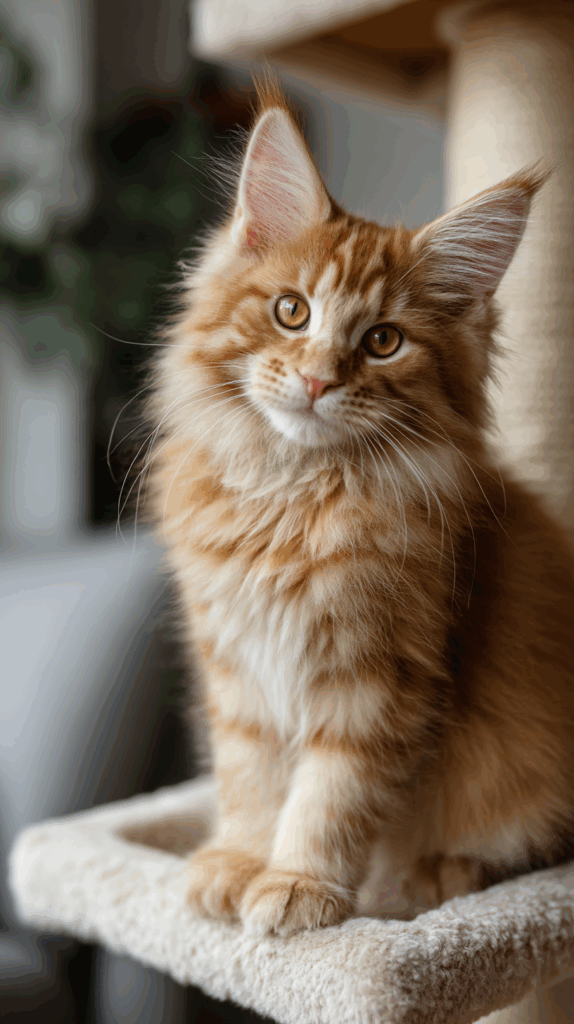
Maine Coons are available in more than 70 recognized colors and patterns — including solids, smokes, silvers, creams, and reds. You’ll also find tabby, tortie, and shaded varieties that highlight their thick, textured coats. Popular colors like black smoke, blue, and silver tabby are in high demand for their striking contrast and depth. Each color has unique genetics that influence intensity and pattern distribution. Explore our full color library beginning with Black Smoke Maine Coons, Popular Maine Coon kitten colors and Orange Maine Coon Cats to see visual examples of each.
8. What is a European Maine Coon?
European Maine Coons have a wilder, more rugged look — broader muzzles, higher cheekbones, and larger lynx-tipped ears than their American counterparts. They also tend to have heavier bone structure and more dramatic facial expressions. Many cat enthusiasts prefer European lines for their traditional “forest cat” aesthetic and muscular build. American lines, by contrast, tend to be softer in appearance with slightly finer features. Learn more about the differences in our full comparison post: European vs. American Maine Coon Cats.
9. How much does a Maine Coon kitten cost?
Purebred Maine Coon kittens typically range between $3,500 and $6,000 in the United States. The price reflects years of selective breeding, genetic testing, veterinary care, and proper nutrition that go into raising each kitten. Show-quality kittens or those from international champion lines may cost more, while pet-quality kittens are usually at the lower end. Beware of “cheap” listings online — these are often scams or mixed breeds. For a detailed breakdown, visit Why Are Maine Coon Kittens so Expensive?
10. What should I expect from a reputable Maine Coon breeder?
A reputable breeder will always provide transparency, documentation, and ongoing support. You should receive registration papers from TICA or CFA, health testing results for both parents, and a written contract that includes a health guarantee. The breeder should be responsive, knowledgeable, and eager to answer your questions about care, temperament, and lineage. Avoid anyone refusing to provide verification, video calls, or vet references. For a checklist and examples of ethical programs, read How to Find a Legit Maine Coon Breeder.
11. How can I tell if a Maine Coon is purebred?
You can confirm a Maine Coon’s purebred status through official registration papers from TICA (The International Cat Association) or CFA (Cat Fanciers’ Association). True Maine Coons have distinct physical features — large, tufted ears, a square muzzle, and a long rectangular body — but these alone aren’t proof of pedigree. The breeder should provide a full lineage chart and health testing documentation for both parents. Avoid sellers claiming “Maine Coon mix” without registration, as those are unverified crosses. Learn how to identify legitimate lineage in Mixed Maine Coon Cats and Hybrid Maine Coon Kittens.
12. When can a Maine Coon kitten go home?
Responsible breeders send Maine Coon kittens home between 12 and 14 weeks of age, ensuring they’re emotionally and physically ready. Early removal can cause behavioral problems or poor immune development. During this time, kittens learn critical social behaviors from their mother and littermates — such as bite inhibition and confidence around humans. Almonte Cats keeps kittens until this milestone is complete, focusing on smooth transitions and stress-free home arrivals. See Maine Coon Kittens Week by Week.
13. How long does it take for a Maine Coon’s coat to grow in?
Maine Coons develop their full coat over 2 to 3 years, with the lion-like mane and fluffy britches maturing last. Kittens start with short, fine fur that thickens around 8–12 months. The luxurious ruff and plume tail become more pronounced as adults, especially during colder seasons. Nutrition and grooming both influence coat quality and shine. Explore coat transformations and maintenance tips in Maine Coon Coat Growth and Grooming Stages.
14. Are Maine Coons talkative?
Yes, Maine Coons are highly vocal but not noisy — they prefer chirps, trills, and soft meows instead of loud yowls. They use vocalization to communicate affection, curiosity, or reminders (like dinner time). Some even develop “dialogues” with their owners, responding to voices and routines. This trait makes them feel almost human in their expressiveness.
15. Can Maine Coons be left alone during the day?
Maine Coons handle moderate alone time but thrive on companionship. Leaving them for long hours daily can lead to boredom and anxiety, especially during their kitten phase. Providing enrichment — puzzle feeders, cat trees, and windows with views — helps maintain emotional balance. Many owners adopt a second cat for company when they’re away often.
16. Do Maine Coons like water?
Most Maine Coons love water thanks to their dense, water-resistant coat and natural curiosity. They may dip paws into bowls, join you at the sink, or sit by the shower to play with droplets. Historically, this trait developed from their origins in maritime climates, where exposure to moisture was common. Some even enjoy supervised swimming in shallow tubs.
17. How do I groom a Maine Coon?
A Maine Coon’s coat needs brushing at least twice a week to prevent tangles and maintain its natural sheen. Use a stainless-steel comb or wide-tooth rake to reach the undercoat, and add a slicker brush for finishing. Pay attention to the belly, britches, and armpits — the areas most prone to matting. Nail trimming every two weeks and ear cleaning monthly keep them tidy and healthy. Our Maine Coon Grooming Guide lists the exact tools and schedule we recommend for long-term coat health.
18. What do Maine Coons eat?
Maine Coons require a protein-rich diet to support their large frames and slow growth rate. Look for food with real meat listed first and at least 35–40% animal-based protein. Avoid excessive carbohydrates or fillers, which can contribute to obesity. Feeding scheduled meals instead of free-feeding helps maintain muscle tone and prevent overeating.
19. Are male or female Maine Coons better pets?
Both genders make wonderful companions, but personality differences can be subtle. Males tend to be larger and more playful, often acting like clowns, while females are typically more reserved and observant. The right choice depends on your household dynamic — families often prefer males for their extroversion, while quiet homes enjoy the grace of females. Regardless of sex, early socialization shapes temperament most. Compare sexes in Pictures of Maine Coon Cats.
20. Are Maine Coons indoor or outdoor cats?
Maine Coons adapt beautifully to indoor living but enjoy outdoor exploration if it’s safe. They’re intelligent, curious, and easily trained to walk on a harness or enjoy a catio (enclosed patio). Allowing unrestricted outdoor access is risky — due to theft, predators, and disease exposure. Providing indoor enrichment and occasional supervised outdoor time satisfies their curiosity. Best Home Setup for Maine Coons.
21. Can Maine Coons be trained?
Yes — Maine Coons are exceptionally intelligent and trainable. They respond well to positive reinforcement and quickly learn commands like “come,” “sit,” and even walking on a leash. Start training during kittenhood with short sessions and soft rewards to keep learning fun. Because of their people-oriented temperament, they often treat training as bonding time. See more in Maine coon temperament.
22. What health issues affect Maine Coons?
The most common health concerns in Maine Coons are HCM (Hypertrophic Cardiomyopathy), hip dysplasia, and spinal muscular atrophy (SMA). Responsible breeders test for these conditions through DNA and cardiac screenings before breeding. Early detection and maintaining a healthy weight can greatly extend lifespan. Maine Coons from properly health-tested lines are at far lower risk of genetic issues.
23. What is a Maine Coon mix?
A Maine Coon mix is a cat that shares partial Maine Coon ancestry but doesn’t meet pedigree requirements or have registration papers. These cats may inherit the long coat or large frame but lack the breed’s consistency in temperament and structure. While mixes can make loving pets, they aren’t recognized as purebreds by registries like TICA or CFA. When buying, it’s important to verify lineage to avoid overpaying for unregistered cats. For full comparisons, see Maine Coon Mix Cats vs. Purebred Maine Coons.
24. How can I avoid Maine Coon scams?
Scams are widespread, especially on Facebook and Craigslist, where fake breeders steal photos from real catteries. Never send deposits through untraceable payment methods like Western Union or Cash App. Always request a video call to see the kitten and parents in real time. Check breeder registration through TICA or CFA databases and read reviews before sending money. We break down red flags and trusted sources in Avoiding Maine Coon Kitten Scams.
25. How do I prepare my home for a Maine Coon kitten?
Before your kitten arrives, set up a quiet room with essentials: food, litter box, bedding, and toys. Maine Coon kittens are curious, so kitten-proofing your home prevents accidents — cover cords, secure windows, and remove toxic plants. Create vertical spaces like cat trees to satisfy their instinct to climb. Gradual introductions to new areas build confidence. Best Toys for Maine Coon Cats and Kittens.
26. Can Maine Coons live with dogs?
Yes, Maine Coons are famous for their ability to live peacefully with dogs due to their even temperament. Introductions should be calm and controlled, giving each pet space to adjust. Maine Coons typically establish quiet authority in multi-pet homes without aggression. Their playful yet composed demeanor complements friendly dog breeds well.
27. How long does it take for a Maine Coon to mature?
Unlike most cat breeds that mature by one year, Maine Coons take between 3–4 years to reach full physical and emotional maturity. During this period, their muscles, mane, and personality develop gradually. They often retain kitten-like playfulness into adulthood, making them lifelong companions. Proper nutrition and controlled exercise support even growth and joint health. See developmental milestones in our Baby Maine Coon Guide.
28. Do Maine Coons get along with children?
Yes — Maine Coons are exceptionally gentle and patient with kids. Their calm personalities make them tolerant of noise and handling when raised respectfully. They’re often compared to gentle dogs for their intuitive sense of boundaries. Teaching children to pet softly and respect space builds lifelong trust.
29. Can I show my Maine Coon?
Absolutely. If your cat meets breed standards and has TICA or CFA registration, you can enter them into official cat shows. Showing is an enjoyable way to celebrate the breed and connect with other Maine Coon enthusiasts. Preparation includes grooming, socialization, and practicing calm handling. See photos of Maine coon cats.
30. What’s the difference between a Maine Coon and a Norwegian Forest Cat?
Both breeds are large, long-haired cats with ancient working origins, but the Maine Coon has a square muzzle and a more rectangular body, while the Norwegian Forest Cat features a triangular face and denser undercoat. Maine Coons also have wider-set eyes and a more relaxed, social demeanor. Their coat texture differs as well — silky versus the Forest Cat’s wooly insulation.
31. Do Maine Coons get along with other cats?
Maine Coons are highly social and generally accept other cats with ease, especially when introduced gradually. Their even temperament makes them patient during adjustment periods, and they rarely display territorial aggression. Successful integration depends on controlled introductions, neutral meeting spaces, and slow scent swapping. Because of their playful yet calm nature, they often become the “peacekeepers” in multi-cat homes.
32. How often should I bathe my Maine Coon?
Maine Coons do not require frequent bathing; once every 2–3 months is typically enough unless they get visibly dirty or oily. Overbathing can strip their coat of essential oils, leading to dryness and tangling. Always use cat-safe, sulfate-free shampoo and rinse thoroughly to maintain their natural shine. Brushing before a bath helps remove loose fur and reduces shedding afterward.
33. Do Maine Coons change color with age?
Yes — Maine Coons often experience subtle color changes as they mature. Many kittens start lighter and darken gradually over their first 12–24 months, while some smokes and silvers develop more contrast as their undercoats emerge. Hormones, temperature, and even lighting can influence how their coat appears over time. These changes are completely normal and part of their charm.
34. Can I travel with my Maine Coon?
Yes, Maine Coons adapt well to travel if introduced early to carriers and car rides. Their calm personalities make them excellent travel companions for long drives or even flights with proper preparation. Always use a sturdy, airline-approved carrier and bring familiar blankets or toys to reduce stress. Make sure your cat’s microchip and health certificate are current before traveling.
35. Are Maine Coons active cats?
Maine Coons are moderately active — playful without being hyper. They enjoy chasing feather toys, climbing tall trees, and exploring, but they also love lounging near their owners. Because of their size, regular play helps maintain muscle tone and prevent obesity. They tend to have short bursts of energy followed by long rest periods. See Maine Coon Temperament and Personality
36. How can I find a Maine Coon kitten near me?
Start by visiting official breeder directories on TICA or CFA websites, which list verified Maine Coon catteries by state. Avoid classified ads or social media sellers that can’t prove registration or testing. Ethical breeders often maintain waitlists for planned litters, so reserving early is wise. Almonte Cats offers nationwide transport for families across the U.S. See our guide to Finding Maine Coon Kittens Near You for trusted breeder resources and what to look for.
37. What’s the best age to spay or neuter a Maine Coon?
Most veterinarians recommend spaying or neutering Maine Coons between 5 and 6 months old, before they reach full sexual maturity. Early alteration helps prevent territorial marking, unwanted behaviors, and certain reproductive health risks. However, timing can vary depending on your breeder’s program and the kitten’s growth rate. Always consult both your vet and breeder to coordinate safely.
38. Are Maine Coons aggressive?
No — Maine Coons are known for their steady, gentle personalities. Aggression is extremely rare in this breed and usually indicates fear, pain, or poor socialization. They prefer to withdraw from conflict rather than lash out. Consistent positive interaction and a calm environment reinforce their natural friendliness. If you ever observe sudden aggression, consult our resource Understanding Maine Coon Temperament and Behavior for insight into triggers and solutions.
39. How do I pick a Maine Coon kitten from a litter?
Look for a kitten that’s curious, confident, and responsive to human touch. Observe how they play with siblings — healthy kittens are active but not overly dominant. Ask the breeder about each kitten’s temperament and energy level to find the best match for your lifestyle. Reputable breeders like Almonte Cats will guide you through personality matching rather than allowing random selection. See Baby Maine Coon Kittens.
40. Do Maine Coons make good emotional support animals?
Yes — Maine Coons are widely recognized for their emotional intelligence and calming presence. Their affectionate nature and quiet companionship make them ideal support animals for individuals needing stability and comfort. They easily form deep attachments, providing reassurance through gentle behavior rather than constant attention. Many Maine Coons naturally sense stress and offer quiet companionship when their owners need it most.
41. Why are Maine Coons called “gentle giants”?
Maine Coons earn this nickname because of their impressive size combined with their calm, loving personalities. Adult males often reach 18–25 pounds, yet they handle themselves with a gentle grace, especially around children and other animals. They prefer social interaction over dominance and rarely use their claws during play. This balance of power and gentleness defines the breed’s reputation worldwide.
42. Do Maine Coons need a lot of space?
Despite their size, Maine Coons adapt well to various home sizes — from spacious houses to cozy apartments. What they truly need is vertical room: cat trees, shelving, and access to high spaces to explore. They’re more interested in climbing and observing than running long distances. As long as you provide mental stimulation and interactive playtime, they’ll thrive.
43. What’s the rarest Maine Coon color?
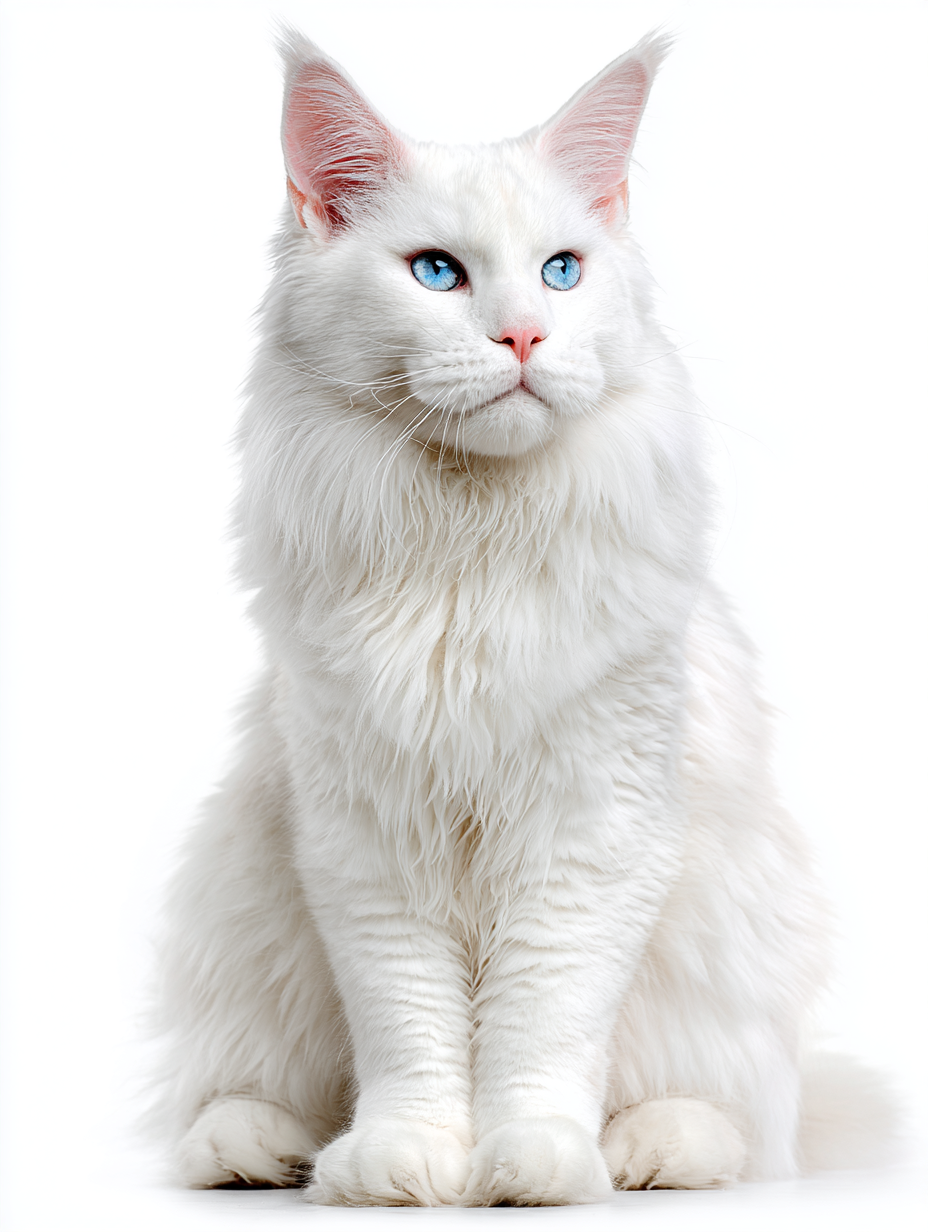
Some of the rarest colors include solid white, silver smoke, and chocolate or lilac, which are uncommon due to recessive genetics. These shades require specific gene combinations that few breeders work with. Because of their rarity, kittens in these colors often have longer waitlists and higher pricing. However, rarity doesn’t change temperament or health — only appearance. Explore photos and color genetics in Cute Maine Coon Cats.
44. Can Maine Coons go outside safely?
Maine Coons enjoy supervised outdoor time but should never roam freely. Their trusting nature and value make them targets for theft or injury. Instead, create a catio, leash-train them, or use enclosed playpens to give them safe outdoor enrichment. This setup satisfies their curiosity while keeping them secure.
45. Are there black Maine Coons?
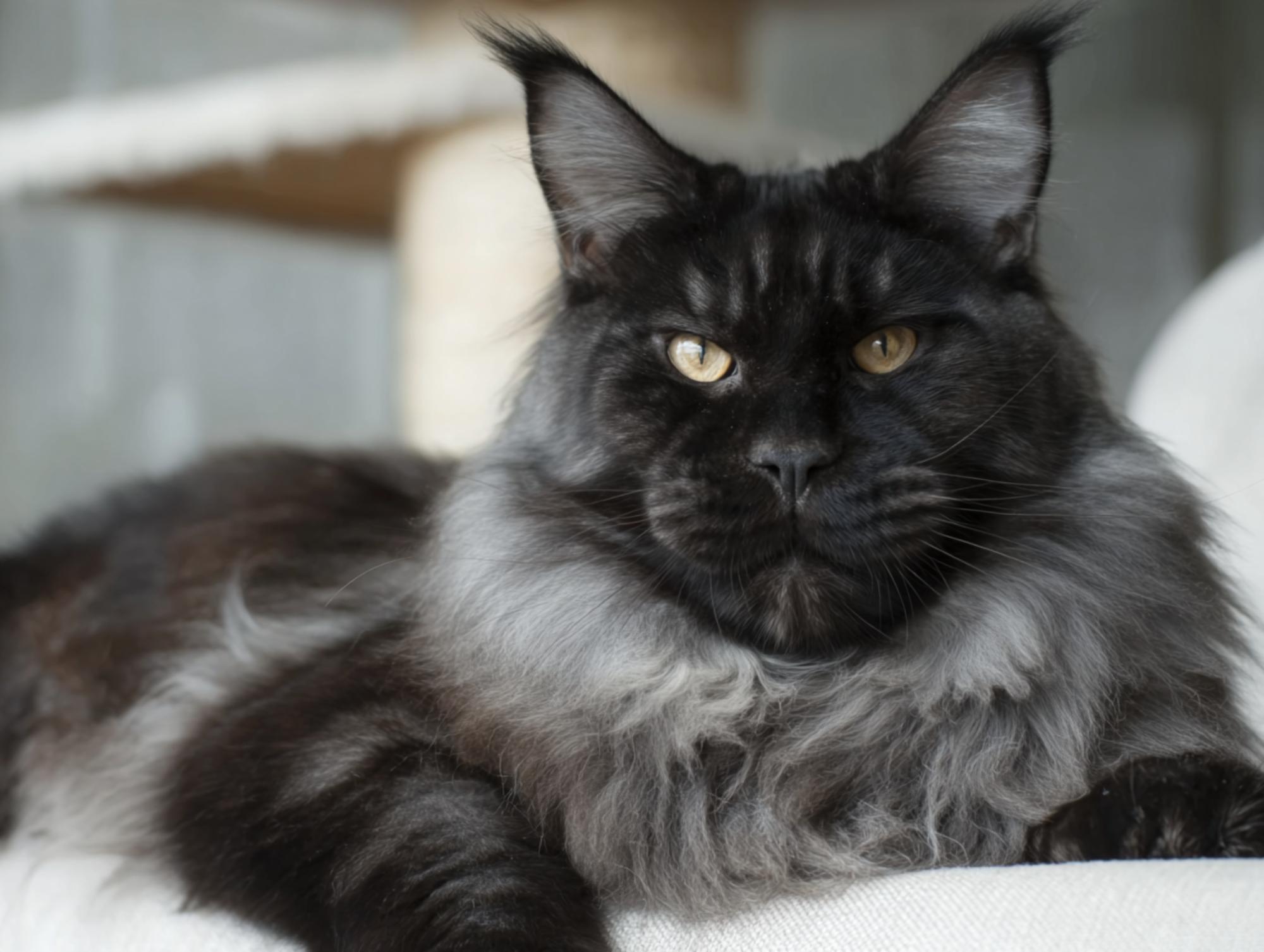
Yes — black Maine Coons are fully recognized and highly admired for their deep, glossy coats and golden or green eyes. Their fur often has a satin sheen, especially under sunlight. These cats look majestic with their thick ruffs and contrast beautifully against lighter surroundings. Black is one of the oldest and purest color lines in the breed. See photos and care tips in our Black Maine Coon Cat Guide.
46. What’s a smoke Maine Coon?
A smoke Maine Coon has a dramatic coat where the hair shafts are light at the base and dark at the tips, creating a shimmering effect when they move. The most common varieties include black smoke, blue smoke, and red smoke. Their coats appear solid until the fur parts, revealing the pale undercoat beneath. Smoke patterns are rare and especially striking in person. Explore variations in our Smoke Maine Coon Cats Explained.
47. Do Maine Coons get along with babies?
Yes, Maine Coons are one of the safest breeds to have around infants and toddlers when properly supervised. Their gentle, tolerant nature makes them calm even in busy households. However, as with all animals, early boundaries and gentle handling are essential. Gradual introductions ensure mutual comfort and safety.
48. Can Maine Coons live in apartments?
Maine Coons can live happily in apartments as long as their physical and mental needs are met. Provide climbing structures, scratching posts, and interactive toys to keep them entertained. They bond closely with owners, so companionship matters more than square footage. Regular play sessions help prevent boredom or weight gain.
49. What’s the best litter for Maine Coons?
Because of their large paws, Maine Coons do best with low-dust, clumping litter that won’t stick to fur. Unscented clay or natural wood litters work well, especially in larger, high-walled boxes. Avoid fine-textured litters that scatter easily. A clean, roomy litter area keeps these cats comfortable and prevents behavioral issues.
50. How intelligent are Maine Coons?
Maine Coons are among the smartest domestic cat breeds, capable of learning routines, problem-solving, and emotional reading. They recognize voices, understand gestures, and often anticipate daily habits like mealtime or bedtime. Many owners compare them to dogs for their trainability and loyalty. Their intelligence means they need regular stimulation — puzzle feeders, clicker training, and interactive play. Explore learning activities in House Setup for Maine Coon.
Sources & Related Reading
- Browse All Breeders – The International Cat Association (TICA) TICA – The International Cat Association
- Find a Cat Breeder – TICA TICA – The International Cat Association
- Maine Coon Breed Standard – Cat Fanciers’ Association (CFA) The Cat Fanciers’ Association
- Maine Coon Cat – CFA overview The Cat Fanciers’ Association
- Pet Buyer’s Guide – TICA TICA – The International Cat Association
- Maine Coon Breed Standard & Ethical Breeding – Maine Coon Breeders & Fanciers Association (MCBFA) mcbfa.org





Read the Comments +