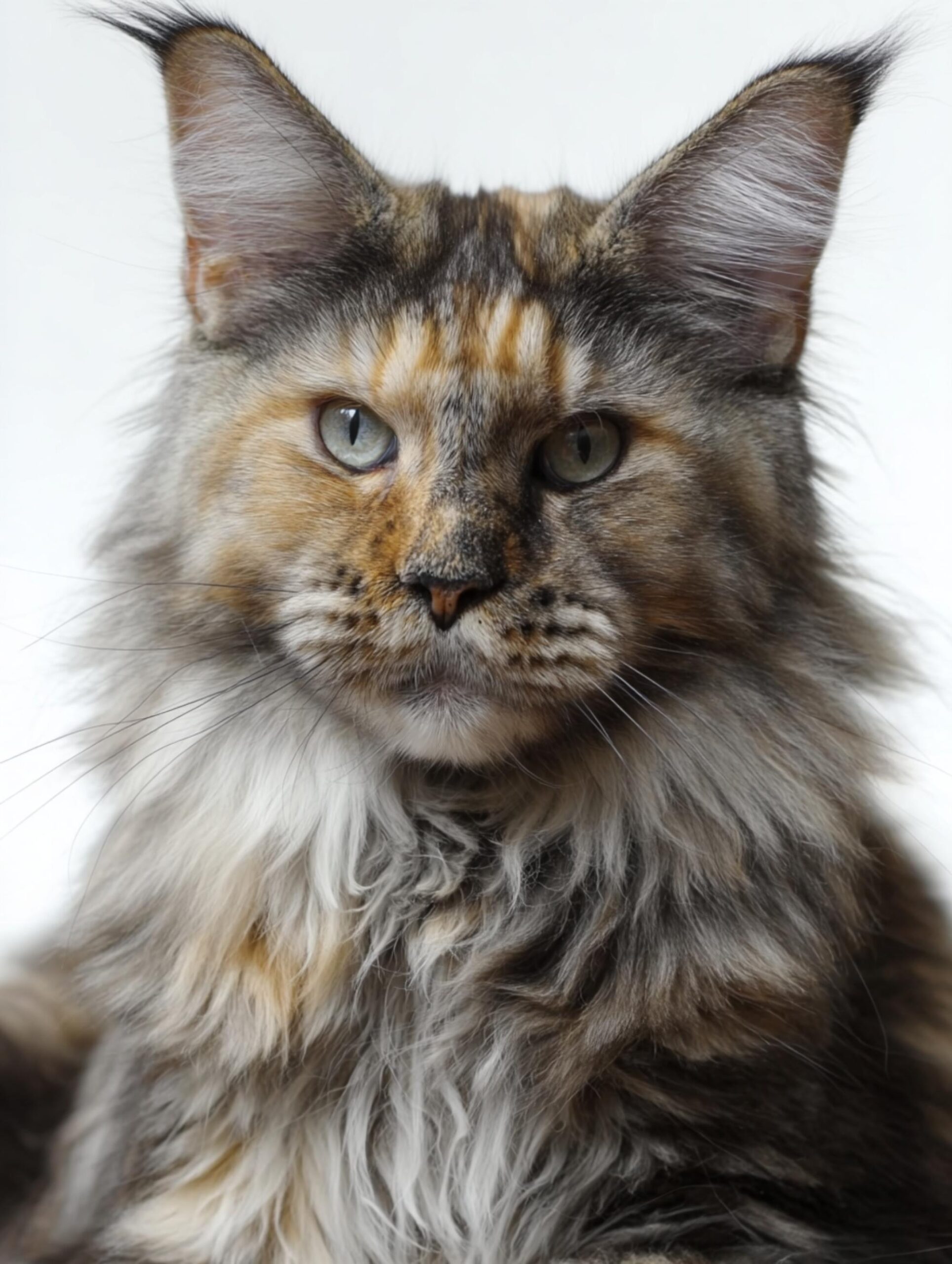
How to Bathe a Maine Coon Like a Pro
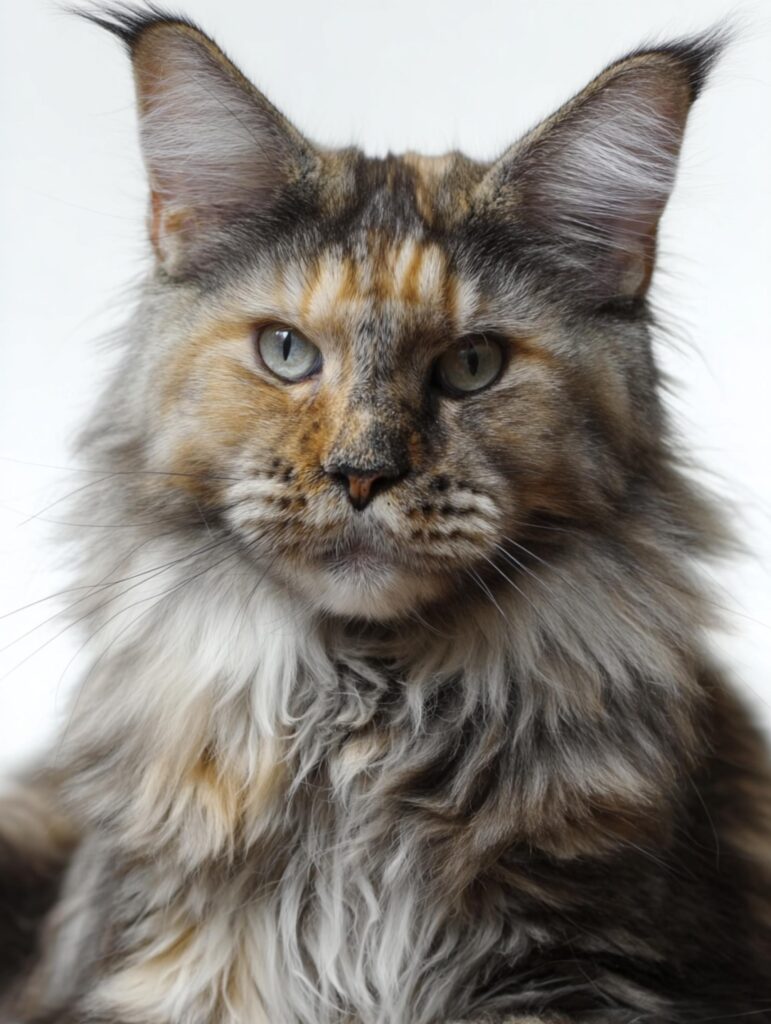
Bathing a Maine Coon is completely manageable at home when you use the right products, prepare properly, and move at the cat’s pace. Most bathing problems come from poor prep, wrong shampoos, or rushing, not from the Maine Coon itself.
Maine Coon bathing feels intimidating online because most people only share stories after something goes wrong, not when a calm bath goes smoothly. Forum advice often overcomplicates the process by adding unnecessary steps, tools, and restraint methods that create stress instead of reducing it. This guide breaks bathing down into a clear, repeatable process so it becomes a normal grooming task rather than a stressful event.
How to Bathe a Maine Coon: Quick Summary
| Topic | Key Takeaway |
|---|---|
| Do Maine Coons need baths? | Yes, occasionally. Brushing alone is not always enough for dense coats |
| Best time to bathe | When the coat feels greasy, smells musty, or has visible buildup |
| When not to bathe | During illness, extreme stress, very young age, or severe matting |
| Prep before bathing | Brush thoroughly, trim nails, set up all supplies first |
| Best shampoo | Cat-specific, gentle formulas that rinse easily |
| Water temperature | Lukewarm only, shallow water |
| Drying method | Towel dry first, then controlled dryer or box dryer |
| Air drying | Not recommended for Maine Coons |
| Bath frequency | Occasional, based on coat condition, not a schedule |
| Key principle | Preparation and calm handling matter more than force |
Do Maine Coons Actually Need Baths?
Yes, Maine Coons sometimes need baths. Their large size, dense coat, and tendency toward oil buildup mean self-grooming does not always keep the coat clean.
Coat type and body size change grooming needs. Maine Coons carry more coat volume than most cats, and that coat traps oil, debris, and loose hair more easily. Self-grooming helps, but it does not remove buildup the way a proper bath does.
Self-grooming is not always enough, especially during coat blow, after litter box accidents, or when the coat develops a greasy feel. A well-timed bath restores coat texture and cleanliness without harming the cat.
Expert clarification: bathing does not damage the coat when you use cat-safe products and rinse thoroughly. Bathing also does not need to happen often. Occasional, well-executed baths work far better than frequent or rushed ones.
When You Should Bathe a Maine Coon
You should bathe a Maine Coon when the coat needs more than brushing to return to a clean, healthy state.
- Greasy or oily coat buildup signals the need for a bath. Some Maine Coons develop excess oil along the spine, chest, or tail that brushing alone cannot remove. A proper bath resets the coat and restores normal texture.
- Litter box accidents often require bathing. When stool or urine contacts the coat, especially around the rear or legs, bathing prevents odor, irritation, and repeated soiling.
- Debris stuck in the coat also calls for bathing. Sap, dirt, dust, or sticky substances cling to the dense Maine Coon coat and resist spot cleaning.
- Seasonal coat blow can make the coat feel heavy, dull, or sticky. Bathing during shedding helps release dead undercoat and improves overall coat condition.
- Show or breeding preparation often includes bathing to bring out coat clarity and volume. In these cases, bathing supports presentation and coat health.
- Medical or parasite-related situations sometimes require bathing under veterinary guidance. Medicated shampoos or cleansing baths play a role in specific treatment plans.
Clarification: bathe for cleanliness, not routine. Overbathing strips natural oils and creates coat problems. Most Maine Coons need baths only occasionally, not on a fixed schedule.
When You Should NOT Bathe a Maine Coon
Do not bathe a Maine Coon when bathing adds stress or fails to address the real issue.
- Extremely stressed cats do not benefit from bathing. High stress increases resistance and risk of injury. Address handling comfort and desensitization first.
- Ill or weak cats should not be bathed unless a veterinarian directs it. Bathing can lower body temperature and increase physical strain during illness.
- Very young kittens should not receive full baths. Kittens struggle to regulate body temperature, and spot cleaning works better at this stage.
- Severe matting needs clipping before bathing. Water tightens mats and makes them harder to remove. Bathing without addressing mats first worsens discomfort.
Bathing becomes the wrong tool when brushing, trimming, or spot cleaning solves the problem more safely. Use the least stressful method that achieves cleanliness and coat health.
When to Bathe a Maine Coon vs When Not To
| Situation | Bathe or Not? | Why |
|---|---|---|
| Greasy or oily coat buildup | Bathe | Brushing cannot remove oil buildup effectively |
| Litter box accidents | Bathe | Prevents odor, skin irritation, and repeated soiling |
| Debris stuck in the coat | Bathe | Dense coat traps dirt that spot cleaning cannot remove |
| Seasonal coat blow | Bathe | Helps release dead undercoat and refresh coat texture |
| Show or breeding preparation | Bathe | Improves coat clarity and presentation |
| Medicated or parasite treatment | Bathe | Supports specific veterinary treatment plans |
| Extremely stressed cat | Do not bathe | Stress increases resistance and injury risk |
| Ill or weak cat | Do not bathe | Bathing can worsen physical strain |
| Very young kitten | Do not bathe | Poor temperature regulation |
| Severe matting | Do not bathe | Water tightens mats and increases discomfort |
Pro Prep Before the Bath
Proper preparation determines whether a bath goes smoothly or turns stressful. When you prepare correctly, the bath itself becomes straightforward and uneventful.
Brush the Coat Thoroughly
Brush the coat completely before any water touches it. Maine Coon coats trap loose undercoat easily, and water tightens tangles and mats instead of loosening them. Once mats get wet, they shrink and pull, which increases discomfort and makes rinsing harder.
Use tools that remove loose hair without ripping through the coat. A wide-tooth metal comb works well for checking down to the skin. A slicker brush helps lift loose undercoat, especially during shedding season. Focus on the chest, belly, armpits, and behind the legs, where tangles form first.
Brushing before bathing also reduces drying time and prevents leftover clumps of loose fur from matting as the coat dries.
Trim Nails First
Trim your Maine Coon’s nails before the bath. Nail length matters during bathing because wet cats try to regain footing, and long nails increase the chance of accidental scratches.
Short nails protect everyone involved. They reduce the risk of injury if the cat shifts suddenly, and they keep the experience calmer overall. Nail trimming before bathing also prevents snagging on towels during drying.
Set Up Everything Before Bringing the Cat In
Set up all supplies in advance so you never leave the cat unattended or rush mid-bath.
Have towels ready for immediate drying. Choose absorbent towels that allow blotting rather than rubbing.
Place shampoo within arm’s reach so you can apply it without searching or moving away.
Prepare cups or a sprayer for controlled rinsing. Gentle water flow matters more than pressure.
Set up the dryer before the bath begins. Plug it in, choose the lowest effective heat setting, and place it where you can reach it easily.
Preparation matters more than speed because calm, controlled movements reduce stress. Rushing causes mistakes. A prepared setup allows you to move confidently and keep the bath predictable.
The Best Shampoos for Maine Coons
Choosing the right shampoo protects coat quality and skin health. Maine Coons do not tolerate harsh products well, and the wrong shampoo creates more problems than it solves.
What to Look for in a Shampoo
Use cat-specific formulas only. Cats absorb substances through their skin and groom residue from their coat, so products designed for other species do not belong in their care routine.
Look for gentle cleansers that clean without stripping oils. A good shampoo removes buildup while preserving the coat’s natural texture.
Choose shampoos that rinse easily. Residue left behind causes irritation, dullness, and greasy rebound in thick coats like the Maine Coon’s.
Shampoos That Work Well for Maine Coons
- Degreasing shampoos help when the coat feels oily, especially along the spine or tail. Use them sparingly and only when buildup exists.
- Mild everyday shampoos suit routine baths and general cleanliness. These formulas maintain coat balance without over-drying.
- Sensitive skin formulas work well for cats with dry skin, allergies, or frequent grooming needs. These shampoos soothe rather than the skin.
Shampoos to Avoid
- Avoid human shampoos. They disrupt skin pH and strip oils aggressively.
- Avoid dog shampoos. Dogs tolerate ingredients that cats cannot process safely.
- Avoid strong fragrances. Artificial scents linger in dense coats and irritate sensitive skin.
- Avoid harsh degreasers used incorrectly. Overuse strips oils and leads to flaky skin and rebound oiliness.
Clarification: “Natural” does not always mean gentle. Some natural ingredients irritate feline skin. Always choose products formulated specifically for cats and designed for frequent grooming safety.
Step-by-Step: How to Bathe a Maine Coon
Water Temperature and Depth
Use lukewarm water only. Water that feels neutral to your wrist works best and keeps the cat comfortable throughout the bath.
Keep the water shallow. A few inches of water in a tub or sink gives you control without making the cat feel submerged. Shallow water reduces panic, improves footing, and allows you to focus on washing the coat instead of managing splashing or struggling.
Wetting the Coat Properly
Maine Coon coats resist water because of their dense, semi-water-repellent texture. Water beads on the surface unless you take time to work it in.
Pour water slowly over the coat using a cup or gentle sprayer. Start at the shoulders and work backward. Use your hand to press water into the coat so it reaches the skin evenly. Move methodically and avoid splashing, which increases stress without improving saturation.
Fully wetting the coat matters. Shampoo cannot clean effectively if water never reaches the skin.
Applying Shampoo Correctly
Start shampoo application at the neck and work down the body. This approach prevents the cat from flicking shampoo toward the face and eyes.
Use a small amount of shampoo and add more only if needed. Thick coats spread product well, and excess shampoo makes rinsing harder.
Work shampoo gently through the coat with your fingers. Focus on greasy areas such as the chest, spine, and tail base. Avoid the eyes, ears, nose, and mouth. Keep shampoo off the face entirely.
Rinsing Thoroughly
Rinse longer than you think you need to. Shampoo residue causes dullness, irritation, flaking, and greasy rebound in thick coats.
Use steady, gentle water flow and continue rinsing until the water runs completely clear and the coat feels clean rather than slippery. Run your fingers through the coat to check for leftover product, especially under the chest, belly, and tail.
A clean coat feels light and squeak-free under your hands.
Washing the Face, Paws, and Tail
Cleaning the Face Safely
Clean the face without pouring water over it. Use a damp cloth to wipe the cheeks, chin, and around the eyes. Keep water out of the ears and avoid direct contact with the eyes and nose.
Paw Cleaning Techniques
Wash paws gently using shallow water and your hands. Focus on the pads and between the toes, where litter and debris collect. Rinse thoroughly and check for trapped residue before moving on.
Tail and Rear-End Care
Pay extra attention to the tail and rear end, where oil and debris build up most often. Work shampoo carefully through the fur at the base of the tail and rinse thoroughly. Avoid aggressive scrubbing, which irritates the skin and tangles the coat.
Proper washing in these areas improves cleanliness without causing discomfort or stress.
Drying a Maine Coon Like a Pro
Drying matters as much as the bath itself. Maine Coons carry a large volume of dense fur, and improper drying leads to matting, odor, and skin irritation. A calm, controlled drying process protects both coat quality and comfort.
Towel Drying First
Start with towel drying immediately after the bath. Use clean, absorbent towels and blot the coat instead of rubbing it.
Blotting presses water out of the fur without tangling or roughing the coat. Rubbing twists the hair, tightens tangles, and increases matting, especially in the chest, belly, and leg areas.
Focus on removing as much surface water as possible before introducing any dryer. Efficient towel drying shortens dryer time and reduces stress.
Best Dryers for Maine Coons
High-velocity pet dryers work best for Maine Coons. They push water out of the coat quickly without relying on high heat. These dryers shorten drying time significantly and help prevent damp undercoat.
Human blow dryers can work when used carefully. Choose a low heat setting and moderate airflow. Avoid hot air and keep the dryer moving to prevent overheating.
Noise and heat matter. Loud dryers increase stress quickly, and excessive heat dries the skin and damages coat texture. Choose equipment that balances power with control.
How to Dry Without Stressing the Cat
Maintain distance between the dryer and the coat. Start several feet away and move closer only if the cat stays relaxed.
Direct airflow along the body rather than straight into the face or against the grain of the coat. Work from the neck toward the tail and down the legs methodically.
Watch body language closely. Signs of stress include flattened ears, tail flicking, stiff posture, or vocalizing. Pause or switch back to towel drying when needed.
Clarification: air drying rarely works for Maine Coons. Thick coats trap moisture close to the skin, which leads to damp undercoat, skin irritation, and matting. Controlled drying keeps the coat healthy and comfortable.
Box Dryer Method (My Preferred Way to Dry a Maine Coon)
If I had to choose one drying method for Maine Coons, this would be it. A box dryer setup dries the coat thoroughly, evenly, and with far less stress than handheld dryers for many cats.
What a Box Dryer Is
A box dryer is a controlled drying space, usually a large crate or grooming enclosure, paired with a pet dryer that pushes airflow indirectly rather than directly onto the cat’s body. The air circulates around the cat instead of blasting them in one spot.
This setup mimics how professional groomers dry long-coated cats without constant handling.
Why Box Drying Works So Well for Maine Coons
Maine Coons struggle most with noise, restraint, and direct airflow. Box drying reduces all three.
- The cat can sit or lie naturally without being held
- Airflow stays consistent and gentle
- Noise feels less intense because the dryer is not aimed directly at the body
Because the air moves around the entire coat, the undercoat dries more evenly. This prevents damp patches that lead to matting and odor.
How to Set Up a Box Dryer Safely
Use a large crate or enclosed grooming space with plenty of room for the cat to turn and reposition. Never crowd the space.
Attach the dryer hose so air flows into the enclosure indirectly. Do not point the hose straight at the cat. Let the air circulate.
Choose low heat or no heat. Airflow matters far more than temperature. Warm air should feel barely warm to your hand.
Place absorbent towels on the floor of the enclosure to catch moisture and improve comfort.
How Long to Box Dry a Maine Coon
Dry in short intervals and check progress regularly. Most Maine Coons dry well within 15 to 30 minutes depending on coat density and how well towel drying removed excess water.
Open the enclosure periodically to check coat dryness, body temperature, and stress level. The cat should feel warm and relaxed, not hot.
Why Box Drying Reduces Stress
Box drying removes constant handling from the process. Many cats relax once the initial bath ends and the drying environment feels predictable.
Because the cat controls their posture and movement, stress stays lower and cooperation improves over time. Cats that fight handheld dryers often tolerate box drying easily.
Safety Rules You Don’t Want to Skip
- Never leave a cat unattended while box drying
- Always monitor temperature and airflow
- Stop immediately if the cat shows distress
- Never use high heat
When done correctly, box drying is the calmest, most professional way to dry a Maine Coon. It protects coat quality, shortens drying time, and keeps the entire grooming process predictable instead of chaotic. My Maine Coons often fall asleep, while drying, and it sure beats the water flying everywhere with a normal blow dryer setup.
How Often Should You Bathe a Maine Coon?
How often should you bathe a Maine coon is determined by your individual cat and lifestyle. Bathing frequency depends on coat condition, lifestyle, and individual needs. Maine Coons do not benefit from frequent, scheduled baths unless specific conditions require them.
Typical household Maine Coons
Most household Maine Coons only need an occasional bath. Brushing, spot cleaning, and routine grooming handle daily maintenance. A full bath makes sense when the coat feels greasy, smells musty, or looks dull despite regular brushing.
Cats with oily coats
Some Maine Coons produce excess oil, especially along the spine and tail. These cats may benefit from more regular bathing, but still not on a tight schedule. Bathe only when oil buildup returns rather than following a calendar.
Show or breeding cats
Show and breeding Maine Coons often receive more frequent baths to maintain coat presentation. In these cases, proper shampoo choice, thorough rinsing, and careful drying matter more than frequency.
Overbathing causes coat problems because it strips natural oils and disrupts skin balance. This leads to dryness, flaking, irritation, and rebound oiliness that makes the coat look worse over time.
Signs a bath is actually needed include a greasy feel, odor, visible buildup, heavy shedding during coat blow, or repeated soiling that brushing cannot resolve.
Bathing Kittens vs Adult Maine Coons
Kittens
- Start bathing only after the kitten settles into the home and handles basic grooming calmly. Early exposure matters more than deep cleaning.
- Keep baths very short. Focus on gentle wetting, light shampoo use when needed, and thorough drying. Skip perfection.
- Build tolerance through calm repetition. Short, uneventful baths teach kittens that water does not equal stress, which pays off for life.
Adults
- Reset bad experiences by slowing everything down. Adult Maine Coons that resist baths usually react to past stress, not the bath itself.
- Move forward with slow, calm progress. Short sessions, controlled water, and predictable steps rebuild trust.
- Force backfires because it reinforces fear and resistance. Calm handling and consistency teach adult cats that bathing stays safe and manageable.
How to Desensitize Kittens to Bathing
(Start this early and bathing becomes easy later)
Desensitizing kittens to bathing works the same way as nail trimming. You build comfort through calm exposure long before a full bath ever happens. Kittens who learn that water and handling feel routine rarely struggle with bathing as adults.
Start With Handling, Not Water
Begin by handling the kitten in the bathroom or sink area without turning on water. Pick the kitten up, place them in the empty tub or sink briefly, and then remove them. Repeat this over several days so the space itself stops feeling novel or threatening.
Touch the legs, chest, belly, and tail gently during normal handling sessions. These are the areas that will get wet during a bath, and early familiarity matters.
Introduce Water Without Bathing
Turn the faucet on briefly while the kitten is nearby so they hear the sound without getting wet. Let them observe running water at a distance.
Next, wet your hands and lightly touch the kitten’s paws or legs. Keep contact brief and end the session before the kitten shows discomfort. These short exposures teach the kitten that water contact does not lead to panic.
Practice “Mock Baths”
Place the kitten in the sink or tub and gently run water nearby without spraying them. Use a cup to pour a small amount of lukewarm water over one paw or the lower legs only, then stop.
Mock baths work because they introduce the motions of bathing without overwhelming the kitten. Repetition matters more than progress.
Keep First Baths Very Short
When you do bathe a kitten, keep the first bath extremely brief. Focus only on wetting, a small amount of shampoo, and thorough rinsing. Skip perfection. The goal is exposure, not a deep clean.
Dry the kitten promptly and calmly. Ending the experience smoothly builds confidence for future baths.
What Desensitization Should Look Like
Desensitization should feel boring. Calm handling, predictable steps, and short sessions build trust over days and weeks.
Avoid forcing progress. One stressful bath can undo several calm sessions. Kittens learn bathing is routine when every experience stays controlled and uneventful.
Why Maine Coons React Poorly to Baths
Maine Coons rarely react to baths because they are difficult or aggressive cats. Most negative reactions come from how the bathing environment feels rather than from the water itself.
- Slippery footing
Smooth tubs and sinks remove traction. When cats cannot brace their feet, they feel unstable and vulnerable. This loss of footing triggers panic faster than water contact alone. - Noise sensitivity
Running water, sprayers, and dryers create sudden noise that overwhelms sensitive hearing. Loud or unpredictable sounds escalate stress even in otherwise calm cats. - Owner tension
Cats read human body language instantly. Tight movements, hesitation, or frustration signal danger. When owners tense up, cats respond defensively.
Clarification: fear is situational, not personality. Maine Coons do not dislike baths by nature. Calm handling, secure footing, and controlled noise change outcomes dramatically.
What NOT to Do When Bathing a Maine Coon
- Do not force the cat into water. Forcing removes control and creates immediate resistance that worsens future baths.
- Do not use loud or high-pressure water. Strong water flow startles cats and makes them fight the process.
- Do not scrub aggressively. Scrubbing irritates the skin, tangles the coat, and increases stress without improving cleanliness.
- Do not bathe without preparation. Skipping brushing, nail trims, or setup leads to rushed handling and avoidable mistakes.
- Do not let the coat air dry completely. Damp undercoat causes matting, odor, and skin irritation in dense Maine Coon fur.
When Bathing Becomes a Problem
Bathing becomes a problem when stress or physical issues outweigh the benefit of cleanliness.
- Extreme fear responses
Hissing, freezing, or frantic struggling signal that bathing at home may no longer work without desensitization or professional help. - Skin irritation
Redness, flaking, or itching after baths indicate product issues, overbathing, or incomplete rinsing. - Coat damage
Breakage, matting, or dullness signal improper products or drying methods.
Professional grooming makes sense when stress remains high or coat condition needs advanced care. A veterinarian visit becomes appropriate when skin problems persist, wounds appear, or bathing forms part of a medical treatment plan.
Maine Coon Bathing FAQ
Do Maine Coons actually need baths?
Sometimes, yes. While Maine Coons groom themselves, their dense coats can trap oil, debris, and loose undercoat that brushing alone does not remove.
How often should you bathe a Maine Coon?
Most household Maine Coons only need occasional baths, not a regular schedule. Bathe when the coat feels greasy, smells musty, or looks dull despite regular grooming.
Can bathing damage a Maine Coon’s coat?
No, when you use cat-safe shampoo, rinse thoroughly, and dry correctly. Coat damage usually comes from overbathing, harsh products, or incomplete drying.
What shampoo is safe for Maine Coons?
Use cat-specific shampoos with gentle cleansers that rinse easily. Avoid human and dog shampoos, strong fragrances, and harsh degreasers unless needed and used correctly.
Why does my Maine Coon hate baths?
Most cats react to slippery footing, loud noise, or owner tension rather than water itself. Improving footing, lowering noise, and staying calm often changes the response.
Should I bathe a Maine Coon kitten?
Only when necessary and after the kitten settles into the home. Keep baths very short and focus on building tolerance rather than deep cleaning.
How do I desensitize my Maine Coon to bathing?
Start with handling in the bath area, introduce water gradually, and keep early baths brief. Calm repetition builds comfort over time.
Is air drying safe for Maine Coons?
No. Their dense coats trap moisture close to the skin, which leads to matting, odor, and irritation. Controlled towel and dryer drying work best.
Are box dryers safe for Maine Coons?
Yes, when used correctly. Box drying provides gentle, indirect airflow and often causes less stress than handheld dryers. Always supervise and avoid high heat.
What if my Maine Coon panics during baths?
Stop and reassess. Forcing increases fear. Consider desensitization work, professional grooming, or veterinary guidance if stress remains high.
When should I use a professional groomer?
Professional grooming helps when coat condition, matting, or stress makes home bathing difficult. Choose groomers experienced with cats.
When should I call a vet instead of bathing?
See a vet if your cat has skin sores, persistent irritation, parasites, or medical conditions that require medicated bathing or evaluation.
Final Thoughts: Maine Coon Bathing Is Fun
Professional bathing comes down to preparation, not strength or restraint. When you brush first, choose the right products, and set everything up in advance, the bath stays calm and controlled.
The right shampoos and drying methods protect the coat and skin, while poor product choices create problems that look like “bad reactions.” Most Maine Coons tolerate bathing far better than people expect when the process stays predictable and unrushed.
Related Maine Coon Cat Posts
If you are reading about the Maine Coon Breed see these posts next:
- Do Maine Coons Talk A Lot: And What They Sound Like
- Maine Coon Grooming Guide: How Often to Brush, What Tools Actually Work, and Common Mistakes
- Do Maine Coons Need Professional Grooming: When and how often.
- How to Trim a Maine Coons Nails: Without the Drama
- Maine Coon Shedding Explained: Seasonal Coat Blow, What’s Normal, and When to Worry
- How Spaying and Neutering Affect the Maine Coon Coat: Why they get fluffier.
- Maine Coon Lion Cuts: What Works, What Fails, and What Can Make Matting Worse
- Maine Coon Matting: How to prevent them before they start.
- Maine Coon Polydactyl Care: Extra love for the extra toes.
- Maine Coon Diet and Coat Health: How Nutrition Affects Shedding, Dryness, and Mat Formation
- Maine Coon Kitten vs Adult Coat: How the Adult Coat Develops
- Maine Coon Cat Care: Environmental Factors That Affect Coat Condition and Grooming Needs
- Do Maine Coons Get Lonely: And How to Fix it.
Sources
- International Cat Care (iCatCare) – Bathing and Grooming Cats
Evidence-based guidance on bathing cats, coat care, stress reduction, and proper drying
https://icatcare.org/advice/grooming-cats/ - International Society of Feline Medicine (ISFM)
Feline handling, grooming stress, coat health, and best practices for care
https://icatcare.org/vets/guidelines/ - American Association of Feline Practitioners (AAFP)
Feline-friendly handling and low-stress grooming principles
https://catvets.com/guidelines/practice-guidelines/feline-friendly-handling-guidelines - VCA Animal Hospitals – Bathing Your Cat
Practical veterinary guidance on when to bathe cats, shampoo safety, and drying
https://vcahospitals.com/know-your-pet/bathing-your-cat - ASPCA – Cat Grooming Basics
Bathing frequency, shampoo safety, and coat care fundamentals
https://www.aspca.org/pet-care/cat-care/cat-grooming-tips - The International Cat Association (TICA) – Maine Coon Breed Profile
Breed-specific coat type and grooming considerations
https://tica.org/breeds/browse-all-breeds?view=article&id=819





Read the Comments +