
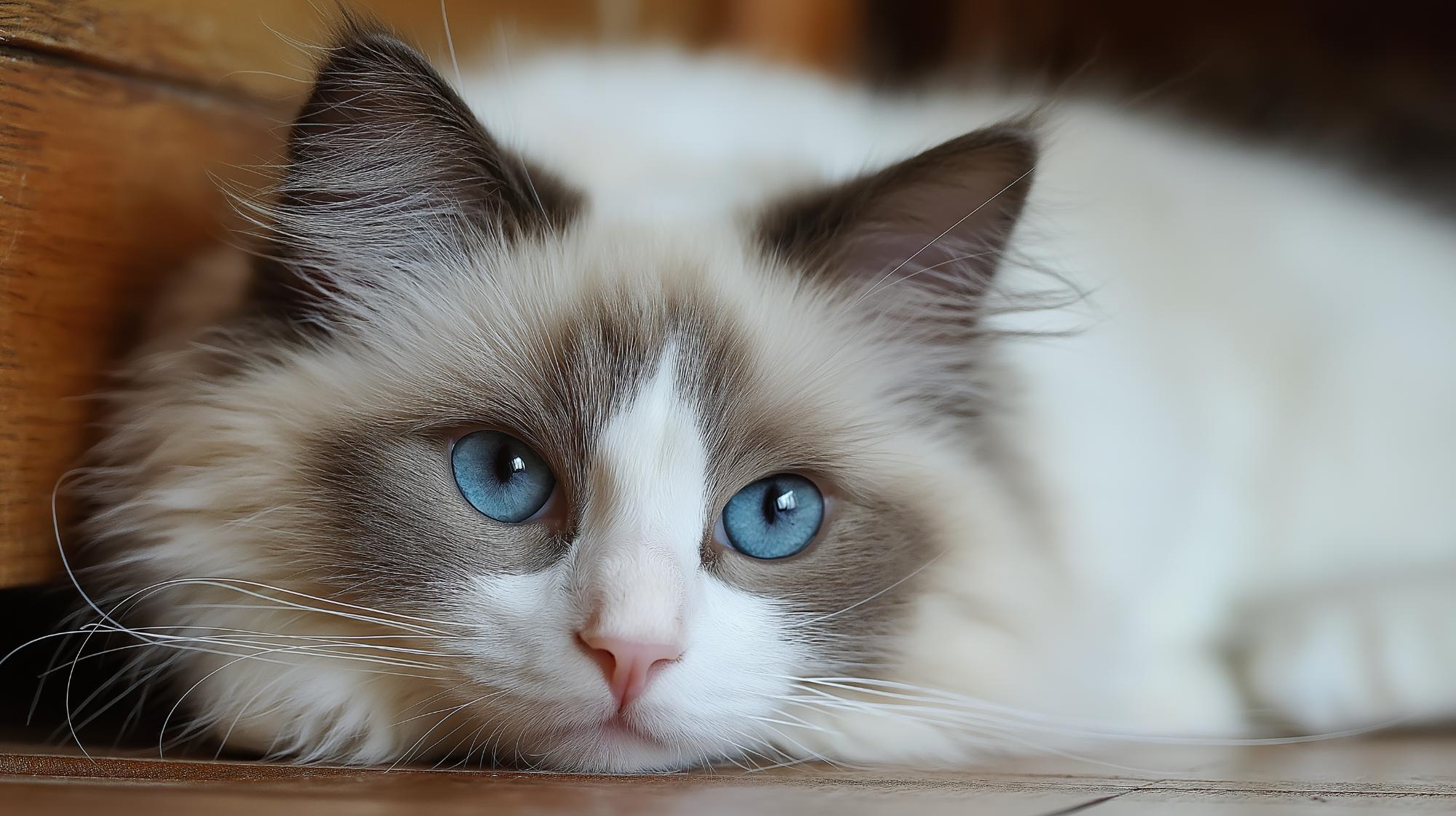
Ragdoll Breed Standard vs Show Trends: Structural Drift?
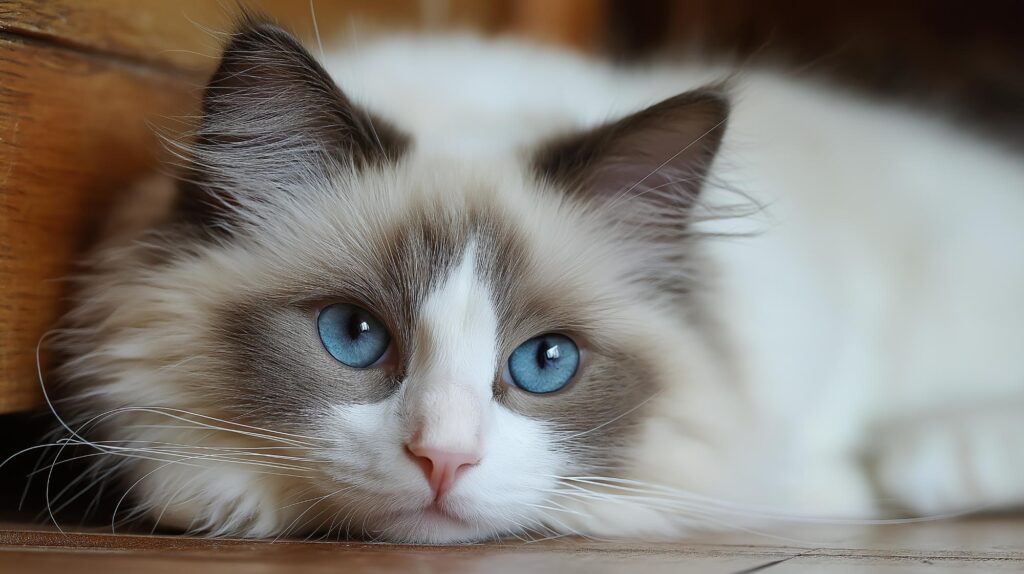
The Ragdoll was developed with a clear and intentional vision: a large, affectionate, well-balanced cat known as much for temperament as for appearance. Breed standards were written to protect that vision. They do not exist to reward exaggeration. They exist to preserve function, structural harmony, and behavioral consistency across generations.
In recent years, quiet conversations have emerged within breeding and show communities about “extreme type.” Some observers note shifts in head shape, eye expression, and coat density in certain modern show lines. These discussions are not accusations. They are questions about long-term direction.
Structural drift rarely happens suddenly. It develops gradually as selection priorities shift. If visual trends begin to outweigh moderation, the breed’s identity can slowly evolve away from its original blueprint. This article examines that possibility through history, structure, registry interpretation, and preservation ethics.
Ragdoll Breed Standard Summary Table
| Category | Official Breed Standard (Balanced Ideal) | Why It Matters |
|---|---|---|
| Origin Purpose | Large, affectionate companion with stable temperament | Temperament defines the breed as much as structure |
| Overall Impression | Substantial, balanced, moderate | Prevents exaggeration and structural imbalance |
| Head Shape | Broad modified wedge with soft contours | Maintains harmony between skull, muzzle, and eyes |
| Muzzle | Medium length, blunt, well-developed | Supports proper bite alignment and facial balance |
| Profile | Gentle curve, not sharply broken | Preserves natural facial flow |
| Eye Shape | Large oval, intense blue | Complements wedge structure and soft expression |
| Ear Placement | Medium size, moderately set, following wedge lines | Maintains proportion and head symmetry |
| Bone Structure | Strong, substantial, muscular | Supports large body without coarseness |
| Body Type | Long, powerful, well-balanced | Ensures athletic movement and durability |
| Coat Texture | Silky, medium-long, minimal undercoat | Reduces matting and preserves low-maintenance reputation |
| Coat Density | Moderate, lies with body | Prevents excessive grooming burden |
| Expression | Soft, open, relaxed | Reflects hallmark docile temperament |
| Temperament | Calm, people-oriented, stable | Core identity trait of the breed |
| Breeding Priority | Moderation and consistency across generations | Protects long-term breed integrity |
Table Recap:
The Ragdoll was designed to be impressive without being extreme. Its identity rests on proportion, silkiness, structural harmony, and predictable temperament. When moderation remains the anchor, the breed retains both beauty and longevity.
What the Original Ragdoll Was Meant to Be
Ann Baker’s Foundational Vision
The Ragdoll originated through the work of Ann Baker in the 1960s. Her breeding focus centered on temperament first. The cats she selected were known for their calm, docile, people-oriented nature. Physical structure supported that temperament but did not overshadow it.
The early Ragdoll was described as:
- Large and substantial
- Muscular but not coarse
- Balanced in proportion
- Moderate in facial structure
- Covered in a soft, flowing semi-long coat
The emphasis was never on exaggeration. It was on harmony. The Ragdoll was meant to be impressive without being extreme.
The Core Design of the Breed
Official standards published by registries such as The International Cat Association and Cat Fanciers’ Association consistently reinforce moderation and balance.
The foundational structural elements include:
- A broad head with soft contours
- A modified wedge shape, not sharply angular and not rounded
- Large oval eyes that contribute to an open, gentle expression
- A strong, well-developed chin
- A long, muscular body with substantial bone
- A plush, silky coat that lies with the body rather than standing away in cotton-heavy density
Every element was designed to work together. The oval eye complements the wedge head. The strong chin supports facial balance. The coat texture maintains elegance without excessive bulk.
The Ragdoll was never designed to be extreme in any feature. Its identity rests on proportion, softness of expression, and consistency of temperament. Any discussion about modern show trends must begin with that original design in mind.
See Ragdoll Cat Breed Standard Here.
Understanding the Official Ragdoll Breed Standards
The Ragdoll is recognized and governed by major international registries, including:
- The International Cat Association
- Cat Fanciers’ Association
- Fédération Internationale Féline
While each organization maintains its own written standard, the core structure of the Ragdoll remains consistent across them. Breed standards are not marketing descriptions. They are technical blueprints designed to preserve type, temperament, and long-term functional integrity.
How Breed Standards Are Written
Breed standards are typically developed by breed committees and refined over time. They describe ideal structure in measurable, repeatable language so judges and breeders can evaluate cats against a stable reference point.
Standards avoid emotional language. Instead, they use controlled terms such as:
- Moderate
- Balanced
- Well-developed
- Substantial
- Gently curved
- Broad but not exaggerated
These words are intentional. They prevent drift toward extremes and protect proportional harmony.
Why Moderation Is Repeated So Often
In cat breeding, exaggeration can easily occur when one feature becomes especially rewarded in the show ring. By using terms like moderate and balanced, registries build guardrails into the written blueprint.
Moderation protects:
- Structural harmony
- Functional jaw alignment
- Proper eye shape
- Athletic movement
- Long-term health and breeding viability
The repetition of these words is not accidental. It is preventative.
Differences in Phrasing Between Registries
Although the core structure is similar across registries, subtle differences in wording exist.
- Some emphasize overall balance first.
- Others describe head type in more detailed measurements.
- Some focus heavily on body substance and bone.
- Others provide more detailed coat texture descriptions.
These differences rarely redefine the breed, but interpretation in the show ring can vary slightly by region and registry culture. Over decades, even subtle emphasis differences can influence breeding direction.
Where Standards Emphasize Moderation
Across registries, specific structural elements consistently reinforce moderation:
Head Shape
Described as a broad modified wedge with soft contours. Not sharply angular. Not rounded or compressed.
Ear Placement
Medium size, set moderately wide, following the lines of the wedge. Not overly high. Not excessively flared.
Eye Shape
Large and oval. The standard specifies oval, not round. Oval eyes maintain proportional balance with the wedge head and contribute to the breed’s soft expression.
Bone Structure
Substantial and strong, yet not coarse or heavy to the point of imbalance. The Ragdoll is powerful but elegant.
Coat Texture
Silky and plush, lying with the body. Minimal undercoat. The coat should not be cotton-heavy or exaggerated in density.
These descriptions create a consistent message: the Ragdoll is impressive because of proportion and balance, not exaggeration.
What “Extreme Type” Means in Cat Breeding
In cat breeding, “extreme type” refers to the intentional exaggeration of specific traits to create stronger visual impact.
This can include:
- Amplified head type with shortened proportions
- Larger, rounder eyes that create a doll-like expression
- Increased cheek fullness
- Heavier, denser coat presentation
- More dramatic facial expression overall
Extreme type often develops gradually. Judges reward certain features. Breeders select toward those features. Over time, the average appearance shifts.
Extreme does not automatically mean unethical. Many well-cared-for, health-tested cats may display more pronounced features. However, exaggeration carries inherent risk in any breed because it can disrupt structural harmony.
When one trait becomes amplified, others may shift unintentionally. Balance begins to erode. The question is not whether modern show cats are beautiful. The question is whether long-term moderation is being preserved.
In preservation breeding, moderation is protection.
Head Structure Evolution — Are We Seeing a Shift?
Structural evolution in a breed rarely happens dramatically. It happens gradually, generation by generation, as small preferences compound. In the Ragdoll, the most discussed area of potential drift centers on head structure.
Because the head defines expression, balance, and breed identity, even slight changes can alter the overall look of the cat.
Original Moderate Wedge
The traditional Ragdoll head is described as a broad modified wedge with smooth contours. It is neither sharply angular nor rounded. The lines flow gently from ear to muzzle.
Key characteristics include:
- Smooth transitions between planes
- Balanced width and length
- A medium-length blunt muzzle
- Strong chin support
- Large oval eyes that complement the wedge
Nothing about the original design was extreme. The wedge was meant to provide substance and openness without compression. The profile was intended to show a gentle curve rather than a sharp break.
The overall effect was soft, substantial, and harmonious.
Modern Show Trends
In some contemporary show lines, subtle differences have emerged that create a different visual impact.
These may include:
- A shorter muzzle appearance
- Fuller cheek development
- A rounder eye illusion
- Stronger facial contrast between eyes and mask
- A slightly more dramatic expression
None of these shifts necessarily violate the written standard outright. However, when multiple traits lean in the same direction, the visual balance can change.
A slightly shorter muzzle combined with fuller cheeks can create the impression of a more compact face. When paired with rounder-appearing eyes, the expression may look more doll-like rather than softly oval and open.
These are nuanced changes. But nuance matters in preservation breeding.
Visual Explanation Table
| Trait | Original Standard Description | Some Modern Trends |
|---|---|---|
| Head Shape | Broad modified wedge | Appears shorter or more rounded |
| Muzzle | Medium length, blunt | Shorter or more compact |
| Eye Shape | Large oval | Rounder appearance |
| Profile | Gentle curve | More pronounced break in some lines |
Subtle shifts over decades can reshape breed identity. When judges reward slightly stronger expression or fuller cheeks, those traits become desirable. Breeders respond. Over time, the average head type evolves.
The question is not whether modern cats are beautiful. Many are exceptional. The question is whether cumulative small changes move the breed away from its foundational blueprint.
Preservation depends on recognizing drift early, before moderation quietly becomes rarity.
Eye Shape Changes — Oval vs Round
Eye shape plays a major role in breed identity because it defines expression. In the Ragdoll, the standard consistently specifies large oval eyes, not round eyes.
Why Oval Shape Was Originally Specified
The oval eye complements the modified wedge head. Together, they create:
- A soft, open expression
- Structural harmony with the facial planes
- Balance between width and length of the head
An oval eye elongates slightly at the corners, maintaining alignment with the wedge structure. It prevents the face from appearing compressed or overly juvenile.
The intention was not dramatic expression. It was proportion.
How Presentation Can Exaggerate Roundness
Not every round-appearing eye reflects structural change. Several external factors influence how eyes photograph:
- Bright lighting that enlarges pupils
- Grooming that accentuates contrast in colorpoint markings
- Photography angles that minimize wedge length
- Younger cats whose facial structure has not fully matured
These variables can create the illusion of roundness even when the eye itself remains oval.
However, consistent selection for a softer, more doll-like expression can gradually influence breeding decisions. Over time, subtle preference shifts can alter average eye set and shape across lines.
How Selective Breeding Can Shift Perception
If judges reward a slightly rounder, more prominent eye appearance, breeders may select toward that look. The change does not happen abruptly. It develops incrementally as breeders respond to what wins.
Over decades, perception becomes reality. What once looked slightly round begins to define the expected expression.
Does Rounder Eye Shape Change Expression?
Yes, it can.
Oval eyes create a serene, relaxed expression. Rounder eyes often produce a more juvenile or dramatic appearance. Neither is inherently negative, but the emotional tone of the face shifts.
Does It Affect Structural Harmony?
Potentially.
If eye roundness increases without corresponding balance in head length and muzzle proportion, the wedge can appear shortened. This affects overall facial harmony. In a breed built on balance, proportion is central.
The concern is not about beauty. It is about alignment with the structural blueprint.
Coat Density Shifts — Plush vs Cotton
The Ragdoll coat is one of its defining features. However, texture and density matter as much as length.
Original Coat Description
The traditional Ragdoll coat was described as:
- Silky in texture
- Medium-long
- Minimal undercoat
- Lying smoothly with the body
This design created elegance without excessive bulk. The coat framed the body rather than obscuring it. Importantly, it was known for being relatively low-maintenance compared to other longhaired breeds.
The silkiness allowed the coat to move and part naturally without heavy matting.
Modern Coat Trends
In some contemporary show lines, coats appear:
- Heavier in density
- Fuller in volume
- More undercoat-rich
- Styled in fluff-forward presentation for the ring
A denser coat increases visual impact. It creates a dramatic outline and enhances colorpoint contrast. In show environments, this presentation can be striking.
Impact on Grooming Needs
Increased density often means:
- More frequent brushing
- Higher risk of tangling
- Greater seasonal shedding
A coat with more undercoat behaves differently from one that lies flat and silky.
Potential Matting
Heavier density can lead to:
- Undercoat clumping
- Friction mats behind ears and in armpits
- Increased maintenance for pet homes
While manageable, this represents a shift from the breed’s original reputation as a comparatively easy-care semi-longhair.
Shift Away from Low-Maintenance Reputation
The Ragdoll became popular in part because of its temperament and its relatively manageable coat. If density increases significantly, buyer expectations may change.
Again, the issue is not that fuller coats are undesirable. It is that exaggeration in texture and density can redefine what the breed was originally meant to be.
Preservation requires remembering that the Ragdoll coat was intended to enhance balance, not overwhelm it.
Has Temperament Drifted?
When discussing structural evolution, temperament must remain central. The Ragdoll’s hallmark trait has always been disposition. The breed became known not just for appearance, but for being:
- Docile
- People-oriented
- Relaxed in handling
- Affectionate without being frantic
- Confident yet gentle
A Ragdoll that lacks this stable, tolerant nature may meet visual criteria, but it no longer fully represents the breed’s foundation.
Does Show Emphasis Change Temperament Selection?
In any breed, selection pressure follows reward patterns. If visual traits dominate judging priorities, breeders may focus more heavily on structure and presentation. Over time, this can unintentionally reduce the intensity of temperament selection.
Temperament does not always show clearly in the ring. Cats are often conditioned for handling. They are groomed, trained, and briefly evaluated. Subtle long-term behavioral traits such as household adaptability, resilience, or emotional stability are harder to assess in a show setting.
This does not mean show breeders neglect temperament. Many prioritize it carefully. However, visual traits are immediately measurable. Temperament consistency requires generational observation.
Why Temperament Drift Is Harder to Measure Than Structure
Structural change is visible. A shorter muzzle or heavier coat can be photographed and compared. Temperament drift is more nuanced.
It shows up in:
- Stress response
- Social confidence
- Handling tolerance outside show conditions
- Adaptability to pet homes
- Recovery from environmental changes
Because temperament cannot be quantified as easily as head shape or eye set, it requires intentional tracking across generations. Without deliberate preservation, small shifts can accumulate unnoticed.
The Role of Preservation Breeders
Preservation-minded programs do more than produce visually correct cats. They:
- Track behavioral traits over multiple generations
- Select breeding cats based on stability and predictability
- Evaluate kittens in real-world environments
- Protect the breed’s hallmark disposition with equal weight to structure
Temperament consistency is not accidental. It is maintained through disciplined selection.
Long-Term Implications of Prioritizing Appearance Over Disposition
If appearance gradually outweighs temperament in breeding decisions, the breed risks becoming structurally impressive but behaviorally inconsistent.
For a breed whose identity is built around docility and human connection, that would represent a fundamental shift. Structural moderation preserves form. Behavioral consistency preserves purpose.
Both are required for true breed integrity.
Registry Interpretation Differences
The Ragdoll is recognized by major registries, including:
- The International Cat Association
- Cat Fanciers’ Association
Although the written standards are similar in principle, interpretation in the show ring can vary.
Subtle Wording Differences
Each registry structures its standard slightly differently. One may emphasize overall balance first. Another may describe head proportions in more technical sequence. Coat texture language may be more detailed in one registry than another.
These subtle differences do not redefine the breed, but they can influence emphasis.
Judging Culture Differences
Judging is not purely mechanical. Judges interpret standards through training, mentorship, and experience. Regional judging culture can shape:
- What features are rewarded
- How heavily expression is weighted
- How coat presentation influences perception
- How moderation is interpreted in practice
Over time, consistent judging trends shape breeding priorities.
Regional Trends and Show Influence
Regional preferences may elevate certain traits. If fuller cheeks, stronger eye expression, or heavier coats consistently win, those traits become desirable in breeding programs.
Winning cats influence breeding direction. Breeders select toward what succeeds. This is a natural feedback loop within competitive systems.
The key question for preservation is not whether trends exist. Trends always exist. The question is whether those trends remain anchored to moderation and the original blueprint of the breed.
Risks of Structural Exaggeration in Any Breed
Structural exaggeration is not unique to one breed. Across species, when a single trait is amplified beyond moderation, unintended consequences can follow. This section does not suggest that Ragdolls widely experience the issues below. Instead, it explains why breed standards consistently emphasize balance.
Airway Concerns in Extreme Head Types
In breeds where facial shortening becomes pronounced, airway function can be affected. Reduced nasal passage space or altered facial structure may impact airflow efficiency. This principle applies broadly across animal breeding: when skull proportions change significantly, respiratory dynamics can shift.
Moderate head structure reduces this risk by preserving proportional anatomy.
Bite Alignment Shifts
Jaw structure and muzzle length are interconnected. If muzzle proportions shorten without corresponding structural support, dental alignment can be affected. Malocclusion is not exclusive to extreme breeds, but exaggerated head compression increases the probability of alignment irregularities.
Balanced wedge structure helps maintain proper occlusion and functional chewing mechanics.
Tear Duct Issues
Eye prominence combined with altered facial planes can affect tear drainage. In some breeds, exaggerated eye roundness and shallow orbital structure increase the likelihood of tear staining or drainage imbalance.
Again, moderation protects functional harmony between eye placement and skull structure.
Coat Maintenance Burden
When coat density increases significantly beyond original design, maintenance demands rise. Heavier undercoat can result in:
- Increased matting
- Skin ventilation reduction
- Higher grooming frequency
- Seasonal shedding challenges
A silky coat that lies with the body behaves differently from a cotton-heavy coat with substantial underlayer.
Reduced Functional Balance
Perhaps the most important principle is overall structural harmony. Exaggeration in one feature often requires compensation elsewhere. When proportions shift, movement, alignment, and durability may be affected.
Moderation is not aesthetic conservatism. It is biomechanical protection.
To be clear, this discussion does not assert that Ragdolls broadly suffer from these issues. It explains why breed standards emphasize balance across all breeds. Moderation supports longevity.
Preservation Breeding vs Trend Breeding
Breeding philosophies often exist on a spectrum. Most programs incorporate elements of both preservation and trend awareness. However, understanding the difference clarifies long-term priorities.
Preservation Breeding
Preservation breeding focuses on maintaining the breed as originally defined. It prioritizes:
- Adherence to the written breed standard
- Multi-generational temperament tracking
- Comprehensive health screening
- Structural moderation
- Long-term genetic stability
Preservation breeders evaluate adult cats, not only show performance. They assess consistency across generations and make decisions based on both phenotype and disposition.
The goal is continuity.
Trend-Driven Breeding
Trend-driven breeding often emphasizes:
- Strong visual impact
- Features that perform well in the current show climate
- Social media appeal
- Short-term competitive advantage
This approach is not inherently unethical. Many trend-aware breeders maintain excellent health and care standards. However, when visual impact becomes the primary driver, selection pressure can shift rapidly.
The Tension Between the Two
Preservation and trend awareness are not always mutually exclusive. A breeder can produce show-winning cats while maintaining moderation and temperament consistency.
The tension arises when exaggerated traits gain popularity and become disproportionately rewarded. At that point, the choice becomes whether to follow momentum or anchor firmly to the blueprint.
Long-term breed integrity depends on breeders who consciously evaluate that balance rather than drifting with it.
Side-by-Side Structural Breakdown Table
Structural drift rarely announces itself. It develops gradually as preferences shift. The table below summarizes how moderation differs from potential trend-driven exaggeration in clear, comparable terms.
| Feature | Balanced Standard | Trend-Driven Drift Risk |
|---|---|---|
| Head Proportion | Modified wedge with length and width in proportion | Rounded compression that shortens facial balance |
| Eye Shape | Large oval maintaining wedge harmony | Overly round, creating a doll-like effect |
| Profile | Gentle curve with smooth transition | Pronounced break altering facial flow |
| Coat | Silky, moderate density, minimal undercoat | Excessively dense, cotton-heavy volume |
| Expression | Soft and open | Dramatic or highly stylized |
| Temperament | Relaxed, stable, people-oriented | Unknown if not intentionally selected for |
This framework does not accuse modern lines of wrongdoing. It simply clarifies how cumulative shifts can move a breed away from its written blueprint.
Citation strength comes from clarity. Moderation is measurable. So is exaggeration.
How Buyers Can Evaluate Type Without Being Misled
Buyers often see polished show photos or heavily groomed kittens and assume that presentation reflects structure. Evaluation requires looking beyond surface appeal.
Here are practical steps:
Ask for Multi-Generation Photos
Request images of parents, grandparents, and adult offspring. Structure is clearer in mature cats than in young kittens.
Review Adult Breeding Cats, Not Just Kittens
Kittens change dramatically as they mature. Adult head proportions and coat texture reveal the true direction of a breeding program.
Compare Against Official Registry Standards
Review the written standards from registries such as The International Cat Association and Cat Fanciers’ Association. Pay attention to words like moderate, balanced, and well-developed.
Look at 3+ Year-Old Cats from the Program
Maturity reveals structural consistency. Ask to see cats past three years of age to understand how head shape, eye set, and coat density settle over time.
Buyers who evaluate structure rather than marketing photos are less likely to be influenced by trend presentation. Education protects expectations.
See Best Health-testing Ragdoll Breeders in the USA for a list of reputable ragdoll catteries.
Frequently Asked Questions About Ragdoll Breed Standards and Show Trends
Are modern Ragdolls different from original Ragdolls?
Some breeders and judges observe subtle shifts in head structure, eye appearance, and coat density in certain modern show lines. These changes are usually gradual rather than dramatic. The official written breed standards remain largely consistent, but interpretation and selection trends can influence appearance over time.
What does “moderate” mean in the Ragdoll breed standard?
“Moderate” refers to balanced proportions without exaggeration. In Ragdolls, this applies to head shape, eye shape, ear placement, bone structure, and coat density. Moderation protects structural harmony and functional integrity.
Are round eyes incorrect in Ragdolls?
The official standard specifies large oval eyes. Slight visual roundness can occur due to lighting, age, or photography. However, consistently round eye structure can shift facial balance away from the intended modified wedge.
What is a modified wedge head shape?
A modified wedge is a head shape that is broad with soft contours and gentle transitions between planes. It is not sharply angular and not rounded or compressed. The wedge maintains proportional length and width.
Does extreme type mean unhealthy?
Not automatically. “Extreme type” refers to amplified features selected for visual impact. However, in any breed, exaggeration increases the risk of structural imbalance over time. Moderation is a safeguard for longevity.
Do show trends influence breeding direction?
Yes. Cats that win consistently often influence breeding priorities. Over time, traits that perform well in the show ring may become more common in breeding programs.
Has Ragdoll temperament changed?
There is no broad evidence of widespread temperament change. However, temperament is harder to measure than structure. Preservation-minded breeders intentionally track behavioral consistency across generations to maintain the breed’s hallmark docile, people-oriented nature.
Why do some Ragdolls have heavier coats than others?
Coat density can vary by line. The standard calls for a silky, medium-long coat with minimal undercoat. Some modern show presentations emphasize fuller volume, which may increase grooming needs compared to the original low-maintenance reputation.
Are registry standards different?
Major registries such as The International Cat Association and Cat Fanciers’ Association describe the Ragdoll similarly. Minor phrasing differences exist, and judging culture can influence emphasis, but the core blueprint remains consistent.
How can buyers evaluate whether a breeder follows the standard?
Buyers should:
- Review adult cats, not just kittens
- Compare cats against the written registry standard
- Ask for multi-generation photos
- Observe mature cats at three years or older
- Evaluate temperament as carefully as structure
Balanced breeding shows consistency in both appearance and disposition. See Complete Guide to Buying a Ragdoll Cat for more details.
Is discussing structural drift an attack on modern breeders?
No. Structural analysis is part of responsible breed preservation. The goal is not criticism. It is long-term integrity. Open discussion helps maintain clarity around what defines the Ragdoll.
Why does structural moderation matter so much?
Because breeds are defined by proportion and balance. Once exaggeration becomes normalized, reversing drift becomes difficult. Moderation protects both identity and longevity.
Final Perspective — Are We Drifting?
Structural drift is rarely dramatic. It is incremental. A slightly fuller cheek here. A rounder eye there. A heavier coat rewarded consistently. Over decades, these subtle changes accumulate.
Winning cats shape future breeding. Breeders respond to what succeeds. This is natural within competitive systems.
The responsibility of preservation lies in conscious decision-making. Moderation protects longevity. Consistency protects identity. Temperament preserves purpose.
The question is not whether modern Ragdolls are beautiful. Many are exceptional. The question is whether balance remains the anchor.
Breed identity requires continuity across generations, not momentum toward exaggeration.
In Ragdolls, breed integrity is preserved through balance in structure and temperament, not exaggeration for trend appeal.
See Ragdoll Cat Complete Breed Guide for more info.
Related Ragdoll Cat Guides & Resources
The following articles provide focused explanations and practical detail on specific aspects of Ragdoll ownership:
- Ragdoll Temperament Explained
A focused explanation of personality traits, emotional sensitivity, and everyday behavior. - Ragdoll Kittens vs Adult Ragdolls
A clear comparison of temperament development, predictability, cost, and adjustment expectations. - Ragdoll Size, Weight & Growth Chart
A breakdown of growth stages, size ranges, and what healthy development looks like from kittenhood through maturity. - Ragdoll Cat Health and Longevity Guide
An overview of common health considerations, lifespan expectations, genetics, and preventative care. - Best Diet for Ragdoll Cats
Feeding principles, moisture needs, protein requirements, and common nutrition mistakes. - Ragdoll Grooming and Shedding Guide
Coat care routines, shedding expectations, and practical grooming maintenance. - How Much Does a Ragdoll Cat Cost?
Purchase price ranges, ongoing expenses, and long-term cost planning. - How to Choose a Ragdoll Breeder
What responsible breeders prioritize, questions buyers should ask, and warning signs to avoid. - Ragdoll Cat Breed Standard
How the breed was developed and why temperament and predictability were intentional goals. - Pet Insurance for Ragdoll Cats
When to enroll, what coverage supports, and why insurance matters for this breed.
Sources
Official Ragdoll Breed Standards
- The International Cat Association (TICA). Ragdoll Breed Standard.
https://tica.org/breeds/browse-all-breeds?view=article&id=870:ragdoll-breed - Cat Fanciers’ Association (CFA). Ragdoll Breed Standard.
https://cfa.org/ragdoll/ - Fédération Internationale Féline (FIFe). Ragdoll Breed Standard.
https://fifeweb.org/breeds/breeds_prf_stn.php
Breed History and Development
- Ragdoll Fanciers Club International. History of the Ragdoll Breed.
https://ragdollfanciersclub.org/
General Structural and Breed Moderation Principles
- World Small Animal Veterinary Association. Breed Standards and Health Considerations in Purebred Cats.
https://wsava.org/





Read the Comments +