
The Economics of Ethical Ragdoll Breeding in the United States
Why are Ragdoll kittens so expensive? Ragdoll kittens are expensive because ethical breeding requires repeat cardiac screening, comprehensive genetic testing, veterinary oversight, neonatal care, and structured placement practices. In the United States, veterinary inflation and specialist costs significantly impact breeder operating expenses, which directly influence kitten pricing.
Responsible Ragdoll programs function inside a veterinary system where prices have risen sharply over the past decade. Cardiology consults, genetic panels, anesthesia protocols, and emergency services now reflect specialty-level medical pricing. When these inputs are required for ethical breeding, they directly influence kitten pricing.
This guide breaks down the measurable economic realities behind responsible Ragdoll programs and explains why ethical breeders cannot compete with low-price sellers without removing critical health infrastructure.
Summary Table — The Economics of Ethical Ragdoll Breeding in the United States
| Category | Structural Reality | Economic Impact |
|---|---|---|
| Veterinary Inflation | Veterinary CPI has risen faster than general inflation in many cycles | Increases baseline cost of all breeding-related medical care |
| Cardiac Screening | Specialist-performed echocardiograms with repeat evaluations | Recurring per-cat expense across breeding lifespan |
| Genetic Testing | Comprehensive DNA panels for breeding adults | Upfront and periodic reinvestment cost |
| Reproductive Management | Progesterone testing, pregnancy monitoring, emergency reserves | Variable cost per breeding cycle |
| Litter Size Variability | Average 3–5 kittens, not guaranteed | Revenue projections are unpredictable |
| Neonatal Risk | Possible stillbirth or loss | Reduces saleable kitten count |
| Program Overhead | Food, sanitation, insurance, registration, administration | Fixed annual expense independent of litter production |
| Labor Investment | Daily care, socialization, screening, contracts | Embedded economic value not billed hourly |
| Registry Compliance | Registration through The International Cat Association or Cat Fanciers’ Association | Annual structural cost |
| Hobby Pricing Model | Minimal reinvestment and limited screening | Lower visible price, reduced infrastructure |
| Survival Pricing Model | Sustained health testing and program reinvestment | Higher price reflects long-term sustainability |
| Sub-$1,000 Listings | Statistically inconsistent with repeated specialist screening | Likely reduced health infrastructure |
| Buyer Impact | Upfront screening reduces long-term medical risk | Economic model influences health outcomes |
In ethical Ragdoll breeding, pricing reflects medical infrastructure, repeated health screening, and long-term program sustainability—not simply profit margin or coat color demand.
Why This Conversation Matters
There is growing price confusion in the Ragdoll market.
Buyers frequently encounter:
- Extreme pricing gaps between breeders
- Sub-$1,000 listings alongside $2,500–$4,000 kittens
- Claims that “all Ragdolls are the same”
- Assumptions that higher pricing equals markup rather than cost coverage
In a high-cost veterinary economy, these discrepancies raise reasonable questions.
Consumers are increasingly uncertain about what they are paying for. Is it brand positioning? Is it marketing? Or is it measurable infrastructure?
The rise of sub-$1,000 listings is particularly notable in a market where:
- Cardiac screening requires specialty veterinary services
- Comprehensive genetic panels are standard in preservation programs
- Reproductive management involves laboratory testing and emergency risk reserves
- Neonatal care requires structured veterinary oversight
When prices fall dramatically below the cost of documented health infrastructure, it creates tension between math and marketing.
This conversation is not about luxury branding. It is about cost structure.
Ethical breeding has fixed and variable costs. Those costs either exist in a program—or they do not. Understanding that difference allows buyers, journalists, and evaluators to assess pricing through an analytical lens rather than an emotional one.
Veterinary Inflation in the United States
National Veterinary Cost Trends
Over the past decade, veterinary care costs in the United States have increased at a rate that frequently outpaces general consumer inflation.
Key drivers include:
- A sustained multi-year increase in veterinary service pricing
- Veterinary Consumer Price Index growth exceeding general CPI in multiple reporting cycles
- Rising pharmaceutical and medical supply costs
- Staffing shortages across general practice and specialty hospitals
- Increased labor costs for licensed technicians and board-certified specialists
- Expanded use of advanced diagnostics such as ultrasound, echocardiography, and in-house laboratory testing
Specialty referral care has seen particularly sharp increases. Cardiology, reproductive services, and emergency care now operate within a pricing structure comparable to human outpatient specialty medicine in many metropolitan areas.
Graph Suggestion:
Veterinary CPI vs General CPI (10-year view)
A comparative chart illustrating veterinary service inflation against overall consumer inflation would visually demonstrate the widening gap in medical cost growth.
For ethical Ragdoll breeding programs, veterinary inflation is not abstract. It directly affects:
- Annual health screening budgets
- Emergency reserve requirements
- Reproductive management planning
- Neonatal care expenses
When medical inputs increase, program sustainability depends on pricing that reflects those realities. Veterinary inflation directly impacts breeding sustainability.
Echocardiogram Costs for Ragdoll Breeding Programs
Why Echocardiograms Matter
Hypertrophic cardiomyopathy, commonly abbreviated as HCM, is one of the most serious inherited cardiac conditions affecting pedigreed cats. While genetic testing identifies known mutations, it does not replace cardiac imaging.
Echocardiograms are used to:
- Screen for structural heart abnormalities
- Detect early signs of hypertrophic cardiomyopathy
- Monitor changes over time
These scans are typically performed by board-certified veterinary cardiologists or specialists with advanced imaging training. Ethical breeding programs rely on imaging because:
- Not all HCM cases are linked to currently identified mutations
- Cardiac status can change with age
- Breeding decisions should reflect real-time cardiac health
Repeat screening is standard in responsible programs. A single normal scan early in life does not guarantee lifelong cardiac normalcy.
Cost Averages in the United States
Echocardiogram expenses vary by region, but the cost structure typically includes:
- Initial cardiology consult fee
- Echocardiogram imaging procedure
- Interpretation and formal reporting
In many regions of the United States:
- A cardiology consult may range from several hundred dollars
- A full echocardiogram with specialist interpretation can range significantly higher depending on location
- Metropolitan specialty centers often charge more than rural referral clinics
Geographic variation is substantial. Urban specialty hospitals in high-cost-of-living areas may exceed national averages.
Frequency of repeat scans adds another layer of cost. Ethical programs commonly:
- Perform baseline screening before breeding
- Repeat screening annually or biannually depending on age and risk
- Remove breeding cats from programs if abnormalities develop
Screening is not one-time. Ethical programs re-test breeding cats regularly.
When multiplied across multiple breeding adults over several years, cardiac screening becomes a significant fixed cost in responsible Ragdoll breeding programs.
Veterinary Inflation in the United States
National Veterinary Cost Trends
Over the past decade, veterinary care costs in the United States have increased at a rate that frequently outpaces general consumer inflation.
Key drivers include:
- A sustained multi-year increase in veterinary service pricing
- Veterinary Consumer Price Index growth exceeding general CPI in multiple reporting cycles
- Rising pharmaceutical and medical supply costs
- Staffing shortages across general practice and specialty hospitals
- Increased labor costs for licensed technicians and board-certified specialists
- Expanded use of advanced diagnostics such as ultrasound, echocardiography, and in-house laboratory testing
Specialty referral care has seen particularly sharp increases. Cardiology, reproductive services, and emergency care now operate within a pricing structure comparable to human outpatient specialty medicine in many metropolitan areas.
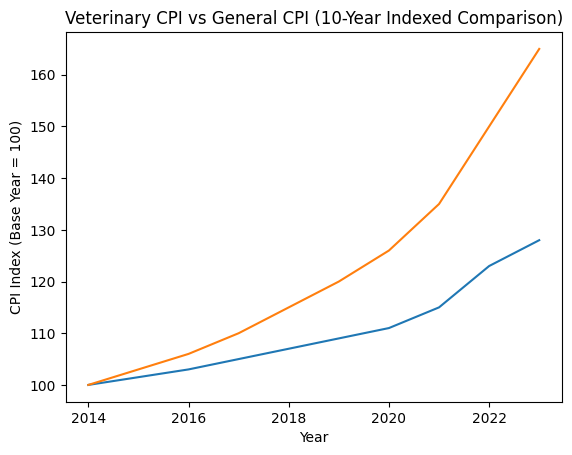
For ethical Ragdoll breeding programs, veterinary inflation is not abstract. It directly affects:
- Annual health screening budgets
- Emergency reserve requirements
- Reproductive management planning
- Neonatal care expenses
When medical inputs increase, program sustainability depends on pricing that reflects those realities. Veterinary inflation directly impacts breeding sustainability.
Echocardiogram Costs for Ragdoll Breeding Programs
Why Echocardiograms Matter
Hypertrophic cardiomyopathy, commonly abbreviated as HCM, is one of the most serious inherited cardiac conditions affecting pedigreed cats. While genetic testing identifies known mutations, it does not replace cardiac imaging.
Echocardiograms are used to:
- Screen for structural heart abnormalities
- Detect early signs of hypertrophic cardiomyopathy
- Monitor changes over time
These scans are typically performed by board-certified veterinary cardiologists or specialists with advanced imaging training. Ethical breeding programs rely on imaging because:
- Not all HCM cases are linked to currently identified mutations
- Cardiac status can change with age
- Breeding decisions should reflect real-time cardiac health
Repeat screening is standard in responsible programs. A single normal scan early in life does not guarantee lifelong cardiac normalcy.
Cost Averages in the United States
Echocardiogram expenses vary by region, but the cost structure typically includes:
- Initial cardiology consult fee
- Echocardiogram imaging procedure
- Interpretation and formal reporting
In many regions of the United States:
- A cardiology consult may range from several hundred dollars
- A full echocardiogram with specialist interpretation can range significantly higher depending on location
- Metropolitan specialty centers often charge more than rural referral clinics
Geographic variation is substantial. Urban specialty hospitals in high-cost-of-living areas may exceed national averages.
Frequency of repeat scans adds another layer of cost. Ethical programs commonly:
- Perform baseline screening before breeding
- Repeat screening annually or biannually depending on age and risk
- Remove breeding cats from programs if abnormalities develop
Screening is not one-time. Ethical programs re-test breeding cats regularly.
When multiplied across multiple breeding adults over several years, cardiac screening becomes a significant fixed cost in responsible Ragdoll breeding programs.
Litter Size Averages and Revenue Reality
Average Ragdoll Litter Size
In pedigreed Ragdoll programs, litter size is not unlimited, and it is not perfectly predictable.
The typical range in structured breeding programs often falls between three and five kittens per litter. Some queens may produce larger litters. Others may have smaller litters, especially on their first or final breeding cycles.
Variability between queens is normal. Factors that influence litter size include:
- Age of the queen
- Overall health and body condition
- Genetic background
- Reproductive timing
- Stress levels
Breeding projections that assume uniform litter size across every cycle are unrealistic. Ethical programs must plan for variability rather than ideal outcomes.
Mortality and Non-Saleable Outcomes
Revenue assumptions frequently ignore biological realities.
Even in well-managed programs, outcomes may include:
- Stillbirths
- Neonatal loss
- Fading kitten syndrome
- Kittens retained for observation
- Kittens placed under pet-only contracts
- Breeder retention for future program advancement
Not every kitten born becomes available for full-price sale. Some kittens may be retained to improve the breeding program. Others may be placed under altered agreements depending on conformation, health, or long-term breeding goals.
When projecting revenue, simplistic math often multiplies “average litter size” by “average kitten price.” Reality is more complex.
Revenue projections often assume full litter survival and full sale at identical pricing. Reality does not.
Program Overhead Beyond the Litter
Breeding economics do not begin and end with a single litter. Structured programs operate on recurring annual overhead that exists regardless of reproductive timing.
Recurring costs include:
- Adult cat food and premium nutrition
- Litter and sanitation supplies
- Routine veterinary care for breeding adults
- Preventive health maintenance
- Insurance policies
- Registration fees with The International Cat Association
- Registration fees with Cat Fanciers’ Association
- Microchipping
- Vaccination protocols
- Health certificates when required
- Website hosting and administrative systems
- Buyer communication infrastructure
- Dedicated kitten spaces and environmental equipment
Dedicated kitten rooms require climate control, washable surfaces, enrichment equipment, and sanitation systems. These are capital investments that must be maintained over time.
Overhead exists whether or not a litter is born in a given season.
Sustainable pricing must account for continuous infrastructure, not just per-kitten expenses.
Time Investment as an Economic Variable
In ethical Ragdoll breeding programs, labor is one of the least visible but most significant cost components.
Time is invested daily in:
- Cleaning and sanitation of adult and kitten spaces
- The insane amount of laundry
- Monitoring pregnant queens
- Early neurological stimulation during neonatal stages
- Structured socialization handling between two and twelve weeks
- Environmental enrichment rotation
- Feeding schedules and weight tracking
- Record keeping for health, lineage, and development
- Buyer communication, screening, and education
- Contract drafting and placement documentation
None of these tasks are optional in a responsible program. They are foundational to health, temperament stability, and ethical placement outcomes.
While this labor is rarely billed hourly, it carries economic value. In most industries, skilled daily labor would be costed directly into pricing models. In breeding programs, that labor is embedded within kitten pricing rather than itemized.
Time has economic value, even when not billed hourly.
Why Ethical Breeders Cannot Compete With Low-Price Sellers
Price disparities in the Ragdoll market often reflect structural differences rather than simple profit margins.
Structural Cost Difference
Compare two models:
Health-Screened Program
- Regular echocardiograms
- Comprehensive genetic panels
- Repeat cardiac rechecks
- Structured neonatal handling
- Formal placement contracts
- Multi-generational pedigree tracking
- Emergency veterinary reserve budgeting
Minimal-Screening Seller
- Limited or no cardiac imaging
- Basic or no genetic testing
- Minimal reproductive management
- Reduced neonatal oversight
- Informal placement practices
The upfront screening cost gap between these models is significant. Advanced testing, specialist consultations, and repeat evaluations create measurable fixed expenses before a single kitten is placed.
When screening is reduced or absent, those costs disappear from the breeder’s ledger.
However, the risk does not disappear. It shifts.
Long-term health risk may transfer to the buyer in the form of:
- Undetected cardiac disease
- Genetic disorder expression
- Behavioral instability
- Early-life medical expenses
The pricing difference often reflects whether costs are absorbed before sale or deferred to the future.
The $800 Kitten Problem
In a high-cost veterinary economy, extremely low pricing raises analytical questions.
Comprehensive health testing includes:
- Specialist-performed echocardiograms
- Genetic panels for breeding adults
- Routine veterinary oversight
- Reproductive management
- Neonatal monitoring
- Registration and compliance costs
When these inputs are calculated, the math becomes clear.
At very low price points, one of several realities typically exists:
- Screening is absent or significantly reduced
- Overhead is externalized to unpaid labor or under-resourced infrastructure
- Long-term sustainability is compromised
This is not an emotional argument. It is a cost-structure observation.
Low price alone does not prove misconduct. Ethical small-scale breeders can occasionally price modestly for valid reasons.
However, extremely low price in a high-cost veterinary market is statistically inconsistent with comprehensive health infrastructure.
When evaluating pricing, the more useful question is not “Why is this breeder more expensive?” but rather “What risks are included—or excluded—in this number?”
Hobby Pricing vs Survival Pricing
Price differences in the Ragdoll market often reflect program structure rather than profit intent. One of the most important distinctions is between hobby pricing and survival pricing.
Hobby Pricing
Hobby pricing typically reflects a small-scale or occasional breeding model.
Characteristics may include:
- Infrequent litters
- Minimal infrastructure investment
- Limited reinvestment into advanced screening
- Basic or one-time health testing
- No structured long-term cardiac re-screening schedule
- Lower overhead due to small adult populations
In this model, breeding may function as a side activity rather than a sustained health-focused program. Because screening intensity and infrastructure are lower, pricing can appear significantly more affordable.
This does not automatically imply poor intent. It does, however, reflect a different cost structure.
Survival Pricing
Survival pricing reflects a program built for long-term sustainability and multi-generational improvement.
Characteristics include:
- Sustained cardiac and genetic health testing
- Regular re-evaluation of breeding adults
- Multi-generational program investment
- Planned replacement of breeding cats
- Retention of offspring for advancement
- Emergency reserve budgeting for reproductive and neonatal risk
- Ongoing infrastructure maintenance
This model requires forward planning. Breeding adults eventually retire. Replacement cats must be raised or imported. Health testing must be repeated. Emergency procedures must be financially absorbable without destabilizing the program.
Ethical programs must price to survive long-term, not just to sell a single litter.
Short-term affordability cannot replace structural sustainability.
Estimated Cost Structure for an Ethical Ragdoll Breeding Program (U.S.)
| Category | Typical U.S. Cost Range | Frequency | Notes |
|---|---|---|---|
| Echocardiogram (Cardiology) | $400–$900 per cat | Every 1–2 years | Specialist-performed |
| Genetic Panel Testing | $120–$300 per cat | One-time + updates | Per breeding adult |
| Progesterone Testing | $200–$600 per cycle | Per breeding cycle | Multiple draws often required |
| Pregnancy Ultrasound/X-ray | $150–$400 | Per pregnancy | Monitoring |
| Emergency C-Section | $1,500–$4,000+ | If needed | Must budget reserve |
| Routine Adult Vet Care | $300–$800 per year per cat | Annual | Exams, vaccines |
| Neonatal Supplies | $200–$500 per litter | Per litter | Milk replacer, scales, etc. |
| Microchips & Vaccines | $75–$150 per kitten | Per kitten | Before placement |
| Early Spay/Neuter Surgery | $150–$400 per kitten | Per kitten | Includes anesthesia, pain control |
| Registration Fees | $20–$40 per kitten | Per kitten | TICA/CFA |
| Insurance / Liability | $300–$1,000 per year | Annual | Program protection |
| Food & Sanitation | $2,000–$6,000 per year | Annual | Depends on scale |
| Website & Admin | $500–$2,000 per year | Annual | Hosting, systems |
When multiplied across multiple breeding adults, repeated cardiac screening, and unpredictable reproductive cycles, these costs exceed what bargain-level pricing can realistically sustain.
Cost Structure Breakdown Model
Below is a simplified structural model illustrating recurring categories of investment within a responsible Ragdoll breeding program.
| Category | Estimated Annual Investment Structure |
|---|---|
| Genetic testing | Per breeding cat |
| Echocardiograms | Per breeding cat, repeated |
| Routine veterinary care | Annual |
| Reproductive management | Per breeding cycle |
| Neonatal supplies | Per litter |
| Registration & compliance | Annual |
| Overhead & administration | Annual |
This model does not assign specific dollar amounts because geographic location significantly affects pricing. Urban specialty centers, regional labor markets, and veterinary access all influence totals.
Exact figures vary by region, but structure remains consistent.
Programs either allocate resources to these categories, or they do not. Pricing reflects whether those structural inputs are present.
Economic Transparency Builds Trust
In the Ragdoll market, pricing without explanation often creates suspicion. Transparency reduces that friction.
When breeders openly discuss:
- Veterinary inflation
- Cardiac screening frequency
- Genetic testing requirements
- Reproductive management costs
- Program overhead
buyers can evaluate pricing using data rather than assumption.
Transparent cost discussion reduces buyer suspicion because it replaces vague claims with measurable inputs. When infrastructure is explained clearly, pricing becomes contextual rather than emotional.
It is equally important to clarify that higher price does not automatically equal higher ethics. A premium price tag alone does not prove comprehensive health screening or structured selection. Pricing must be supported by documented infrastructure.
However, comprehensive health infrastructure cannot operate at bargain pricing in a high-cost veterinary economy. Cardiology consults, genetic panels, neonatal oversight, and structured re-screening schedules carry measurable costs. If those services are consistently provided, they must be accounted for somewhere in the financial model.
The analytical question is not whether a breeder charges more. The relevant question is whether the pricing aligns with documented medical and program inputs.
The Long-Term Impact on Buyers
Economic structure directly influences long-term outcomes.
When breeders invest properly in screening, oversight, and infrastructure, buyers benefit through:
- Reduced inherited disease risk due to proactive cardiac and genetic screening
- Lower probability of early cardiac crisis through repeat echocardiogram monitoring
- Better temperament stability through structured developmental handling
- Stronger lifetime breeder support supported by sustainable program economics
Programs that operate on survival pricing are more likely to remain available for long-term guidance. They are more likely to maintain records, provide follow-up support, and continue investing in health screening over time.
The economic model directly shapes long-term kitten health outcomes.
When costs are absorbed upfront in structured health infrastructure, risk is reduced before placement rather than deferred after sale.
Frequently Misunderstood Assumptions
Several common assumptions distort pricing discussions.
“Breeders are making massive profit margins.”
In structured programs with repeated cardiac screening, genetic panels, reproductive management, and overhead, margins are often narrower than assumed. Revenue per litter does not equal net profit after medical and infrastructure expenses.
“Health testing is optional.”
In minimal programs, it may be treated as optional. In preservation-focused programs, repeat screening is part of structural sustainability. Eliminating testing reduces cost but increases long-term risk.
“All kittens cost the same to raise.”
They do not. Cost varies depending on parental health screening, neonatal oversight, veterinary frequency, and infrastructure quality. A kitten raised in a medically supervised, screened program carries a different cost base than one raised without those inputs. See Ragdoll temperament predictability for more info.
“Color determines price more than infrastructure.”
In some segments of the market, rare color marketing influences price. In structured programs, pricing is more heavily influenced by health screening and program sustainability than by coat pattern alone.
Appearance-based pricing centers on visual demand.
Health-based pricing centers on structural investment.
Understanding that distinction allows buyers to evaluate pricing with clarity rather than comparison alone. See Who Should Not Get a Ragdoll Cat for more clarity.
Final Perspective — Cost Structure Reflects Standards
In the United States, responsible Ragdoll breeding operates within a defined medical and operational framework. That framework requires:
- Sustained investment in cardiac screening through specialist-performed echocardiograms
- Ongoing genetic testing as panels evolve and new mutations are identified
- Reproductive management oversight including pre-breeding evaluation and pregnancy monitoring
- Structured neonatal care during the most vulnerable developmental stages
- Ethical placement systems that include screening, contracts, and long-term breeder accountability
These elements are not theoretical. They are recurring, measurable inputs.
Pricing reflects infrastructure.
When pricing is significantly below the cost required to maintain repeated cardiac screening, genetic panels, reproductive oversight, and structured placement systems, something in the cost structure has been reduced or removed.
Low pricing may reflect minimal screening.
Higher pricing often reflects sustained reinvestment into health testing, program continuity, and long-term accountability.
The goal of economic transparency is not to justify numbers emotionally. It is to align pricing with documented standards.
Responsible Ragdoll breeding requires sustained investment in health screening, veterinary care, and ethical placement practices—cost structures that directly shape kitten pricing.
See Ragdoll Cat Complete Breed Guide for more info.
Related Ragdoll Cat Guides & Resources
The following articles provide focused explanations and practical detail on specific aspects of Ragdoll ownership:
- Ragdoll Temperament Explained
A focused explanation of personality traits, emotional sensitivity, and everyday behavior. - Ragdoll Kittens vs Adult Ragdolls
A clear comparison of temperament development, predictability, cost, and adjustment expectations. - Ragdoll Size, Weight & Growth Chart
A breakdown of growth stages, size ranges, and what healthy development looks like from kittenhood through maturity. - Ragdoll Cat Health and Longevity Guide
An overview of common health considerations, lifespan expectations, genetics, and preventative care. - Best Diet for Ragdoll Cats
Feeding principles, moisture needs, protein requirements, and common nutrition mistakes. - Ragdoll Grooming and Shedding Guide
Coat care routines, shedding expectations, and practical grooming maintenance. - How Much Does a Ragdoll Cat Cost?
Purchase price ranges, ongoing expenses, and long-term cost planning. - How to Choose a Ragdoll Breeder
What responsible breeders prioritize, questions buyers should ask, and warning signs to avoid. - Ragdoll Cat Breed Standard
How the breed was developed and why temperament and predictability were intentional goals. - Pet Insurance for Ragdoll Cats
When to enroll, what coverage supports, and why insurance matters for this breed.
Sources and References
Veterinary Inflation & Cost Trends
- U.S. Bureau of Labor Statistics (BLS) – Consumer Price Index for Veterinary Services
https://www.bls.gov/cpi/ - American Veterinary Medical Association (AVMA) – Economic & Workforce Reports
https://www.avma.org/resources-tools/reports-statistics
Cardiac Screening & HCM
- American College of Veterinary Internal Medicine (ACVIM)
https://www.acvim.org - Fox, P. R. Hypertrophic cardiomyopathy in cats. Journal of Veterinary Cardiology.
Genetic Testing Standards
- University of California, Davis Veterinary Genetics Laboratory (VGL)
https://vgl.ucdavis.edu
Reproductive & Neonatal Care
- Little, S. The Cat: Clinical Medicine and Management.
- Root Kustritz, M. V. Reproductive management in queens. Theriogenology.
Registry Framework
- The International Cat Association – https://tica.org
- Cat Fanciers’ Association – https://cfa.org
These sources support the veterinary cost trends, cardiac screening standards, genetic testing requirements, and structural infrastructure referenced in this analysis.










Read the Comments +